
Last Updated: April 2026
2026 Update: In 2026, you cannot simply show up at Mt. Fuji and start climbing. Every trail now requires a mandatory ¥4,000 entry fee. On the popular Yoshida Trail, a physical gate closes at 2:00 PM — no mountain hut reservation means no entry until 3:00 AM. Furthermore, the Subashiri Trail opening date has been moved up to July 1st to align with the Yoshida Trail.
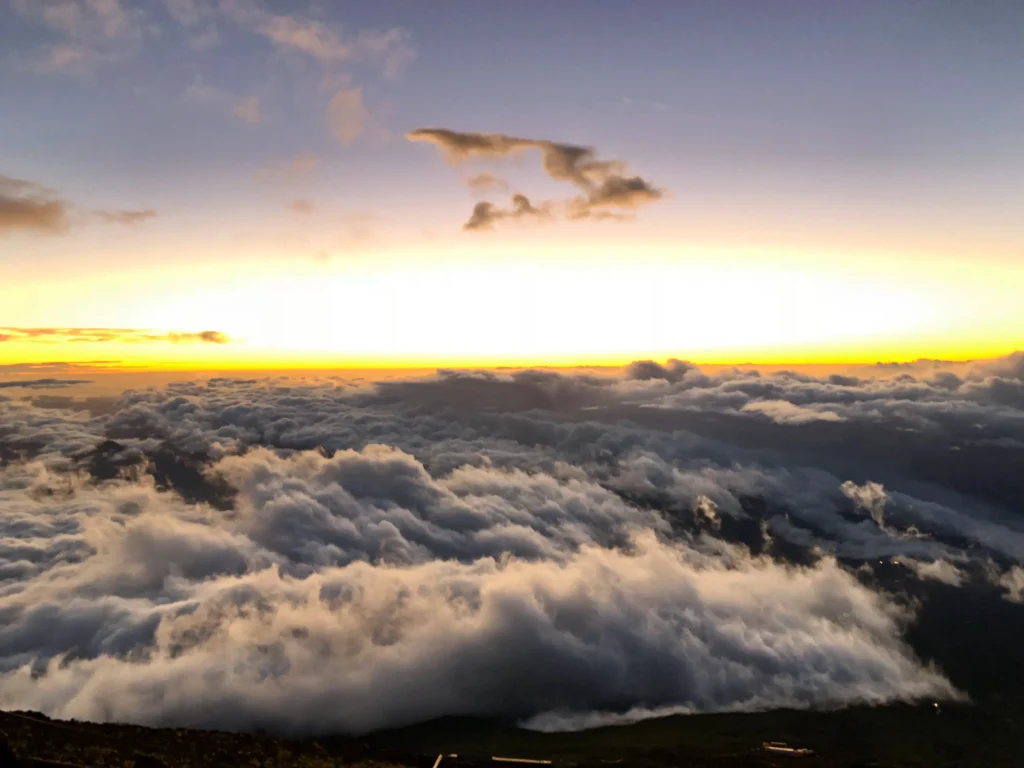
The sunrise from Mt. Fuji‘s summit — called goraiko — is not just a view. It’s the reason 300,000 people climb this mountain every summer. At 4:30 AM, the sun breaks above a blanket of clouds, and for one moment, you’re the highest person in Japan.
However, getting to that moment has changed drastically. To combat extreme overcrowding and dangerous “bullet climbing” (climbing through the night without resting), Japanese authorities have implemented strict new regulations. As the founder of hiddenjapan-gems.com, I have broken down the new reservation systems, the ¥4,000 fee, and the exact steps you need to take to successfully climb Mt. Fuji in 2026.
This is the only guide you need to plan your climb. For weather and visibility conditions, check our Mt. Fuji Visibility Forecast before you go, and read our Mt. Fuji Snow, Weather & Clothing Guide for packing advice.
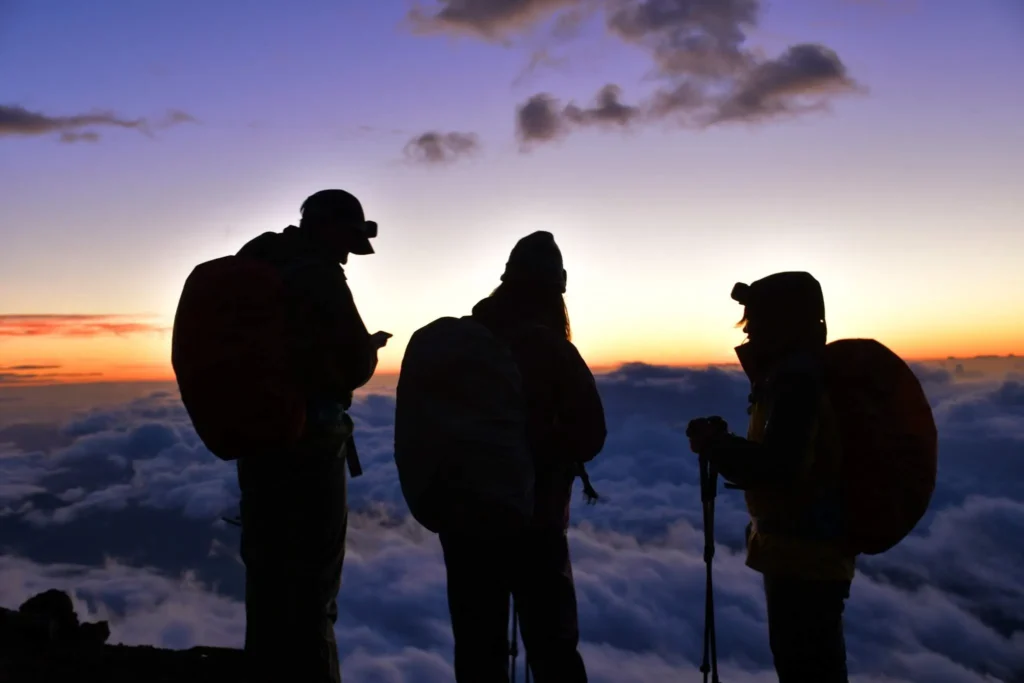
Table of Contents
Quick Facts: Climbing Mt. Fuji in 2026
| Detail | Information |
| Climbing Season | July 1 – September 10 (Yoshida & Subashiri) / July 10 – Sept 10 (Others) |
| Mandatory Fee | ¥4,000 per person, per climb (all trails) |
| Gate Closure | 2:00 PM to 3:00 AM (Yoshida Trail). Hut guests are exempt. |
| Reservation Systems | fujisan-climb.jp (Yoshida) / shizuoka-fujinavi.jp app (Shizuoka trails) |
| Best Trail for Beginners | Yoshida Trail (most mountain huts, best infrastructure) |
| Estimated Budget | ¥25,000 – ¥40,000 (including transport from Tokyo, hut, and gear rental) |
The 2026 Regulations: What You Must Know Before You Go
The era of spontaneous Mt. Fuji climbs is over. Whether you climb from the Yamanashi side (Yoshida Trail) or the Shizuoka side (Fujinomiya, Subashiri, Gotemba Trails), you must navigate the new entry systems.
1. The Mandatory ¥4,000 Entry Fee
Across all four trails, every climber must pay a ¥4,000 entry fee. The old voluntary “conservation cooperation fee” has been abolished. This fee funds trail maintenance, safety patrols, and the new gate systems. (Exemptions apply only for disability handbook holders and pre-approved school groups).
2. The Yoshida Trail Gate System (Yamanashi Prefecture)
If you are hiking the popular Yoshida Trail, you will encounter a physical gate at the 5th Station.
•Gate Closed: 2:00 PM to 3:00 AM.
•Daily Capacity: 4,000 climbers per day.
•The Exception: If you have a confirmed mountain hut reservation, you can pass through the gate at any time and are not counted toward the 4,000 daily limit.
•Equipment Check: At the gate, staff will check that you have three essential items: warm clothing, two-piece rain gear (jacket and pants), and proper trekking shoes. If you arrive in sneakers or without rain gear, you will be denied entry.
How to Reserve the Yoshida Trail:
You must book your entry slot in advance via the Official Mt. Fuji Climbing Portal. The 2026 system is expected to open in April/May. You will pay the ¥4,000 fee online. Walk-ups are allowed only if the 4,000 daily capacity has not been reached, but weekends and the Obon holiday (mid-August) will sell out online within minutes.
3. The FUJI NAVI System (Shizuoka Prefecture Trails)
If you are hiking the Fujinomiya, Subashiri, or Gotemba trails, you must use the new FUJI NAVI app (available on iOS and Android).
1.Register & Learn: Download the app, register, and complete a mandatory e-learning module (a 7-minute video on safety and rules, followed by a quiz). It is available in English, Chinese, Korean, Vietnamese, and Thai.
2.Pay: Pay the ¥4,000 fee through the app.
3.Get QR Code: You will receive a QR code. Show this at the 5th Station learning hut to receive your entry wristband.
4.Night Entry: If you plan to enter between 2:00 PM and 3:00 AM, you must show proof of a mountain hut reservation.
Local Tip: If you do not have a smartphone, you can complete the registration, watch the video, and pay in cash at the 5th Station learning huts, but doing it in advance via the app saves crucial time.
4. The End of “Bullet Climbing”
“Bullet climbing” (弾丸登山) means starting at night and hiking straight to the summit for sunrise without sleeping at a mountain hut. This is now effectively banned. Because the gates close at 2:00 PM and do not reopen until 3:00 AM, you physically cannot start a night climb unless you have a mountain hut reservation. This rule was implemented to drastically reduce altitude sickness, hypothermia, and accidents in the dark.
The 4 Trails Compared: Which Should You Choose?
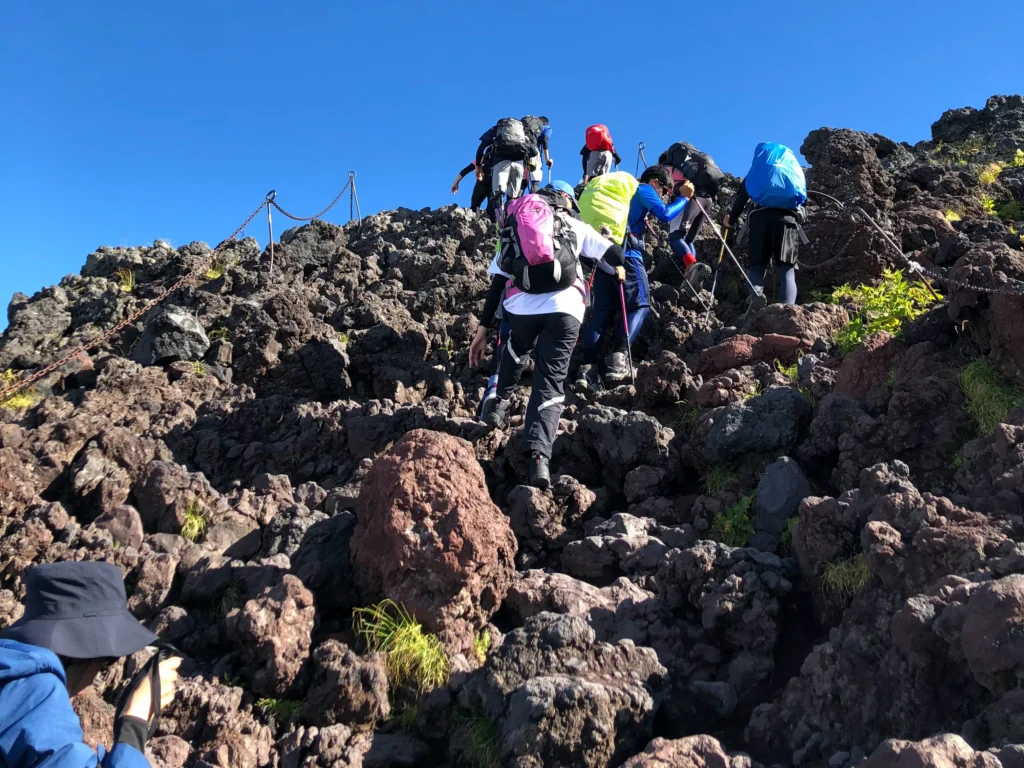
Mt. Fuji has four main trails. They are color-coded on all signs. Choosing the right one is critical to your success.
Yoshida Trail (Yellow) — Best for Beginners
•Start: Fuji Subaru Line 5th Station (2,305m)
•Ascent / Descent: 5-7 hours up / 3-4 hours down
•Features: This is the most popular trail (~60% of climbers). It has separate paths for going up and coming down, and the highest number of mountain huts (17+ huts). It is the best choice for first-timers, but it gets extremely crowded.
•Access: Direct highway buses from Shinjuku (~2.5 hours) or local buses from Kawaguchiko Station.
Subashiri Trail (Red) — The Forest Route
•Start: Subashiri 5th Station (1,970m)
•Ascent / Descent: 6-8 hours up / 3-4 hours down
•Features: New for 2026: Scheduled to open on July 1st (previously July 10th). The trail starts in a beautiful forest zone before emerging above the tree line. It merges with the Yoshida Trail at the 8th station. The descent features the famous “Osunabashiri” — a long stretch of deep volcanic sand where you can almost run down the mountain.
Fujinomiya Trail (Blue) — Shortest to the Top
•Start: Fujinomiya 5th Station (2,400m)
•Ascent / Descent: 4-6 hours up / 2-4 hours down
•Features: The highest starting point makes this the shortest route to the summit. It is also the closest trail to Kengamine (the true 3,776m peak). However, it is very steep, and the ascent and descent use the exact same path, which can cause congestion.
Gotemba Trail (Green) — The Endurance Test
•Start: Gotemba New 5th Station (1,440m)
•Ascent / Descent: 7-10 hours up / 3-4 hours down
•Features: The lowest starting point means a massive 2,300m elevation gain. It is the longest and hardest route, but consequently the least crowded. Only recommended for highly experienced, fit hikers.
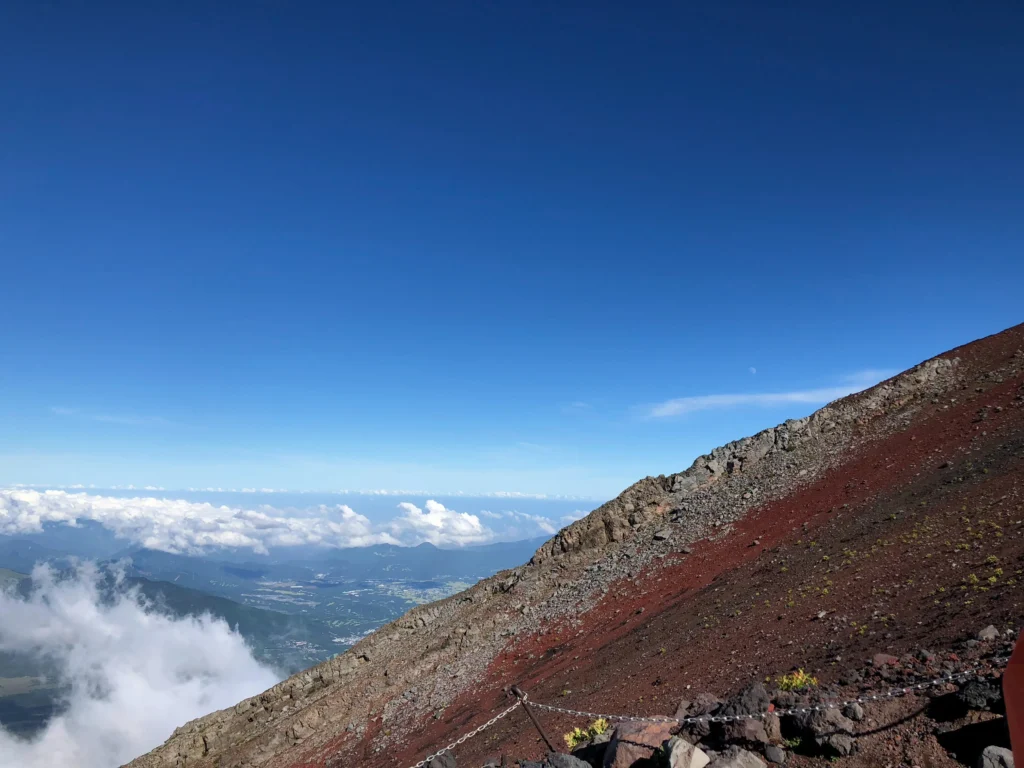
Mountain Hut Reservations: Book Early or Miss Out
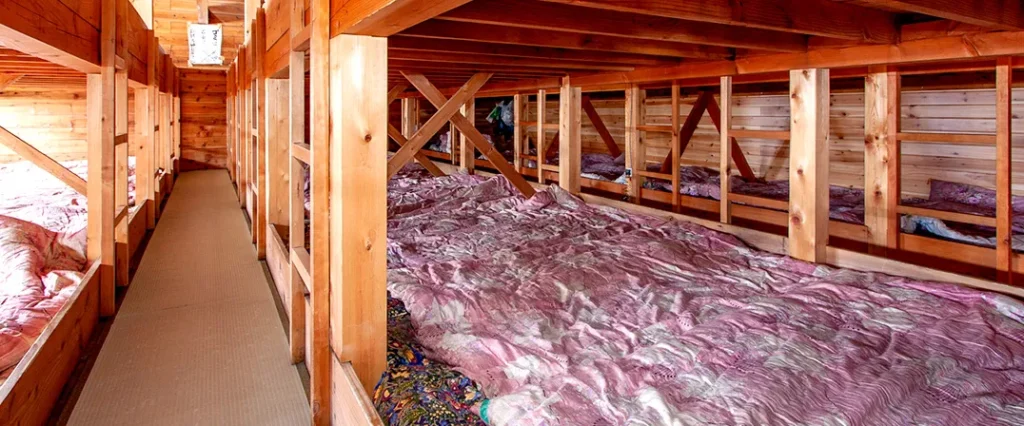
Staying at a mountain hut is mandatory if you want to see the sunrise from the summit. Huts are not hotels — they are basic shelters where you sleep shoulder-to-shoulder in sleeping bags on wooden bunks.
When Do Reservations Open?
For the 2026 season, booking dates vary by hut, but generally open between April and June. You must book months in advance.
•Kamaiwakan (Yoshida 7th): Opens May 7, 2026, 10:00 AM
•Ganso Muro (Yoshida 8th): Opens May 16, 2026, 10:00 AM
•Fuji Ichikan (Yoshida 7th): Opens May 17, 2026, 10:00 AM
•Tomoekan: Already accepting 2026 reservations (popular for private rooms)
Yoshida Trail Hut Prices (1 Night, 2 Meals)
Prices have increased in recent years. Expect to pay between ¥10,000 and ¥17,600 for a weekday stay with dinner (usually curry rice) and a packed breakfast.
•7th Station (2,700m – 3,000m): ¥7,700 – ¥16,200 (e.g., Toyokan, Kamaiwakan). Good for acclimatization, but leaves a long 4-5 hour climb for summit sunrise.
•8th Station (3,100m – 3,400m): ¥14,000 – ¥16,500 (e.g., Taishikan, Hakuun-so). The ideal location. You sleep higher up, making the early morning summit push much shorter (2-3 hours).
•8.5th Station (3,450m): Goraikoukan (¥13,000). The highest hut on the Yoshida trail before the summit. Sells out instantly.
Note: Weekends and holidays (especially the Obon period in mid-August) carry surcharges of ¥1,100 to ¥2,200 and sell out the fastest. You can book directly on hut websites or use aggregators like Japan Mountain Huts.
What to Bring: Gear and Costs
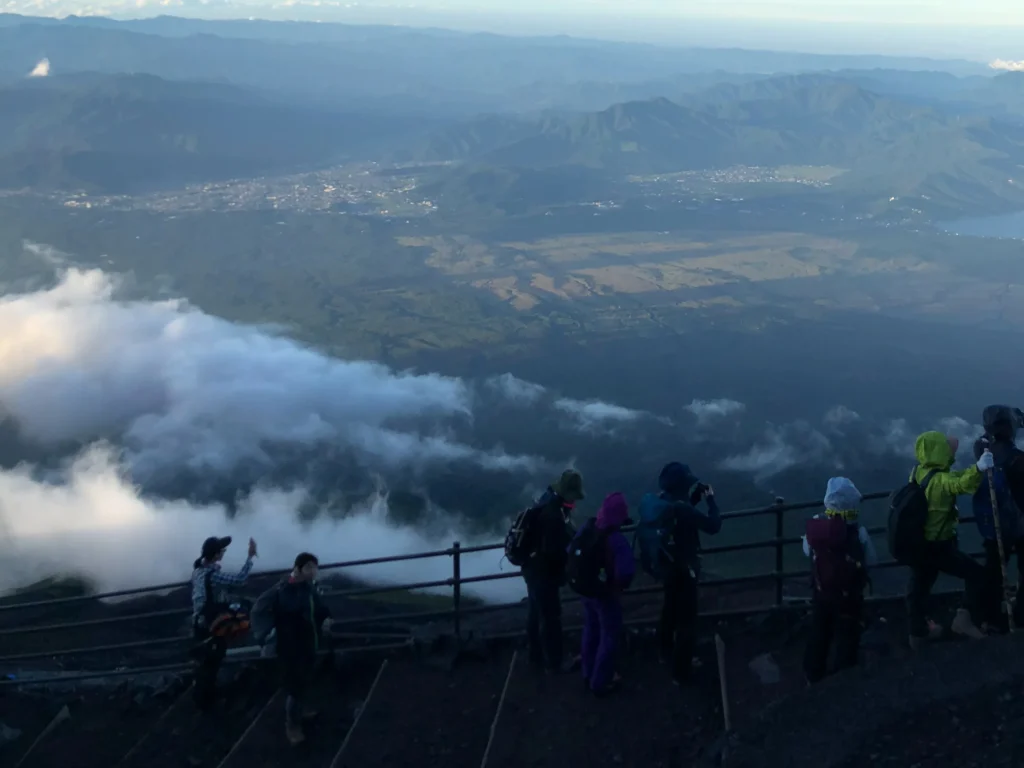
Do not underestimate Mt. Fuji. The summit temperature is often near 0°C (32°F) even in August, and severe storms can roll in without warning.
Mandatory Gear (Checked at the Gate)
1.Waterproof Rain Gear: Must be Gore-Tex or similar, two-piece (jacket and pants). Ponchos are useless in high winds.
2.Warm Layers: Fleece and a down jacket.
3.Proper Footwear: Hiking or trekking boots with ankle support.
Highly Recommended Gear
•Headlamp: Essential for the night climb to the summit.
•Backpack (30-40L): With a waterproof cover.
•Water: At least 1-2 liters. You can buy more at huts, but it is expensive.
•Trekking Poles: Will save your knees on the steep, slippery descent.
•Portable Battery: Phone batteries drain incredibly fast in the cold altitude.
The Golden Rule: Bring Cash
Bring cash. Lots of it. Toilets cost ¥200-300 per use (drop coins in a box). Drinks on the mountain cost ¥400-500 per bottle. Many mountain huts do not accept credit cards for snacks or branding your walking stick. Budget at least ¥5,000 in coins and ¥1,000 bills for on-mountain expenses alone.
Renting Gear
If you do not want to carry bulky hiking gear to Japan, rent it. Companies like Soranoshita and Yamarent offer full 7-to-12 piece sets (boots, rain gear, headlamp, bag, poles) for ¥10,000 to ¥20,000. You can pick the gear up in Shinjuku, Kawaguchiko, or even at the 5th Station.
Total Budget Estimate (From Tokyo)
•Entry Fee: ¥4,000
•Transport (Highway Bus RT): ~¥5,600
•Mountain Hut (1N2M): ~¥14,000
•Gear Rental: ~¥12,000
•On-Mountain Cash (Toilets/Water): ¥3,000
•Total: ~¥38,600 (Approx. $250 USD / SGD 340 / THB 9,000)
If you are traveling around Japan before or after your climb, a JR Pass can cover the trains to the Mt. Fuji area (though local buses to the 5th station are extra). Check JR Pass prices on Trip.com.
The Sunrise Strategy (Goraiko)
Seeing the sunrise (goraiko) from the summit is the ultimate goal. Depending on the date, the sun rises between 4:30 AM (early July) and 5:15 AM (late August).
The Standard Plan (Yoshida Trail):
1.Day 1 (11:00 AM): Arrive at the 5th Station. Spend 1-2 hours acclimatizing to the altitude. Eat lunch, stretch.
2.Day 1 (1:00 PM): Pass the gate and begin climbing.
3.Day 1 (4:00 PM): Arrive at your 8th station mountain hut. Eat dinner and go to sleep by 7:00 PM. (Bring earplugs and an eye mask).
4.Day 2 (1:30 AM): Wake up, put on all your warm layers, turn on your headlamp, and begin the summit push. The trail will be a continuous line of headlamps.
5.Day 2 (4:00 AM): Arrive at the summit. Find a spot facing east.
6.Day 2 (4:30 AM): Sunrise.
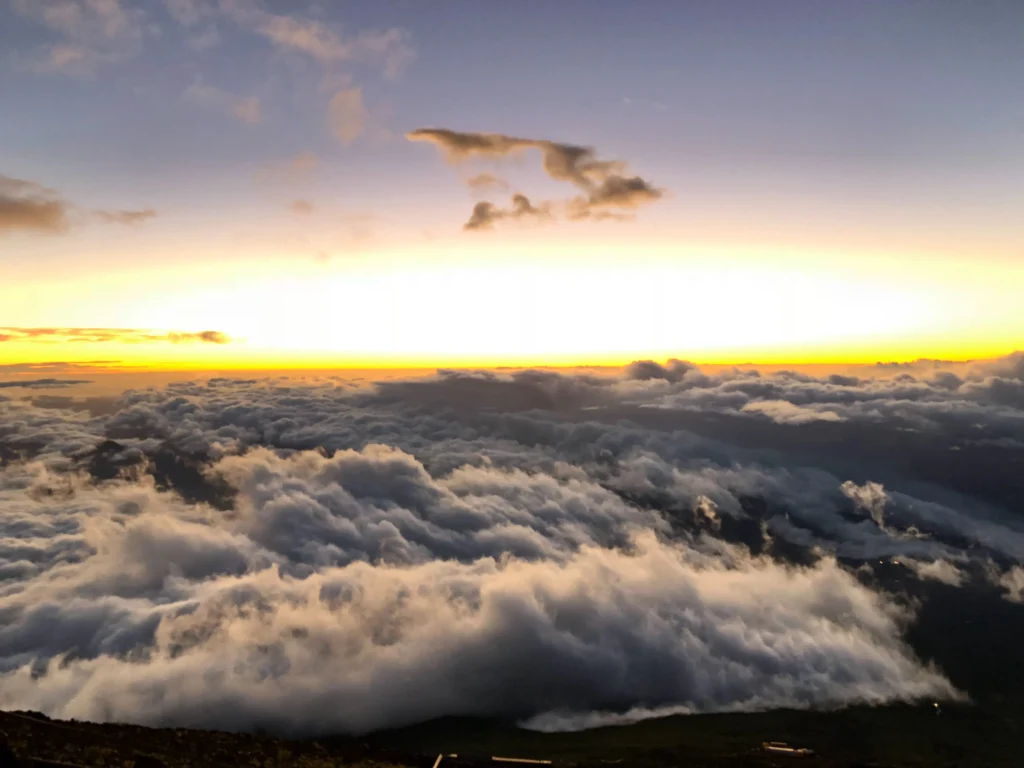
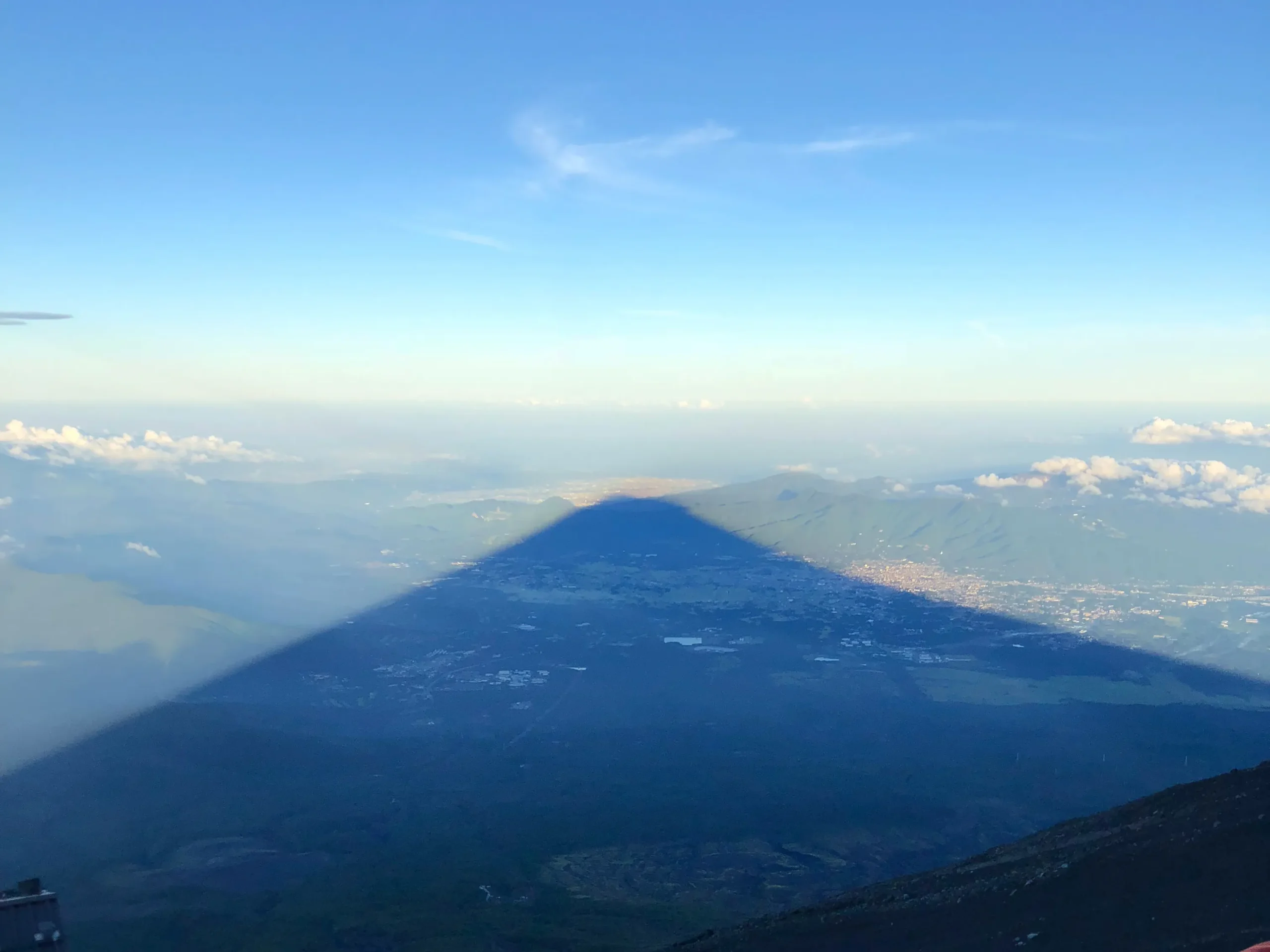
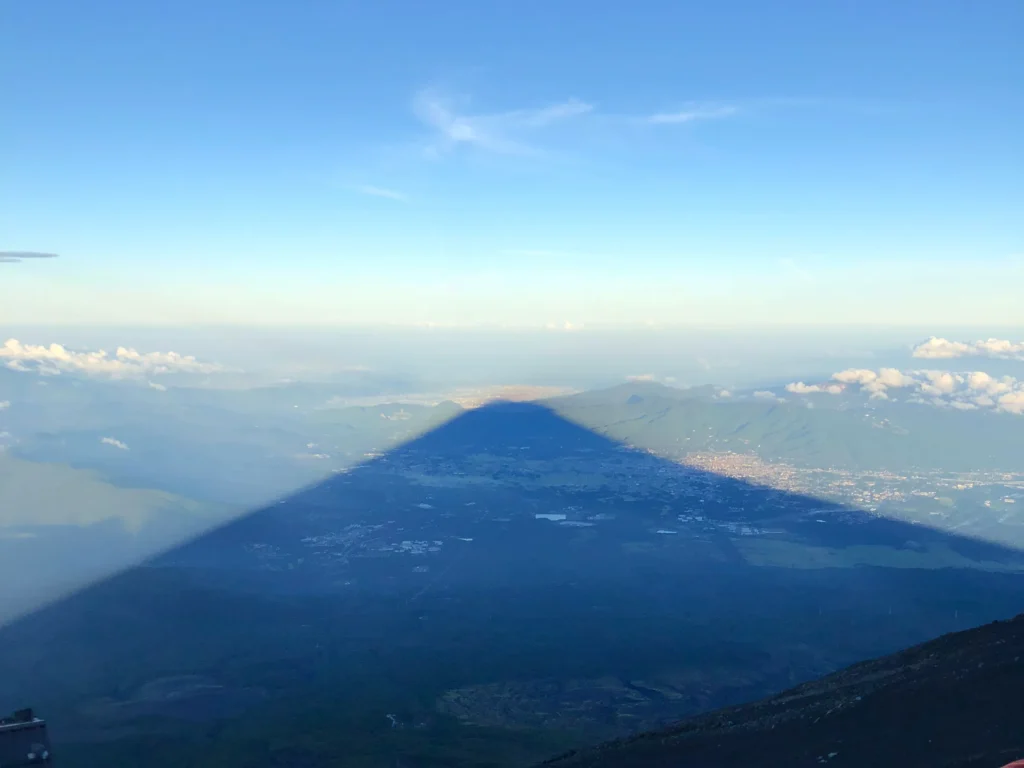
After sunrise, do not immediately descend. Walk around the crater rim (Ohachi-meguri, takes about 90 minutes) to reach Kengamine (3,776m), the absolute highest point in Japan. Also, look to the west shortly after sunrise to see Shadow Fuji (影富士) — the mountain’s massive triangular shadow cast across the clouds.
Safety, Altitude Sickness & Emergency Contacts
Mt. Fuji is safe if you respect it, but altitude sickness affects roughly 30% of climbers. Symptoms include headaches, nausea, dizziness, and shortness of breath.
How to prevent it:
•Acclimatize at the 5th station for at least an hour before hiking.
•Ascend slowly. Drink plenty of water.
•Do not drink alcohol at the mountain hut.
•The only cure for severe altitude sickness is descending. If you feel terrible, do not push for the summit. Turn around.
Emergency Contacts
| Service | Number |
| Police | 110 |
| Fire / Ambulance | 119 |
| Yoshida 5th Station Admin | 090-5190-0167 |
| Gotemba Police | 0550-84-0110 |
| Fujinomiya Police | 0544-23-0110 |
Cell coverage is surprisingly good on the mountain (KDDI even has 5G at the summit and free Wi-Fi at 47 locations during the season), but batteries die quickly in the cold. Before you climb, you must submit a climbing notification. For Shizuoka trails, this is done via the FUJI NAVI app. For Yoshida, you can submit it online via Compass.
If a typhoon or earthquake strikes during your trip, read our Disaster Preparedness Guide for Travelers in Japan.
Note: Never climb Mt. Fuji outside the official summer season. The huts are closed, there is no rescue infrastructure, and the weather is lethal. Read our guide on Why Climbing Mt. Fuji in Winter is Dangerous to understand the risks.
Before You Go: Day 0 Preparation Checklist
Do not leave anything to the last minute. The new systems require advance action.
1.2-3 Months Before: Book your mountain hut. Popular huts sell out within hours of opening.
2.1-2 Months Before: Reserve your Yoshida Trail entry slot via fujisan-climb.jp (or register on the FUJI NAVI app for Shizuoka trails). Pay the ¥4,000 fee.
3.1-2 Weeks Before: Rent gear if needed (Soranoshita or Yamarent). Submit your climbing notification via Compass.
4.The Night Before: Withdraw ¥5,000+ in cash (¥100 and ¥500 coins, ¥1,000 bills). Charge all devices. Pack everything.
Pre and Post-Climb Logistics
You will be exhausted after your climb. Do not plan a heavy sightseeing day immediately afterward.
Where to Stay: Book a hotel near Lake Kawaguchiko or Fujiyoshida to rest and shower. Check our guide on Where to Stay Near Mt. Fuji Without a Car or search for Mt. Fuji Area Hotels on Agoda for the best rates.
Access from Tokyo: The easiest way to reach the Yoshida 5th Station is the direct highway bus from Shinjuku (~2.5 hours, ~¥2,600 one way). Read our Tokyo to Kawaguchiko Access Guide for details. For broader Japan travel planning, see our Getting Around Japan Guide.
Guided Tours: If navigating the reservations, gear rentals, and transport feels overwhelming, consider booking a package. You can find highly-rated Mt. Fuji climbing tours on Klook that handle the hut booking and guide you to the top.
Post-Climb Reward: After you recover, drive or take a bus to Lake Motosu — the spot where the ¥1,000 bill’s Mt. Fuji image was photographed. It is a 40-minute drive from Kawaguchiko and the perfect way to see the mountain you just conquered from below.
Tips for Southeast Asian Visitors
Mt. Fuji is increasingly popular with travelers from Singapore, Thailand, Malaysia, and Indonesia. Here are some practical tips specific to your trip.
Flights: Budget airlines offer direct flights to Tokyo from Singapore (Scoot, Jetstar Asia, ~7 hours), Bangkok (AirAsia X, Thai Lion Air, ~6 hours), Kuala Lumpur (AirAsia X, ~7 hours), and Jakarta (Batik Air, ~7.5 hours). Book early for fares as low as SGD 200 / THB 5,000 round-trip.
Visa: Singapore and Malaysia passport holders enjoy visa-free entry to Japan for up to 90 days. Thai and Indonesian passport holders also enjoy visa-free entry for up to 15 days (extended to 30 days for Thai passports). Always check the latest requirements before travel.
Temperature Shock: If you are coming from Southeast Asia, the temperature difference is extreme. The Mt. Fuji summit in July averages 5°C (41°F) — compared to 28°C in Singapore or 30°C in Bangkok. At night, it drops to near 0°C. Bring serious warm layers; a tropical wardrobe will not survive this mountain.
Food on the Mountain: Mountain hut meals are typically Japanese curry rice or simple bento. Halal-certified options are not available at huts. If you follow halal dietary requirements, bring your own food from convenience stores in the city before ascending — 7-Eleven and Lawson carry onigiri (rice balls) with seafood fillings and vegetable options that are generally halal-friendly (check labels for alcohol-based seasonings). Vegetarian options at huts are limited; inform the hut when booking.
Payment: Most mountain huts and all toilets on the mountain are cash only. Withdraw yen from 7-Eleven or Post Office ATMs before you head to the mountain.
Climbing Mt. Fuji is a profound, exhausting, and unforgettable experience. By understanding the 2026 regulations, booking your hut early, and respecting the mountain’s environment, you will be standing above the clouds for the sunrise of a lifetime.
Frequently Asked Questions
How do I climb Mt. Fuji in 2026?
To climb Mt. Fuji in 2026, you must pay a mandatory ¥4,000 entry fee and pass through a gate system. For the Yoshida Trail, you must book an entry slot online in advance. For the Shizuoka trails, you must register and complete safety training via the FUJI NAVI smartphone app. You also need proper hiking gear and a mountain hut reservation if you plan to climb overnight.
Do I need a reservation to climb Mt. Fuji?
Yes. On the Yoshida Trail, daily climbers are capped at 4,000, and you should reserve your entry slot online (fujisan-climb.jp). For the Fujinomiya, Subashiri, and Gotemba trails, you must pre-register using the FUJI NAVI app. Furthermore, if you want to pass the Yoshida gate between 2:00 PM and 3:00 AM, a mountain hut reservation is strictly required.
How much does it cost to climb Mt. Fuji?
The mandatory entry fee is ¥4,000. Beyond that, a typical budget from Tokyo ranges from ¥25,000 to ¥40,000. This includes round-trip bus transport (¥5,600), a one-night stay at a mountain hut with two meals (¥10,000 – ¥17,600), gear rental if needed (¥12,000), and cash for on-mountain toilets and water (~¥3,000).
Which Mt. Fuji trail is best for beginners?
The Yoshida Trail (Yellow Route) is the best for beginners. It features the most mountain huts, excellent infrastructure, first-aid stations, and separate paths for ascending and descending. Because it is the most popular, you will rarely be alone, making it safer for novice hikers.
When is Mt. Fuji open for climbing in 2026?
For 2026, the Yoshida Trail and the Subashiri Trail open on July 1st and close on September 10th. The Fujinomiya and Gotemba Trails open on July 10th and close on September 10th. Always check official sources before traveling, as heavy snow or severe weather can delay the opening dates.
Is bullet climbing Mt. Fuji banned?
Yes, bullet climbing (hiking through the night without resting at a hut) is effectively banned. The gate on the Yoshida trail closes at 2:00 PM and does not reopen until 3:00 AM. Unless you have a confirmed mountain hut reservation, you physically cannot pass the gate during the night.
How do I book a mountain hut on Mt. Fuji?
Mountain huts must be booked well in advance, usually starting between April and June for the summer season. You can book directly through individual hut websites or use aggregator sites like Japan Mountain Huts. Full advance payment is usually required, and popular huts (like those at the 8th station or with private rooms) sell out within hours of opening.
What should I bring to climb Mt. Fuji?
At the entry gate, officials will check for three mandatory items: warm clothing (fleece/down jacket), two-piece waterproof rain gear (jacket and pants), and proper trekking boots. You also need a headlamp, a 30-40L backpack, 1-2 liters of water, high-energy snacks, a portable phone charger, and plenty of ¥100 coins for the pay toilets.

- MT. FUJI SUNRISE (GORAIKO) PHOTO GUIDE
 Mt. Fuji Sunrise 2026: Hour-by-Hour Goraiko Guide [9 Photos] 2026 Update: In 2026, the mandatory ¥4,000 entry fee applies to all trails, and strict gate closures (2:00 PM on the… Read more: MT. FUJI SUNRISE (GORAIKO) PHOTO GUIDE
 - Climbing Mt. Fuji 2026: 4 Trails, New Rules & CostsLast Updated: April 2026 2026 Update: In 2026, you cannot simply show up at Mt. Fuji and start climbing. Every trail now requires a mandatory ¥4,000 entry fee. On the… Read more: Climbing Mt. Fuji 2026: 4 Trails, New Rules & Costs
- Kuonji’s 5 AM Bell: A Traveler’s Guide to Morning Prayers at Minobusan
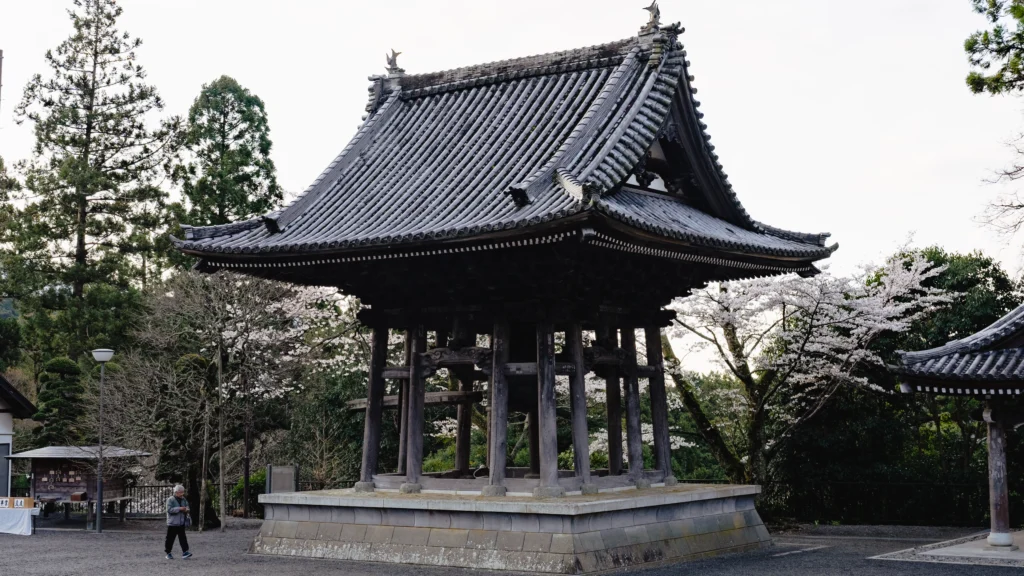 2026 Update: As of October 2024, the morning prayer time has been standardized to 5:30 AM year-round. Previously, the schedule changed with the seasons, and many third-party websites still show… Read more: Kuonji’s 5 AM Bell: A Traveler’s Guide to Morning Prayers at Minobusan
 - Minobusan Kuonji 2026: A 750-Year-Old Temple with Japan’s Best Weeping Cherry Trees
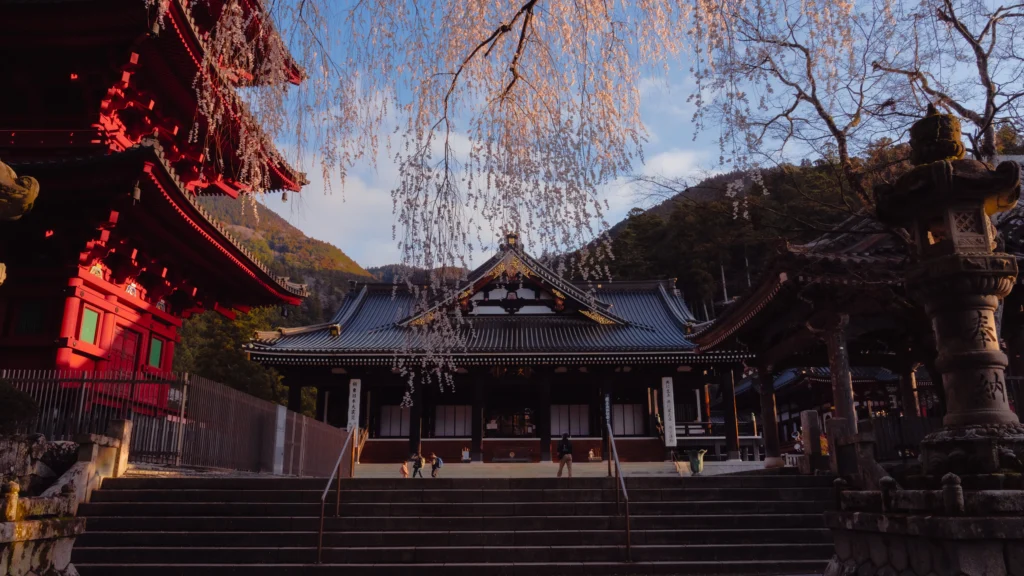 2026 Update: Morning prayer is now held at a fixed time of 5:30 AM year-round (previously varied by season). The five-story pagoda, reconstructed in 2009, remains one of the most… Read more: Minobusan Kuonji 2026: A 750-Year-Old Temple with Japan’s Best Weeping Cherry Trees
 - Lake Motosu: Chasing the Fuji on the 1,000 Yen Bill
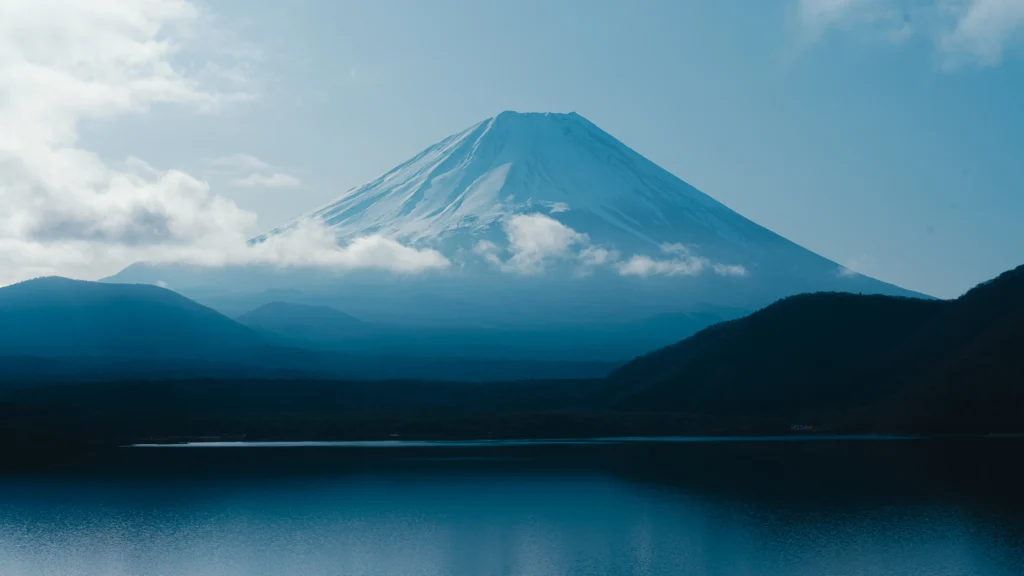 Have you ever pulled a 1,000 yen bill from your wallet, looked at the majestic image of Mount Fuji reflected on a lake, and wondered, “Is this place real?” I… Read more: Lake Motosu: Chasing the Fuji on the 1,000 Yen Bill
2026 cherry blossom cherry blossoms day trip from tokyo flower festival fuji five lakes fujiyoshida Fukuoka fushimi hanami hiking japan japanese culture japanese food japanese garden japan travel kamakura kawagoe kawaguchiko Kumamoto kyoto local food Mount Fuji mt fuji Nagano nature Nikko Oku-Nikko Onsen Ramen saitama sakura Shizuoka shrine sightseeing snow spring in japan Tochigi Tokyo travel travel guide travel planning winter winter travel Yamanashi
![Hiroshima Food Guide 2026: Okonomiyaki, Oysters & Seto Sushi [Local's Picks]](https://hiddenjapan-gems.com/wp-content/uploads/2026/04/29856F07-18E2-4769-897E-F3CA8EC4F8AE-768x576.webp)