


Imagine stepping off the train from Kyoto Station and finding yourself not in another temple-filled district, but in a tranquil town where willow-lined canals reflect historic sake breweries. This is Fushimi, a place where you can trace the footsteps of samurai revolutionaries in the morning, enjoy a peaceful boat ride in the afternoon, and sip on world-class sake as the sun sets. It’s a side of Kyoto that moves at a slower pace, revealing its stories through its waterways, its architecture, and the lingering aroma of fermenting rice.
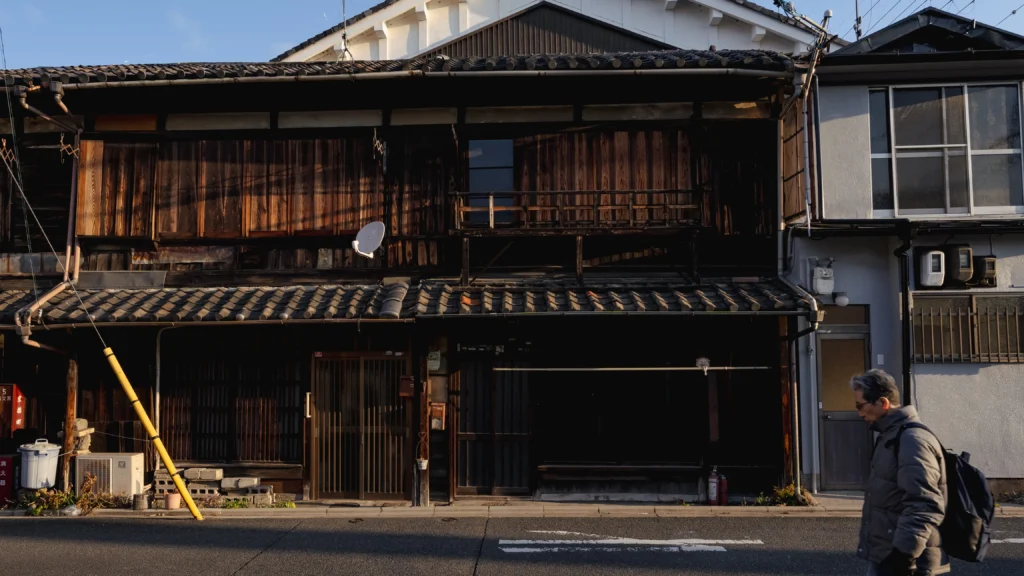
As the founder of hiddenjapan-gems.com, I find Fushimi offers a uniquely satisfying walking experience. This guide is designed to connect all of Fushimi’s core themes—sake, history, and local life—into one seamless, walkable route. Forget complicated bus routes; everything here is best explored on foot.
Table of Contents
Quick Facts for Your Fushimi Day Trip
To help you plan your visit, here is a quick overview of what to expect. Fushimi is compact and easily navigable, making it an ideal destination for a relaxed day of exploration.
| Item | Details |
| Best for | History lovers, sake enthusiasts, and those who enjoy slow, scenic walks. |
| Time Needed | A half-day (approx. 4 hours) is enough for the highlights, but a full day (6-7 hours) allows for a more relaxed pace and deeper exploration. |
| Best Season | March to May for cherry blossoms along the canal, and September to November for pleasant walking weather. |
| Nearest Stations | Kintetsu Momoyama-Goryo-mae Station or Keihan Fushimi-Momoyama & Chushojima Stations. |
| From Kyoto Station | Approx. 15 minutes via the Kintetsu Kyoto Line or 20 minutes via the Keihan Main Line (requires one transfer). |
| Walking Distance | The full recommended route is approximately 4 kilometers (2.5 miles). |
| Typical Costs | Most shrines and street areas are free. Key attractions have modest entrance fees (e.g., Teradaya Inn: ¥400, Gekkeikan Okura Sake Museum: ¥600). |
Why Fushimi Stands Apart from the Rest of Kyoto
While much of Kyoto commands your attention with its grand temples and bustling tourist hubs, Fushimi invites you to slow down. This is the city’s premier sake district, but it’s more than that. It’s a rare place where four distinct themes—sake breweries, river transport, samurai history, and local shopping arcades—are all woven together within a comfortable walking distance. You can start your day pondering the end of the samurai era and, minutes later, be gliding down a canal surrounded by weeping willows. This seamless blend of experiences, all accessible on foot, is what makes Fushimi a truly unique and rewarding Fushimi walking guide Kyoto experience.
The Best Route Through Fushimi — Two Ways to Walk It
Fushimi is best explored on foot. The two main train station hubs, Fushimi-Momoyama and Chushojima, serve as excellent start and end points. Here are two recommended routes depending on your interests.
Classic Route (For First-Time Visitors)
This route covers all the essential spots at a comfortable pace. It’s a perfect introduction to the area’s diverse charms.
1.Gokonomiya Shrine: Start with a blessing at the shrine famous for its fragrant water.
2.Fushimi Otesuji Shopping Street: Stroll through the lively covered arcade.
3.Teradaya Inn: Visit the site of a famous samurai-era incident.
4.Ryoma-dori Shopping Street: Walk the historic lane named after a legend.
5.Fushimi Jikkoku-bune Boat: Take a scenic cruise along the canal.
6.Gekkeikan Okura Sake Museum: Dive into the history of sake.
7.Tsukumo Torii (if time permits): Discover a hidden photo spot.
8.Sasaki Pan: Grab a local snack to finish your day.
History-Focused Route (For a Deeper Dive)
This route prioritizes the historical sites related to the Bakumatsu and Meiji Restoration, for those who want to delve deeper into Japan’s dramatic 19th-century history.
1.Battle of Toba-Fushimi Site: Begin where a pivotal battle took place.
2.Gokonomiya Shrine: See the grounds that served as a samurai headquarters.
3.Teradaya Inn: Understand its importance as a staging ground for revolutionaries.
4.Ryoma-dori Shopping Street: Connect with the area’s most famous historical figure.
5.Fushimi Jikkoku-bune Boat & Gekkeikan: Conclude by exploring the industrial and economic heritage of the era.
9 Must-Visit Spots in Fushimi — Organized by Theme
To help you navigate Fushimi’s rich offerings, we’ve grouped the key attractions by theme. This allows you to focus on what interests you most, whether it’s samurai history, sake tasting, or simply soaking up the local atmosphere.
Theme 1: Bakumatsu History & Ryoma Sakamoto
Fushimi was a pivotal location during the Bakumatsu, the turbulent period in the mid-19th century that led to the end of samurai rule. It was here that revolutionary figures like Sakamoto Ryoma gathered, and where the decisive Battle of Toba-Fushimi ignited the Meiji Restoration.
1. Gokonomiya Shrine — Where Fushimi’s Sacred Water Flows
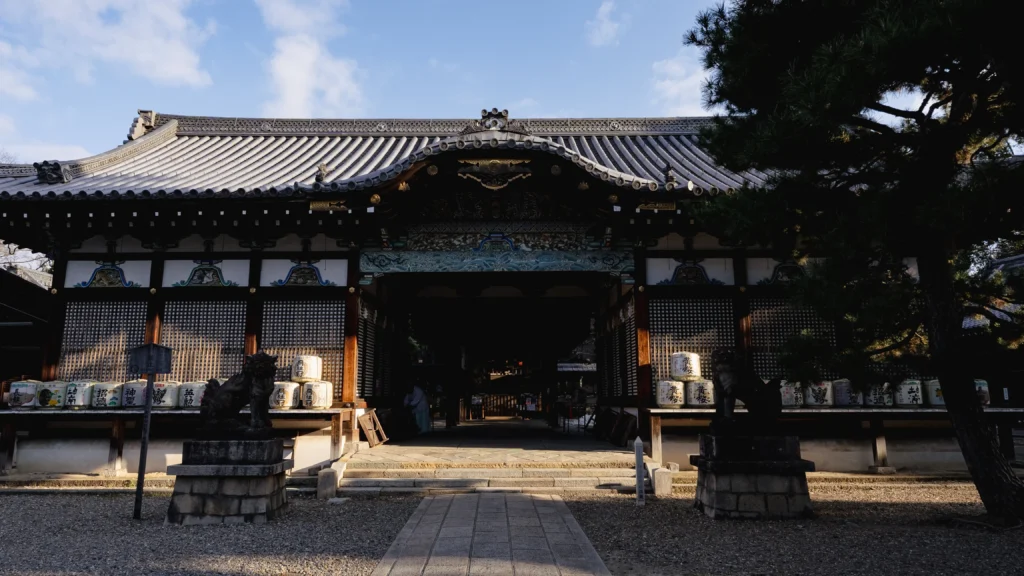
This is the spiritual heart of Fushimi and the source of its most famous natural resource: pure, fragrant water. The shrine’s name itself means “Shrine of Fragrant Water.” This water, known as Gokosui, is not only used by the surrounding sake breweries but was also the reason the Satsuma clan established their headquarters here during the Battle of Toba-Fushimi. It’s a beautiful, tranquil spot to begin your journey.
•Highlight: Try the “Mizukake Uranai,” a water fortune where you place a paper on a rock and pour water over it to reveal your fortune.
2. Teradaya Inn — The Inn Where Ryoma Narrowly Escaped Death
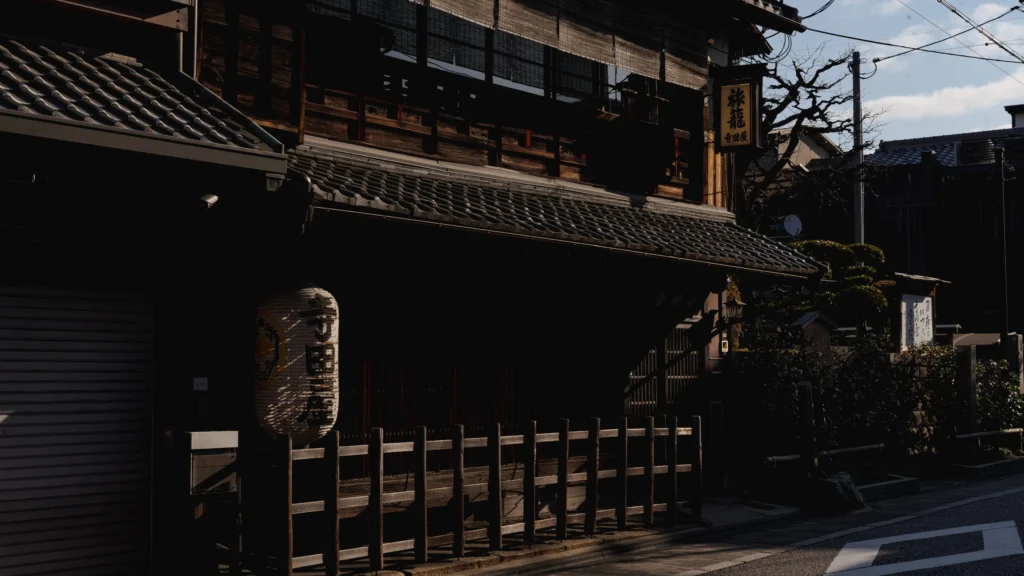
No visit to Fushimi is complete without seeing the Teradaya Inn. This historic inn is famous as the site where Sakamoto Ryoma, a key figure in the Meiji Restoration, survived an assassination attempt by the Shogun’s police. The current building is a faithful reconstruction, preserving the atmosphere of the era with replica sword marks and hidden rooms. It’s a tangible link to one of the most dramatic moments in Japanese history.
•Highlight: Look for the replica sword marks on the pillars and imagine the chaotic scene of Ryoma’s escape.
3. Ryoma-dori Shopping Street — A Lane Named After a Legend
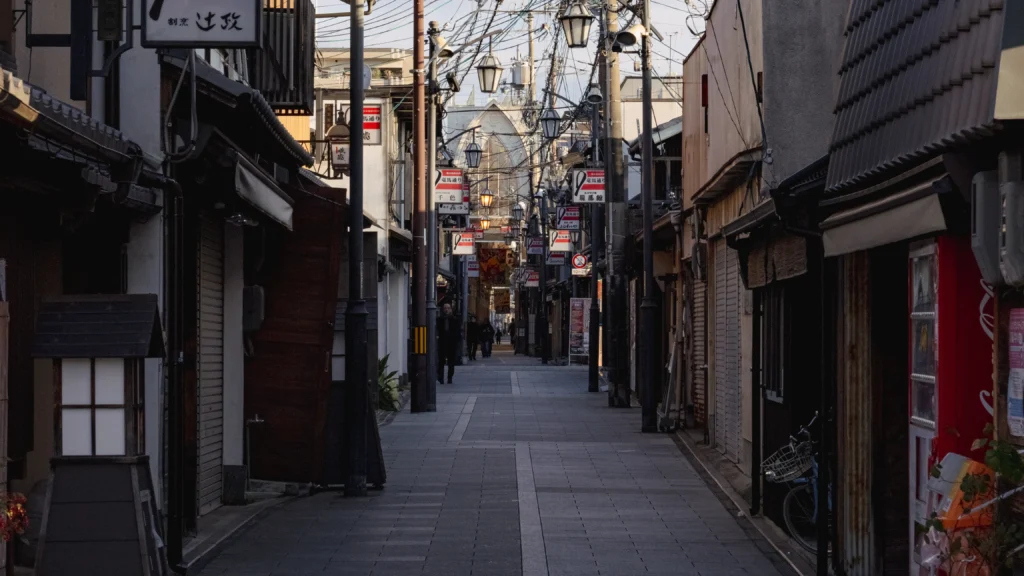
Connecting the Teradaya Inn to the main Otesuji arcade, this short, atmospheric street is dedicated to Sakamoto Ryoma. Lined with traditional-style lamps and signs, it has a nostalgic feel that sets it apart from the more modern arcade nearby. It’s a pleasant lane for a short stroll, with a few small shops and restaurants.
•Highlight: The retro signs and gas lamp-style streetlights make for great photos.
4. Battle of Toba-Fushimi Site — Where the Meiji Era Began
While not a single spot, the area around Gokonomiya Shrine and the Fushimi Magistrate’s Office (now a residential area) was the epicenter of the Battle of Toba-Fushimi in 1868. This clash between the Imperial and Shogunate forces was the opening conflict of the Boshin War, which ultimately led to the Meiji Restoration. Walking these streets, you are treading on ground where Japan’s modern history was forged.

•Highlight: Look for small plaques and monuments scattered throughout the area that mark significant sites from the battle.
Theme 2: The Water Town Experience
The canals of Fushimi were once vital arteries, transporting sake and rice between Kyoto and Osaka. Today, they offer a peaceful way to experience the town’s scenic beauty.
https://vt.tiktok.com/ZSufDf2Wg
5. Fushimi Jikkoku-bune — A Boat Ride Through the Sake Town
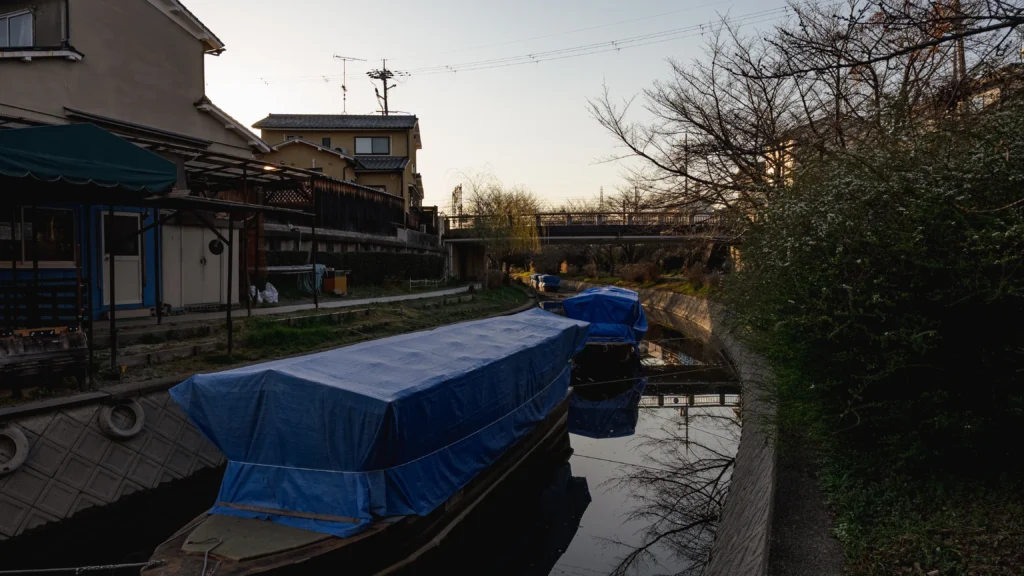
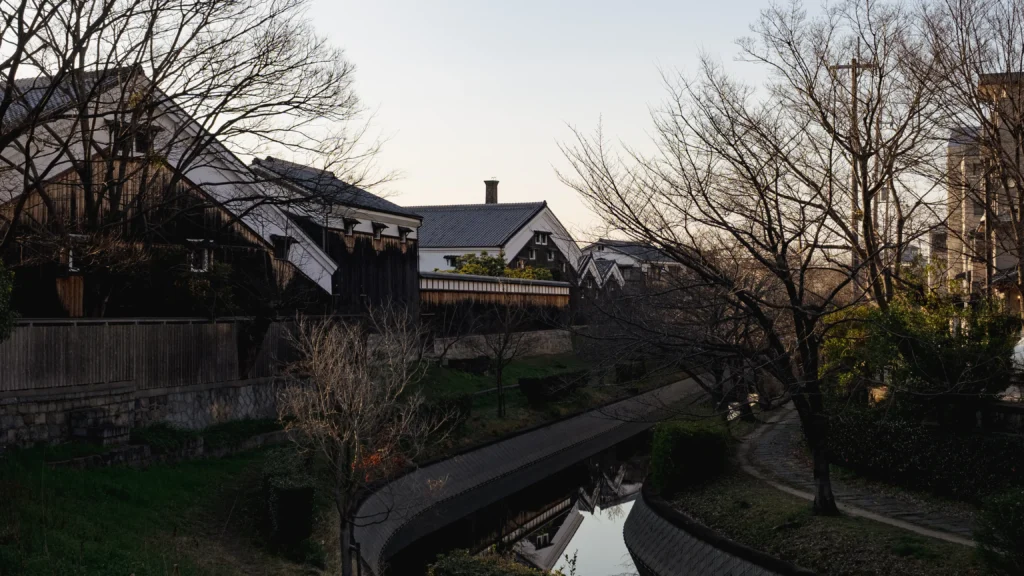
A ride on a Jikkoku-bune, a traditional flat-bottomed river boat, is one of Fushimi’s most iconic experiences. The leisurely cruise takes you down the willow-fringed Horikawa canal, past the white-walled sake breweries. It offers a unique perspective of the town and a glimpse into its past as a bustling river port. The boats run from spring through autumn, and the view is especially stunning during the cherry blossom season.
•Highlight: The peaceful journey under the weeping willows is incredibly picturesque.
Theme 3: Sake Breweries
Fushimi is one of Japan’s most prestigious sake-producing regions, thanks to the high-quality spring water that flows beneath the town. The area is home to nearly 40 breweries.
6. Gekkeikan Okura Sake Museum — 400 Years of Sake History

To understand Fushimi, you must understand its sake. The Gekkeikan Okura Sake Museum, housed in a beautifully preserved traditional brewery, is the best place to start. The museum showcases the history of Gekkeikan (one of Japan’s leading sake companies) and the traditional tools of the trade. The tour concludes with a tasting session where you can sample several different types of sake.
•Highlight: The sake tasting at the end of the tour is a great way to discover your favorite style.
Theme 4: Street Food & Shopping
Beyond the historic sites, Fushimi is a living, breathing town with bustling shopping streets where you can find everything from traditional crafts to delicious local snacks.
7. Fushimi Otesuji Shopping Street — The Everyday Heart of Fushimi
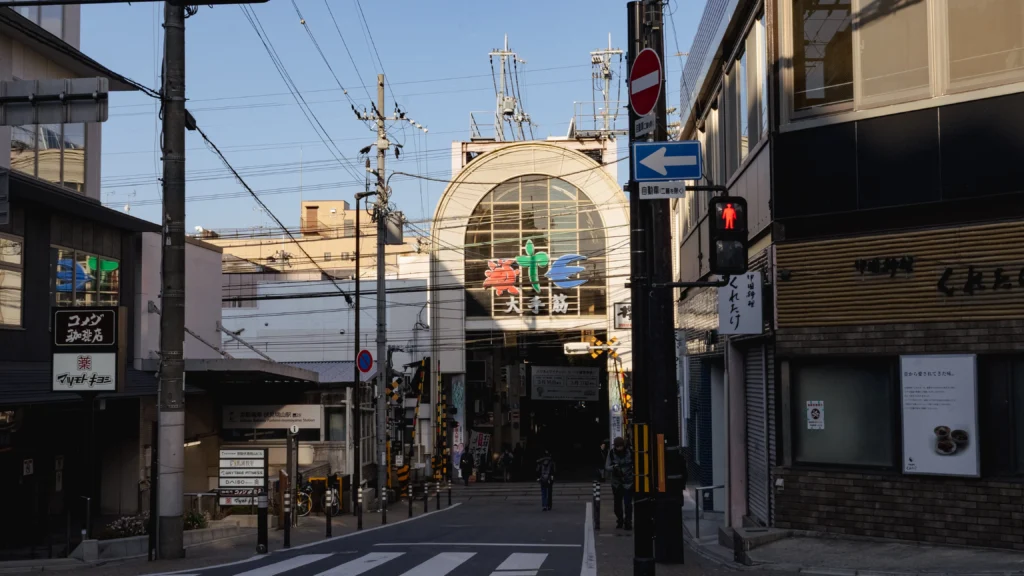
This covered arcade, stretching from Fushimi-Momoyama Station, is the commercial heart of the district. It’s a vibrant, unpretentious market filled with locals doing their daily shopping. You’ll find everything from fresh produce and tea shops to pharmacies and casual eateries. It’s a great place to feel the pulse of daily life in Fushimi and grab a quick bite.
•Highlight: The lively atmosphere and variety of local shops.
8. Sasaki Pan Honten — The Bakery That Locals Line Up For

Tucked away in the Otesuji arcade, Sasaki Pan is a local institution. This old-school Japanese bakery has been serving the community for decades. While they offer a variety of breads and pastries, they are most famous for their simple, nostalgic creations. It’s the perfect spot to pick up a snack for your walk.
•Highlight: Try their classic melon-pan or a savory curry-pan.
Theme 5: Shrines & Photo Spots
Fushimi offers more than just its famous Inari shrine. Tucked away in its backstreets are smaller, equally photogenic spots.
9. Tsukumo Torii — A Hidden Torii Gate Passage
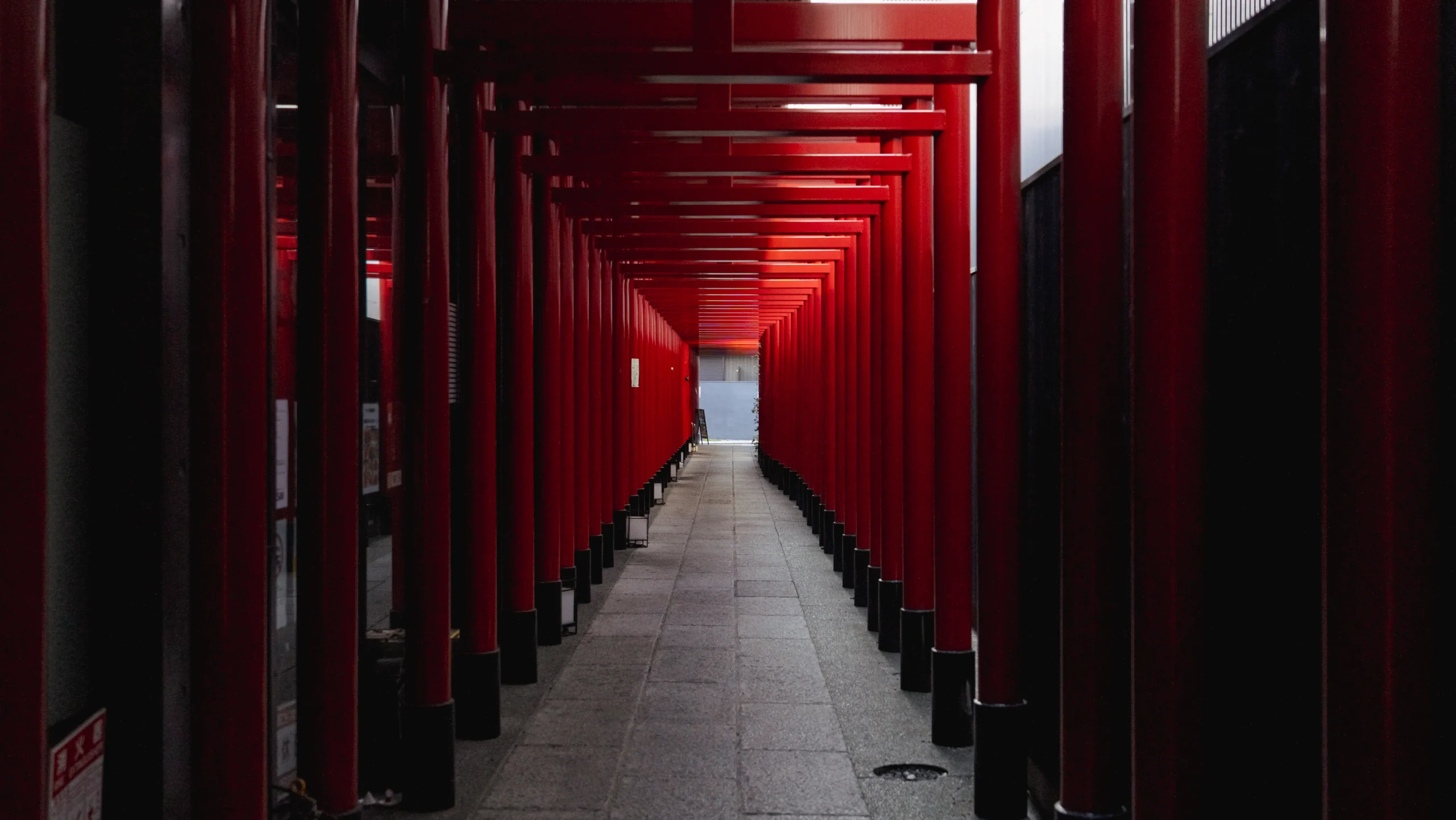
While Fushimi Inari Shrine is famous for its thousands of torii gates, this much smaller, hidden spot offers a quieter but equally intriguing photo opportunity. The name “Tsukumo” can mean “99,” referring to a large number of gates in a compact space. Finding this little passage provides a sense of discovery away from the main tourist path.

•Highlight: The compressed perspective of the red gates makes for a powerful photograph.
Where to Eat and Drink in Fushimi
Fushimi’s culinary scene is naturally centered around its most famous product: sake. Many breweries have tasting rooms or restaurants on-site. Torisei Honten, run by the Yamamoto Honke brewery, is a popular choice, offering delicious yakitori that pairs perfectly with their freshly brewed sake. For a unique experience, visit Fushimi Sakagura Koji, a lively food hall where you can sample and compare sake from 18 different local breweries. For a non-alcoholic option, the shopping arcades offer plenty of casual eateries and snack shops like Sasaki Pan.
Practical Tips for Visiting Fushimi
•Cash is Recommended:
While larger establishments and train stations accept credit cards, many smaller shops, restaurants, and the Teradaya Inn are cash-only. It’s wise to have some yen on hand.
•Public Toilets:
Public restrooms are available at major train stations (Kintetsu Momoyama-Goryo-mae, Keihan Chushojima) and at the Gekkeikan Okura Sake Museum. Clean, accessible facilities can be sparse otherwise.
•Wi-Fi Access:
Free Wi-Fi is not widely available in the streets. Assume you will be offline while walking between major spots. Download maps or use a pocket Wi-Fi/eSIM for navigation.
•On a Rainy Day:
The covered Fushimi Otesuji Shopping Street is your best friend on a rainy day. You can also spend more time indoors at the Gekkeikan Okura Sake Museum.
How to Get to Fushimi from Kyoto
Fushimi is easily accessible from central Kyoto and even from Osaka.
•From Kyoto Station: The fastest way is to take the Kintetsu Kyoto Line to Momoyama-Goryo-mae Station (approx. 15 minutes, ¥280). Alternatively, take the JR Nara Line to Tofukuji Station and transfer to the Keihan Main Line, getting off at Fushimi-Momoyama or Chushojima Station (approx. 20-25 minutes).
•From Osaka (Yodoyabashi/Kyobashi): Take the Keihan Main Line directly to Chushojima Station (approx. 40-50 minutes, ¥410). This is a great option if you are coming from the eastern side of Osaka.
Suggested Itinerary — Half-Day and Full-Day Plans
To help you make the most of your time, here are two sample itineraries.
Half-Day Express (4 hours):
Start at Keihan Chushojima Station. Walk to the Gekkeikan Okura Sake Museum for a tour and tasting.
Board the Fushimi Jikkoku-bune for a 50-minute scenic cruise.
Walk to the Teradaya Inn for a quick tour, then explore Ryoma-dori and find lunch at Fushimi Sakagura Koji or another local restaurant.
Stroll through the Fushimi Otesuji Shopping Street towards Fushimi-Momoyama Station to conclude your trip.
Full-Day Immersion (7 hours):
Start at Kintetsu Momoyama-Goryo-mae Station. Visit Gokonomiya Shrine.
Walk through the Fushimi Otesuji Shopping Street, stopping at Sasaki Pan for a snack.
Explore the Teradaya Inn and Ryoma-dori.
Enjoy a leisurely lunch at a restaurant like Torisei Honten.
Take the Fushimi Jikkoku-bune boat tour.
Immerse yourself in sake history at the Gekkeikan Okura Sake Museum.
Wander through the historic brewery district, capturing photos of the canals and traditional buildings before heading back from Chushojima Station.
Frequently Asked Questions About Fushimi
1. What is the best way to spend a day in Fushimi, Kyoto?
The best way is to follow a walking route that connects the sake breweries, historical sites, and canals. Start at either Fushimi-Momoyama or Chushojima Station and plan a loop that includes the Gekkeikan Okura Sake Museum, the Teradaya Inn, and a Jikkoku-bune boat ride. This allows you to experience the area’s unique blend of history, culture, and scenery at a relaxed pace.
2. Do I need to reserve the Fushimi Jikkoku-bune boat in advance?
Yes, reservations are highly recommended, especially during peak seasons like spring (cherry blossoms) and autumn. Tickets can be booked online through the Fushimi Tourism Association website. While walk-up tickets may be available, they often sell out quickly.
3. How long does it take to visit Teradaya Inn in Fushimi?
A typical visit to the Teradaya Inn takes about 30 to 45 minutes. The inn is not large, but you’ll want time to see the exhibits, read the explanations, and absorb the historical atmosphere of the place where Sakamoto Ryoma’s life almost ended.
4. What is the best time of year to visit Fushimi?
Spring (late March to early April) is spectacular due to the cherry blossoms that line the canals. Autumn (October to November) is also excellent, with comfortable temperatures for walking and beautiful foliage. The summer can be hot and humid, while winter is quiet and offers a stark beauty, especially on crisp, clear mornings.
5. What can I do in Fushimi on a rainy day?
Fushimi is still enjoyable in the rain. The Fushimi Otesuji Shopping Street is a long, covered arcade perfect for a rainy day stroll. The Gekkeikan Okura Sake Museum and other indoor brewery tours are also excellent options. The canals and willow trees have a special, moody beauty in the rain.
6. Is Fushimi worth visiting without going to Fushimi Inari?
Absolutely. While Fushimi Inari Shrine is nearby, the Fushimi sake district is a completely separate and distinct destination. It offers a rich historical and cultural experience focused on sake brewing, samurai history, and its past as a river port. It provides a quieter, more local atmosphere compared to the crowds at Fushimi Inari.
7. How do I get to Fushimi from Kyoto Station?
The easiest and fastest way is to take the Kintetsu Kyoto Line from Kyoto Station to Momoyama-Goryo-mae Station. The journey takes about 15 minutes. Alternatively, you can take the JR Nara Line to Tofukuji and transfer to the Keihan Main Line to Fushimi-Momoyama or Chushojima Station.
8. Where can I eat or drink in Fushimi?
Fushimi is a paradise for sake lovers. You can drink at the source at places like the Gekkeikan Okura Sake Museum’s tasting room or at restaurants run by breweries, such as Torisei Honten. The Fushimi Sakagura Koji food hall is another excellent choice for sampling a wide variety of local sake and food pairings.
A Place of Water, History, and Soul
Fushimi offers a different kind of Kyoto experience—one that is slower, more intimate, and deeply connected to the water that flows through it. It’s a town that rewards curiosity, where a turn down a quiet lane can reveal a historic marker, a charming shop, or a perfect view of a willow tree dipping into the canal. By exploring on foot, you connect with the layers of its past and the rhythms of its present. It’s a day trip that will leave you with a deeper appreciation for the diversity and history of Japan’s ancient capital.
Sources Checked
•Fushimi Tourism Association: https://kyoto-fushimi.or.jp/
•Soudakyoto, JR Central: https://souda-kyoto.jp/map/guide_12.html
•Kyoto Travel: https://ja.kyoto.travel/trip/theme04/plan01.php
•Sumumachi Fushimi: https://sumumachifushimi.city.kyoto.lg.jp/fushimi/

- Ryoanji Rock Garden: The Kyoto Temple Where Something Is Always Hidden
 You sit on the wooden veranda at Ryoanji with maybe forty other people, and for a minute nobody says anything. The rock garden in front of you is not large… Read more: Ryoanji Rock Garden: The Kyoto Temple Where Something Is Always Hidden
 - A Perfect Kyoto Afternoon: Walking Higashiyama from the Yasaka Pagoda to Kiyomizudera at Golden Hour (2026 Guide)
 Kyoto’s Higashiyama district is the most photographed square kilometer in Japan. Everyone has seen it. The question isn’t whether to go — it’s how to walk it so you don’t… Read more: A Perfect Kyoto Afternoon: Walking Higashiyama from the Yasaka Pagoda to Kiyomizudera at Golden Hour (2026 Guide)
 - Adashino Nenbutsuji 2026: Kyoto’s Temple of 8,000 Stone Buddhas [With Map]
![Adashino Nenbutsuji 2026: Kyoto's Temple of 8,000 Stone Buddhas [With Map]](https://hiddenjapan-gems.com/wp-content/uploads/2026/04/DSC2083-2-2-1024x576.webp) Most visitors to Arashiyama stop at the famous bamboo grove. But if you keep walking north for about 30 minutes, past the crowds and into the quiet Saga Toriimoto preserved… Read more: Adashino Nenbutsuji 2026: Kyoto’s Temple of 8,000 Stone Buddhas [With Map]
Most visitors to Arashiyama stop at the famous bamboo grove. But if you keep walking north for about 30 minutes, past the crowds and into the quiet Saga Toriimoto preserved… Read more: Adashino Nenbutsuji 2026: Kyoto’s Temple of 8,000 Stone Buddhas [With Map] - Atago Kaido / Saga Toriimoto — Kyoto’s Preserved Street
 2026 Update: While Arashiyama continues to see record crowds, the 30-minute walk to Saga Toriimoto remains one of Kyoto’s best-kept secrets. We have updated our access guide and tea house… Read more: Atago Kaido / Saga Toriimoto — Kyoto’s Preserved Street
 - A Night at Hoshinoya Kyoto: Boat Ride, Kaiseki & River Views [Stay Review]
![A Night at Hoshinoya Kyoto: Boat Ride, Kaiseki & River Views [Stay Review]](https://hiddenjapan-gems.com/wp-content/uploads/2026/04/IMG_4741-1024x576.webp) 2026 Update : Hoshinoya Kyoto continues to operate its exclusive boat access from the Arashiyama pier. Due to the increasing popularity of the Arashiyama area, we highly recommend arriving at… Read more: A Night at Hoshinoya Kyoto: Boat Ride, Kaiseki & River Views [Stay Review]
2026 Update : Hoshinoya Kyoto continues to operate its exclusive boat access from the Arashiyama pier. Due to the increasing popularity of the Arashiyama area, we highly recommend arriving at… Read more: A Night at Hoshinoya Kyoto: Boat Ride, Kaiseki & River Views [Stay Review]
2026 cherry blossom cherry blossoms day trip from tokyo flower festival fuji five lakes fujiyoshida Fukuoka fushimi hanami hiking japan japanese culture japanese food japan travel kamakura Kamikochi kawagoe kawaguchiko Kumamoto kyoto Mount Fuji mt fuji Nagano Nikko Oku-Nikko Onsen Ramen saitama sakura Shizuoka shrine sightseeing spring spring in japan Tokyo travel travel guide Travel Guide 2026 travel planning Visit Japan Web when to visit japan winter winter travel Yamanashi
Join 1,000+ travelers discovering Japan's hidden side
Weekly dispatches from off-the-beaten-path Japan — spots and stories you won't find in guidebooks.
No spam. Unsubscribe anytime.
Welcome aboard!
You're in. See you in your inbox soon.
[…] through the doors of the Teradaya Inn and you step back in time to one of the most dramatic periods in Japanese history. Located in […]
[…] a stone’s throw from the historic Teradaya Inn lies the Ryoma Dori Shopping Street, a charming, retro-style arcade that feels like a journey back to the Bakumatsu […]
[…] past traditional sake breweries and weeping willows, the Fushimi Jikkokubune Canal Cruise offers a unique perspective on Kyoto’s historic sake district. These […]
[…] into the historic Fushimi district of Kyoto, a place where the air is fragrant with the scent of fermenting rice and the […]
[…] in the heart of Kyoto‘s famed Fushimi sake district, Gokonomiya Shrine (御香宮神社) offers more than just a tranquil escape. It’s a place steeped in history, […]