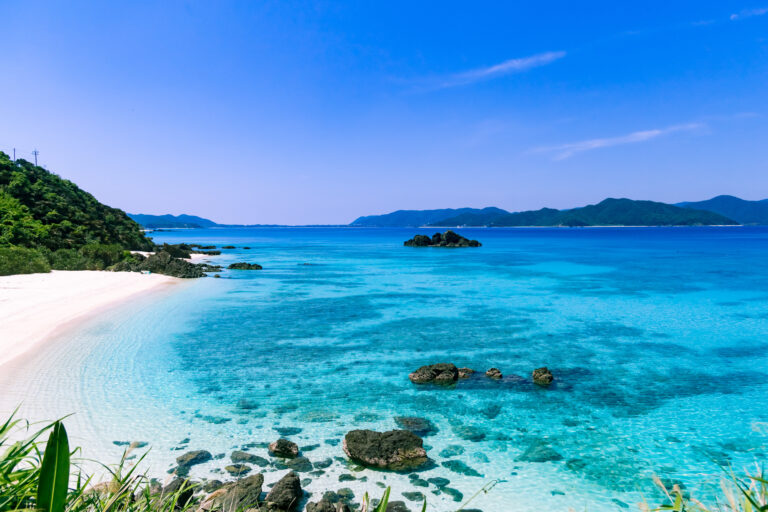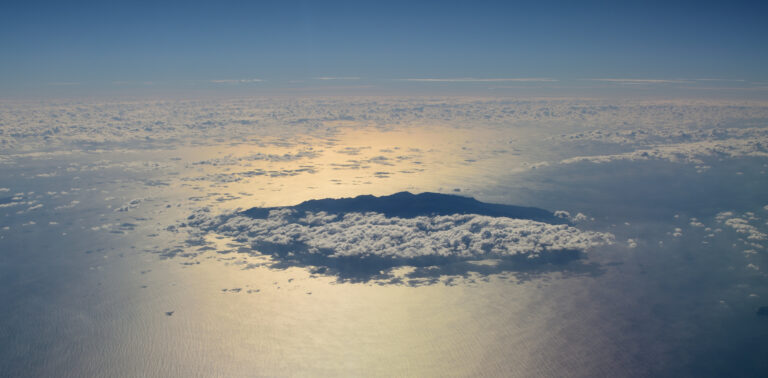

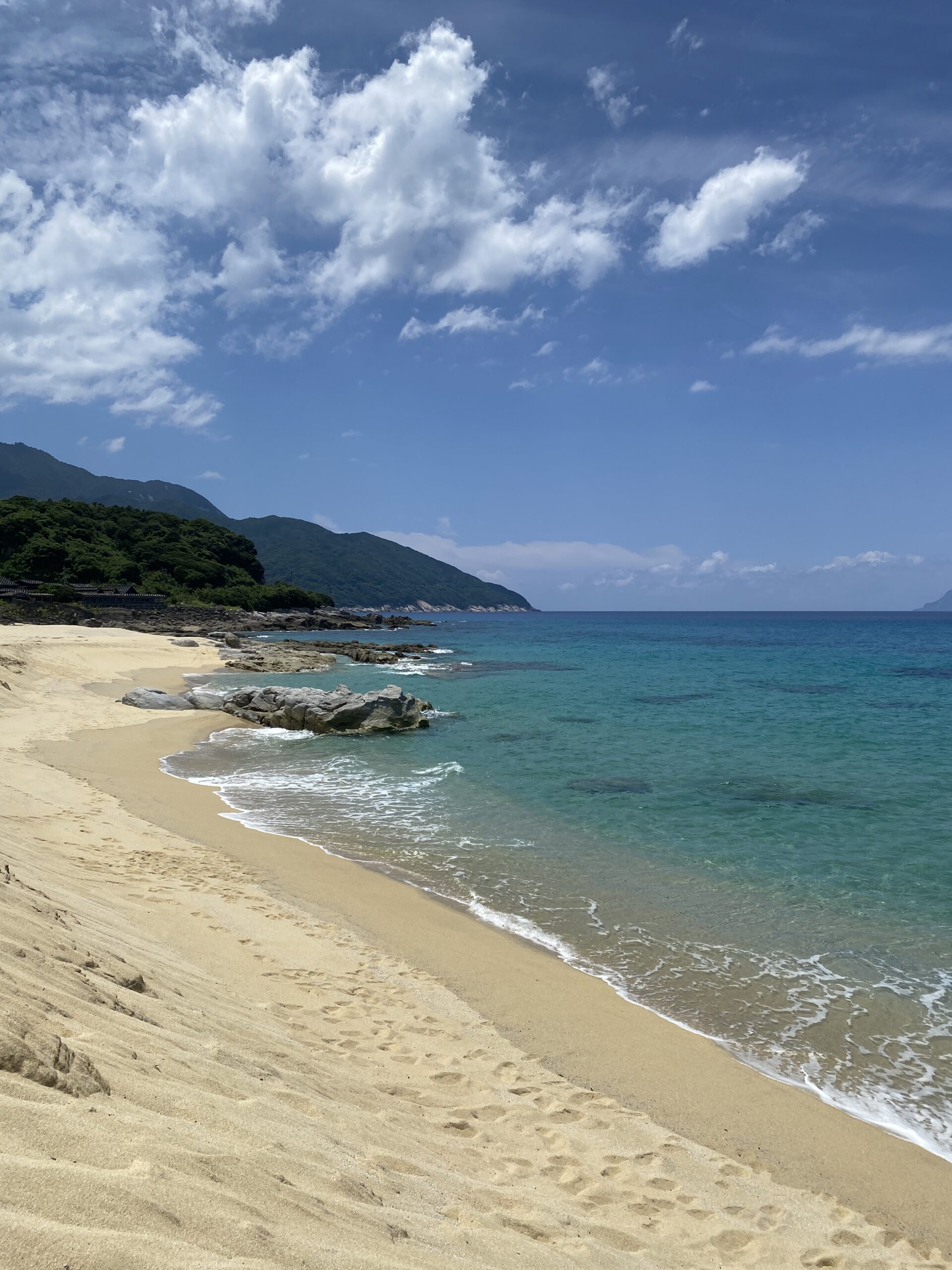

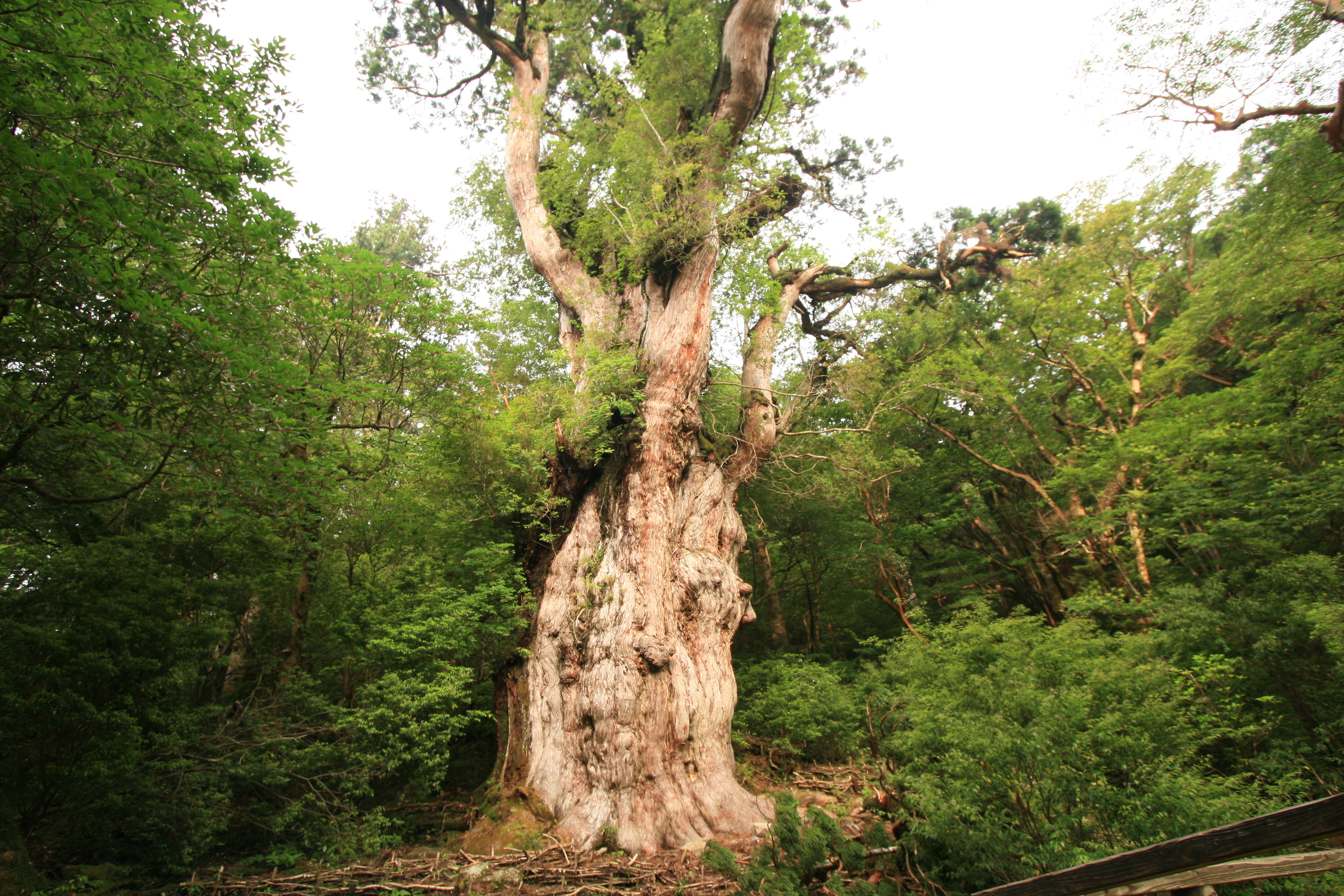
Three days is the minimum trip that earns Yakushima its reputation. Less than that and you spend the whole visit getting in and out. More is welcome, especially if you want to swim or take a rest day — but if you have three full days on the island, this is the rhythm I’d give you. One arrival day, one Jomon Sugi day, one west-coast drive day. By the third evening you’ve seen the cedars, the waterfalls, the sea-turtle beach, and the stretch of road where macaques sit on the tarmac.
This is the meta-itinerary. Each day has its own deeper guide; the links inside this page take you to the article that handles the practical hour-by-hour for that day. Read this as the trip map; read the linked guides when you’re actually packing.
Quick Facts · This itinerary
| Length | 3 days, 2 nights — extendable to 4-5 with a rest day or Tanegashima add-on |
|---|---|
| Best season | Late April to mid-November (mountain hut access + west-drive comfort) |
| Daily pace | One full activity per day plus drive time. Day 2 (Jomon Sugi) is 11 hours; the others are easier. |
| What you need to book ahead | Toppy/Rocket or JAC ticket · rental car · accommodation. Jomon Sugi shuttle is paid on the morning. |
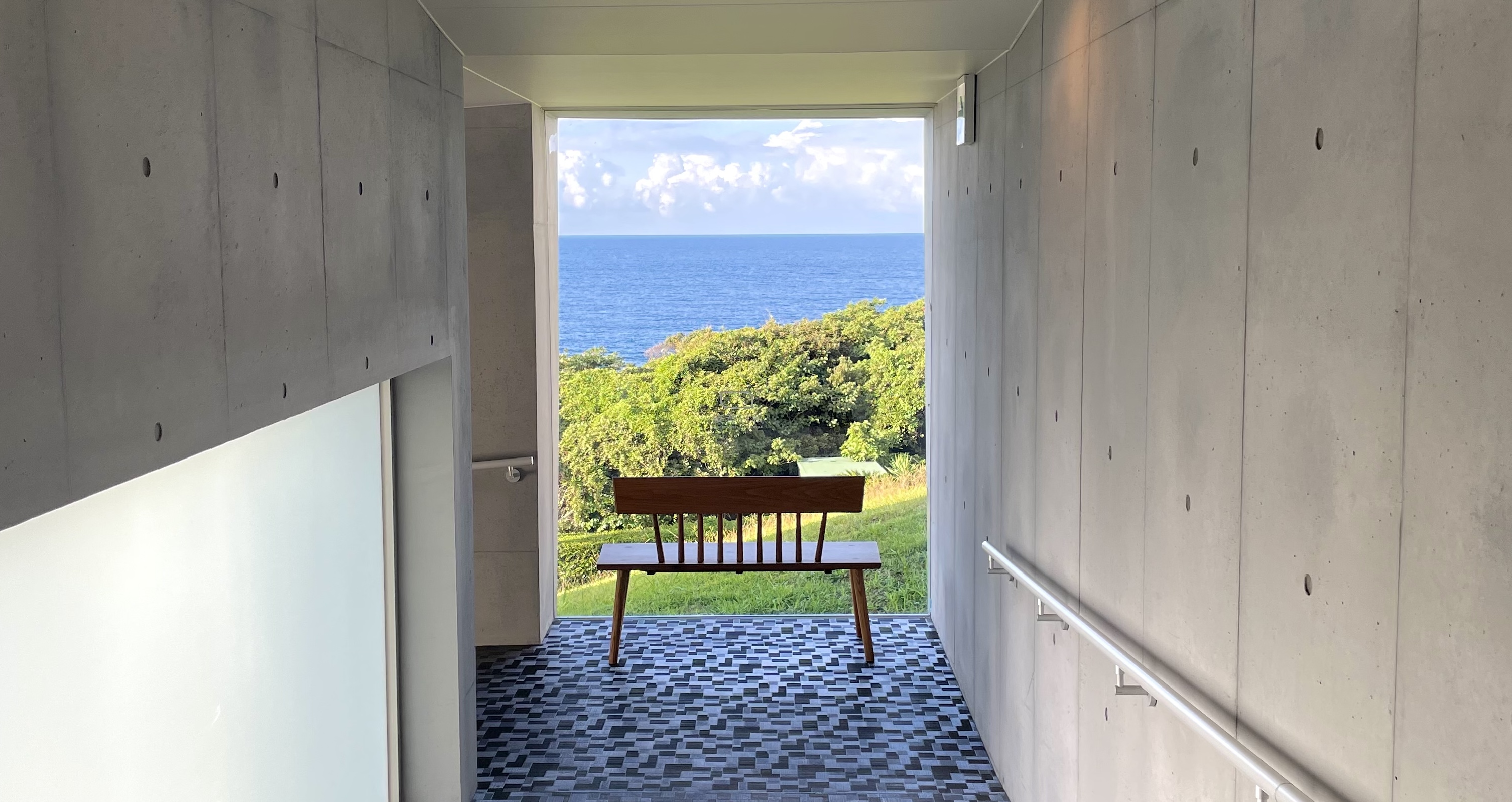
| Where to base | Anbo (most flexible for trekking) or the north shore (best architecture, 50 min drive to trails) |
| What to skip on this version | Shiratani Unsuikyo (the Mononoke moss trail) — beautiful but takes a half day; add it as Day 4 if possible |
Arrival, settle in, dinner with the sunset
Take the morning flight from Tokyo or Osaka to Kagoshima Airport (KOJ). From there you have two onward options: continue by JAC flight to Yakushima Airport (35 minutes), or take the airport bus to Kagoshima Port and catch the 13:35 Toppy/Rocket hydrofoil (2 hours). The flight saves time; the Toppy gives you a real boat ride and is cheaper. Both work.
Aim to be on the island by mid-afternoon. Pick up your rental car at the airport or port, drive to your hotel, and resist the urge to do anything else. Tomorrow is the long day, and you want to be in bed by 21:00.
Full access guide (Toppy vs flight) → THE HOTEL YAKUSHIMA review →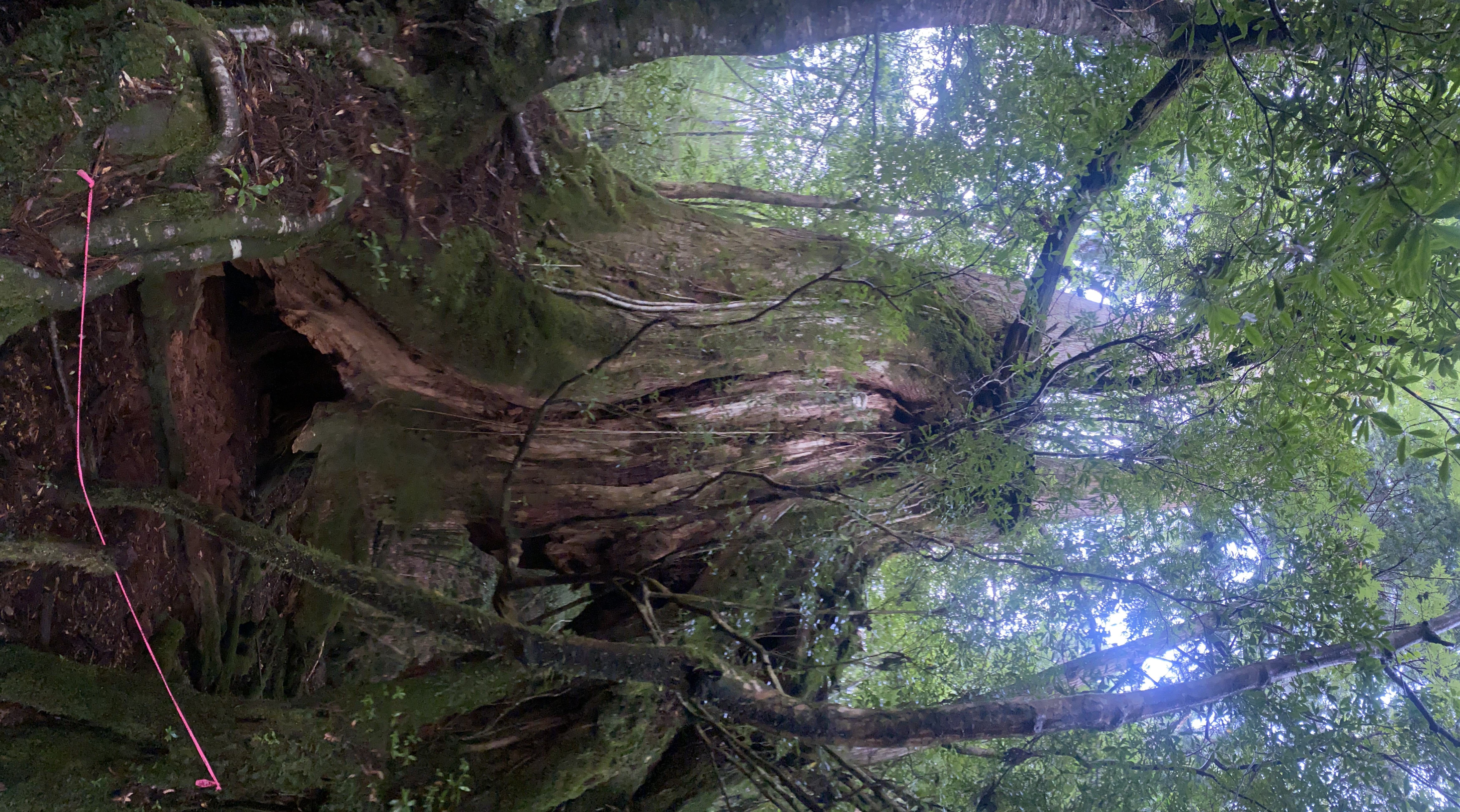
Jomon Sugi: 22 km to a 7,000-year-old cedar
Wake at 4 a.m. Eat the bento your hotel left out. The shuttle bus from Anbo (or the airport area) goes to Yakusugi-shizen-kan, where you transfer to the Arakawa Trailhead shuttle. The first 8 km of the trail are flat boardwalk on a former logging-railway grade; the last 3 km up to Jomon Sugi are mossy stairs and roots. Wilson’s Stump — the hollow cedar with the heart-shaped opening — is a third of the way up.
Plan to be turning back from Jomon Sugi by 12:30 to make the last shuttle at 17:30. Total day: about 11 hours from leaving the hotel to returning. Sleep early; you earned it.
Full Jomon Sugi guide →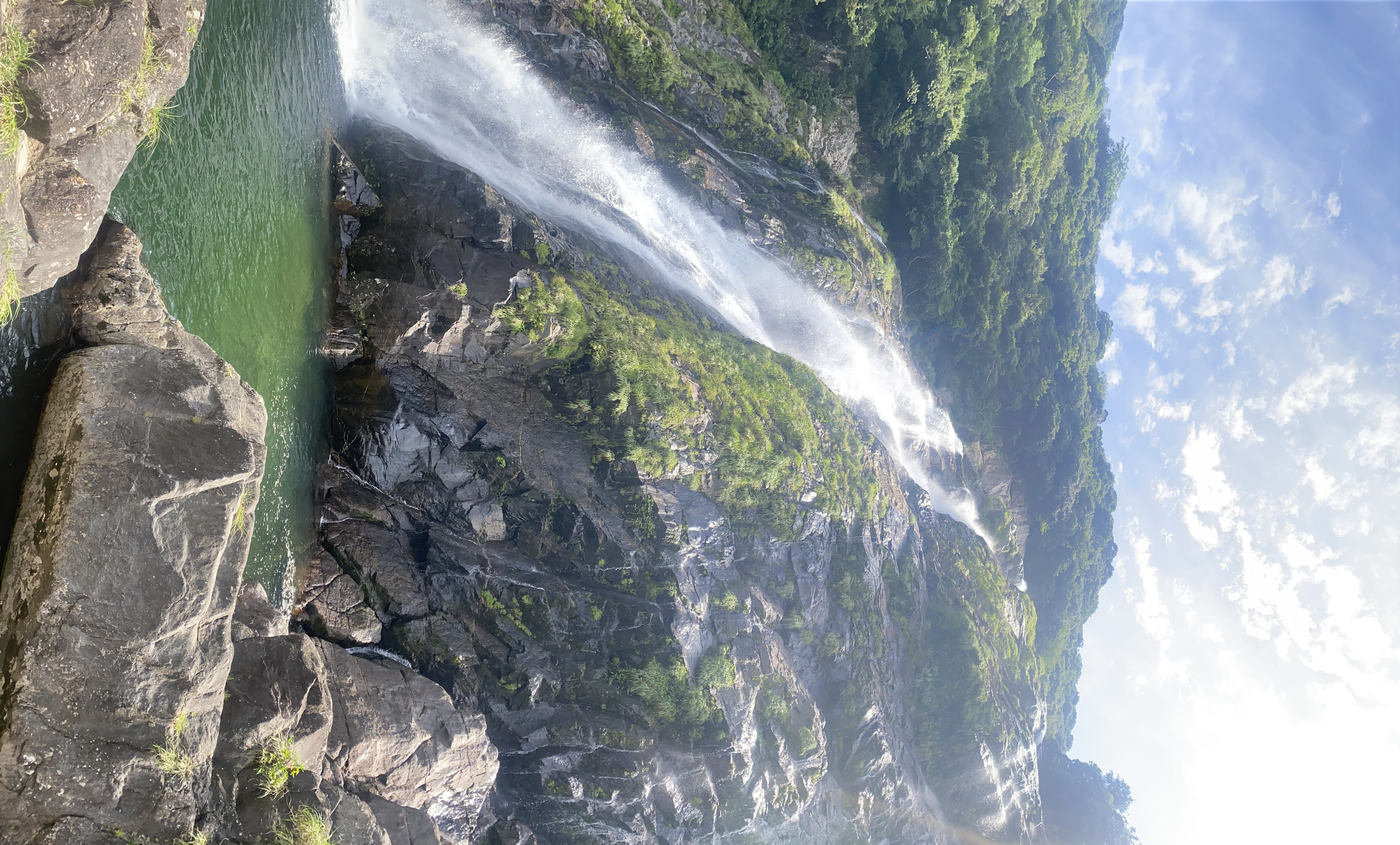
The west-coast drive: waterfalls, monkeys, and a turtle beach
Day 3 is the recovery day with the best photos. Leave Anbo at 07:30. First stop is Ohko Falls — 88 meters tall, on Japan’s Top 100 Waterfalls list, with a path that takes you to the base. Then a 25-minute drive to Yokogawa-keikoku, a granite-pool swimming spot you’ll have nearly to yourself. Pack lunch from Anbo because there are no shops on the west side.
The middle section is Seibu Rindo, a 12-kilometer single-lane road through the UNESCO buffer zone. Drive at 30 km/h, stop briefly when monkeys are on the road, do not feed them. End the loop at Nagata Lighthouse and the long pale beach Inakahama, where loggerhead sea turtles still come ashore in summer.
Full west-drive guide →Optional Day 4: Shiratani Unsuikyo
If you can stretch the trip, add a fourth day for Shiratani Unsuikyo — the moss-covered ravine that inspired the visual world of Princess Mononoke. It’s a 4–5 hour walk on a maintained loop trail, easier than Jomon Sugi by an order of magnitude, and aesthetically the most dense of the cedar forests. The trailhead is 30 minutes from Miyanoura by car or hourly bus. ¥500 forest fee. Bring rain gear.
Honest note: skip Shiratani only if you’ve genuinely had enough of cedar forests after Jomon Sugi. For most travelers it’s a different visual experience — smaller-scale, denser moss, more accessible — and it’s the missing piece if you have the time.
What this trip costs in 2026, per person
Budget breakdown · 3 days from Tokyo
| Tokyo ↔ Kagoshima flights (return, booked 2-3 weeks ahead) | ¥36,000 |
| Kagoshima ↔ Yakushima Toppy (round-trip) | ¥19,800 |
| Hotel x 2 nights (mid-range guesthouse in Anbo, breakfast) | ¥18,000 |
| Rental car (3 days, compact, fuel) | ¥10,000 |
| Jomon Sugi shuttle + forest fee + bento | ¥4,500 |
| Three dinners + day 3 snacks/lunch | ¥9,000 |
| Total per person, baseline | ¥97,300 |
The single biggest variable is accommodation. Substitute a 4-star architect-led hotel for a guesthouse and add ¥80,000–120,000 for the two nights. Use a hostel or capsule-style stay and you can pull the total below ¥75,000.
The whole cluster, in one place
Each of the four major activities in this itinerary has its own dedicated deep guide:
- How to Get to Yakushima 2026 — Toppy vs ferry vs JAC flight, schedules, ports, sample door-to-door from Tokyo
- Jomon Sugi Trekking 2026 — the 22 km hike, hour-by-hour, 2026 fees, pack list, mountain-hut option
- Yakushima West Drive 2026 — Ohko Falls, Yokogawa, Seibu Rindo, Nagata Inakahama with driving practicalities
- THE HOTEL YAKUSHIMA Review — the architect-led 9-villa property on the north shore, paid honest review
- Kagoshima Outer Islands Master Guide — how Yakushima fits into the wider archipelago: Tanegashima, Amami, Yoron, and the others worth visiting
Flights, ferries, and where to stay
Tokyo or Osaka to Kagoshima is the longest leg; from there it’s 2 hours by Toppy or 35 minutes by plane. Hotels on the island are small (most under 30 rooms) and book up a month ahead in peak season — reserve early.
Search Tokyo → Kagoshima flights Yakushima accommodationFrequently asked questions
Can I do this itinerary in reverse (Day 3 first)?
Yes. The west drive is easier than Jomon Sugi and works well as either a day-1-after-arrival warm-up or a day-3-after-the-trek recovery. The arrangement above (drive on Day 3) is what I’d pick because the trek tires you in a way that makes a long drive less safe the next morning — reverse it only if your flights force the order.
What about rain on the trek day?
Yakushima averages 4,000–10,000 mm of rain per year, more than three times Tokyo. Plan for rain on at least one of the three days; full rain jacket and rain pants are non-optional for Day 2. If a typhoon is forecast for the trek day, swap with Day 3 (the west drive can be done in moderate rain; the trek is miserable in heavy rain). Cancellation insurance is worth considering for August/September trips.
Two nights or three?
For this 3-day itinerary you need exactly two hotel nights — arrive evening of day 1, sleep, do the trek on day 2, sleep, drive on day 3, fly out late evening. Three hotel nights only makes sense if you’re adding the Shiratani day 4. The constraint is the morning Toppy/JAC schedule that takes you off the island.
Should I book a guided Jomon Sugi tour?
Most international travelers don’t need one — the trail is well-marked and busy on weekends. A guide is worth it if you have any of the following: limited Japanese, fitness uncertainty, or a single-day trek window where weather risk is high (a guide carries spare gear and knows when to turn back). Local guides run ¥10,000-15,000 per person and include rain layers and lunch.
Can I bring my Yakushima trip into a wider Kyushu trip?
Yes — Yakushima fits well as a 3-4 day extension of a Kyushu loop. Most travelers add it after Kagoshima city (where you’d already spend a day or two for Sakurajima and the Sengan-en gardens), or as a side trip from a Fukuoka-Kumamoto-Kagoshima itinerary. The total Kyushu + Yakushima trip lands neatly at 8-10 days.
Last updated: May 2026 · Visit: 4 days on Yakushima in August 2024.
Photos by Nobutoshi.
Join 1,000+ travelers discovering Japan's hidden side
Weekly dispatches from off-the-beaten-path Japan — spots and stories you won't find in guidebooks.
No spam. Unsubscribe anytime.
Welcome aboard!
You're in. See you in your inbox soon.