
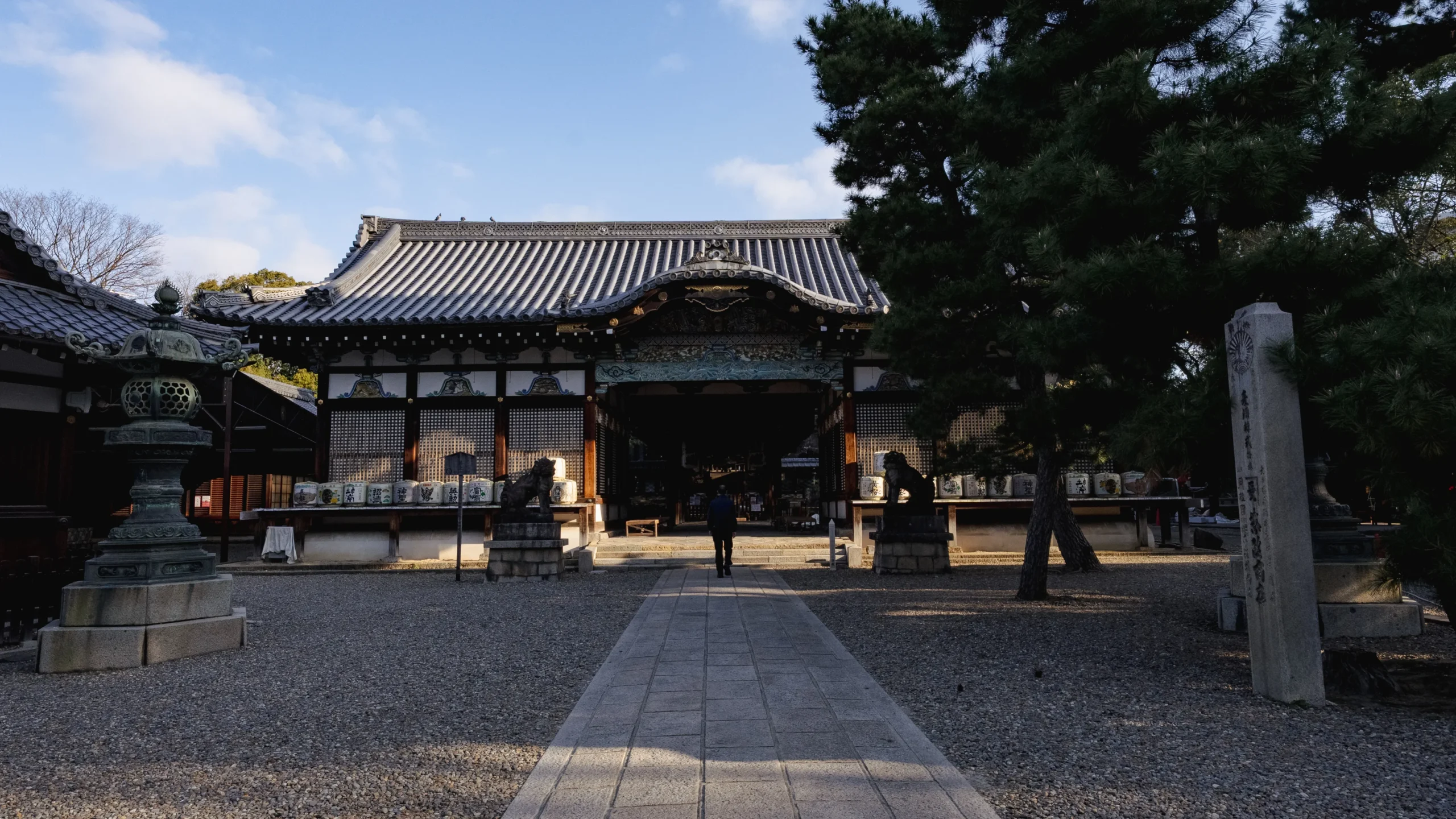

Nestled in the heart of Kyoto‘s famed Fushimi sake district, Gokonomiya Shrine (御香宮神社) offers more than just a tranquil escape. It’s a place steeped in history, legendary water, and vibrant artistry, serving as the spiritual anchor for the entire community. This guide introduces you to a shrine deeply connected to Japan’s imperial history and the very water that gives Fushimi its renowned sake.
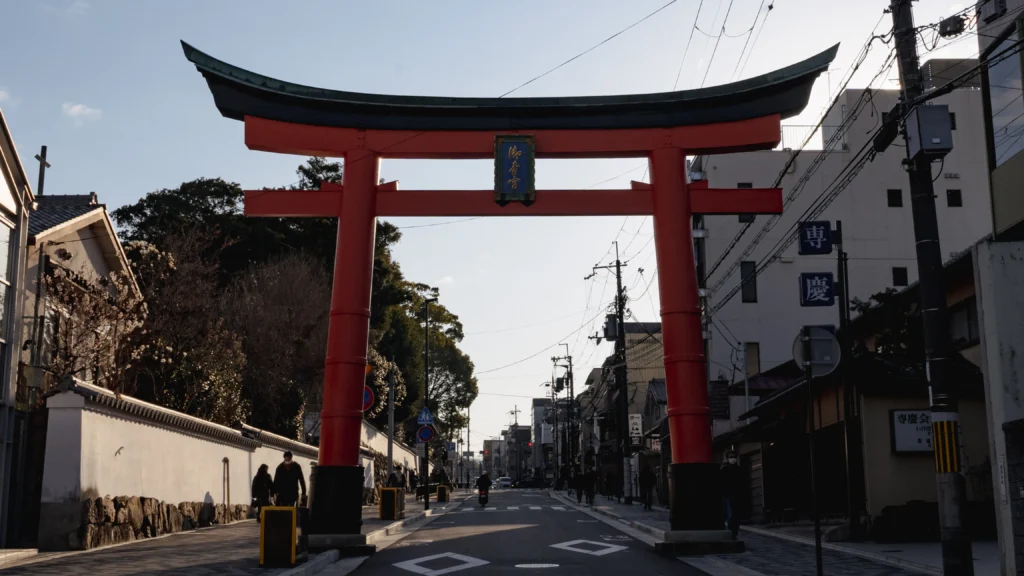
Table of Contents
Quick Facts
| Feature | Details |
| Best Time to Visit | Year-round, though weekdays are less crowded. The Fushimi Matsuri in October is a major event. |
| Time Needed | 45-60 minutes |
| Nearest Station | Momoyama-Goryo-mae (Kintetsu), Fushimi-Momoyama (Keihan), Momoyama (JR) |
| Admission | Free (Grounds), ¥200 (Stone Garden) |
| Payment Methods | Cash only |
| Crowd Level | Moderate, busier on weekends and during festivals |
| Accessibility | The main grounds are mostly flat and accessible, but some areas have gravel paths and stairs. |
Overview: The Shrine of Fragrant Water
Gokonomiya Shrine’s story begins with a miracle. In 862, a fragrant, healing spring—the Gokosui (御香水)—welled up within the shrine grounds. The water was said to cure any illness, and Emperor Seiwa bestowed the name “Gokonomiya,” meaning “Shrine of Fragrant Water.” This spring, one of Fushimi’s Seven Famous Springs and recognized among Japan’s 100 best natural water sources, is the very same water vein that nourishes the area’s legendary sake breweries.
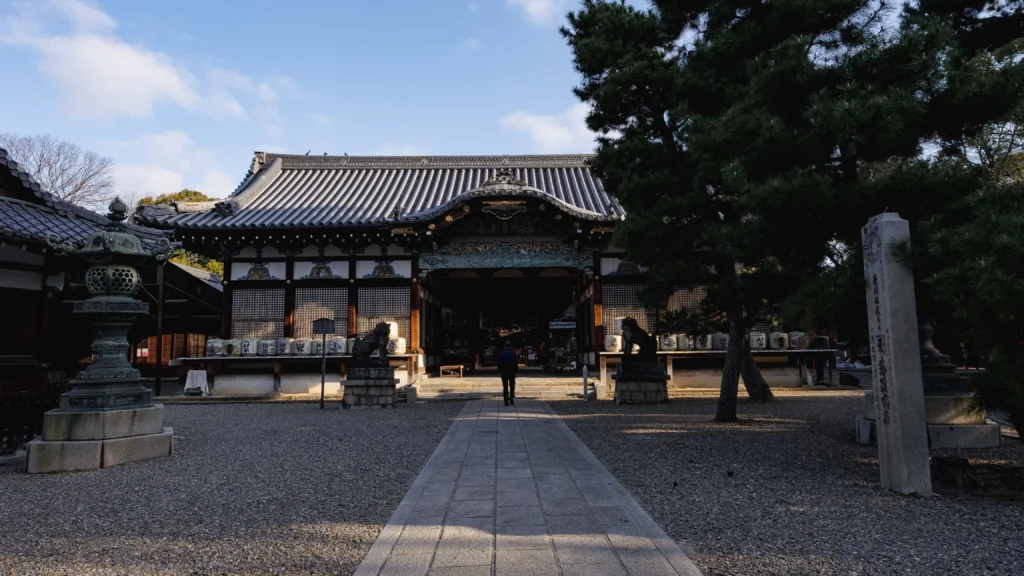
The shrine is primarily dedicated to Empress Jingu, a semi-legendary figure revered as a deity of safe childbirth. Its connection to Japan’s powerful leaders is profound; Toyotomi Hideyoshi prayed here for victory, and Tokugawa Ieyasu commissioned the construction of its main hall. Many of its structures, including the main gate and worship hall, were relocated from the dismantled Fushimi Castle, lending them an air of samurai-era grandeur.
Best Time to Visit
The shrine is a worthy destination throughout the year. For a quieter experience, visit on a weekday morning. The most significant event is the Gokonomiya Shinko-sai (Fushimi Festival) in early October, a grand festival that draws large crowds.
How to Get There
Gokonomiya Shrine is easily accessible from central Kyoto.
1.By Train: The most convenient way is via the Kintetsu or Keihan lines.
•Take the Kintetsu Kyoto Line to Momoyama-Goryo-mae Station. It’s a 5-minute walk.
•Take the Keihan Main Line to Fushimi-Momoyama Station. It’s also a 5-minute walk.
•From Kyoto Station, you can take the JR Nara Line to Momoyama Station (12 min), followed by a 5-minute walk.
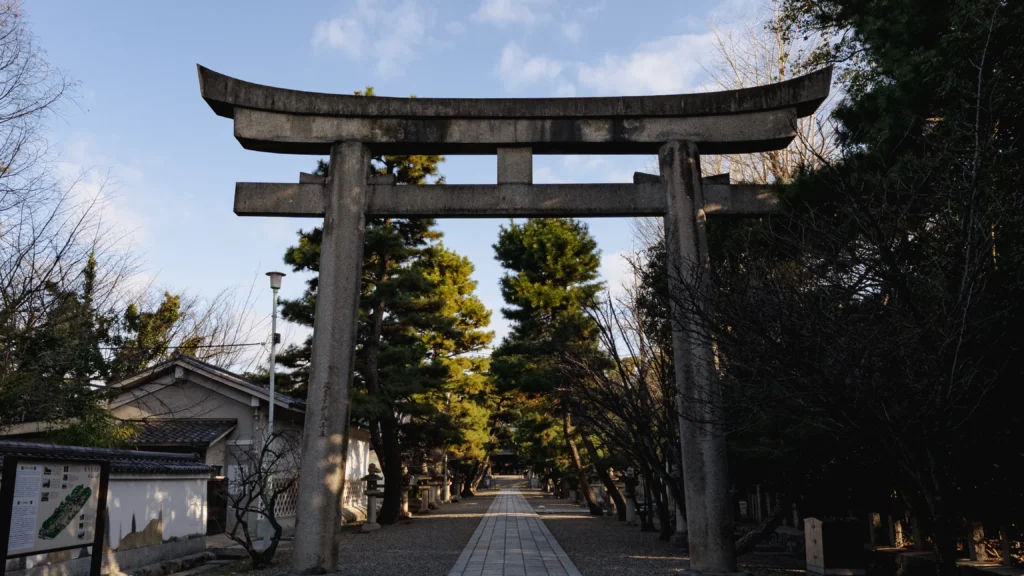
What to Do at Gokonomiya Shrine
1. Taste the Legendary Gokosui Water
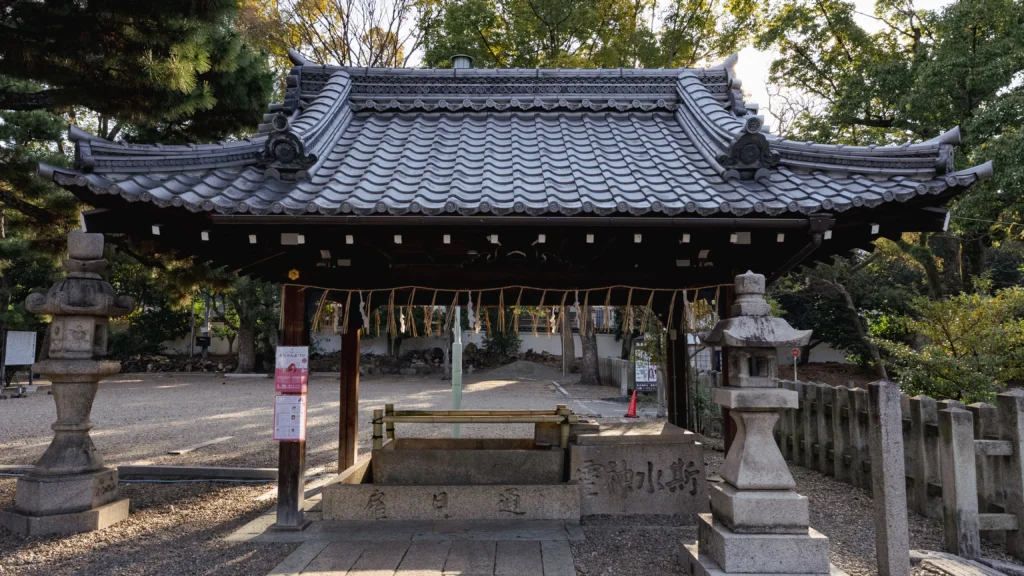
No visit is complete without sampling the sacred Gokosui spring water. Located just inside the main gate, the spring is a popular spot where locals and visitors alike come to collect the famed water, believed to bring good health. Bring a bottle to take some with you.
2. Admire the Momoyama-Period Architecture
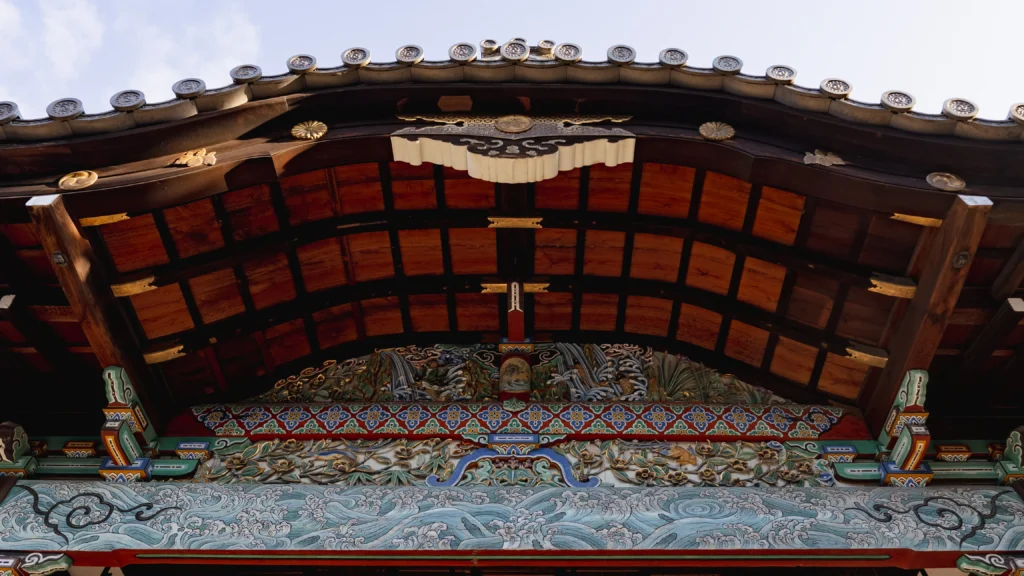
The shrine is a treasure trove of Momoyama-period (late 16th century) architecture, known for its opulent and bold style. The Main Hall (Honden) and Worship Hall (Haiden) are adorned with brilliant, multicolored carvings that have been beautifully restored. These intricate sculptures depict everything from mythical creatures to scenes from Chinese folklore.
3. Walk Through a Castle Gate
The shrine’s Omote-mon (Main Gate) is an Important Cultural Property that once served as the main gate of Fushimi Castle. As you pass through it, you are walking in the footsteps of samurai and feudal lords. The gate’s massive wooden beams and intricate carvings of the “24 Paragons of Filial Piety” are a powerful reminder of its storied past.
4. Explore the Shrine Grounds
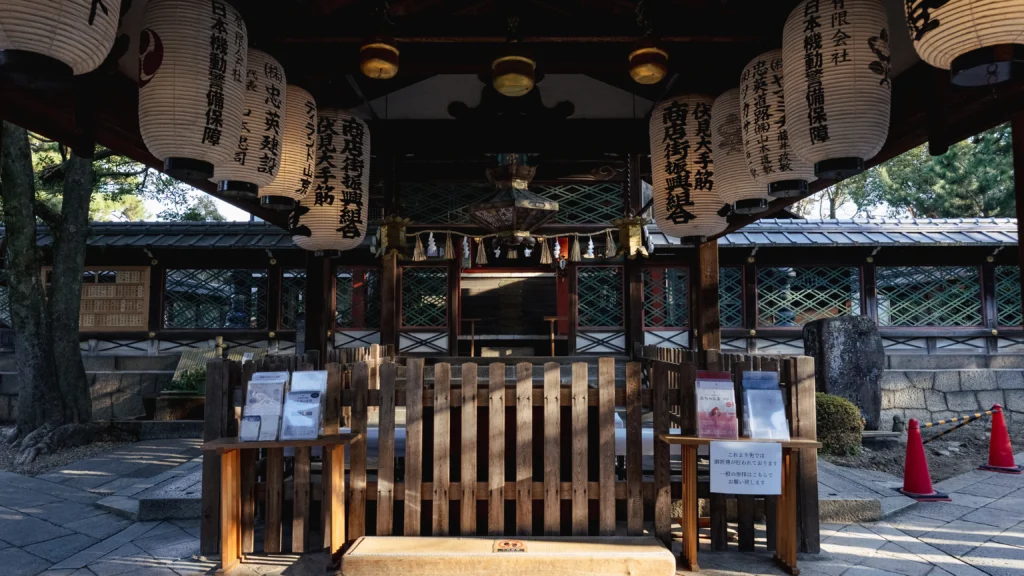
The spacious grounds house several smaller shrines, a Noh theater stage, and a tranquil stone garden (additional fee) designed by the famous landscape artist Kinsaku Nakane. Take your time to wander and discover the quiet corners of this historic site.
Practical Tips for Visitors
•Bring a Bottle:
If you wish to take some of the Gokosui water home, bring your own container.
•Wear Comfortable Shoes:
The grounds are spacious and involve some walking on gravel paths.
•Photography:
Photography is generally permitted on the grounds, but be respectful and avoid taking pictures during ceremonies or of worshippers praying.
Where to Stay Nearby
Staying in the Fushimi area provides a unique, local experience away from the more crowded parts of Kyoto. Look for accommodations near Fushimi-Momoyama or Chushojima stations for easy access to both the shrine and the sake district.
Suggested Mini-Itinerary: A Morning in Fushimi
Arrive at Gokonomiya Shrine to enjoy the peaceful morning atmosphere.
Walk to the Gekkeikan Okura Sake Museum (10-minute walk) to learn about sake brewing.
Stroll through the Fushimi Sake District, admiring the traditional brewery buildings and canals.
Enjoy lunch at a local restaurant, perhaps trying sake-kasu ramen (ramen with a sake-based broth).
FAQs
1. Is Gokonomiya Shrine free to enter?
Yes, the main grounds of the shrine are free to enter. There is a separate fee of ¥200 to enter the stone garden.
2. Why is the shrine famous for safe childbirth?
The main deity, Empress Jingu, is said to have given birth to her son, Emperor Ojin, after returning from a military expedition. Her strength and success in raising him led to her being revered as a guardian deity for safe and easy childbirth.
3. Can I drink the water from the Gokosui spring?
Yes, the water is safe to drink and many people do. You will find cups available, or you can use your hands to catch the water.
4. How far is it from the Fushimi Inari Shrine?
Gokonomiya Shrine is about a 20-25 minute journey from Fushimi Inari Shrine via the Keihan and JR lines. You can take the Keihan Main Line from Fushimi-Inari Station to Fushimi-Momoyama Station.
Sources
•Gokounomiya Shrine Official Website: https://gokounomiya.kyoto.jp/
•Kanpai Japan: https://www.kanpai-japan.com/kyoto/gokonomiya-jinja

- Yakushima West Drive 2026: Ohko Falls, Yokogawa Valley, Seibu Rindo and Inakahama
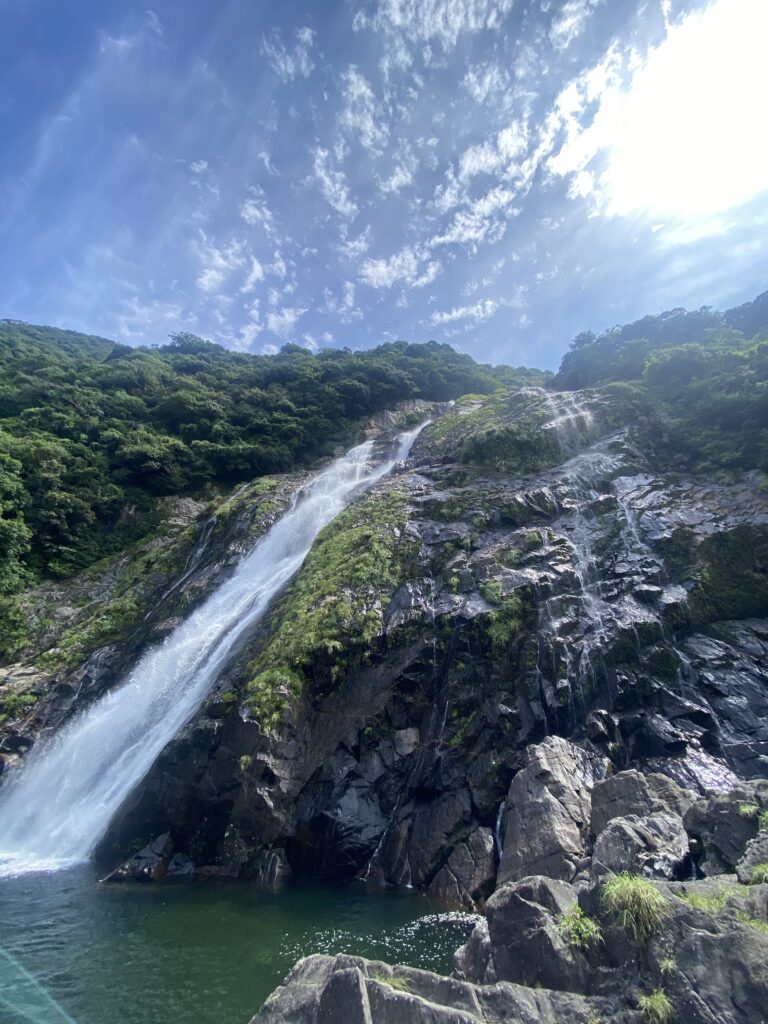 A 120 km west-coast loop that most Yakushima tourists skip — Ohko Falls, the Yokogawa swimming pools, the UNESCO Seibu Rindo wildlife corridor, and Nagata Inakahama beach. With 2026 driving practicalities and an honest hour-by-hour day plan.
 - Shonan at 5 AM in June 2026: Koyurugi Crossing, the Beach with Mt. Fuji, and the Coast Most Visitors Walk Past
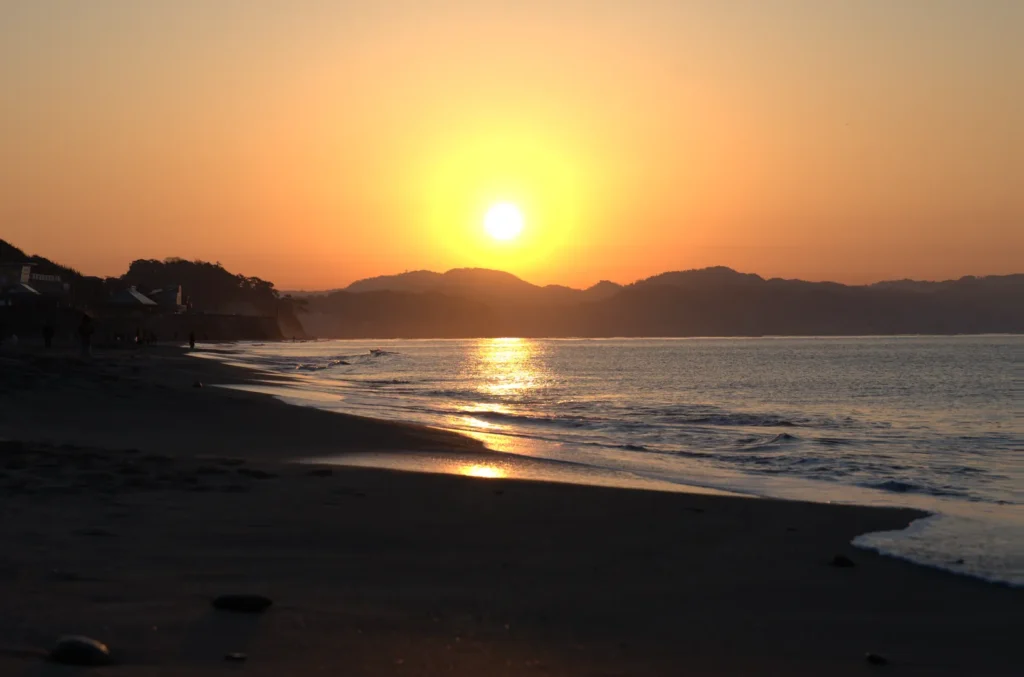 A pre-tsuyu, pre-crowd morning walk along the Shonan coast — Enoden trains, the small Koyurugi crossing, and Mt. Fuji from a beach almost no foreigner has heard of.
 - THE HOTEL YAKUSHIMA Ocean and Forest Review: A Quiet Architectural Stay on the North Shore
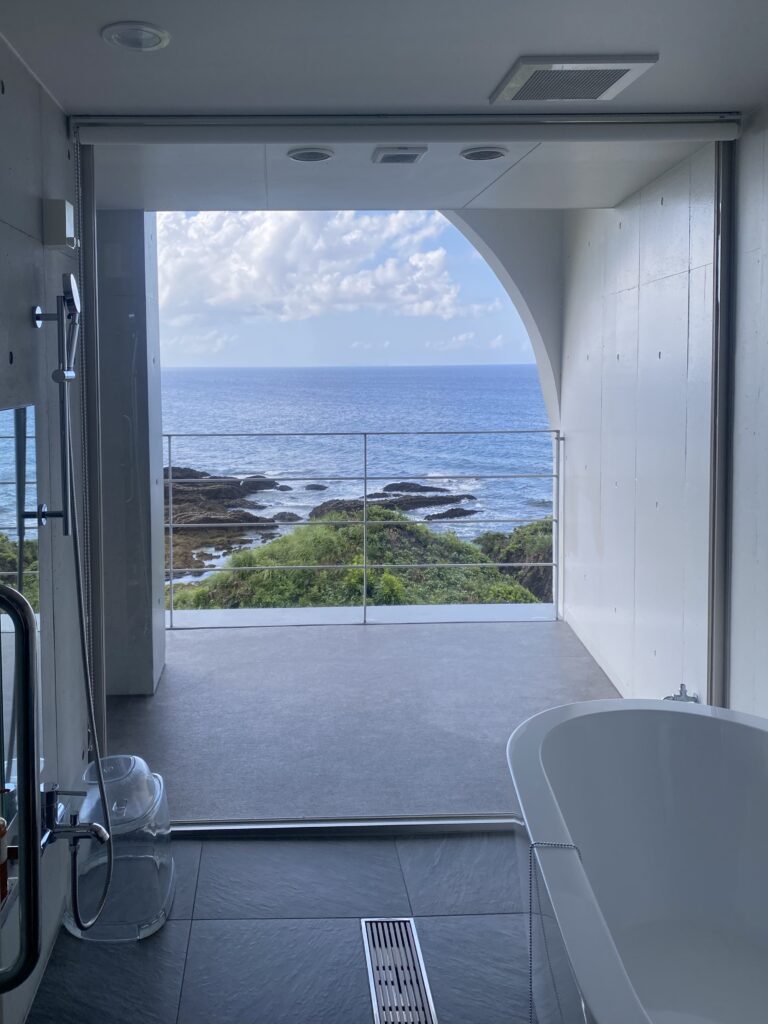 An architect-led 9-villa hotel on Yakushima north-west shore. Each room has an open-air bath that frames the Pacific through a concrete arch and a private balcony 25 meters above the rocks. What works, what does not, and who should book.
 - Shoji Ueda Museum 2026: The Concrete Building That Frames Mt. Daisen Like One of His Photographs
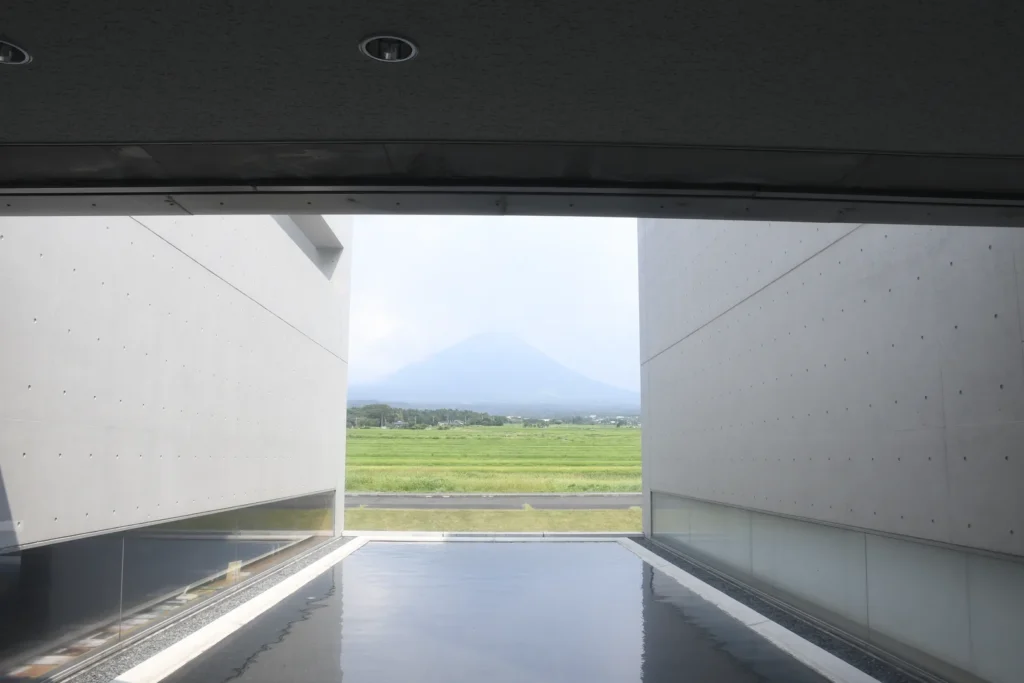 A pilgrimage to photographer Shoji Ueda hometown museum in Tottori. Shin Takamatsu architecture, four black cubes, and the reflecting pool that frames Mt. Daisen.
 - Minamiza 2026: Kyoto’s 400-Year-Old Kabuki Theatre, Walked by a Kyoto-Born Local
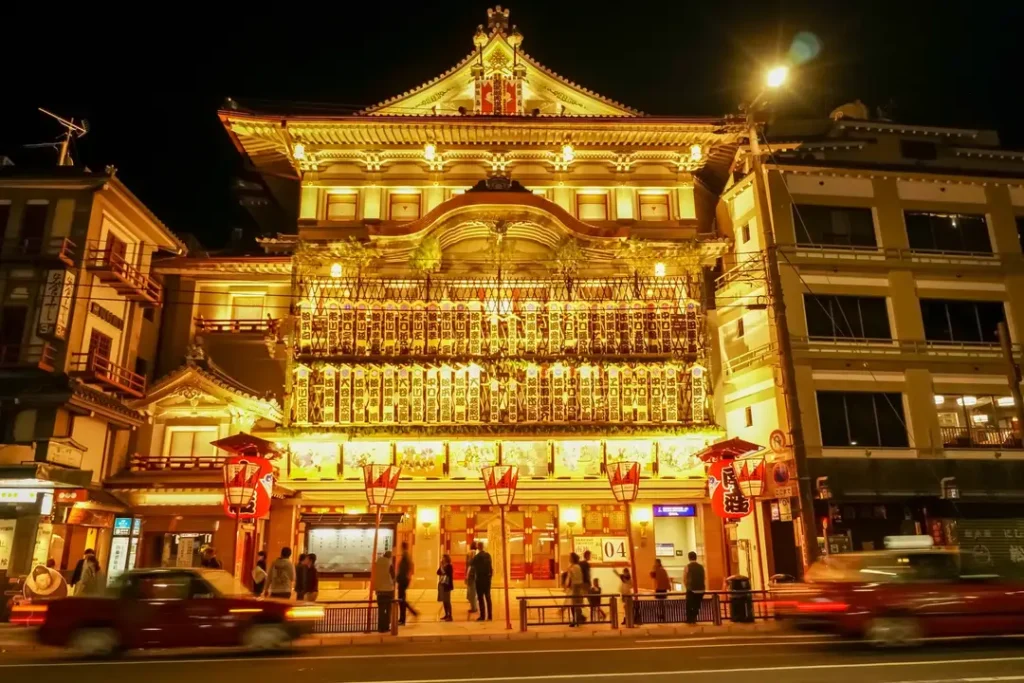 A Kyoto-born local walk through Minamiza, the Edo-period kabuki theatre on Shijo Bridge. 2026 schedule, ticket tiers, the English audio guide that opens it up.
2026 cherry blossom cherry blossoms day trip from tokyo flower festival fuji five lakes fujiyoshida Fukuoka fushimi hanami hiking japan japanese culture japanese food japan travel kamakura Kamikochi kanagawa kawagoe kawaguchiko Kumamoto kyoto Mount Fuji mt fuji Nagano Nikko Oku-Nikko Onsen Ramen ryokan saitama sakura Shizuoka shrine sightseeing spring spring in japan Tokyo travel travel guide Travel Guide 2026 when to visit japan winter winter travel Yamanashi
Join 1,000+ travelers discovering Japan's hidden side
Weekly dispatches from off-the-beaten-path Japan — spots and stories you won't find in guidebooks.
No spam. Unsubscribe anytime.
Welcome aboard!
You're in. See you in your inbox soon.