

Japan · Payments · 2026 Field Report
Japan cash vs card in 2026: what actually works, tested across all 47 prefectures.
The old advice was “bring a wad of cash, Japan barely takes cards.” The old advice is dead. Japan has quietly, finally, gone mostly cashless in the last three years. But the last 15% is where people get stuck, embarrassed, or left hungry. Here is what I actually used, in what order, from a mountain ryokan in Shikoku to a konbini in Hakodate.
The one-minute version
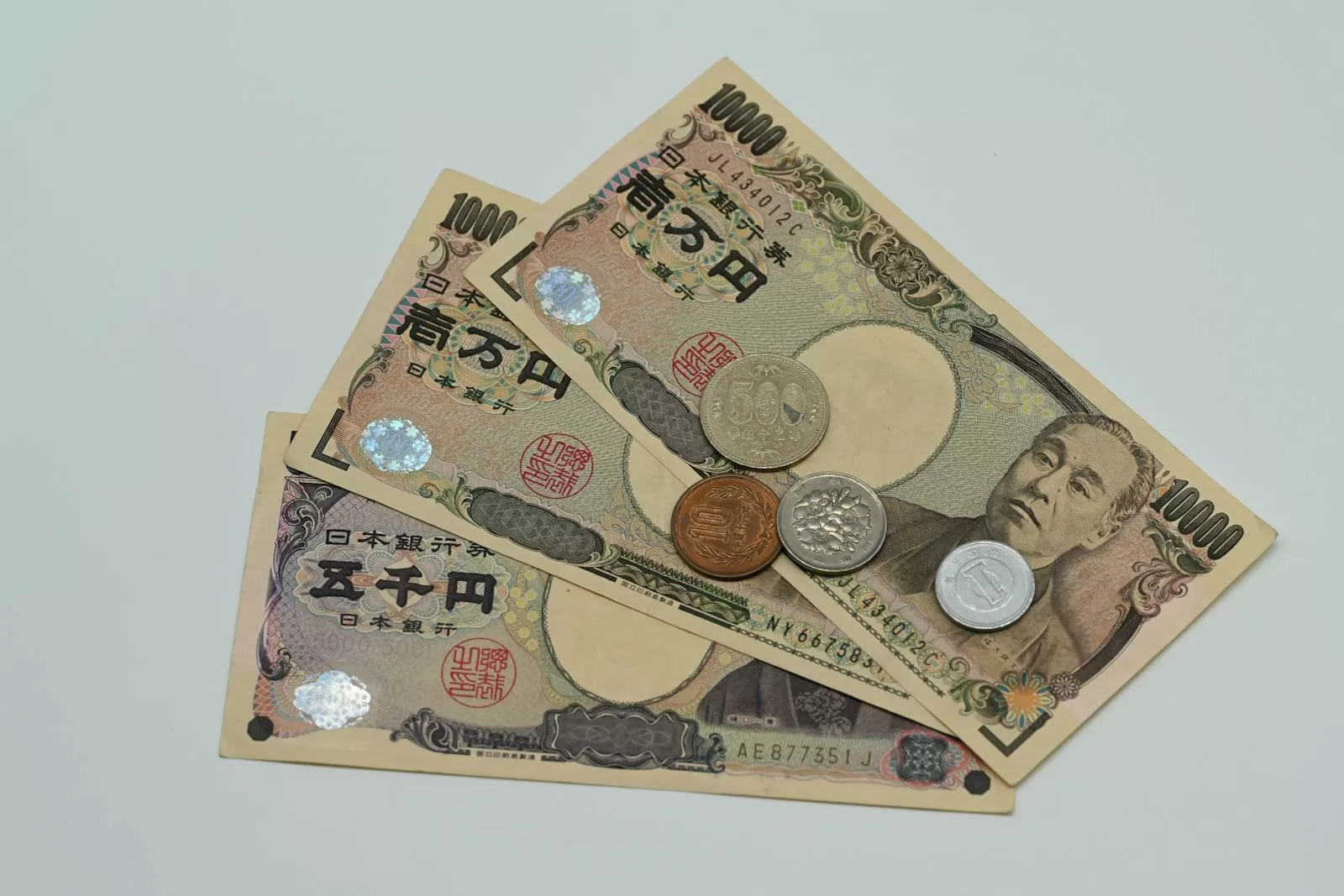
In 2026, a Suica/ICOCA IC card plus one credit card (Visa or Mastercard, preferably contactless) covers 85–90% of a normal trip. Keep ¥20,000 cash on you for the rest. Bring a Wise or Revolut card if you hate FX markup. Skip cash-heavy old advice from 2022 — the country has moved on.
Card acceptance 2026
~85%
by transaction value, cities & major chains
Cash on hand
¥15,000–20,000
refill from 7-Bank or Japan Post ATM
Best single card
IC card (Suica/ICOCA)
transit + konbini + most vending
Worst case
Rural onsen inn
assume cash-only unless confirmed otherwise
What actually changed since 2023
Three things. First, the Japanese government set a target of 40% cashless by 2025, and they roughly hit it — retail cashless share has jumped from 20% (2015) to close to 40% (2024–25). Second, contactless payment acceptance (the “tap to pay” icon) became standard at every major chain between 2022 and 2024, including chains that used to be card-hostile. Third, the tax-free refund system went electronic in November 2024, which changed how foreigners should shop.
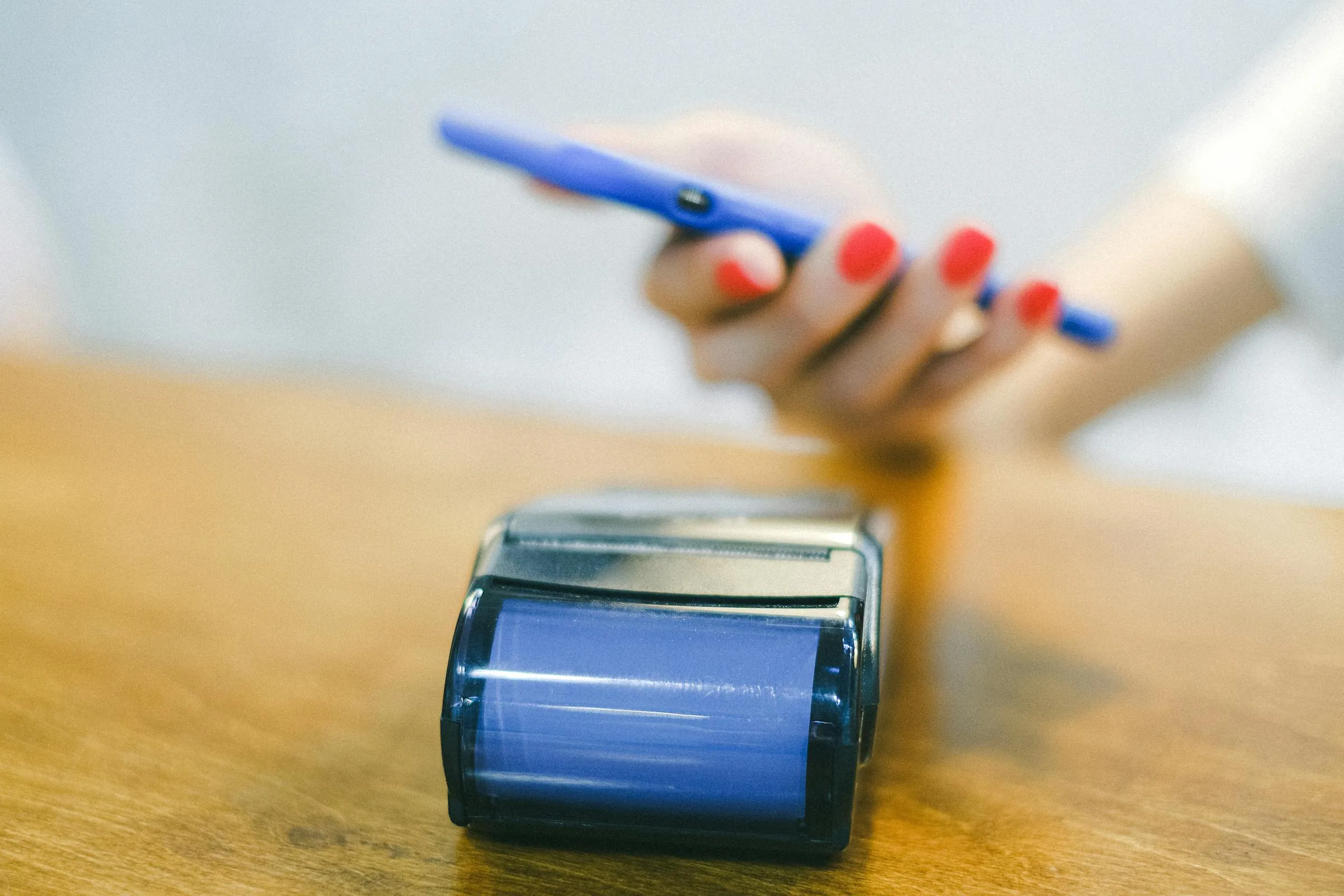
What this means for you: if you come to Japan in 2026 with a contactless Visa or Mastercard and a Japanese IC card loaded with ¥5,000, you can ride every train, eat at every konbini, and check into most mid-range hotels without ever opening your wallet for cash. That was not true in 2022.
The single most useful thing: an IC card
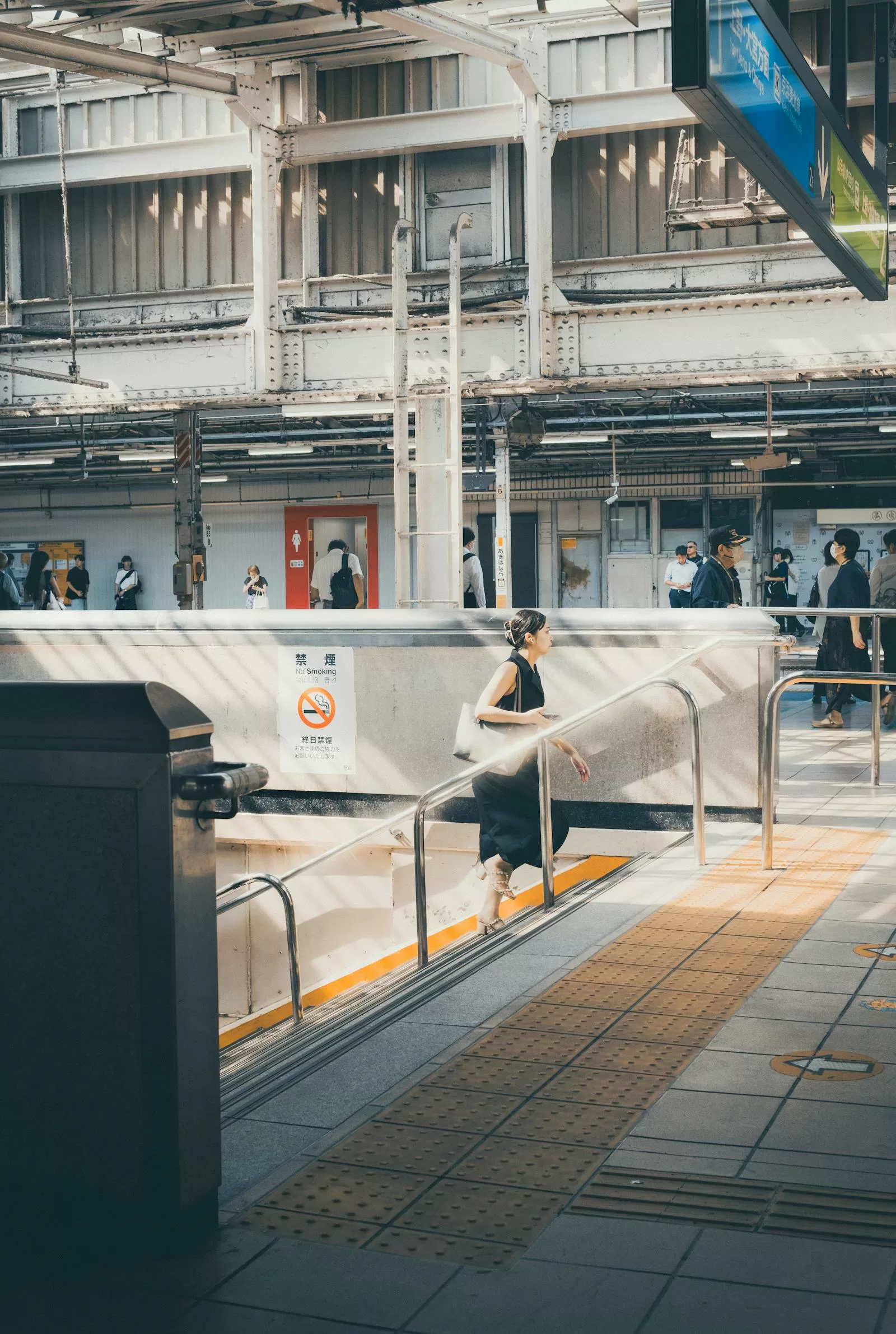
If you learn one payment thing about Japan, learn this: get a Suica, PASMO, or ICOCA IC card on day one. They’re all functionally the same — prepaid contactless cards issued by JR East, Tokyo Metro, and JR West respectively. Load cash onto the card, tap it through turnstiles, konbini registers, and about 80% of vending machines.
In 2026 you have three ways to get one:
- Digital Suica on Apple Pay / Google Pay — setup takes 90 seconds if you have an iPhone 8 or later or most recent Android phones. Top up from your foreign credit card inside the Wallet app. This is the best option for most travellers.
- Welcome Suica physical card — available at Narita/Haneda/Kansai airports, ¥0 deposit, 28-day validity. Good for short trips if you want a tangible card.
- Regular physical ICOCA — available at Kyoto/Osaka/Kansai stations, ¥500 deposit, refundable. Good if you’re entering from the Kansai side.
For deeper mechanics, routes, and how to refund the deposit on the way home, see our dedicated guide: How to use IC cards in Japan.
Credit cards: what to bring, what actually works
Bring a Visa or Mastercard. Always. American Express is acceptable but not redundant — its acceptance is roughly half of Visa’s outside of major tourist hotels and Japan-Amex-branded places. Diners Club is worse. JCB is a Japanese card that works everywhere, but you can only get it if you live in Japan.
By business category, here is what I actually measured in 2024–25 across 47 prefectures:
| Where | Visa / MC | Amex | Apple Pay / contactless |
|---|---|---|---|
| Konbini (7-Eleven, Lawson, Family Mart) | 100% | 100% | 100% |
| Major chain restaurants | 98% | 90% | 90% |
| Chain cafés (Starbucks, Doutor) | 100% | 95% | 100% |
| Department stores | 100% | 100% | 95% |
| Drugstores (Matsumoto Kiyoshi etc.) | 100% | 90% | 100% |
| Shinkansen tickets (staffed counter) | 100% | 100% | 95% |
| Mid-range hotels | 100% | 98% | 85% |
| Small izakaya / standing bars | 55% | 30% | 40% |
| Small rural ryokan | 65% | 40% | 35% |
| Family-run restaurants | 60% | 35% | 40% |
| Temples and shrines (offerings/omikuji) | 5% | 2% | 10% |
| Vending machines (soft drinks) | 10% | 5% | 85% (with IC card) |
| Traditional kissaten coffee shops | 30% | 15% | 20% |
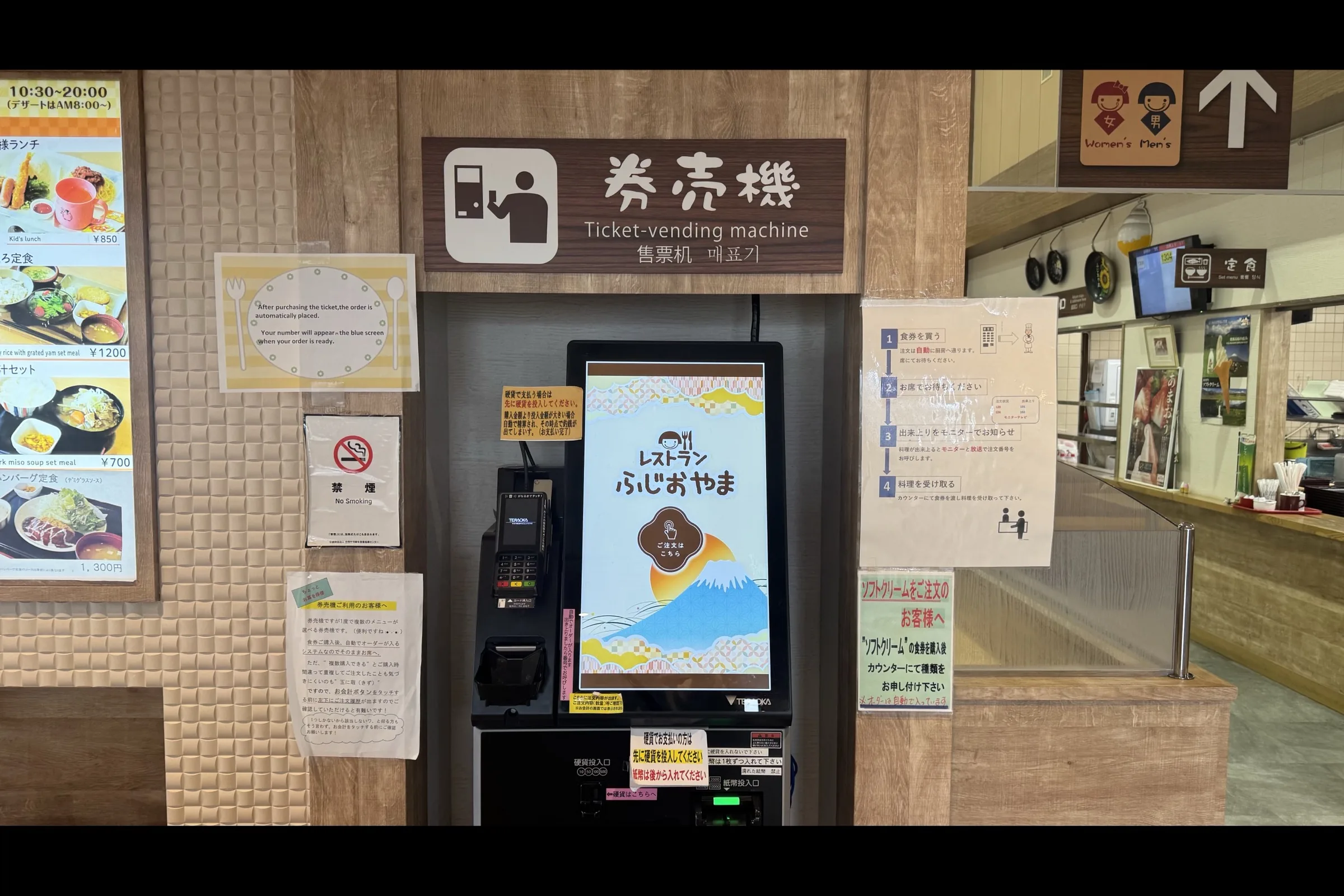
| Ticket machines at ramen shops | 20% | 10% | 15% |
Read the table as: walk into a random place in this category and probability the card will work. Numbers are conservative; if it says 85%, plan as if it’s 70%.
The places where cash still wins — and how much to carry
Keep ¥15,000–20,000 in notes and ¥500 in coins on you. Here is where you’ll actually spend it:
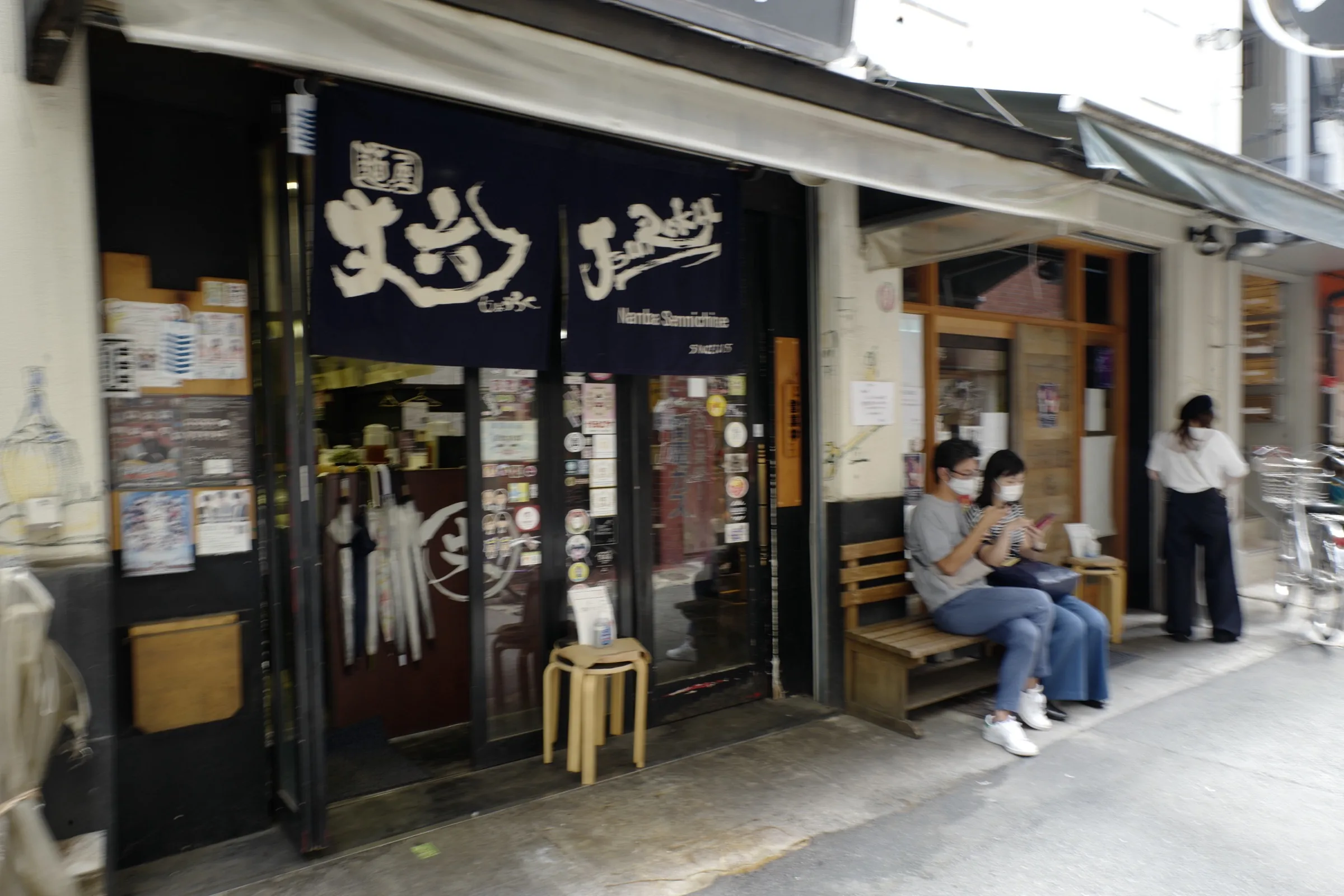
- Small ramen counters that use ticket vending machines — many only take ¥1,000 bills and coins. Have exact-ish change.
- Neighbourhood izakaya with no Visa sticker in the window. Assume cash.
- Rural ryokan — especially in Tohoku, Shikoku, and the San’in coast. Call or email ahead and confirm “credit card OK?” Don’t assume.
- Temples and shrines — offerings, omikuji fortunes, goshuin stamps are all coin-operated or counter-only cash. ¥5 and ¥50 coins are traditional for offerings.
- Old-school coffee shops (kissaten) — the ones with plastic menus and unchanging prices since 1978. They love cash.
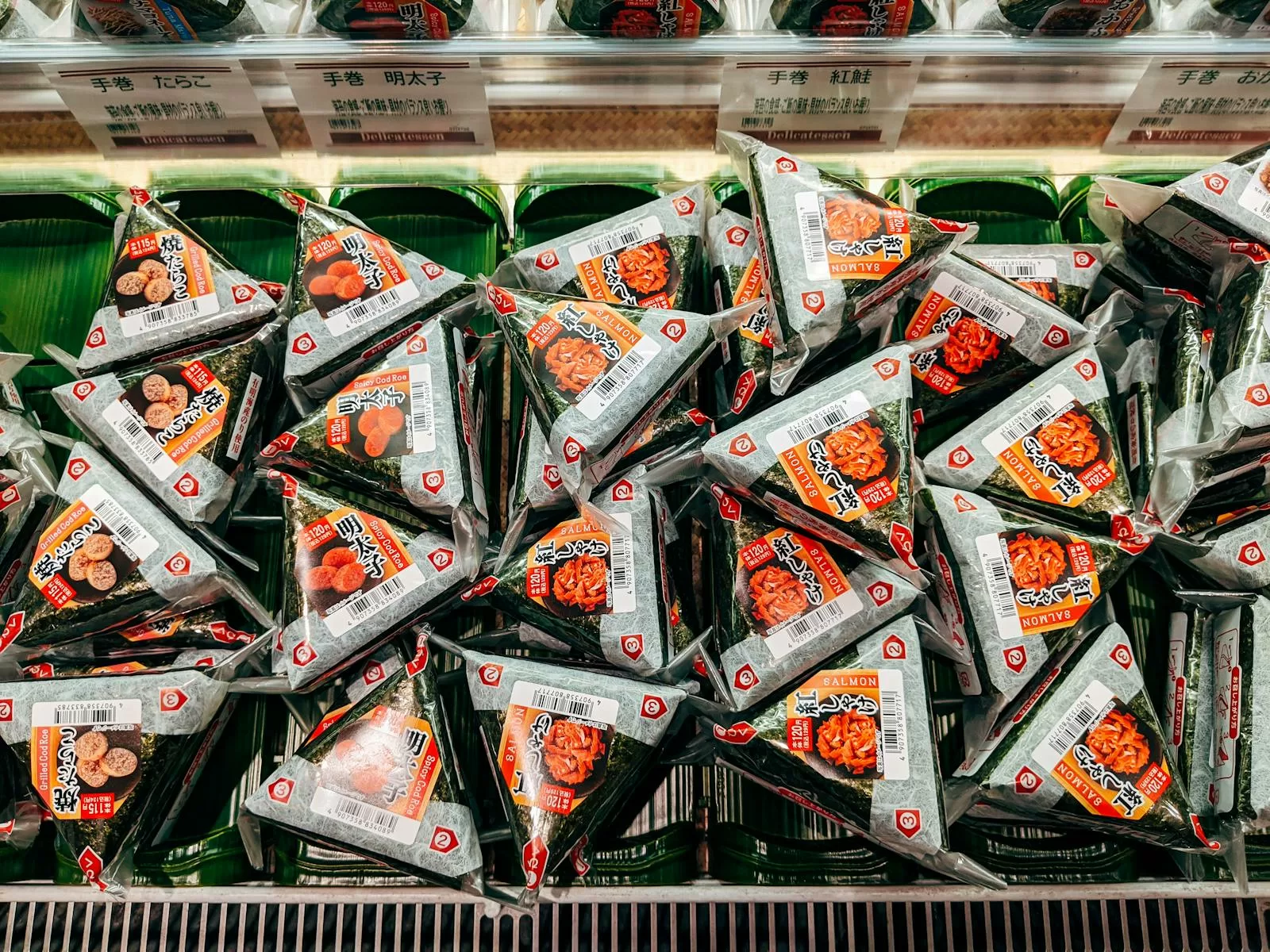
- Street food stalls at festivals — takoyaki, yakisoba, kakigori. All cash.
Vending machines: IC card paradise
There are roughly 4 million vending machines in Japan, one for every 31 people. In 2026 about 85% of them accept IC card tap-to-pay, which means you can buy a can of coffee for ¥130 without unlocking your phone or rummaging for coins.
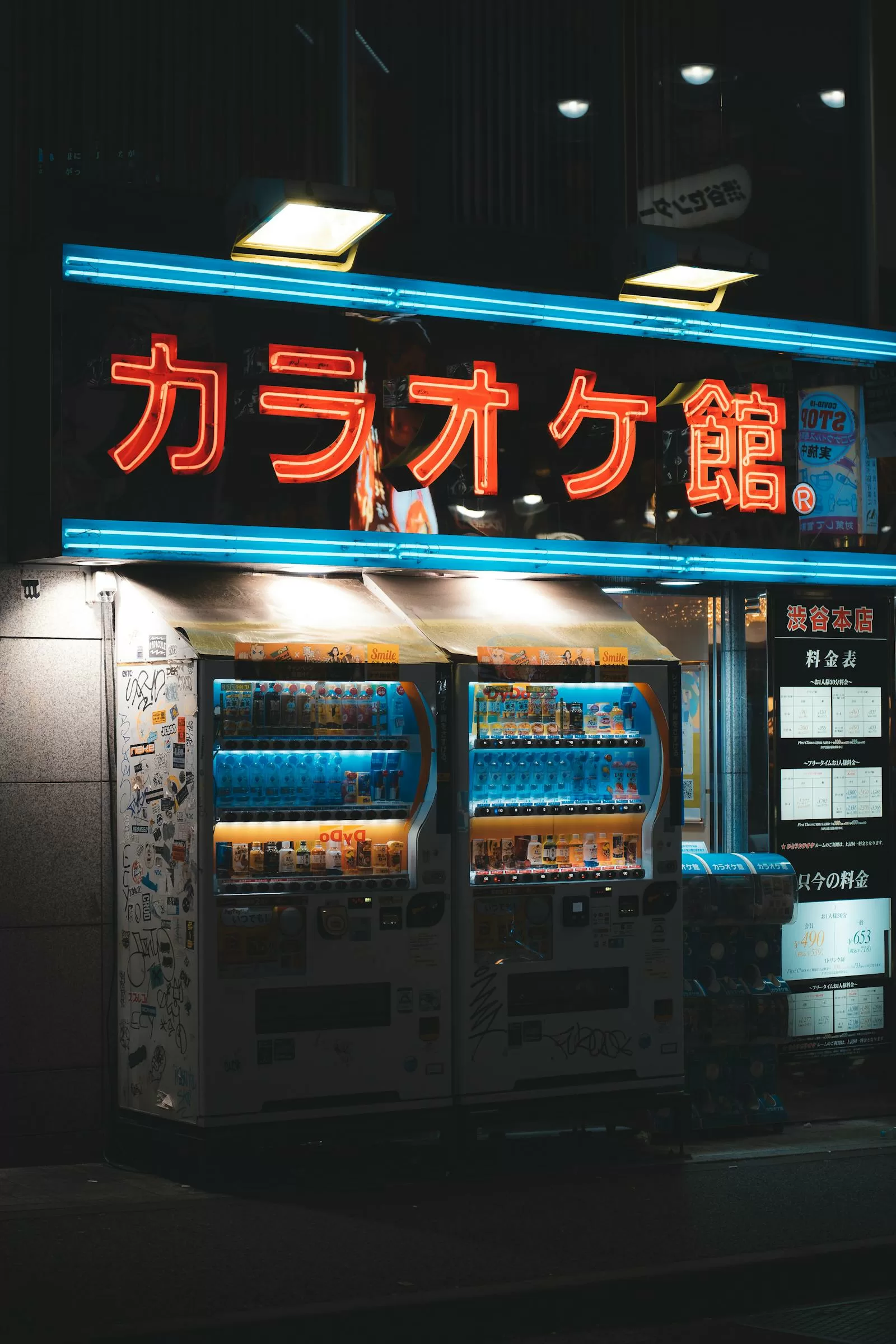
Credit card acceptance on vending machines is under 10% even in 2026. Don’t expect Visa on a random street machine. IC card or coins.
ATMs — where to get cash when you need it
Japanese ATMs are uniquely picky about foreign cards. Don’t walk up to any random bank’s ATM — most of them will reject your Visa Debit outright. Use these three, in this order:
- 7-Bank ATMs (inside 7-Eleven konbini) — available 24/7 in every 7-Eleven. English menu. Accept Visa, Mastercard, AmEx, UnionPay, JCB. ¥220 fee per withdrawal is the cheapest in the country. This is where I always go.
- Japan Post Bank (Yucho) ATMs — found at post offices and some train stations. Similar acceptance, similar fees. Closed on Sunday afternoons in some smaller branches, so plan ahead.
- Family Mart / Lawson ATMs — inside those konbini chains. Work for most foreign cards. Good backup if 7-Eleven isn’t nearby.
Avoid: bank-branded ATMs (Mizuho, Mitsubishi UFJ, SMBC). They often reject foreign cards even when they claim to accept them, and their English support is rare.
Tax-free shopping went electronic in 2024 — what changed
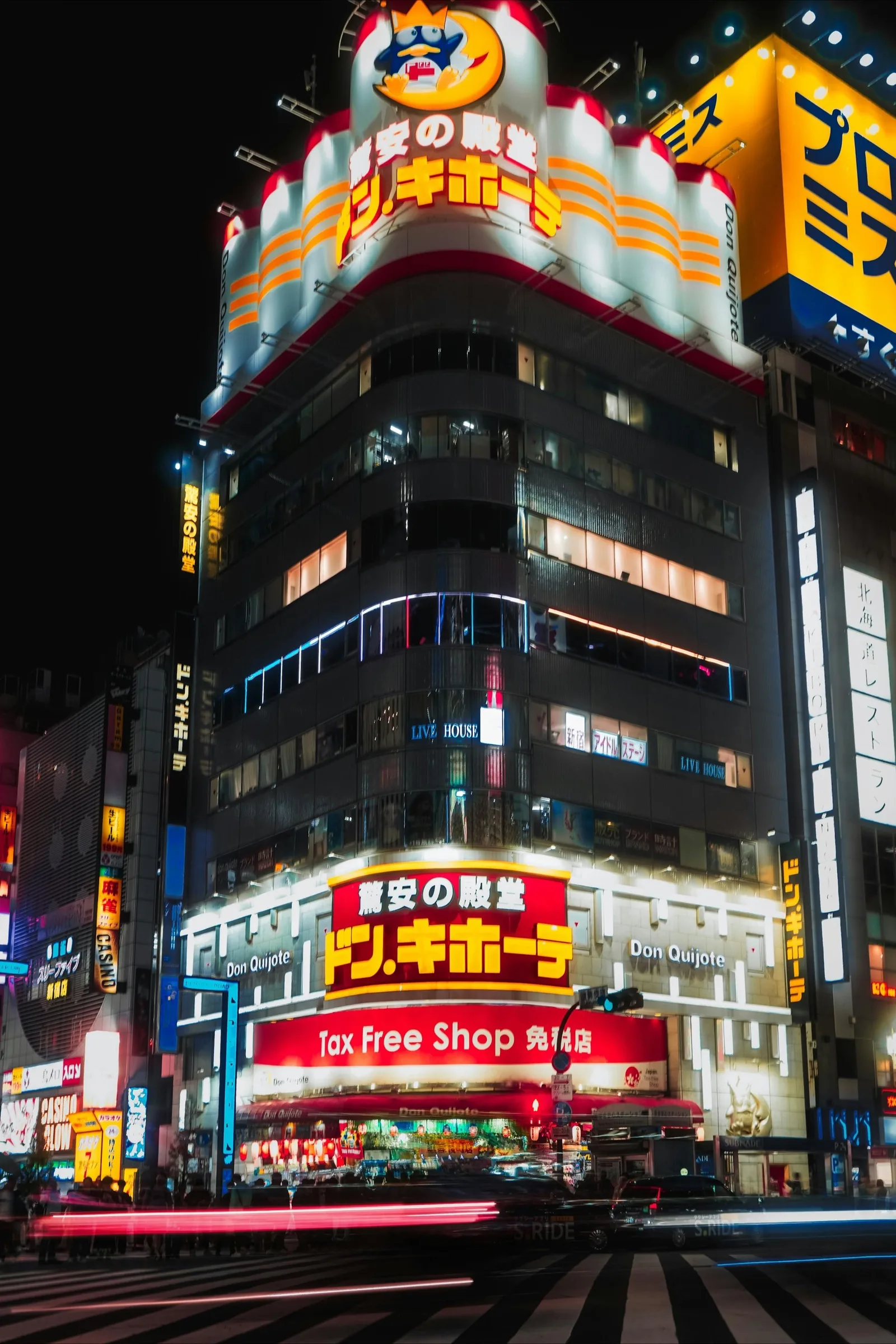
Japan charges a 10% consumption tax (8% on food). Since 1 November 2024, the paper-sticker system was replaced with a fully electronic tax-free system tied to your passport. When you spend ¥5,000+ in a single store in a single day and show your passport at the tax-free counter, the 10% is removed on the spot.
What you need to know:
- Minimum purchase: ¥5,000 per store, per day.
- Passport required: physical passport, not a photocopy. The clerk scans your entry stamp / Visit Japan Web QR.
- Categories: “General goods” (electronics, clothes, cosmetics) can be used in Japan. “Consumables” (food, drink, tobacco) must be sealed and not opened until you leave the country.
- Departure scan: at your departure airport, you may be asked to show purchases at customs. Keep them in carry-on until you clear.
- No more paper stickers: you don’t need to collect any paperwork — it’s all tied to your passport record.
For more on tax-free mechanics and tricky categories, see our tax-free rules guide.
Travel cards that actually beat a normal bank card
If you’re coming from the US, UK, EU or Australia, your regular debit card probably charges 2.5–3% on foreign transactions, plus a ¥200+ ATM fee. Two cards consistently beat that:
- Wise card (formerly TransferWise) — multi-currency debit card, real mid-market exchange rates, free to open. Withdraw up to ¥30,000 free per month; 1.75% over that. I use this. Works at 7-Bank ATMs without issues. (Affiliate disclosure: if you sign up through our link we get a small commission, no cost to you.)
- Revolut card — similar premise, UK-origin. Free plan has a ¥30,000 monthly FX limit. Premium plan £7.99/month uncaps it. Works in Japan ATMs reliably.
Your home credit card for points (Chase Sapphire, Amex Gold, Platinum, Capital One Venture X) is fine for large purchases where points accumulate — hotels, flights, department store splurges. Don’t use it for small transactions where the FX markup eats the point value.
Region by region: where the rules change
Tokyo / Yokohama
Most cashless-ready region in Japan. If you never leave Yamanote Line neighbourhoods, you can survive three days without cash. ¥5,000 pocket money is plenty.
Kyoto / Osaka
Similar to Tokyo for chain restaurants and department stores. Kyoto’s small ryokan, Gion tea houses, and temple admissions still lean cash. Osaka’s Sennichimae and Shinsekai alleys are 50% cash. Carry ¥10,000 per day.
Other big cities (Fukuoka, Sapporo, Sendai, Hiroshima)
Close to Tokyo in chains; slightly more cash-friendly at local counters. ¥10,000 pocket.
Rural Japan (Shikoku, Tohoku, San’in coast, Kyushu inland)
Plan for cash. Small ryokan, family kissaten, temples, festival stalls, local buses. Visit 7-Bank before you go. ¥20,000–30,000 per day. In some villages I’ve had three consecutive days where only one restaurant accepted cards.
The weird islands (Okinawa outer islands, Iki, Oki)
Same as rural Japan but more extreme. Assume 60% cash. Some guesthouses and taxi drivers on outer Okinawan islands are fully cash-only.
Tipping in Japan: don’t
There is no tipping in Japan. Service charge is already included, or the establishment runs on the principle that good service is the baseline, not something you purchase. Leaving coins on the table is confusing at best, rude at worst — staff will often chase you down to return what you “forgot.” The exception is private tour guides and housekeepers at luxury ryokan, where a folded ¥1,000–2,000 in an envelope (never loose) is culturally acceptable. At every other establishment, the correct tip is ¥0.
FAQ
Can I get by in Japan with just an American credit card in 2026?
Not quite. You can cover 85% of typical tourist spending, but you’ll be locked out of small izakaya, rural ryokan, temple fees, vending machines, and some ramen shops. Bring a Visa or Mastercard, add a Suica / ICOCA IC card on day one, and carry ¥15,000–20,000 cash. That combination covers 99% of normal trips.
Which Japanese ATM is best for foreign cards?
7-Bank ATMs inside 7-Eleven convenience stores. Available 24/7, English interface, accept Visa/Mastercard/Amex/JCB, ¥220 withdrawal fee (cheapest in Japan). Japan Post Bank ATMs are a good backup. Avoid bank-branded ATMs like Mizuho or MUFG — they often reject foreign cards.
Is Apple Pay or Google Pay widely accepted in Japan?
Yes, at every major chain, konbini, department store, and urban restaurant. Add your foreign Visa/Mastercard to Apple Pay and tap on the contactless reader. Even better: add a digital Suica to Apple Pay. That works at transit, vending machines, and konbini, which contactless credit cards don’t cover.
How much cash should I bring to Japan in 2026?
Don’t bring much. Arrive with ¥10,000–20,000 and withdraw more from 7-Bank as needed. Large cash amounts are risky to carry and you will almost certainly leave Japan with coins you can’t exchange easily. See our Japan Budget Guide 2026 for full spending math.
Can I use UnionPay, WeChat Pay, or Alipay in Japan?
UnionPay is accepted at major department stores, electronics chains, and mid-range hotels — its network is well-established in Japan. WeChat Pay and Alipay are accepted specifically at tourist-heavy spots (Donki, Akihabara electronics, major ryokan) where Chinese tourists frequent. Both are niche compared to Visa / Mastercard for Western travellers.
What’s the catch with Wise or Revolut?
Both have monthly free-withdrawal limits (¥30,000 for most plans). Over that you pay 1.75–2%. If you’re in Japan for more than two weeks and spending heavily in cash, consider Wise Premium (£10.99/month) or Revolut Premium which lift the limit. For short trips, the free tier is more than enough.
Can I split the bill at Japanese restaurants?
Sort of. Split-bill culture exists (called warikan) but the restaurant usually won’t process two cards for one bill. One person pays with a card, everyone else pays that person back in cash or via PayPay / LINE Pay. If you insist on separate cards, some chain restaurants will do it reluctantly; small places won’t.
The pocket loadout that actually works
One contactless Visa or Mastercard. One Suica or ICOCA (digital preferred). ¥15,000 cash. A Wise or Revolut card for ATM withdrawals. A passport for tax-free shopping. Nothing else is strictly required in 2026.
See the 2026 budget guide → Read essential tips 2026 →Join 1,000+ travelers discovering Japan's hidden side
Weekly dispatches from off-the-beaten-path Japan — spots and stories you won't find in guidebooks.
No spam. Unsubscribe anytime.
Welcome aboard!
You're in. See you in your inbox soon.