

Shichirigahama, a coastal neighborhood in Kamakura, is not just for beach strolls and anime pilgrimages. For photographers, it offers some of the most breathtaking and distinctly Japanese views of Mt. Fuji. When the air is clear, especially during the cooler months, Japan’s most sacred mountain reveals itself on the horizon, perfectly framed by the sea, the iconic Enoden train, and the unique local scenery.
This guide focuses on three specific, publicly accessible spots to help you find the best Shichirigahama Mt Fuji view. Whether you’re a professional photographer or just hoping to capture a memorable travel photo, this guide will show you where and when to go.
Table of Contents
Quick Facts
| Feature | Details |
| Primary Subject | Mt. Fuji Photography |
| Location | Shichirigahama area, Kamakura, Kanagawa |
| Best Season | Autumn & Winter (November to February) when the air is cold and clear. |
| Best Time of Day | Sunset / Golden Hour for dramatic light and silhouettes. |
| Key Elements | Mt. Fuji, Enoshima Electric Railway (Enoden), Shonan Coast, Inamuragasaki Cape. |
| Essential Gear | A camera with a zoom lens is recommended to compress the distance to Mt. Fuji. |
When to Find the Best Shichirigahama Mt Fuji View
Seeing Mt. Fuji from the Shonan coast is a matter of timing and luck. The mountain is over 80 kilometers away, so visibility is key. The best chances are on clear, crisp days, which are most common from late autumn through winter. The cold, dry air of these seasons offers the highest probability of an unobstructed view. While possible at other times, summer is often too hazy. Always check the weather forecast and live webcams before you go.
Spot 1: The Classic Beach View from Shichirigahama Shore
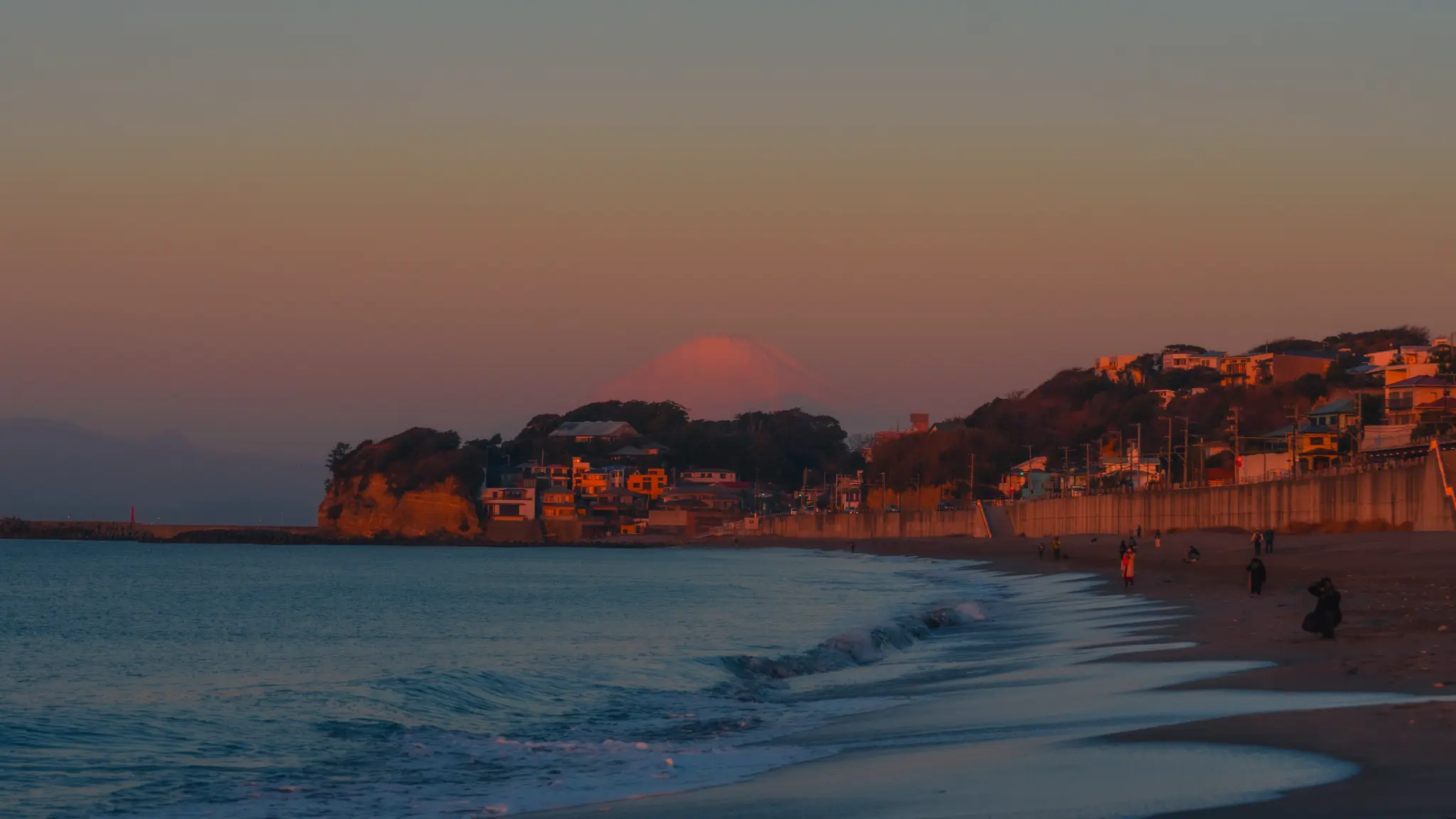
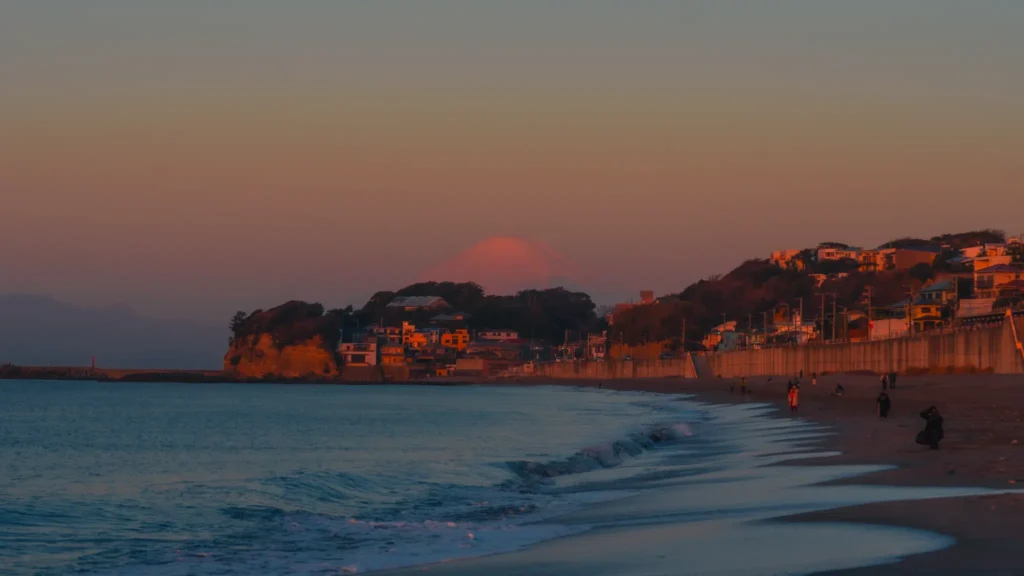
This is perhaps the most serene and natural of the three views. From the sands of Shichirigahama Beach, you can capture a sweeping panorama that feels both grand and peaceful.
•Location: Shichirigahama Beach
•The Shot: The view looks west across the water. The dark silhouette of the Inamuragasaki Cape provides a beautiful foreground element, with Mt. Fuji rising majestically behind it. At sunset, the sky ignites, and the mountain often glows with a faint pink alpenglow.
•Photo Tip: Use the waves, the shoreline, and silhouettes of people walking on the beach to add a sense of scale and life to your composition.
Spot 2: The Railway Curve & Fuji (A Social Media Favorite)
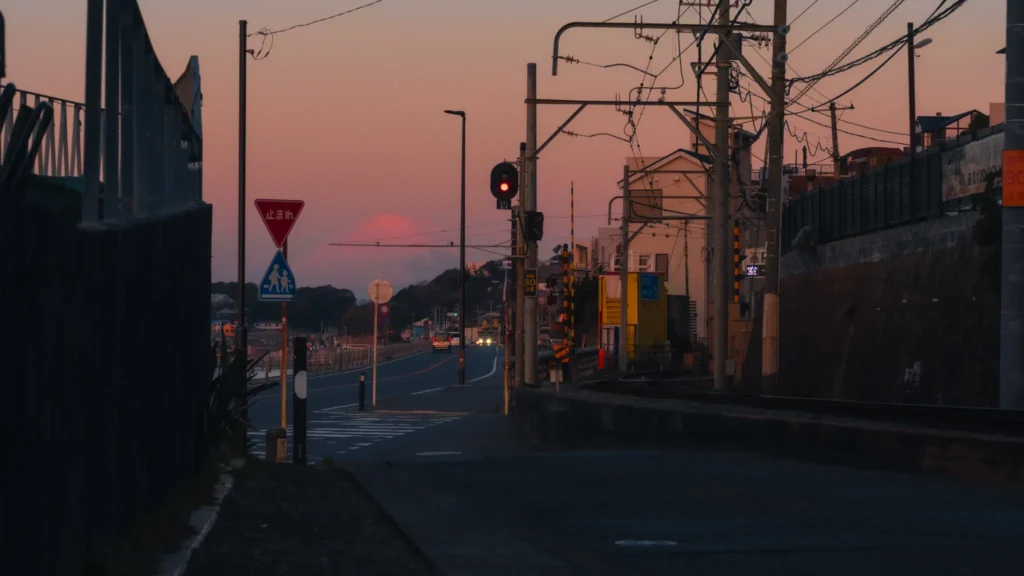
This spot has gained popularity on social media for its unique, layered composition that screams “Japan.” It combines everyday infrastructure with the epic scale of Mt. Fuji.
•Location: Near D-Parking Triangle Shichirigahama
•The Shot: From a small street near a railway crossing, you can look down the road to see the peak of Mt. Fuji perfectly framed by buildings, traffic signals, and a web of power lines. It’s a composition that captures the contrast between urban life and distant nature.
•Photo Tip: This shot works best with a telephoto lens to make Mt. Fuji appear larger. Be patient and wait for a moment when there are no cars obstructing the view of the mountain. As this is a residential street, be quiet and respectful of the neighborhood.
Spot 3: The Enoden Train & Fuji from the Route 134 Sidewalk
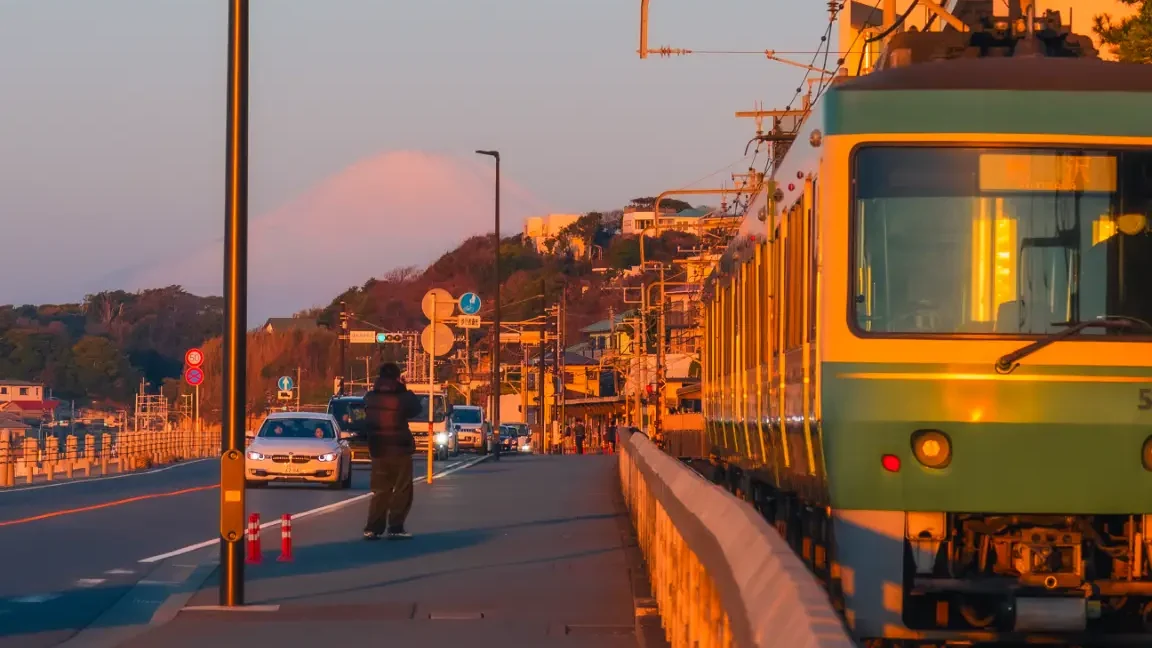
For the quintessential shot combining the beloved Enoden train and Mt. Fuji, this is the place to be. It requires patience and a bit of luck with the train schedule, but the result is worth it.
•Location: Sidewalk along Route 134 (between Shichirigahama and Kamakurakokomae stations)
•The Shot: Stand on the sidewalk next to the train tracks. As the Enoden train comes around the curve, you can capture it in the frame with Mt. Fuji in the background. The golden hour light hitting the side of the train adds a beautiful warmth to the scene.
•Photo Tip: The train passes frequently, but you’ll need to be ready. Find your composition and wait for the train to enter the frame. Be aware of your surroundings, as the sidewalk is next to a busy road.
A Photographer’s Itinerary
To make the most of your trip, consider combining these spots with our other guides. Start with a sunrise walk at Shichirigahama Beach, visit the Slam Dunk crossing in the morning, and then return to these spots in the late afternoon to chase the sunset and the perfect Fuji view.
Frequently Asked Questions (FAQs)
Q1: What is the absolute best month to photograph Mt. Fuji from Kamakura?
A1: January and February generally offer the highest chances of clear, crisp air, providing the best visibility for photographing Mt. Fuji.
Q2: Do I need a professional camera?
A2: While a camera with a zoom lens is helpful, especially for Spot 2 and 3, you can still capture beautiful photos with a smartphone. The most important factors are clear weather and good light.
Q3: Is it crowded at these spots?
A3: Spot 1 (the beach) is large enough that it rarely feels crowded. Spots 2 and 3 are on public streets and can have other photographers, but they are generally less crowded than the famous Slam Dunk crossing. Always be mindful of residents and traffic.
Sources
•Google Maps – Shichirigahama Beach
•Google Maps – Railway Curve Spot
•Google Maps – Route 134 Sidewalk Spot

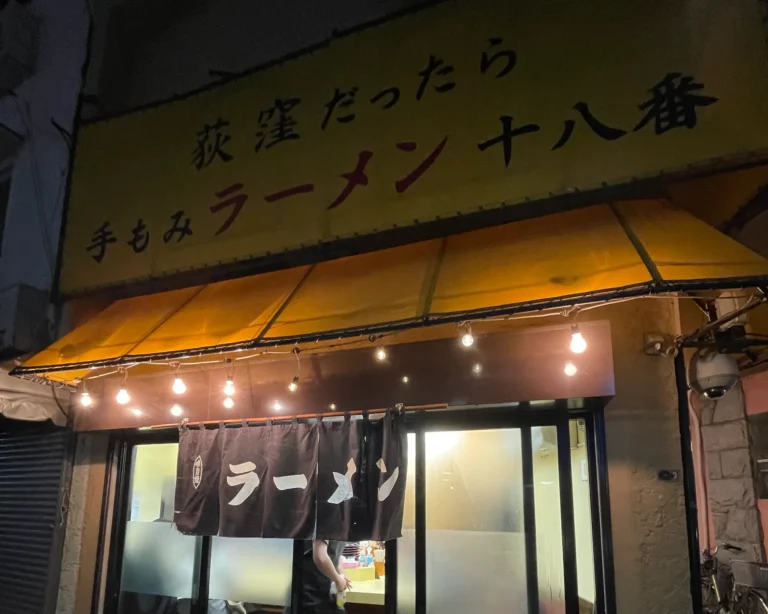
- Temomi Ramen Juhachiban: Ogikubo’s Legendary Hand-Kneaded Noodle Shop
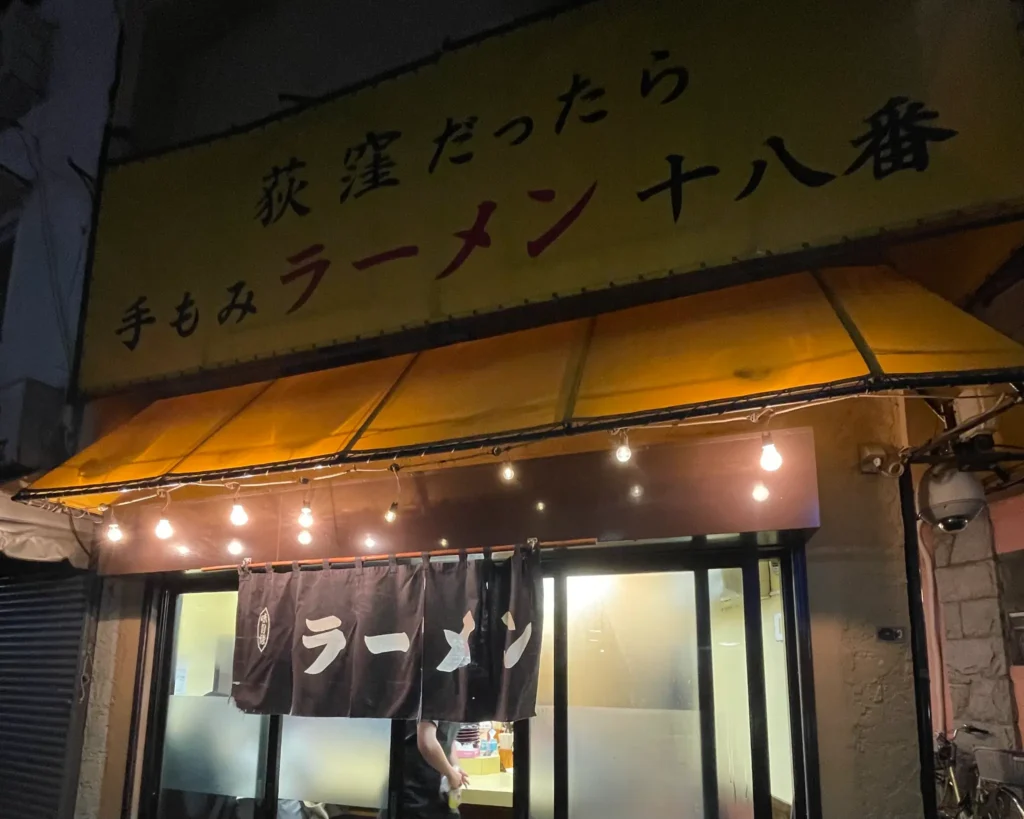 As evening settles over Ogikubo, a bustling neighborhood in Tokyo‘s Suginami ward, a bright yellow awning casts a warm, inviting glow onto the street. This is the home of Temomi Ramen Juhachiban Ogikubo, a beloved local institution that has been serving its signature hand-kneaded noodles since 1966. For many, the aroma of its potent garlic… Read more: Temomi Ramen Juhachiban: Ogikubo’s Legendary Hand-Kneaded Noodle Shop
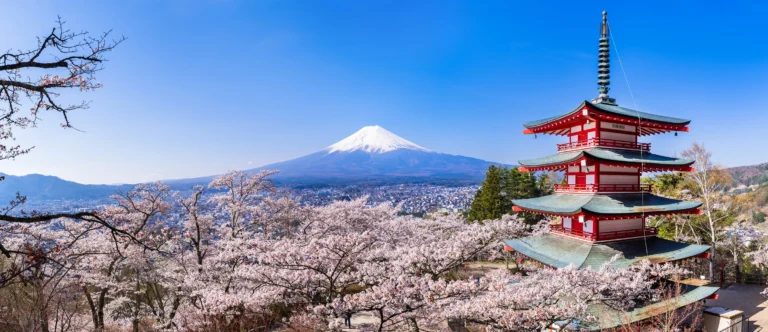
 - Mt. Fuji Cherry Blossom Guide 2026 : Forecast & Best Spots
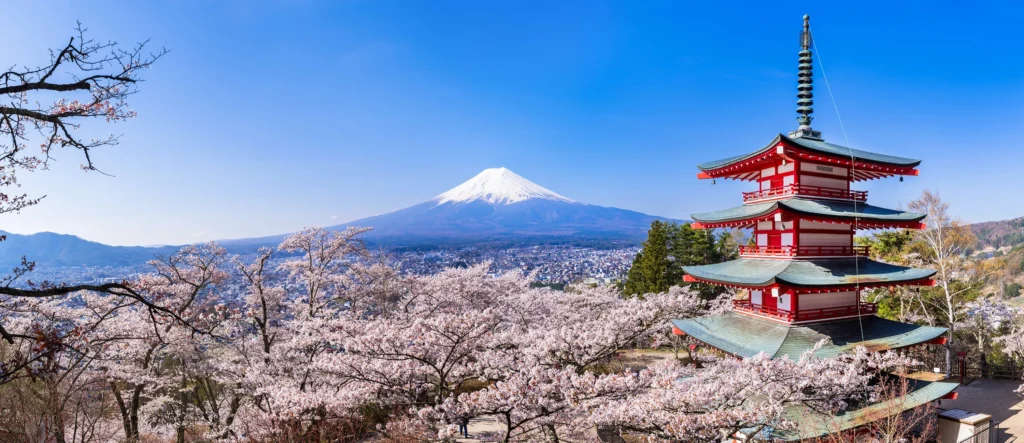 As Japan’s iconic peak, Mount Fuji provides a breathtaking backdrop for the country’s beloved cherry blossoms. While the sakura season in Tokyo and Kyoto often steals the spotlight, the Fuji Five Lakes region offers a later, often less crowded, and equally spectacular viewing experience. This guide provides the latest 2026 forecast, top viewing spots including… Read more: Mt. Fuji Cherry Blossom Guide 2026 : Forecast & Best Spots
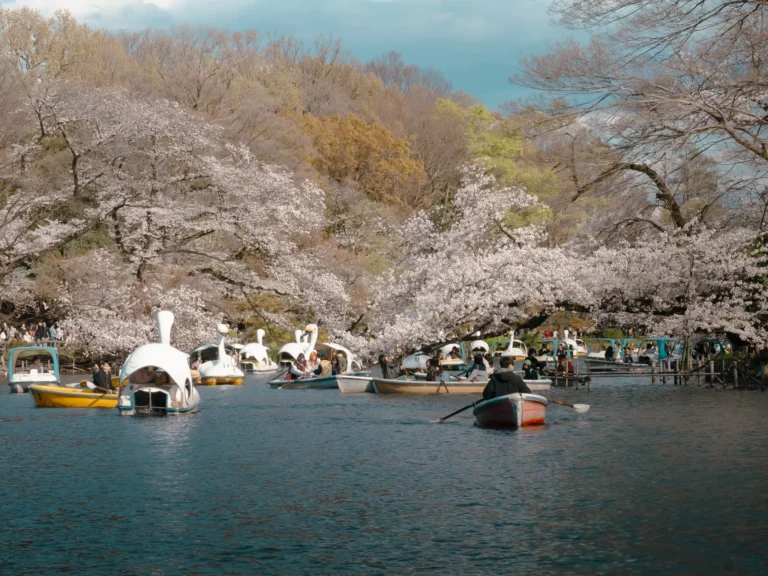
 - Inokashira Park Cherry Blossoms 2026: A Local’s Guide to Tokyo’s Serene Hanami Spot
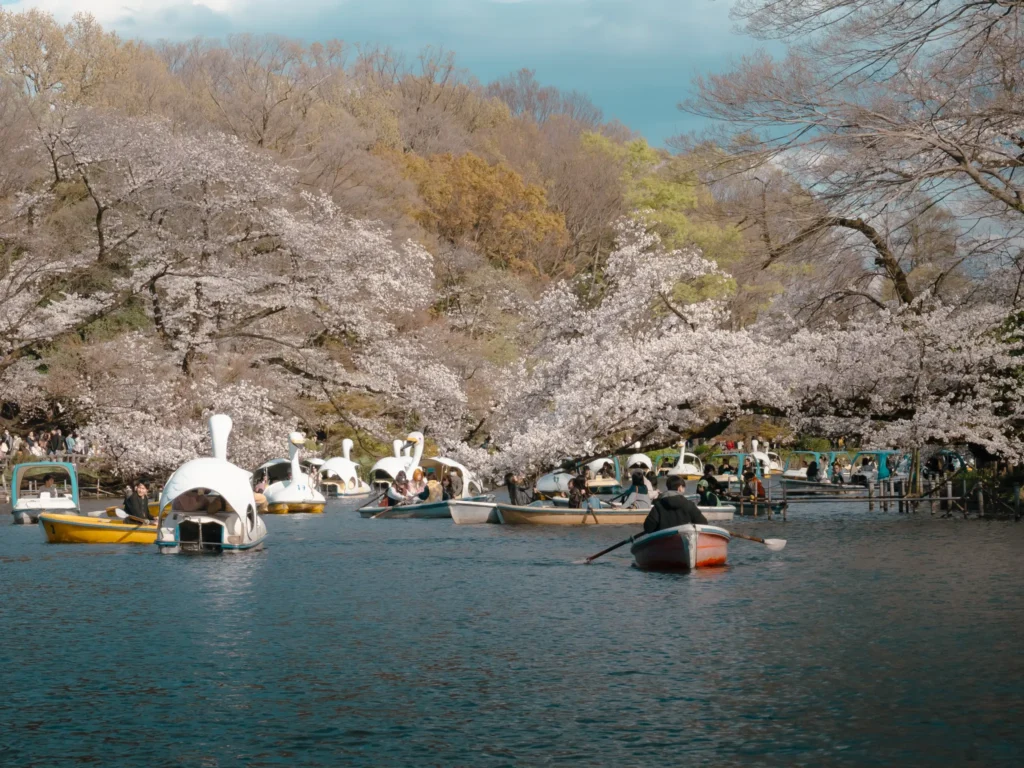 As the cherry blossom season approaches in Tokyo, many travelers dream of iconic but often crowded spots like Ueno or Yoyogi Park. But what if you could experience breathtaking sakura in a more relaxed, local atmosphere? This guide introduces you to Inokashira Park, a cherished hanami (cherry blossom viewing) destination in the vibrant neighborhood of… Read more: Inokashira Park Cherry Blossoms 2026: A Local’s Guide to Tokyo’s Serene Hanami Spot
 - A Visitor’s Guide to the Great Buddha of Kamakura (Kotoku-in Temple)
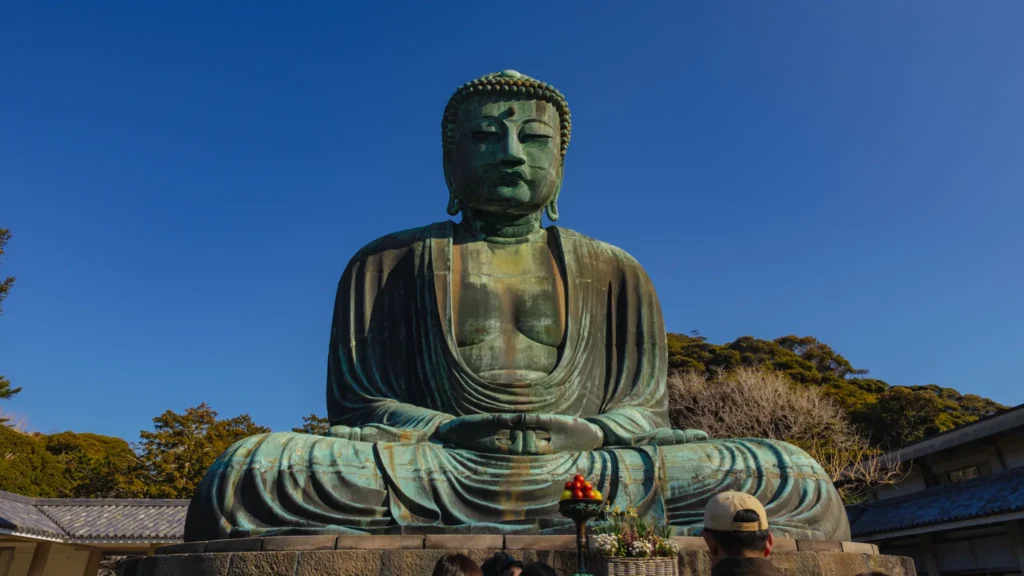 Kamakura, a coastal city just south of Tokyo, is a treasure trove of temples, shrines, and historical landmarks. Yet, few are as iconic or instantly recognizable as the Great Buddha (鎌倉大仏, Kamakura Daibutsu). Housed at Kotoku-in Temple, this colossal bronze statue of Amida Buddha has watched over the city for nearly eight centuries, surviving earthquakes,… Read more: A Visitor’s Guide to the Great Buddha of Kamakura (Kotoku-in Temple)
 - Ariake Ferry Kumamoto-Nagasaki Guide
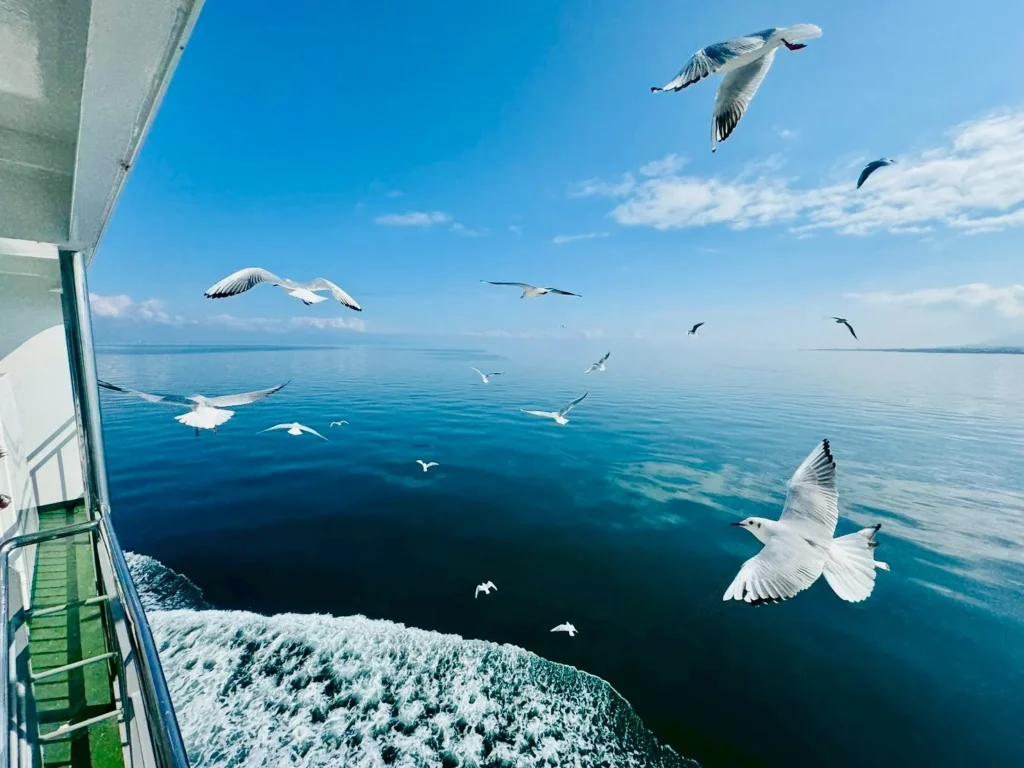 Connecting Kumamoto and Nagasaki prefectures, the Ariake Ferry offers more than just a convenient shortcut across the Ariake Sea. It’s a delightful 45-minute journey that provides a glimpse into local life, a chance to interact with wildlife, and a peaceful respite from a long drive. This article details a firsthand experience on this charming local… Read more: Ariake Ferry Kumamoto-Nagasaki Guide
2026 cafe cherry blossom cherry blossoms day trip from tokyo edo period enoden flower festival fuji five lakes fujiyoshida Fukuoka hanami hiking japan japanese culture japanese food japan travel kamakura kawagoe kawaguchiko kawazu sakura Kumamoto kyoto local food Mount Fuji mt fuji Nagano new year holiday nightlife noodles oita Onsen Ramen Saga sakura Shizuoka shrine spring in japan spring travel Tokyo travel travel guide travel planning winter travel Yamanashi