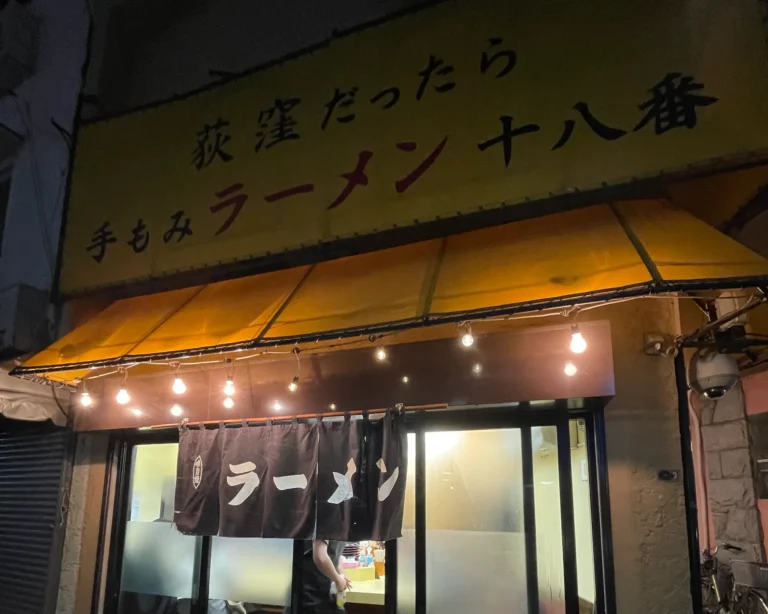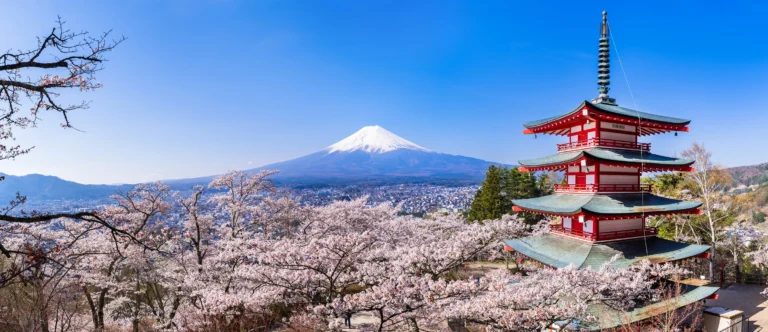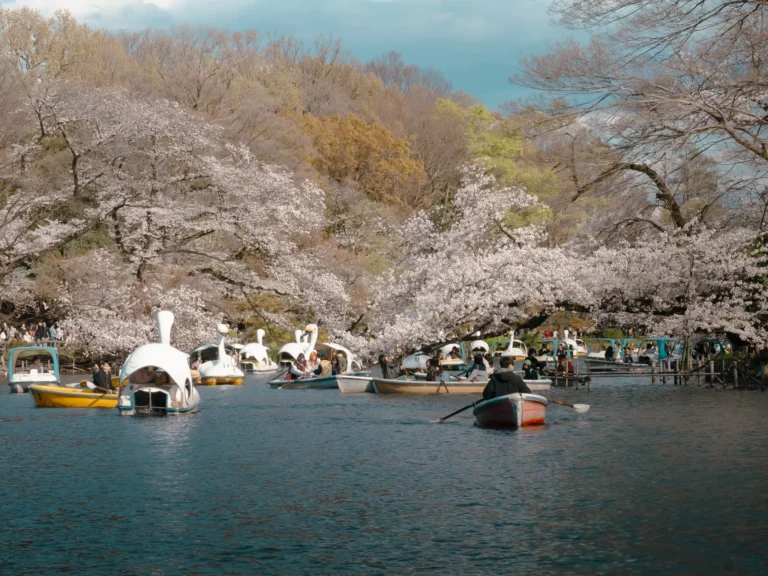


Nestled at the base of Mt. Fuji, the city of Fujiyoshida is known for its deep connection to the textile industry. But beyond the hum of weaving machines lies a district that tells a different story—a story of post-war revelry, Showa-era nostalgia, and modern-day revival. This is Nishiura, a captivating neighborhood of narrow alleys and glowing lanterns that offers a glimpse into a Japan many travelers miss. This guide will walk you through the atmospheric streets of Nishiura and the adjacent Gekkeiji shopping street, revealing the history and charm of this unique corner of Fujiyoshida.
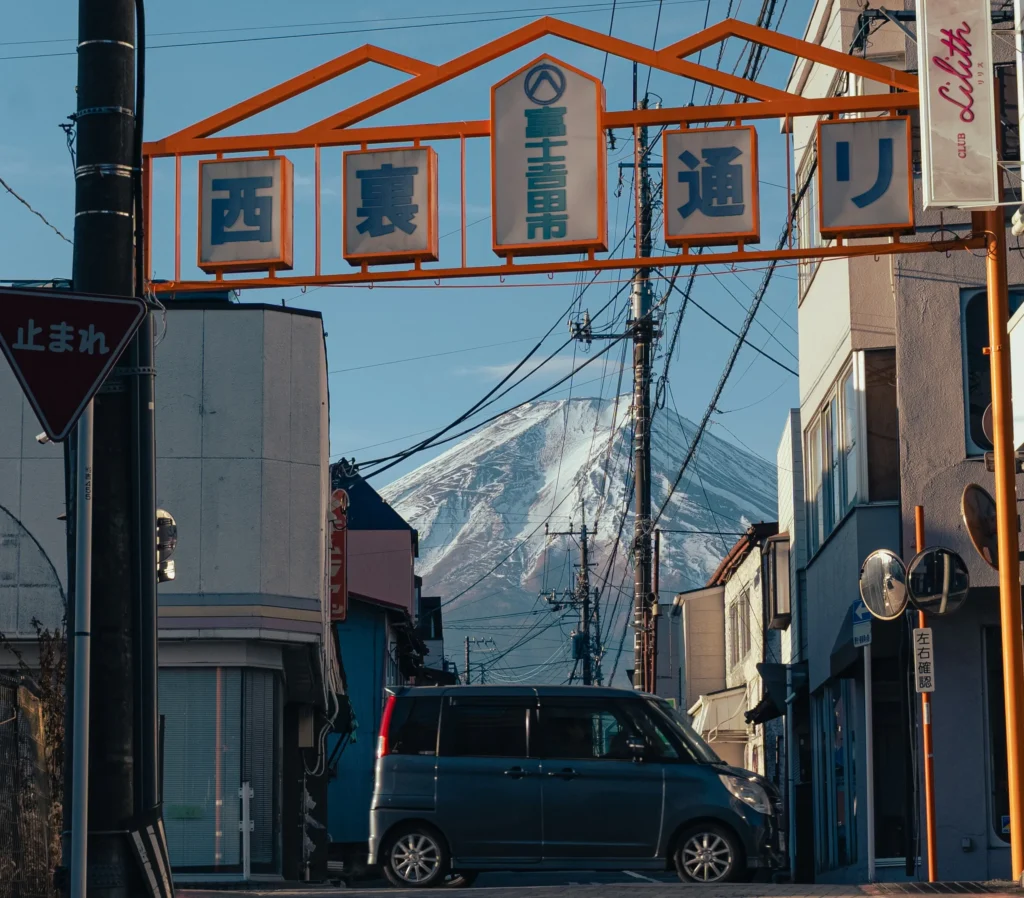
Table of Contents
Quick Facts
| Feature | Details |
| Location | Central Fujiyoshida, Yamanashi Prefecture |
| Main Areas | Nishiura Street, Gekkeiji Shopping Street, Shinsekai Kanpai Street |
| Best For | Exploring retro Showa-era atmosphere, nightlife, street photography |
| Nearest Station | Gekkeiji Station (Fujikyu Railway Line) |
| Vibe | Nostalgic, lively at night, quiet during the day |
| Payment | Cash is highly recommended, especially at smaller bars |
An Overview: The Textile Boom and a Legendary Nightlife District
To understand Nishiura, you must first understand Fujiyoshida’s history as a center of the textile trade. For centuries, the sound of weaving machines filled the air in the Shimoyoshida area. While the “Higashiura” (East Backstreet) was the domain of textile wholesalers, Nishiura (West Backstreet) became its vibrant counterpart: a sprawling entertainment district .
During the post-war economic boom, a common phrase was “gachaman,” suggesting that one turn of the loom (gachan) could earn 10,000 yen. This prosperity fueled Nishiura’s growth. At its peak, the area boasted over 200 establishments—bars, restaurants, and geisha houses—making it one of the most famous nightlife spots in the Kanto region, even said to surpass the popularity of Atami at the time . It was a place where textile merchants and workers spent their earnings, and the sounds of laughter and shamisen music echoed through the alleys late into the night .
While the decline of the textile industry quieted the streets for a time, a recent wave of interest in Showa-era retro culture has sparked a revival. Today, Nishiura is a fascinating mix of old and new, with around 100 businesses still in operation, and younger generations opening new, stylish establishments in renovated old buildings .
A Cultural Primer: Understanding Japanese “Snack” Bars
As you wander through Nishiura, you’ll see countless signs for “スナック” (sunakku), or Snack Bars. For many international visitors, this is an unfamiliar concept. A snack bar is not just a place to get a quick bite. It’s a type of small, intimate Japanese bar, typically run by a woman called a “Mama-san.”
These are neighborhood institutions where locals gather to drink, sing karaoke, and chat with the Mama-san and other patrons. The atmosphere is usually very friendly and welcoming, though the lack of visible windows can sometimes feel intimidating to newcomers. In Nishiura, stepping into one of these establishments is stepping into the heart of the community. Don’t be shy; a simple “konbanwa” (good evening) is all it takes to start a memorable night.
How to Get to Nishiura
The main gateway to the Nishiura district is Gekkeiji Station on the Fujikyu Railway Line.
•From Kawaguchiko Station: Take the Fujikyu Railway Line towards Otsuki and get off at Gekkeiji Station (approx. 10 minutes).
•From Shinjuku, Tokyo: Take a highway bus from the Shinjuku Expressway Bus Terminal (Busta Shinjuku) bound for Yamanakako or Hirano, and get off at the “Shimoyoshida” bus stop. From there, it’s a short walk to the area. Alternatively, take the JR Chuo Line Limited Express to Otsuki Station and transfer to the Fujikyu Railway Line to Gekkeiji Station.
A Walking Guide to Nishiura & Gekkeiji
This walking tour begins from Gekkeiji Station and takes you through the heart of this retro Showa district.
The Iconic Nishiura Street Arch
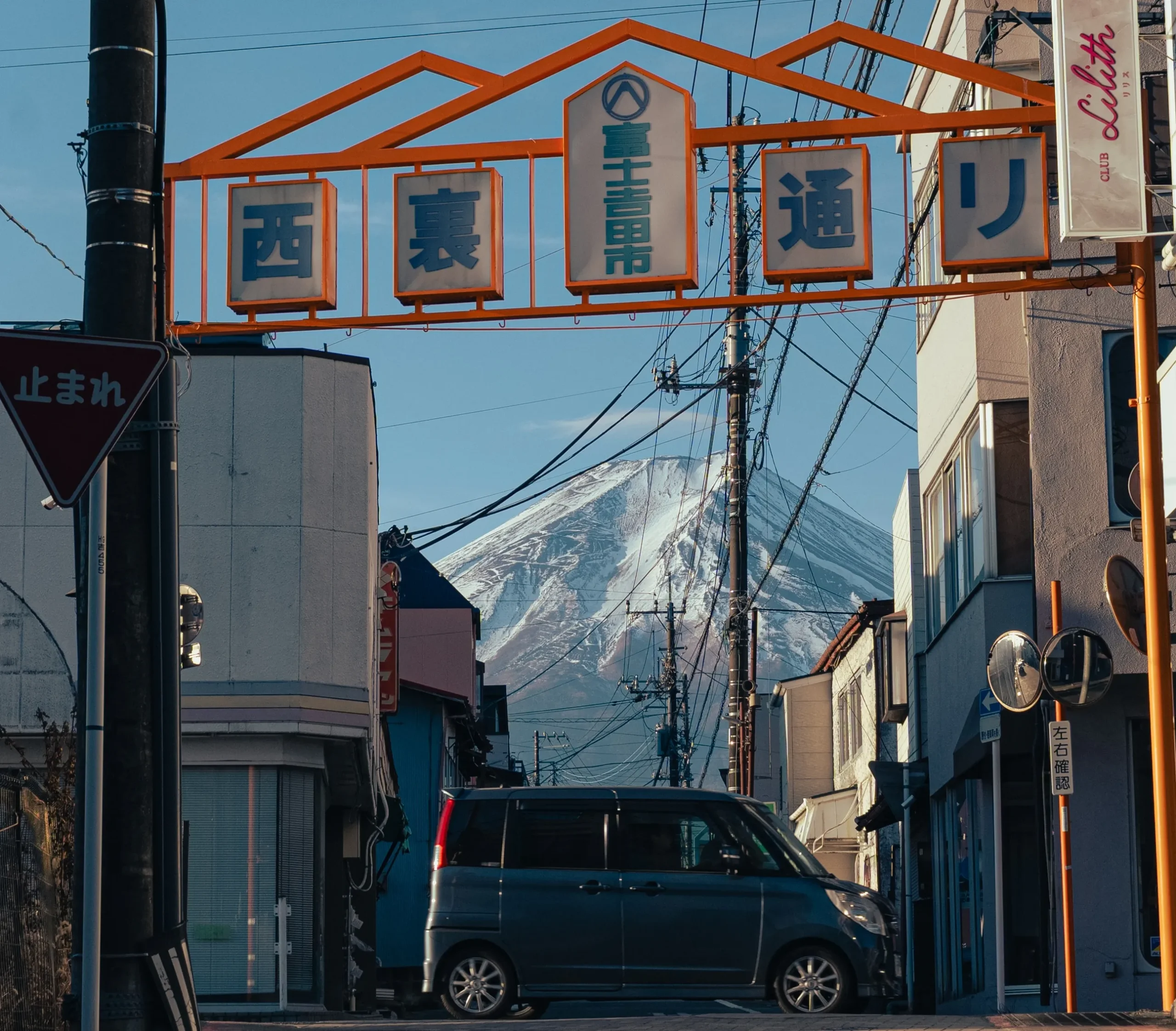
As you walk from the station, you’ll soon be greeted by the most symbolic view of the area: an orange archway framing a perfect view of Mt. Fuji. This is the entrance to Nishiura Street. It’s a photo opportunity that perfectly captures the essence of Fujiyoshida—a town of daily life existing in the grand shadow of Japan’s most sacred mountain.
Gekkeiji Shopping Street (Gekkeiji Daimon Shotengai)
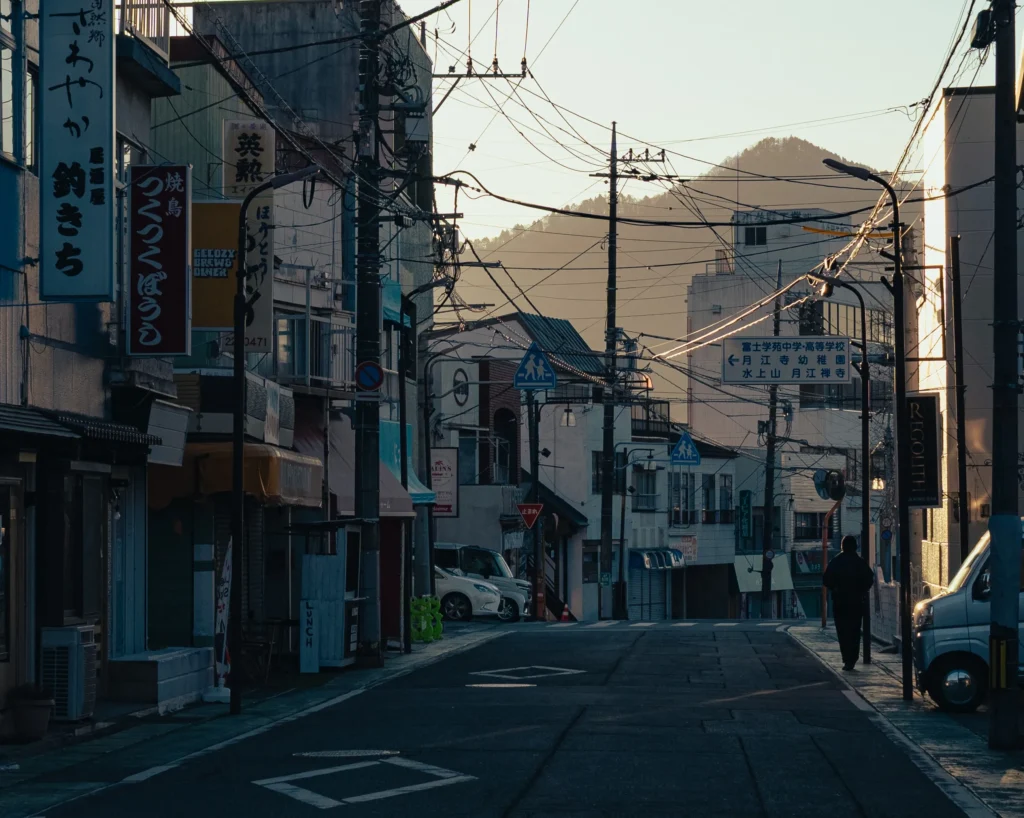
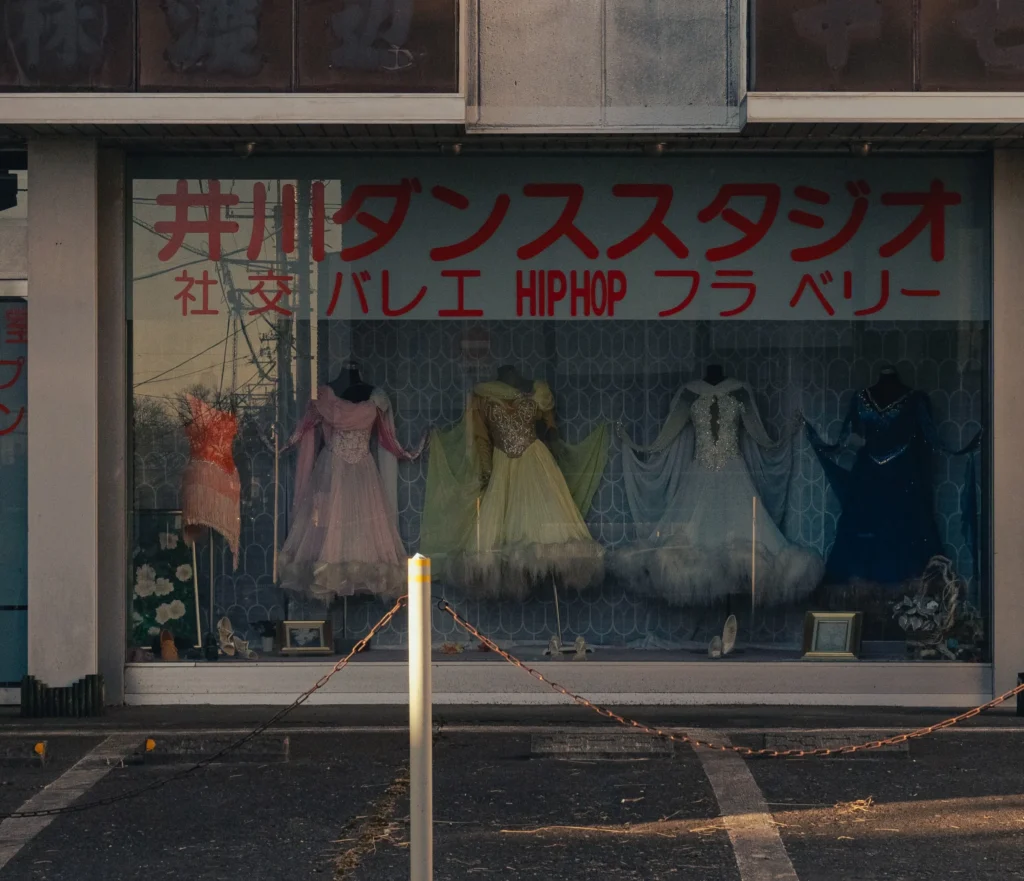
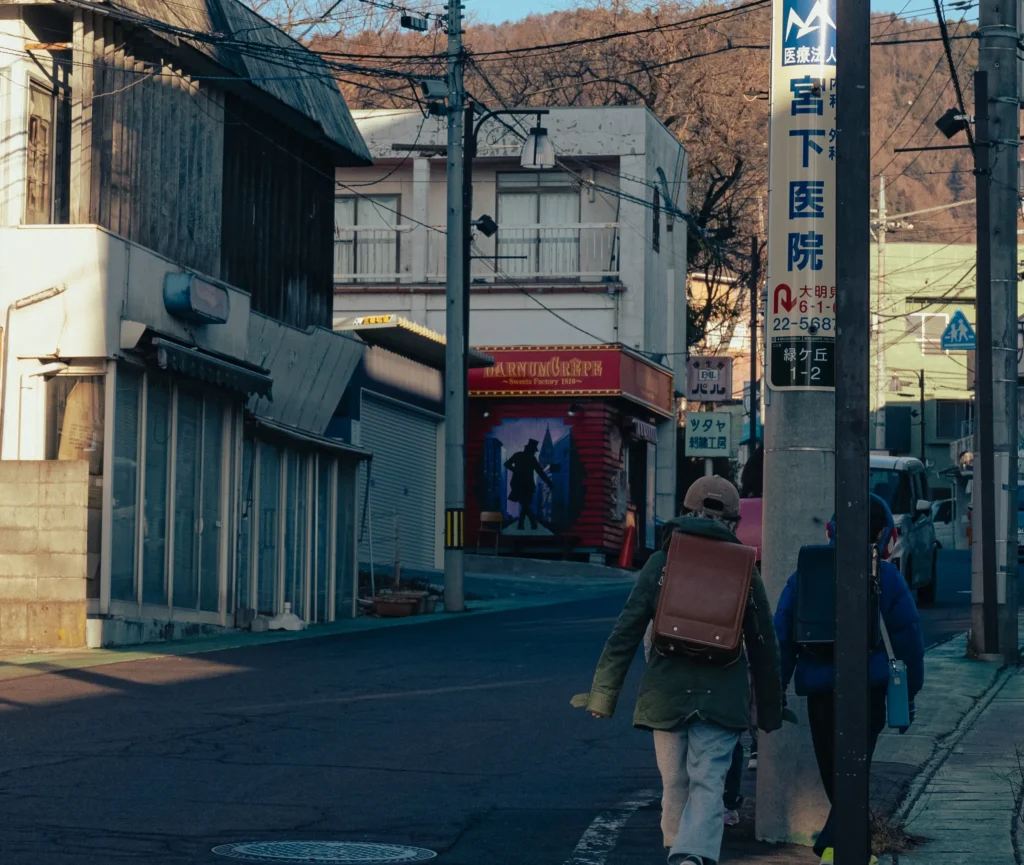
Before diving into the nightlife alleys, take a stroll down the main shopping street. While quieter than in its heyday, you can still find shops that have been operating for decades. The storefront of an old dance studio, with elegant dresses in the window, offers a poignant reminder of the area’s glamorous past. This street provides a glimpse into the daily life of the neighborhood, with schoolchildren walking home and locals running errands.
Exploring the Showa-Era Alleys
This is where the magic of Nishiura truly lies. Branching off the main streets are numerous narrow alleys, each with its own unique character.
•Nishiura Street: The main artery, lined with a mix of old snack bars, izakayas, and newer restaurants. The street signs themselves, with their retro fonts and designs, are a highlight.
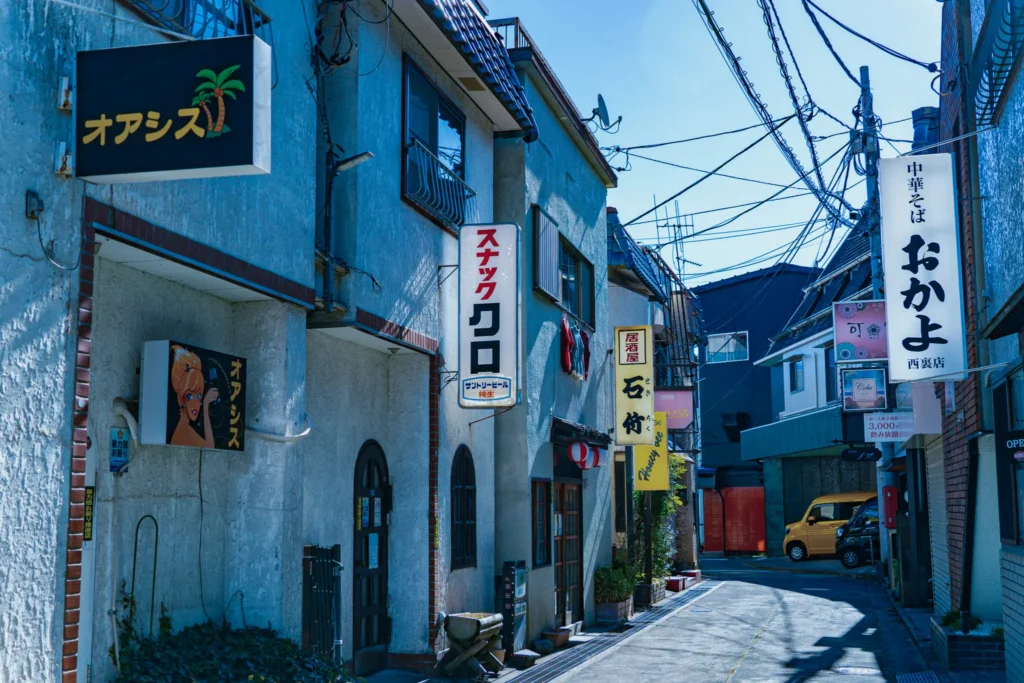
•Million Street & Riverside Street: These intersecting alleys are packed with tiny bars and eateries. The sight of glowing signs like “Snack Oasis” and “Izakaya Ishidake” reflected on the wet pavement after a rain is pure cinematic nostalgia. Many of these buildings have remained unchanged for decades.
•Shinsekai Kanpai Street: Once a nearly abandoned alley, this street has been beautifully revitalized since 2015. Old wooden row houses have been transformed into a collection of charming eateries, including Italian restaurants, modern izakayas, and stylish bars, all while preserving the nostalgic atmosphere .
What to Eat & Drink: The “Hashigo-zake” Culture
Nishiura is the perfect place to experience hashigo-zake, the Japanese equivalent of bar-hopping. The sheer density of small, welcoming establishments encourages you to have a drink and a small dish at one place before moving on to the next.
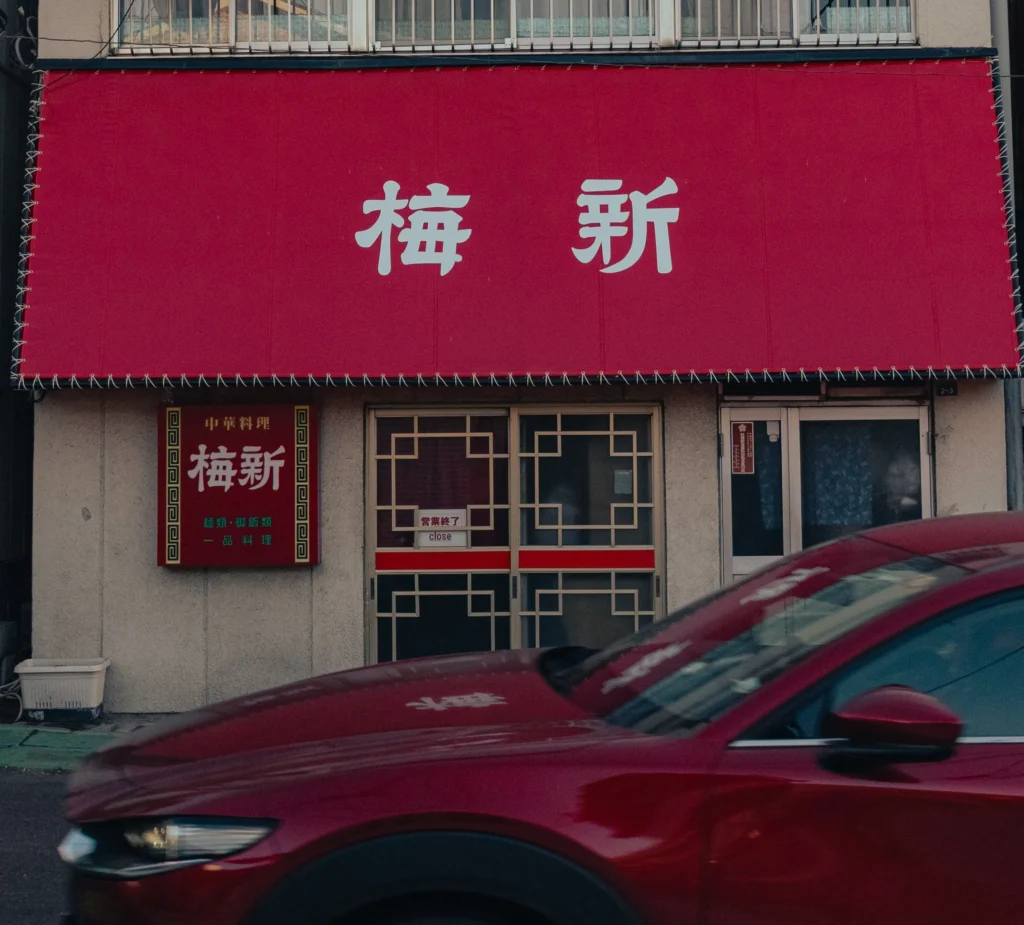
•Yakitori & Izakaya Fare: You’ll find classic izakayas like Yakitori Megumi, known for its grilled chicken skewers and lively atmosphere . Be sure to try the local specialty, karami, a spicy miso paste that pairs perfectly with yakitori.
•International Flavors: For a different vibe, check out Masadon Kitchen, an American-style dining bar run by a Japanese and American duo, popular with international travelers .
•The Nishiura Highball: A new local specialty is the “Nishiura Highball.” Each bar has its own unique recipe for this whisky highball, from tea-infused versions to those made with banana-flavored whisky. It’s a fun way to sample the creativity of each establishment .
Practical Tips for Your Visit
•Go in the Evening:
While the area is interesting for a daytime stroll to appreciate the architecture, Nishiura truly comes alive after sunset when the lanterns and neon signs are lit.
•Bring Cash:
Many of the smaller, older snack bars and izakayas are cash-only. It’s wise to have enough Japanese yen on hand.
•Be Respectful:
These are local establishments. Be polite, don’t be loud or disruptive, and always ask before taking photos of people or inside private businesses.
•Explore with an Open Mind:
The best part of Nishiura is getting lost in its alleys. Don’t be afraid to wander and peek into the inviting doorways.
Where to Stay Nearby
Fujiyoshida offers a range of accommodation options. Staying in the area allows you to fully enjoy the nightlife of Nishiura without worrying about the last train. Alternatively, nearby Lake Kawaguchiko has a wider selection of hotels and ryokans.
(Note: This article contains affiliate links. We may earn a commission if you make a purchase.)
FAQs
Q: Is Nishiura safe to walk around at night?
A: Yes, Nishiura is generally a very safe area. It’s a local community where people know each other. As with any area at night, it’s always wise to be aware of your surroundings, but visitors typically find it to be a safe and welcoming place.
Q: Can I visit if I don’t speak Japanese?
A: Absolutely. While many small bar owners may not speak English, a friendly attitude and a bit of pointing will go a long way. Some newer establishments, like Masadon Kitchen, are explicitly foreigner-friendly. Using a translation app on your phone can also be very helpful.
Q: Is Nishiura suitable for families with children?
A: A daytime walk through the Gekkeiji shopping street is perfectly fine for families. However, the Nishiura area is primarily a nightlife district, and the atmosphere in the evening is adult-oriented. It’s best enjoyed by adults or older teenagers.
Q: What is the best time of year to visit?
A: Nishiura can be enjoyed year-round. The atmosphere is cozy in the winter, and the streets are pleasant to walk on cool summer evenings. The views of Mt. Fuji are often clearest in the colder months.
Sources
[1] Nishiura Official Website. (n.d.). Nishiura and Fujiyoshida. Retrieved from
[2] Nishiura Official Website. (n.d. ). Top Page. Retrieved from
Last Updated: February 20, 2026
Written by Nobutoshi, a Japanese travel writer specializing in authentic Japan experiences.

- Mt. Fuji Cherry Blossom Guide 2026 : Forecast & Best Spots
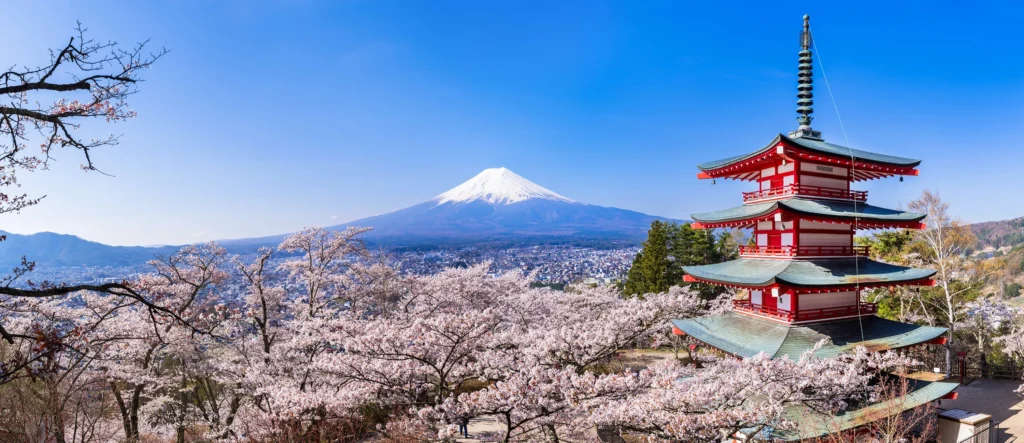 As Japan’s iconic peak, Mount Fuji provides a breathtaking backdrop for the country’s beloved cherry blossoms. While the sakura season in Tokyo and Kyoto often steals the spotlight, the Fuji Five… Read more: Mt. Fuji Cherry Blossom Guide 2026 : Forecast & Best Spots
 - Nishiura Fujiyoshida: A Journey Through Time in a Retro Showa DistrictNestled at the base of Mt. Fuji, the city of Fujiyoshida is known for its deep connection to the textile industry. But beyond the hum of weaving machines lies a district… Read more: Nishiura Fujiyoshida: A Journey Through Time in a Retro Showa District
- Your Complete Guide to Lake Yamanakako Access (2026)
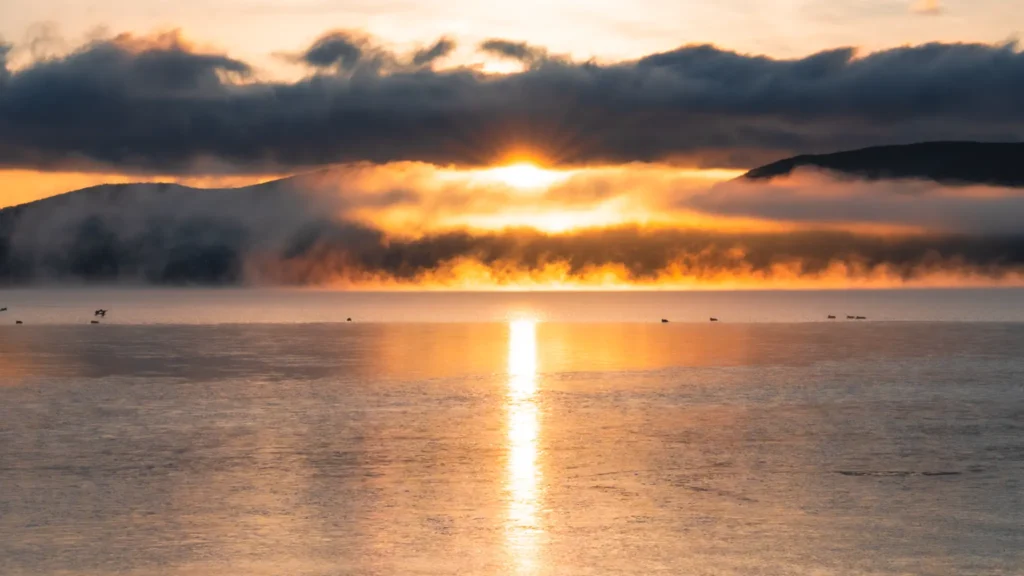 Nestled at the foot of Mt. Fuji, Lake Yamanakako offers some of the most breathtaking views in Japan, from the iconic “Diamond Fuji” to serene swans gliding on its waters at… Read more: Your Complete Guide to Lake Yamanakako Access (2026)
 - Tenku no Torii Kawaguchiko: A Complete Guide to the Sky Torii 2026
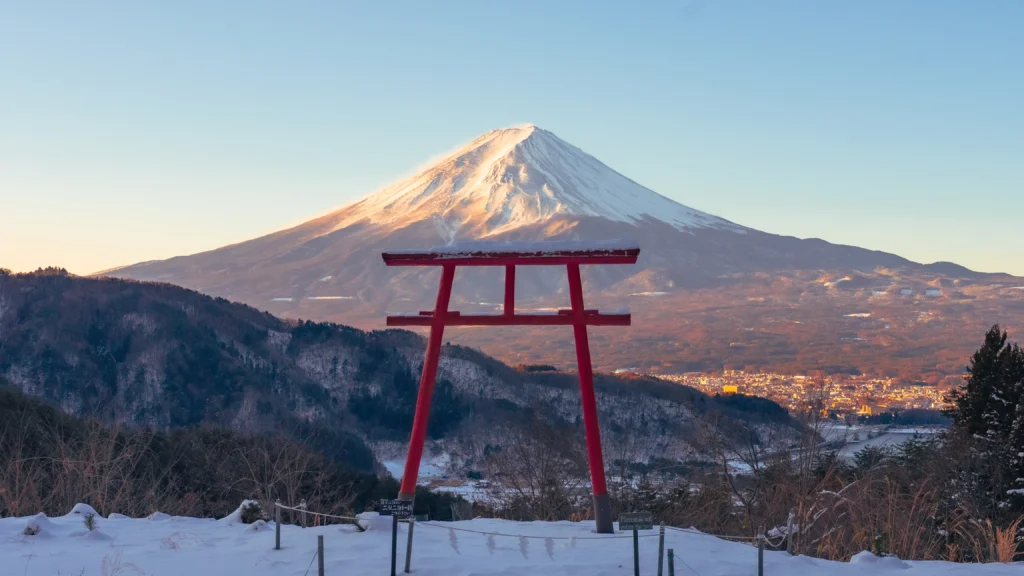 Floating above Lake Kawaguchi with a breathtaking view of Mt. Fuji, the Tenku no Torii Kawaguchiko (富士山遥拝所, Fujisan Yohaijo) has quickly become one of the most iconic photo spots in the… Read more: Tenku no Torii Kawaguchiko: A Complete Guide to the Sky Torii 2026
 - Climbing Mt Fuji in Winter: A Rescuer’s Urgent Warning
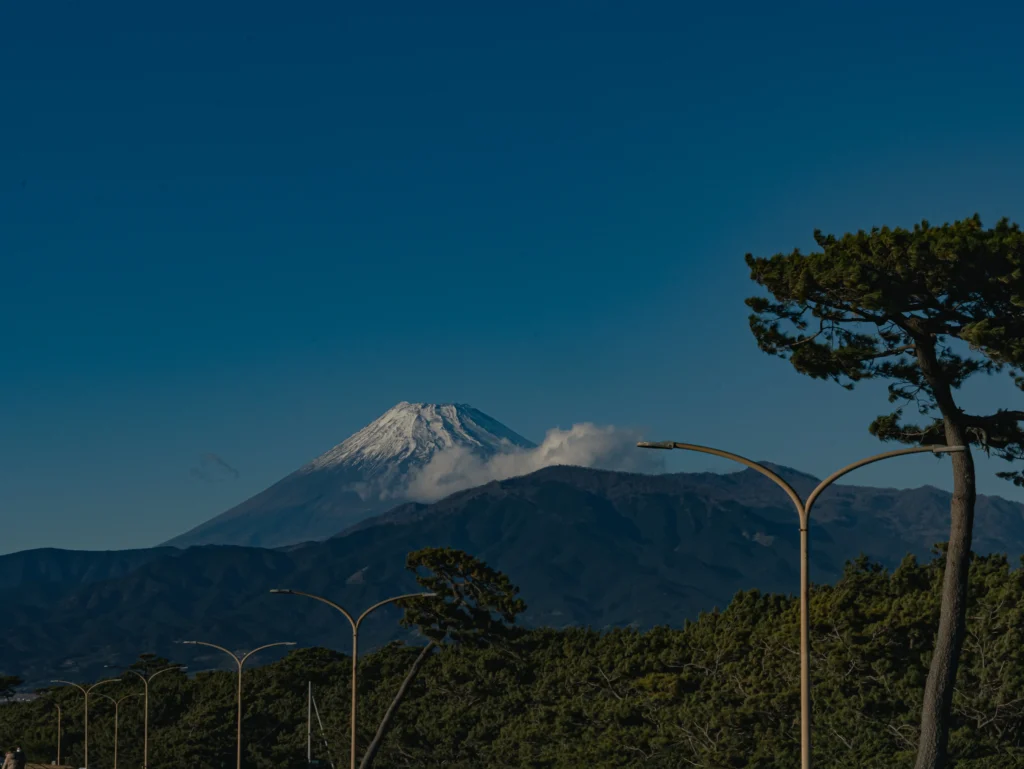 When you picture Mt. Fuji, you might imagine a vibrant summer climb, surrounded by fellow hikers under a warm sun. But for nine months of the year, from September to early… Read more: Climbing Mt Fuji in Winter: A Rescuer’s Urgent Warning
2026 cafe cherry blossom cherry blossoms day trip from tokyo edo period enoden flower festival fuji five lakes fujiyoshida Fukuoka hanami hiking japan japanese culture japanese food japan travel kamakura kawagoe kawaguchiko kawazu sakura Kumamoto kyoto local food Mount Fuji mt fuji Nagano new year holiday nightlife noodles oita Onsen Ramen Saga sakura Shizuoka shrine spring in japan spring travel Tokyo travel travel guide travel planning winter travel Yamanashi