

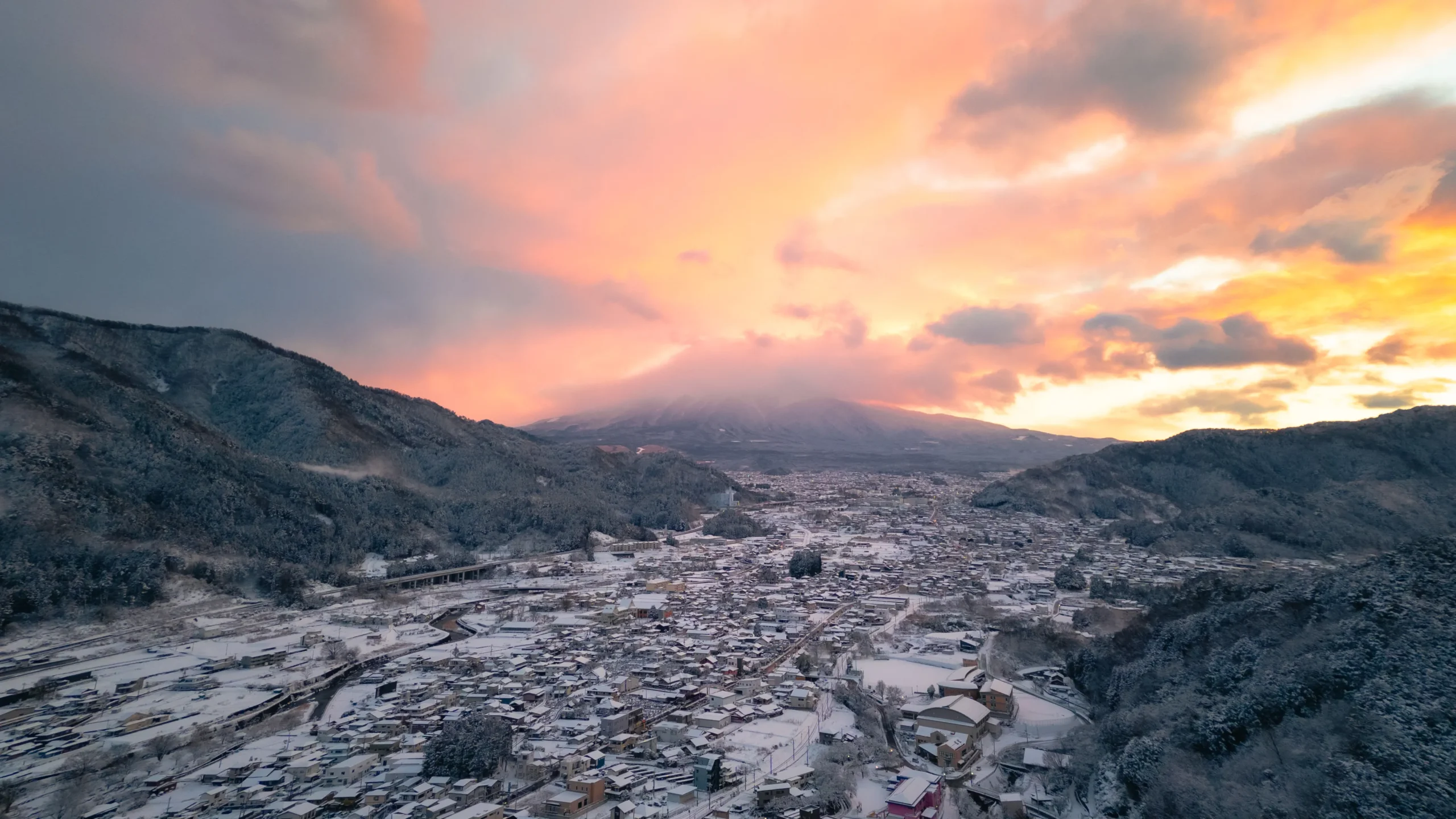

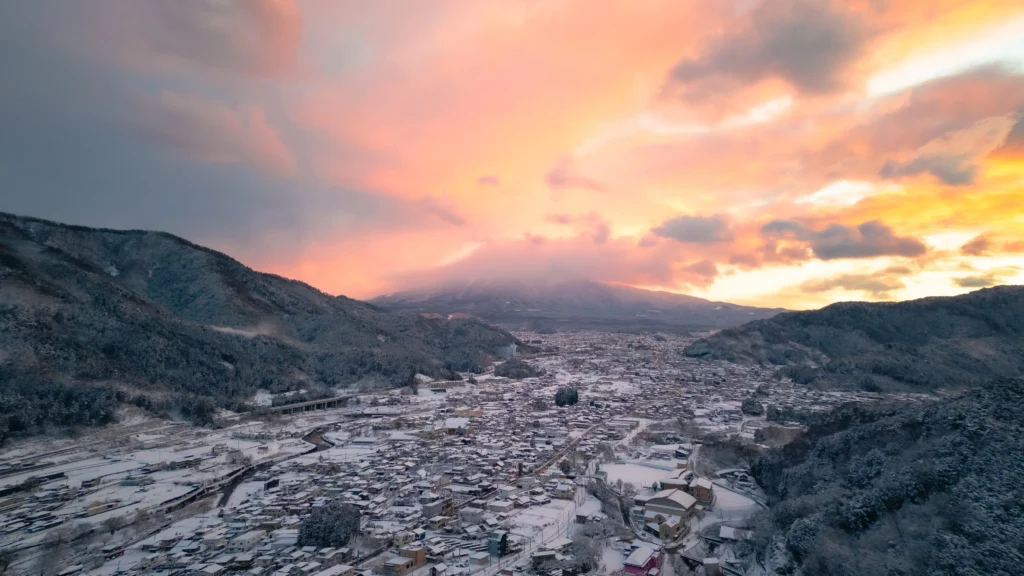
Dreaming of seeing Japan’s iconic peak draped in a pristine blanket of white? A winter trip to see the Mt Fuji snow is an unforgettable experience, but it requires careful planning. The crisp, clear air of winter offers the best views, yet the freezing temperatures and unpredictable weather can catch travelers unprepared. This guide provides everything you need to know about Fuji’s snow season, what to wear, and how to stay safe and comfortable, ensuring your winter adventure is nothing short of magical.
Table of Contents
Quick Facts for Your Winter Fuji Trip
| Feature | Details |
| Best Snow Viewing | November to May |
| Peak Cold | January – February (Avg. Low: 20°F / -7°C) |
| Road Conditions | Studless (snow) tires required (Dec – Mar) |
| Essential Gear | Insulated jacket, layers, non-slip boots, hat, gloves |
| Bad Weather Plan | Onsen, museums, and warm Houtou noodles |
Understanding Mt Fuji Snow: A Seasonal Q&A
Q1: When does Mt. Fuji get its first snow?
Mt. Fuji’s first dusting of snow, known as hatsu-kansetsu (初冠雪), is an official event announced by the Kofu Meteorological Observatory. On average, this occurs around October 2nd. However, this first snow is often light and may melt quickly. For the picturesque, thick snow cap that photographers dream of, you’ll want to wait until late October or November, when the cap becomes more permanent and visible from the base.
Q2: Does it snow in the towns at the base, like Kawaguchiko?
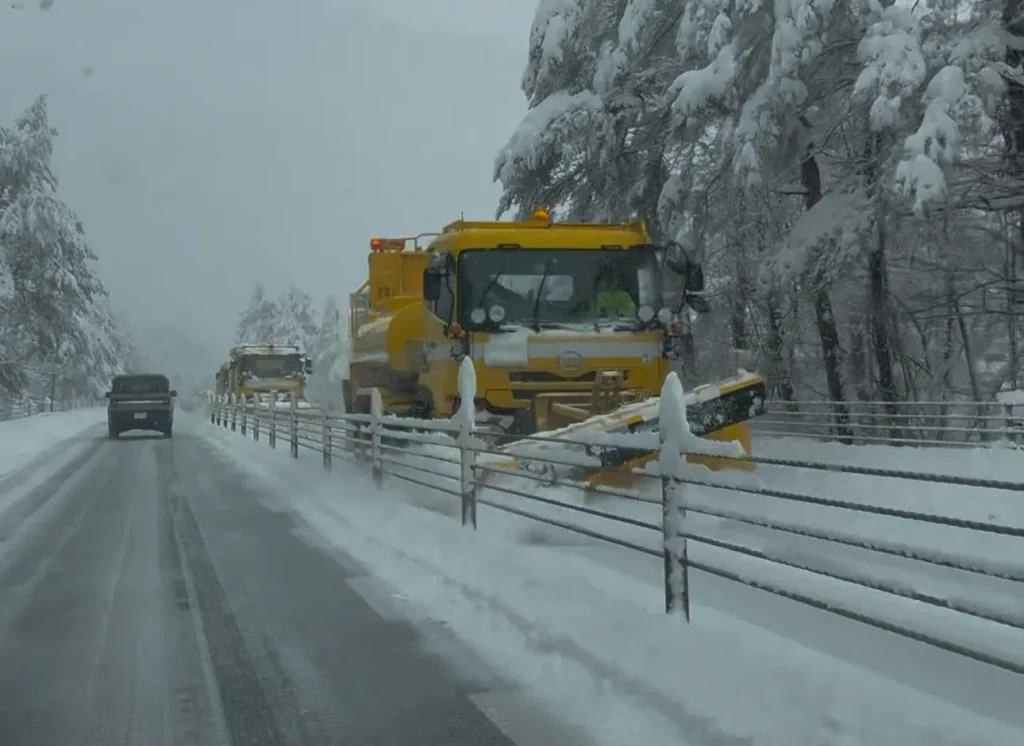
Yes, it certainly does. While the mountain itself has snow for many months, the towns at its base, like those in the Fuji Five Lakes region, typically see significant snowfall from late December to early March. The amount varies greatly each year. If you plan to drive during this period, renting a car with studless (snow) tires is mandatory. Roads can be icy, and snow plows are a common sight.
Q3: How long does the snow on Mt. Fuji last?
The iconic snow cap remains on Mt. Fuji for a long time, typically lasting until late May or even early June. As spring progresses, the snow line gradually recedes. By the time the official climbing season begins in July, the mountain is usually bare, revealing its reddish-brown volcanic surface.
Q4: How can I check the current snow conditions?
To see the real-time Mt Fuji snow coverage, your best bet is to check live webcams. Many are available online, offering various angles of the mountain from the Fuji Five Lakes area. Searching social media hashtags like #fujisan or #mtfuji can also provide up-to-the-minute photos from other visitors.
What to Wear Near Mt. Fuji: Monthly Clothing Guide (Nov-Apr)
Packing the right clothing is crucial for a comfortable winter trip. The temperature near Mt. Fuji is significantly colder than in Tokyo. Here’s a breakdown of what to wear.
November – December (Early Winter)
This period sees a crisp chill in the air. Layering is your best strategy. Start with a thermal base layer, add a fleece or wool sweater, and top it off with a light down or insulated jacket. Mornings and evenings are cold, but sunny afternoons can feel pleasant. Don’t forget a scarf and a pair of light gloves.
January – February (Deep Winter)
This is the coldest time of year, with temperatures often dropping well below freezing, especially at night and in the early morning (20°F / -7°C or lower).
•Outerwear: A heavy, insulated, and windproof winter coat or down jacket is essential.
•Layers: Wear a thermal base layer and at least one mid-layer like a thick fleece or wool sweater.
•Footwear: Warm, waterproof, and non-slip winter boots are a must. Sidewalks and paths can be very icy.
•Accessories: A warm hat that covers your ears, thick gloves or mittens, and a scarf are non-negotiable. Pocket hand warmers (kairo) are a popular and effective way to stay warm.
March – April (Late Winter / Early Spring)
While technically spring, it still feels like winter, especially in March. The core winter clothing recommendations still apply. However, as you move into April, daytime temperatures can become milder. An outfit that allows you to easily remove layers is ideal. A mid-weight jacket combined with a fleece may be sufficient on warmer days, but always be prepared for a sudden drop in temperature.
What to Do on a Rainy or Snowy Day
If the weather hides the mountain, don’t despair! The Fuji Five Lakes area offers plenty of cozy indoor alternatives.
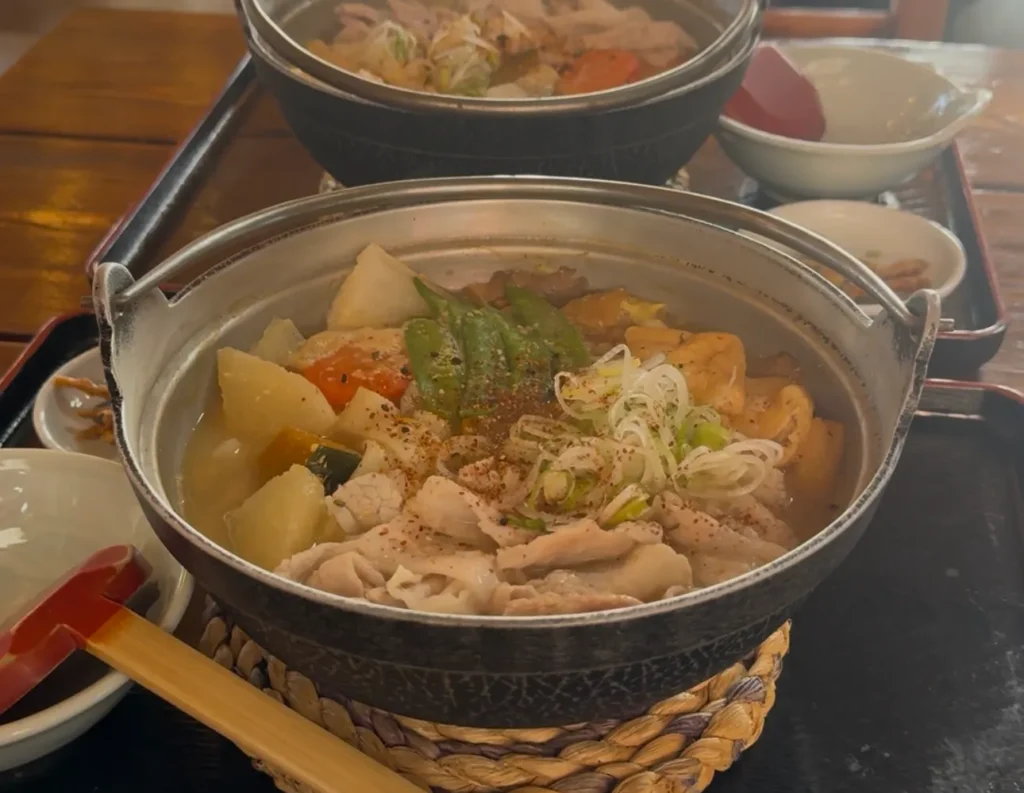
•Warm Up with Houtou Noodles: Escape the cold and savor a local delicacy. Houtou is a hearty, flat noodle soup simmered in a miso-based broth with pumpkin and other vegetables. It’s served bubbling hot in an iron pot and is the perfect comfort food for a winter day. Many restaurants specialize in this dish, with the Kosaku chain being one of the most famous.
•Relax in an Onsen (Hot Spring): Soaking in a natural hot spring while watching the snow fall outside is a quintessential Japanese winter experience. Many hotels and public bathhouses in the area have onsen with views of Mt. Fuji (on a clear day, of course).
•Explore Museums: The region is home to several unique museums, such as the Itchiku Kubota Art Museum (known for its stunning kimono collection and gardens) or the Kawaguchiko Music Forest Museum (with its collection of antique music boxes and European-style architecture).
Frequently Asked Questions
Q: Can I climb Mt. Fuji in the winter?
A: No. Climbing Mt. Fuji in winter is extremely dangerous and strictly for experienced, professional mountaineers with specialized equipment. The trails are closed, and rescue services are not readily available.
Q: Are roads around Fuji Five Lakes closed in winter?
A: Main roads are generally kept open by snow plows, but smaller, less-traveled roads may become impassable. Always check conditions before driving and ensure your vehicle has snow tires.
Q: Is it worth visiting if I can’t see Mt. Fuji?
A: Absolutely. While seeing the mountain is the main draw, the area’s serene lakes, charming towns, delicious food, and relaxing onsen make it a wonderful destination even on a cloudy day.
Sources
[1] Kofu Local Meteorological Office (Data on first snow)
[2] Weather Spark (Climate data for Fujikawaguchiko)
[3] Kosaku Official Website (Restaurant Information)
Last updated: Feb 10, 2026. Information based on historical data and local travel guides. Always check current weather and road conditions before your trip.

- Mt. Fuji Cherry Blossom Guide 2026 : Forecast & Best Spots
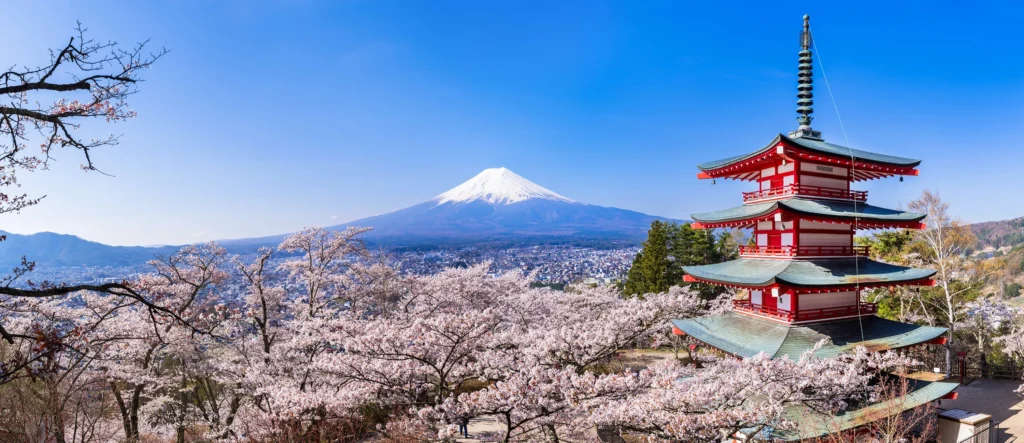 As Japan’s iconic peak, Mount Fuji provides a breathtaking backdrop for the country’s beloved cherry blossoms. While the sakura season in Tokyo and Kyoto often steals the spotlight, the Fuji Five Lakes region offers a later, often less crowded, and equally spectacular viewing experience. This guide provides the latest 2026 forecast, top viewing spots including… Read more: Mt. Fuji Cherry Blossom Guide 2026 : Forecast & Best Spots
 - Nishiura Fujiyoshida: A Journey Through Time in a Retro Showa District
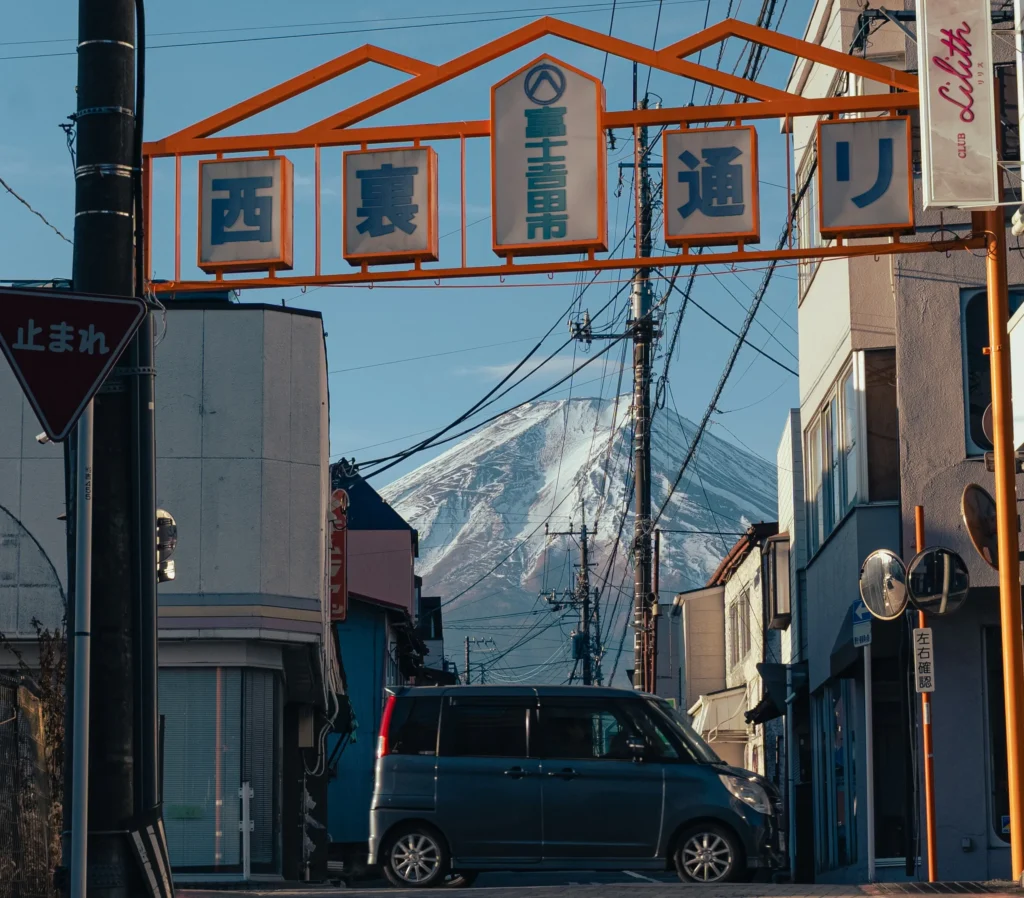 Nestled at the base of Mt. Fuji, the city of Fujiyoshida is known for its deep connection to the textile industry. But beyond the hum of weaving machines lies a district that tells a different story—a story of post-war revelry, Showa-era nostalgia, and modern-day revival. This is Nishiura, a captivating neighborhood of narrow alleys and… Read more: Nishiura Fujiyoshida: A Journey Through Time in a Retro Showa District
 - Your Complete Guide to Lake Yamanakako Access (2026)
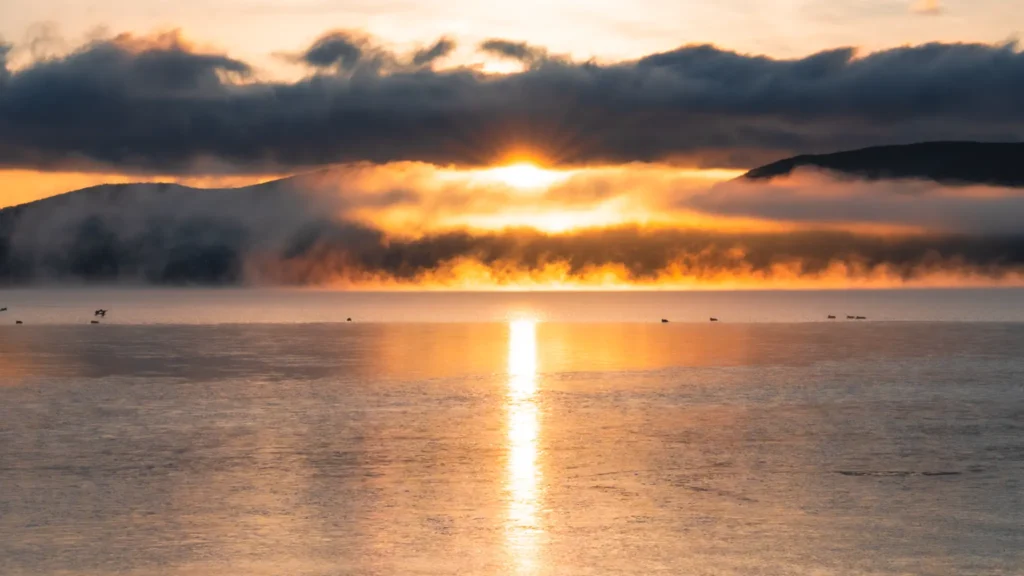 Nestled at the foot of Mt. Fuji, Lake Yamanakako offers some of the most breathtaking views in Japan, from the iconic “Diamond Fuji” to serene swans gliding on its waters at sunrise. Planning your trip to this stunning destination in the Fuji Five Lakes region is simple. This comprehensive guide details exactly how to get… Read more: Your Complete Guide to Lake Yamanakako Access (2026)
 - Tenku no Torii Kawaguchiko: A Complete Guide to the Sky Torii 2026
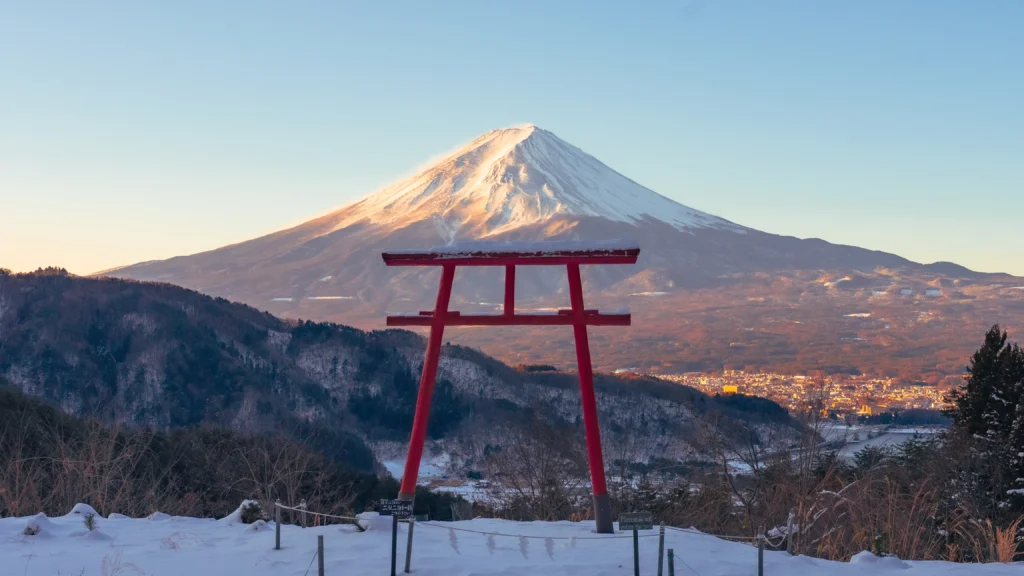 Floating above Lake Kawaguchi with a breathtaking view of Mt. Fuji, the Tenku no Torii Kawaguchiko (富士山遥拝所, Fujisan Yohaijo) has quickly become one of the most iconic photo spots in the Fuji Five Lakes region. This guide provides everything you need to know about visiting this stunning “Torii Gate in the Sky,” with a special… Read more: Tenku no Torii Kawaguchiko: A Complete Guide to the Sky Torii 2026
 - Climbing Mt Fuji in Winter: A Rescuer’s Urgent Warning
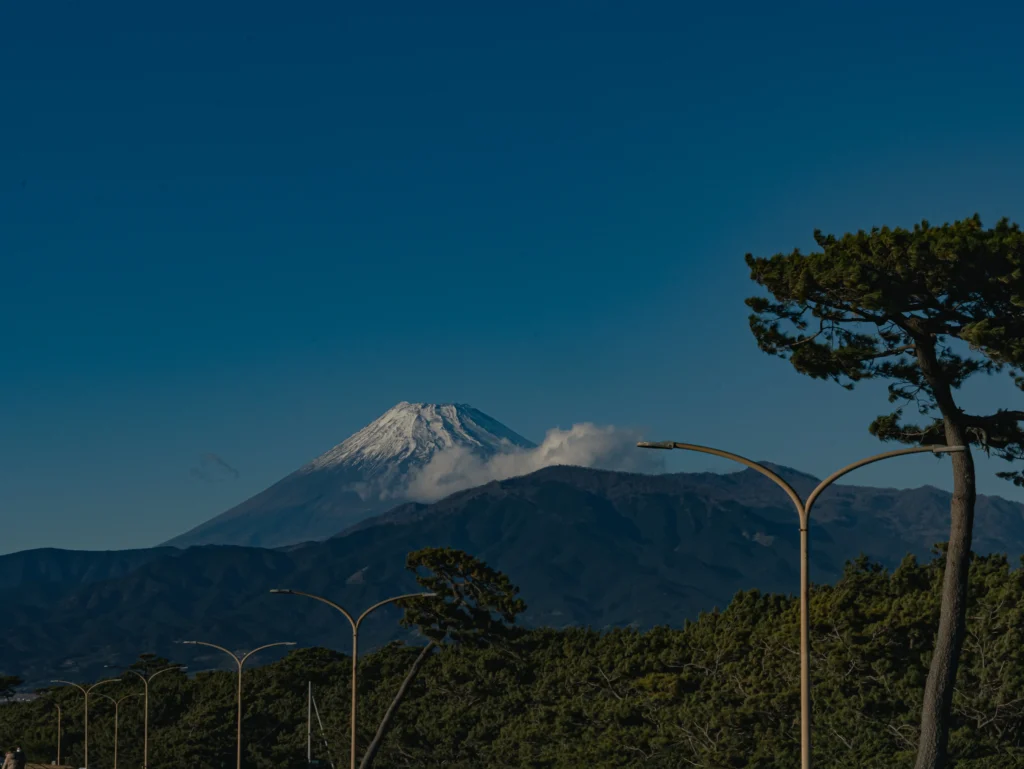 When you picture Mt. Fuji, you might imagine a vibrant summer climb, surrounded by fellow hikers under a warm sun. But for nine months of the year, from September to early July, Japan’s most iconic peak is a vastly different and treacherous place. During this off-season, the official trails are closed, and for good reason.… Read more: Climbing Mt Fuji in Winter: A Rescuer’s Urgent Warning
2026 cafe cherry blossom cherry blossoms day trip from tokyo edo period enoden flower festival fuji five lakes fujiyoshida Fukuoka hanami hiking japan japanese culture japanese food japan travel kamakura kawagoe kawaguchiko kawazu sakura Kumamoto kyoto local food Mount Fuji mt fuji Nagano new year holiday nightlife noodles oita Onsen Ramen Saga sakura Shizuoka shrine spring in japan spring travel Tokyo travel travel guide travel planning winter travel Yamanashi
[…] with a veteran of the Shizuoka Prefectural Police Mountain Rescue Team, explains why climbing Mt Fuji in winter is an extremely dangerous undertaking that should not be […]
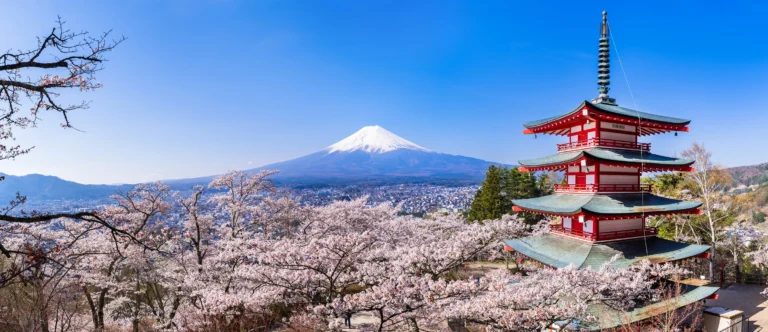
[…] beloved cherry blossoms. While the sakura season in Tokyo and Kyoto often steals the spotlight, the Fuji Five Lakes region offers a later, often less crowded, and equally spectacular viewing experience. This guide provides […]