

Introduction
Imagine stepping into a hillside sanctuary where a towering golden statue greets you, ancient caves whisper stories, and a vibrant garden unfolds with the seasons. This is Hasedera Temple in Kamakura, a place that offers more than just history; it provides a tranquil escape with stunning ocean views and delightful discoveries around every corner. Whether you’re planning a visit to see the famous hydrangeas, admire the winter plum blossoms, or simply find a moment of peace, this guide will walk you through everything you need to know to make your visit to Hasedera a memorable one. This article is based on a visit in February, when the temple’s plum trees were in magnificent full bloom.
Table of Contents
Quick Facts
| Feature | Details |
| Best Time to Visit | June for hydrangeas; February for plum blossoms; Autumn for colorful leaves. |
| Time Needed | 1.5 to 2 hours |
| Nearest Station | Hase Station (Enoden Line) |
| Admission Fee | Adults: ¥400, Children (6-11): ¥200 |
| Payment Methods | Cash |
| Crowd Level | Moderate to high, especially during peak flower seasons. |
| Accessibility | The lower grounds are mostly flat, but the upper grounds require climbing many stairs. Not wheelchair accessible. |
An Overview of Hasedera’s Charm
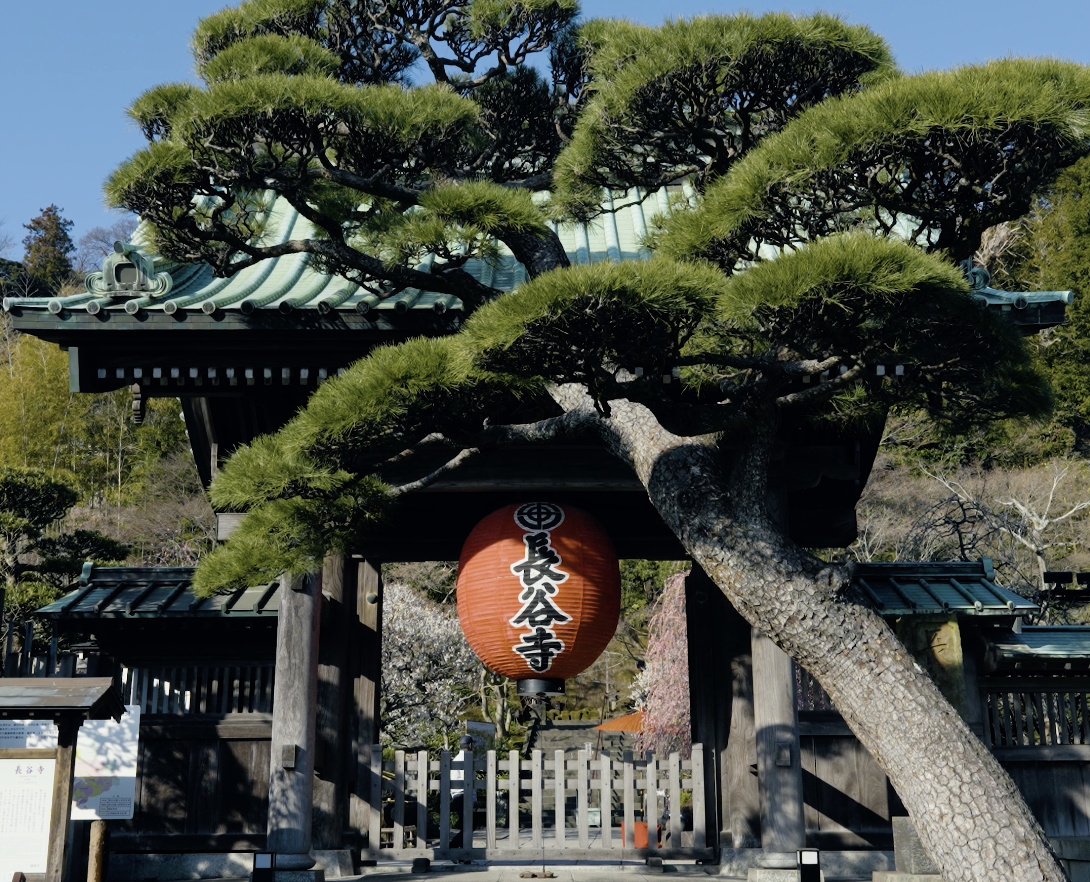
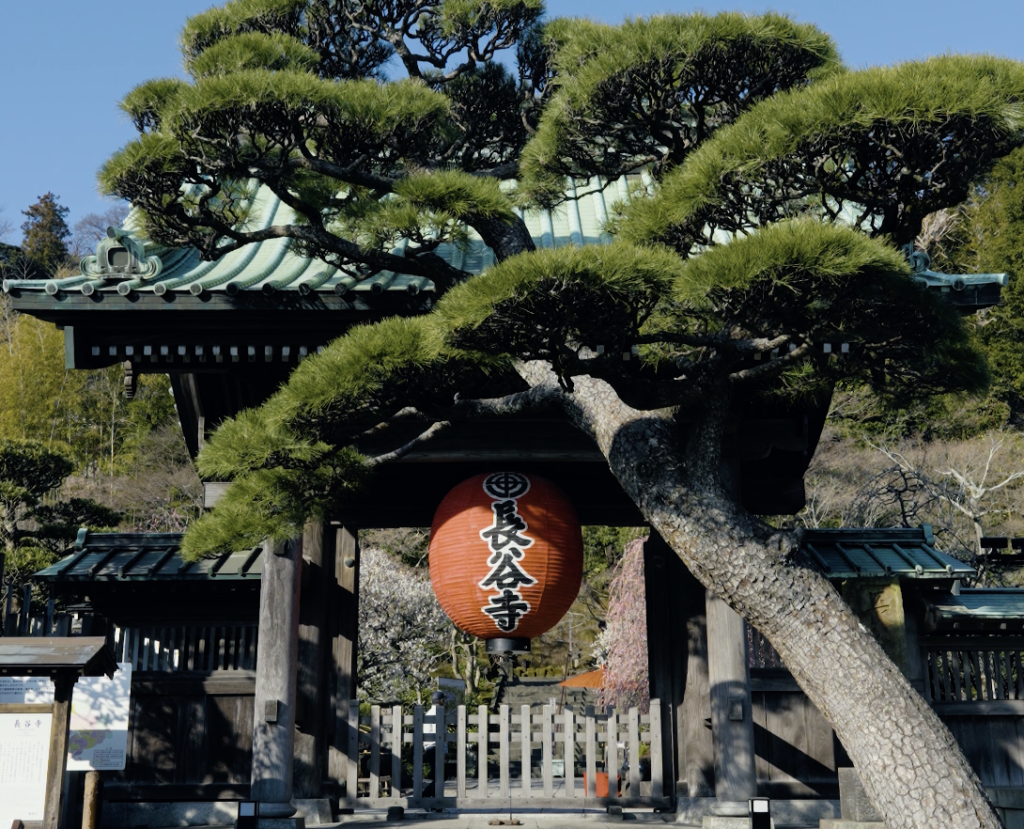
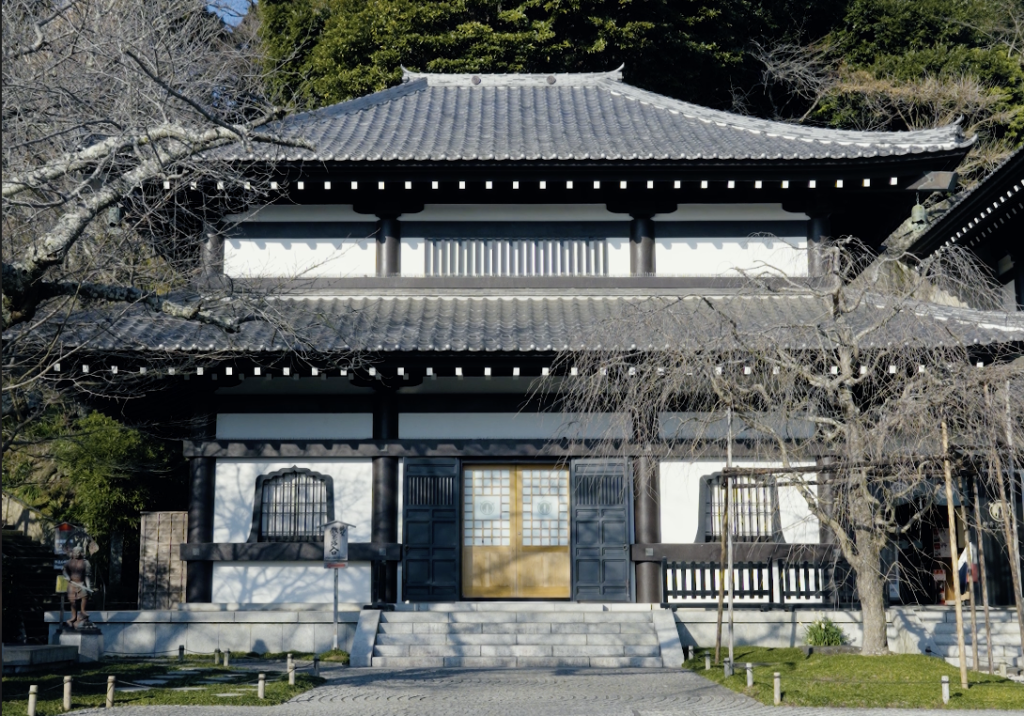
Hasedera, formally known as Kaikouzan Jishouin Hasedera, is a temple of the Jodo sect, founded in the year 736 . Perched on a wooded hillside, it is most famous for its massive, eleven-headed statue of Kannon, the goddess of mercy. At 9.18 meters (about 30 feet) tall, this gilded wooden statue is one of the largest of its kind in Japan and is a truly awe-inspiring sight. But the temple’s appeal extends far beyond its main hall. The grounds are split into a lower level, with a beautiful traditional garden and pond, and an upper level, which offers panoramic views of Kamakura’s coastline and the town below.
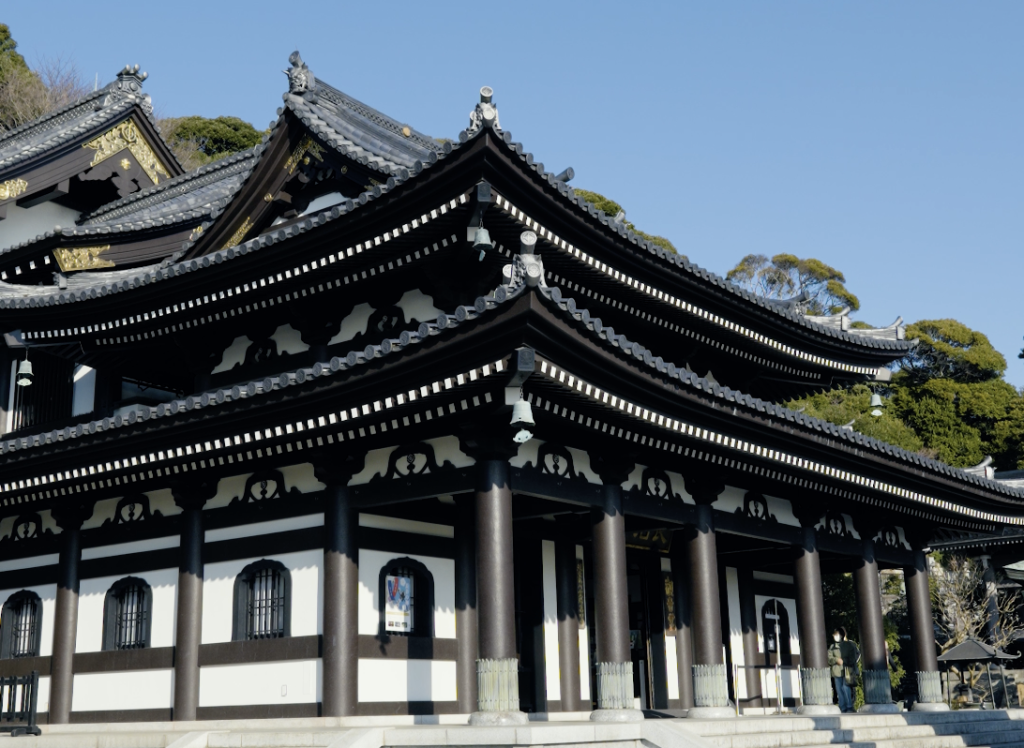
Known as the “flower temple,” Hasedera’s gardens are meticulously maintained and offer a different spectacle each season, from the famous hydrangeas in summer to the serene plum blossoms of late winter.
Best Time to Visit
While Hasedera is a wonderful destination year-round, its beauty peaks during certain seasons. The most famous is the rainy season in June and July, when over 40 different varieties of hydrangeas burst into color along the temple’s dedicated “Hydrangea Path” (Ajisai-ro) .
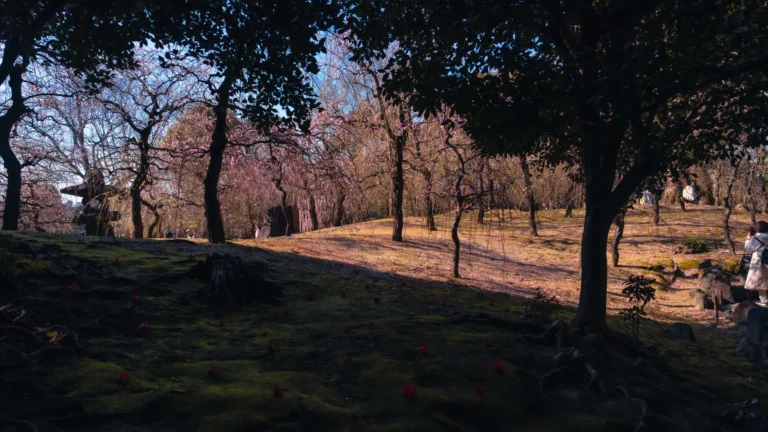
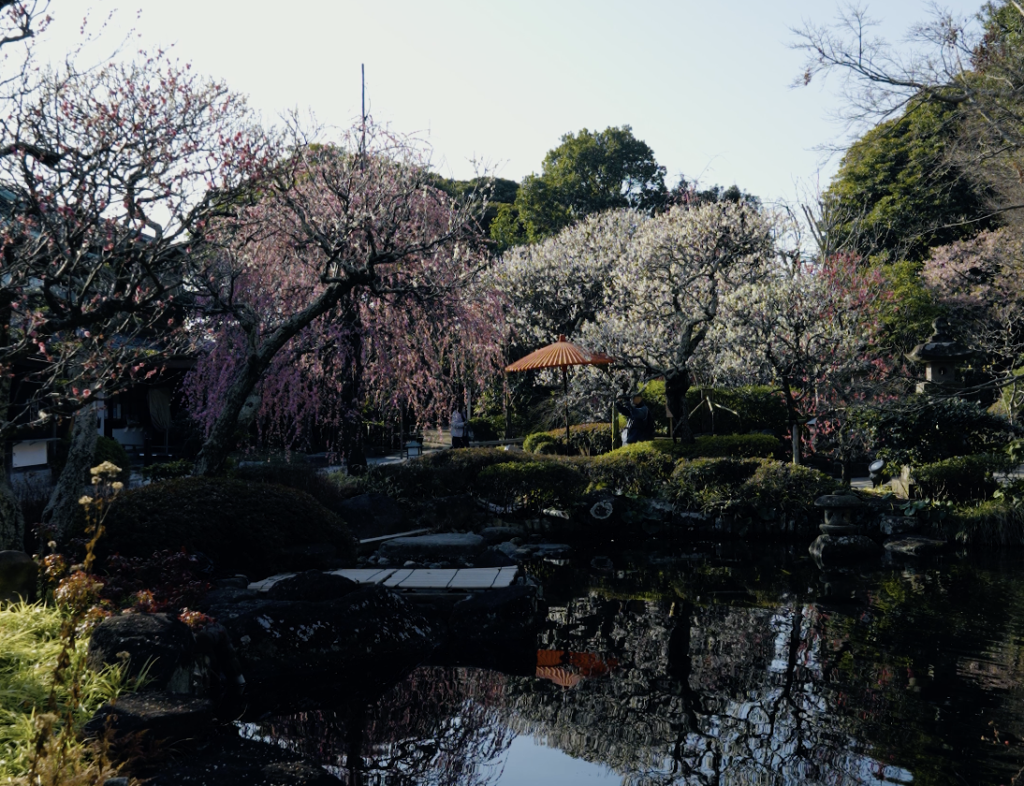
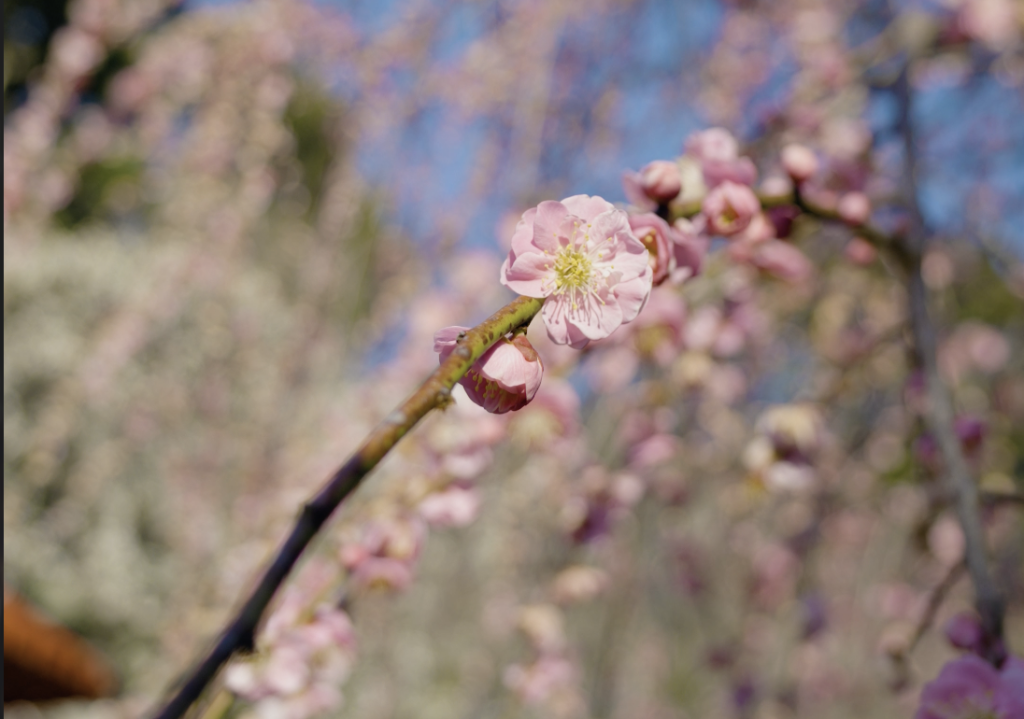
However, a visit in February, as experienced for this article, offers a quieter but equally enchanting experience. The temple’s Japanese garden comes alive with the delicate pink and white hues of plum blossoms, signaling the first signs of spring. The crisp winter air and smaller crowds make for a peaceful and reflective visit.
Autumn (late November to early December) is another excellent time to visit, as the maple trees on the hillside turn brilliant shades of red and orange, creating a stunning contrast with the temple buildings and the blue sea.
How to Get There
Hasedera is easily accessible from central Kamakura and Tokyo.
By Train:
1.Take the JR Yokosuka Line or Shonan-Shinjuku Line to Kamakura Station. The journey takes about 1 hour from Tokyo Station or Shinjuku Station.
2.At Kamakura Station, transfer to the Enoshima Electric Railway (Enoden), a charming local train line.
3.Ride the Enoden for three stops (about 5 minutes) to Hase Station.
4.From Hase Station, the temple is a pleasant 5-minute walk along a street lined with small shops and cafes.
What to Do and See at Hasedera
Hasedera is filled with fascinating sights. Here are a few highlights not to be missed:
1. Admire the Eleven-Headed Kannon
The main attraction is the breathtaking Kannon statue housed inside the Kannon-do Hall. Its serene expression and intricate detail are captivating. Please note that photography is not permitted inside the hall .
2. Explore the Gardens and Ponds
The lower grounds feature a stunning strolling garden with two ponds. In February, the garden is a canvas of pink and white from the weeping and standard plum trees. The reflections in the pond create a perfect picture of tranquility.
3. Find the Nagomi Jizo Statues
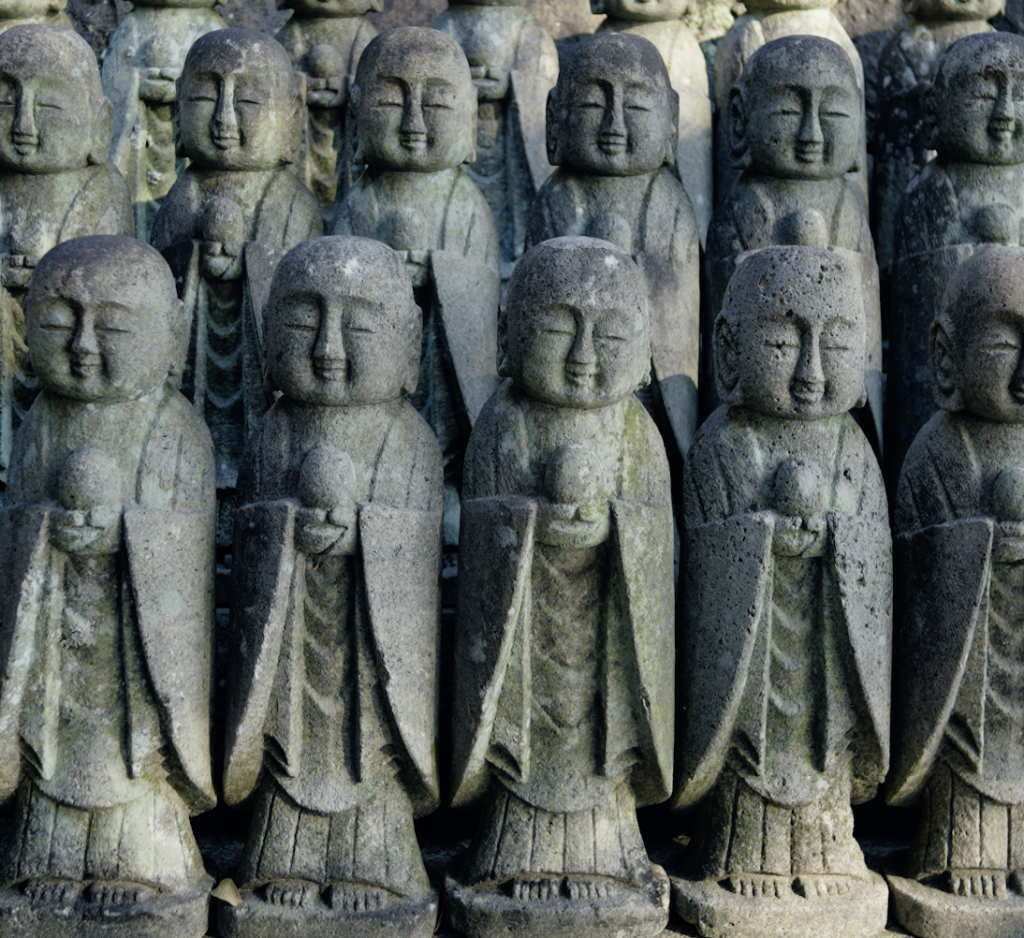
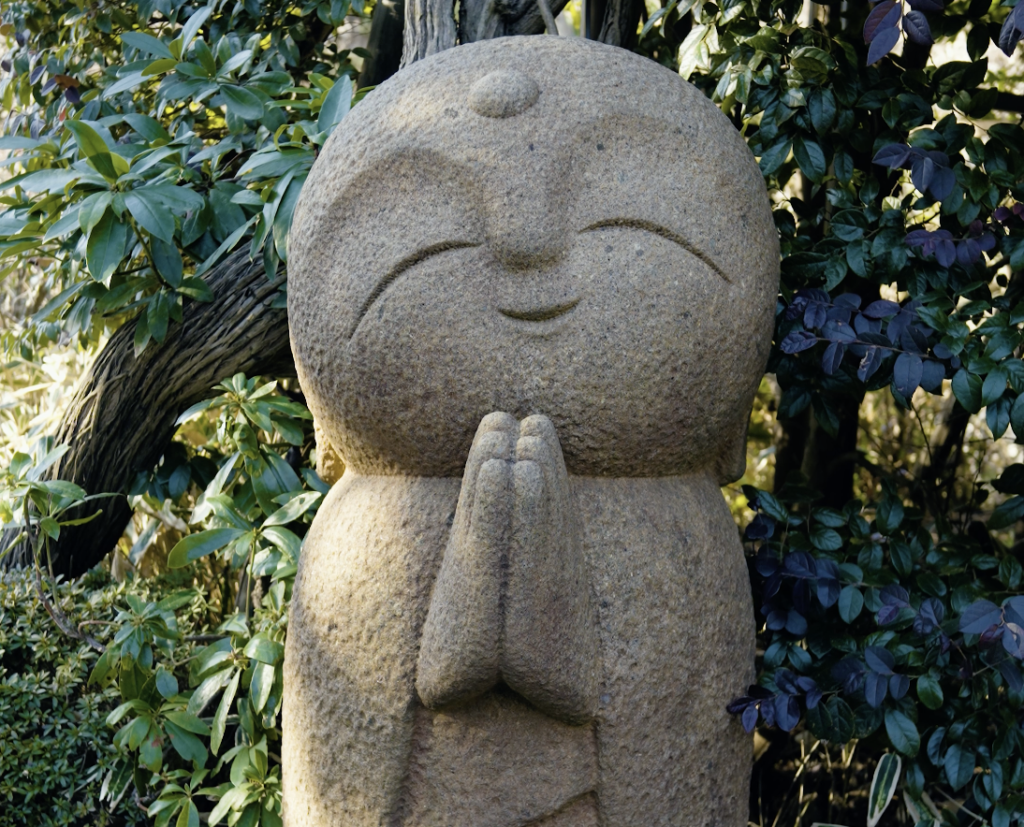
Scattered throughout the temple grounds are adorable Jizo statues. The most famous is the trio of small, smiling “Nagomi Jizo” (Soothing Jizo) statues. It is said that finding all three will bring you good fortune in relationships . Keep your eyes peeled as you explore the paths and stairways!
4. Enter the Benten-kutsu Cave
Near the entrance is a small cave called Benten-kutsu, dedicated to Benzaiten, the goddess of feminine beauty and wealth. Inside the low-ceilinged, winding cave, you’ll find numerous sculptures of Benzaiten and her sixteen followers carved into the rock walls. It’s a mystical and atmospheric experience.
5. Enjoy the View from the Observation Deck
After climbing the main stairs to the upper level, you’ll be rewarded with the Miharashi-dai Observation Deck. It offers one of the best panoramic views in Kamakura, overlooking the tiled roofs of the town, the curve of Yuigahama Beach, and the vast expanse of the Pacific Ocean.
Practical Tips for Your Visit
•Wear Comfortable Shoes:
The temple is built on a hillside and involves a lot of stairs, especially if you want to see the upper viewing path.
•Cash is King:
Be sure to bring enough cash for the entrance fee and any offerings or purchases, as credit cards are not widely accepted.
•Photography Etiquette:
Photography is welcome in most of the outdoor areas, but it is strictly forbidden inside the main Kannon-do Hall and other sacred buildings .
•For Families:
While beautiful, the numerous stairs make it difficult to navigate with a stroller. The lower garden area is more accessible.
Where to Stay Nearby
While Hasedera itself does not offer lodging, the surrounding Hase and Kamakura areas have excellent options. Consider staying near Kamakura Station for the best access to transport, restaurants, and other major sights.
Where to Eat Nearby
The temple has its own restaurant, Kaikoan, located on the upper level near the observation deck. It serves vegetarian-friendly “temple curry” and traditional Japanese sweets with a spectacular view . The street leading from Hase Station to the temple is also lined with cafes, snack vendors, and small restaurants.
Suggested Mini-Itinerary (Half-Day)
Arrive at Hase Station. Walk to Hasedera Temple.
Explore Hasedera. Start with the lower garden and Benten-kutsu cave, then climb to the main hall to see the Kannon statue. Finish at the observation deck.
Walk to the nearby Kotoku-in Temple to see the Great Buddha of Kamakura (Daibutsu), which is only a 10-minute walk away.
Enjoy lunch at a restaurant near Hase Station or back in central Kamakura.
Frequently Asked Questions
Q: How much time should I spend at Hasedera?
A: Plan for at least 1.5 to 2 hours to see all the main sights without rushing.
Q: Is Hasedera crowded?
A: It can be, especially on weekends and during the peak hydrangea season in June. Visiting on a weekday or early in the morning is recommended.
Q: Can I see Mount Fuji from Hasedera?
A: On very clear days, you might be able to see a distant view of Mount Fuji from the upper observation deck, but it is not a primary viewing spot.
Q: What is the significance of the Jizo statues?
A: Jizo is a bodhisattva regarded as the guardian of children, particularly those who have died. The thousands of small statues at Hasedera are offerings made by parents in their memory.
Q: Is it worth visiting if it’s not flower season?
A: Absolutely. The temple’s architecture, the impressive Kannon statue, the mysterious cave, and the panoramic ocean views make it a worthwhile visit in any season.
Short Closing
Hasedera is a testament to Kamakura’s rich cultural and natural heritage. It is a place where art, faith, and nature intertwine, offering a deeply rewarding experience for any visitor. Whether you are drawn by the fame of its flowers or the serenity of its statues, a visit to Hasedera is sure to be a highlight of your trip to Kamakura.
Sources
[1] Hasedera Official Website. (https://www.hasedera.jp/ )
[2] Rurubu+. (https://plus.rurubu.jp/article/353058242 )

- Umenomiya Taisha: Kyoto’s Hidden Gem for Sake, Cats, and Blessings
 Imagine stepping off a quiet residential street in western Kyoto and finding yourself in a serene sanctuary, where the air is fragrant with plum blossoms and friendly cats lounge in… Read more: Umenomiya Taisha: Kyoto’s Hidden Gem for Sake, Cats, and Blessings
 - Jonangu Shrine: Kyoto’s Guardian of Directions and Imperial History
 Imagine standing at a place that has not only guarded the southern gateway to Kyoto for over 1,200 years but has also been a pivotal stage for Japan’s most dramatic… Read more: Jonangu Shrine: Kyoto’s Guardian of Directions and Imperial History
 - Jonangu Shrine’s Weeping Plums: A Guide to Perfect Timing
 You’ve seen the photos on social media: a breathtaking canopy of pink weeping plum blossoms, so dense it looks like a floral sky. This is the magic of Jonangu Shrine… Read more: Jonangu Shrine’s Weeping Plums: A Guide to Perfect Timing
 - Getting Around Japan: The Ultimate Guide to Trains, Buses & the JR Pass (2026)
 Navigating Japan’s transportation system can seem as complex and intricate as a Tokyo subway map, but it’s also one of the most efficient, punctual, and rewarding travel networks in the… Read more: Getting Around Japan: The Ultimate Guide to Trains, Buses & the JR Pass (2026)
 - How to Get to Japan: The Complete Flight & Airport Guide for 2026
 Planning a trip to Japan in 2026? The moment you start searching for flights is when the journey truly begins. That first glimpse of Mt. Fuji from your airplane window… Read more: How to Get to Japan: The Complete Flight & Airport Guide for 2026
cherry blossom cherry blossoms day trip from tokyo edo period flower festival fuji five lakes fujiyoshida Fukuoka fushimi hanami japan japanese culture japanese food japan travel kamakura kawaguchiko Kumamoto kyoto local food Mount Fuji mt fuji Nagano nature new year holiday Nikko Oku-Nikko Onsen Ramen ryokan Saga sakura Shizuoka shrine sightseeing snow spring in japan spring travel Tochigi Tokyo travel travel guide travel planning winter winter travel Yamanashi