
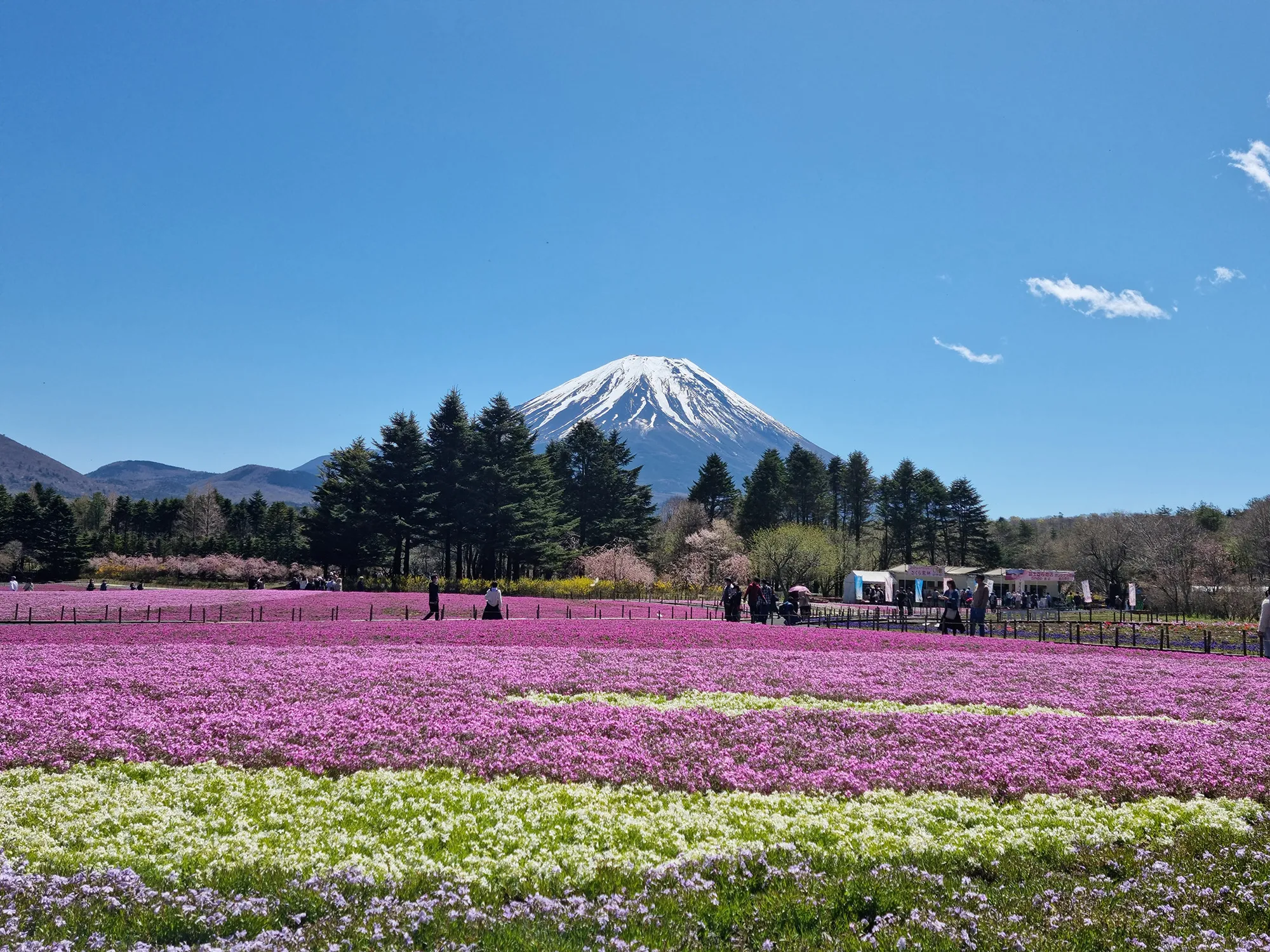

At Fuji Motosuko Resort (Minamitsuru District, Yamanashi), the Fuji Shibazakura Festival—one of the largest in the Kanto region—will start on Saturday, April 11, 2026, featuring around 500,000 moss phlox plants in full color.
A breathtaking carpet of pink moss phlox stretches out with the majestic Mt. Fuji in the background. This is the Fuji Shibazakura Festival, a spectacular spring event held at the Fuji Motosuko Resort in Yamanashi Prefecture. This guide will walk you through everything you need to know to visit this sea of pink, from the best time to go to how to get there, and what to expect at one of Japan’s most iconic spring flower festivals.
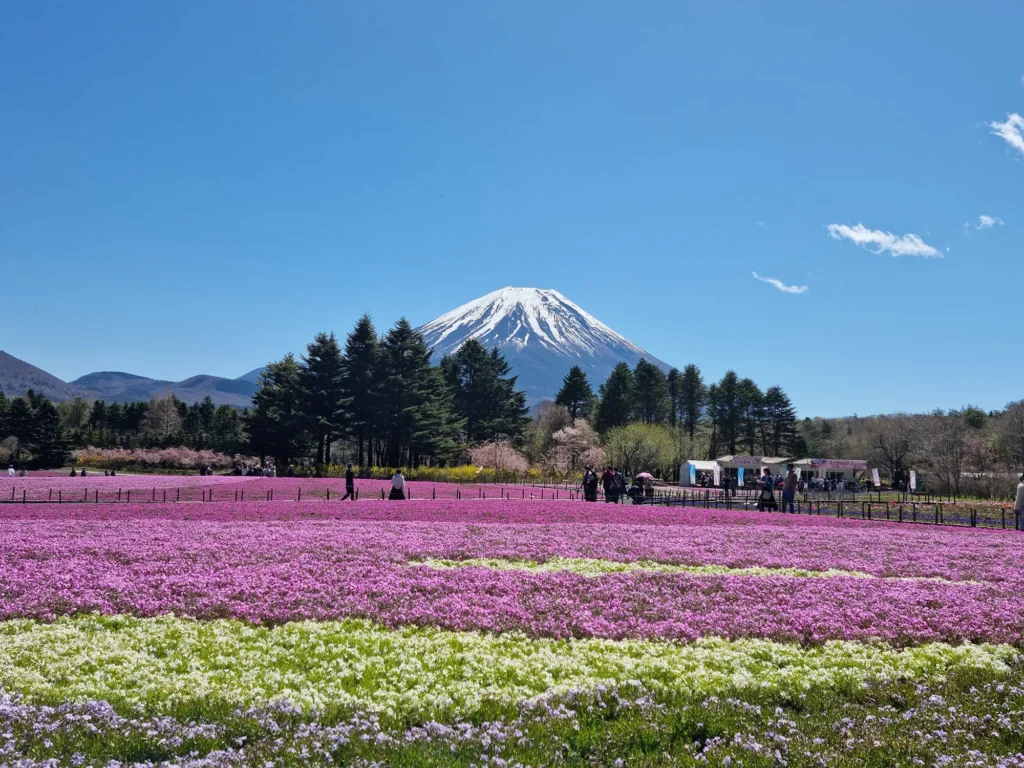
Table of Contents
Quick Facts
| Feature | Details |
| Best Time to Visit | Late April to mid-May |
| Time Needed | 2-3 hours |
| Nearest Station | Kawaguchiko Station (then bus) |
| Price Range | ¥1,000 – ¥1,300 (Adults) |
| Payment Methods | Cash, Credit Card, E-money |
| Crowd Level | High, especially on weekends and during Golden Week |
| Accessibility | Partially accessible, some paved paths |
An Ocean of Pink: What is the Fuji Shibazakura Festival?
The Fuji Shibazakura Festival is one of the most popular and largest flower festivals in the Kanto region, celebrating the blooming of approximately 500,000 moss phlox (known as shibazakura in Japanese) plants . Held annually at the Fuji Motosuko Resort, the festival grounds cover a vast area, creating a vibrant pink, purple, and white carpet against the stunning backdrop of a snow-capped Mt. Fuji.
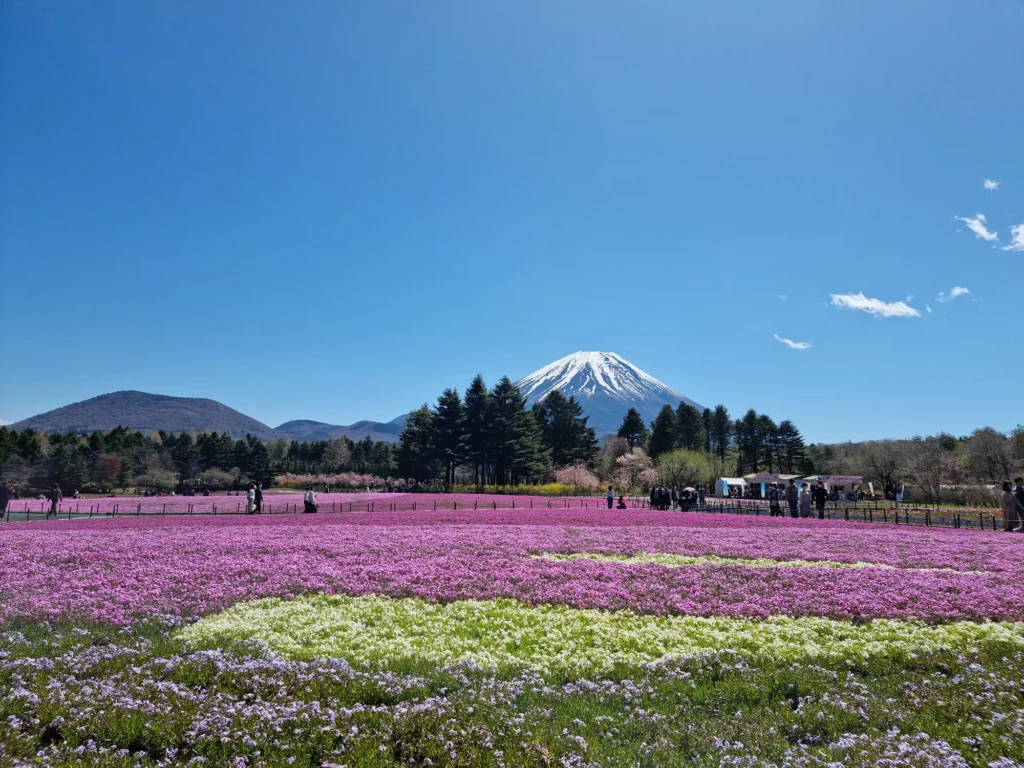
Unlike cherry blossoms (sakura), which grow on trees, shibazakura is a ground-covering flower that creates a dense, lawn-like appearance, hence its name, which translates to “lawn cherry.” The festival showcases six different varieties of shibazakura, including the vibrant pink ‘McDaniel’s Cushion’ and the pure white ‘Mont Blanc’, creating beautiful gradients and patterns across the fields . The 2026 festival marks the 19th anniversary of this spectacular event, with the theme “A Special Seat in Spring” .
Best Time to Visit
The festival is held from mid-April to late May, but the peak viewing period for the shibazakura is typically from late April to mid-May. The exact timing can vary each year depending on the weather conditions. To see the flowers at their most vibrant, it’s best to check the official festival website or their social media channels for the latest bloom status before your visit .
To avoid the biggest crowds, try to visit on a weekday, either early in the morning shortly after the park opens at 8:00 AM, or later in the afternoon. Weekends and the Golden Week holiday period (late April to early May) are extremely busy.
How to Get There
The Fuji Shibazakura Festival is located at the Fuji Motosuko Resort in Yamanashi Prefecture.
By Public Transportation:
The most common way to access the festival is via Kawaguchiko Station. From there, you can take a dedicated shuttle bus called the “Shibazakura Liner.”
1.Train to Kawaguchiko Station: From central Tokyo (e.g., Shinjuku Station), take the JR Chuo Line to Otsuki Station, then transfer to the Fujikyu Railway Line to Kawaguchiko Station (Total time: approx. 2-2.5 hours).
2.Shibazakura Liner Bus: During the festival period, this shuttle bus runs roughly every hour from Kawaguchiko Station directly to the festival site. The journey takes about 40-50 minutes. A combination ticket is available for around ¥2,800, which includes the round-trip bus fare and festival admission .
Klook.com
By Car:
If you are driving, the venue is accessible via major expressways.
•From Tokyo via Chuo Expressway: Get off at the Kawaguchiko IC, approximately 25 minutes to the resort.
•From Tokyo via Tomei Expressway: Get off at the Fuji IC, approximately 50 minutes to the resort.
Parking is available for about 1,500 vehicles, but it can fill up quickly, especially on peak days. A parking fee of ¥500-¥1,000 per car applies .
What to Do at the Festival
1. Admire the Sea of Shibazakura
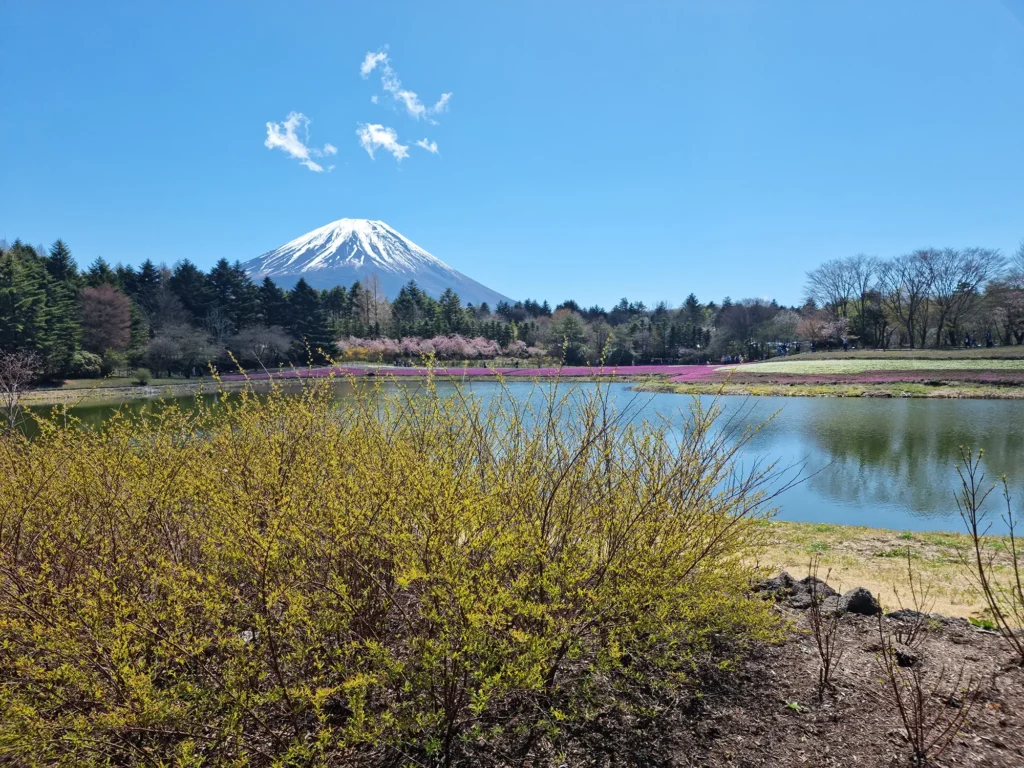
The main attraction is, of course, the breathtaking view of the moss phlox fields. Stroll along the designated paths that wind through the flowers. There are several viewing platforms and spots that offer perfect photo opportunities of the pink carpet with Mt. Fuji as the centerpiece.
2. Explore the Peter Rabbit™ English Garden
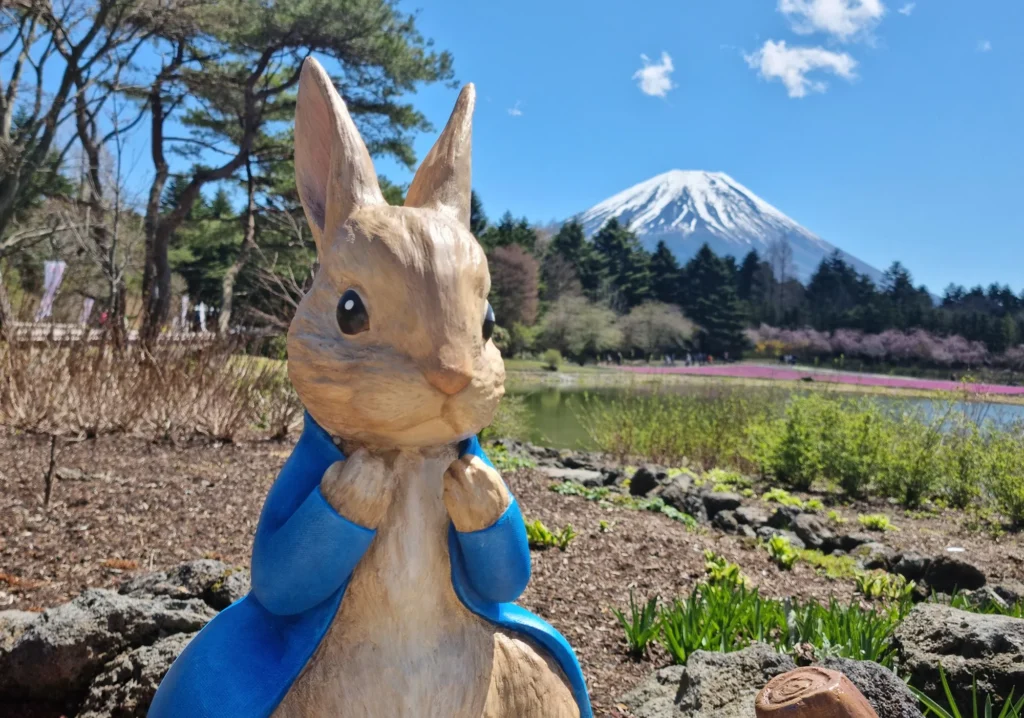
Within the resort, you’ll find the Peter Rabbit™ English Garden, a charming area that recreates the world of the beloved children’s books. This British-style garden, designed by UK garden designer Mark Chapman, features around 300 varieties of plants and flowers. It’s a delightful contrast to the Japanese landscape and offers its own unique photo spots, including character statues.
3. Enjoy Festival Food and Souvenirs
The festival features a food and shopping area where you can sample local Yamanashi delicacies and festival-themed treats. Look for dishes using local ingredients, such as Fujizakura Pork and Koshu wine. You can also buy shibazakura-themed souvenirs, potted plants, and local crafts.
Practical Tips for Your Visit
•Wear Comfortable Shoes:
You will be doing a lot of walking on paved and unpaved paths.
•Check the Weather:
The weather around Mt. Fuji can be unpredictable. Bring layers of clothing as it can be cool, even on a sunny day.
•Bring Cash:
While some vendors accept credit cards, it’s always a good idea to have cash on hand for smaller purchases.
•Pet-Friendly:
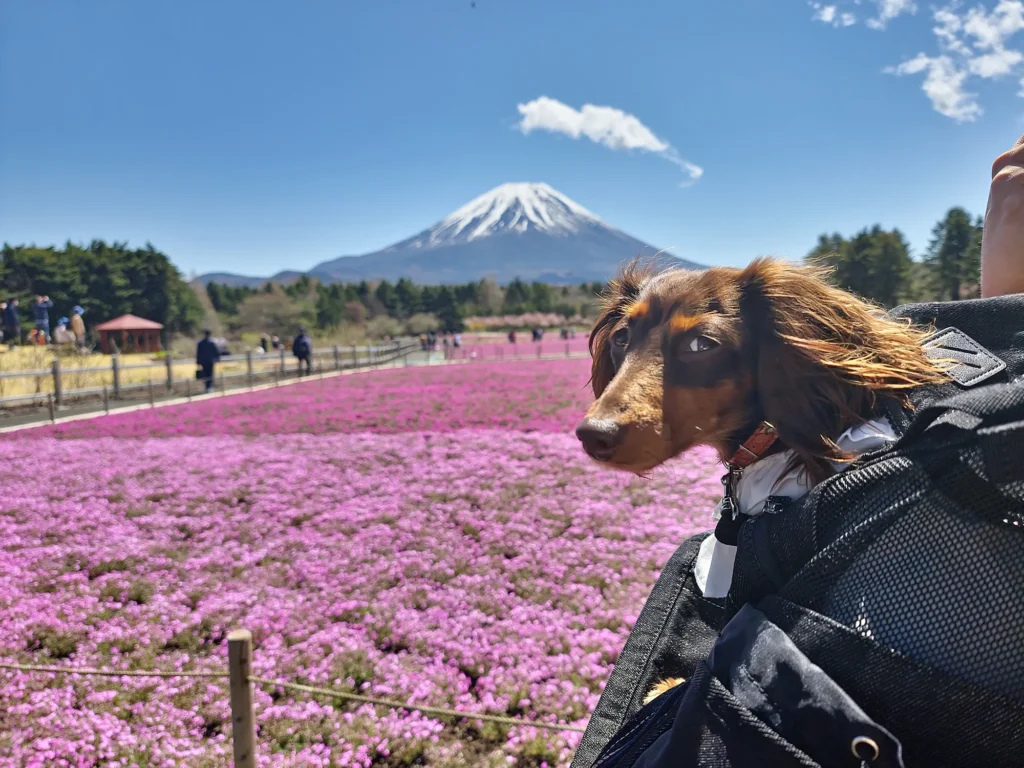
The festival is pet-friendly, so you can bring your furry friends along. Dogs must be kept on a leash or in a carrier. There is a small admission fee for pets.
Where to Stay Nearby
For the most convenient access, staying in the Fuji Five Lakes (Fujigoko) area, particularly around Lake Kawaguchiko, is highly recommended. This area offers a wide range of accommodations, from luxury hotels and traditional ryokans with Mt. Fuji views to budget-friendly guesthouses. Staying here allows you to get to the festival early and explore other nearby attractions.
Suggested Mini-Itinerary (Half-Day)
Arrive at the Fuji Shibazakura Festival to enjoy the views before the crowds build up.
Stroll through the shibazakura fields, take photos, and visit the Peter Rabbit™ English Garden.
Enjoy an early lunch or snack at the festival’s food stalls.
Depart from the festival and head to your next destination, such as Lake Motosuko or the scenic spots around Lake Kawaguchiko.
FAQs
Q1: When is the best time to see the Fuji Shibazakura Festival?
A1: The best time is typically from late April to mid-May, but it’s recommended to check the official website for the latest bloom forecast before you go.
Q2: Can I buy tickets in advance?
A2: Yes, you can purchase tickets online, often at a slight discount. The Shibazakura Liner bus ticket also includes admission.
Q3: Is the festival accessible for wheelchairs?
A3: The park has paved paths, making parts of it accessible. However, some areas and viewing platforms may have stairs or unpaved surfaces.
Q4: Are there restaurants at the festival?
A4: Yes, there is a food and market area with numerous stalls selling a variety of local food, snacks, and drinks.
Q5: How much time should I plan for my visit?
A5: Plan for at least 2 to 3 hours to fully enjoy the flower fields, take photos, and explore the food and garden areas without rushing.
Q6: Is it possible to see Mt. Fuji clearly?
A6: Mt. Fuji’s visibility depends heavily on the weather. For the best chance of a clear view, visit on a clear, sunny day, preferably in the morning when the air is often less hazy.
Short Closing
The Fuji Shibazakura Festival offers a truly unforgettable spring experience, combining the ephemeral beauty of flowers with the timeless grandeur of Mt. Fuji. With a little planning, you can fully immerse yourself in this spectacular sea of pink and create lasting memories of Japan’s natural wonders.
Sources
[1] Fuji Motosuko Resort. (2026). Fuji Shibazakura Festival. Retrieved from
[2] PR TIMES. (2026, March 11 ). 富士本栖湖リゾート「2026富士芝桜まつり」4/11(土)より開催. Retrieved from
[3] and trip. (2026, March 11 ). 山梨県・富士本栖湖リゾートで開催!【富士芝桜まつり2026】の見頃や料金をご紹介!. Retrieved from
[4] Japan Guide. (2026, March 7 ). Fuji Shibazakura Festival. Retrieved from

- Yakitori Mamori: Fukuoka’s Hidden Omakase Yakitori Experience in Nishi-Nakasu
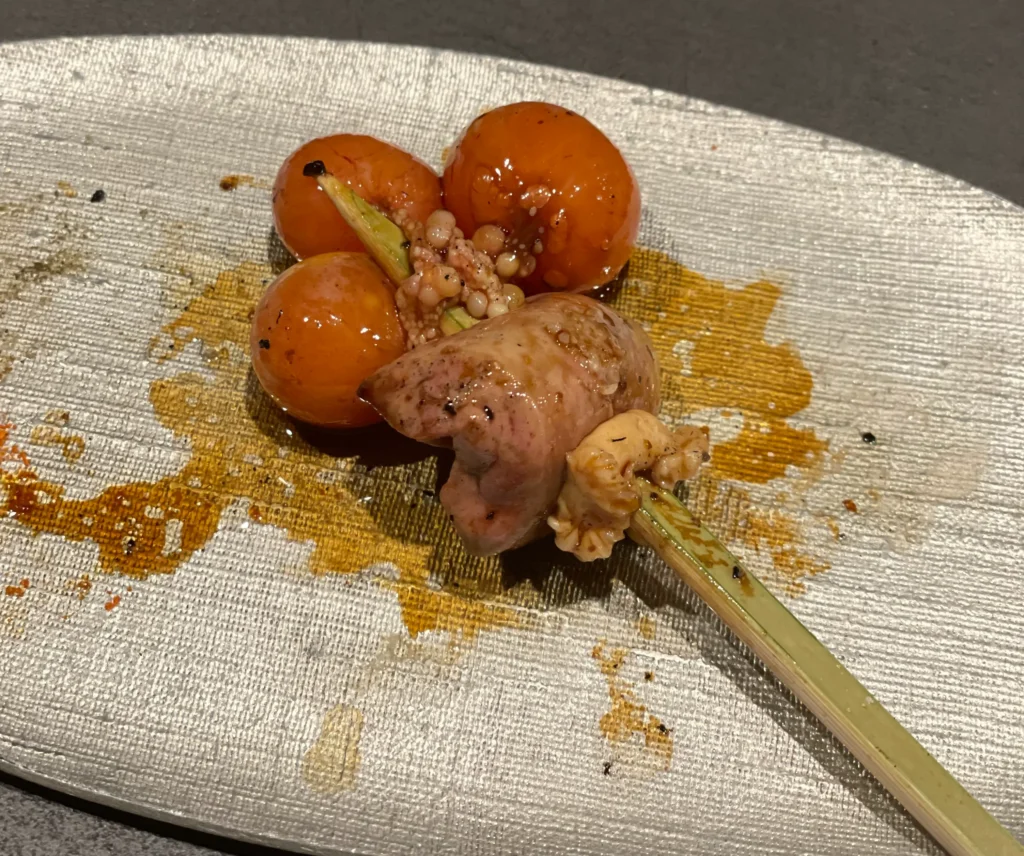 Imagine stepping through a dark, unmarked door in Fukuoka‘s upscale Nishi-Nakasu district, guided only by a small wooden sign bearing the characters 焼鳥 真守. Inside, a sleek 10-seat counter awaits,… Read more: Yakitori Mamori: Fukuoka’s Hidden Omakase Yakitori Experience in Nishi-Nakasu
 - Konagai Oysters: A DIY Charcoal-Grill Experience in Nagasaki
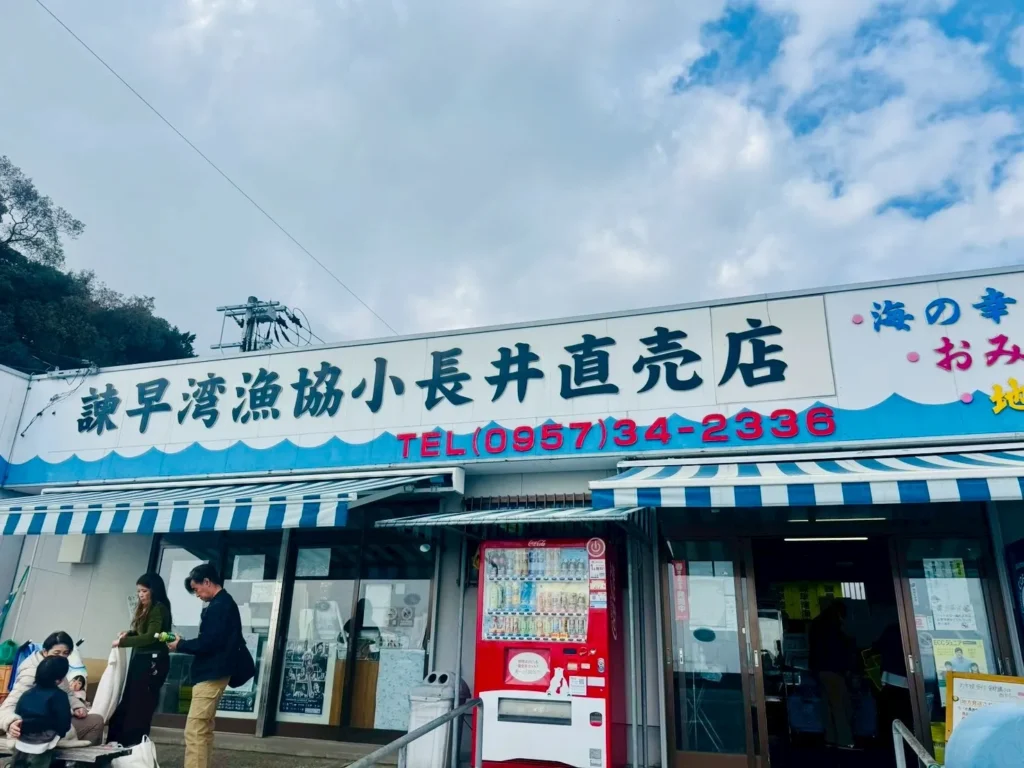 Imagine pulling off a scenic coastal road in Nagasaki, not to a polished tourist restaurant, but to a humble tin-roofed hut buzzing with local chatter. You’re handed a pair of… Read more: Konagai Oysters: A DIY Charcoal-Grill Experience in Nagasaki
 - Shirayamasha: A Deep, Rich European-Style Curry Experience in Fukuoka
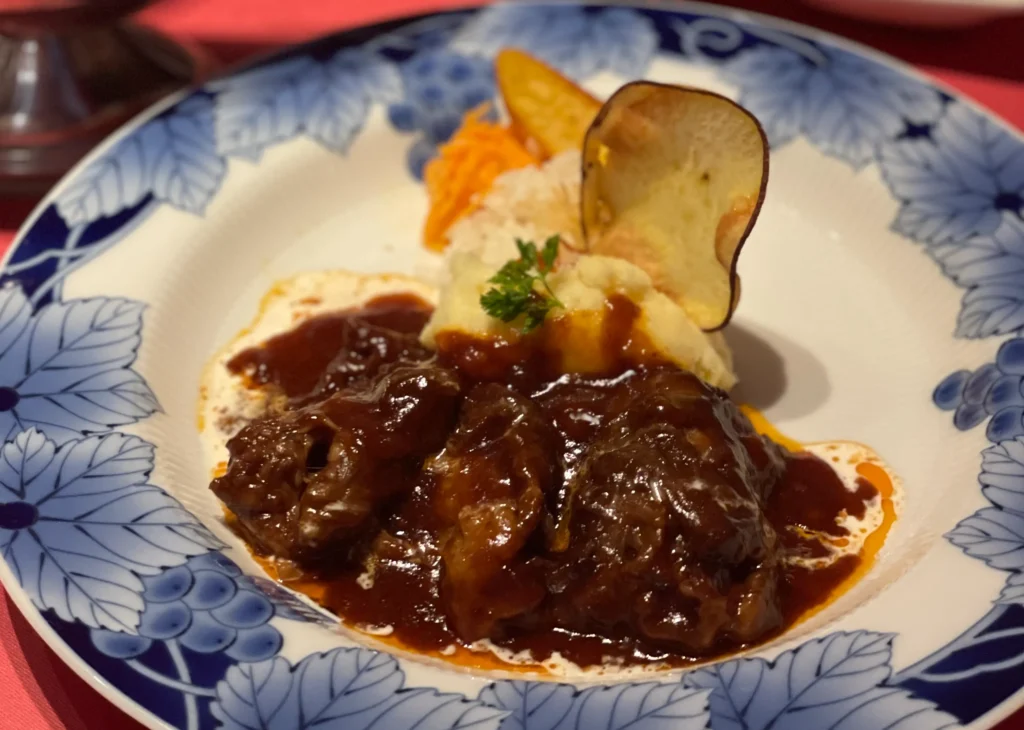 Imagine a curry so rich and complex it feels like a full-course meal in a single bite. A sauce simmered for hours, developing layers of flavor that start sweet, evolve… Read more: Shirayamasha: A Deep, Rich European-Style Curry Experience in Fukuoka
 - Japan Sakura Forecast 2026: Latest Cherry Blossom Dates for Tokyo, Kyoto & More
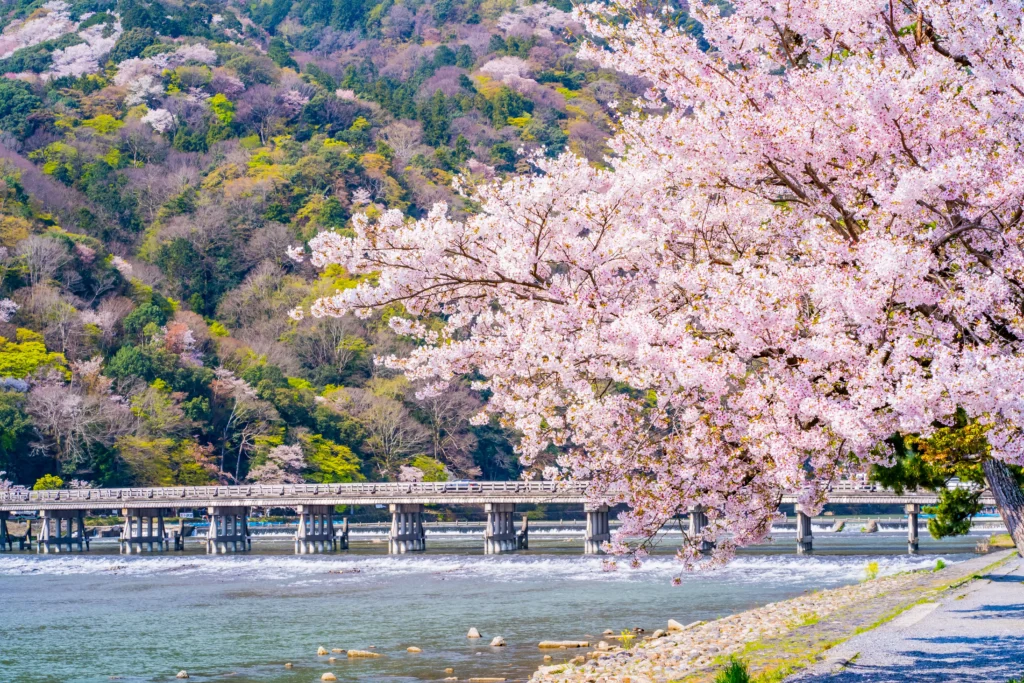 Planning a trip to Japan to witness the magical cherry blossom season is a dream for many. But timing is everything. The blossoms, or sakura, grace the country for only… Read more: Japan Sakura Forecast 2026: Latest Cherry Blossom Dates for Tokyo, Kyoto & More
 - Fuji Shibazakura Festival: A Sea of Pink at the Foot of Mt. FujiAt Fuji Motosuko Resort (Minamitsuru District, Yamanashi), the Fuji Shibazakura Festival—one of the largest in the Kanto region—will start on Saturday, April 11, 2026, featuring around 500,000 moss phlox plants… Read more: Fuji Shibazakura Festival: A Sea of Pink at the Foot of Mt. Fuji
cherry blossom cherry blossoms day trip from tokyo edo period flower festival fuji five lakes fujiyoshida Fukuoka fushimi hanami japan japanese culture japanese food japan travel kamakura kawaguchiko Kumamoto kyoto local food Mount Fuji mt fuji Nagano nature new year holiday Nikko Oku-Nikko Onsen Ramen ryokan Saga sakura Shizuoka shrine sightseeing snow spring in japan spring travel Tochigi Tokyo travel travel guide travel planning winter winter travel Yamanashi