

As the crisp late winter air begins to soften, a vibrant ribbon of pink unfurls along a quiet waterway in southern Kyoto. This is the Yodo Suiro, home to a stunning display of Kawazu cherry blossoms that offers a rare and peaceful preview of Japan’s famous sakura season. For travelers looking to escape the immense crowds of peak cherry blossom season, a morning visit to this local gem in Fushimi provides an unforgettable experience. This guide will show you how to best enjoy the early blooms, with tips on timing, access, and what makes this spot so special, all based on a quiet morning visit before the crowds arrived.
Table of Contents
Quick Facts
| Feature | Details |
| Best Time to Visit | Mid-February to mid-March |
| Time Needed | 1-2 hours |
| Nearest Station | Keihan Main Line, Yodo Station (KH27) |
| Price | Free |
| Payment Methods | N/A |
| Crowd Level | High on weekends (10:00 AM – 3:00 PM); Low on weekday mornings |
| Accessibility | The paved walkway is mostly flat and accessible for wheelchairs and strollers. |
An Early Taste of Spring in Southern Kyoto
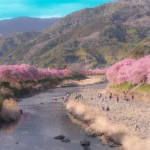
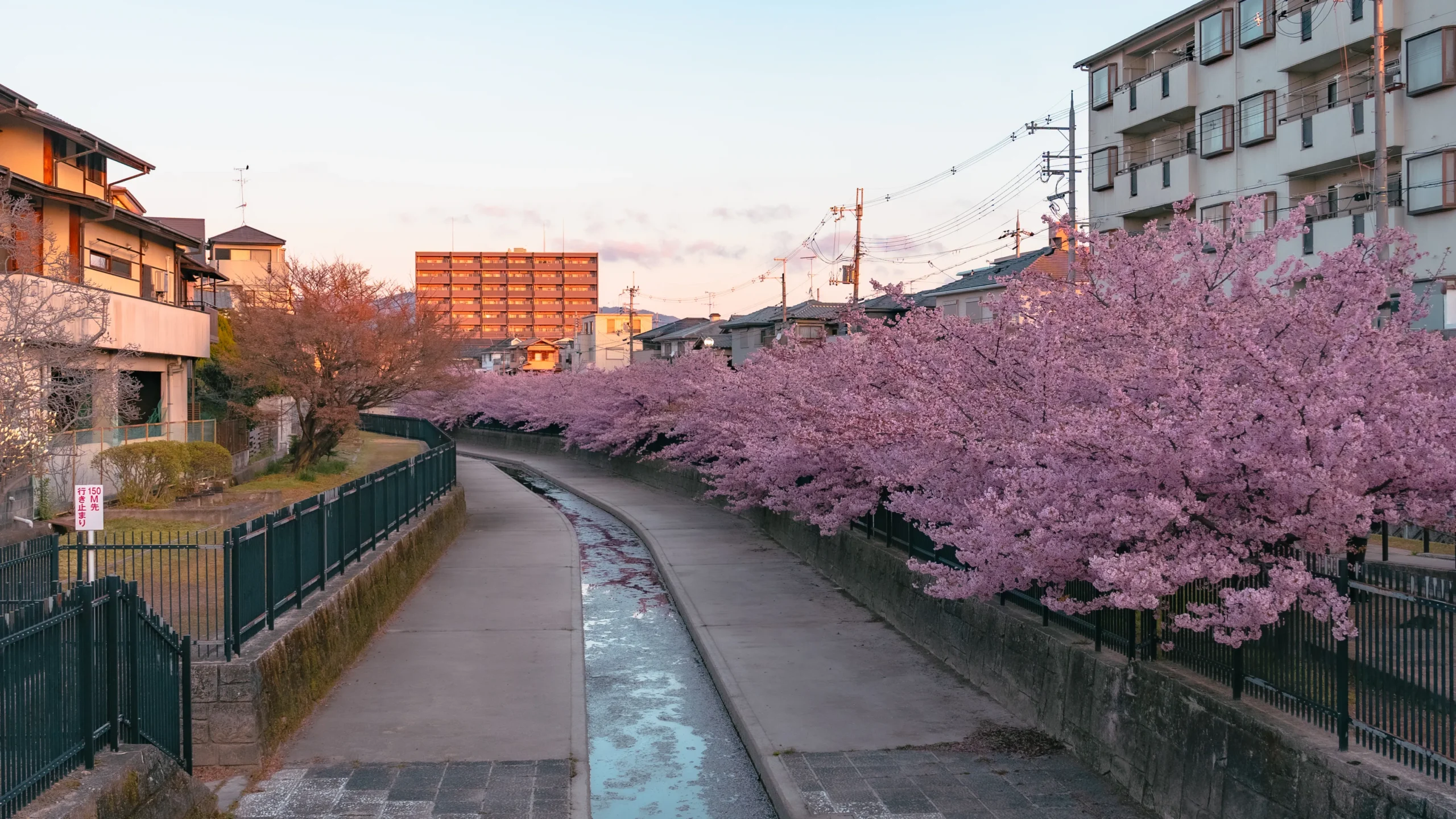
The Yodo Suiro (Yodo Waterway) offers a unique cherry blossom experience in Kyoto. Unlike the more famous Somei Yoshino trees that bloom in late March and early April, this 1.1-kilometer stretch is lined with approximately 200 Kawazu-zakura trees. These trees were first planted in 2002, grown from two saplings brought from Kawazu town in the Izu Peninsula, the namesake of this variety.
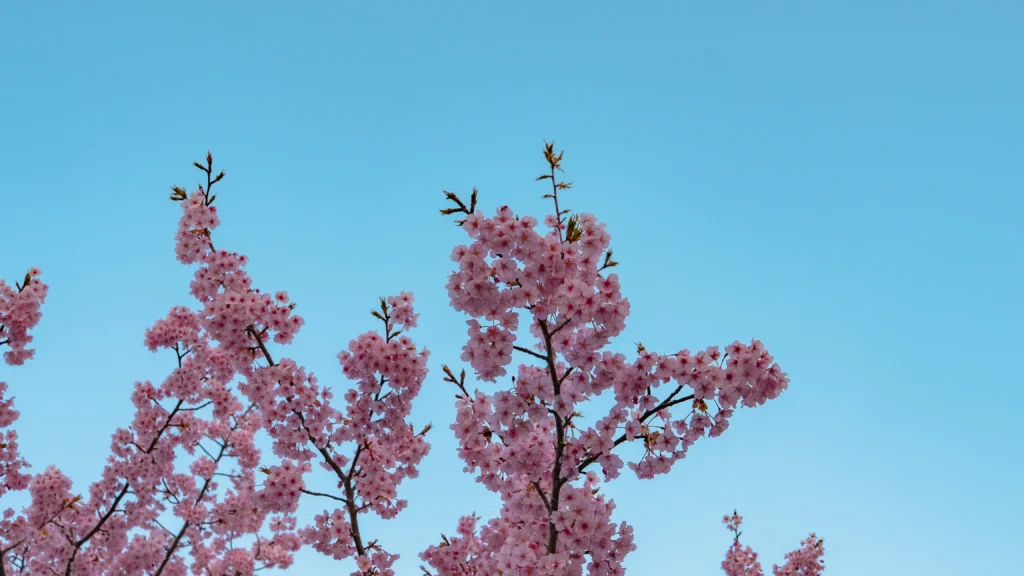
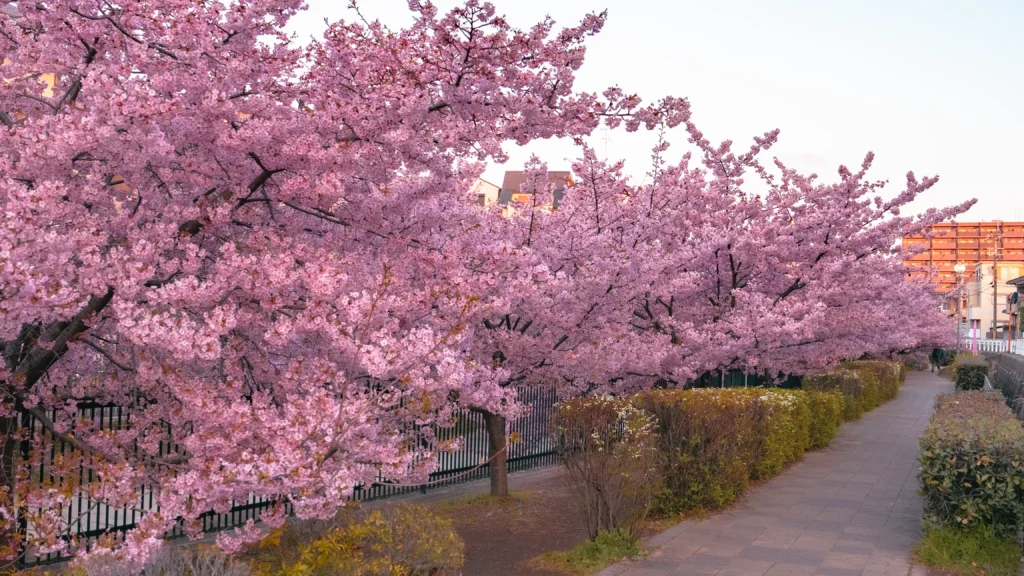
What makes Kawazu cherry blossoms special is their early blooming period and deep, vibrant pink color. They begin to flower in mid-February and can be enjoyed for a longer period, often lasting until mid-March. This provides a fantastic opportunity for visitors to enjoy sakura viewing without the intense crowds that descend on Kyoto’s more famous spots later in the spring. The trees line a quiet residential canal, creating a picturesque tunnel of pink that feels like a world away from the city’s bustling tourist centers.

Best Time to Visit: Timing Your Trip for Peak Bloom
The peak viewing season for the Yodo Suiro’s Kawazu cherry blossoms is typically from mid-February to mid-March. During this time, the trees are in full bloom, creating a dense canopy of pink along the waterway.
To avoid crowds, the best time to visit is on a weekday morning, ideally between 7:00 AM and 9:00 AM. As the photos from a recent visit show, an early arrival allows you to experience the serene beauty of the blossoms in the soft morning light, with very few people around. You can take your time strolling the path, composing photographs, and simply enjoying the peaceful atmosphere.
Weekends, especially between 10:00 AM and 3:00 PM, can get significantly more crowded as it’s a popular spot for local residents. While there are no official opening or closing times, visiting during these peak hours means sharing the narrow path with many other visitors.

How to Get There: Accessing the Yodo Waterway
The Yodo Suiro is conveniently located and easily accessible via public transportation.
By Train:
The most convenient way to reach the area is by taking the Keihan Main Line to Yodo Station (KH27). From the station, it’s a pleasant 10-minute walk to the start of the cherry blossom-lined waterway.
1.From central Kyoto (e.g., Gion-Shijo or Sanjo Station), take a Keihan Main Line train bound for Yodoyabashi or Hirakatashi.
2.Get off at Yodo Station.
3.Exit the station and follow the signs or a map application towards the Yodo Waterway. The path is straightforward and runs parallel to the canal.
What to Do: Strolling the Pink Tunnel
The main activity at Yodo Suiro is simply to walk along the paved path and immerse yourself in the beauty of the cherry blossoms. The 1.1-kilometer path is perfect for a leisurely stroll.
Enjoy the Scenery: The trees arch over the canal, creating a stunning tunnel of pink. The reflection of the blossoms on the water’s surface adds another layer of beauty. Take your time to appreciate the different shapes and forms of the trees, some of which weep gracefully over the railings.
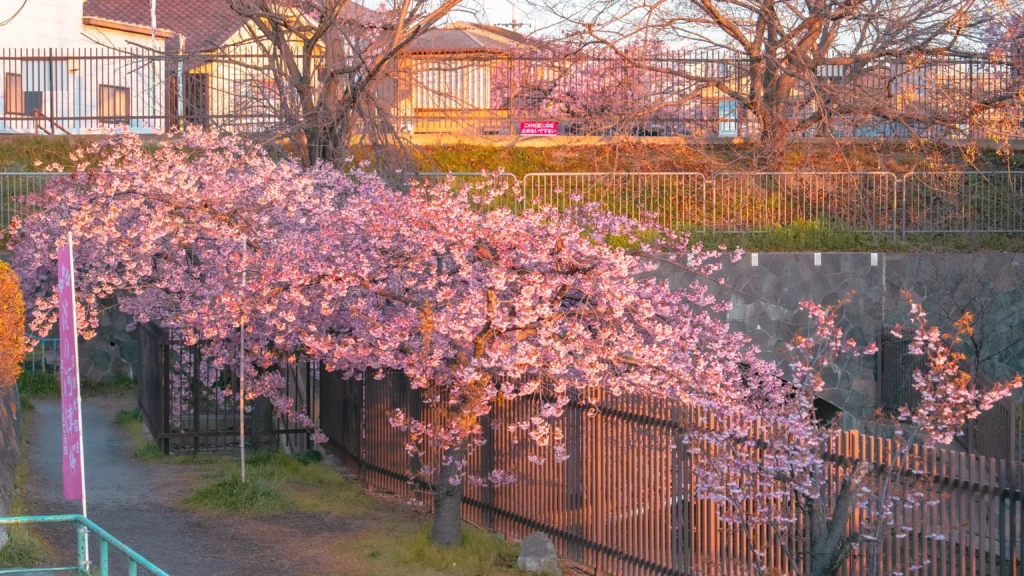
Photography: For photographers, the morning light is ideal. It illuminates the petals with a soft glow and creates beautiful contrasts. You can capture wide shots of the entire canal, close-ups of the individual flowers, and creative shots through the dense branches.
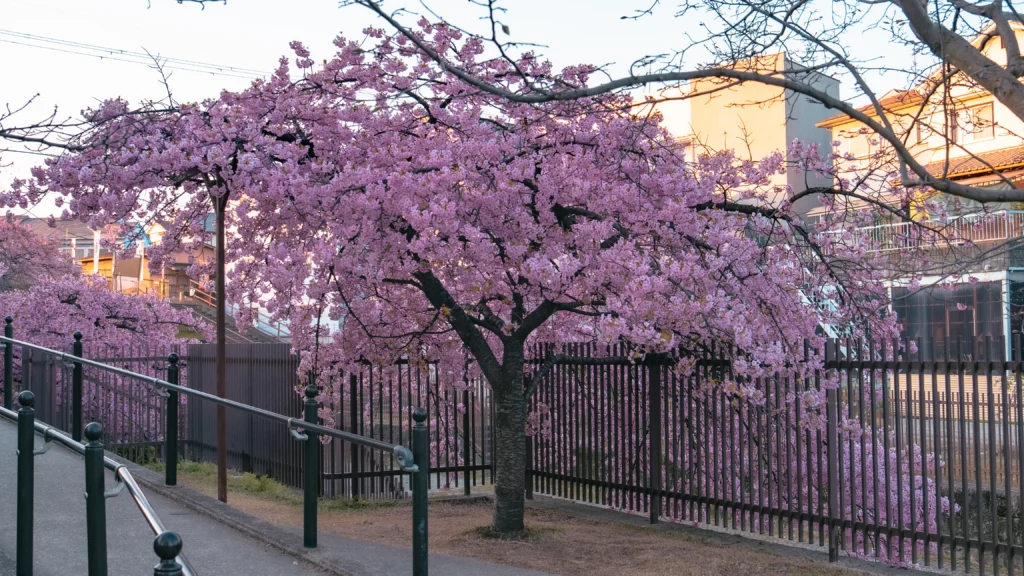
Relax and Reflect: Find a spot to pause and simply take in the atmosphere. The gentle sound of the water and the vibrant colors create a deeply calming environment, especially during the quiet morning hours.
Practical Tips for Visitors
•Wear Comfortable Shoes:
You’ll be doing a fair amount of walking, so comfortable footwear is a must.
•Restrooms:
Public restrooms are available near Yodo Station and along the park area.
•Food and Drink:
While there may be some food stalls during peak festival times, it’s best to bring your own water or snacks. There are convenience stores near the station.
•Respect the Area:
This is a residential neighborhood. Please be mindful of noise levels, especially in the early morning, and take all your trash with you.
•No Drones:
Flying drones is prohibited in the area.
Where to Stay Nearby
While there are no hotels directly at the Yodo Suiro, staying in the Fushimi area or near a Keihan Line station provides easy access. Consider accommodations around Fushimi-Momoyama Station or Chushojima Station for a local feel, or stay in central Kyoto near Gion-Shijo or Sanjo for more options and easy access to other sights.
Where to Eat Nearby
The area around Yodo Station is mostly residential. For a wider selection of restaurants and cafes, it’s best to head back towards more central parts of Fushimi, such as the Fushimi-Momoyama or Chushojima areas, which are famous for their sake breweries and traditional restaurants.
Suggested Mini-Itinerary: A Morning in Fushimi
Arrive at Yodo Station and walk to the Yodo Suiro.
Stroll along the waterway, enjoy the cherry blossoms, and take photos in the quiet morning atmosphere.
Head back to the Keihan Line and travel to Fushimi-Inari Station to visit the famous Fushimi Inari Shrine before the main crowds arrive.
Explore the Fushimi sake district near Chushojima Station for lunch and sake tasting.
Frequently Asked Questions
1. When is the best time to see the Kawazu cherry blossoms at Yodo Suiro?
The best time is from mid-February to mid-March. For fewer crowds, visit on a weekday morning.
2. Is there an entrance fee?
No, viewing the cherry blossoms along the Yodo Suiro is completely free.
3. How do I get to Yodo Suiro by public transport?
The easiest way is to take the Keihan Main Line to Yodo Station. The waterway is about a 10-minute walk from there.
4. Are the cherry blossoms lit up at night?
There is no official light-up event. It is best to visit during daylight hours to appreciate the natural color of the flowers.
5. Is the area wheelchair or stroller accessible?
Yes, the path along the waterway is paved and mostly flat, making it accessible for wheelchairs and strollers.
6. Can I have a picnic under the trees?
While there are no designated picnic areas, you can enjoy a brief rest on benches. However, this is a public walkway, so setting up large picnic blankets is not appropriate. Please be considerate of others using the path.
Sources
[1] Kyoto Tourism Federation. “Yodo Suiro Kawazu Cherry Blossoms.”
[2] Walkerplus. “Yodo Suiro Cherry Blossoms.”
Last updated: March 13, 2026
Written by Nobutoshi, a Japanese travel writer specializing in authentic Japan experiences.
A visit to the Yodo Suiro offers a refreshing and authentic cherry blossom experience, away from the hustle and bustle. It’s a perfect start to a spring day in Kyoto and a reminder of the quiet beauty that can be found just off the beaten path.

- Gekkeikan Okura Sake Museum: A Journey into the Heart of Kyoto’s Sake Culture
 Step into the historic Fushimi district of Kyoto, a place where the air is fragrant with the scent of fermenting rice and the streets echo with centuries of brewing tradition.… Read more: Gekkeikan Okura Sake Museum: A Journey into the Heart of Kyoto’s Sake Culture
 - Fushimi Jikkokubune Canal Cruise: A Complete Guide to Booking and Riding
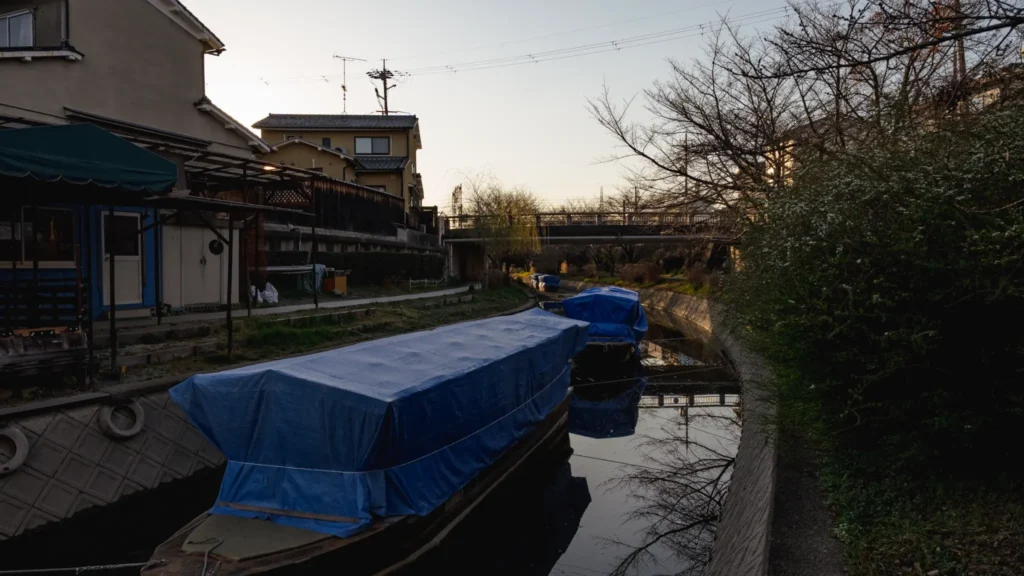 Gliding past traditional sake breweries and weeping willows, the Fushimi Jikkokubune Canal Cruise offers a unique perspective on Kyoto’s historic sake district. These flat-bottomed wooden boats, replicas of those used… Read more: Fushimi Jikkokubune Canal Cruise: A Complete Guide to Booking and Riding
 - Ryoma Dori Shopping Street: A Walk Through Samurai History in Fushimi
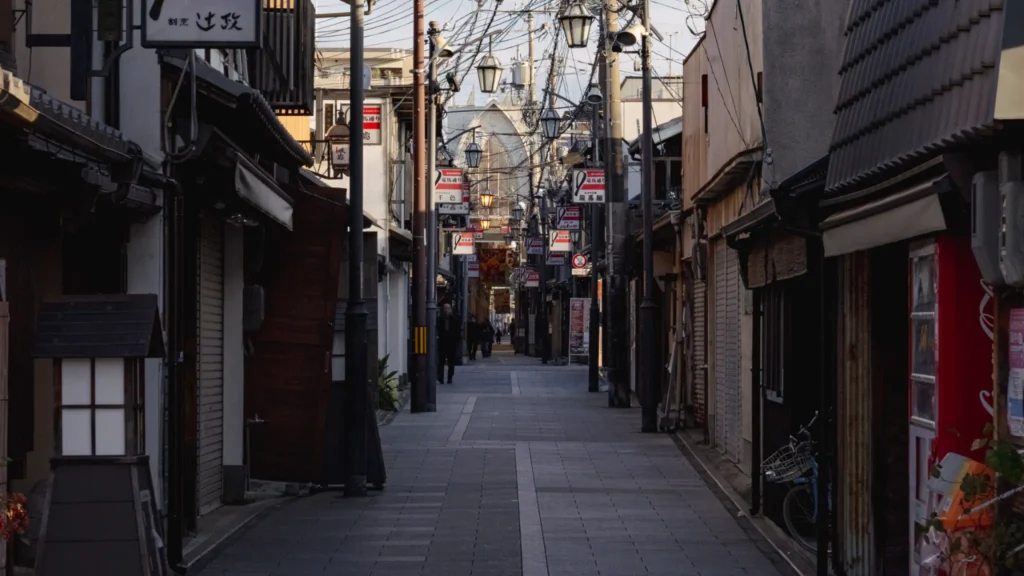 Just a stone’s throw from the historic Teradaya Inn lies the Ryoma Dori Shopping Street, a charming, retro-style arcade that feels like a journey back to the Bakumatsu period. This… Read more: Ryoma Dori Shopping Street: A Walk Through Samurai History in Fushimi
 - Teradaya Inn: Where Sakamoto Ryoma’s Legend Lives On in Fushimi
 Step through the doors of the Teradaya Inn and you step back in time to one of the most dramatic periods in Japanese history. Located in the heart of Kyoto’s… Read more: Teradaya Inn: Where Sakamoto Ryoma’s Legend Lives On in Fushimi
 - A Full Day in Fushimi: Sake Breweries, Ryoma’s Legacy & the Waterway That Connects It All
 Imagine stepping off the train from Kyoto Station and finding yourself not in another temple-filled district, but in a tranquil town where willow-lined canals reflect historic sake breweries. This is… Read more: A Full Day in Fushimi: Sake Breweries, Ryoma’s Legacy & the Waterway That Connects It All
cherry blossom cherry blossoms day trip from tokyo edo period flower festival fuji five lakes fujiyoshida Fukuoka fushimi hanami japan japanese culture japanese food japan travel kamakura kawaguchiko Kumamoto kyoto local food Mount Fuji mt fuji Nagano nature new year holiday Nikko noodles Oku-Nikko Onsen Ramen ryokan Saga sakura Shizuoka sightseeing snow spring in japan spring travel Tochigi Tokyo travel travel guide travel planning winter winter travel Yamanashi