


Step through the doors of the Teradaya Inn and you step back in time to one of the most dramatic periods in Japanese history. Located in the heart of Kyoto’s Fushimi district, this historic inn is more than just a beautifully preserved building; it’s a stage where the final, turbulent acts of the samurai era played out. For anyone interested in the life of Sakamoto Ryoma or the Bakumatsu period, a visit here is an essential pilgrimage.
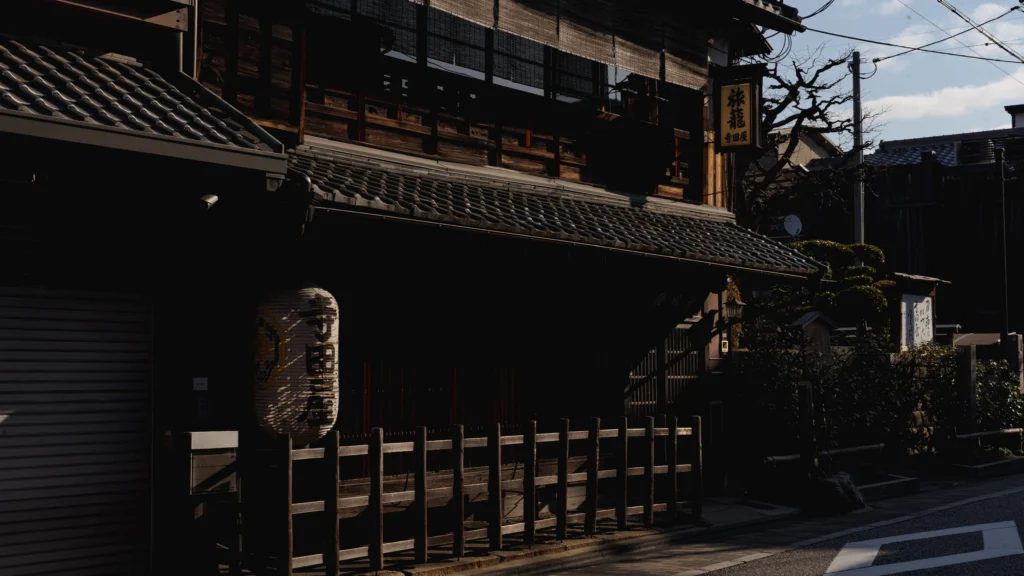
As the founder of hiddenjapan-gems.com, I’ve found that the Teradaya Inn offers a tangible connection to the past that few other sites can match. You can almost hear the clash of swords and the urgent whispers of revolutionaries. This guide will walk you through what makes this place so special, from its dramatic history to the practical details you need for your visit.
Table of Contents
Quick Facts for Visiting Teradaya Inn
| Item | Details |
| What it is | A historic inn, famous for two major incidents involving samurai during the Bakumatsu period. |
| Best for | History buffs, fans of Sakamoto Ryoma, and those exploring Fushimi. |
| Time Needed | 30-45 minutes. |
| Address | 263 Minamihama-cho, Fushimi-ku, Kyoto City |
| Hours | 10:00 AM – 4:00 PM (Last entry at 3:40 PM) |
| Admission | Adults: ¥600, Students (Jr. High to University): ¥300, Elementary: ¥200. Infants not permitted. |
| Closed | January 1-3, irregular Mondays. |
| Contact | 075-622-0243 |

The History of Teradaya: Two Incidents That Shaped Japan
The Teradaya Inn is famous for two pivotal events that occurred within its walls during the Bakumatsu period (1853-1868), a time of immense political upheaval that led to the end of the samurai shogunate.
The Teradaya Incident (1862)
First was the “Teradaya Incident,” a violent clash between samurai from the Satsuma domain. A group of radical samurai had gathered at the inn, plotting to assassinate key political figures. However, the domain leadership, seeking a more moderate path, sent a force to quell the rebellion. The resulting confrontation within the inn’s narrow corridors led to the deaths of nine samurai. This event highlighted the deep divisions within the anti-shogunate movement.
Sakamoto Ryoma’s Narrow Escape (1866)
Four years later, the inn became the setting for its most famous story. Sakamoto Ryoma, a visionary samurai working to overthrow the shogunate, was staying at the inn. He was targeted by the shogun’s police in a surprise night attack. It was his future wife, Oryo, who, while taking a bath, noticed the approaching assassins and ran, naked, up the stairs to warn him. Ryoma fought back with a pistol and sword, and though injured, managed to escape the ambush. This dramatic event cemented both his and the Teradaya’s place in Japanese history.

What to See Inside the Teradaya Inn
The current building is a faithful reconstruction of the original, which was destroyed in the Battle of Toba-Fushimi in 1868. The owners have gone to great lengths to recreate the atmosphere of the era.
•Replica Sword and Bullet Marks: Throughout the inn, you can find replica sword marks on the pillars and beams, giving you a sense of the fierce battles that took place here. It’s a chilling reminder of the life-or-death struggles of the samurai.
•Ryoma’s Room: You can visit the room where Ryoma was staying. The second floor features exhibits and artifacts related to him and the other revolutionaries who frequented the inn.
•Oryo’s Bath: The bathroom where Oryo was bathing when she spotted the assassins is also recreated, offering a glimpse into the dramatic moments of the attack.
•Historical Artifacts: The inn displays various historical documents, portraits, and items connected to the Bakumatsu period, providing context to the events that unfolded here.
How to Get to Teradaya Inn
The inn is easily accessible from several stations in Fushimi, making it a convenient stop on any walking tour of the area.
•From Chushojima Station (Keihan Line): The closest station, about a 5-minute walk.
•From Fushimi-Momoyama Station (Keihan Line) or Momoyama-Goryo-mae Station (Kintetsu Line): A pleasant 10-minute walk through the historic district.
•From Kyoto Station: Take the Kintetsu Kyoto Line to Momoyama-Goryo-mae Station (approx. 20 minutes, ¥260). From there, it’s a 10-minute walk.
Frequently Asked Questions
1. Is the current Teradaya Inn the original building?
No, the original inn was destroyed during the Battle of Toba-Fushimi in 1868. The current building is a faithful reconstruction built on the adjacent lot, preserving the layout and atmosphere of the original.
2. How much time should I allocate for a visit?
A typical visit takes about 30 to 45 minutes. It’s not a large museum, but you’ll want time to read the displays and absorb the historical ambiance.
3. Is it worth visiting if I don’t know much about Sakamoto Ryoma?
Yes. While fans of Ryoma will get the most out of it, the inn serves as an excellent, atmospheric introduction to the dramatic history of the Bakumatsu period. The replica sword marks and historical setting are compelling for any visitor interested in samurai history.
Conclusion: A Must-See for History Lovers
The Teradaya Inn is more than just a historical site; it’s a storyteller. It vividly recounts a time of rebellion, loyalty, and change that defined modern Japan. Standing in the same rooms where legends like Sakamoto Ryoma fought for their lives provides a powerful and unforgettable link to the past. It is an essential stop for anyone wishing to understand the soul of Fushimi and the spirit of the samurai.
Sources Checked
•THE THOUSAND KYOTO: https://www.keihanhotels-resorts.co.jp/the-thousand-kyoto/sight/yamari-fushimi-yamashina/post_13.html
•Kyoto Tourism Navi: https://ja.kyoto.travel/tourism/single01.php?category_id=8&tourism_id=940