

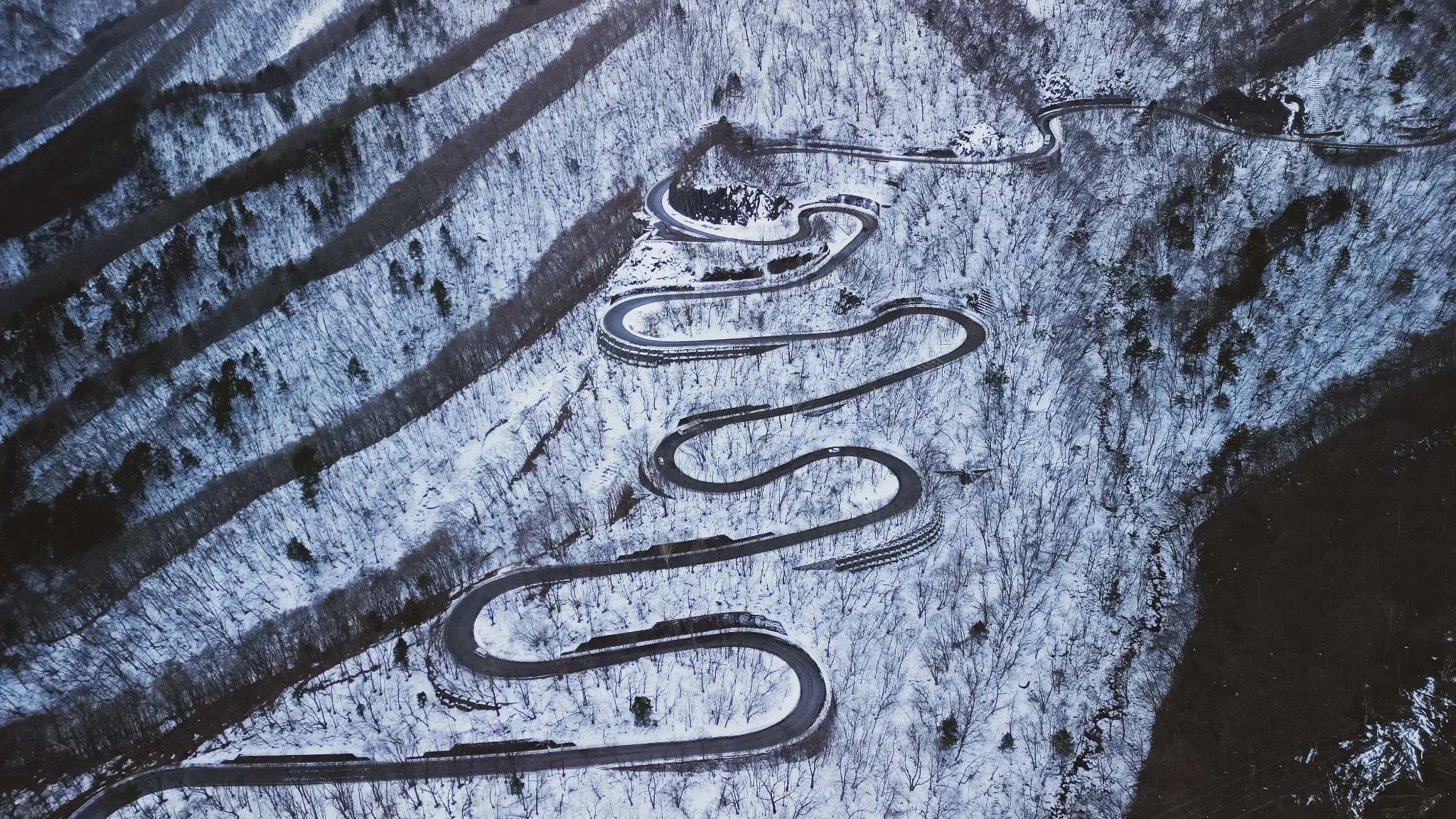

When winter blankets Japan in a layer of pristine snow, the historic town of Nikko in Tochigi Prefecture transforms into a breathtaking wonderland. While many tourists flock here for the autumn colors, a winter visit offers a serene, almost magical experience, with fewer crowds and stunning snowy landscapes. From the frozen majesty of Kegon Falls to the winding, snow-dusted roads of the Irohazaka, Nikko in winter is a photographer’s dream and a traveler’s delight.
This guide provides a comprehensive overview for planning your winter trip to Nikko, focusing on the spectacular Oku-Nikko (deep Nikko) area. You’ll discover the best spots to visit, including the iconic Lake Chuzenji and encounters with wild snow monkeys, and get practical tips for navigating the snowy terrain. We’ll also introduce a cozy stay at the Kamenoi Hotel Oku-Nikko, making your winter escape both comfortable and unforgettable. Whether you’re seeking adventure or tranquility, this Nikko winter travel guide has you covered.
Table of Contents
Quick Facts
| Feature | Details |
| Best Time to Visit | January to February for the most stable snow cover and frozen scenery |
| Estimated Time Needed | 2-3 days to explore the Oku-Nikko area |
| Main Area | Oku-Nikko (Lake Chuzenji, Kegon Falls, Yumoto Onsen) |
| Getting Around | Tobu Bus is the primary mode of public transport; rental car with snow tires is an option |
| Price Range | Moderate (accommodation and food) |
| Payment | Cash is recommended, especially in smaller shops; major hotels accept cards |
| Crowd Level | Low to moderate (significantly fewer crowds than autumn) |
| Key Gear | Winter boots, warm layered clothing, gloves, hat, and sunglasses |
Overview: A Serene Winter Wonderland
Nikko in winter is a world away from the vibrant energy of its peak seasons. The landscape, draped in a thick blanket of snow, offers a profound sense of peace and tranquility. The air is crisp, the crowds have thinned, and the region’s natural and cultural treasures take on a new, more intimate character. The journey into the mountainous Oku-Nikko area, particularly via the winding Irohazaka road, becomes an adventure in itself, with each turn revealing another stunning vista of snow-covered peaks and valleys.
This is a season for quiet contemplation. Imagine standing before the partially frozen Kegon Falls, its powerful cascade framed by ice and snow, or gazing across the vast, silent expanse of Lake Chuzenji, its shores lined with bare, frosted trees. It’s also a time for unique wildlife encounters, as Japanese macaques (snow monkeys) can often be spotted foraging against the white backdrop. Capping off a day of exploration with a soak in the milky, sulfur-rich waters of a Yumoto Onsen hot spring is the quintessential Oku-Nikko winter experience, warming both body and soul.
What to Do in Nikko This Winter: 5 Key Experiences
Nikko in winter offers a unique set of attractions, from dramatic natural landscapes to relaxing hot springs. Here are five essential experiences that should be on your itinerary.
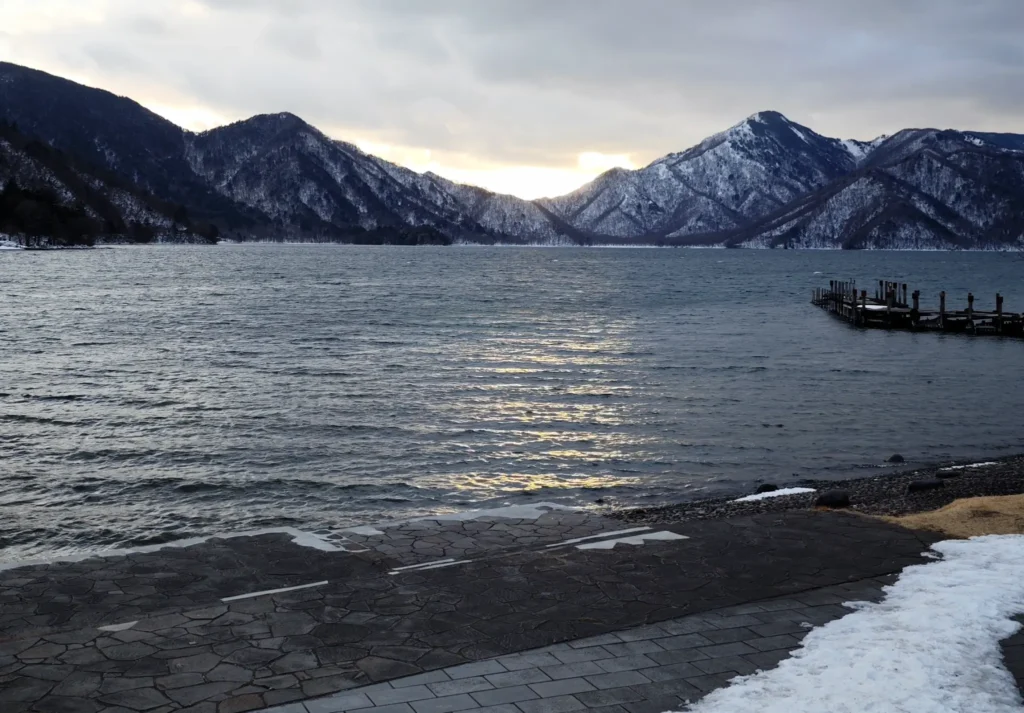
1. Witness the Majesty of Lake Chuzenji
At an elevation of 1,269 meters, Lake Chuzenji is one of Japan’s highest lakes and the centerpiece of Oku-Nikko . In winter, its shores are covered in deep snow, and parts of the lake can freeze over, creating a vast, serene, and almost otherworldly landscape. The surrounding mountains, including the majestic Mt. Nantai, are dusted with snow, providing a stunning panoramic view. A walk along the quiet, snow-covered shore is a peaceful and deeply memorable experience.
[Read the full guide: A Winter Walk Around Lake Chuzenji ]
2. See the Partially Frozen Kegon Falls
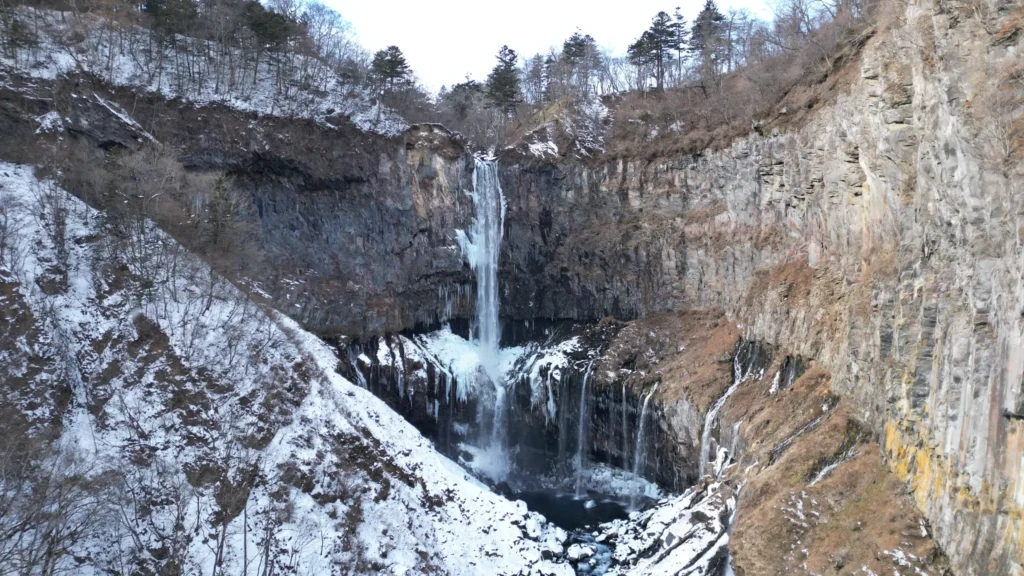
As one of Japan’s three most famous waterfalls, Kegon Falls is a spectacular sight year-round. In winter, however, it takes on a special kind of beauty. The powerful 97-meter cascade remains partially flowing, while the smaller surrounding streams, known as the Juni-taki (Twelve Waterfalls), freeze into intricate pillars of blue ice . The contrast between the flowing water and the frozen formations is dramatic and captivating. An elevator takes you down to an observation deck for a close-up view of the powerful torrent and its icy frame.
[Read the full guide: The Icy Splendor of Kegon Falls in Winter ]
3. Drive the Winding Irohazaka Road
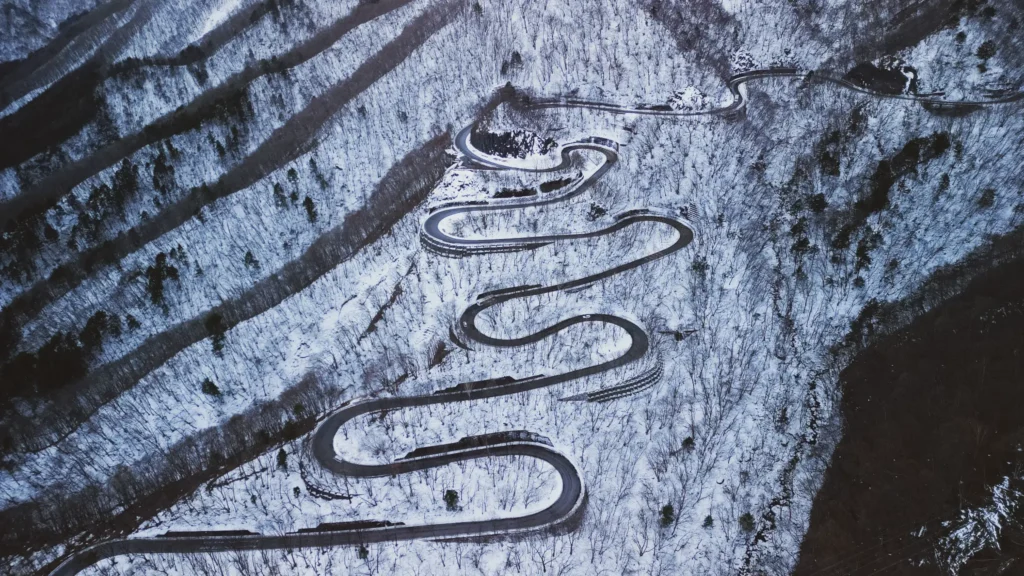
The Irohazaka is a pair of winding roads that connect the lower elevations of Nikko to the mountainous Oku-Nikko region. With a total of 48 hairpin turns, each named after a character in the old Japanese alphabet, the drive itself is an adventure . In winter, the road is meticulously maintained but often lined with high walls of snow. The aerial view of the road snaking through the snow-covered forest is one of Nikko’s most iconic winter images. Driving this road offers breathtaking views at every turn, but be sure to have a vehicle equipped with snow tires.
[Read the full guide: Driving the Snowy Irohazaka: A Winter Road Trip]
4. Spot Wild Snow Monkeys
Nikko is home to a large population of Japanese macaques, often referred to as “snow monkeys.” While they can be seen year-round, spotting them against a pure white, snowy backdrop is a special treat. They are often seen along the roadsides of the Irohazaka or in the forests around Lake Chuzenji and Yumoto Onsen. Remember that these are wild animals; observe them from a safe distance and never feed them . Their presence adds a touch of wild, untamed life to the serene winter landscape.
[Read the full guide: Where to Find Wild Snow Monkeys in Nikko]

5. Relax at Kamenoi Hotel Oku-Nikko
After a day of exploring in the cold, there is no better way to warm up than with a stay at a traditional onsen hotel. The Kamenoi Hotel Oku-Nikko, located by the shores of Lake Yunoko in the Yumoto Onsen area, offers the perfect retreat. The hotel features a wonderful buffet and, most importantly, a beautiful onsen with milky, sulfur-rich water sourced directly from the Yumoto hot springs . Soaking in the outdoor bath (rotenburo) while snow falls gently around you is the ultimate Nikko winter experience.
[Read the full guide: A Cozy Stay at Kamenoi Hotel Oku-Nikko ]

How to Get There & Getting Around
Accessing the Oku-Nikko area in winter requires some planning, but it is straightforward.
•By Train and Bus: The most common route is to take a Tobu train from Asakusa (Tokyo) to Tobu-Nikko Station, or a JR train to JR Nikko Station. From there, the Tobu Bus is your primary mode of transport to the Oku-Nikko area. Buses bound for “Yumoto Onsen” will take you to Lake Chuzenji (Chuzenji Onsen bus stop, approx. 50 mins) and Kegon Falls . A bus pass, such as the NIKKO MaaS, can be a cost-effective option.
•By Car: Renting a car offers more flexibility. Take the Nikko-Utsunomiya Toll Road to the Kiyotaki IC, then follow the Irohazaka road up to the lake area. It is absolutely essential that your vehicle is equipped with winter tires. Roads can be icy, and rental companies will confirm this with you.

Practical Tips for a Nikko Winter Trip
•Dress in Layers:
Temperatures in Oku-Nikko often drop below freezing. Wear thermal underwear, a fleece or down mid-layer, and a waterproof/windproof outer jacket. Don’t forget a warm hat, gloves, and a scarf.
•Wear Proper Footwear:
Waterproof, insulated winter boots with good grip are essential. The ground is often covered in snow and can be icy and slippery.
•Check Road and Bus Status:
Before you travel, check the latest information on road closures and bus schedules, as they can be affected by heavy snowfall.
•Bring Cash:
While major hotels and some restaurants accept credit cards, many smaller shops, local eateries, and bus ticket counters may be cash-only.
•Protect Your Electronics:
Cold weather can drain batteries quickly. Keep your phone and camera batteries warm in an inside pocket.
Where to Stay: Embrace the Onsen Culture
For a truly immersive winter experience, staying in the Oku-Nikko area is highly recommended. The Yumoto Onsen area, located past Lake Chuzenji, is a classic hot spring town with numerous ryokans and hotels.
•Kamenoi Hotel Oku-Nikko: As featured in this guide, this hotel offers comfortable rooms, excellent food, and a fantastic onsen with milky white sulfurous water, perfect for a winter stay .


•Chuzenji Onsen Area: Located on the eastern shore of Lake Chuzenji, this area also has several hotels and inns, offering convenient access to both the lake and Kegon Falls.
Suggested Mini-Itinerary: A 2-Day Winter Escape
Day 1: Lake Views and Onsen Relaxation
•Morning: Travel from Tokyo to Nikko. Take the Tobu bus up the Irohazaka road.
•Afternoon: Arrive at Chuzenji Onsen. Walk along the snowy shores of Lake Chuzenji and visit the partially frozen Kegon Falls.
•Evening: Check into your hotel in Yumoto Onsen, like the Kamenoi Hotel. Enjoy a long soak in the hot springs followed by a delicious buffet dinner.
Day 2: Monkeys and Mountain Roads
•Morning: Explore the Yumoto Onsen area, looking for wild monkeys in the snow.
•Afternoon: Take the bus back down the Irohazaka, enjoying the stunning winter views from a different perspective.
•Late Afternoon: Return to Tobu-Nikko or JR Nikko station for your journey back to Tokyo.
FAQs
Q: Is it safe to drive in Nikko in winter?
A: It is safe if you are prepared. A car with winter tires is mandatory. The main roads, including the Irohazaka, are well-maintained, but conditions can change quickly. If you are not experienced with driving in snow, using the Tobu Bus is a safer and more relaxing option.
Q: Are many things closed in winter?
A: While some shops and restaurants may have shorter hours or be closed, the main natural attractions like Kegon Falls and Lake Chuzenji are always accessible. Most hotels and onsen operate as usual. It’s a quieter season, which is part of its charm.
Q: Can you see the famous shrines and temples in the snow?
A: Yes. The World Heritage shrines and temples, such as Toshogu Shrine, are located in the main town of Nikko and are open year-round. Seeing their ornate architecture covered in a dusting of snow is a beautiful sight.
Q: How cold does it get?
A: In January and February, daytime highs in Oku-Nikko are often around 0°C (32°F), and nighttime temperatures can drop to -10°C (14°F) or lower. Dress warmly.
Sources
[1] Nikko City Tourism Association – Lake Chuzenji (https://www.nikko-kankou.org/spot/12 )
[2] Nikko City Tourism Association – Kegon Falls (https://www.nikko-kankou.org/spot/5 )
[3] Nikko City Tourism Association – Irohazaka (https://www.nikko-kankou.org/spot/9 )
[4] Osaruland & Anitown – Nikko Monkey Information (https://www.osaruland.jp/tips/1405/ )
[5] Kamenoi Hotel Oku-Nikko Official Website (https://kamenoi-hotels.com/okunikko/ )
Last Updated: March 5, 2026
Sources Checked: Nikko City Tourism Association, Osaruland, Kamenoi Hotel Official Website.
A Final Word
A winter trip to Nikko is an opportunity to see a different, more tranquil side of this famous destination. The combination of stunning natural beauty, unique wildlife, and deeply relaxing onsen culture creates a perfect winter getaway. With the right preparation, you will be rewarded with unforgettable memories of a Japan covered in a beautiful blanket of snow.

- Gekkeikan Okura Sake Museum: A Journey into the Heart of Kyoto’s Sake Culture
 Step into the historic Fushimi district of Kyoto, a place where the air is fragrant with the scent of fermenting rice and the streets echo with centuries of brewing tradition.… Read more: Gekkeikan Okura Sake Museum: A Journey into the Heart of Kyoto’s Sake Culture
 - Fushimi Jikkokubune Canal Cruise: A Complete Guide to Booking and Riding
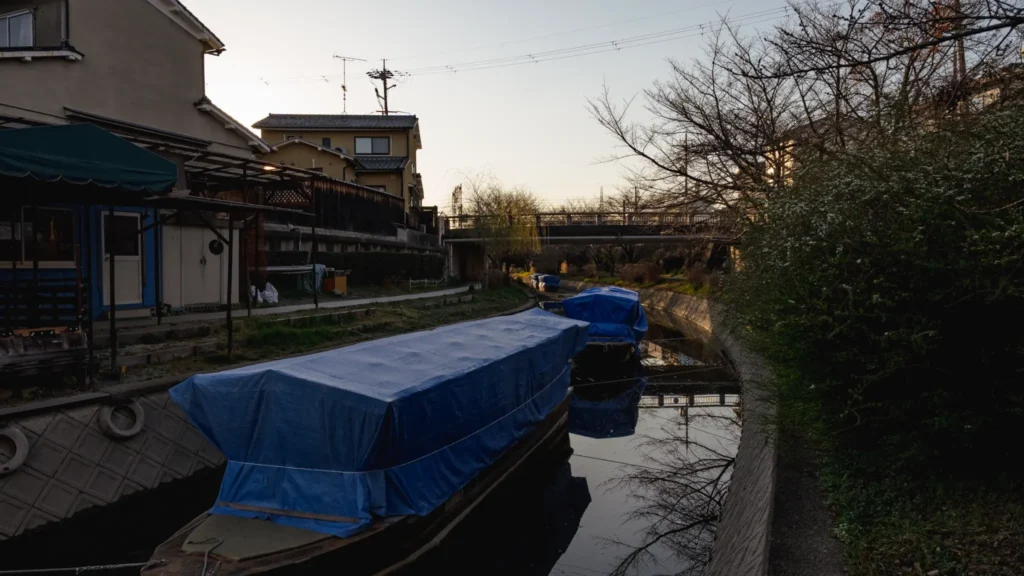 Gliding past traditional sake breweries and weeping willows, the Fushimi Jikkokubune Canal Cruise offers a unique perspective on Kyoto’s historic sake district. These flat-bottomed wooden boats, replicas of those used… Read more: Fushimi Jikkokubune Canal Cruise: A Complete Guide to Booking and Riding
 - Ryoma Dori Shopping Street: A Walk Through Samurai History in Fushimi
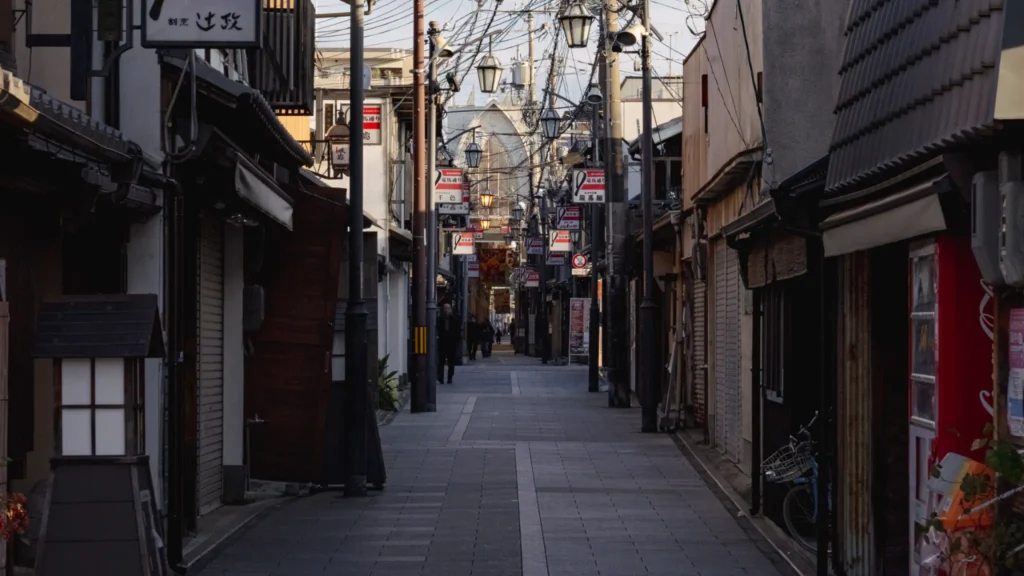 Just a stone’s throw from the historic Teradaya Inn lies the Ryoma Dori Shopping Street, a charming, retro-style arcade that feels like a journey back to the Bakumatsu period. This… Read more: Ryoma Dori Shopping Street: A Walk Through Samurai History in Fushimi
 - Teradaya Inn: Where Sakamoto Ryoma’s Legend Lives On in Fushimi
 Step through the doors of the Teradaya Inn and you step back in time to one of the most dramatic periods in Japanese history. Located in the heart of Kyoto’s… Read more: Teradaya Inn: Where Sakamoto Ryoma’s Legend Lives On in Fushimi
 - A Full Day in Fushimi: Sake Breweries, Ryoma’s Legacy & the Waterway That Connects It All
 Imagine stepping off the train from Kyoto Station and finding yourself not in another temple-filled district, but in a tranquil town where willow-lined canals reflect historic sake breweries. This is… Read more: A Full Day in Fushimi: Sake Breweries, Ryoma’s Legacy & the Waterway That Connects It All
cherry blossom cherry blossoms day trip from tokyo edo period flower festival fuji five lakes fujiyoshida Fukuoka fushimi hanami japan japanese culture japanese food japan travel kamakura kawaguchiko Kumamoto kyoto local food Mount Fuji mt fuji Nagano nature new year holiday Nikko noodles Oku-Nikko Onsen Ramen ryokan Saga sakura Shizuoka sightseeing snow spring in japan spring travel Tochigi Tokyo travel travel guide travel planning winter winter travel Yamanashi



[…] the Irohazaka offers a peaceful, almost magical experience, connecting you to the tranquil heart of Oku-Nikko. This article will ensure you are fully prepared for this unforgettable […]
[…] Internal Link: For more things to do in the area, read our [Nikko Winter Travel Guide]. […]
[…] park. During a recent winter drive, we had the incredible fortune of encountering these wild Japanese macaques, not in a zoo or a designated park, but in their natural, untamed […]
[…] on the serene shores of Lake Yunoko in the heart of Oku-Nikko, Kamenoi Hotel Oku-Nikko offers a tranquil escape into Japan’s stunning natural landscapes. […]