

Every March, the historic Jindaiji Temple in Chofu, Tokyo, comes alive with a vibrant sea of red for the Jindaiji Daruma Ichi 2026. As one of Japan’s three largest daruma markets, this bustling festival attracts hundreds of thousands of visitors seeking good fortune.
This guide will walk you through everything you need to know to experience this unique cultural event, from the symbolic me-ire eye-opening ceremony to navigating the lively stalls and accessing the temple.
Table of Contents
Quick Facts
| Feature | Details |
| Event Dates | Annually on March 3rd and 4th |
| Location | Jindaiji Temple, 5-15-1 Jindaiji Motomachi, Chofu, Tokyo |
| Hours | Approx. 9:00 AM – 5:00 PM |
| Admission | Free (Donations and purchases are separate) |
| Highlights | Daruma market, me-ire eye-opening ceremony, food stalls |
What is the Jindaiji Daruma Ichi?
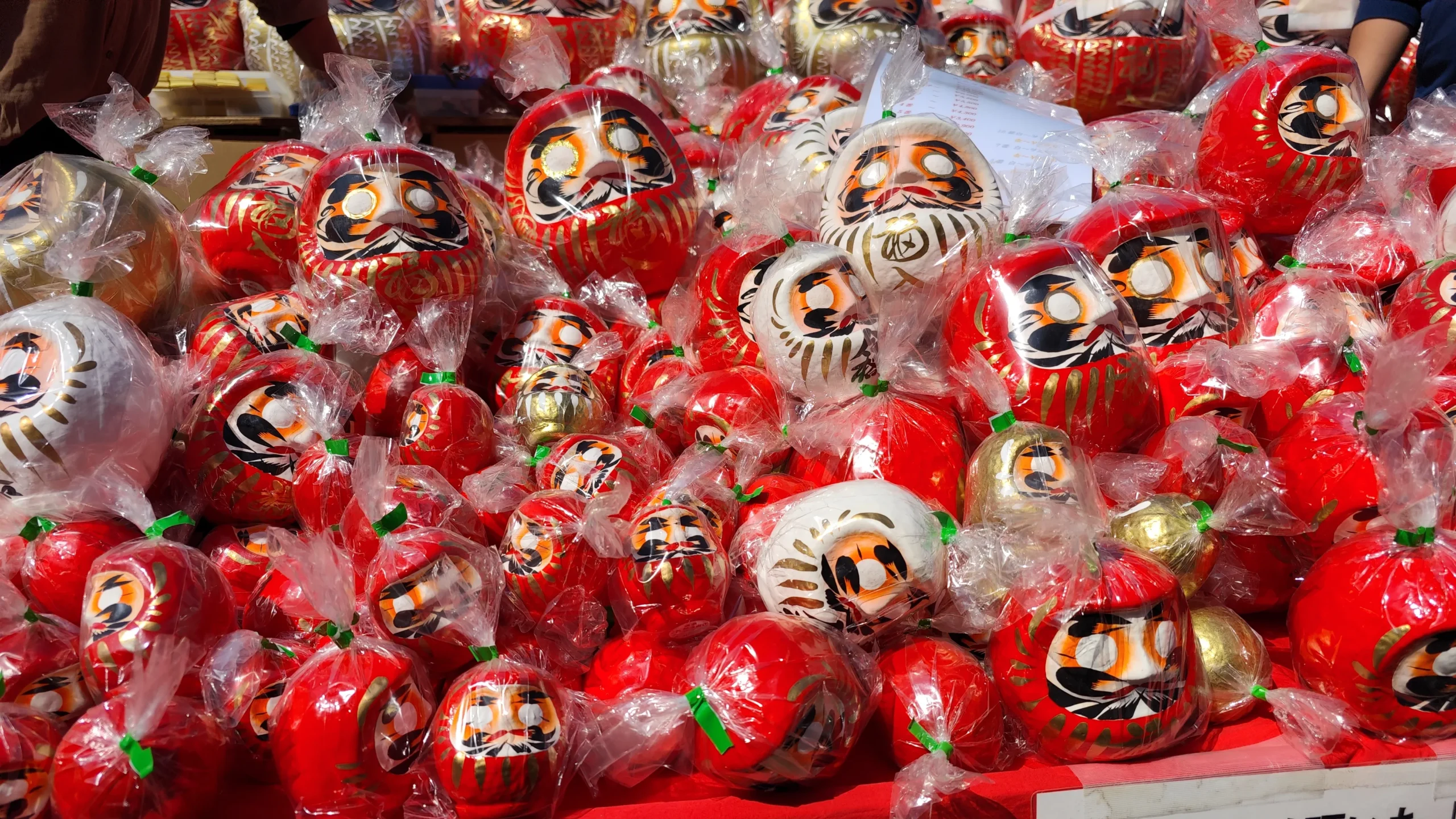
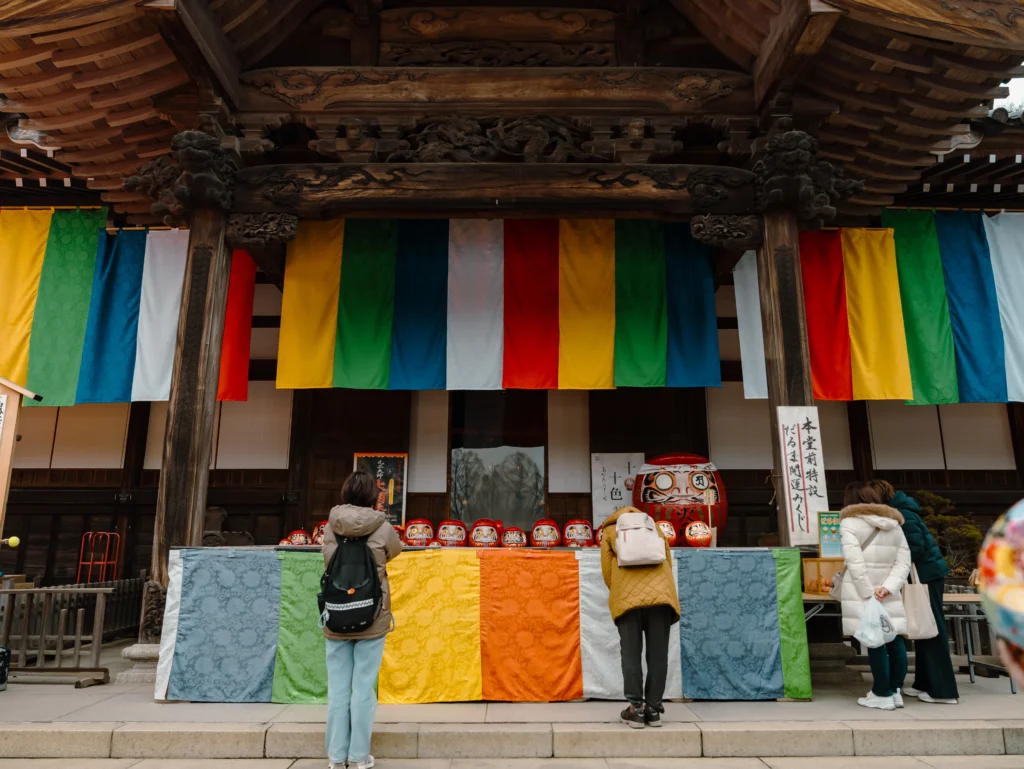
The Jindaiji Daruma Ichi, officially known as the Yakuyoke Ganzan Daishi Taisai (Grand Festival of the Amuletic Master Ganzan), is a tradition dating back to the Edo Period (1603-1867) . It’s one of the three largest and most famous daruma markets in Japan, held annually at Jindaiji Temple, one of Tokyo’s oldest temples. For two days, the temple grounds are filled with over 300 stalls selling daruma dolls of all shapes and sizes, alongside countless food vendors, creating a lively and festive atmosphere .
The Daruma Doll: A Symbol of Good Fortune
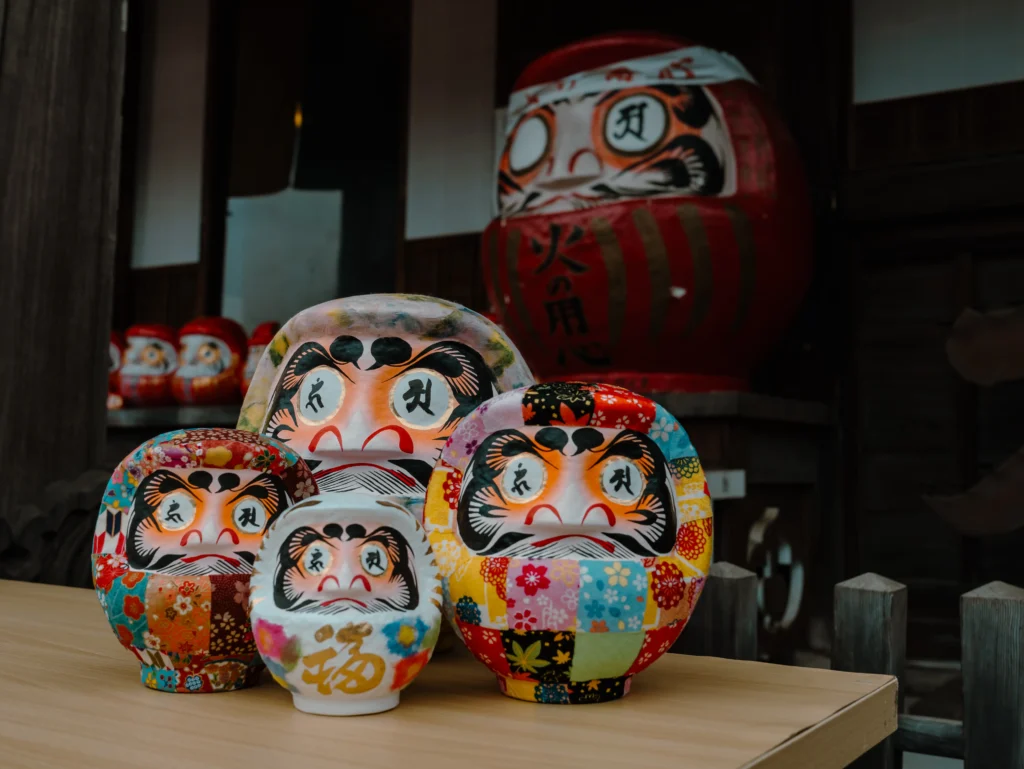
Daruma dolls are traditional Japanese wishing dolls modeled after Bodhidharma, the founder of Zen Buddhism. They are typically red, hollow, and round, designed to always return to an upright position when tipped over, symbolizing perseverance and resilience.
When you buy a daruma, both of its eyes are blank. The custom is to make a wish or set a goal and paint in the daruma’s left eye. You then place the doll somewhere visible to remind you of your goal. Once your wish is granted or your goal is achieved, you paint in the right eye to express gratitude.
The “Me-ire” Eye-Opening Ceremony: A Unique Jindaiji Tradition
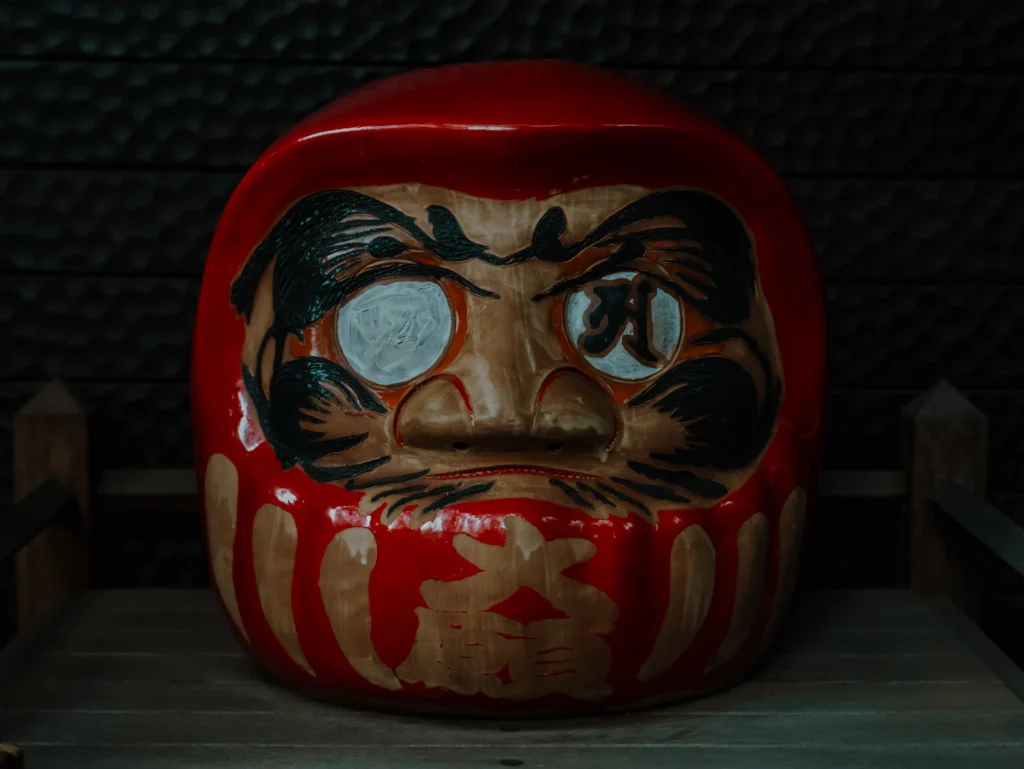
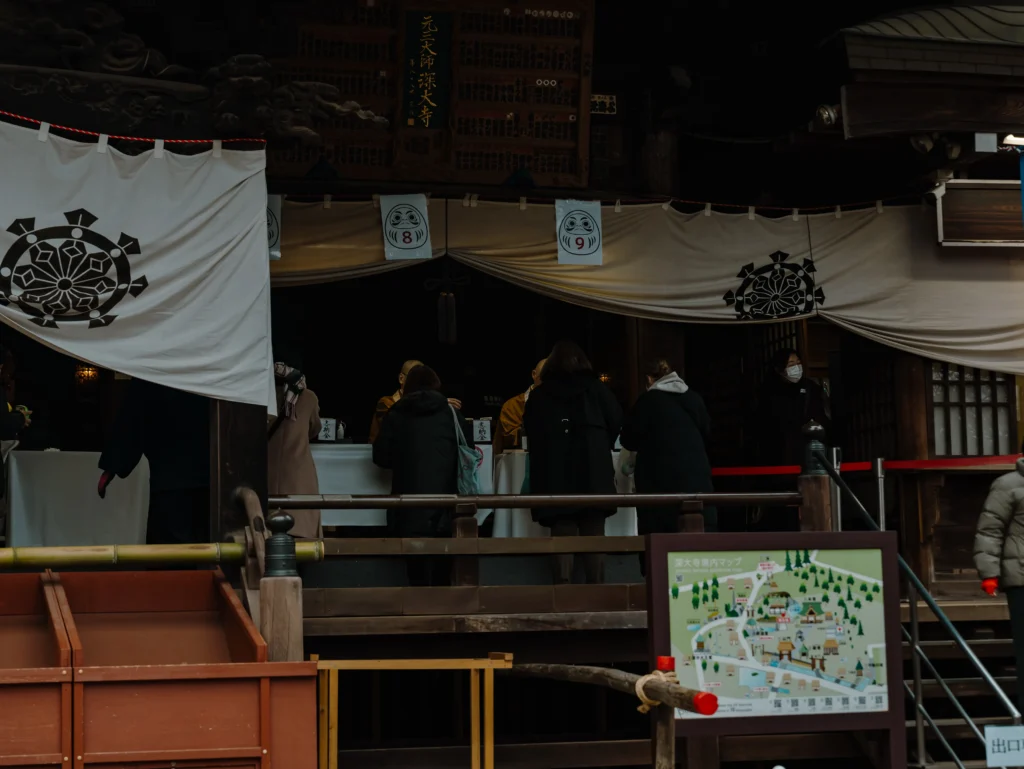
The highlight of the Jindaiji Daruma Ichi is the unique me-ire (eye-opening) ceremony. After purchasing a daruma doll from a stall, you can take it to a special booth set up in front of the Ganzan Daishi Hall. Here, a temple monk will paint the doll’s left eye for you.
What makes the Jindaiji ceremony special is the character they write. The monk will inscribe the Sanskrit character “A” (阿), representing the beginning of all things in Buddhist cosmology . This is a practice unique to Jindaiji Temple. When your wish is fulfilled and you return the doll to the temple, a monk will write the character “Un” (吽) in the right eye, symbolizing the end or fulfillment of all things.
What to Do at the Market
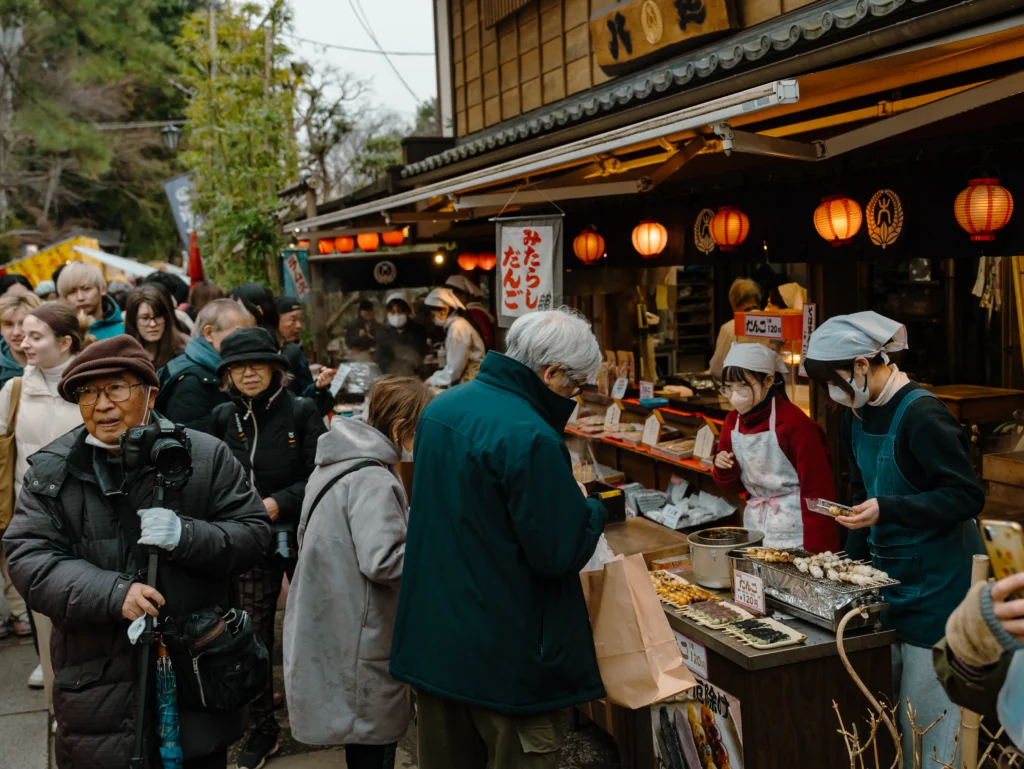
Beyond the eye-opening ceremony, the market is a feast for the senses. You can wander through the hundreds of stalls, admire the craftsmanship of the daruma dolls, and enjoy classic Japanese festival food like mitarashi dango (sweet soy-glazed rice dumplings) and yakisoba.
At 2:00 PM, you can also witness the Oneri Gyoretsu, a solemn parade of high-ranking monks in ornate robes walking through the temple grounds .
How to Get to the Jindaiji Daruma Ichi
Jindaiji Temple is not located directly next to a train station, so a short bus ride is required.
By Public Transport (Recommended):
1.Take a train to one of the nearest major stations: Chofu or Tsutsujigaoka on the Keio Line, or Kichijoji or Mitaka on the JR Chuo Line.
2.From the station, take a bus bound for “Jindaiji”. The ride takes approximately 10-15 minutes.
3.Get off at the “Jindaiji” bus stop, which is a 1-minute walk from the temple.
By Car:
Driving is not recommended due to heavy traffic and very limited parking. The temple’s official parking is reserved for specific visitors, and nearby paid parking lots fill up extremely quickly. Traffic restrictions are also common during the festival period .
Practical Tips for Your Visit
•Go on a weekday if possible:
The festival is extremely crowded, especially on the weekend if the dates fall on one.
•Bring cash:
While some vendors may accept electronic payments, cash is king at festivals.
•Wear comfortable shoes:
You will be doing a lot of walking and standing.
•Be patient:
Expect long queues, especially for the me-ire ceremony.
FAQs
Q: What time is the festival?
A: The stalls are generally open from 9:00 AM to 5:00 PM on March 3rd and 4th.
Q: Can I buy a daruma doll and not have its eye painted?
A: Yes, you can take the doll home and paint the eye yourself when you set your goal.
Q: What do I do with my old daruma doll?
A: It is customary to return old daruma dolls to the temple where they were purchased. Jindaiji has a designated spot for collecting old dolls, which are later burned in a ceremonial fire.
Sources
[1] MATCHA – Japan Travel Magazine
[2] GO TOKYO – The Official Tokyo Travel Guide

- Temomi Ramen Juhachiban: Ogikubo’s Legendary Hand-Kneaded Noodle Shop
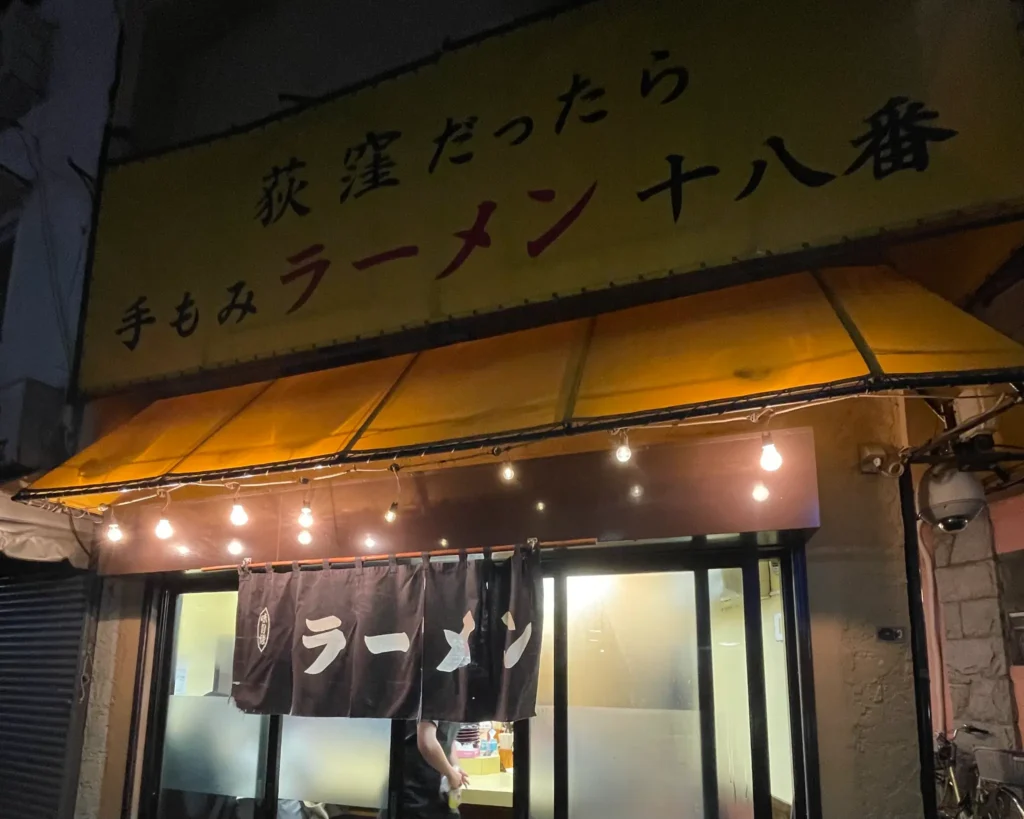 As evening settles over Ogikubo, a bustling neighborhood in Tokyo‘s Suginami ward, a bright yellow awning casts a warm, inviting glow onto the street. This is the home of Temomi Ramen… Read more: Temomi Ramen Juhachiban: Ogikubo’s Legendary Hand-Kneaded Noodle Shop
 - Mt. Fuji Cherry Blossom Guide 2026 : Forecast & Best Spots
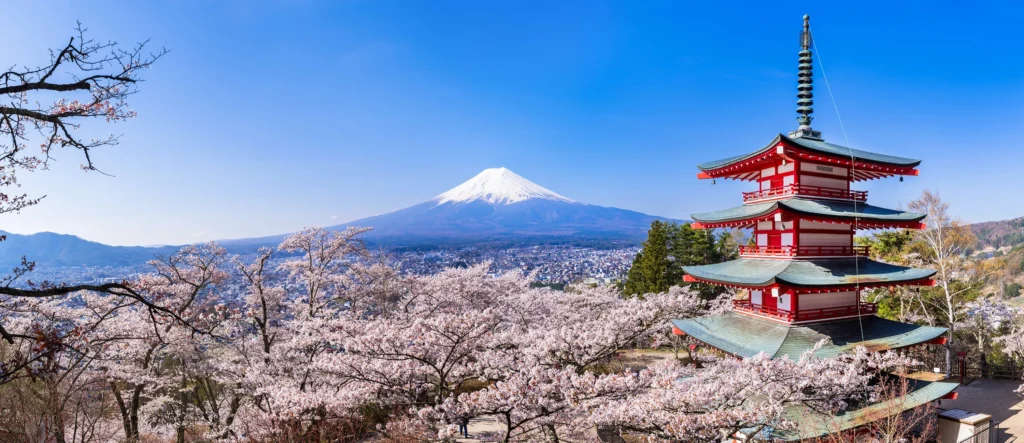 As Japan’s iconic peak, Mount Fuji provides a breathtaking backdrop for the country’s beloved cherry blossoms. While the sakura season in Tokyo and Kyoto often steals the spotlight, the Fuji Five… Read more: Mt. Fuji Cherry Blossom Guide 2026 : Forecast & Best Spots
 - Inokashira Park Cherry Blossoms 2026: A Local’s Guide to Tokyo’s Serene Hanami Spot
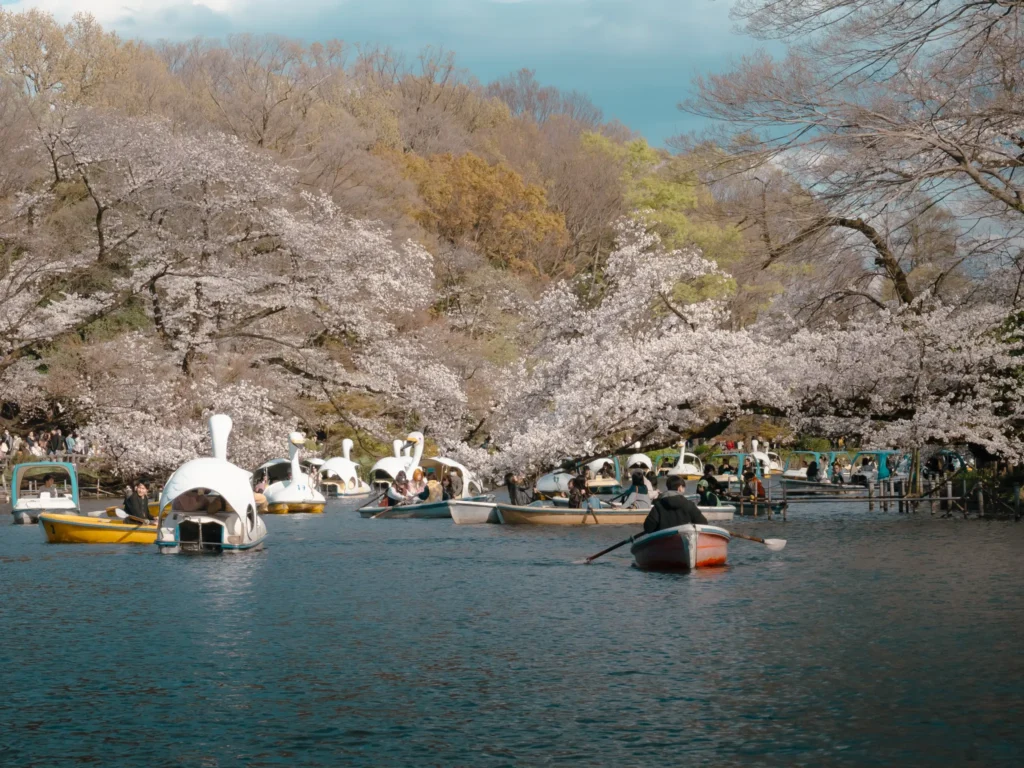 As the cherry blossom season approaches in Tokyo, many travelers dream of iconic but often crowded spots like Ueno or Yoyogi Park. But what if you could experience breathtaking sakura in… Read more: Inokashira Park Cherry Blossoms 2026: A Local’s Guide to Tokyo’s Serene Hanami Spot
 - A Visitor’s Guide to the Great Buddha of Kamakura (Kotoku-in Temple)
 Kamakura, a coastal city just south of Tokyo, is a treasure trove of temples, shrines, and historical landmarks. Yet, few are as iconic or instantly recognizable as the Great Buddha (鎌倉大仏,… Read more: A Visitor’s Guide to the Great Buddha of Kamakura (Kotoku-in Temple)
 - Ariake Ferry Kumamoto-Nagasaki Guide
 Connecting Kumamoto and Nagasaki prefectures, the Ariake Ferry offers more than just a convenient shortcut across the Ariake Sea. It’s a delightful 45-minute journey that provides a glimpse into local life,… Read more: Ariake Ferry Kumamoto-Nagasaki Guide
2026 cafe cherry blossom cherry blossoms day trip from tokyo edo period enoden flower festival fuji five lakes fujiyoshida Fukuoka hanami hiking japan japanese culture japanese food japan travel kamakura kawagoe kawaguchiko kawazu sakura Kumamoto kyoto local food Mount Fuji mt fuji Nagano new year holiday nightlife noodles oita Onsen Ramen Saga sakura Shizuoka shrine spring in japan spring travel Tokyo travel travel guide travel planning winter travel Yamanashi