![Hiroshima Food Guide 2026: Okonomiyaki, Oysters & Seto Sushi [Local's Picks]](https://hiddenjapan-gems.com/wp-content/uploads/2026/04/29856F07-18E2-4769-897E-F3CA8EC4F8AE-scaled.webp)

Last Updated: April 2026
2026 Update: While many tourists flock to Okonomimura, the original birthplace of Hiroshima-style okonomiyaki is Mitchan Souhonten. Expect 30-60 minute waits at the Hatchobori main store during dinner hours, but their Hiroshima Station (ekie) branch offers faster turnover for travelers on the go.
When you ask someone in Japan what food Hiroshima is famous for, they will immediately say two things: okonomiyaki and oysters. What they often forget to mention is the incredible seafood pulled fresh from the Seto Inland Sea. As the founder of hiddenjapan-gems.com, I’ve eaten my way through Hiroshima more times than I can count. This isn’t a list of fifty random restaurants. This is a focused guide on exactly what you need to eat in Hiroshima, where to find the absolute best versions of those dishes, and the history behind them.
From the sizzling teppan counters of Mitchan to the hand-pressed nigiri at Sushi Tatsu, here are the three essential Hiroshima food experiences you cannot miss.
Table of Contents
Quick Facts: Essential Hiroshima Foods
| Detail | Information |
| The “Big Three” | Okonomiyaki, Grilled Oysters, Seto Inland Sea Sushi |
| Best Okonomiyaki | Mitchan Souhonten (みっちゃん総本店) — The inventor of the modern style |
| Oyster Season | Peak is October–March, but available year-round |
| Best Station Sushi | Kaiten-zushi Sushi Tatsu (回転寿司 すし辰) in ekie 1F |
| Budget | ¥1,000–¥1,500 for okonomiyaki; ¥1,500–¥3,000 for sushi |
| Payment | Most established restaurants now accept IC cards (Suica/PASMO) and credit cards |
1. Hiroshima-Style Okonomiyaki at Mitchan Souhonten
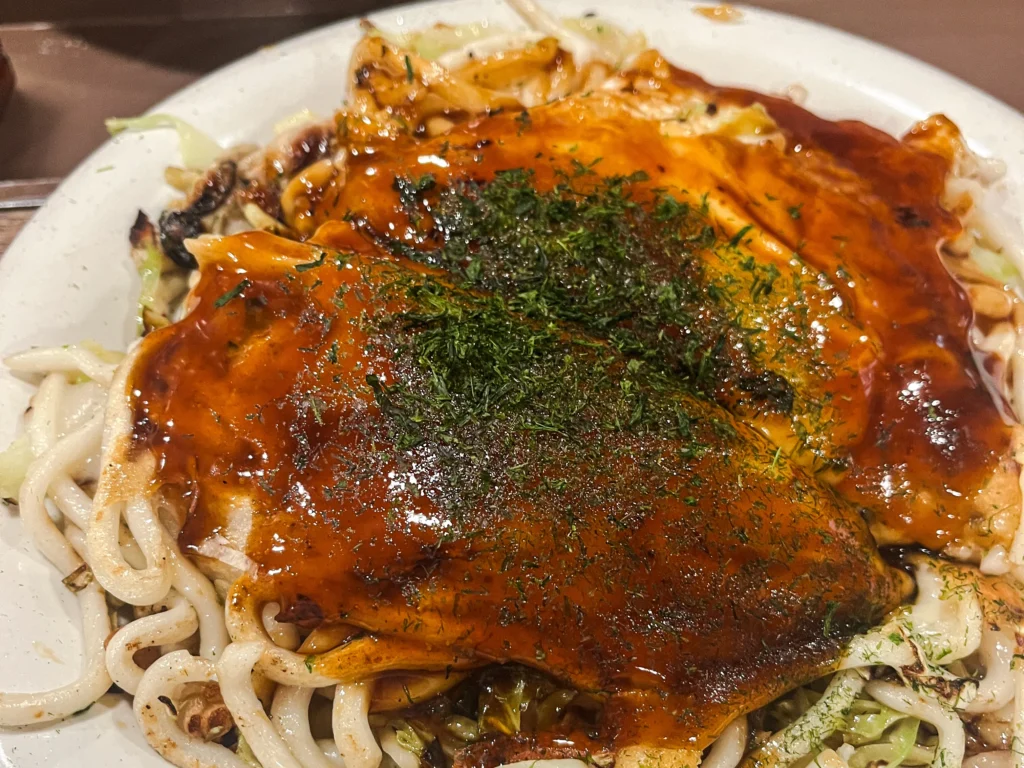
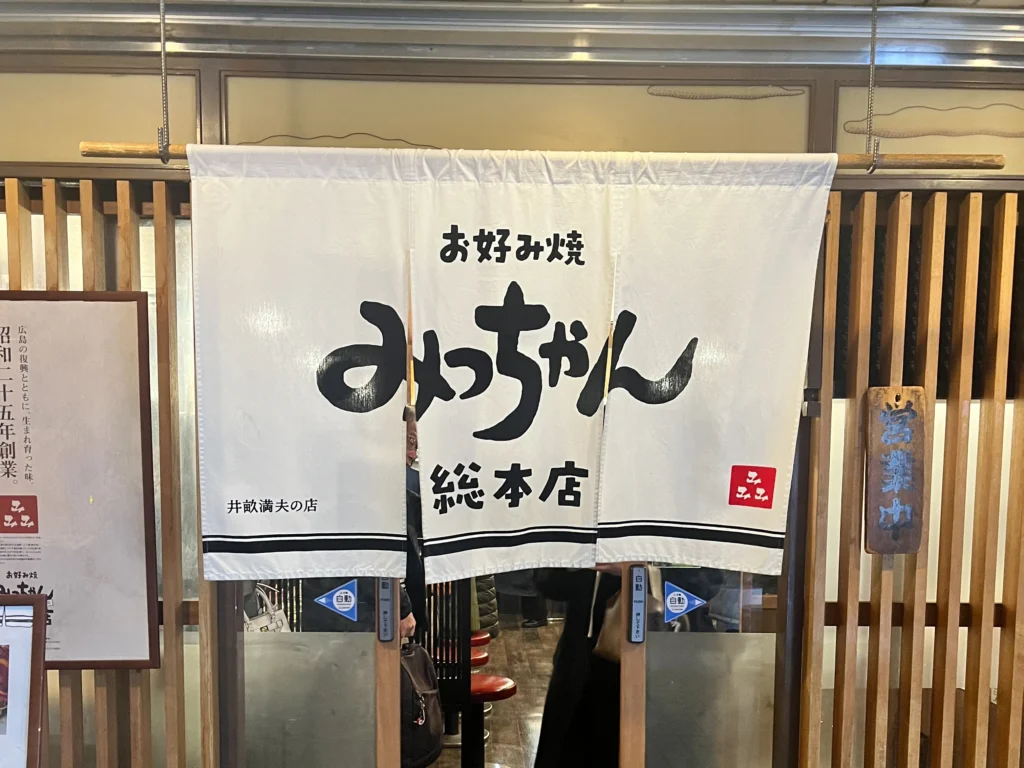
You cannot visit Hiroshima without eating okonomiyaki. And if you are going to eat okonomiyaki in Hiroshima, you should eat it at the place that invented the modern version: Mitchan Souhonten.
The History: How a 19-Year-Old Invented a Classic
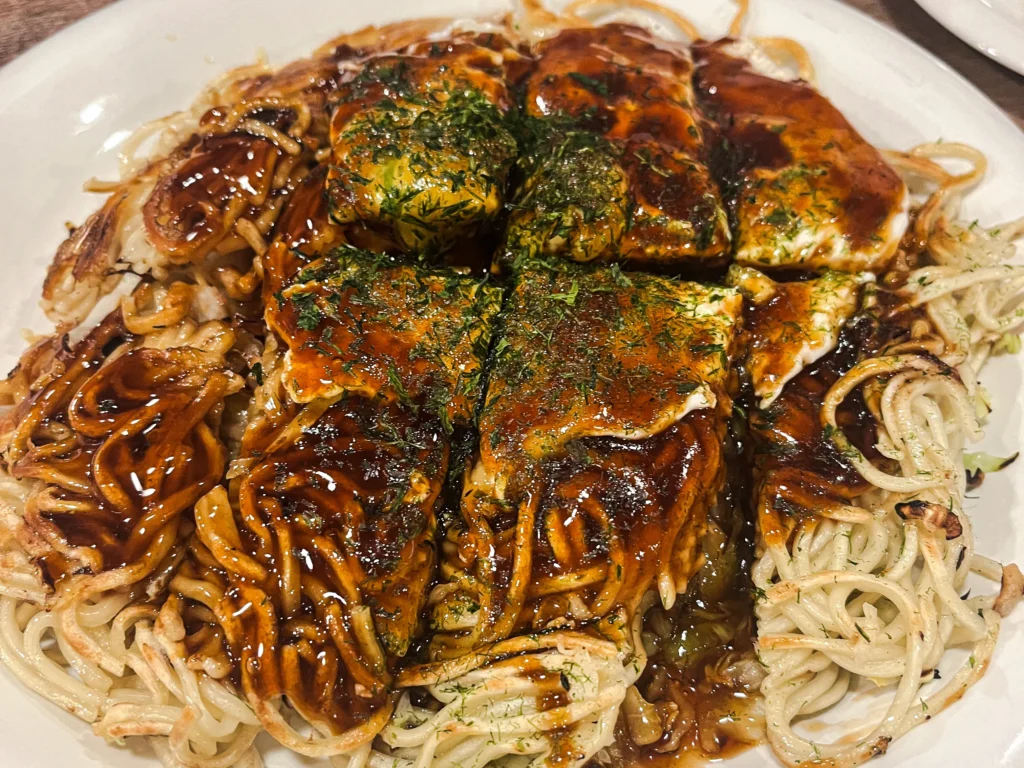
Mitchan’s founder, Ise Mitsuo, didn’t set out to invent Hiroshima-style okonomiyaki. In 1950, he was just a 19-year-old street stall cook working late nights on Chuo-dori. At the time, okonomiyaki was just a simple crepe folded over vegetables. One night, hungry after a long shift, Mitsuo stacked his leftover yakisoba noodles on top of his okonomiyaki. Customers saw it, wanted the same thing, and the “soba-iri” (noodle-included) style was born.
He also invented the practice of eating directly from the hot iron plate (teppan) using a metal spatula (hera) — a necessity born from a severe water shortage that made washing dishes impossible. Today, Mitchan is recognized across Japan as the originator of Hiroshima-style okonomiyaki.
What is the Difference Between Hiroshima and Osaka Okonomiyaki?
If you’ve eaten okonomiyaki in Osaka or Tokyo, Hiroshima style will be a completely different experience.
| Feature | Hiroshima-Style | Osaka-Style |
| Cooking Method | Layered: Batter, huge pile of cabbage, pork, noodles, and egg are cooked separately and stacked. | Mixed: All ingredients are mixed into the batter in a bowl before pouring onto the grill. |
| Noodles | Always includes a thick layer of yakisoba or udon noodles. | No noodles (yakisoba is ordered as a separate dish). |
| Texture | Thin crepe-like base, massive volume of steamed cabbage. | Thick, pancake-like consistency. |
| How to Eat | Often eaten straight from the teppan with a metal spatula. | Eaten from a plate with chopsticks. |
What to Order at Mitchan
The menu at Mitchan is built around customization, but I always recommend starting with the classics.
| Menu Item | Price (tax incl.) | Notes |
| Soba Niku Tamago (そば肉玉子) | ¥960 | The standard. Order this first. |
| Oyster Soba Niku Tamago (カキ入り) | ¥1,840 | The ultimate Hiroshima combo. |
| Special (スペシャル) | ¥1,500 | Squid + shrimp added. |
| DX Special (DXスペシャル) | ¥2,030 | Everything: negi, ika-ten, squid, shrimp, mochi. |
| Oyster topping (カキ追加) | ¥880 | Add to any okonomiyaki. |
Tip: You can choose between soba (thin yakisoba) or udon (thick noodles) at the same price. Soba is the traditional choice, but udon provides a wonderful chewy texture that many locals prefer.
Mitchan Souhonten: Practical Details
| Detail | Information |
| Hatchobori Main Store | 6-7 Hatchobori, Naka-ku, Hiroshima (チュリス八丁堀1F) |
| Hours (Weekdays) | 11:30 AM – 2:30 PM / 5:30 PM – 9:00 PM |
| Hours (Weekends) | 11:00 AM – 2:30 PM / 5:00 PM – 9:00 PM |
| Closed | Tuesday (Wednesday if Tuesday is a holiday) |
| Seats | 47 seats (counter + tables) |
| Access | 5-minute walk from Hatchobori tram stop |
| Other Branches | ekie (Hiroshima Station), Orizuru Tower (near A-Bomb Dome), Jizo-dori, Yukametown Hatsukaichi, Fukuya Hatchobori |
| Wait Times | Weekday lunch: 15–30 min. Weekends/dinner: 30 min – 1+ hour. ekie branch has faster turnover. |
2. Grilled Oysters (Yaki-gaki)
Hiroshima produces approximately 60% of all the oysters consumed in Japan. The calm, nutrient-rich waters of the Seto Inland Sea create the perfect environment for cultivating oysters that are large, plump, and deeply flavorful.
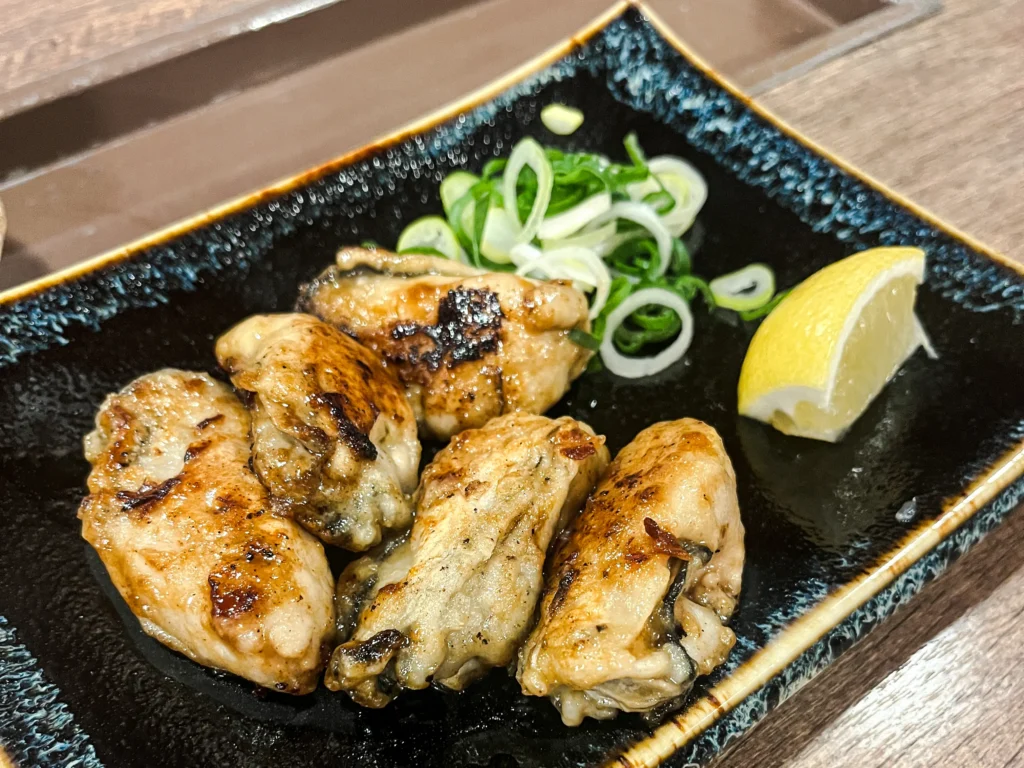
While you can find raw and fried oysters (kaki-furai) everywhere, the most authentic local preparation is yaki-gaki (grilled oysters).
Where Can I Eat Oysters in Hiroshima?
You don’t need to go to a fancy seafood restaurant to eat great oysters in Hiroshima. In fact, the best place to eat them is right alongside your okonomiyaki.
At Mitchan Souhonten, you can order a side of teppan-grilled oysters (around ¥1,150). They grill them on the same massive iron plate used for the okonomiyaki. The sizzle of the oysters hitting the hot steel, the slight char on the edges, and a simple squeeze of fresh lemon—it is absolute perfection.
If you are visiting Miyajima Island, you will also find dozens of street vendors grilling oysters over open charcoal fires. Both experiences are mandatory.
3. Seto Inland Sea Sushi at Sushi Tatsu
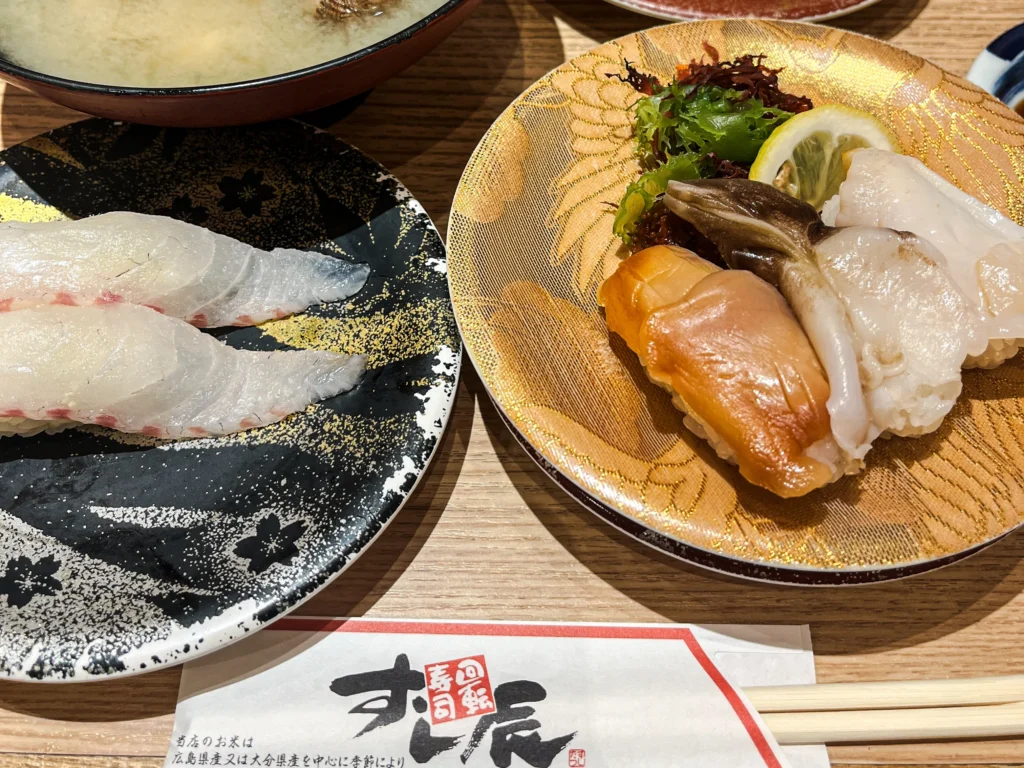
When travelers think of sushi in Japan, they usually think of Tokyo or Hokkaido. But Hiroshima’s location on the Seto Inland Sea gives it access to some of the best white fish (shiromi) and octopus in the country.
For the best balance of exceptional quality and accessibility, head to Kaiten-zushi Sushi Tatsu (回転寿司 すし辰) located right inside Hiroshima Station (ekie 1F).
Not Your Average Conveyor Belt Sushi
Sushi Tatsu isn’t the cheap, machine-pressed kaiten-zushi you might be used to. It operates more like a proper sushi counter that happens to have a belt. There are usually six skilled sushi chefs standing in the center, hand-pressing every single piece of nigiri to order. The atmosphere is loud, lively, and unmistakably local.
What to Order at Sushi Tatsu
Skip the salmon and tuna here. You are in Hiroshima to eat the local catch.
•Setouchi 5-Piece Platter (瀬戸内五貫盛り): The perfect introduction. It typically includes Madai (true red sea bream), Hamachi (yellowtail), Anago (conger eel), Aji (horse mackerel), and raw Shirasu (whitebait).
•Anago (Conger Eel): Hiroshima is famous for anago. Sushi Tatsu offers it prepared in over five different ways, from salt-grilled to simmered in sweet soy sauce.
•Tako (Octopus): The octopus from the Seto Inland Sea is renowned for its firm, snappy texture.
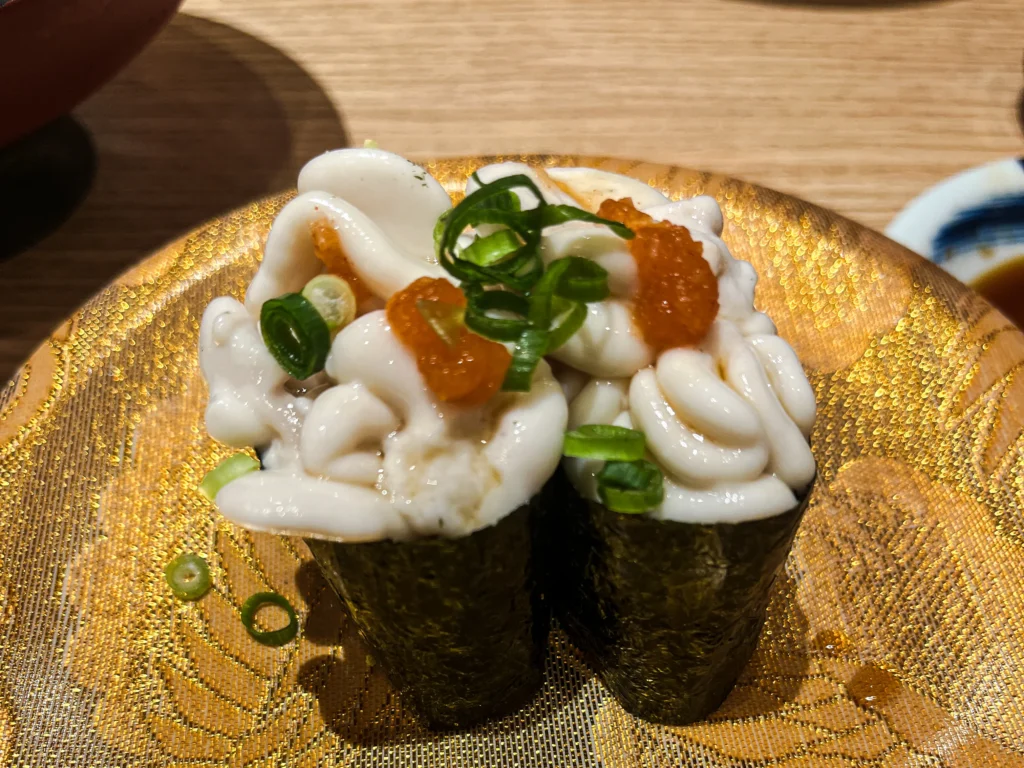
•Shirako Gunkan (Cod Milt): A seasonal winter delicacy, served with spicy grated daikon (momiji-oroshi) and ponzu.
Plates range from ¥150 to ¥500, making it incredibly affordable. Expect to spend around ¥1,500 to ¥3,000 per person for a feast.
Tips for Visitors from Southeast Asia
If you are traveling to Hiroshima from Southeast Asia, here are a few specific food tips to keep in mind:
Halal Options: Traditional okonomiyaki uses pork belly (butabara) and the standard Otafuku sauce contains meat extracts. If you require Halal food, look for restaurants explicitly marked as Halal-friendly. The popular restaurant Nagataya (near the Peace Park) offers a dedicated Halal menu and vegetarian options.
Vegetarian Okonomiyaki: Finding truly vegetarian okonomiyaki can be tricky because the batter often contains dashi (fish stock), and it is cooked on the same grill as pork. Always ask “Niku nashi, dashi nashi de dekimasu ka?” (Can you make it without meat and fish stock?).
Payment & IC Cards: Both Mitchan (ekie branch) and Sushi Tatsu accept credit cards and IC cards (like Suica or ICOCA). This makes paying incredibly smooth. If you don’t have an IC card yet, read our guide on how to get and use IC cards in Japan.
Budget-Friendly Convenience Store Options: If you are watching your budget, Japanese convenience stores (7-Eleven, Lawson, FamilyMart) offer surprisingly good food. Onigiri (rice balls, ¥120–180), bento boxes (¥400–600), and nikuman (steamed pork buns, ¥170) are filling and available 24 hours. Many onigiri fillings are naturally pork-free (salmon, tuna mayo, kelp), making them a safe option for travelers with dietary restrictions.
Suggested Hiroshima Food Itinerary
If you only have one day in Hiroshima, here is how to structure your eating:
| Time | Activity & Food |
| Morning | Visit the Hiroshima Peace Memorial Park to pay your respects. |
| Lunch | Walk 15 minutes to Mitchan Souhonten (Hatchobori) for Okonomiyaki and Grilled Oysters. Arrive by 11:30 AM to beat the worst of the lunch rush. |
| Afternoon | Take the tram and ferry to Miyajima Island. Snack on Momiji Manju (maple-leaf shaped cakes) and street-grilled oysters. |
| Dinner | Return to Hiroshima Station. Head to the ekie dining floor (1F) for Seto Inland Sea Sushi at Sushi Tatsu. |
Book a Hiroshima Food Tour: Want a local to guide you through the back alleys and hidden izakayas? Book a highly-rated Hiroshima evening food tour on Klook.
Getting to Hiroshima: Search Shinkansen tickets and transport options on Trip.com.
For a broader look at navigating the country, check out our complete guide to traveling around Japan in 2026.
Frequently Asked Questions About Hiroshima Food
What food is Hiroshima famous for?
Hiroshima is most famous for Hiroshima-style okonomiyaki (a savory layered pancake with noodles), oysters cultivated in the Seto Inland Sea, and anago (conger eel). The region is also known for momiji manju (maple-leaf shaped cakes) and spicy tsukemen noodles.
Where is the best okonomiyaki in Hiroshima?
While there are over 2,000 okonomiyaki restaurants in the city, Mitchan Souhonten is widely considered the best and most historically significant, as the founder invented the modern “soba-iri” (noodle-included) style. The Hatchobori main store offers the most authentic atmosphere, while the Hiroshima Station (ekie) branch is most convenient.
What is the difference between Hiroshima and Osaka okonomiyaki?
The main difference is the cooking method. Osaka-style mixes all ingredients (batter, cabbage, meat) together before grilling it like a thick pancake. Hiroshima-style layers the ingredients separately—batter, a massive pile of cabbage, pork, and a thick layer of yakisoba or udon noodles—before topping it with a fried egg.
Where can I eat oysters in Hiroshima?
You can eat excellent oysters almost anywhere in Hiroshima. For a casual experience, order teppan-grilled oysters alongside your okonomiyaki at restaurants like Mitchan. For street food, visit Miyajima Island where vendors grill them over charcoal. The peak season for fresh oysters is October through March.
What should I eat at Hiroshima Station?
Hiroshima Station is an excellent food destination. Head to the “ekie” dining complex on the first floor. You can eat authentic Hiroshima okonomiyaki at the Mitchan ekie branch, or enjoy incredible local Seto Inland Sea seafood at Kaiten-zushi Sushi Tatsu.
Is okonomiyaki vegetarian?
Standard okonomiyaki is not vegetarian. It contains pork belly, and the batter is usually made with dashi (fish stock). However, an increasing number of restaurants in Hiroshima now offer specific vegetarian or vegan okonomiyaki menus upon request.
Conclusion
Eating in Hiroshima is an active, noisy, and deeply satisfying experience. It is the sound of metal spatulas clattering against hot iron, the smell of sweet Otafuku sauce caramelizing on the grill, and the taste of fresh seafood pulled from the waters just a few miles away.
Don’t overthink it. Grab a seat at the teppan, order a cold beer, ask for the Soba Niku Tamago, and enjoy one of the best food cities in Japan.
If you’re heading south after Hiroshima and want to explore more incredible seafood, read our guide to the Konagai Oyster Huts in Nagasaki. And if you’re curious how another regional food icon operates, check out our deep dive into Ichiran’s headquarters in Fukuoka.
Stay in Hiroshima: Looking for a hotel near the station or Peace Park? Search Hiroshima hotels on Agoda for the best rates.
Sources checked
Mitchan Souhonten Official, Otafuku Okonomiyaki History, Sushi Tatsu ekie. Last verified April 2026.

- Hiroshima & Miyajima in One Day 2026: Route Under ¥10,000
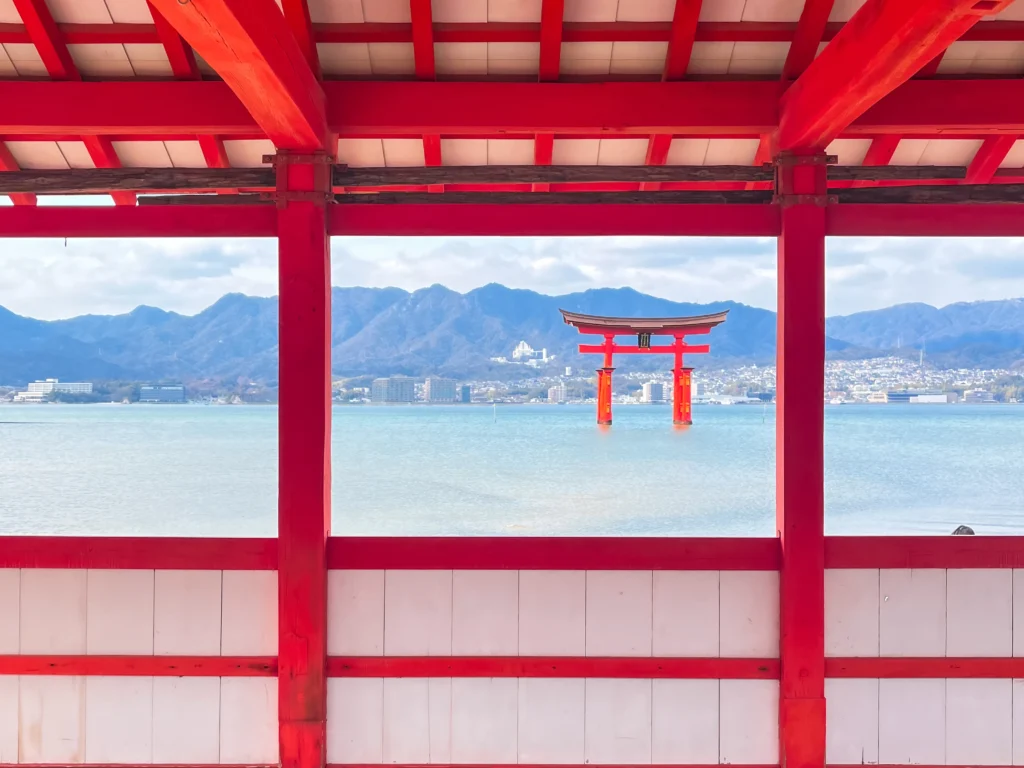 Last Updated: April 2026 2026 Update: The 3.5-year renovation of Itsukushima Shrine’s Great Torii is completely finished, and the gate is fully visible without scaffolding. However, the five-story pagoda is… Read more: Hiroshima & Miyajima in One Day 2026: Route Under ¥10,000
 - Hiroshima Food Guide 2026: Okonomiyaki, Oysters & Seto Sushi [Local’s Picks]Last Updated: April 2026 2026 Update: While many tourists flock to Okonomimura, the original birthplace of Hiroshima-style okonomiyaki is Mitchan Souhonten. Expect 30-60 minute waits at the Hatchobori main store… Read more: Hiroshima Food Guide 2026: Okonomiyaki, Oysters & Seto Sushi [Local’s Picks]
- Hiroshima Peace Memorial Park 2026: 7 Key Monuments & Museum Guide [With Map]
![Hiroshima Peace Memorial Park 2026: 7 Key Monuments & Museum Guide [With Map]](https://hiddenjapan-gems.com/wp-content/uploads/2026/04/66F0DEA7-C53A-43F3-8E1E-E0C25C7CE60A-1024x768.webp) Last Updated: April 2026 2026 Update: The Peace Memorial Museum now requires web reservations for early morning (7:30 AM) and extended evening hours during peak seasons. Book your time slot… Read more: Hiroshima Peace Memorial Park 2026: 7 Key Monuments & Museum Guide [With Map]
Last Updated: April 2026 2026 Update: The Peace Memorial Museum now requires web reservations for early morning (7:30 AM) and extended evening hours during peak seasons. Book your time slot… Read more: Hiroshima Peace Memorial Park 2026: 7 Key Monuments & Museum Guide [With Map] - Miyajima Island 2026: Floating Torii, 5 Must-Eat Foods & Ferry Guide [With Tide Tips]
![Miyajima Island 2026: Floating Torii, 5 Must-Eat Foods & Ferry Guide [With Tide Tips]](https://hiddenjapan-gems.com/wp-content/uploads/2026/04/9072AC0A-2F14-4FAC-8BD4-28DF503F9096-1024x768.webp) 2026 Update The 3.5-year renovation of Itsukushima Shrine’s Great Torii is completely finished, and the gate is fully visible without scaffolding. However, the five-story pagoda is currently undergoing roof renovations… Read more: Miyajima Island 2026: Floating Torii, 5 Must-Eat Foods & Ferry Guide [With Tide Tips]
2026 Update The 3.5-year renovation of Itsukushima Shrine’s Great Torii is completely finished, and the gate is fully visible without scaffolding. However, the five-story pagoda is currently undergoing roof renovations… Read more: Miyajima Island 2026: Floating Torii, 5 Must-Eat Foods & Ferry Guide [With Tide Tips]
2026 cherry blossom cherry blossoms day trip from tokyo flower festival fuji five lakes fujiyoshida Fukuoka fushimi hanami hiking japan japanese culture japanese food japanese garden japan travel kamakura kawagoe kawaguchiko Kumamoto kyoto local food Mount Fuji mt fuji Nagano nature Nikko Oku-Nikko Onsen Ramen saitama sakura Shizuoka shrine sightseeing snow spring in japan Tochigi Tokyo travel travel guide travel planning winter winter travel Yamanashi