

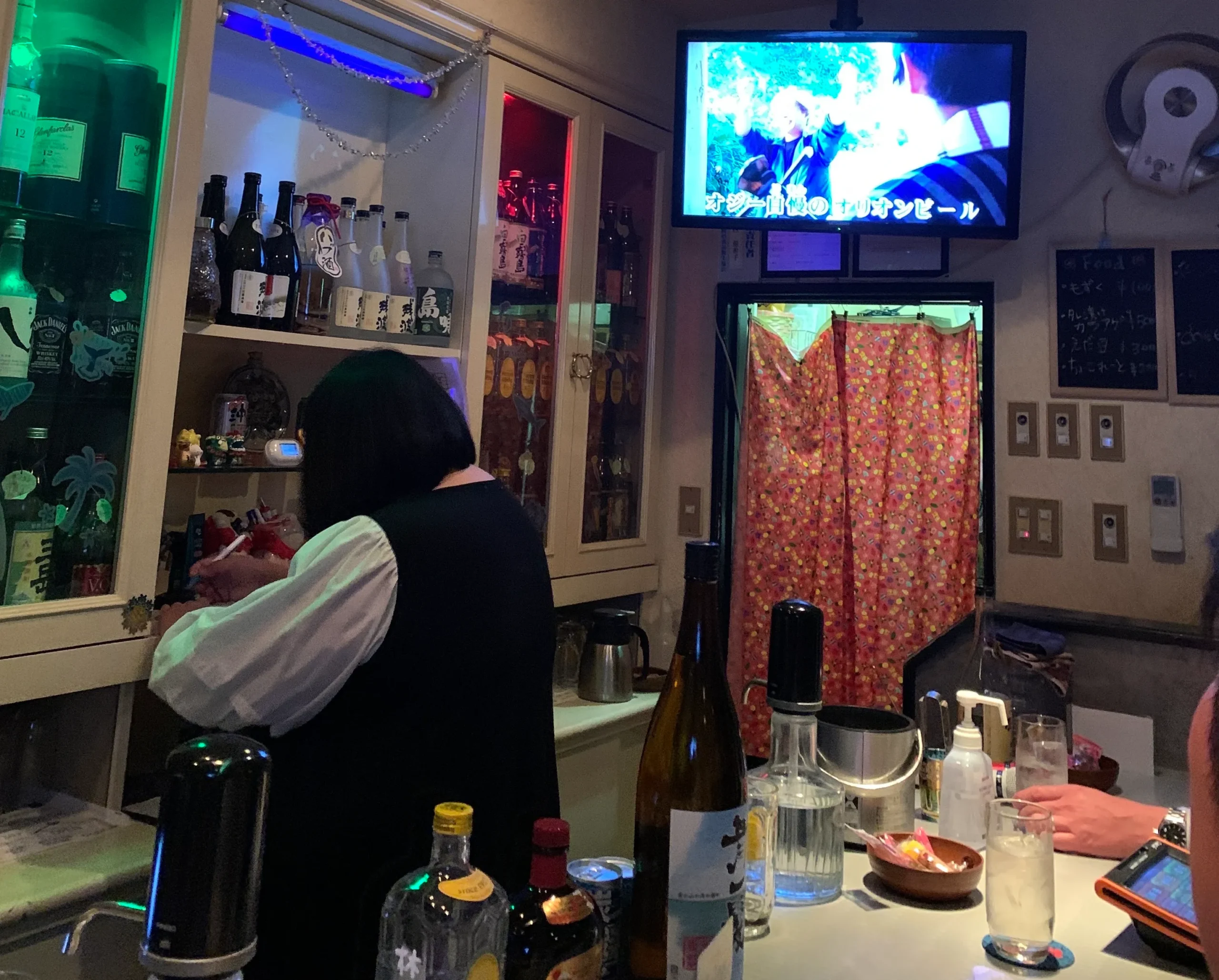

Step into a narrow alleyway in Tokyo, away from the dazzling glare of Shibuya Crossing, and you might stumble upon a discreet doorway with a simple sign: 「スナック」 (sunakku).

For decades, these small, intimate bars were the cherished domains of middle-aged salarymen. But now, a surprising revival is underway.

A new generation of young Japanese locals—and increasingly, curious international visitors—are rediscovering the unique charm of the snack bar.
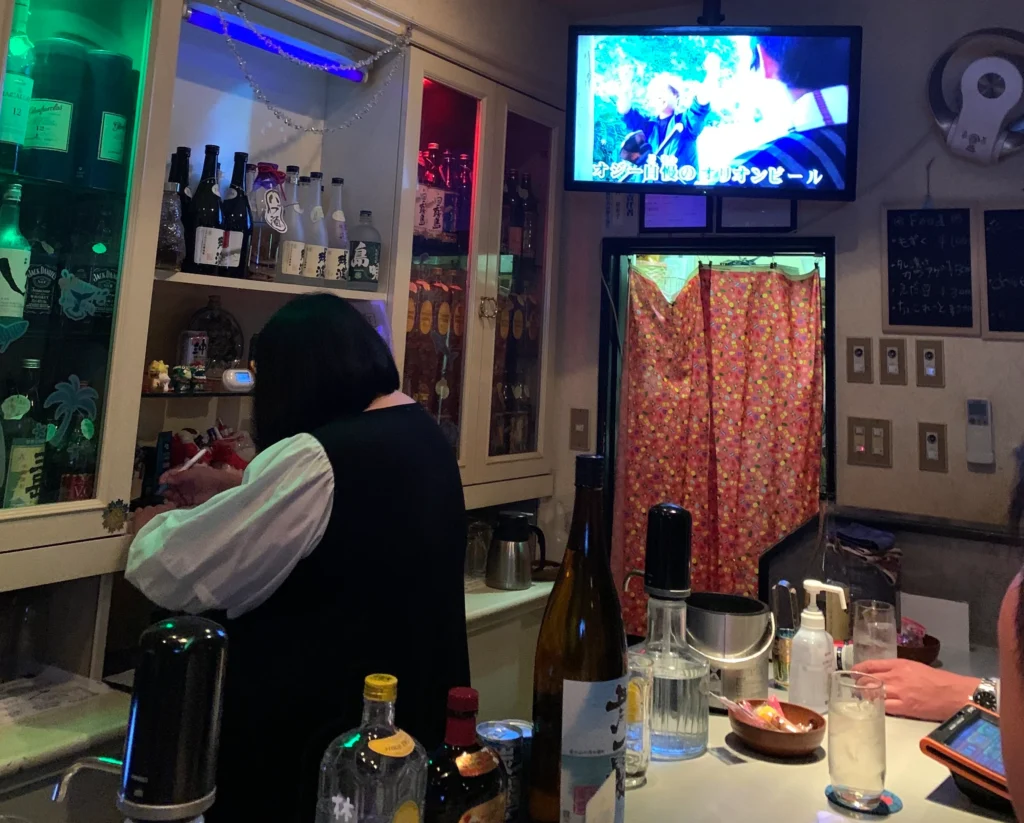
This isn’t just a wave of nostalgia. It’s a reinvention. From modern “neo-snack” bars run by young entrepreneurs to traditional spots finding a fresh audience, the culture is evolving. This guide will explain what a Japanese snack bar is, why it’s capturing the hearts of today’s youth, and how you can confidently step inside for an authentic local experience.
Table of Contents
What Exactly Is a Japanese “Snack” Bar?
First, let’s clarify what a snack bar is not. It is not a hostess club, where the primary service involves paid flirtatious company . A snack bar, or sunakku, is a much more wholesome and community-oriented establishment. Think of it as a cozy, home-like bar presided over by a charismatic owner, affectionately known as the “Mama-san” (or sometimes “Master”).
The main purpose isn’t just serving drinks or food—though you’ll find plenty of both. The true essence of a snack bar is communication. It’s a space designed for conversation, connection, and a sense of belonging. The Mama-san acts as a host, confidant, and the social glue that holds the room together, often connecting patrons who arrive as strangers and leave as friends .
“We often describe snack bars as places where you can experience Japan’s drinking culture in the most intimate and approachable way. Even if you visit for the first time, you can feel as if you’ve been invited into a friend’s home.” — Mayuko Igarashi, Snack Yokocho Culture Inc.
Why Are Snack Bars Making a Comeback Among Japan’s Youth?
The resurgence of snack bars among people in their 20s and 30s is driven by a deeper cultural shift. After years of social distancing, many young people are seeking genuine, face-to-face interactions that feel more meaningful than what typical bars or digital life can offer .
Several factors contribute to this trend:
•A Craving for Human Connection:
The pandemic highlighted the importance of real-world relationships. Snack bars offer a warm, welcoming environment where conversation flows naturally, facilitated by the Mama-san .
•The Appeal of Retro Culture:
For the Z世代 (Gen Z), the Showa-era aesthetic of many snack bars—with their vintage decor and classic karaoke tunes—feels fresh, new, and highly “Instagrammable.” It’s a non-ordinary experience that stands out from modern, cookie-cutter establishments .
•Affordability in an Expensive Era:
With rising prices, the straightforward and often budget-friendly pricing of many snack bars, especially compared to high-end clubs, is a significant draw for a younger demographic conscious of their spending .
The Rise of the “Neo-Snack”: A Modern Twist on a Classic
Leading this revival is a new category of snack bar often called a “neo-snack” or “new-snack.” These are either old establishments taken over by younger owners or entirely new ventures that blend the traditional snack bar spirit with modern sensibilities.
Here’s a quick comparison:
| Feature | Traditional Snack Bar | Neo-Snack Bar |
| Atmosphere | Often smoky, dimly lit, focused on regulars. | Often non-smoking, brighter, welcoming to newcomers. |
| Mama-san/Staff | Typically an older, experienced Mama-san. | Younger Mama-sans and staff (20s-30s), often with day jobs. |
| Pricing | Can be opaque, with unclear cover charges. | Clear, upfront pricing, often posted on Instagram. |
| Karaoke | A central feature, often with older songs. | May or may not have karaoke; if so, a wider music selection. |
| Online Presence | Minimal to none. Relies on word-of-mouth. | Active on social media (especially Instagram) to show atmosphere. |
These neo-snacks have lowered the barrier to entry, making the culture accessible to first-timers, women, and international visitors who might have felt intimidated by the exclusive feel of traditional spots .
How to Enjoy a Snack Bar: A Guide for First-Timers
Ready to visit one? Here’s what you need to know about the cost and etiquette.
Understanding the Pricing System
The cost structure can seem confusing at first, but it’s usually based on a set fee system. This is a time-based charge (e.g., per hour or for the whole evening) that covers your seat and basic amenities.
•Set Fee (セット料金):
Typically ranges from ¥2,000 to ¥5,000. This usually includes a seat charge, a small snack called otoshi (お通し), ice and water for your drinks, and unlimited karaoke .
•Drinks:
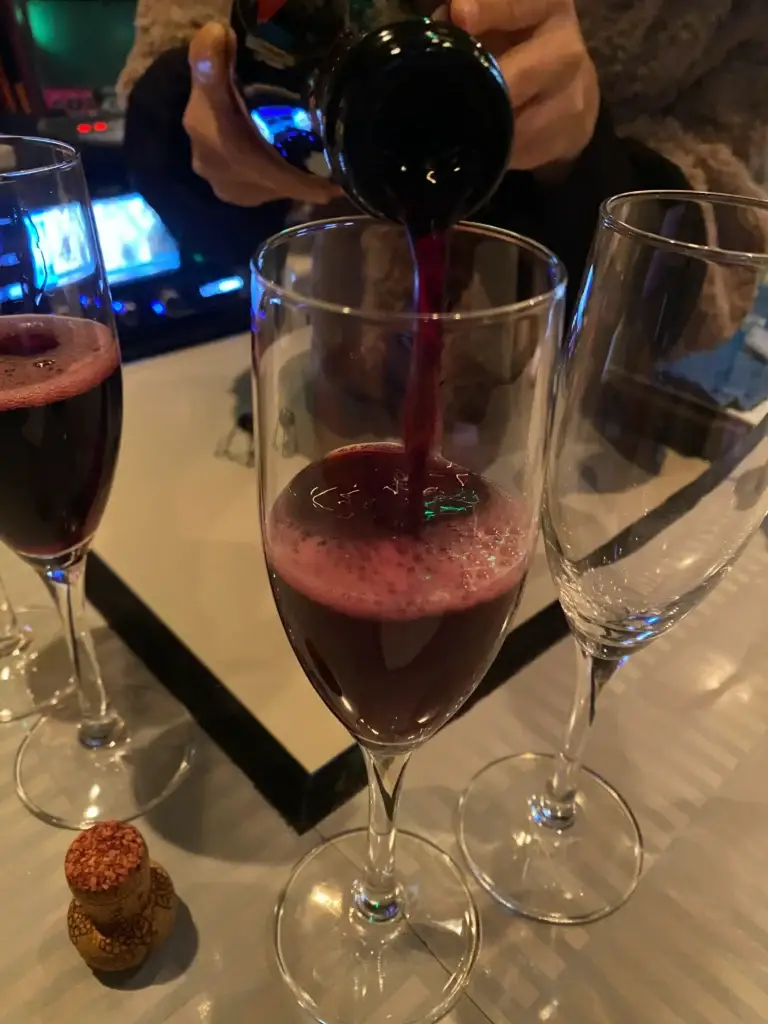
The set fee may include unlimited basic drinks (like shochu), or you might pay per drink. A common and cost-effective system is bottle keep (botoru kiipu), where you buy a full bottle of spirits (like whiskey or shochu) and the bar stores it for you with your name on it for future visits .
•Karaoke:
Usually included in the set fee, but some places might charge a small fee per song (e.g., ¥200-¥500) .
Pro Tip: When you enter, it’s perfectly acceptable to ask the Mama-san, “Ichi-jikan de, ikura gurai desu ka?” (How much is it for one hour?) to get a clear idea of the cost.
Basic Etiquette
Snack bars are all about respecting the shared atmosphere (ba no kuuki).
1.Engage with the Mama-san: The Mama-san is the heart of the bar. A simple greeting and a bit of conversation go a long way.
2.Be Open to Conversation: Don’t be surprised if the Mama-san or another customer strikes up a conversation. It’s part of the experience.
3.Order a Drink: These are drinking establishments, so it’s polite to order at least one drink.
4.Sing Your Heart Out (Respectfully): If there’s karaoke, feel free to participate! But be mindful not to hog the microphone. Take turns with other patrons.
5.Don’t Overstay Your Welcome (Unless Invited): Pay attention to closing times and be respectful of the Mama-san’s schedule.
Finding a “Neo-Snack” in Tokyo
While many traditional snack bars remain hidden, neo-snacks are often easier to find on Google Maps and Instagram. Here are a few examples mentioned in recent media to give you an idea of the scene :
•Snack Suika (Hiroo): A hybrid snack and gyoza bar with a cute, watermelon-themed interior.
•Karaoke Stand Canpy (Shimokitazawa): A pop-art, American diner-style space hidden inside another izakaya, known for its friendly vibe.
•Yoru Kissa Sayashi (Gakugei-daigaku): A spot where you can enjoy natural wine while singing 90s J-pop hits.
FAQs
Q: Are snack bars expensive?
A: Not necessarily. While high-end snack bars in areas like Ginza can be pricey, most local and neo-snack bars are quite affordable, with set fees often ranging from ¥2,000 to ¥4,000 for an hour or two of fun .
Q: Can foreigners enter any snack bar?
A: This is a sensitive point. Traditionally, many snack bars have been regulars-only and may be hesitant to accept non-Japanese speakers due to the language barrier and the importance of communication. However, neo-snacks are generally much more welcoming. For a guaranteed positive experience, consider a guided tour or look for places with an online presence that indicates they are open to tourists .
Q: Do I have to sing karaoke?
A: Not at all! While karaoke is a popular activity, it’s perfectly fine to just enjoy the drinks, snacks, and conversation.
A New Chapter for a Japanese Institution
The revival of the snack bar is more than a trend; it’s a testament to the enduring human need for community and connection. By blending Showa-era charm with modern inclusivity, these establishments are writing a new chapter for a beloved Japanese institution. So next time you’re in Japan, venture beyond the usual tourist spots and open the door to a snack bar. You might just find your new favorite home away from home.
References
[1] Nippon.com. (2018). Legend of the Night: An Introduction to Japanese Snack Bars.
[2] BBC Travel. (2026). Inside the secret world of Japanese snack bars.
[3] Yahoo! News Japan. (2026). 「スナック」「大衆酒場」「純喫茶」が再ブーム 令和の若者たちが集う理由とは?.
[4] Pinzuba News. (2025). 「ニュースナック」が若者に人気 アフターコロナでZ世代が熱視線…専門家が「昭和からの変化」を徹底解説.
[5] OZmall. (2025). じわじわブームの進化系スナック.
[6] Snack Yokocho. (2024). How Much Do Snack Bars Cost? A Detailed Breakdown of Pricing Structures!.

- Umenomiya Taisha: Kyoto’s Hidden Gem for Sake, Cats, and Blessings
 Imagine stepping off a quiet residential street in western Kyoto and finding yourself in a serene sanctuary, where the air is fragrant with plum blossoms and friendly cats lounge in… Read more: Umenomiya Taisha: Kyoto’s Hidden Gem for Sake, Cats, and Blessings
 - Jonangu Shrine: Kyoto’s Guardian of Directions and Imperial History
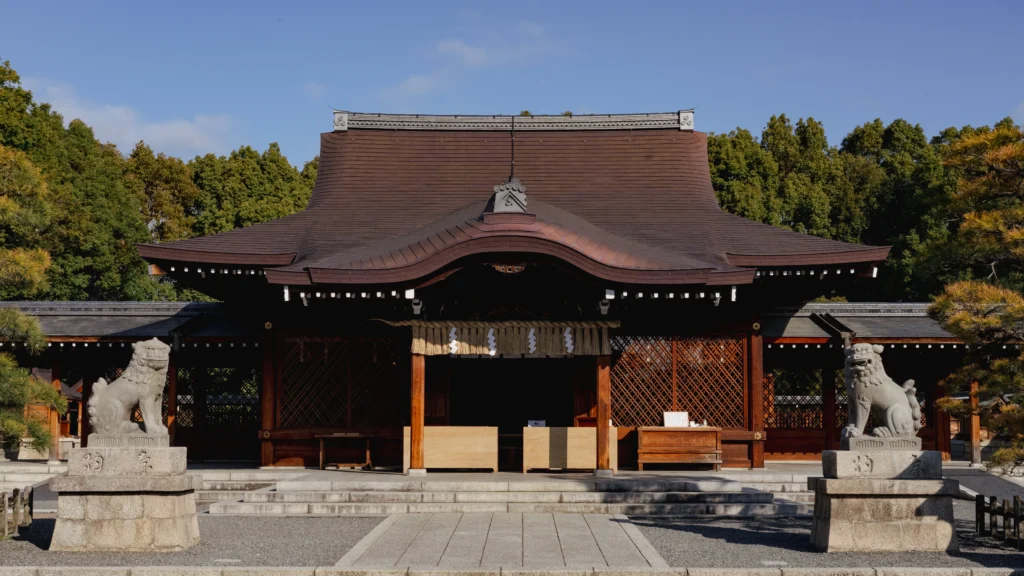 Imagine standing at a place that has not only guarded the southern gateway to Kyoto for over 1,200 years but has also been a pivotal stage for Japan’s most dramatic… Read more: Jonangu Shrine: Kyoto’s Guardian of Directions and Imperial History
 - Jonangu Shrine’s Weeping Plums: A Guide to Perfect Timing
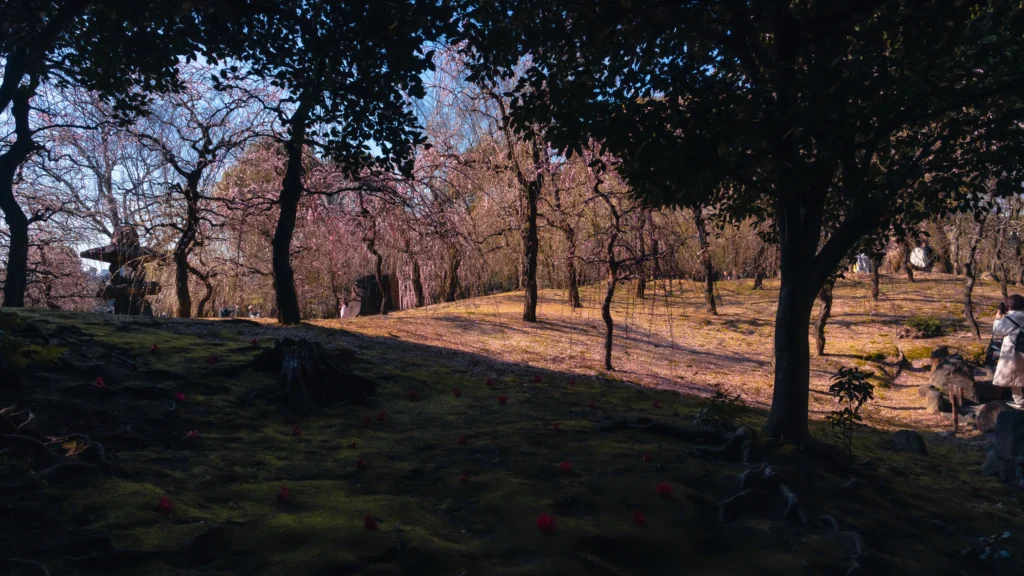 You’ve seen the photos on social media: a breathtaking canopy of pink weeping plum blossoms, so dense it looks like a floral sky. This is the magic of Jonangu Shrine… Read more: Jonangu Shrine’s Weeping Plums: A Guide to Perfect Timing
 - Getting Around Japan: The Ultimate Guide to Trains, Buses & the JR Pass (2026)
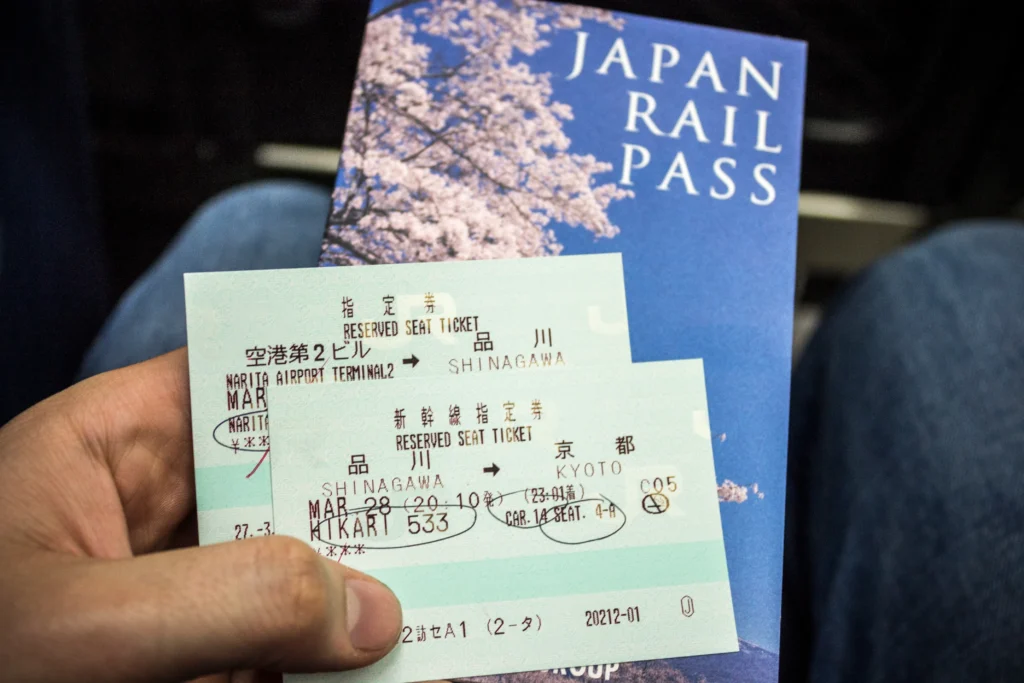 Navigating Japan’s transportation system can seem as complex and intricate as a Tokyo subway map, but it’s also one of the most efficient, punctual, and rewarding travel networks in the… Read more: Getting Around Japan: The Ultimate Guide to Trains, Buses & the JR Pass (2026)
 - How to Get to Japan: The Complete Flight & Airport Guide for 2026
 Planning a trip to Japan in 2026? The moment you start searching for flights is when the journey truly begins. That first glimpse of Mt. Fuji from your airplane window… Read more: How to Get to Japan: The Complete Flight & Airport Guide for 2026





[…] you’ve heard about Japan’s famous sunakku, or snack bars. Maybe you’ve seen them in movies or read about their recent revival. But what […]