
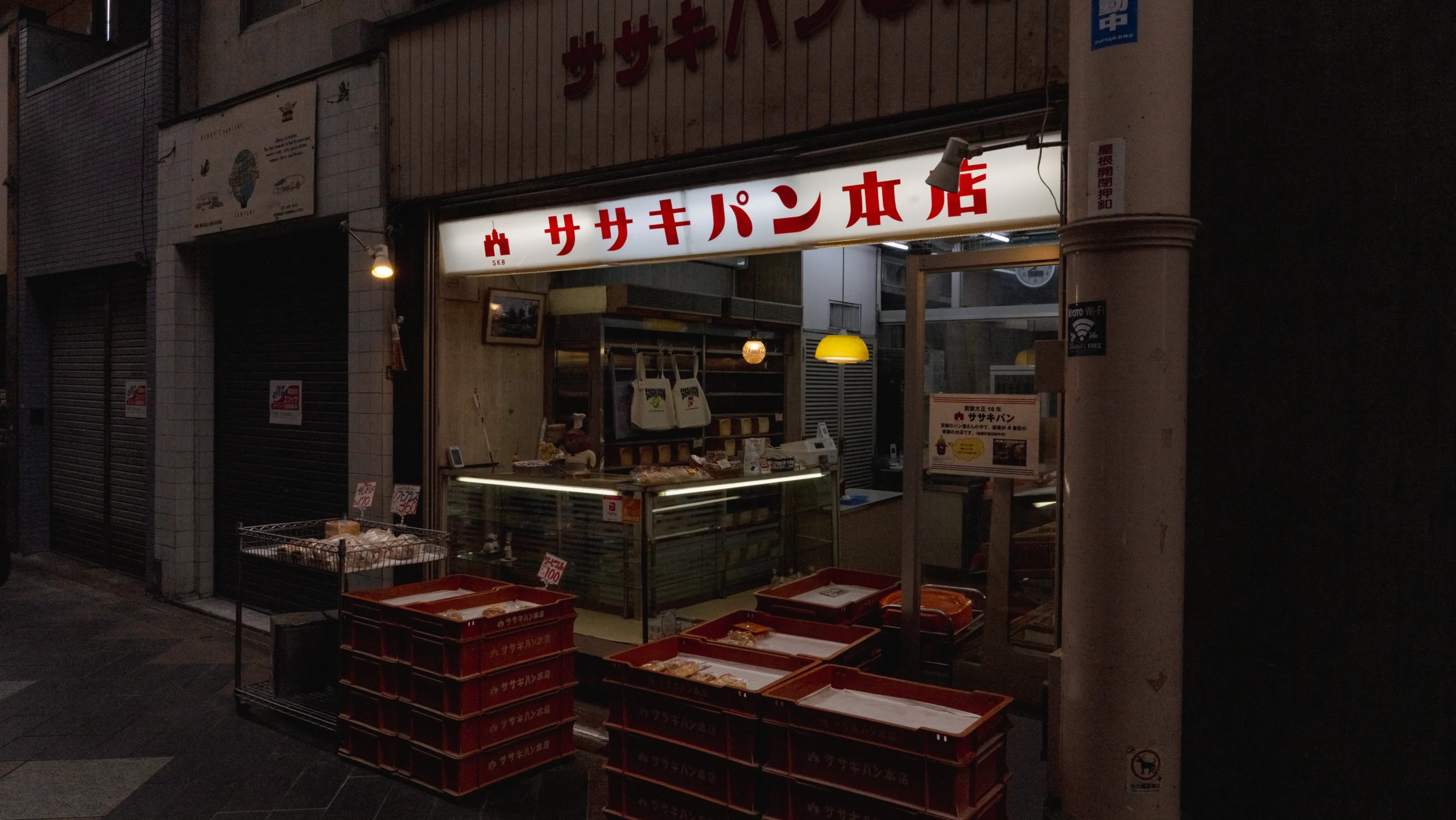

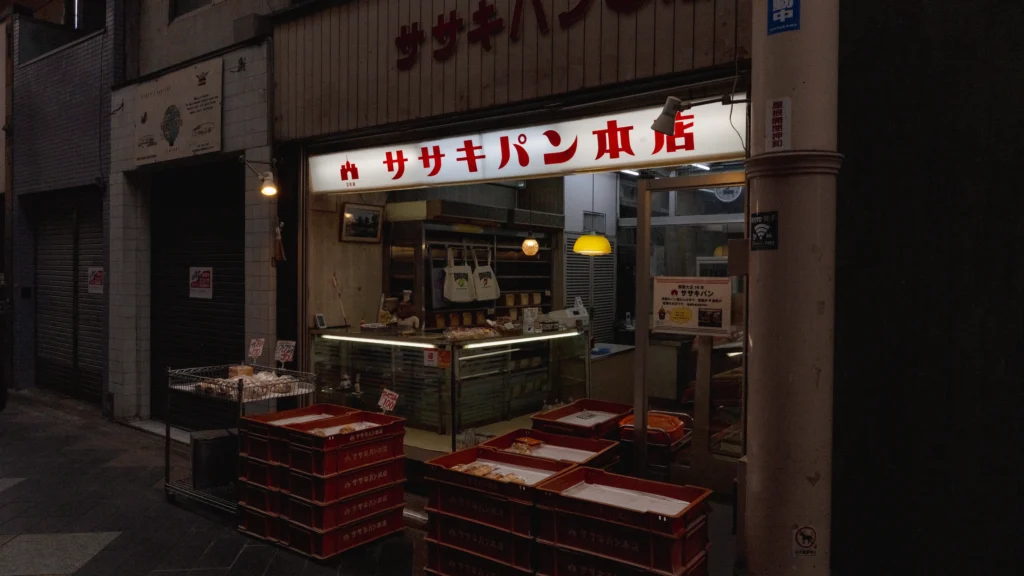
Step into the Nayamachi Shopping Arcade in Kyoto’s Fushimi district, and you might feel like you’ve traveled back in time. Amidst the modern shops, a warm glow emanates from a storefront with a distinctly nostalgic charm. This is Sasaki Pan Honten, a beloved local bakery that has been serving the community since 1921.
As the founder of hiddenjapan-gems.com, I’m always searching for authentic experiences that tell a story, and Sasaki Pan is a living museum of Japanese baking history. This isn’t a trendy, modern patisserie; it’s a place where recipes from the Showa era are preserved, where the famous rugby-ball-shaped “Kyoto-style” melon pan still reigns supreme, and where the friendly smiles of the Sasaki family have welcomed customers for over a century. If you’re looking to experience a true piece of local Kyoto life, this guide will introduce you to the history, signature breads, and undeniable charm of Sasaki Pan.
Table of Contents
Quick Facts
| Item | Details |
| Opening Hours | 07:00 – 17:30 (Closed on Tuesdays) |
| Price Range | Most items ¥130 – ¥260 |
| Time to Spend | 15-20 minutes |
| Nearest Station | 5-min walk from Fushimi-Momoyama Station (Keihan Line) |
| Address | 117 Nayamachi, Fushimi-ku, Kyoto |
| Payment | Cash, PayPay (Cards/E-money not accepted) |
| Reservations | Not possible (Take-out only) |
| Website | No official website, Instagram: @sasakipan_nayamachi |
| Founded | 1921 |
Overview: A Century of Baking History
Sasaki Pan Honten is not just a bakery; it’s a cherished local institution in Kyoto’s Fushimi-Momoyama district. Established in 1921, it predates the area’s official incorporation into Kyoto City, giving it a unique identity rooted in the rich history of Fushimi as a castle town and a bustling port for sake brewing. As the founder of hiddenjapan-gems.com, I find that Sasaki Pan offers a rare and authentic glimpse into Japan’s Showa-era (1926-1989) culture. The current fourth-generation owner, Koji Sasaki, explains, “We didn’t try to be retro; we just stayed the same, and eventually, we became retro.” This philosophy is evident in every detail, from the vintage-style packaging to the recipes that have remained unchanged for over 60 years. Visiting this bakery offers more than just delicious bread; it provides a tangible connection to a bygone era, a time when a simple loaf of bread was a symbol of craftsmanship and community.
The Story Behind the Famous “Kyoto-Style” Melon Pan
One of Sasaki Pan’s most iconic items is its unique “Melon Pan” (¥130). Unlike the round, cookie-crusted version known globally, the traditional Kyoto-style melon pan is shaped like a rugby ball. This shape is said to resemble the makuwauri, a type of oriental melon that was the inspiration for the name long before modern cantaloupes were common in Japan.
According to local history, the recipe was standardized by the Kyoto Bakers’ Association in the 1950s. It specified a rugby-ball-shaped bun with a sweet white bean paste (shiro-an) filling and a cookie-dough topping. While many bakeries have since adopted the round “sunrise” style, Sasaki Pan is one of only a handful of shops in Kyoto that continues to make this nostalgic treat. The bread bag itself is a piece of history, featuring the original “Sasaki Kinryudo Bakery” (S.K.B.) logo and the word “全糖” (zen-tō), which proudly declared that the bread was made with 100% real sugar during an era when artificial sweeteners were common.
Best Time to Visit
To get the best selection, it’s recommended to visit in the morning. The bakery opens at 7:00 AM, and various breads are baked throughout the day. Key baking times are:
•French Bread: 7:00 AM and 12:00 PM
•Shokupan (White Bread): 8:30 AM, 10:00 AM, and 1:00 PM
•Kashi Pan (Sweet Buns): From 9:00 AM onwards
The bakery is a popular spot for locals, so it can get busy, especially in the morning and around lunchtime. However, the queue moves quickly. Visiting on a weekday morning will give you a more relaxed experience and a wider variety of freshly baked goods to choose from.
How to Get There
Sasaki Pan Honten is conveniently located inside the covered Nayamachi Shopping Arcade, making it an easy stop regardless of the weather.
By Train:
•From Fushimi-Momoyama Station (Keihan Line): Take the main exit and walk for about 5 minutes. The entrance to the Nayamachi Shopping Arcade will be on your right.
•From Momoyama-Goryo-mae Station (Kintetsu Kyoto Line): It is a 7-minute walk from the station.
Step-by-Step from Fushimi-Momoyama Station:
1.Exit the station and turn right onto the main street (Otesuji-dori).
2.Walk straight for about 200 meters. You will see the entrance to the Otesuji Shopping Arcade on your left, but continue straight.
3.Just past the Otesuji arcade, you will find the entrance to the Nayamachi Shopping Arcade on your left.
4.Enter the arcade, and Sasaki Pan will be on your right-hand side after a short walk.
What to Eat: From Retro Classics to Daily Staples
With over 60 types of bread, most of which are based on recipes from the 1950s and 60s, choosing can be a delightful challenge. Here are a few must-try items:
1.Melon Pan (¥130 ): The star of the show. A rugby-ball-shaped bun with a delicate cookie crust and a sweet white bean paste filling. A true taste of old Kyoto.
2.Koukyu Sando (Luxury Sandwich) (¥200): Don’t let the name fool you; its “luxury” comes from the variety, not the price. This sandwich pack usually contains a mix of tamago (egg), ham, and fruit sandwiches. It’s a perfect light lunch.
3.Line (¥130): A simple, charming roll filled with buttercream and topped with a red jelly candy. Its nostalgic appearance and sweet flavor are a hit with all ages.
4.Shokupan (from ¥170): The bakery’s soft and fluffy white bread is a daily staple for many local families. It’s perfect for toast or sandwiches.
5.French Bread (from ¥60): Baked twice a day, this classic bread has a crispy crust and a soft interior, perfect for pairing with local Fushimi sake and cheese.
Practical Tips
•Bring Cash: While PayPay is accepted, credit cards and other forms of e-money are not. It’s best to have some yen on hand.
•Take-out Only: There is no seating area in the bakery. It’s designed for you to grab your bread and go.
•Check the Day: The bakery is closed on Tuesdays, so plan your visit accordingly.
•Explore the Arcade: The Nayamachi Shopping Arcade is full of other small, traditional shops. Take some time to explore before or after your visit to Sasaki Pan.
•Language: While the staff may not be fluent in English, they are very friendly and welcoming. Pointing at what you want works perfectly fine. You may also see a multilingual welcome banner, showing their hospitality to international visitors.
Suggested Mini-Itinerary in Fushimi
Make the most of your trip to Fushimi with this half-day itinerary that combines history, food, and culture.
Start your day at the famous Fushimi Inari Shrine. Explore the thousands of red torii gates before the biggest crowds arrive.
Take the Keihan Line from Fushimi-Inari Station to Fushimi-Momoyama Station (a 5-minute ride).
Head straight to Sasaki Pan Honten in the Nayamachi Shopping Arcade. Grab a “Koukyu Sandwich” for a quick lunch and a “Melon Pan” for dessert. Enjoy your bread while strolling through the charming, retro arcade.
Explore the Fushimi Sake District. Visit the Gekkeikan Okura Sake Museum to learn about the history of sake brewing and enjoy some tastings. Many breweries in the area offer tours and samples.
Take a leisurely boat ride on the Horikawa River, which was once a key transport route for sake barrels.
Strategic FAQ Section
Q1: What makes Sasaki Pan’s melon pan different from others?
A1: Sasaki Pan’s melon pan is a traditional “Kyoto-style” version, which is shaped like a rugby ball and contains a sweet white bean paste (shiro-an) filling. This is different from the more common round, cookie-crust-only version. It represents a historical recipe that is now rare even in Kyoto.
Q2: Is Sasaki Pan a good place for a quick breakfast in Kyoto?
A2: Absolutely. It opens at 7:00 AM and is just a 5-minute walk from Fushimi-Momoyama Station. You can grab a variety of freshly baked breads, from sweet buns to savory sandwiches, making it a perfect and affordable breakfast spot before a day of sightseeing in Fushimi.
Q3: What is the atmosphere like inside Sasaki Pan?
A3: The atmosphere is warm, welcoming, and authentically retro. The shop has remained largely unchanged since 1970, featuring vintage display cases and signage. It feels less like a tourist spot and more like a beloved neighborhood bakery where locals have been shopping for generations.
Q4: Can I pay with a credit card at Sasaki Pan?
A4: No, credit cards and most e-money are not accepted. You can pay with cash or the QR code payment app PayPay. It is best to have some Japanese yen with you.
Q5: What are the must-try breads besides the melon pan?
A5: Besides the famous melon pan, you should try the “Koukyu Sando” (a variety sandwich pack), the “Line” (a nostalgic buttercream roll), and their classic “Shokupan” (soft white bread), which is a local favorite.
Q6: Is Sasaki Pan worth visiting if I’m not in the Fushimi area?
A6: Yes, especially if you are interested in authentic Japanese culture and food history. It’s a short train ride from central Kyoto and can be easily combined with a visit to the Fushimi Inari Shrine or the Fushimi Sake District, offering a unique experience you won’t find in more tourist-heavy areas.
Conclusion
Sasaki Pan Honten is more than just a place to buy bread; it’s a portal to a simpler time. It stands as a proud guardian of Kyoto’s culinary heritage, resisting the urge to modernize and instead preserving the authentic flavors and atmosphere of the Showa era. A visit here is a chance to support a century-old family business and to taste history in the form of a humble, delicious melon pan. For any traveler seeking to go beyond the temples and shrines and connect with the true heart of Kyoto, a stop at this legendary bakery is an essential and rewarding experience.
Sources checked
•Tabelog: https://tabelog.com/kyoto/A2601/A260601/26007164/
•Souda Kyoto Blog: https://souda-kyoto.jp/blog/00146.html

- Umenomiya Taisha: Kyoto’s Hidden Gem for Sake, Cats, and Blessings
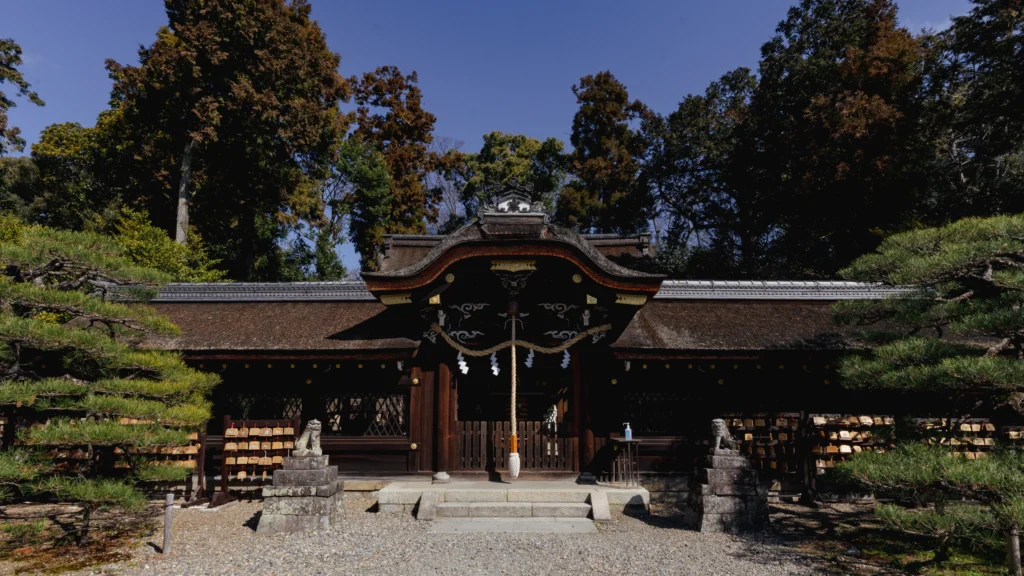 Imagine stepping off a quiet residential street in western Kyoto and finding yourself in a serene sanctuary, where the air is fragrant with plum blossoms and friendly cats lounge in… Read more: Umenomiya Taisha: Kyoto’s Hidden Gem for Sake, Cats, and Blessings
 - Jonangu Shrine: Kyoto’s Guardian of Directions and Imperial History
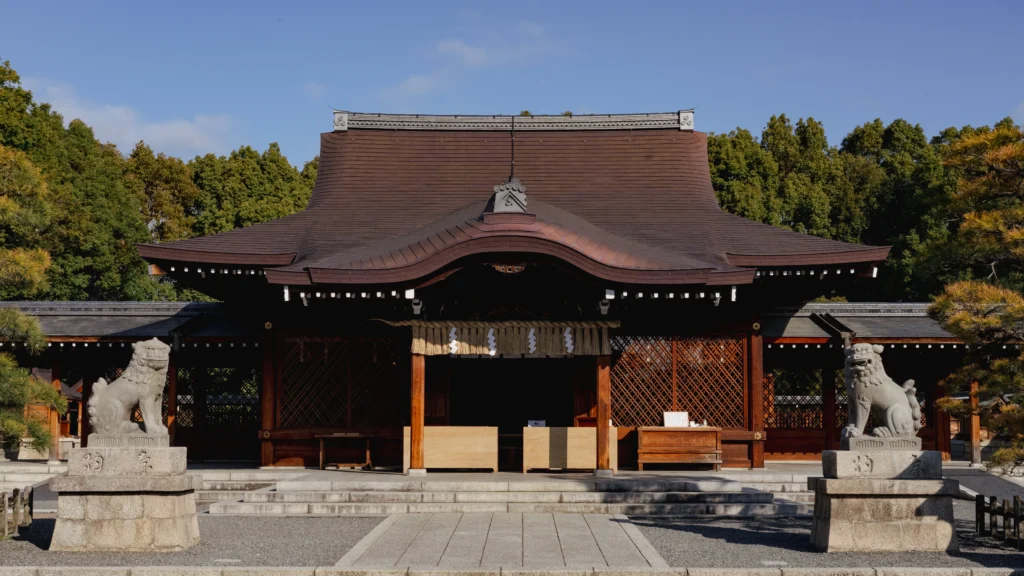 Imagine standing at a place that has not only guarded the southern gateway to Kyoto for over 1,200 years but has also been a pivotal stage for Japan’s most dramatic… Read more: Jonangu Shrine: Kyoto’s Guardian of Directions and Imperial History
 - Jonangu Shrine’s Weeping Plums: A Guide to Perfect Timing
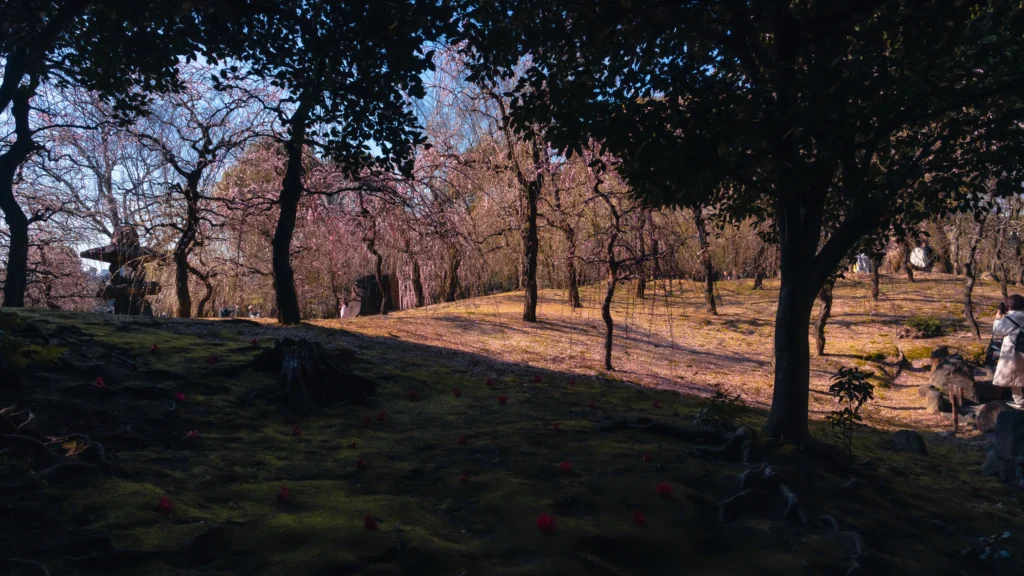 You’ve seen the photos on social media: a breathtaking canopy of pink weeping plum blossoms, so dense it looks like a floral sky. This is the magic of Jonangu Shrine… Read more: Jonangu Shrine’s Weeping Plums: A Guide to Perfect Timing
 - Sasaki Pan: A Taste of Showa-Era Japan at Kyoto’s Legendary Retro BakeryStep into the Nayamachi Shopping Arcade in Kyoto’s Fushimi district, and you might feel like you’ve traveled back in time. Amidst the modern shops, a warm glow emanates from a… Read more: Sasaki Pan: A Taste of Showa-Era Japan at Kyoto’s Legendary Retro Bakery
- Gokonomiya Shrine: A Spiritual Oasis in Kyoto’s Fushimi Sake District
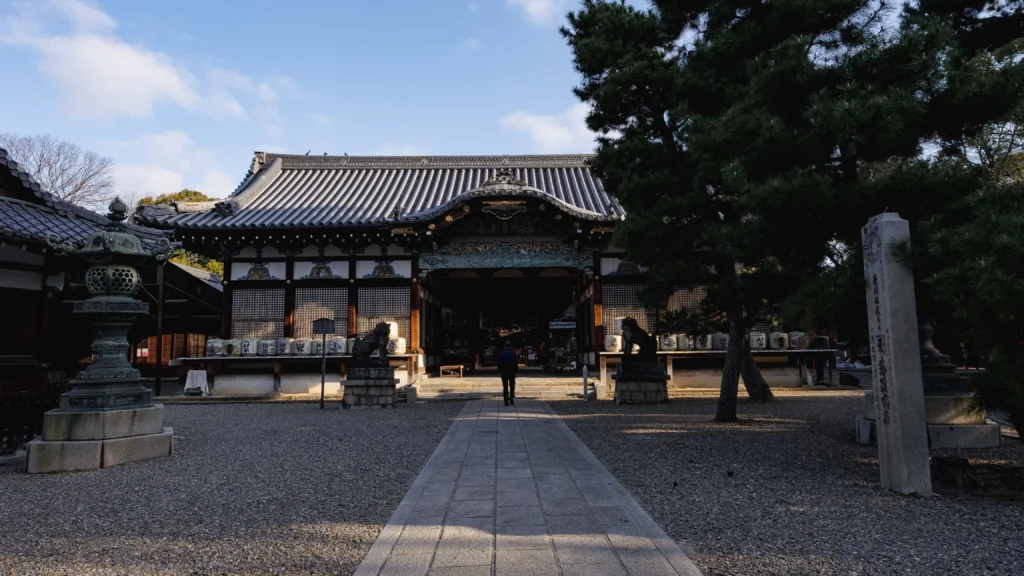 Nestled in the heart of Kyoto‘s famed Fushimi sake district, Gokonomiya Shrine (御香宮神社) offers more than just a tranquil escape. It’s a place steeped in history, legendary water, and vibrant… Read more: Gokonomiya Shrine: A Spiritual Oasis in Kyoto’s Fushimi Sake District
cherry blossom cherry blossoms day trip from tokyo edo period flower festival fuji five lakes fujiyoshida Fukuoka fushimi hanami japan japanese culture japanese food japan travel kamakura kawaguchiko Kumamoto kyoto local food Mount Fuji mt fuji Nagano nature new year holiday Nikko Oku-Nikko Onsen Ramen ryokan Saga sakura Shizuoka shrine sightseeing snow spring in japan spring travel Tochigi Tokyo travel travel guide travel planning winter winter travel Yamanashi