

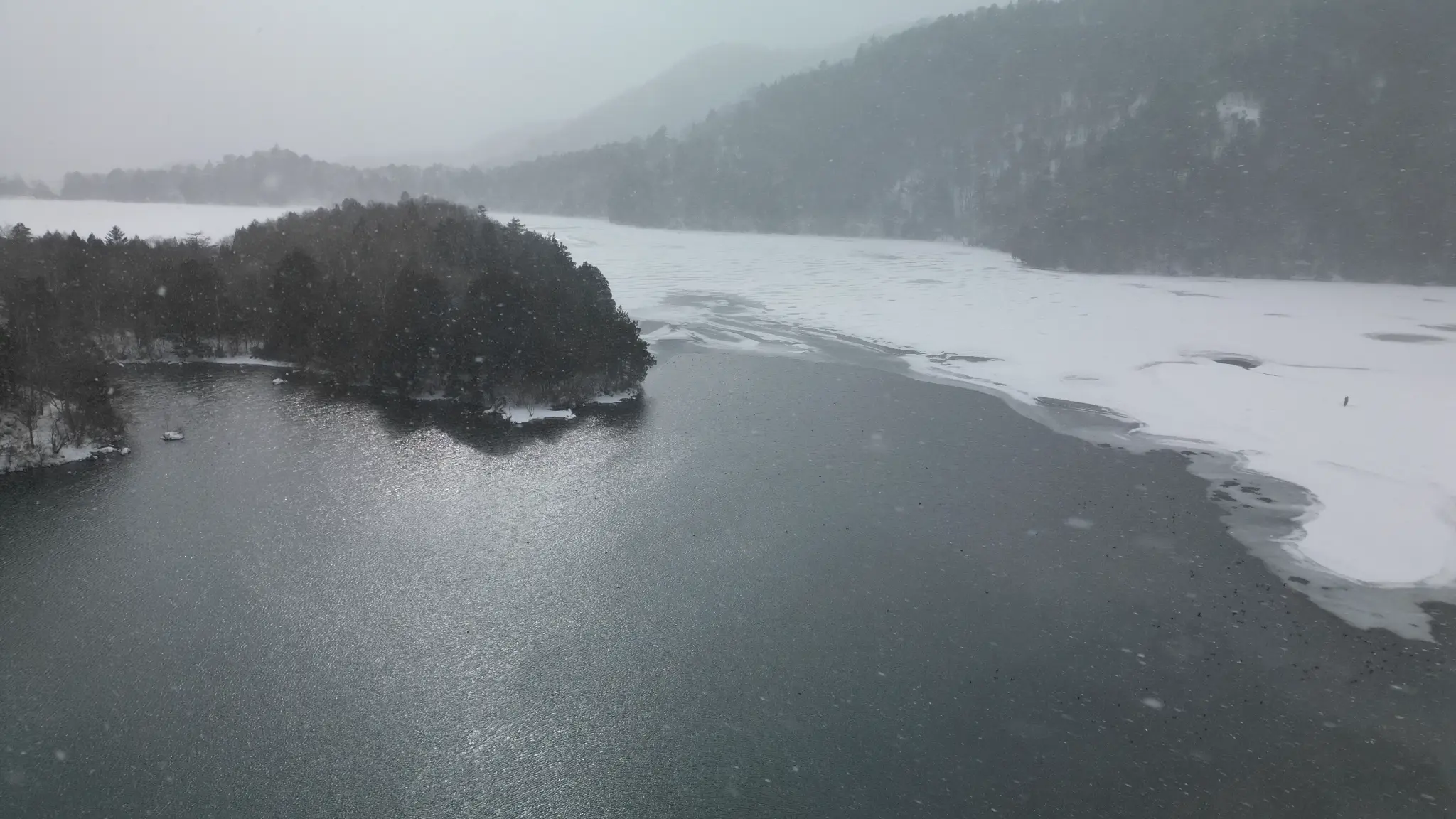

When winter casts its quiet spell over Nikko, the vibrant hues of autumn give way to a serene world of white. At the heart of this transformation lies Lake Chuzenji (中禅寺湖, Chūzenjiko), Japan’s highest natural lake, which evolves into a breathtaking frozen expanse. This guide is for travelers wishing to explore the stark beauty of a snow-covered and frozen Lake Chuzenji, offering insights into what to see, how to get there, and how to safely enjoy this unique winter spectacle.
Table of Contents
Quick Facts: Lake Chuzenji in Winter
| Feature | Details |
| Best Time to Visit | Late January to February for a fully frozen lake |
| Time Required | 2-3 hours to explore the shoreline |
| Nearest Bus Stop | Chuzenji Onsen (中禅寺温泉) |
| Activities | Scenery viewing, photography, snowshoeing, stargazing |
| Payment Methods | Cash is recommended for smaller shops and restaurants |
| Crowd Level | Low to moderate; much quieter than other seasons |
| Accessibility | Main roads and some lakeside paths are cleared, but can be snowy/icy. |
Overview: The Frozen Highland Lake
Situated at an elevation of 1,269 meters (4,163 feet), Lake Chuzenji holds the distinction of being one of Japan’s highest lakes. It was formed around 20,000 years ago when Mount Nantai erupted, blocking the valley below. Today, it is the centerpiece of the Oku-Nikko (Inner Nikko) region, a place that captivated Western diplomats and expatriates who built villas along its shores in the late 19th and early 20th centuries .
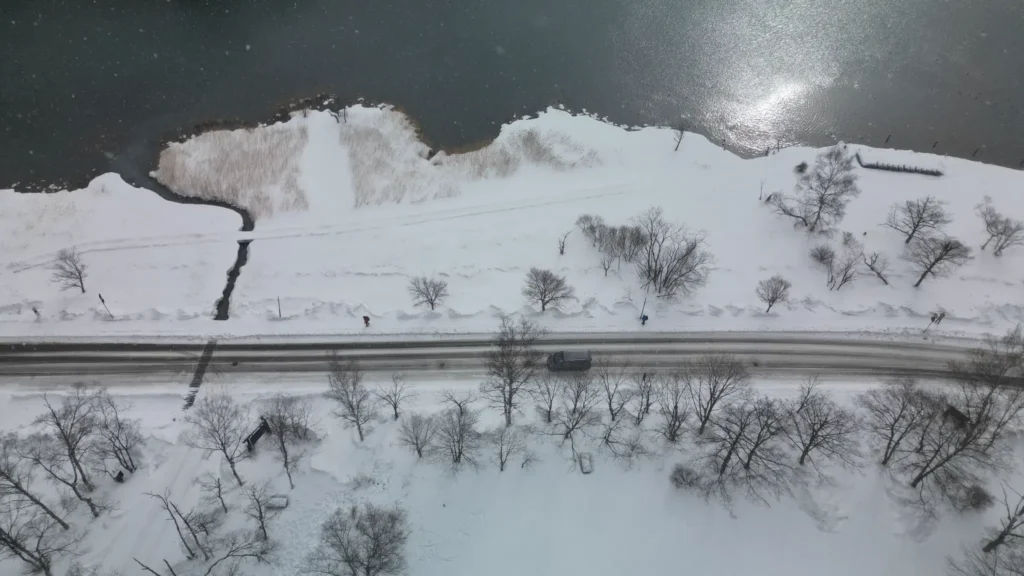
While famous for its cherry blossoms, azaleas, and autumn colors, the lake’s winter persona is arguably its most dramatic. The crisp, cold air and heavy snowfall transform the landscape into a tranquil, monochromatic world. The lake itself becomes the main attraction as its surface freezes, creating a vast, walkable plain of ice and snow under the watchful gaze of the snow-dusted Mount Nantai.
When Does Lake Chuzenji Freeze?
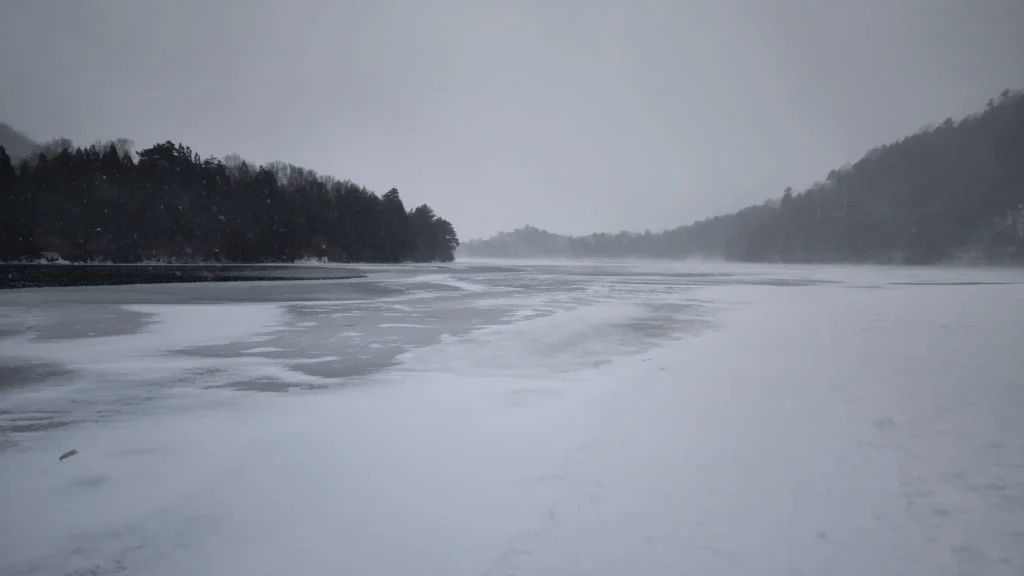
The freezing of Lake Chuzenji is a natural event that varies each year depending on the temperature. However, it typically begins to freeze in late December or early January and is often completely frozen by late January and through February.
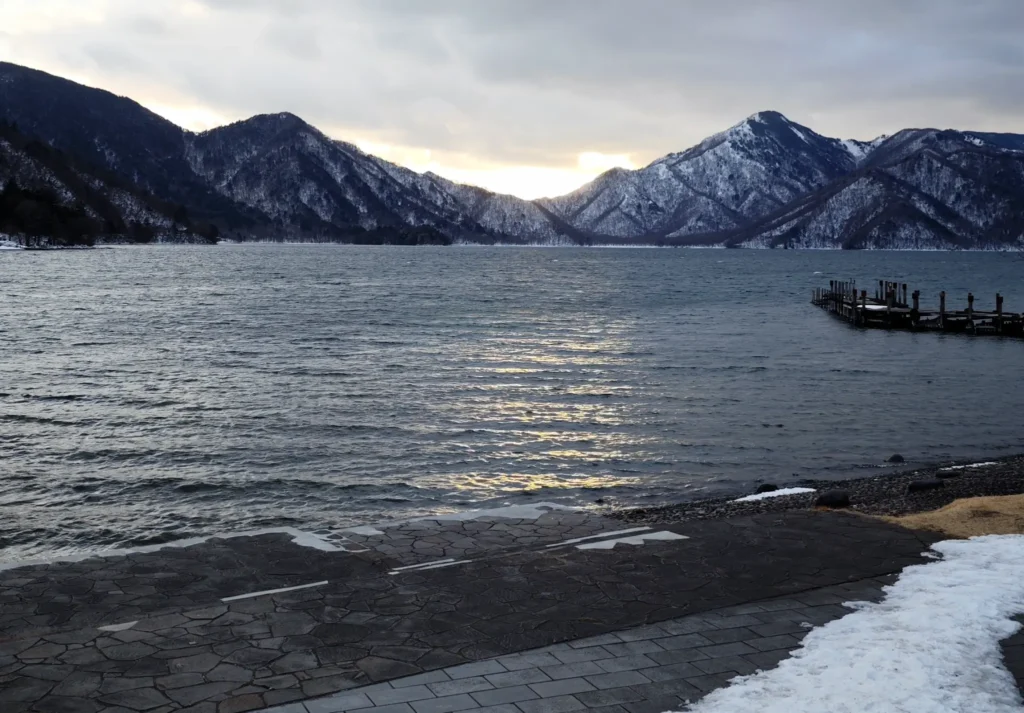
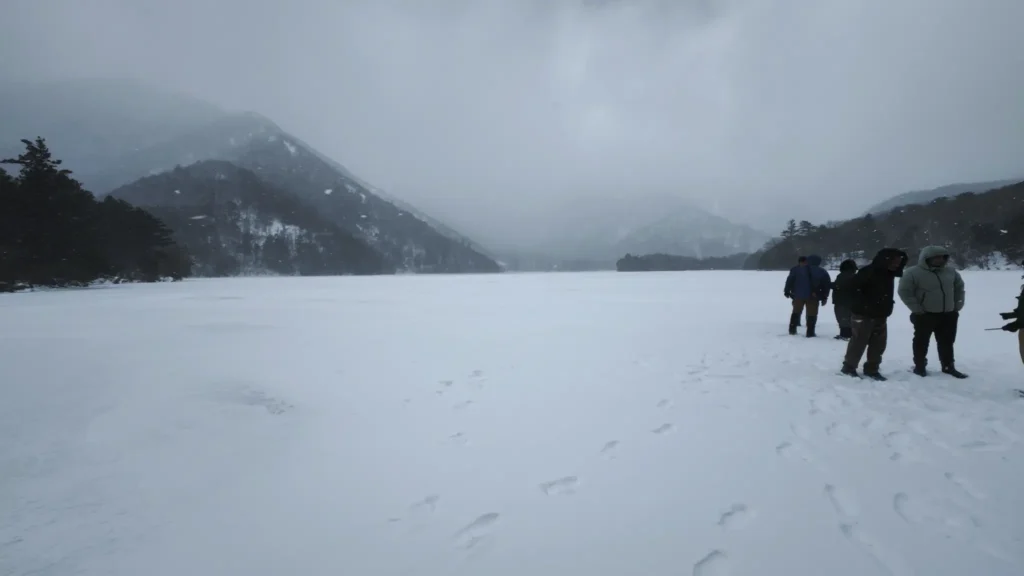
Based on photos taken during a visit in 2023, the transformation can be incredibly swift. On January 1st, the lake was still open water with waves lapping at the shore. Just one day later, on January 2nd, the entire visible surface had frozen solid and was covered in a layer of snow, solid enough for people to walk on. This rapid change highlights the intensity of the cold at this high altitude.
How to Get There
Accessing Lake Chuzenji in winter is straightforward, thanks to reliable public transport and well-maintained roads.
By Public Transport:
1.From JR or Tobu-Nikko Station: Take the Tobu Bus bound for “Chuzenji Onsen” (中禅寺温泉) or “Yumoto Onsen” (湯元温泉).
2.Travel Time: The journey takes about 50 minutes, climbing the scenic Irohazaka Winding Road. The “Chuzenji Onsen Free Pass” is a cost-effective option if you plan a round trip .
3.Alight at: Get off at the “Chuzenji Onsen” bus terminal. The lakeshore is just a 5-minute walk from there. Even in heavy snow, the bus service is generally reliable.

By Car:
From Nikko city center, take the Second Irohazaka Winding Road (Route 120) up towards the lake. The drive takes approximately 20-30 minutes. Winter tires (studless) are absolutely mandatory. While the main roads are diligently plowed, they can still be icy. Several paid prefectural parking lots are available near the lake, such as the Kegon Falls No. 1 and No. 2 car parks.
What to See and Do in Winter
Winter at Lake Chuzenji is less about organized attractions and more about experiencing the serene, raw beauty of the natural landscape.
1. Walk on the Frozen Lake
When the lake is fully frozen, the most unique activity is simply walking out onto its vast, snow-covered surface. The feeling of standing in the middle of the immense lake, surrounded by silent, snow-covered mountains, is an unforgettable experience. However, this should only be done with extreme caution. Only venture out if you see many other people (especially locals) doing the same, and stay away from areas where the ice might be thinner, such as near the river inlet/outlet.
2. Winter Scenery and Photography
The monochromatic landscape offers endless opportunities for stunning photography. Key sights include:
•The Torii Gate: The large torii gate on the shore (part of the Futarasan Shrine) creates a striking contrast against the white snow and frozen lake.
•The Pier: The snow-covered boat piers and the fleet of swan boats hibernating on the shore make for a poignant and beautiful scene.
•Mount Nantai: The dormant volcano that created the lake provides a majestic backdrop to all your photos.
3. Snowshoeing
For a more active exploration, consider a snowshoeing tour. Local guides can take you safely through the lakeside forests and onto the snowfields, pointing out animal tracks (like foxes and rabbits) and leading you to viewpoints inaccessible by road .
4. Stargazing
With its high altitude and minimal light pollution, the Lake Chuzenji area is a prime spot for stargazing. The cold, clear winter nights offer exceptional visibility, sometimes even revealing the Milky Way. The Utagahama parking lot is a recommended spot for setting up a camera and tripod .
Practical Tips for Your Visit
•Dress in Layers:
The temperature at the lake is significantly colder than in central Nikko. Thermal underwear, fleece, a down jacket, hat, gloves, and a scarf are essential.
•Protect Your Feet:
Wear waterproof, insulated winter boots with good grip. The paths can be very icy.
•Battery Drain:
Cold weather drains electronic batteries at an alarming rate. Keep your phone and camera batteries in a warm inner pocket and bring a portable power bank .
•Cash is King:
While larger hotels may accept cards, many smaller restaurants and shops in the area are cash-only.
•Check Road Conditions:
If driving, always check the latest road closure and weather information before you depart.
Where to Stay Nearby
The Chuzenji Onsen area offers a variety of hotels and ryokans. Staying overnight allows you to experience the magical atmosphere of the lake at dusk and dawn, and to enjoy a relaxing onsen bath after a day in the cold. The Chuzenji Kanaya Hotel and the Kamenoi Hotel Oku-Nikko are two well-known options in the area.
(Note: This article contains affiliate links. We may earn a commission if you make a purchase.)
FAQs
Q: Is it safe to walk on the frozen Lake Chuzenji?
A: While it can be done, it carries inherent risks. Only attempt it when the lake is solidly frozen (typically late Jan-Feb) and you see many others doing so. Avoid areas near moving water and never go alone. Your safety is your own responsibility.
Q: Are restaurants and shops open in winter?
A: Yes, but many operate on shorter winter hours. The main cluster of restaurants and souvenir shops is located near the Chuzenji Onsen bus terminal. It’s best to plan for an early dinner.
Q: Can I still see Kegon Falls when visiting the lake?
A: Absolutely. Kegon Falls is just a 5-10 minute walk from the Chuzenji Onsen bus terminal and is a must-see attraction in winter, with its own unique ice formations.
Internal Link: Learn more in our guide to [Kegon Falls in Winter].
Sources
[1] Nikko City Tourism Association – Lake Chuzenji (https://www.nikko-kankou.org/spot/12 )
[2] KOSUBLOG – Winter Nikko Trip Part 3 (https://kosublog.com/nikko-1802-part03/ )
[3] Nikko City Tourism Association – Winter Feature (https://www.nikko-kankou.org/features/100 )
Last Updated: March 5, 2026
Sources Checked: Nikko City Tourism Association Official Website, KOSUBLOG.
A visit to Lake Chuzenji in winter is a journey into a world of profound stillness and stark beauty. It’s a chance to witness the power of nature and experience a side of Nikko that many travelers miss. With proper preparation, the frozen lake offers an adventure that is both peaceful and deeply memorable.

- Kamenoi Hotel Oku-Nikko Review: A Cozy Onsen Retreat by Lake Yunoko
 Nestled on the serene shores of Lake Yunoko in the heart of Oku-Nikko, Kamenoi Hotel Oku-Nikko offers a tranquil escape into Japan’s stunning natural landscapes. During a winter visit, I… Read more: Kamenoi Hotel Oku-Nikko Review: A Cozy Onsen Retreat by Lake Yunoko
 - Spotting Wild Monkeys in Nikko, Japan: A Winter Encounter
 Driving through the winding, snow-dusted roads of Oku-Nikko, the last thing you might expect to see is a troop of monkeys foraging by the roadside. Yet, this is a surprisingly… Read more: Spotting Wild Monkeys in Nikko, Japan: A Winter Encounter
 - Lake Chuzenji in Winter: A Guide to Nikko’s Frozen Highland JewelWhen winter casts its quiet spell over Nikko, the vibrant hues of autumn give way to a serene world of white. At the heart of this transformation lies Lake Chuzenji… Read more: Lake Chuzenji in Winter: A Guide to Nikko’s Frozen Highland Jewel
- Kegon Falls in Winter: A Guide to Nikko’s Icy Spectacle
 For many, Nikko is a destination of vibrant autumn colors or lush summer greenery. Yet, as winter drapes the landscape in a blanket of white, one of its most powerful… Read more: Kegon Falls in Winter: A Guide to Nikko’s Icy Spectacle
 - Irohazaka Winter Drive: A Guide to Nikko’s Famous Winding Road
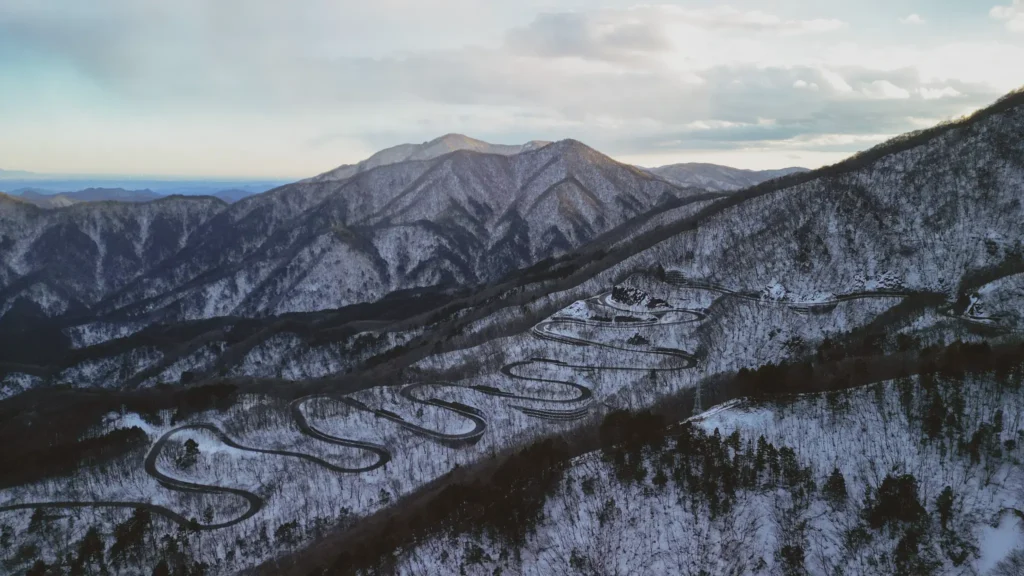 Embark on one of Japan’s most iconic drives, the Irohazaka, as it transforms into a serene, snow-covered passage during winter. This guide is for travelers planning an Irohazaka winter drive… Read more: Irohazaka Winter Drive: A Guide to Nikko’s Famous Winding Road
cherry blossom cherry blossoms day trip from tokyo edo period flower festival fuji five lakes fujiyoshida Fukuoka fushimi hanami japan japanese culture japanese food japan travel kamakura kawaguchiko Kumamoto kyoto local food Mount Fuji mt fuji Nagano nature new year holiday Nikko noodles Oku-Nikko Onsen Ramen ryokan Saga sakura Shizuoka sightseeing snow spring in japan spring travel Tochigi Tokyo travel travel guide travel planning winter winter travel Yamanashi



[…] [Read the full guide: A Winter Walk Around Lake Chuzenji ] […]