

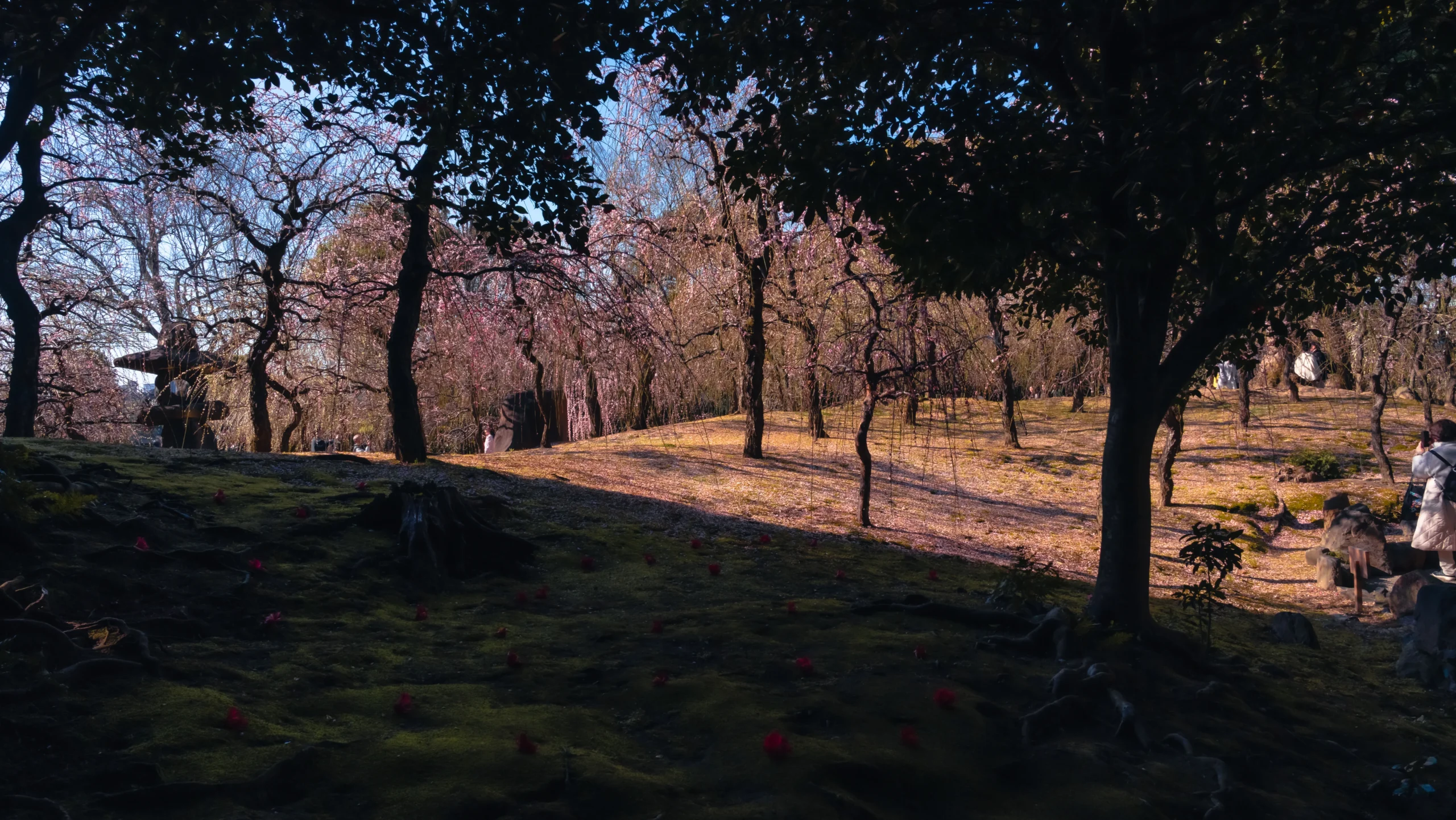

You’ve seen the photos on social media: a breathtaking canopy of pink weeping plum blossoms, so dense it looks like a floral sky. This is the magic of Jonangu Shrine in Fushimi, Kyoto, a place that has become a must-visit for its spectacular spring display. But as I discovered on my early March visit, capturing that perfect moment is all about timing. This guide is based on my experience and official information to help you see the famous Jonangu Shrine weeping plum blossoms at their absolute best.
Table of Contents
Quick Facts
| Feature | Details |
| Best Time to Visit | Late February for peak weeping plum blossoms. Early to mid-March for camellias. |
| Opening Hours | 9:00 AM – 4:30 PM (Last entry at 4:00 PM) |
| Entrance Fee | Varies by season. ¥1,000 during the plum festival (Feb 18 – Mar 22). |
| Nearest Station | Takeda Station (Kyoto Subway Karasuma Line / Kintetsu Kyoto Line) |
| Photography | No tripods, monopods, or selfie sticks allowed in the garden. |
The All-Important Timing: When to See the Weeping Plum Blossoms
The main attraction at Jonangu Shrine in spring is the “Shidare Ume to Tsubaki Matsuri” (Weeping Plum and Camellia Festival), held from February 18th to March 22nd. The garden features around 150 weeping plum trees, creating a stunning visual spectacle.
However, the peak bloom is a fleeting window. Based on official announcements and my own visit, the absolute best time to see the weeping plums is the last week of February.
I visited in the first week of March, inspired by incredible photos online. While still beautiful, many blossoms had already fallen. The shrine’s official report on March 11th stated the plums were “mostly finished,” and by March 16th, they were officially declared “over.” This highlights how crucial it is to time your visit precisely if you want to see the trees in their full glory.
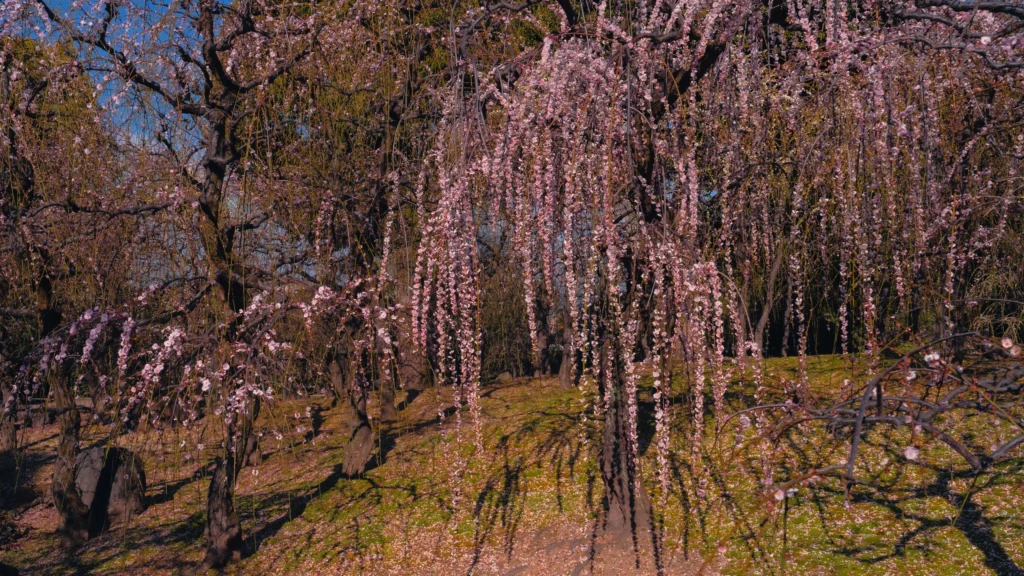
Beauty in Impermanence: The Charm of Late-Season Plums
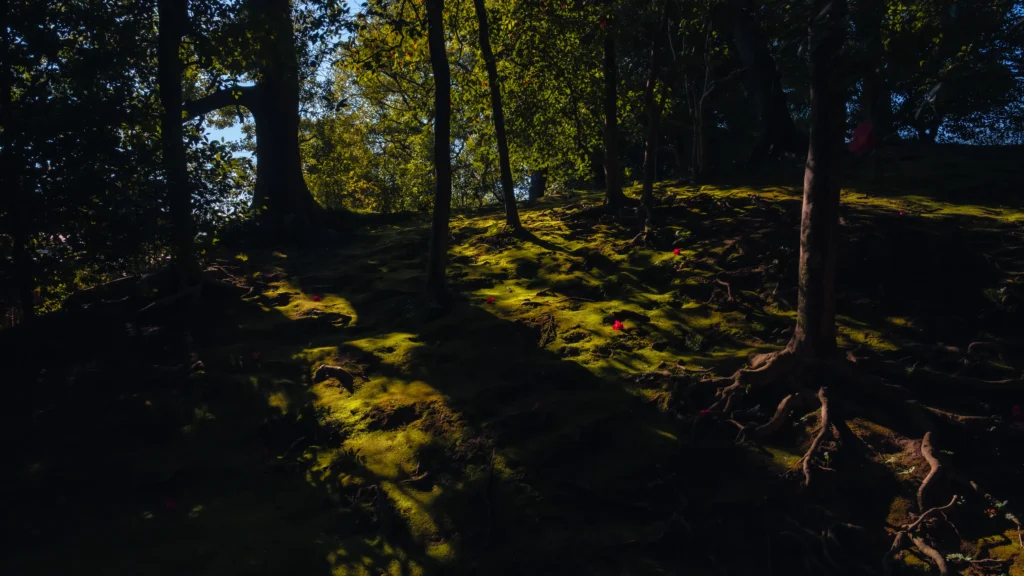
Even though I missed the peak, my visit was far from a disappointment. What I discovered was a different, more subtle kind of beauty. The fallen petals had created a soft, pink carpet over the lush green moss, a phenomenon often celebrated in Japanese aesthetics as hanaikada (flower rafts).
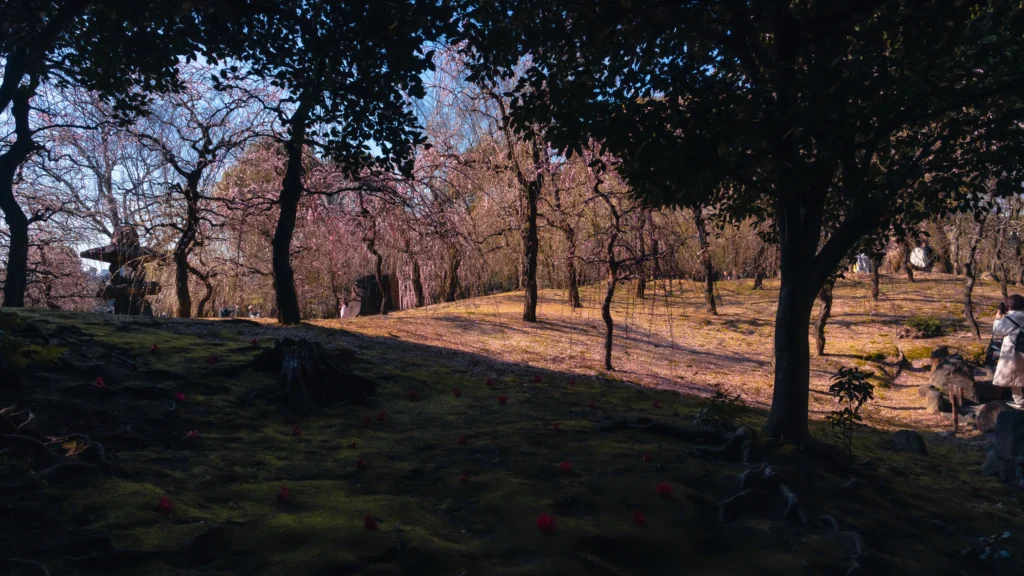
The contrast between the vibrant green moss and the delicate pink petals was a photographer’s dream. It was a poignant reminder of the transient nature of beauty, a core concept in Japanese culture. If you visit towards the end of the season, look down as much as you look up; the ground holds its own unique spectacle.
Beyond the Plums: The Camellia Festival
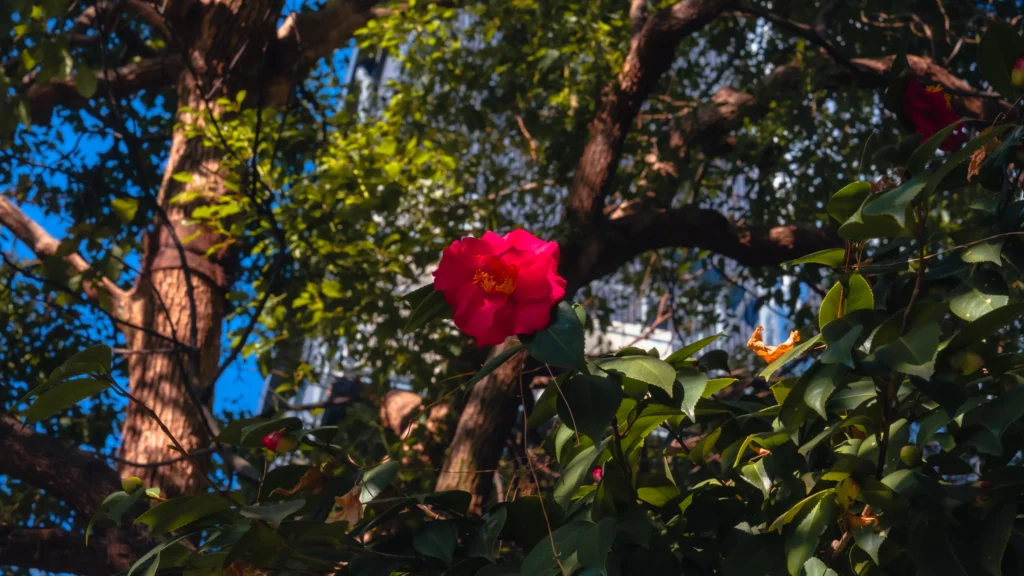
One of the great things about the festival is that as the plums fade, the camellias take center stage. The garden boasts an impressive collection of around 400 camellia trees of various species. During my early March visit, the camellias were in full, glorious bloom, offering a vibrant burst of color.
So, even if you miss the peak of the weeping plums, you’ll be rewarded with a stunning display of camellias, which continue to be a highlight of the garden through March and into April.
Exploring Rakusuien Garden: A Walk Through The Tale of Genji
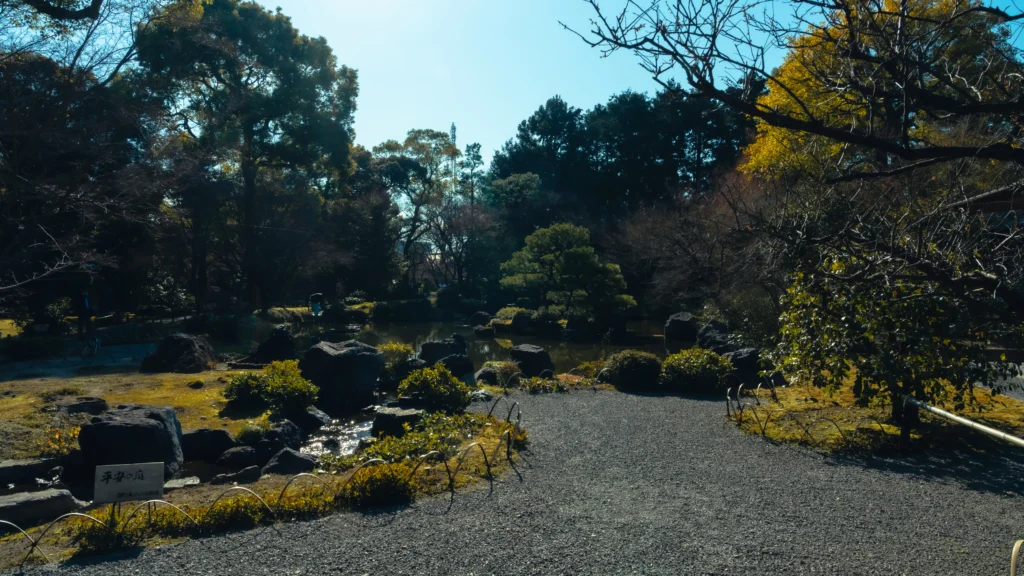
The shrine’s garden, named Rakusuien, is designed to reflect the world of The Tale of Genji, a classic work of Japanese literature from the Heian period. The garden is divided into five distinct areas, showcasing flowers and plants that appear in the novel.
As you wander through the paths, you’ll cross small streams and ponds, enjoying landscapes that evoke the aristocratic elegance of a bygone era. The garden covers approximately 30,000 square meters, offering a peaceful escape from the city.
How to Get to Jonangu Shrine
Jonangu Shrine is located in the southern Fushimi ward of Kyoto and is easily accessible via public transport.
By Train:
The most convenient way is to take the train to Takeda Station. This station is served by both the Kyoto Municipal Subway Karasuma Line and the Kintetsu Kyoto Line.
From Takeda Station, the shrine is a pleasant 15-minute walk. Alternatively, a taxi will get you there in about 3 minutes.
By Bus:
From JR Kyoto Station’s Hachijo Gate, you can take the R’EX (Kyoto Rakunan Express) bus. The ride takes about 15 minutes. Get off at the “Jonangu-mae” bus stop, which is a 5-minute walk from the shrine. Note that this bus only operates on weekdays.
Practical Tips for Your Visit
•Wear Comfortable Shoes: The garden paths are unpaved in some areas, so comfortable walking shoes are a must.
•Bring Cash: Be prepared with cash for the entrance fee.
•Respect Photography Rules: Tripods, monopods, and selfie sticks are not permitted in the garden to ensure a pleasant experience for all visitors and to protect the delicate moss and plant life.
•Check the Bloom Status: Before you go, check the shrine’s official website for the latest flower status updates (available in Japanese, but can be translated with a browser tool).
Where to Stay Nearby
Staying in the Fushimi area can be a great way to explore the sake district and southern Kyoto. The area around Takeda Station offers some convenient options. Alternatively, staying near Kyoto Station provides easy access to the subway line for a quick trip to the shrine.
(Note: This article contains affiliate links. We may earn a commission if you make a purchase.)
Find Hotels Near Takeda Station
Suggested Mini-Itinerary: Plums and Sake
Combine your visit to Jonangu Shrine with an exploration of the famous Fushimi Sake District.
•Morning (9:00 AM): Arrive at Jonangu Shrine to enjoy the gardens in the soft morning light and with fewer crowds.
•Late Morning (11:00 AM): Walk or take a short taxi ride to the Fushimi Sake District.
•Lunch (12:00 PM): Enjoy lunch at one of the many restaurants in the area, some of which are housed in former sake breweries.
•Afternoon (1:30 PM): Visit the Gekkeikan Okura Sake Museum to learn about the history of sake brewing and enjoy a tasting.
Frequently Asked Questions
Q1: What is the best time to see the weeping plum blossoms at Jonangu Shrine?
A1: The absolute peak is typically in the last week of February. The festival runs from February 18th to March 22nd, but the blossoms are often finished by mid-March.
Q2: How much is the entrance fee for the garden?
A2: During the Weeping Plum and Camellia Festival (Feb 18 – Mar 22), the fee is ¥1,000 for adults and ¥600 for elementary school students. At other times of the year, the fee is lower.
Q3: Can I use a tripod for my photos?
A3: No, tripods, monopods, and selfie sticks are strictly prohibited within the Rakusuien garden to protect the grounds and ensure the safety and enjoyment of all visitors.
Q4: How do I get to Jonangu Shrine by public transport?
A4: The easiest way is to take the subway or Kintetsu line to Takeda Station, followed by a 15-minute walk. On weekdays, the R’EX bus from Kyoto Station is also a convenient option.
Q5: Is the garden worth visiting if I miss the plum blossoms?
A5: Yes. The garden is famous for its camellias, which are in bloom through March. It also features a variety of flowers throughout the year, making it a beautiful destination in any season.
Sources
[1] Jonangu Shrine. “Garden Information.”
[2] Jonangu Shrine. “Weeping Plum and Camellia Daily Update.”
[3] Jonangu Shrine. “Jonangu English Page.”
Written by Nobutoshi, a Japanese travel writer specializing in authentic Japan experiences.
Last updated: March 24, 2026. Sources checked.

- Umenomiya Taisha: Kyoto’s Hidden Gem for Sake, Cats, and Blessings
 Imagine stepping off a quiet residential street in western Kyoto and finding yourself in a serene sanctuary, where the air is fragrant with plum blossoms and friendly cats lounge in… Read more: Umenomiya Taisha: Kyoto’s Hidden Gem for Sake, Cats, and Blessings
 - Jonangu Shrine: Kyoto’s Guardian of Directions and Imperial History
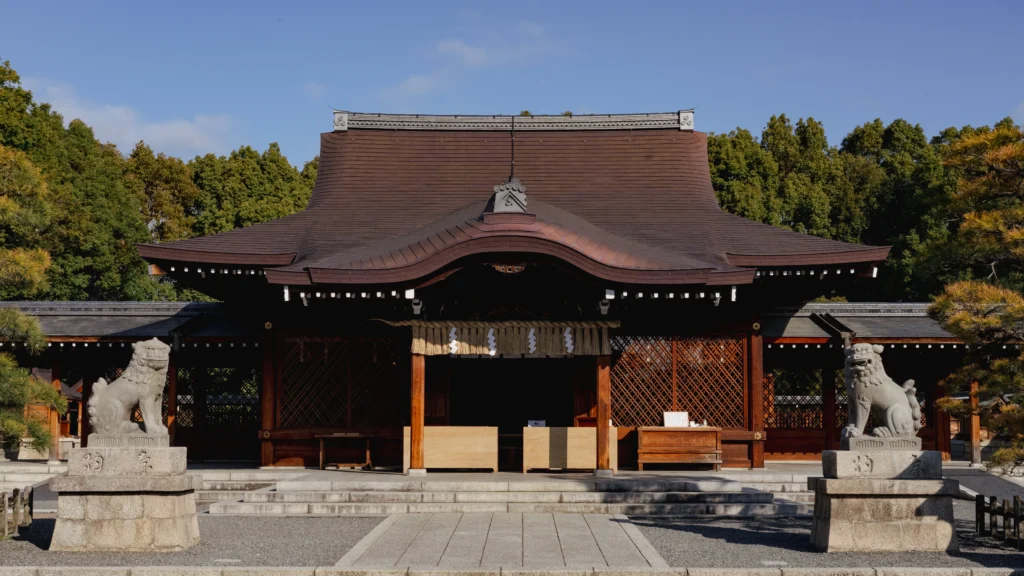 Imagine standing at a place that has not only guarded the southern gateway to Kyoto for over 1,200 years but has also been a pivotal stage for Japan’s most dramatic… Read more: Jonangu Shrine: Kyoto’s Guardian of Directions and Imperial History
 - Jonangu Shrine’s Weeping Plums: A Guide to Perfect TimingYou’ve seen the photos on social media: a breathtaking canopy of pink weeping plum blossoms, so dense it looks like a floral sky. This is the magic of Jonangu Shrine… Read more: Jonangu Shrine’s Weeping Plums: A Guide to Perfect Timing
- Sasaki Pan: A Taste of Showa-Era Japan at Kyoto’s Legendary Retro Bakery
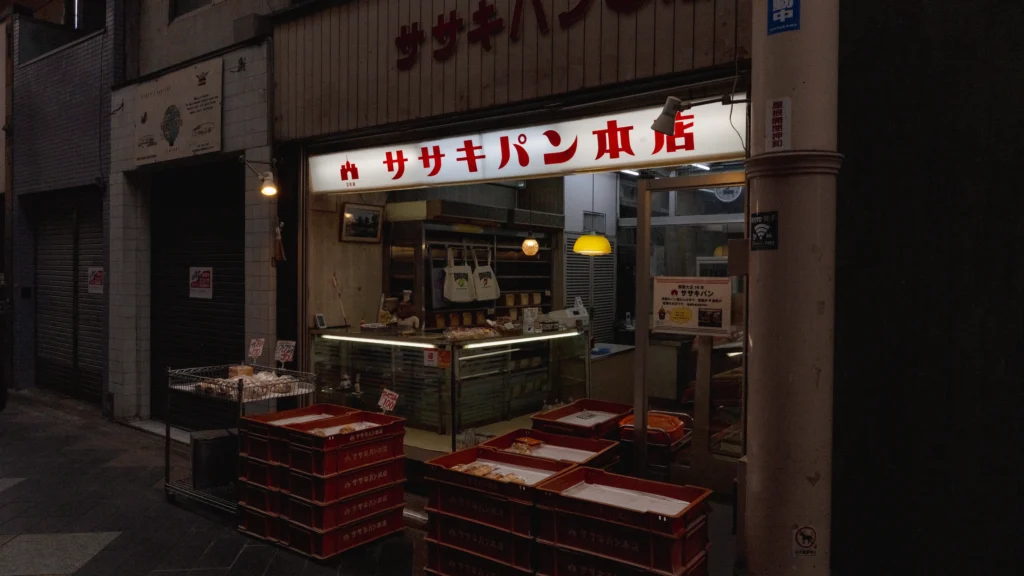 Step into the Nayamachi Shopping Arcade in Kyoto’s Fushimi district, and you might feel like you’ve traveled back in time. Amidst the modern shops, a warm glow emanates from a… Read more: Sasaki Pan: A Taste of Showa-Era Japan at Kyoto’s Legendary Retro Bakery
 - Gokonomiya Shrine: A Spiritual Oasis in Kyoto’s Fushimi Sake District
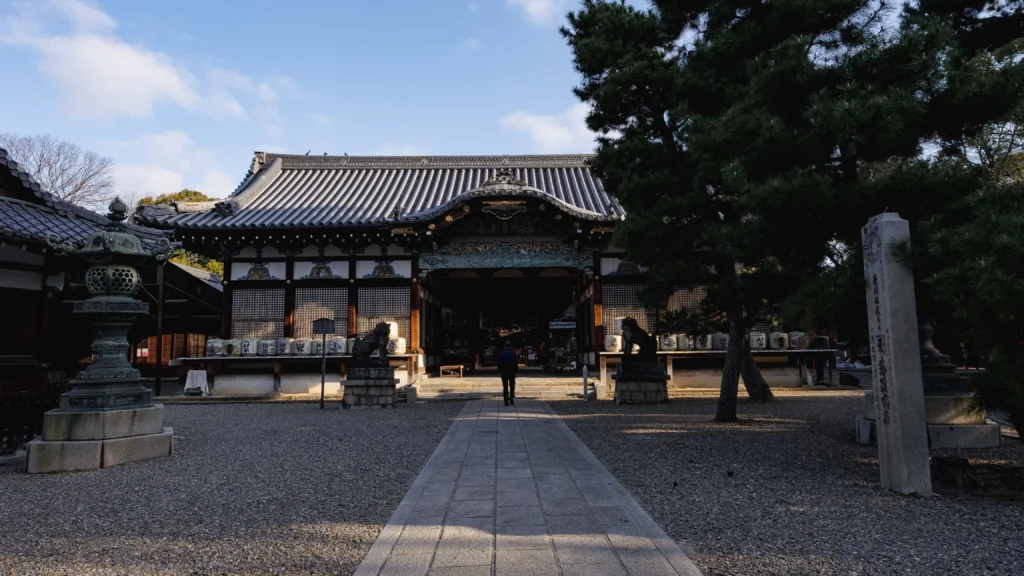 Nestled in the heart of Kyoto‘s famed Fushimi sake district, Gokonomiya Shrine (御香宮神社) offers more than just a tranquil escape. It’s a place steeped in history, legendary water, and vibrant… Read more: Gokonomiya Shrine: A Spiritual Oasis in Kyoto’s Fushimi Sake District
cherry blossom cherry blossoms day trip from tokyo edo period flower festival fuji five lakes fujiyoshida Fukuoka fushimi hanami japan japanese culture japanese food japan travel kamakura kawaguchiko Kumamoto kyoto local food Mount Fuji mt fuji Nagano nature new year holiday Nikko Oku-Nikko Onsen Ramen ryokan Saga sakura Shizuoka shrine sightseeing snow spring in japan spring travel Tochigi Tokyo travel travel guide travel planning winter winter travel Yamanashi
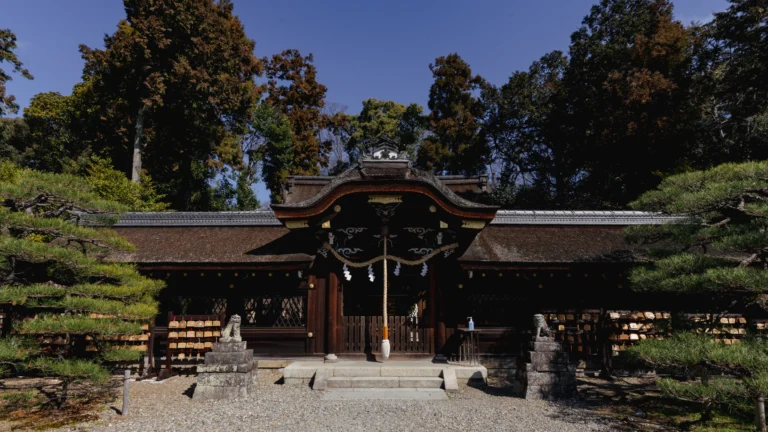

[…] to a new home, or simply seeking a moment of peace away from the city’s main tourist trails. Jonangu Shrine, a place deeply connected to the imperial family and the ancient practice of “directional […]