![Kitain Temple Kawagoe 2026: Edo Castle Rooms & 538 Rakan [With Map]](https://hiddenjapan-gems.com/wp-content/uploads/2026/04/DSC4602-scaled.webp)

Most visitors to Kawagoe head straight to the warehouse district. Start at Kitain instead — it’s quieter in the morning, and you’ll walk the same route the Tokugawa shoguns once traveled.
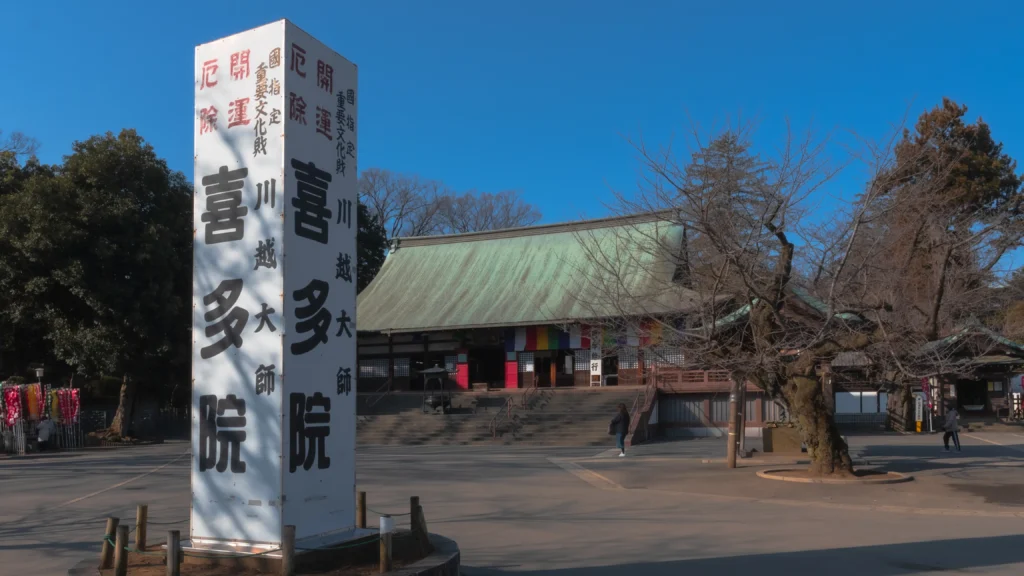
Kitain Temple (喜多院), also known as Kawagoe Daishi, is a 1,200-year-old Tendai Buddhist temple that holds a secret most guidebooks understate: it contains the only surviving rooms from the original Edo Castle. After the 1923 earthquake and World War II destroyed everything in Tokyo, the rooms at Kitain became the only surviving structures from the original Edo Castle. You cannot see them anywhere else. This article covers everything you need to visit Kitain in 2026, from the Edo Castle rooms and the 538 Rakan statues to seasonal events, access from Tokyo, and a walking route that connects Kitain to the rest of Kawagoe’s best sightseeing spots.
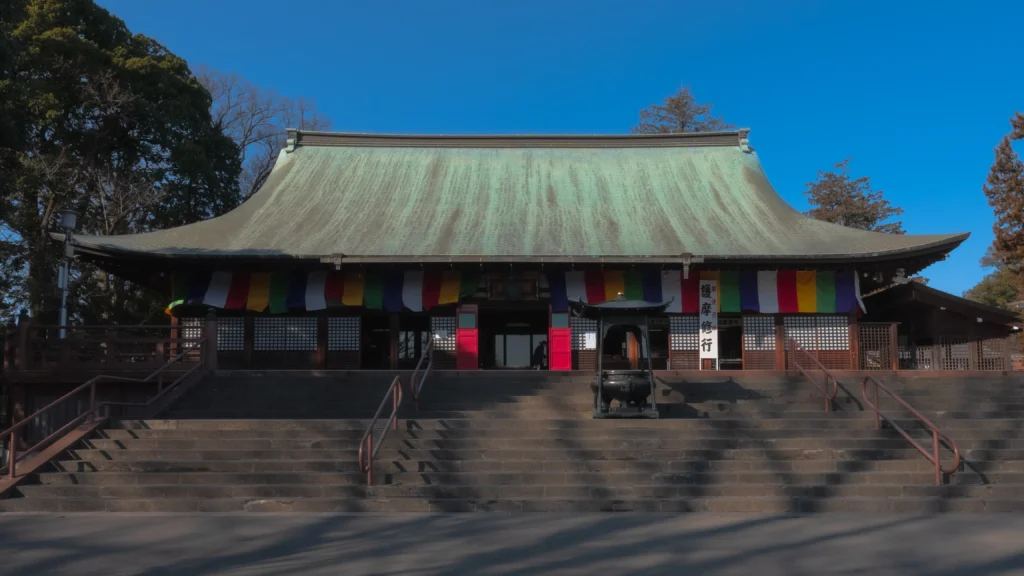
Table of Contents
Quick Facts: Visiting Kitain Temple in 2026
| Essential Info | Details |
| Full Name | 星野山 喜多院 (Hoshinozan Kitain) |
| Also Known As | 川越大師 (Kawagoe Daishi) |
| Founded | 830 AD by Ennin (Jikaku Daishi) |
| Sect | Tendai Buddhism |
| Free Areas | Temple grounds, Jieido (Main Hall), Sanmon Gate, Tahoto Pagoda, Senba Toshogu |
| Paid Areas | Kyakuden + Shoin + Gohyaku Rakan — ¥400 adults / ¥200 children |
| Hours (Mar–Nov) | Weekdays 9:00–16:30 / Sundays & Holidays 9:00–16:50 |
| Hours (Dec–Feb) | Weekdays 9:00–16:00 / Sundays & Holidays 9:00–16:20 |
| Last Admission | 30 minutes before closing |
| Closed | Dec 19–Jan 15, Feb 2–3, Apr 2–4, special ceremony days |
| Goshuin | ¥300 (available at Jieido and Kyakuden reception) |
| Time Needed | 45–60 min minimum; 1.5–2 hours recommended |
| Access | 15 min walk from Hon-Kawagoe Stn / 20 min from Kawagoe Stn |
| Address | 1-20-1 Kosenba-machi, Kawagoe, Saitama 350-0036 |
Why the Edo Castle Rooms Are at Kitain Temple
The story begins with a fire and a monk who advised three shoguns. In 1599, a politically powerful Tendai monk named Tenkai (天海僧正) became the 27th head priest of Kitain. He went on to serve as a trusted advisor to Tokugawa Ieyasu, Hidetada, and Iemitsu — three consecutive shoguns. Ieyasu himself reportedly said: “Tenkai is a Buddha among men; my only regret is not having known him sooner.”
In 1638, the Great Kawagoe Fire destroyed almost the entire temple complex. Only the Sanmon gate and the Kyozo sutra repository survived. When the third shogun, Iemitsu, learned of the destruction, he ordered several buildings from Edo Castle’s Momijiyama Palace to be dismantled, transported up the river, and rebuilt at Kitain.
Those buildings still stand today. The Kyakuden (Guest Hall) contains the “Tokugawa Iemitsu-ko Tanjo no Ma” — the actual room where the third shogun was born. Inside, you can see the original coffered ceiling with 81 floral patterns painted in the Tosa school style, and fusuma sliding doors painted by the legendary Kano Tan’yu. The adjacent Shoin (Study Hall) served as the private dressing room of Lady Kasuga (春日局), Iemitsu’s wet nurse and the most powerful woman in the Edo inner palace (Ooku). Photography is strictly prohibited inside both halls to preserve the delicate artwork.
The 538 Gohyaku Rakan: 50 Years of Carving
Included in your ¥400 admission is access to the Gohyaku Rakan (五百羅漢) courtyard, one of Japan’s Three Great Rakan collections. While “Gohyaku” means 500, there are actually 538 individual stone statues here, carved over a 50-year period between 1782 and 1825.
The 538 Rakan statues are best experienced in person — photographs cannot capture the effect of walking among hundreds of individually expressive faces. No two statues are alike. Some are laughing, some are weeping. Others are whispering secrets to their neighbors, drinking sake, playing musical instruments, or cradling animals. The range of human emotion captured in stone is remarkable.
The 538 Rakan statues were carved over 50 years — and the legend says if you touch their heads at midnight, one will feel warm, and that face will resemble a parent you’ve lost. Whether you believe the legend or not, spending time among these 538 faces is one of the most quietly moving experiences in Kawagoe.
What to See on the Free Temple Grounds
Even if you skip the paid areas, the free sections of Kitain are worth at least 30 minutes of your time. Several structures here are designated National Important Cultural Properties.
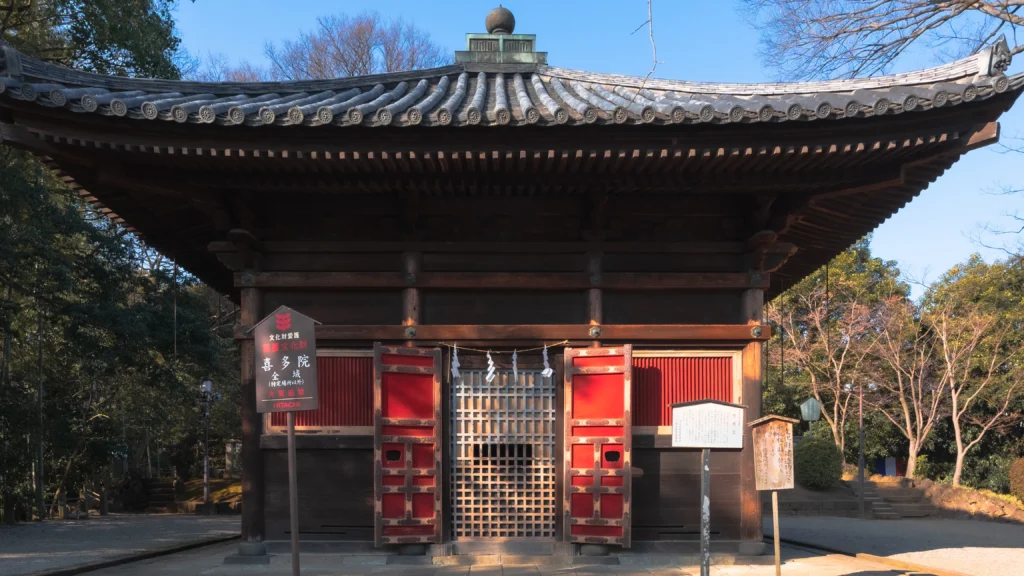
The Sanmon Gate (1632) — Oldest Surviving Structure
Built by Tenkai himself, this heavy wooden gate is the oldest structure at Kitain and one of the few buildings to survive the 1638 fire. Look closely at the carvings: a tiger on the front face and a Chinese lion (karajishi) on the back. The gate’s Kirizuma-zukuri style, with four support pillars, is a fine example of early Edo-period temple architecture.
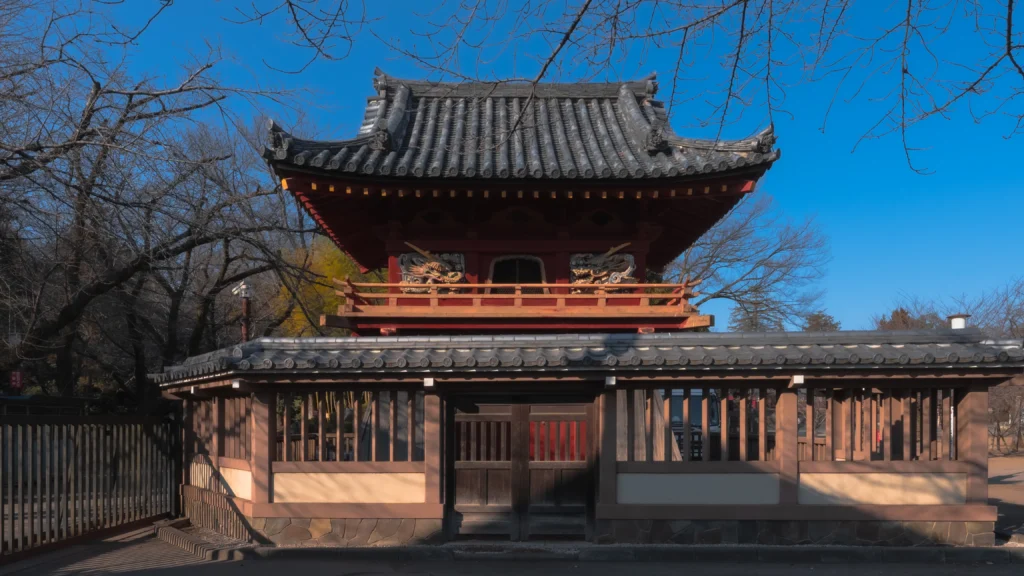
The Shoromon Bell Tower Gate (1702)
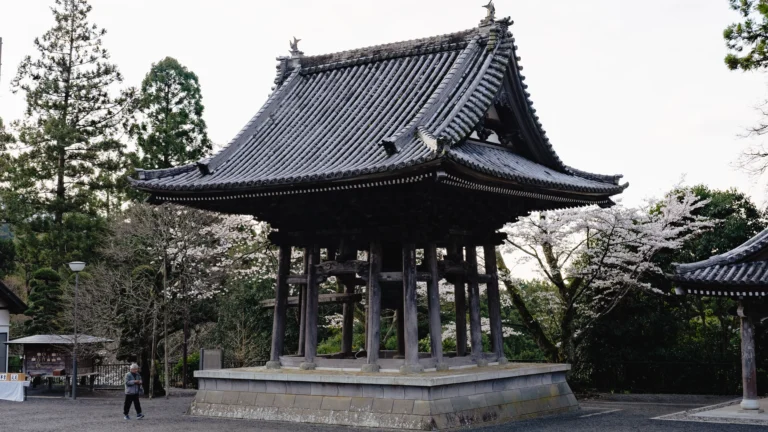
This is arguably the most photogenic structure on the grounds. The upper story is painted a brilliant vermilion with elaborate dragon carvings, and the bronze bell inside is inscribed with the year 1702. What makes the Shoromon truly distinctive is its base: the lower walls flare outward in a style called hakama-goshi, resembling the traditional pleated skirt worn with kimono. This architectural detail is rare and immediately recognizable.
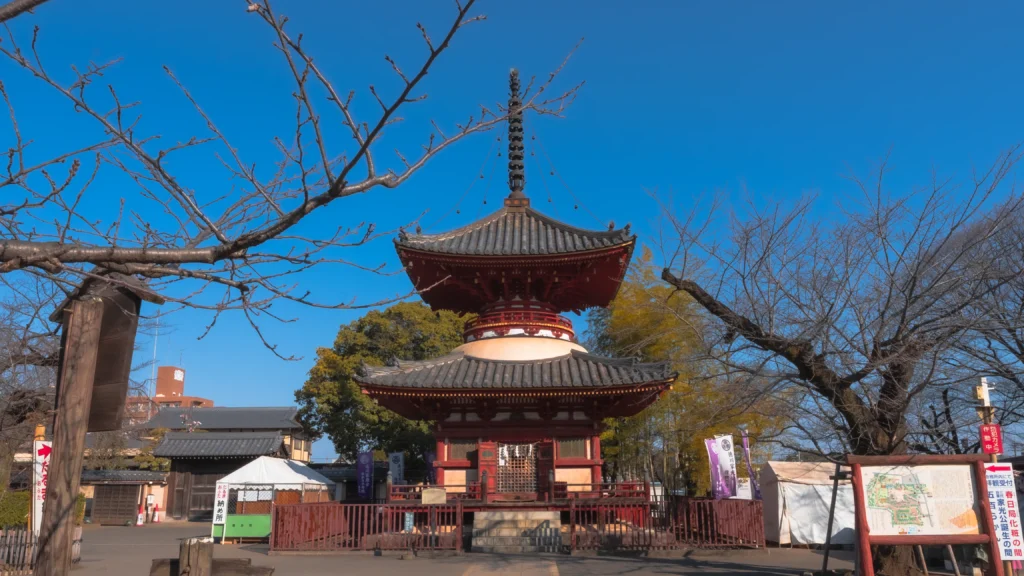
The Tahoto Pagoda (1639)
Standing about 13 meters tall, the Tahoto features a square lower story and a circular upper story — a design unique to this type of pagoda. It was originally built in 1639 and later relocated and restored in 1973. During late March and early April, the pagoda framed by cherry blossoms is the single most popular photo composition at Kitain. Check our cherry blossom forecast to time your visit.
Kuninuki Jizo (Pain-Removing Jizo)
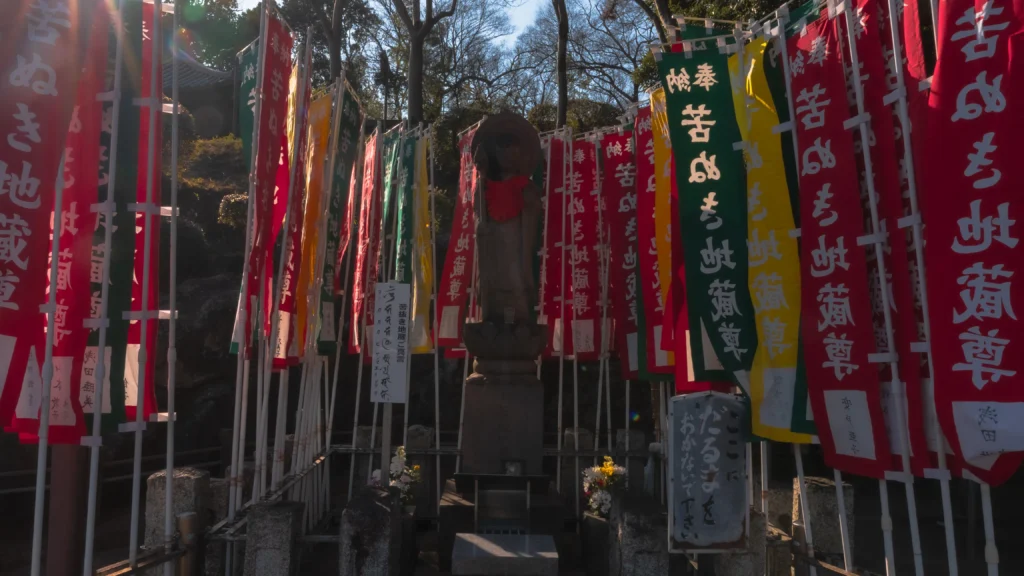
Tucked away on the grounds is a stone Jizo statue surrounded by dense, colorful devotional banners in red, yellow, and green, each reading “苦ぬき地蔵尊” (Kuninuki Jizo-son). Visitors come here to pray for the removal of physical pain and emotional suffering. The sight of dozens of banners swaying in the breeze around the stone figure is one of the most atmospheric corners of the temple.
Senba Toshogu Shrine (Adjacent)
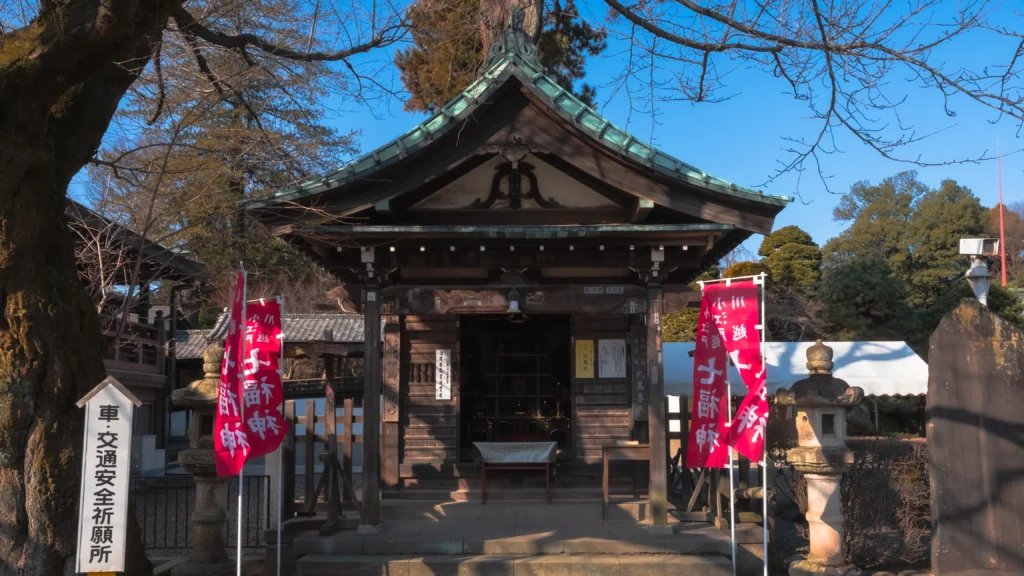
Within the Kitain grounds stands Senba Toshogu, one of Japan’s Three Great Toshogu shrines alongside Nikko and Kunouzan. It enshrines Tokugawa Ieyasu and is free to visit. Most people only know about Nikko, so this is a genuine hidden gem.
Best Time to Visit Kitain Temple
Kitain is a year-round destination, but certain seasons offer distinct advantages.
| Season | Highlights | Notes |
| Late Mar – Early Apr | ~100 cherry trees in bloom, Tahoto + sakura photos, Kawagoe Sakura Matsuri with lanterns and food stalls, yozakura (night viewing) until ~9 PM | Peak crowds on weekends. Read our cherry blossom etiquette guide |
| January 3 | Hatsu Daishi Daruma Market — daruma dolls, food stalls, 8 AM to sunset | Similar to the Jindaiji Daruma Ichi but larger. Note: paid areas closed Dec 19–Jan 15 |
| November | Chrysanthemum Festival (Nov 1–23) + autumn foliage | Quieter than spring, excellent photography |
| Summer | Lush green grounds, fewer tourists | Hot and humid — bring water |
| Winter | Crisp blue skies, golden light, minimal crowds | Best for architecture photography (as shown in our photos) |
Daily goma fire rituals are held three times per day inside the Jieido main hall, year-round. If your timing aligns, step inside to observe — the rhythmic chanting and the smell of burning wood create a powerful atmosphere.
How to Get to Kitain Temple from Tokyo
Kawagoe is one of the easiest day trips from Tokyo. The temple is a short walk from either of the two main stations.
| Route | Line | Time | Cost |
| Shinjuku → Hon-Kawagoe | Seibu Shinjuku Line Express | ~60 min | ~¥510 |
| Ikebukuro → Kawagoe | Tobu Tojo Line Express | ~30 min | ~¥490 |
| Ikebukuro → Kawagoe-shi | Tobu Tojo Line Express | ~33 min | ~¥490 |
From Hon-Kawagoe Station, it is a 15-minute walk south to Kitain. From Kawagoe Station, you can walk for 20 minutes or take the Koedo Loop Bus to the “Kitain-mae” stop (1 minute walk from there).
Note that neither the Seibu nor the Tobu lines are covered by the JR Pass. You will need an IC card (Suica, Pasmo, or ICOCA) or purchase a ticket at the station. For a broader overview of getting around Japan by train, see our transport guide.
For Southeast Asian travelers: Kawagoe is inland and can be noticeably colder than Tokyo, especially in winter mornings. If you are visiting from Singapore (average 27°C) or Bangkok (average 28°C), expect Kawagoe winter mornings to be around 0–5°C. Dress in warm layers. In summer, it is hot and humid — similar to what you are used to, but bring sunscreen and water. Kawagoe is accessible as a day trip, so no visa considerations beyond your existing Japan entry.
By car: Kanetsu Expressway → Kawagoe IC → approximately 20 minutes. Parking available (133 spaces, paid).
Where to Eat Near Kitain Temple
Two cafés sit within a minute’s walk of the temple, and Kawagoe’s famous sweet potato street food is a short walk north.
CAFE SUGAR is a beautifully renovated traditional house (kominka) just outside the temple grounds. They serve siphon coffee and handmade bread, with lunch sets around ¥800. It is the perfect place to rest after exploring the temple.
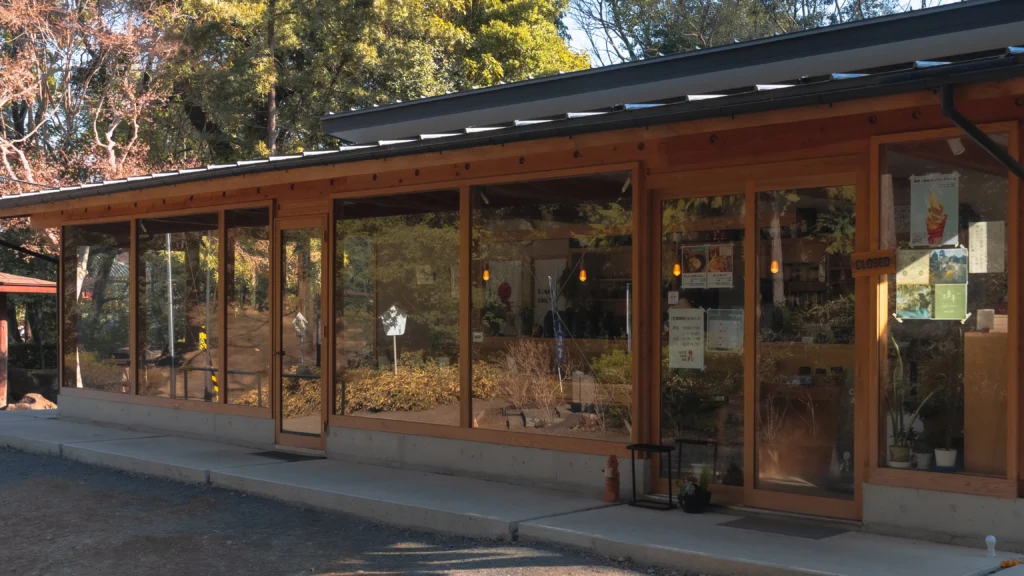
CAFE ANDON is located inside the Senba Toshogu grounds. Their carrot cake with fig and walnut is excellent, and lunch sets are around ¥1,100.
Once you walk north to the warehouse district (15–20 minutes), Kawagoe’s signature sweet potato treats await. Look for Imo-koi (いも恋) by Kasho Umon — sweet potato and red bean wrapped in mochi, certified as a Saitama Premium Brand product. Imo-kenpi (芋けんぴ), candied sweet potato sticks, are sold at nearly every shop. Kawagoe is also historically an eel town, so unagi (grilled eel) restaurants are plentiful. Most restaurants accept cash and credit cards, but smaller street food vendors may be cash-only. Check our guide on bank hours in Japan if you need to withdraw yen.
Suggested Morning Itinerary: Kitain to Warehouse District
This walking route covers the best of Kawagoe in a single morning and afternoon, starting at Kitain when it is quietest.
| Time | Stop | Details |
| 9:00 AM | Kitain — Paid Areas | Enter the Kyakuden and Shoin as they open. Stand in the room where Iemitsu was born. |
| 9:45 AM | Gohyaku Rakan | Take your time among the 538 stone faces. |
| 10:15 AM | Free Grounds | Sanmon gate, Tahoto pagoda, Jieido main hall. |
| 10:45 AM | Senba Toshogu | Adjacent shrine — one of Japan’s Three Great Toshogu. |
| 11:00 AM | CAFE SUGAR | Coffee and handmade bread. |
| 11:30 AM | Walk North (15 min) | Head toward Kawagoe Castle Honmaru Goten. |
| 12:00 PM | Warehouse District | Kura-zukuri street, Toki no Kane bell tower, sweet potato treats. |
| 1:00 PM | Kashiya Yokocho | Candy lane — traditional Japanese sweets. |
| 1:30 PM | Starbucks Kawagoe | The warehouse-style Starbucks on Kanetsuki-dori. |
| 2:00 PM | Kawagoe Hikawa Shrine | Finish at the famous shrine for wind chime festivals (summer). |
Practical Tips for Visiting Kitain
Payment:
The ¥400 admission and ¥300 goshuin stamp can be paid in cash. Some areas may accept IC cards, but bring cash to be safe.
Photography:
Freely permitted on all outdoor grounds. Strictly prohibited inside the Kyakuden, Shoin, and during any ceremonies.
Accessibility:
The main grounds are mostly flat, but the Jieido main hall requires climbing stone steps. The paid areas involve some narrow corridors and low doorways.
New Year:
Kitain receives approximately 400,000 visitors in the first three days of January — the highest in Saitama Prefecture. The paid areas are closed December 19 through January 15. If you are visiting during hatsumode season, expect significant crowds.
Strategic FAQ Section
Q: What is Kitain Temple in Kawagoe?
Kitain is a 1,200-year-old Tendai Buddhist temple in Kawagoe, Saitama Prefecture, founded in 830 AD. It is most famous for housing the only surviving rooms from the original Edo Castle, including the room where Shogun Tokugawa Iemitsu was born, and a courtyard of 538 individually carved stone Rakan statues.
Q: Why are the Edo Castle rooms at Kitain Temple?
In 1638, a massive fire destroyed most of Kitain. The third shogun, Tokugawa Iemitsu, whose trusted advisor Tenkai was the head priest, ordered buildings from Edo Castle’s Momijiyama Palace to be dismantled and moved to Kawagoe. After the 1923 earthquake and WWII destroyed everything in Tokyo, these became the only surviving Edo Castle structures.
Q: What are the 500 Rakan statues at Kitain?
The Gohyaku Rakan are 538 stone statues (not 500 — the name is traditional) of Buddhist disciples, carved over 50 years between 1782 and 1825. Each has a unique facial expression — laughing, crying, whispering, drinking sake. They are one of Japan’s Three Great Rakan collections.
Q: How do I get to Kitain Temple from Tokyo?
The fastest route is the Tobu Tojo Line Express from Ikebukuro to Kawagoe Station (30 minutes, about ¥490). From there, walk 20 minutes or take the Koedo Loop Bus to “Kitain-mae.” Alternatively, the Seibu Shinjuku Line runs from Shinjuku to Hon-Kawagoe (60 minutes), which is a 15-minute walk from the temple.
Q: Is Kitain Temple worth visiting in Kawagoe?
Yes. While the warehouse district showcases merchant history, Kitain offers direct contact with samurai history — the actual rooms of Edo Castle, the birth room of a shogun, and Lady Kasuga’s private quarters. Combined with the 538 Rakan statues and several National Important Cultural Properties, it is the most historically significant site in Kawagoe.
Q: How much does it cost to enter Kitain Temple?
The temple grounds, Jieido main hall, Sanmon gate, Tahoto pagoda, and adjacent Senba Toshogu shrine are all free. The paid areas — Kyakuden (Edo Castle rooms), Shoin (Lady Kasuga’s room), and Gohyaku Rakan (538 statues) — cost ¥400 for adults and ¥200 for children.
Q: When is the best time to visit Kitain Temple?
Late March to early April is the most popular time, when approximately 100 cherry trees bloom on the grounds. January 3 brings the Hatsu Daishi Daruma Market with food stalls and daruma dolls. November offers the Chrysanthemum Festival and autumn foliage. Winter mornings provide the clearest skies and fewest crowds.
Sources checked
Kitain Official Website (kitain.net), Kawagoe City Tourism Board, Koedo Kawagoe Tourism Association, Chocotabi Saitama, Japan Guide

- Kawagoe Kumano Shrine 2026: 6 Interactive Rituals You Can Actually Try
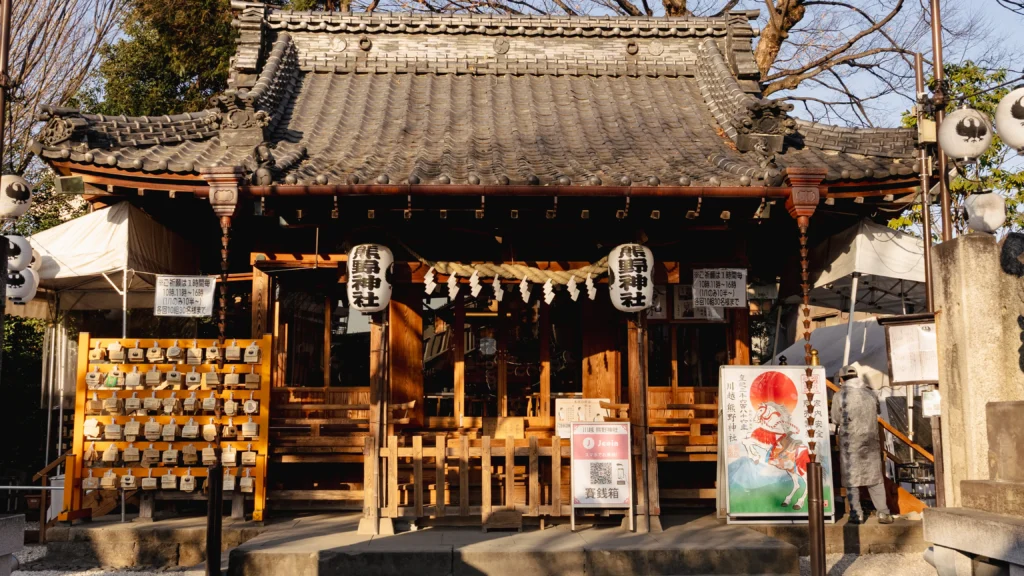 2026 Update: Kawagoe Kumano Shrine now offers QR-code multilingual guides at 16 locations throughout the grounds, available in English, Chinese, and Korean. The shrine also accepts cashless payments (PayPay) for… Read more: Kawagoe Kumano Shrine 2026: 6 Interactive Rituals You Can Actually Try
 - Kitain Temple Kawagoe 2026: Edo Castle Rooms & 538 Rakan [With Map]Most visitors to Kawagoe head straight to the warehouse district. Start at Kitain instead — it’s quieter in the morning, and you’ll walk the same route the Tokugawa shoguns once… Read more: Kitain Temple Kawagoe 2026: Edo Castle Rooms & 538 Rakan [With Map]
- Starbucks in a Kimono: A Guide to Kawagoe’s Most Beautiful Coffee Shop
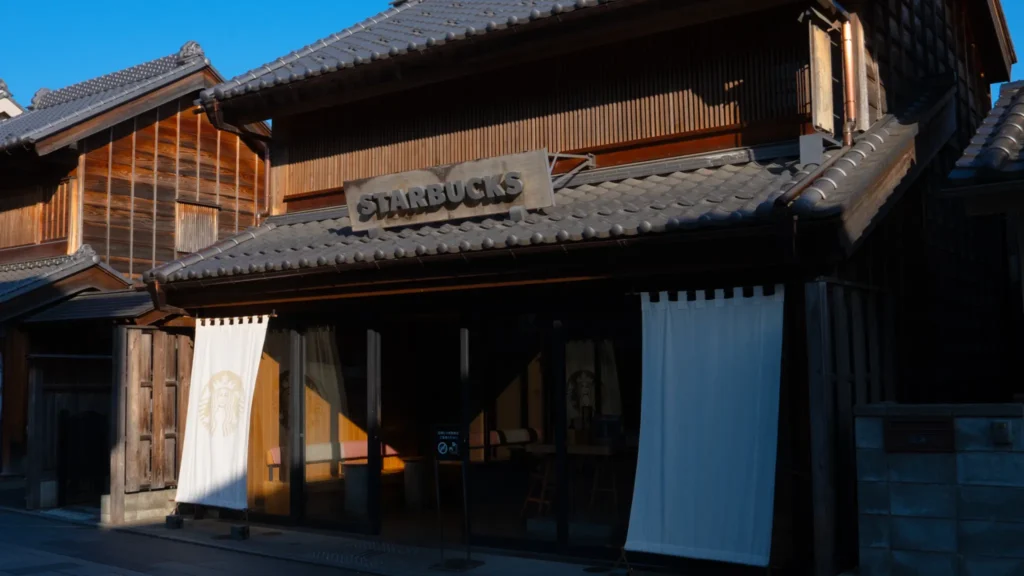 In the heart of Kawagoe, a town affectionately known as “Little Edo,” lies a Starbucks unlike any other. Steps away from the iconic Toki no Kane (Bell of Time) tower,… Read more: Starbucks in a Kimono: A Guide to Kawagoe’s Most Beautiful Coffee Shop
 - Senba Toshogu: A Guide to Kawagoe’s Hidden Tokugawa Shrine
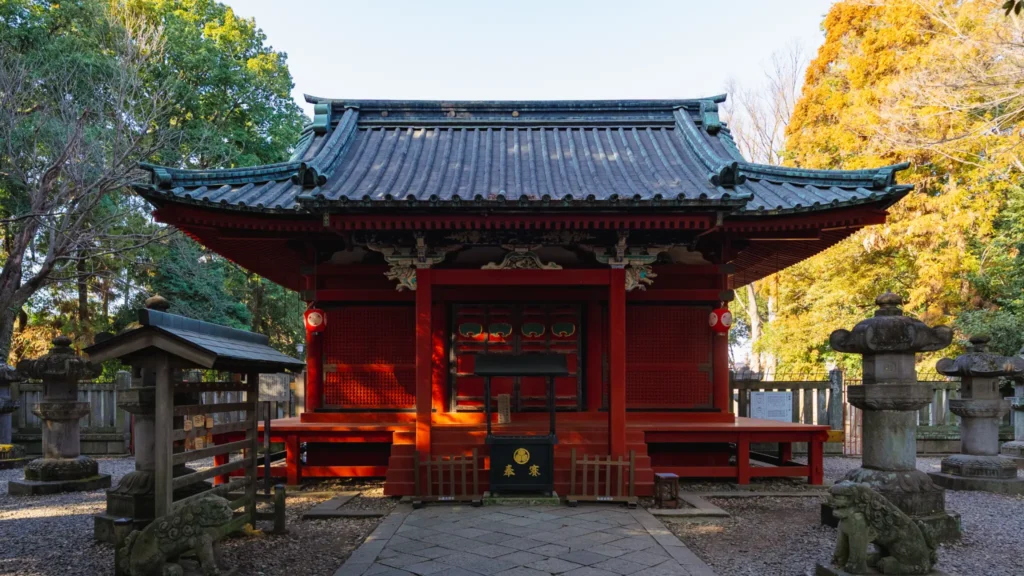 While Nikko’s Toshogu Shrine is famously known as the grand mausoleum of Tokugawa Ieyasu, a quieter but equally significant shrine lies hidden in the historic city of Kawagoe. The Senba… Read more: Senba Toshogu: A Guide to Kawagoe’s Hidden Tokugawa Shrine
 - Kawagoe Castle Honmaru Goten: A Glimpse into Samurai Lord Life in Little Edo
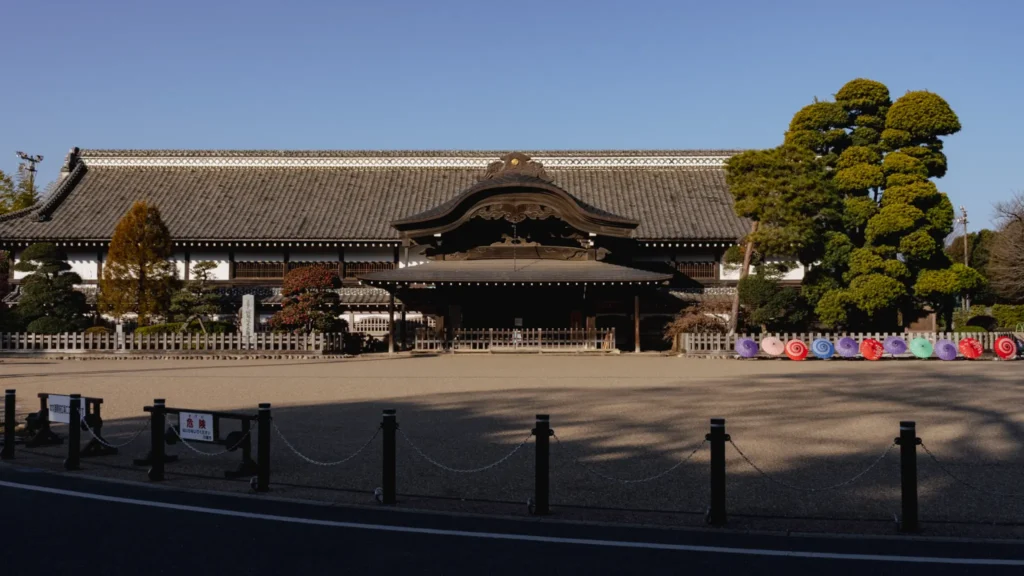 Step back in time in Kawagoe, a city affectionately known as “Little Edo,” and discover one of its most precious historical treasures: the Kawagoe Castle Honmaru Goten. As the only… Read more: Kawagoe Castle Honmaru Goten: A Glimpse into Samurai Lord Life in Little Edo
cherry blossom cherry blossoms day trip from tokyo flower festival fuji five lakes fujiyoshida Fukuoka fushimi hanami hiking japan japanese culture japanese food japanese garden japan travel kamakura kawagoe kawaguchiko Kumamoto kyoto local food Mount Fuji mt fuji Nagano nature Nikko Oku-Nikko Onsen Ramen Saga saitama sakura Shizuoka shrine sightseeing snow spring in japan Tochigi Tokyo travel travel guide travel planning winter winter travel Yamanashi