

So, you’ve heard about Japan’s famous sunakku, or snack bars. Maybe you’ve seen them in movies or read about their recent revival.
But what exactly are they? Are they like a regular bar? An izakaya? Or something else entirely?
For first-time visitors, Japan’s nightlife landscape can be confusing, especially with similar-sounding terms like hostess clubs and girls' bars.

This guide is here to demystify the Japanese snack bar.
We’ll break down its unique characteristics, explain the crucial differences between it and other establishments, and help you decide if a visit to a snack bar is right for you.
So, you’ve heard about Japan’s famous sunakku… and help you decide if a visit to a snack bar is right for you.
Table of Contents
The Four Pillars of a Snack Bar
A snack bar is more than just a place to drink; it’s a social institution built on a few key pillars that create its unique, intimate atmosphere.
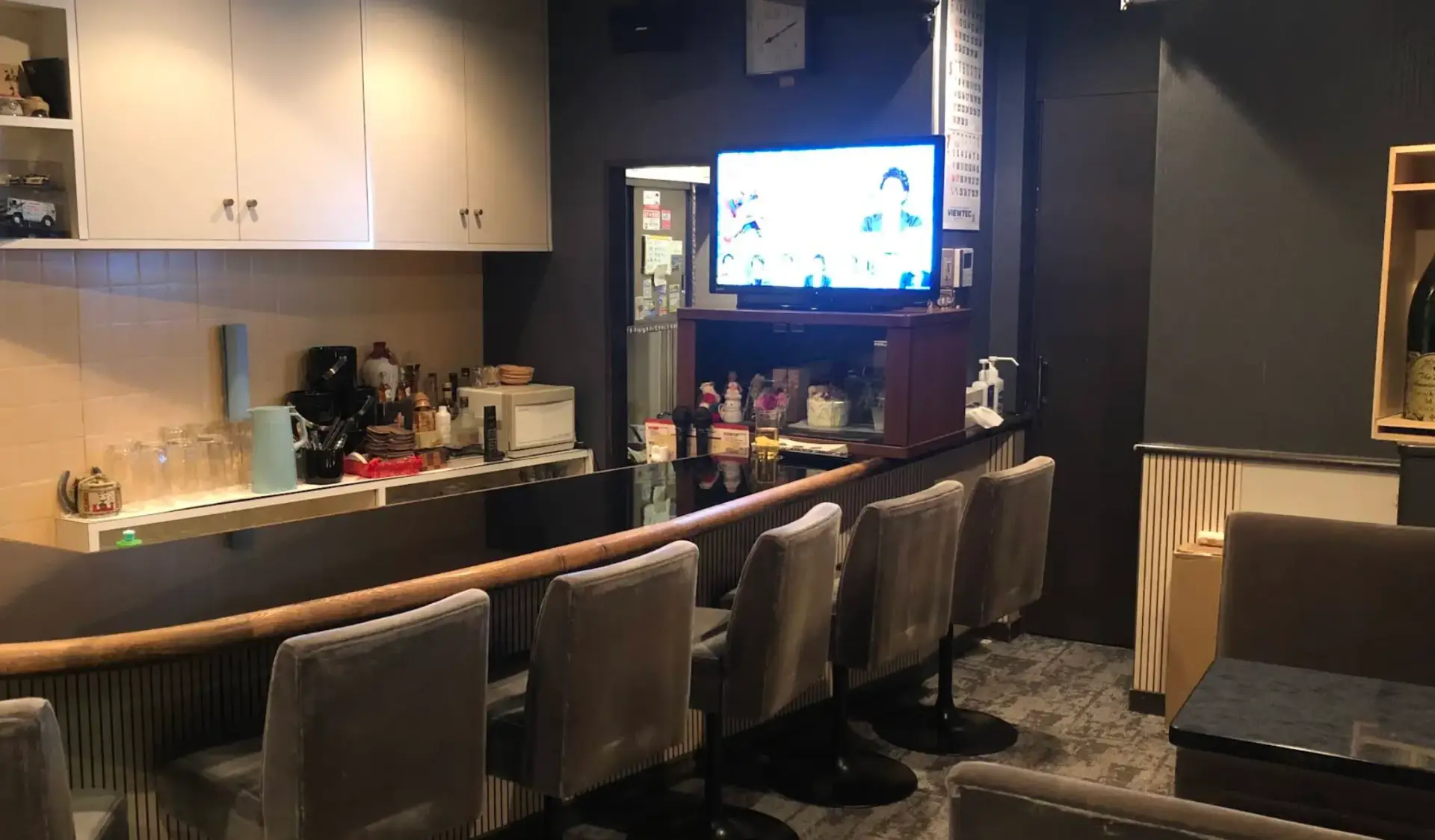
1.The “Mama-san” (or Master): At the heart of every snack bar is the owner, affectionately known as the “Mama” (or “Master” if male). She isn’t just a bartender; she’s the host, confidant, and social director. The Mama-san curates the entire experience, from remembering regulars’ favorite drinks to gently encouraging conversation between patrons .
2.The Regulars (Jōren): Snack bars thrive on a community of loyal customers. These regulars treat the bar like a second home, and their presence creates a stable, welcoming environment. Don’t be intimidated; they are often happy to chat with newcomers who show genuine interest.
3.Karaoke: While not universal, karaoke is a quintessential part of the snack bar experience. It’s not a professional performance but a shared activity. Singing a song (or just clapping along for others) is a great way to break the ice and become part of the group.
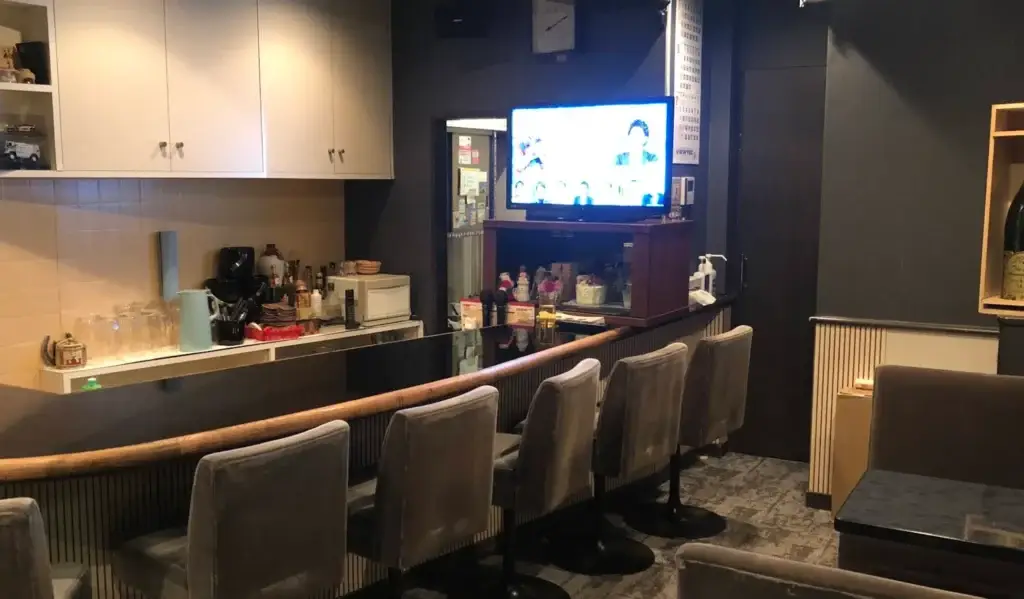
4.The Intimate Distance: Snack bars are typically small, often just a counter with a handful of seats. This close proximity is intentional, designed to foster a sense of community and easy conversation among everyone in the room, including the Mama-san.
Snack vs. Bar vs. Izakaya vs. Hostess Club: What’s the Difference?
Understanding the distinctions is key to managing your expectations and avoiding the wrong kind of establishment.
| Establishment | Primary Purpose | Atmosphere | Key Feature |
| Snack Bar | Communication & Community | Cozy, intimate, home-like | The Mama-san as a central host |
| Standard Bar | Drinking | Varies (lively to quiet) | Focus is on the drinks themselves |
| Izakaya | Casual Dining & Drinking | Lively, often noisy | Extensive food menu served alongside drinks |
| Hostess Club | Flirtatious Entertainment | Upscale, luxurious, exclusive | Hostesses sit with and dote on clients for a high fee |
The most important distinction is with hostess clubs (kyabakura). While both are part of Japan’s nightlife, their purpose and pricing are worlds apart. A hostess club is a high-end entertainment venue where you pay a significant hourly fee for the dedicated, flirtatious attention of a hostess who sits next to you. A snack bar is a much more casual, affordable, and community-focused space where the interaction is more natural and less transactional [2].
The Legal Concept of “Settai” (接待)
This difference is so critical that it’s enshrined in Japanese law. The Businesses Affecting Public Morals Regulation Act (or Fūeihō) strictly defines what constitutes “settai,” or接待, which translates to “reception” or “entertainment.”
What is Settai? Legally, it refers to “entertaining customers by creating a joyous and convivial atmosphere.” This includes acts where staff are assigned to a specific customer to provide conversation and services beyond just serving food and drink [3].
Activities that are legally considered settai include:
•Sitting next to a specific customer for continued conversation.
•Singing a duet with a specific customer.
•Playing games with a specific customer.
Establishments that offer settai, like hostess clubs, require a special license and are subject to stricter rules, such as closing at midnight. Most snack bars, however, operate under a standard late-night restaurant license. This means they are legally prohibited from offering settai. The staff (including the Mama-san) will serve you from behind the counter, and while they will chat with everyone, they will not sit beside you as a dedicated companion. This is the fundamental legal line between a snack bar and a hostess club .
Is a Snack Bar for You?
To decide if you’ll enjoy the experience, consider what you’re looking for.
A snack bar might be perfect for you if:
•You want to experience authentic, local Japanese culture.
•You enjoy quiet conversation and getting to know people.
•You are traveling solo and looking for a safe, friendly place to spend an evening.
•You are curious about the Showa-era retro vibe.
A snack bar might not be the right fit if:
•You are in a large, loud group looking to party.
•You are primarily focused on food (an izakaya would be better).
•You are uncomfortable in small, intimate settings.
•You are expecting the kind of attentive, one-on-one service found in a hostess club.
How to Choose a Beginner-Friendly Snack Bar
Stepping into your first snack bar can be daunting, as many have no windows and cater to a tight-knit group of regulars. But a growing number of
“neo-snack” bars are making it easier than ever for newcomers to join in.
For a deeper dive into finding the perfect spot for your first visit, including what to look for online and tips for navigating your first hour, check out our next article: “A Beginner’s Guide to Finding and Enjoying Your First Japanese Snack Bar.”
References
[1] Nippon.com. (2018). Legend of the Night: An Introduction to Japanese Snack Bars.
[2]: # “Yumei Origin. (2024). What is a \”Snack Bar\”? Differences Between Snack Bars, Hostess Bar, and Girls’ Bars.”
[3]: # “Trust-Operation. (n.d.). スナックの「接待」の基準5選!法律違反しないための注意点.”

- Yakushima West Drive 2026: Ohko Falls, Yokogawa Valley, Seibu Rindo and Inakahama
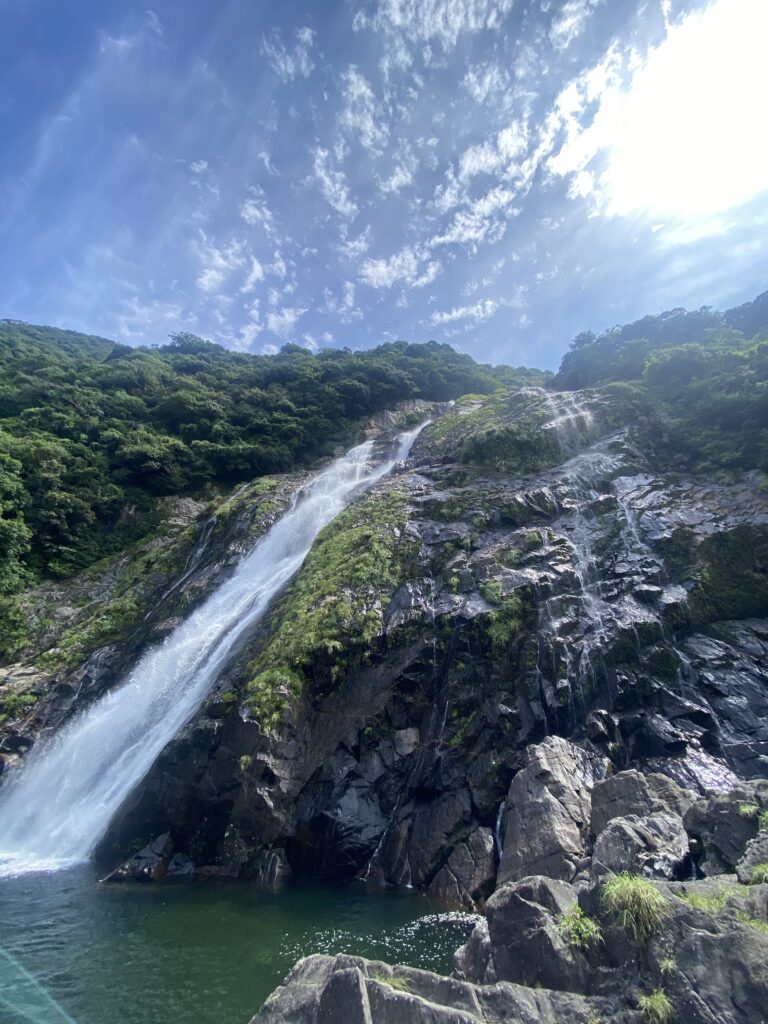 A 120 km west-coast loop that most Yakushima tourists skip — Ohko Falls, the Yokogawa swimming pools, the UNESCO Seibu Rindo wildlife corridor, and Nagata Inakahama beach. With 2026 driving practicalities and an honest hour-by-hour day plan.
 - Shonan at 5 AM in June 2026: Koyurugi Crossing, the Beach with Mt. Fuji, and the Coast Most Visitors Walk Past
 A pre-tsuyu, pre-crowd morning walk along the Shonan coast — Enoden trains, the small Koyurugi crossing, and Mt. Fuji from a beach almost no foreigner has heard of.
 - THE HOTEL YAKUSHIMA Ocean and Forest Review: A Quiet Architectural Stay on the North Shore
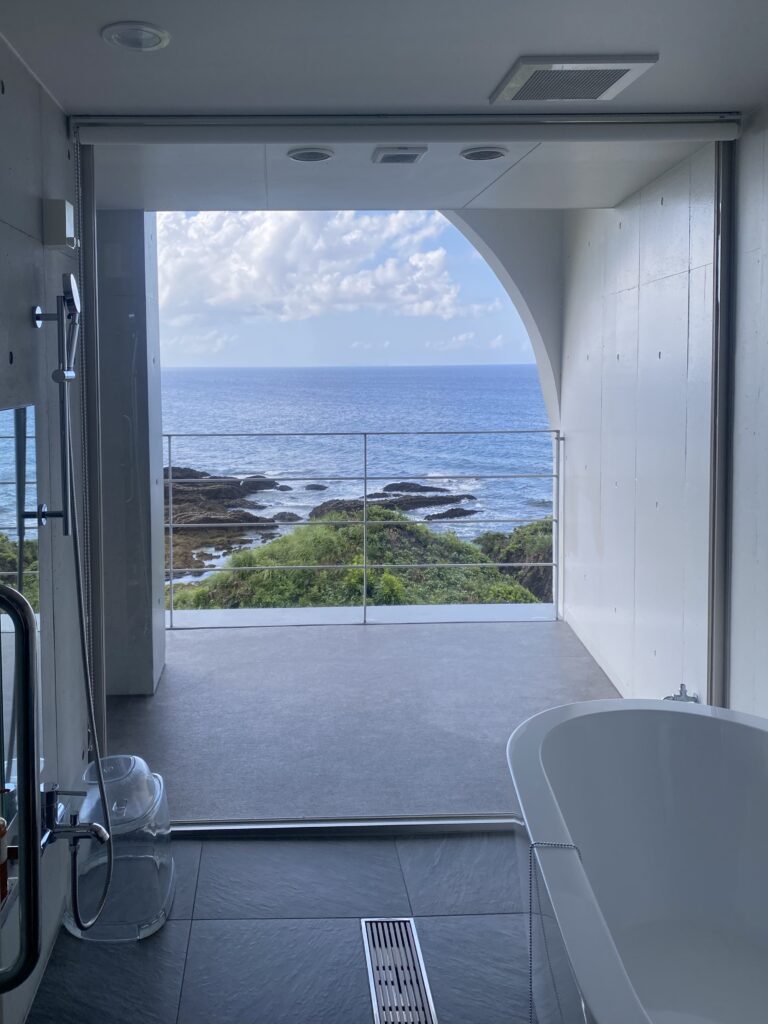 An architect-led 9-villa hotel on Yakushima north-west shore. Each room has an open-air bath that frames the Pacific through a concrete arch and a private balcony 25 meters above the rocks. What works, what does not, and who should book.
 - Shoji Ueda Museum 2026: The Concrete Building That Frames Mt. Daisen Like One of His Photographs
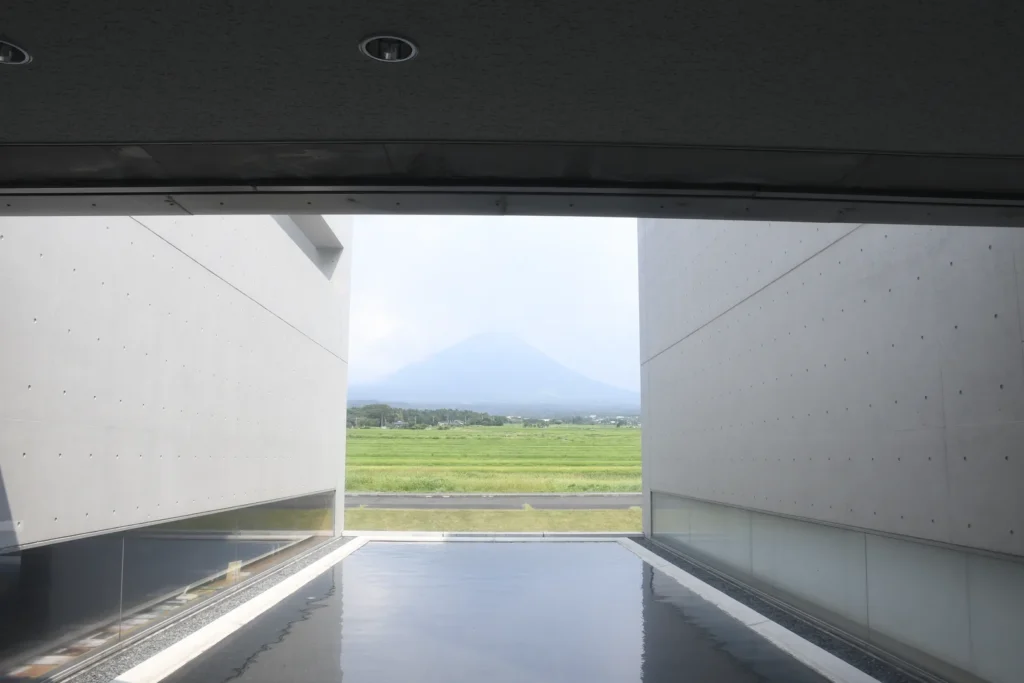 A pilgrimage to photographer Shoji Ueda hometown museum in Tottori. Shin Takamatsu architecture, four black cubes, and the reflecting pool that frames Mt. Daisen.
 - Minamiza 2026: Kyoto’s 400-Year-Old Kabuki Theatre, Walked by a Kyoto-Born Local
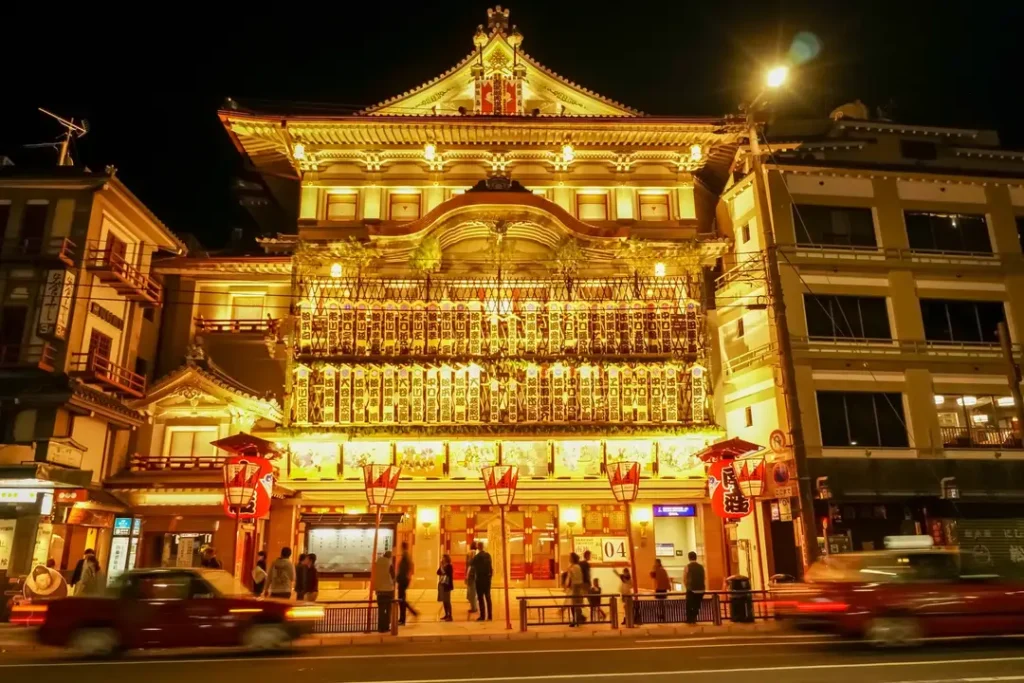 A Kyoto-born local walk through Minamiza, the Edo-period kabuki theatre on Shijo Bridge. 2026 schedule, ticket tiers, the English audio guide that opens it up.
2026 cherry blossom cherry blossoms day trip from tokyo flower festival fuji five lakes Fukuoka fushimi hanami japan japanese culture japanese food japan travel kamakura kawaguchiko Kumamoto kyoto mt fuji Nagano Onsen sakura Shizuoka shrine spring spring in japan Tokyo travel winter winter travel Yamanashi
Join 1,000+ travelers discovering Japan's hidden side
Weekly dispatches from off-the-beaten-path Japan — spots and stories you won't find in guidebooks.
No spam. Unsubscribe anytime.
Welcome aboard!
You're in. See you in your inbox soon.

[…] you wander through Nishiura, you’ll see countless signs for “スナック” (sunakku), or Snack Bars. For many international visitors, this is an unfamiliar concept. A snack bar is not […]