

Step into a living museum where the world of the samurai is perfectly preserved.

Tsumago-juku, nestled in the heart of Nagano's Kiso Valley, is not just a destination; it's a journey back to the Edo period.

This guide explores the rich history and enduring culture of one of Japan's most beautifully maintained post towns.
Table of Contents
Quick Facts
| Feature | Details |
| Location | Nagiso Town, Kiso District, Nagano Prefecture |
| Main Attraction | Perfectly preserved Edo-period post town streetscape |
| Historical Route | 42nd of 69 post towns on the Nakasendo Highway |
| Time Needed | 2-3 hours for the town; a full day for hiking to Magome |
| Best Time to Visit | Spring (April-May) and Autumn (October-November) for pleasant weather |
| Nearest Station | JR Nagiso Station |
| Payment | Cash is highly recommended; many small shops and inns do not accept cards |
| Accessibility | The main street is mostly flat, but some historic buildings have steps |
Overview: A Walk Through Living History
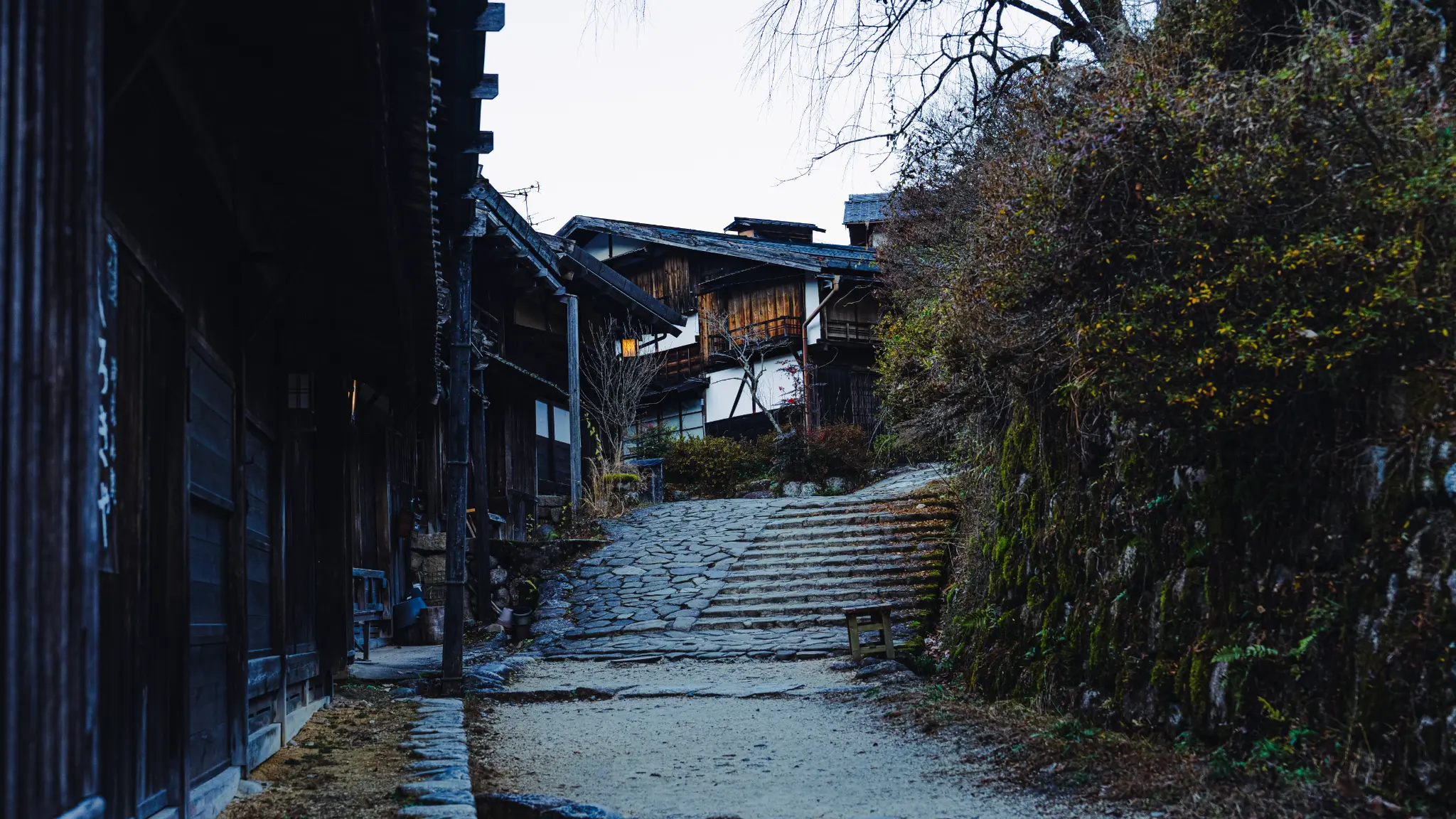
Tsumago-juku was a vital post town on the Nakasendo, one of the five major highways connecting Edo (modern-day Tokyo) and Kyoto during the Edo period (1603-1868) . Unlike the coastal Tokaido route, the mountainous Nakasendo was favored by many travelers, including feudal lords and princesses, earning it the nickname Hime-kaido or “Princess Highway” .
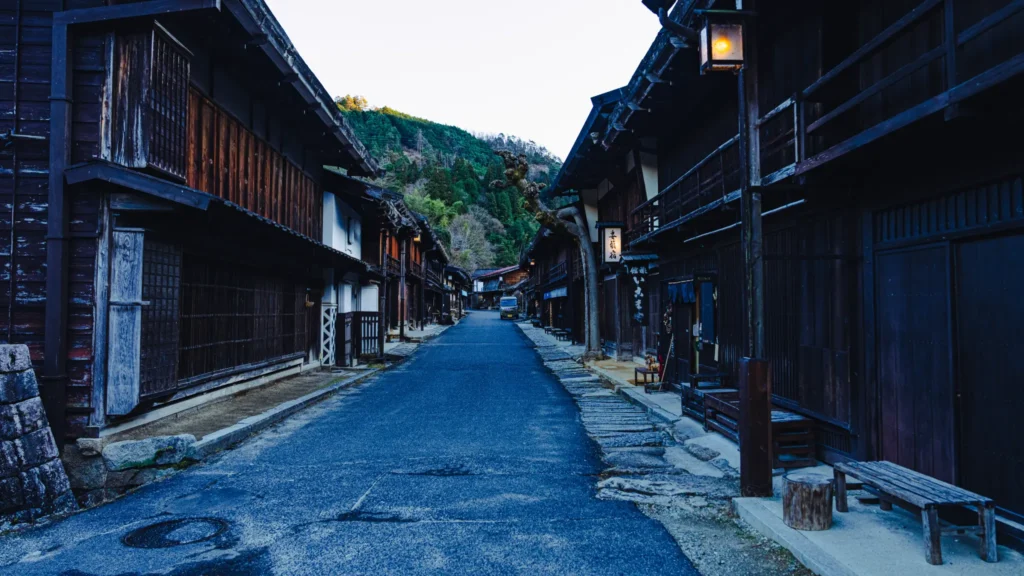
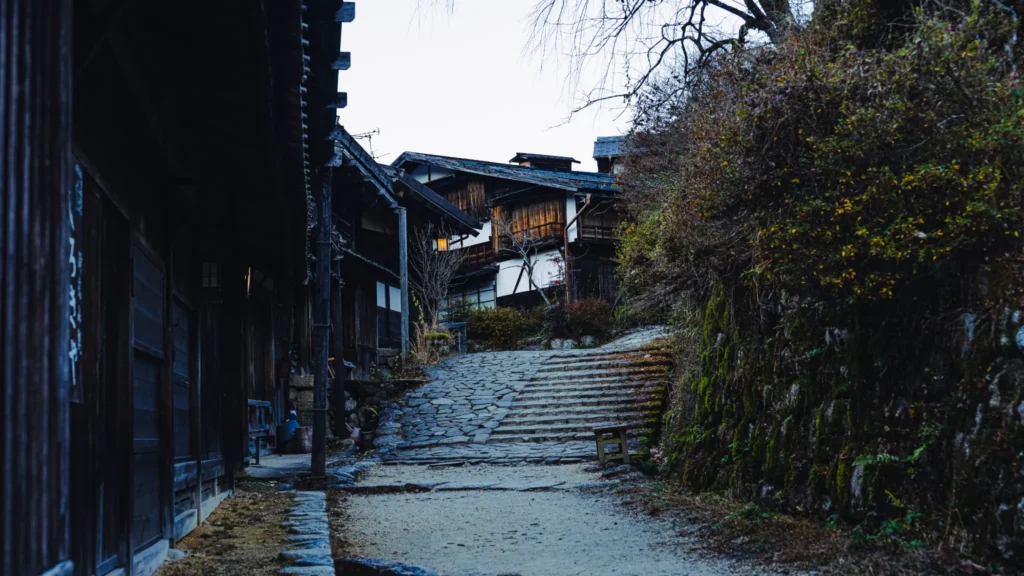
Today, as you walk the stone-paved streets, you are surrounded by a landscape devoid of modern intrusions. Telephone poles, power lines, and modern signs are hidden from view, creating an immersive experience that feels like stepping onto a movie set. This remarkable state of preservation is no accident; it is the result of a pioneering community effort that began over 50 years ago, making Tsumago-juku a model for historical conservation across Japan .
The Birth of a Legacy: Tsumago’s Preservation Story
In the mid-20th century, as Japan rapidly modernized, many historic towns like Tsumago faced decline. However, in 1968, the residents of Tsumago made a groundbreaking decision. They formed the “Tsumago wo Aisuru Kai” (The Association for Loving Tsumago) and established a simple but powerful charter to protect their heritage: “Don’t sell, don’t rent, don’t destroy” .
This community-led initiative was the first of its kind in Japan. It ensured that the town’s land and historic buildings would remain in the hands of the residents, protecting them from outside development. Their efforts were recognized in 1976 when Tsumago was designated as one of Japan’s first Nationally Designated Important Preservation Districts for Groups of Historic Buildings .
This dedication has paid off. Tsumago-juku is now internationally renowned, attracting visitors from over 50 countries who come to walk the “Samurai Trail” and experience this authentic piece of Japanese history .
What to See: Exploring the Edo-Period Streetscape
The entire town is a museum, but several key sites offer deeper insights into the history and culture of Tsumago-juku.
Terashita District
This area, at the northern end of the town, is where the preservation movement began. It is arguably the most atmospheric part of the town, with its quiet streets, stone lanterns, and traditional water basins that have served travelers for centuries .
Honjin and Waki-Honjin
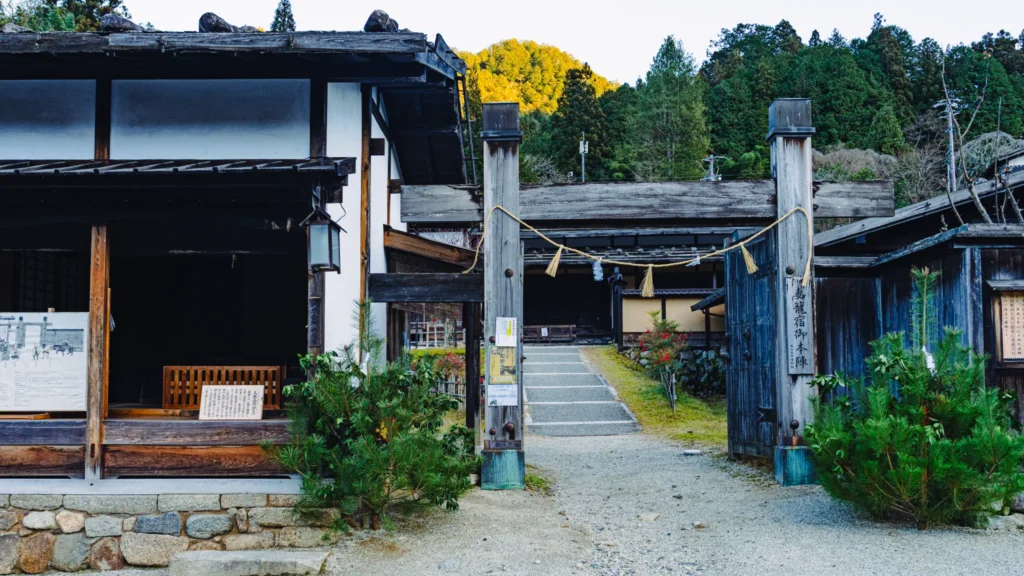
The Honjin was the main inn, reserved for high-ranking government officials like daimyo (feudal lords). The original was dismantled, but it has been faithfully reconstructed based on late-Edo period blueprints. It was also the family home of the mother of the famous Meiji-era novelist, Shimazaki Toson .
The Waki-Honjin (the secondary inn) served travelers of a slightly lower rank. The current building, constructed in 1877 entirely from forbidden Kiso cypress, is a designated National Important Cultural Property. It is famous for the beautiful beams of light that shine through the lattice windows onto the hearth’s smoke on clear winter days .
Historic Architecture
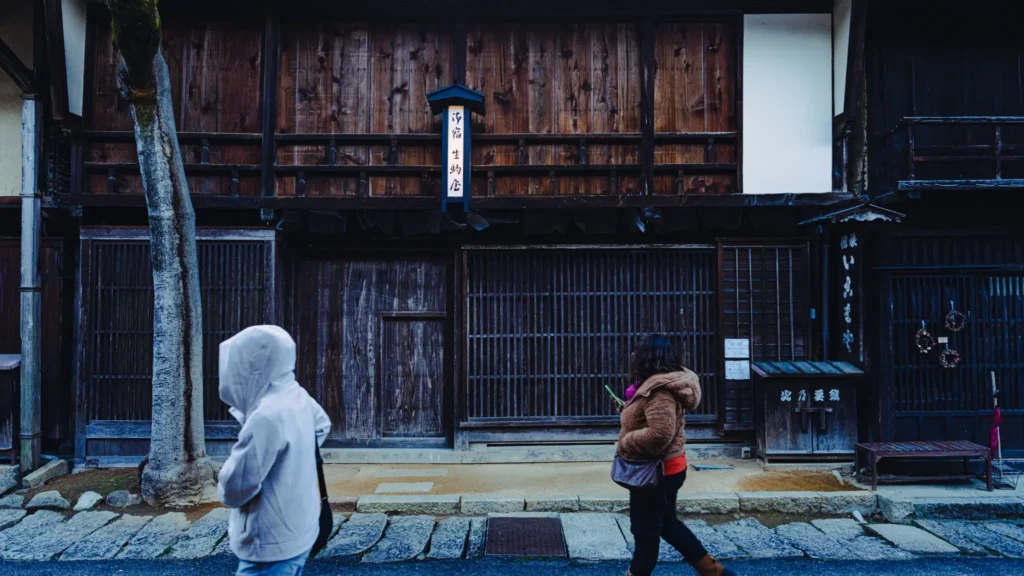
Look for the distinctive architectural styles as you walk. Dashibari-zukuri features an overhanging second floor, providing shelter for travelers below, while tateshige-goshi refers to the beautiful vertical wooden lattices on the fronts of buildings . You can also see the masugata, a defensive zigzag in the road designed to slow down potential attackers.
Cultural Events
If your visit coincides with November 23rd, you can witness the Bunkwa Bunsei Fuzoku Emaki no Gyoretsu, a grand procession where over 150 locals dress in Edo-period costumes and parade through the town, recreating a historical picture scroll .
Best Time to Visit
Spring (April-May) and autumn (October-November) offer the most pleasant weather for walking. Winter is quiet and beautiful, especially when it snows, but can be very cold. Summer is hot and humid, but the surrounding nature is lush and green.
How to Get There
Tsumago-juku is most easily accessed from JR Nagiso Station on the JR Chuo Main Line.
•From Tokyo: Take the JR Tokaido Shinkansen to Nagoya, then transfer to the JR Chuo Main Line (Limited Express Shinano) to Nagiso Station (approx. 3 hours).
•From Nagiso Station: The town is a 10-minute bus or taxi ride away. For those who enjoy walking, it’s a scenic 40-minute (4 km) walk.
Practical Tips for Your Visit
•Wear Comfortable Shoes:
The town is best explored on foot, and the nearby Nakasendo trail is a proper hike.
•Bring Cash:
While some larger establishments accept credit cards, many smaller shops, eateries, and inns are cash-only.
•Vehicle Restrictions:
The main street is closed to vehicle traffic from 10:00 AM to 4:00 PM daily to preserve the atmosphere.
•Hike to Magome:
For the full Nakasendo experience, consider the 8 km hike to the neighboring post town of Magome. It takes about 3 hours and offers beautiful scenery. A baggage forwarding service is available between the towns.
Where to Stay Nearby
To fully immerse yourself in the atmosphere, consider staying overnight in one of Tsumago’s traditional minshuku (family-run inns) or ryokan (traditional inns).
Alternatively, the larger towns of Kiso-Fukushima and Nakatsugawa offer more hotel options.
Frequently Asked Questions (FAQs)
Q: Is Tsumago-juku worth visiting?
A: Absolutely. It is one of the best-preserved examples of an Edo-period post town in Japan and offers a unique, immersive historical experience.
Q: How long does it take to walk through Tsumago-juku?
A: To walk the main street and see the key sights, allow at least 2-3 hours. If you plan to hike to Magome, you will need most of a day.
Q: Can I visit Tsumago and Magome in one day?
A: Yes, it is possible, especially if you use the bus service between the two towns. However, to fully appreciate both and hike the trail, an overnight stay is recommended.
Q: Is it crowded?
A: It is a popular destination and can be busy, especially on weekends and holidays. Visiting on a weekday or early in the morning can provide a quieter experience.
Sources
[1] Touken World. “A Popular Post Town Called the Samurai Road, Tsumago-juku.”
[2] The Association for Loving Tsumago. “About Us.”
[3] Nagano Prefecture Official Tourism Blog. “Walking the Kiso-ji ㉑ (Tsumago-juku).”
[4] Nagiso Town Tourism Association. “Tsumago-juku Honjin.”

- Tsumago-juku: A Journey Back in Time on the Nakasendo Samurai TrailStep into a living museum where the world of the samurai is perfectly preserved. Tsumago-juku, nestled in the heart of Nagano’s Kiso Valley, is not just a destination; it’s a… Read more: Tsumago-juku: A Journey Back in Time on the Nakasendo Samurai Trail
- TOGAKUSHI SHRINE CLOSURE 2026 – COMPLETE ARTICLE (REVISED WITH IMAGES)
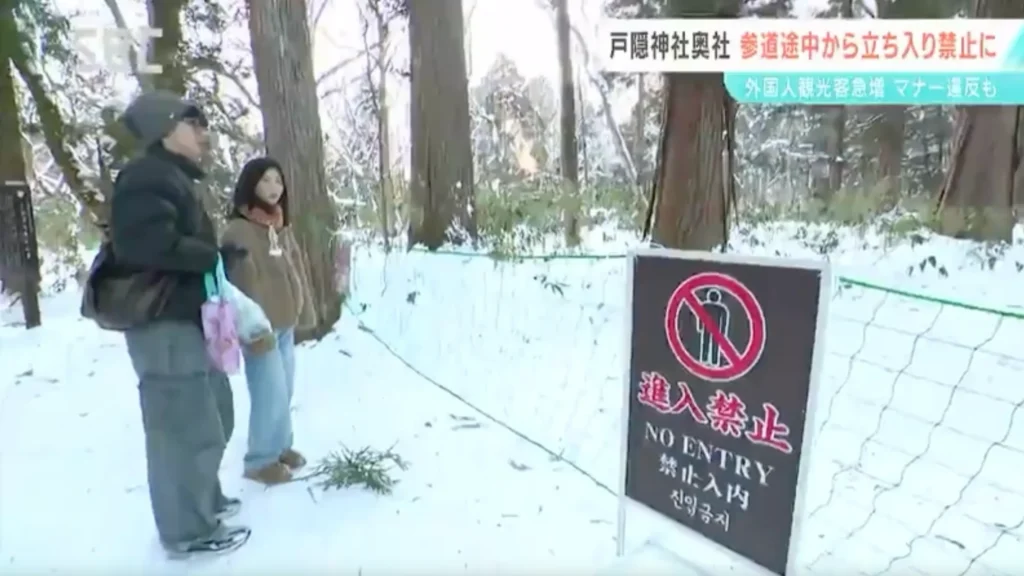 Togakushi Shrine Closes Famous Cedar Avenue Until Spring 2026 NAGANO, JAPAN – In an unprecedented move, Togakushi Shrine has completely closed the iconic cedar-lined path leading to its Upper Shrine… Read more: TOGAKUSHI SHRINE CLOSURE 2026 – COMPLETE ARTICLE (REVISED WITH IMAGES)
 - Narai-juku Access: The Ultimate 2026 Guide to Japan’s Best-Preserved Post Town
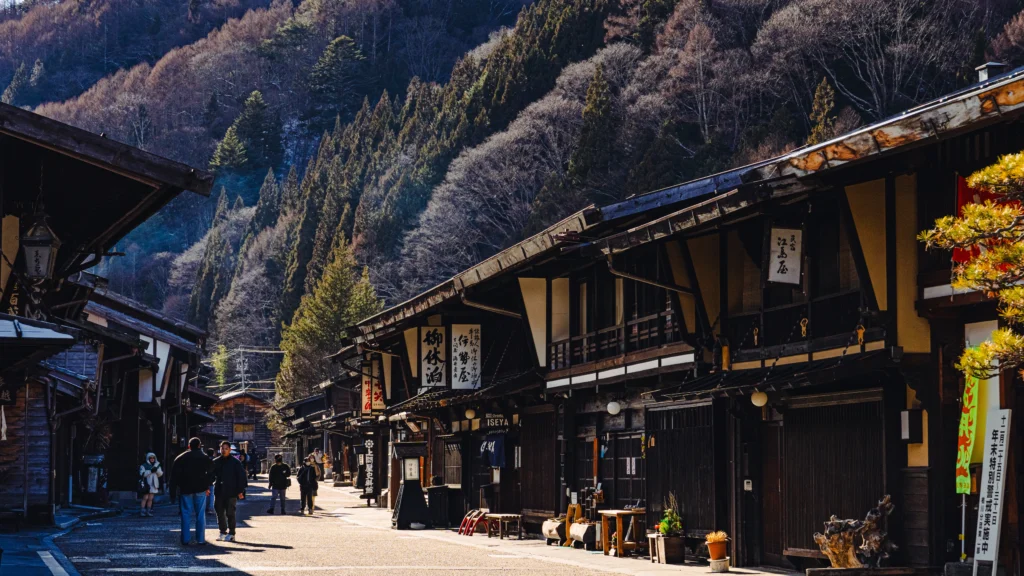 Planning a trip to the stunningly preserved Edo-period post town of Narai-juku? Nestled in the beautiful Kiso Valley, this historic gem on the old Nakasendo trail feels a world away… Read more: Narai-juku Access: The Ultimate 2026 Guide to Japan’s Best-Preserved Post Town
 - Tsumago-juku: A Journey Back in Time on the Nakasendo Trail
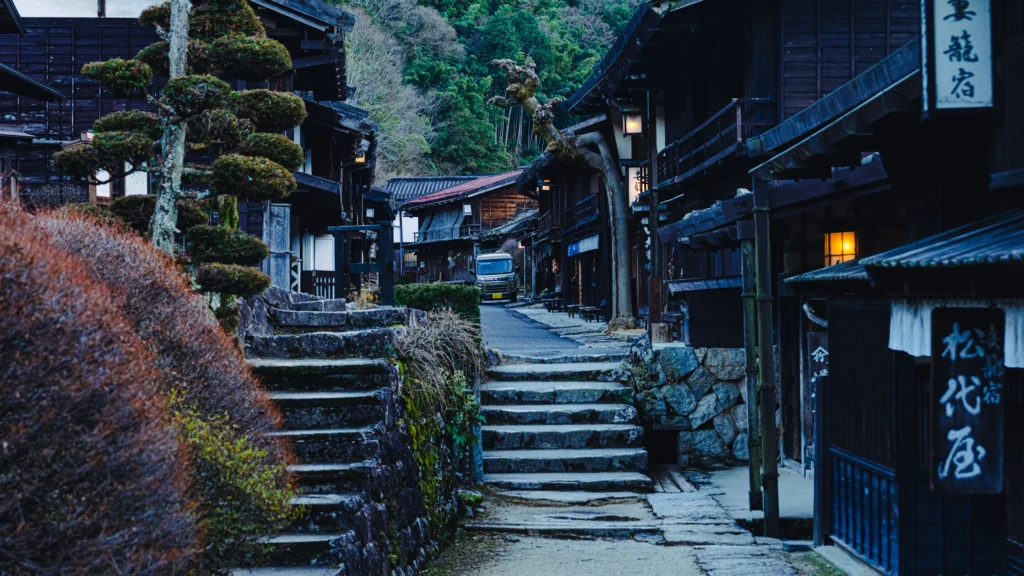 Step into a living museum in the heart of the Kiso Valley. Tsumago-juku, a remarkably preserved post town on the historic Nakasendo trail, offers a rare glimpse into the life… Read more: Tsumago-juku: A Journey Back in Time on the Nakasendo Trail
 - Walking the Four Shrines of Suwa Taisha: A Journey Through Japan’s Sacred Mountains
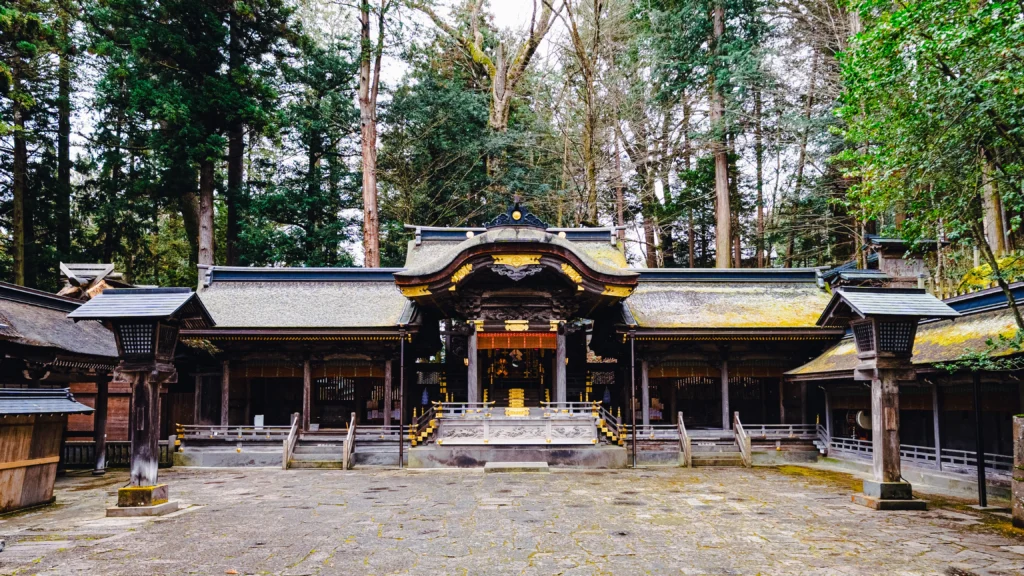 I came to Suwa Taisha on a clear autumn morning. The task was simple: visit all four shrines in a single day. This is called yonsha meguri—the four-shrine pilgrimage. It… Read more: Walking the Four Shrines of Suwa Taisha: A Journey Through Japan’s Sacred Mountains
cherry blossom cherry blossoms day trip from tokyo edo period flower festival fuji five lakes fujiyoshida Fukuoka fushimi hanami japan japanese culture japanese food japan travel kamakura kawaguchiko Kumamoto kyoto local food Mount Fuji mt fuji Nagano nature new year holiday Nikko Oku-Nikko Onsen Ramen ryokan Saga sakura Shizuoka shrine sightseeing snow spring in japan spring travel Tochigi Tokyo travel travel guide travel planning winter winter travel Yamanashi