

For over a millennium, Kyoto stood as the imperial capital of Japan, a city where emperors reigned and a sophisticated culture flourished.

Today, it remains the nation's spiritual heart and a premier destination for travelers seeking to immerse themselves in traditional Japanese arts, architecture, and history.

While it has evolved into a modern city of 1.5 million people, Kyoto carefully preserves its priceless heritage. Countless temples, serene gardens, and historic districts offer a glimpse into its illustrious past, making it an essential stop on any Japan itinerary.
Table of Contents
Quick Facts
| Feature | Details |
| Best Time to Visit | Spring (March-May) for cherry blossoms & Autumn (October-November) for fall colors |
| Estimated Time Needed | 2 to 3 days are recommended to cover the main highlights |
| Main Access | JR Kyoto Station |
Overview: What is Kyoto Known For?
Kyoto served as Japan’s imperial capital from 794 to 1868, and its legacy is evident everywhere.
The city is synonymous with traditional Japanese culture, boasting an incredible concentration of historical and artistic treasures. Unlike many other major Japanese cities, Kyoto was spared from large-scale destruction during World War II, leaving its rich architectural heritage largely intact.
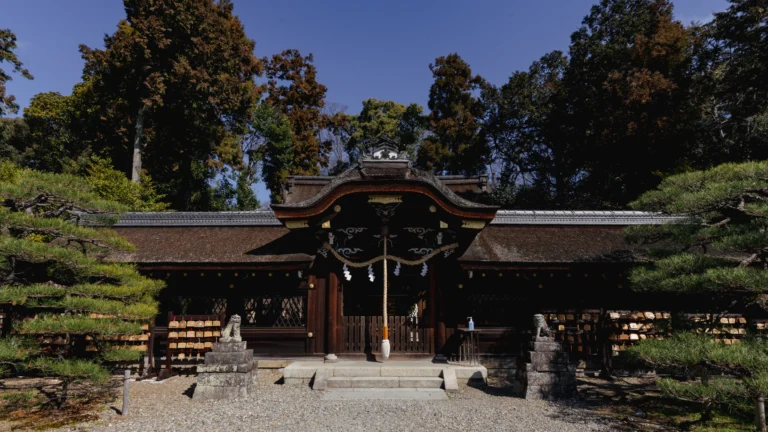
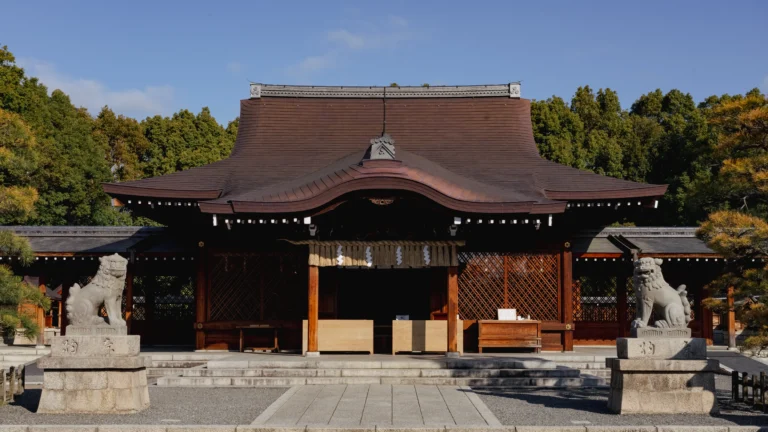
It is most famous for its approximately 2,000 temples and shrines, including 17 UNESCO World Heritage Sites. From the iconic golden pavilion of Kinkaku-ji to the thousands of vermilion gates at Fushimi Inari Shrine, Kyoto offers a journey through centuries of Japanese history, religion, and aesthetics.
The city is also celebrated for its refined cuisine (kaiseki), traditional tea ceremonies, and the geisha district of Gion.
How to Get to Kyoto
Located almost in the center of Japan, Kyoto is a major transportation hub and easily accessible from major cities and international airports.
From Major Hubs & Airports
•From Tokyo:
The most common and efficient way is via the Tokaido Shinkansen (bullet train). The journey from Tokyo Station to Kyoto Station takes approximately 2 hours and 15 minutes on the fastest Nozomi train. The Japan Rail Pass covers the Hikari and Kodama trains on this route, which take slightly longer.
•From Osaka:
Kyoto is a short trip from Osaka. The Special Rapid service on the JR Kyoto Line connects Osaka Station to Kyoto Station in about 30 minutes. Alternatively, the Shinkansen takes only 15 minutes.
•From Kansai International Airport (KIX):
The JR Haruka Limited Express is the most convenient option, connecting KIX directly to Kyoto Station in about 80 minutes.
•From Osaka Itami Airport (ITM):
An airport limousine bus is the easiest way, taking about 50-60 minutes to reach Kyoto Station.
Getting Around the City
Kyoto has an extensive public transportation network. While the subway system is efficient, it doesn’t cover all major sights. The city bus network is comprehensive and useful for reaching many temples and attractions. A combination of trains and buses is often the best approach. Consider purchasing a Subway & Bus 1-Day Pass for convenient travel.
Explore Kyoto: 3 Key Spots
Kyoto is filled with iconic landmarks. Here are three essential spots that capture the city’s unique charm.
1. Kinkaku-ji (Golden Pavilion)
A Zen Buddhist temple whose top two floors are completely covered in gold leaf, Kinkaku-ji is one of Kyoto’s most famous sights. The pavilion is set in a beautiful Japanese strolling garden, and its reflection in the surrounding pond creates a breathtaking scene. It was originally the retirement villa of Shogun Ashikaga Yoshimitsu.
•Official Website: https://www.shokoku-ji.jp/en/kinkakuji/
2. Fushimi Inari Shrine
Famous for its thousands of vibrant vermilion torii gates, which create a network of trails leading into the wooded forest of the sacred Mount Inari. This Shinto shrine is dedicated to Inari, the god of rice. The hike to the summit and back takes about 2-3 hours and offers stunning views of the city along the way. It is an unforgettable and highly photogenic experience.
•Official Website: http://inari.jp/en/
3. Kiyomizu-dera Temple
Perched on the side of a mountain in eastern Kyoto, Kiyomizu-dera is best known for its large wooden stage that juts out from its main hall, 13 meters above the hillside below. The stage was built without using any nails and offers impressive views of the city. The temple complex also includes the Otowa Waterfall, where visitors can drink from streams said to have wish-granting powers.
•Official Website: https://www.kiyomizudera.or.jp/en/
Where to Stay in Kyoto
Choosing the right area to stay can significantly enhance your visit. For convenience, the area around Kyoto Station offers a wide range of hotels and excellent transport links. For a more atmospheric experience, consider staying in Gion or the surrounding Higashiyama area, where you can explore historic streets in the evening. The Downtown Kawaramachi area is another great option, offering a mix of hotels, shopping, and dining.
FAQs about Visiting Kyoto
1. Is Kyoto worth visiting?
Absolutely. As the former imperial capital, Kyoto is the cultural and historical heart of Japan, offering an unparalleled collection of temples, shrines, gardens, and traditional arts.
2. How much time do I need in Kyoto?
While you can see some highlights in a day, 2 to 3 days are recommended to explore the main sights without feeling rushed. A longer stay allows for deeper exploration and day trips.
3. What is Kyoto famous for?
Kyoto is famous for its numerous temples and shrines (including 17 UNESCO World Heritage sites), beautiful gardens, the geisha district of Gion, traditional kaiseki cuisine, and its role as the former imperial capital of Japan.
4. What is the best way to get around Kyoto?
A combination of the city’s subway and extensive bus network is the most effective way to navigate Kyoto. Bicycles are also a popular option for exploring specific districts.
Sources
•Kyoto City Official Travel Guide: https://kyoto.travel/en/
•Japan Guide – Kyoto: https://www.japan-guide.com/e/e2158.html
Short Closing
From its tranquil temples to its bustling markets, Kyoto offers a profound connection to Japan’s rich history and enduring traditions. We hope this guide helps you discover the heart of this captivating city.

- Umenomiya Taisha: Kyoto’s Hidden Gem for Sake, Cats, and Blessings
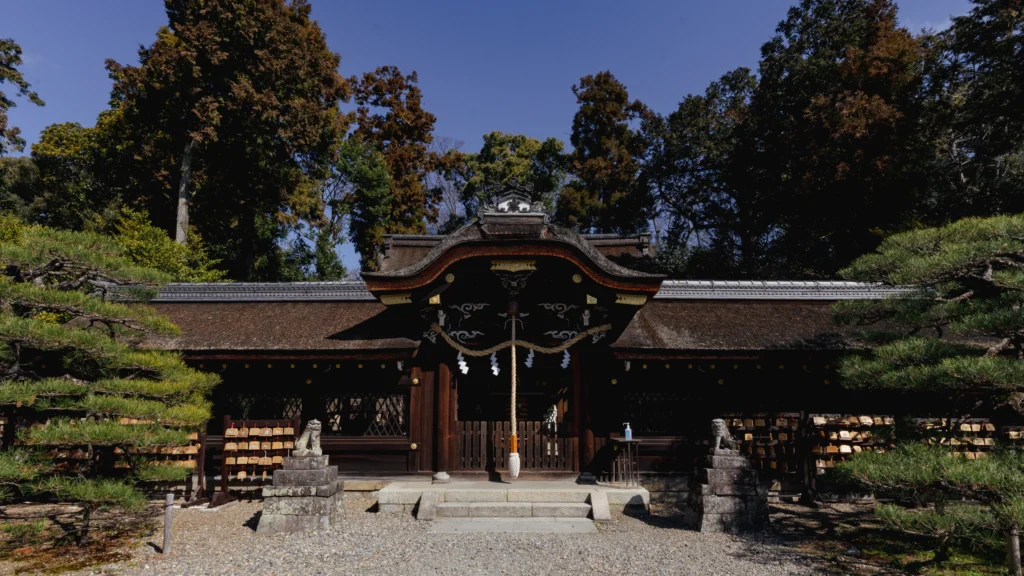 Imagine stepping off a quiet residential street in western Kyoto and finding yourself in a serene sanctuary, where the air is fragrant with plum blossoms and friendly cats lounge in… Read more: Umenomiya Taisha: Kyoto’s Hidden Gem for Sake, Cats, and Blessings
 - Jonangu Shrine: Kyoto’s Guardian of Directions and Imperial History
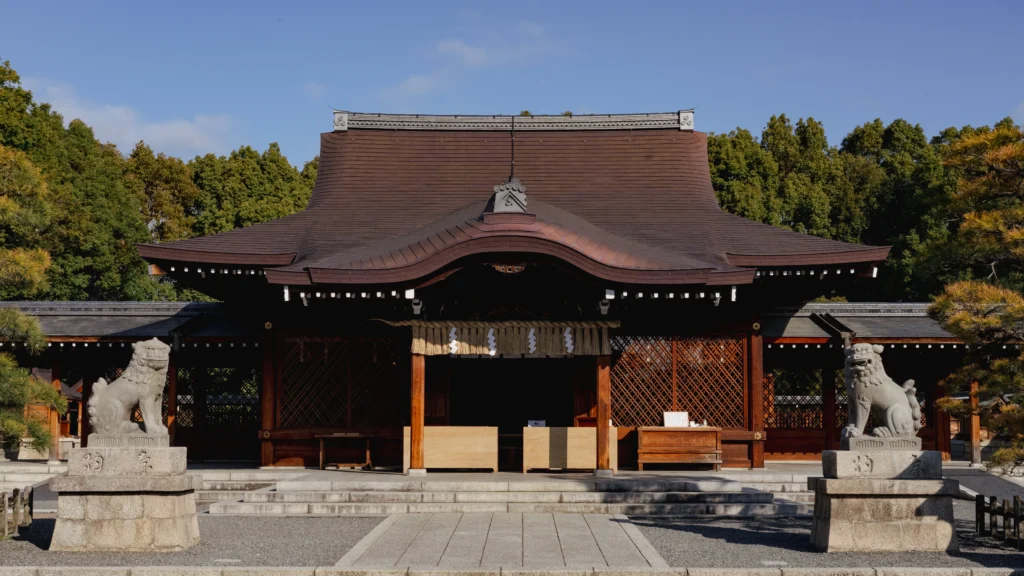 Imagine standing at a place that has not only guarded the southern gateway to Kyoto for over 1,200 years but has also been a pivotal stage for Japan’s most dramatic… Read more: Jonangu Shrine: Kyoto’s Guardian of Directions and Imperial History
 - Jonangu Shrine’s Weeping Plums: A Guide to Perfect Timing
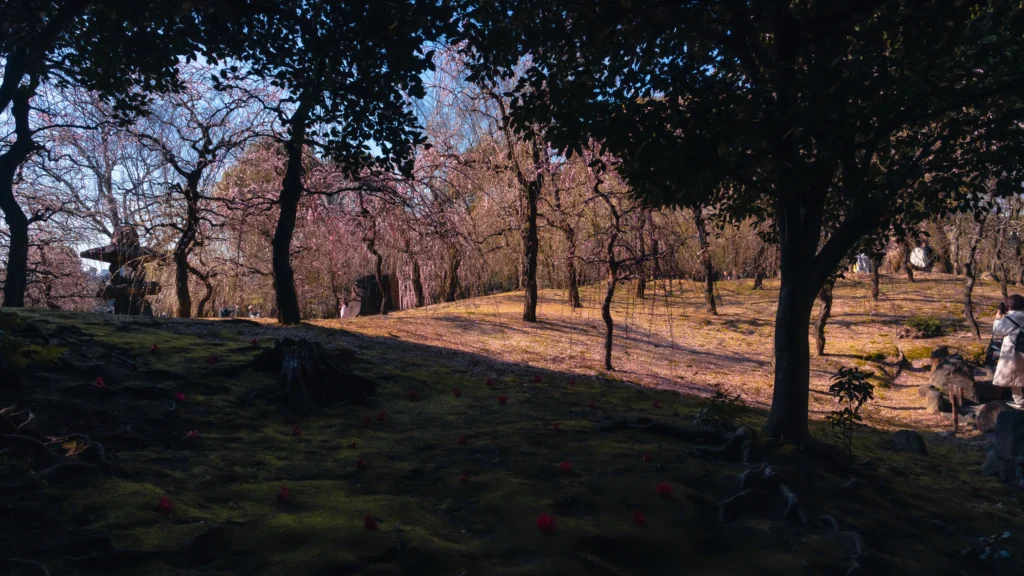 You’ve seen the photos on social media: a breathtaking canopy of pink weeping plum blossoms, so dense it looks like a floral sky. This is the magic of Jonangu Shrine… Read more: Jonangu Shrine’s Weeping Plums: A Guide to Perfect Timing
 - Getting Around Japan: The Ultimate Guide to Trains, Buses & the JR Pass (2026)
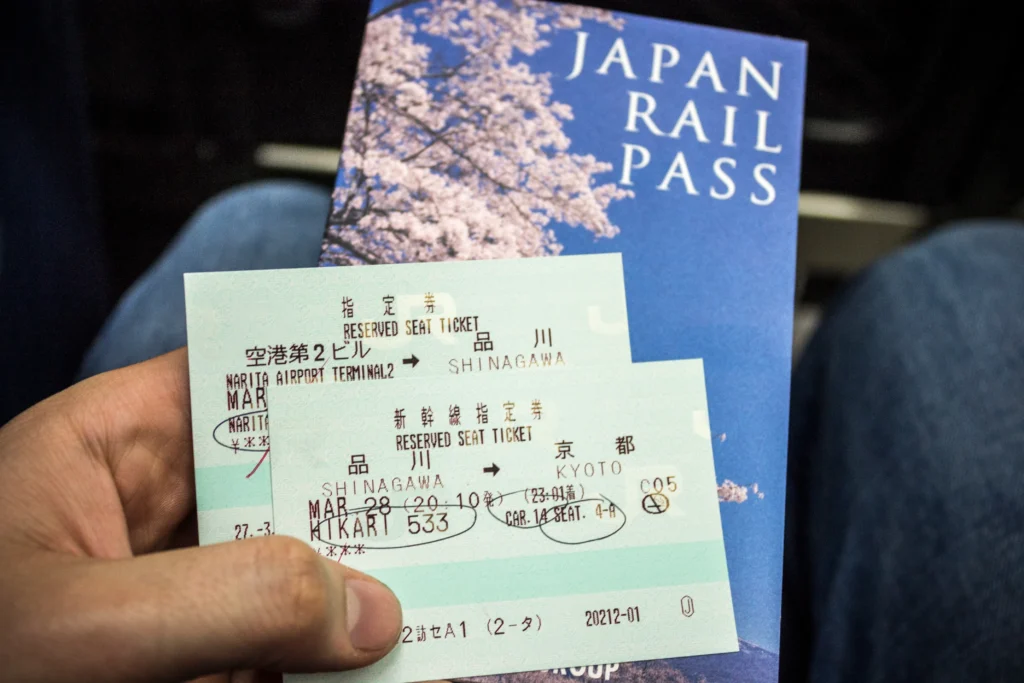 Navigating Japan’s transportation system can seem as complex and intricate as a Tokyo subway map, but it’s also one of the most efficient, punctual, and rewarding travel networks in the… Read more: Getting Around Japan: The Ultimate Guide to Trains, Buses & the JR Pass (2026)
 - How to Get to Japan: The Complete Flight & Airport Guide for 2026
 Planning a trip to Japan in 2026? The moment you start searching for flights is when the journey truly begins. That first glimpse of Mt. Fuji from your airplane window… Read more: How to Get to Japan: The Complete Flight & Airport Guide for 2026