
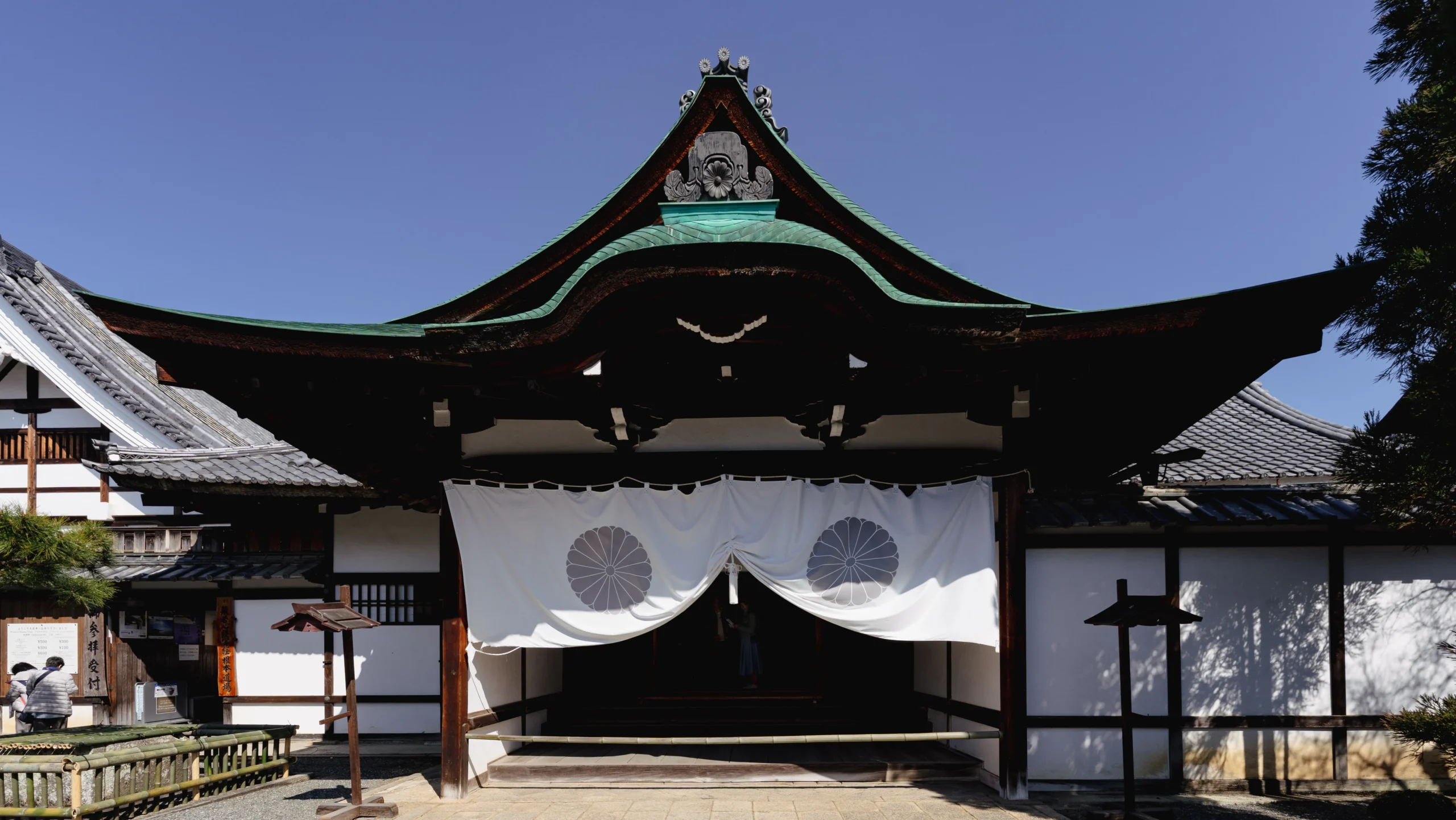

As the train pulled into Saga-Arashiyama, the familiar buzz of one of Kyoto‘s most famous districts filled the air. But I was heading for a different kind of experience. A short walk away lies Daikakuji Temple, a place that feels worlds apart from the nearby crowds. The moment I stepped through the gates, the noise of the outside world seemed to dissolve, replaced by a profound sense of tranquility and history. This wasn’t just another temple visit; it was like stepping into a living scroll painting, where imperial elegance and natural beauty coexist in perfect harmony.
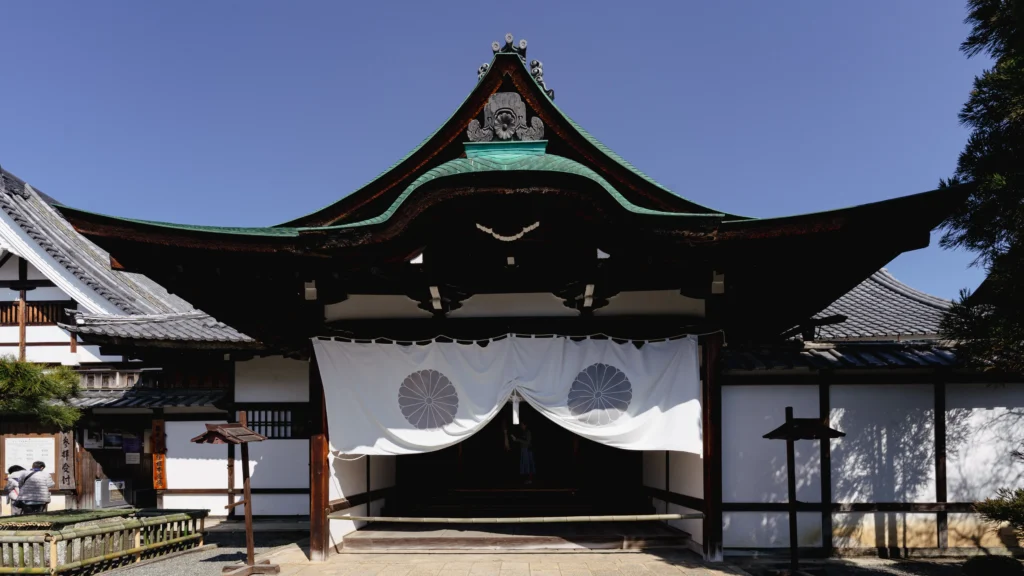
I had come to explore both facets of Daikakuji: the magnificent temple halls, once an emperor’s residence, and the serene, sprawling Osawa Pond, one of Japan’s oldest artificial ponds. This guide is a personal account of my journey through these two distinct yet connected worlds. It’s for those who seek not just to see, but to feel the deep, layered history of Kyoto, to walk the same corridors as emperors, and to find a moment of peace by a 1,200-year-old pond.
Table of Contents
Quick Facts for Your Visit
| Feature | Details |
| Address | 4 Saga-Osawa-cho, Ukyo-ku, Kyoto 616-8411 |
| Opening Hours | 9:00 AM – 5:00 PM (Last entry at 4:30 PM) for both areas |
| Admission Fee | O-do (Temple Halls): ¥500 (Adults), ¥300 (Students) Osawa Pond: ¥300 (Adults), ¥100 (Students) Separate tickets required. I recommend the combined ticket for a complete experience. |
| Time to Allot | 1.5 – 2.5 hours to see both the temple halls and the pond area leisurely. |
| Photography | Prohibited inside the temple buildings (respect for the cultural assets). Allowed in the outdoor areas and Osawa Pond. |
| Website | Official Daikakuji Website |
A Palace Turned Temple: My First Impressions
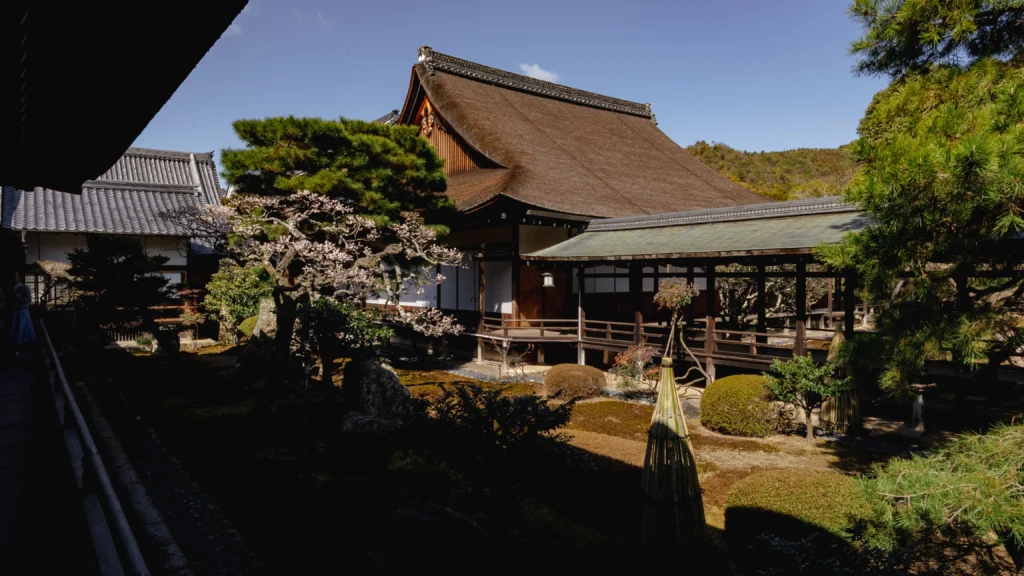
As the founder of hiddenjapan-gems.com, I’ve visited countless temples, but Daikakuji offers a unique atmosphere. It doesn’t feel like a purpose-built religious site. Instead, it retains the elegant air of its origin as the Saga Rikyu, the imperial villa of Emperor Saga. The buildings are connected by covered wooden corridors, known as murasame-no-roka (the “nightingale floors” that chirp to warn of intruders), which snake around serene inner gardens. You take your shoes off at the entrance and the polished wood feels cool underfoot. It’s this sensory experience—the sound of the floorboards, the scent of old wood and incense, the sight of priceless screen paintings through open doorways—that makes a visit so immersive. It’s a place where you can truly feel the presence of the imperial court from 1,200 years ago.
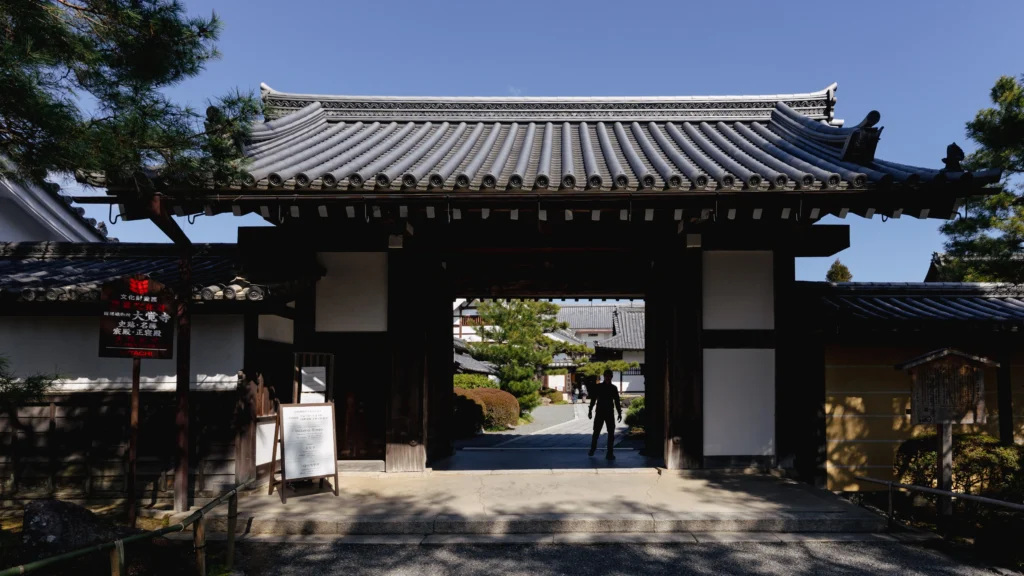
Walking Through History: The Temple Halls (O-do Area)
My journey began in the O-do, the main temple hall area. Here, a network of covered wooden walkways connects several magnificent buildings. The most impressive is the Shinden (Emperor’s Residence), which was a gift from the Kyoto Imperial Palace. Stepping inside felt like being granted a private audience with history. The rooms are adorned with stunning fusuma-e (sliding screen paintings), many by the famous Kano school artists. The vibrant golds and intricate details depicting nature and courtly life are breathtaking. I spent a long time just gazing at them, imagining the imperial life that once unfolded in these very rooms.
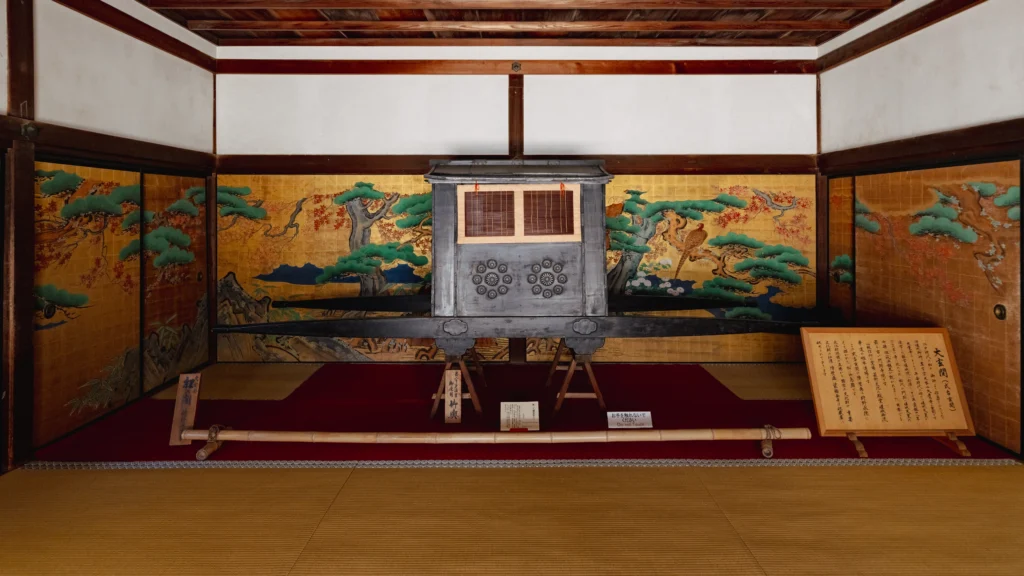
Connecting the halls is the famous Murasame-no-roka (Corridor of Autumn Rain). It’s a classic “nightingale floor,” designed to creak under the slightest pressure. As I walked, the floor sang a delicate, bird-like tune. It’s a beautifully poetic security system, and walking its length, with views of manicured rock gardens on either side, was a highlight. The corridor leads you through the various halls, including the Godai-do (Hall of the Five Wisdom Kings), which serves as the main hall for worship. From its veranda, I caught my first glimpse of the expansive Osawa Pond, a perfect transition to the next part of my exploration.
A Stroll Through a Living Painting: Osawa Pond Area
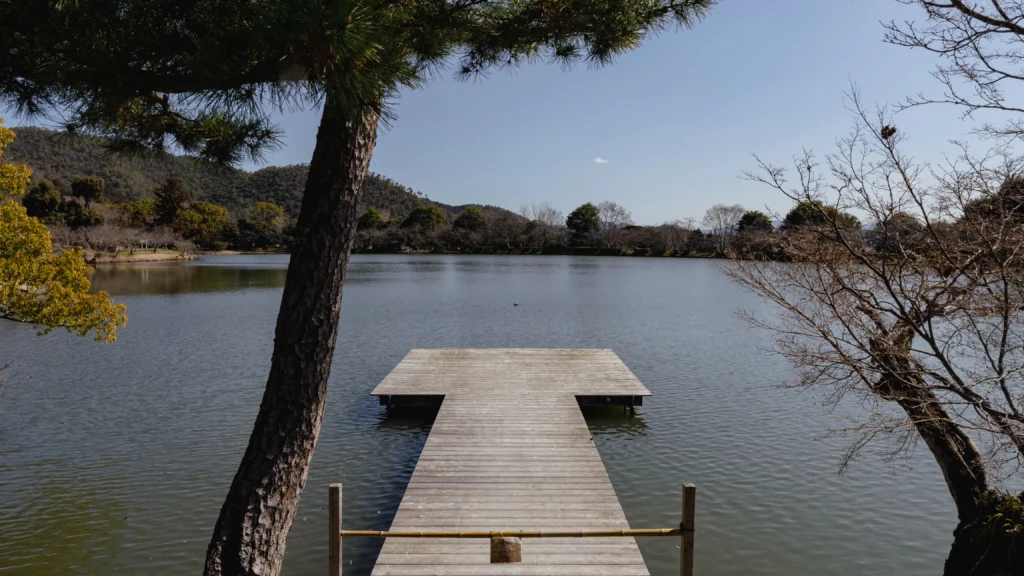
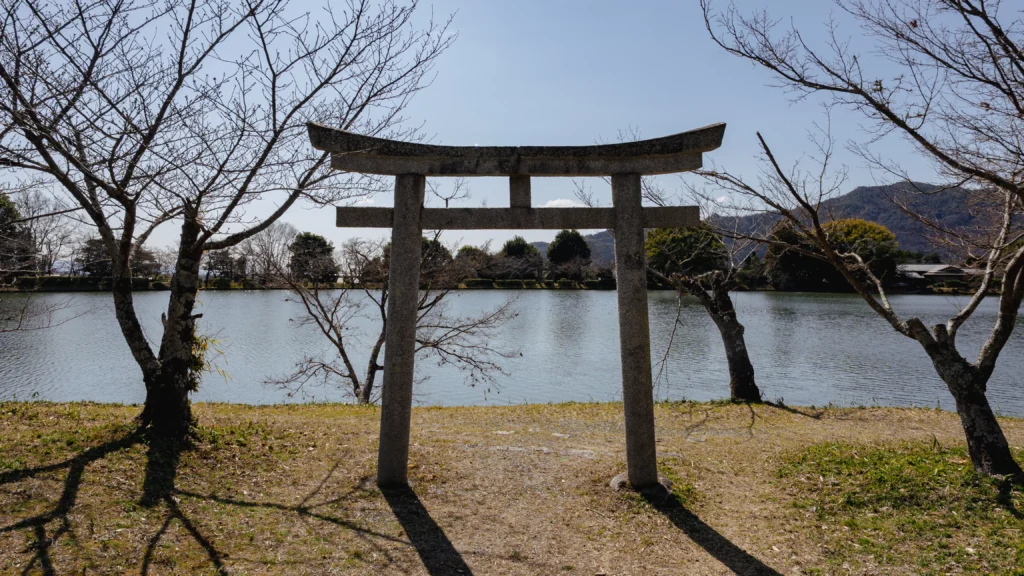
Leaving the polished corridors of the temple halls behind, I stepped out into the vast, natural landscape of the Osawa Pond area. The contrast is immediate and wonderful. The pond, created by Emperor Saga over 1,200 years ago for moon-viewing parties, is one of the oldest man-made garden ponds in Japan. The sense of scale is immense, and the atmosphere is one of pure, undisturbed nature.
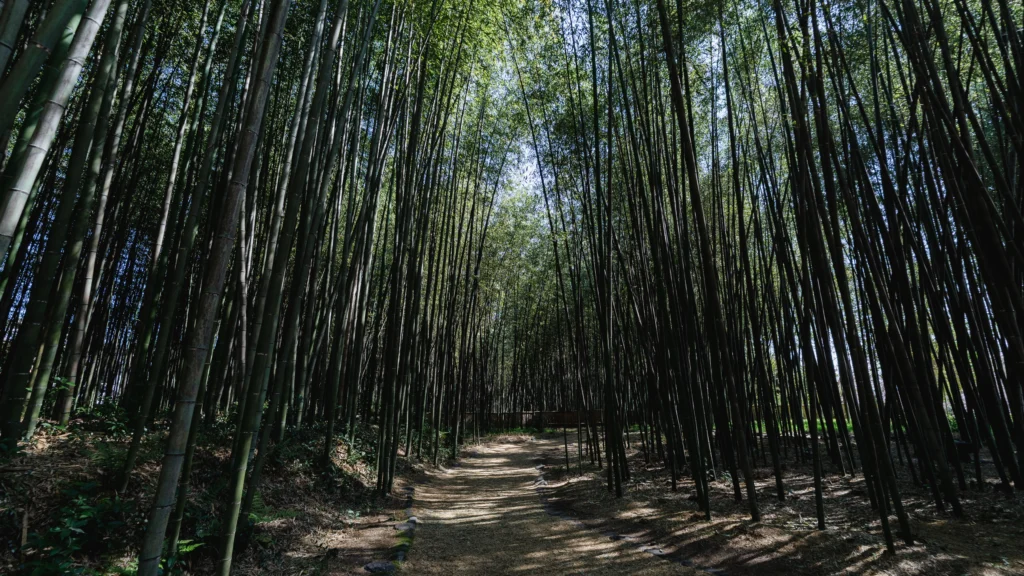
I followed the path that circles the pond. It led me first through a small but enchanting bamboo grove. The light filtering through the tall, green stalks created a serene, almost mystical atmosphere. It was quiet, with only the sound of the wind rustling the leaves.
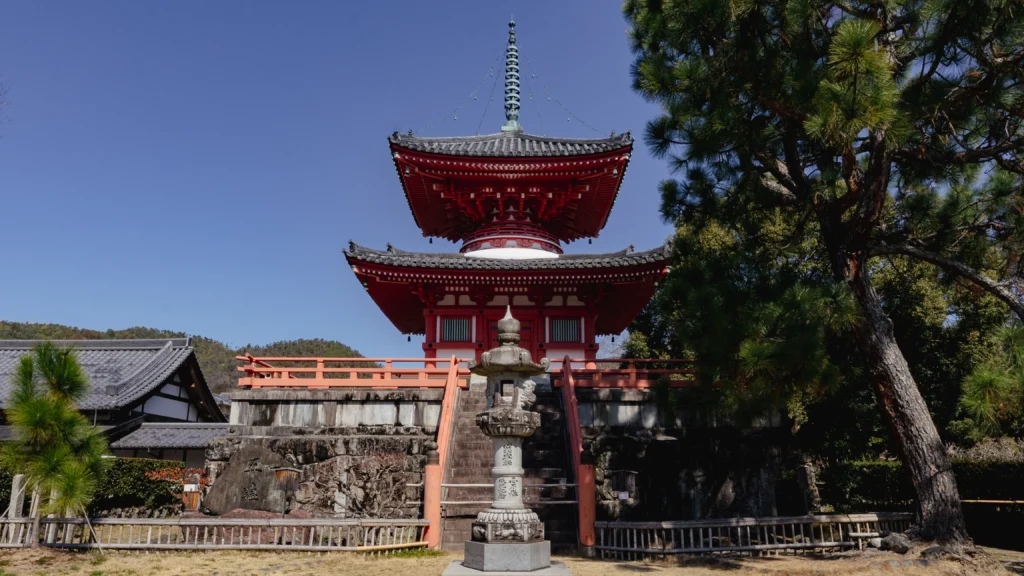
Further along, a flash of brilliant vermilion caught my eye. It was the Shingyo Hoto (Heart Sutra Pagoda), a stunning red pagoda standing proudly by the water’s edge. Its vibrant color is a striking accent in the otherwise natural greens and blues of the landscape. I learned that it enshrines a copy of the Heart Sutra handwritten by Emperor Saga himself, connecting this beautiful spot directly back to the temple’s imperial founder.
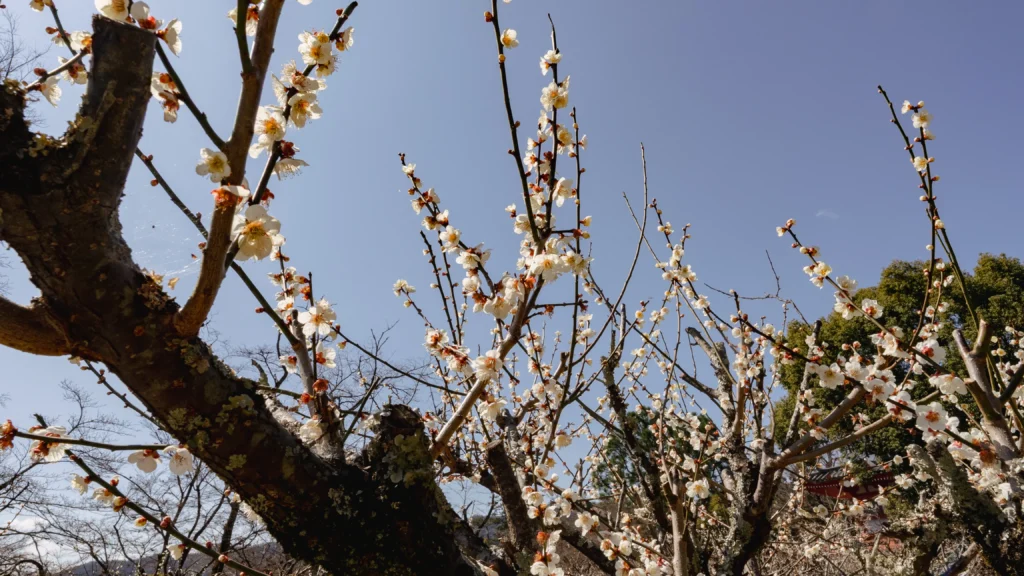
My walk also took me past a quiet plum grove. While not in full bloom during my visit, I could easily imagine how spectacular it must be in early spring. It served as a beautiful reminder of the changing seasons that are so central to the Japanese aesthetic, and which are so perfectly captured in the design of this incredible garden.
When to Visit for the Best Experience
Daikakuji is a place of year-round beauty, but certain seasons offer a particularly magical experience based on my visit and research:
•Spring (Late March – Early April):
This is when the cherry blossoms around Osawa Pond are in full bloom, creating a classic, breathtaking Kyoto scene. The temple also holds its annual Ikebana festival in April.
•Autumn (Mid-November – Early December):
The maple trees around the pond turn fiery shades of red and orange. The temple often holds special evening illuminations during this time, reflecting the colors on the pond’s surface.
•Winter (Late February – Early March):
The plum grove I walked through comes alive with delicate pink and white blossoms, signaling the first signs of spring.
•Mid-Autumn (September/October):
The temple holds its famous Kangetsu-no-yube (Moon Viewing Party), recreating the elegant Heian-era pastime on Osawa Pond. This is a truly unique cultural experience.
How to Get to Daikakuji Temple
Daikakuji is located in the scenic Arashiyama area, but it’s slightly removed from the most crowded spots, which is part of its charm.
•By Train: The most common route is to take the JR Sagano Line to Saga-Arashiyama Station. From there, it’s a pleasant and relatively flat 20-minute walk. The route is well-signed.
•By Bus: Several Kyoto City Bus lines stop near the temple. The most direct is the Daikakuji bus stop (Routes 28, 91). This is a good option if you are coming from other parts of Kyoto without using the train.
I chose to walk from the station, as it allowed me to see a bit of the local neighborhood and build anticipation for the temple itself.
Practical Tips from My Visit
•Wear comfortable shoes you can easily slip on and off. You will be taking your shoes off to explore the temple halls, and the grounds of Osawa Pond are extensive.
•Allow plenty of time. I spent about two hours here, and I could have easily stayed longer. Don’t rush it; the beauty of Daikakuji is in its peaceful, unhurried atmosphere.
•Buy the combined ticket. The temple halls and the pond are two halves of a whole. Experiencing both is essential to understanding the history and design of the place.
•Check the temple calendar. Daikakuji hosts many events, from moon viewing to ikebana exhibitions. Check the official website before your visit to see if anything special is happening.
•Photography rules: Remember that photography is strictly forbidden inside the temple buildings to protect the ancient artworks. You are free to take photos of the building exteriors and the beautiful Osawa Pond area.
Suggested Half-Day Itinerary in Arashiyama
Daikakuji is perfectly positioned for a wonderful half-day trip combined with other Arashiyama sights.
1.Morning (9:00 AM): Start your day at Daikakuji Temple. Arrive early to enjoy the tranquility before the crowds build up in Arashiyama.
2.Late Morning (11:00 AM): Take a 15-minute walk to the famous Arashiyama Bamboo Grove. Experience this iconic pathway before the peak afternoon rush.
3.Lunch (12:30 PM): Enjoy lunch at one of the many restaurants near the Togetsukyo Bridge.
4.Afternoon (1:30 PM): Visit Tenryuji Temple, a World Heritage site with a stunning garden that offers a different style to Daikakuji.
Frequently Asked Questions
Is Daikakuji Temple worth visiting?
Absolutely. If you appreciate Japanese history, architecture, and gardens, it is a must-see. It offers a more serene and authentic experience compared to some of the more crowded temples in Kyoto, giving you a real sense of the imperial court’s elegant past.
How much time do I need at Daikakuji?
I recommend allocating at least 1.5 to 2 hours. This gives you enough time to leisurely walk through the temple halls, admire the screen paintings, and complete a full circuit around Osawa Pond without feeling rushed.
Can I take photos inside Daikakuji?
No, photography is prohibited inside all the temple buildings to preserve the delicate, ancient artworks and maintain a respectful atmosphere. You can take photos of the building exteriors and anywhere in the Osawa Pond area.
What is the connection between Daikakuji and ikebana?
Daikakuji is considered the birthplace of ikebana (the Japanese art of flower arrangement). The Saga Goryu school of ikebana was founded here, and the temple continues to be the headquarters for the school, holding major exhibitions and events throughout the year.
Is Daikakuji different from other temples in Arashiyama?
Yes, very. While places like Tenryuji are classic Zen temples, Daikakuji’s history as an imperial palace gives it a distinct architectural style and atmosphere of courtly elegance. The combination of the palace buildings and the vast, natural-style pond garden is unique in the area.
Final Thoughts: A Place of Imperial Peace
My visit to Daikakuji was more than just sightseeing; it was a journey back in time. Walking the same floors as emperors, gazing upon art that has survived for centuries, and finding tranquility by a pond designed for imperial moon-viewing was a deeply moving experience. It’s a side of Kyoto that is both grand and intimate, a place where history isn’t just displayed, but felt. If you’re looking to connect with the elegant heart of the Heian period, I cannot recommend a walk through Daikakuji highly enough.
Article Metadata
•Last updated: March 25, 2026
•Sources checked: Daikakuji Official Website

- 7 Days in Kansai: A Journey Beyond Kyoto to Hidden Temples & Sacred Trails
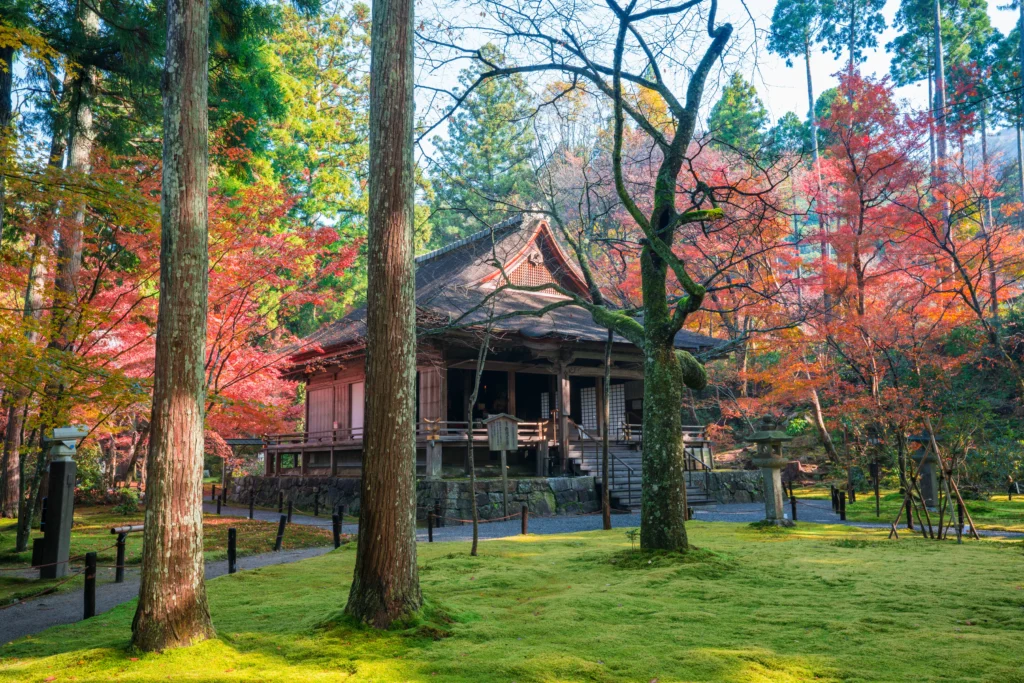 As the founder of hiddenjapan-gems.com, I’ve walked countless temple paths and hiked ancient trails across Japan. While Kyoto’s golden pavilions and bamboo forests are undeniably captivating, I’ve always been drawn… Read more: 7 Days in Kansai: A Journey Beyond Kyoto to Hidden Temples & Sacred Trails
 - A Journey Through Time: My Personal Walk Through Kyoto’s Daikakuji TempleAs the train pulled into Saga-Arashiyama, the familiar buzz of one of Kyoto‘s most famous districts filled the air. But I was heading for a different kind of experience. A… Read more: A Journey Through Time: My Personal Walk Through Kyoto’s Daikakuji Temple
- Umenomiya Taisha: Kyoto’s Hidden Gem for Sake, Cats, and Blessings
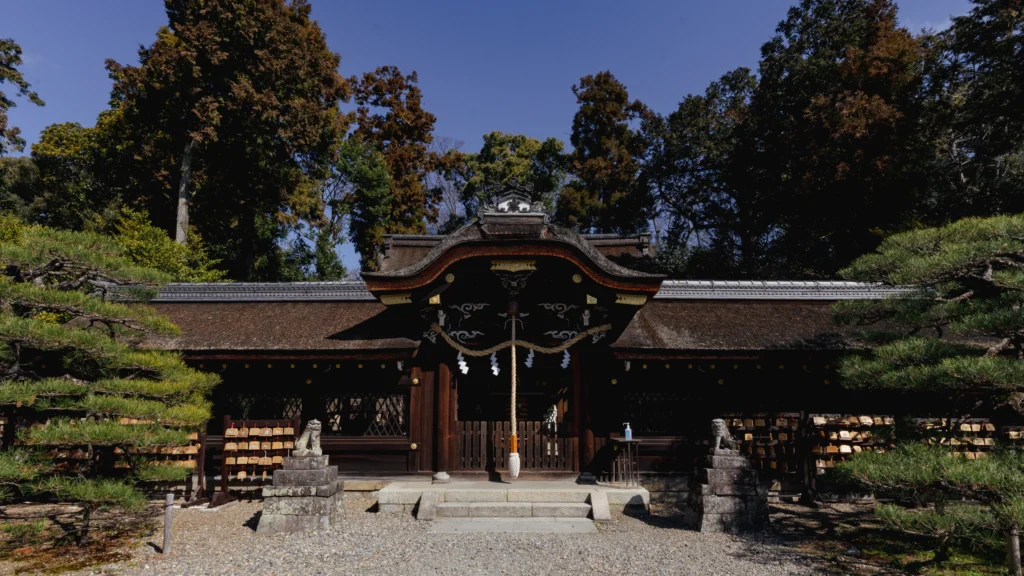 Imagine stepping off a quiet residential street in western Kyoto and finding yourself in a serene sanctuary, where the air is fragrant with plum blossoms and friendly cats lounge in… Read more: Umenomiya Taisha: Kyoto’s Hidden Gem for Sake, Cats, and Blessings
 - Jonangu Shrine: Kyoto’s Guardian of Directions and Imperial History
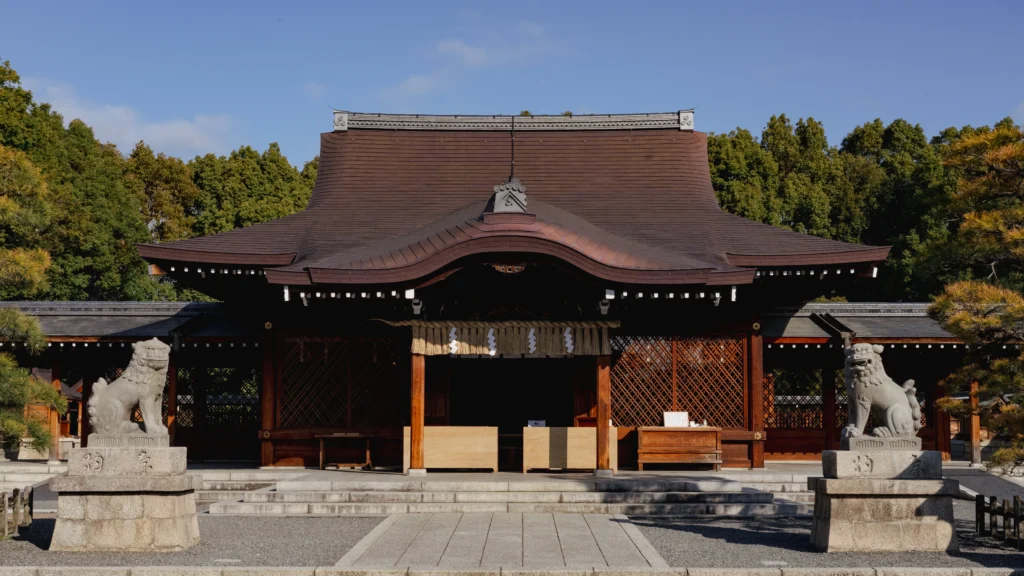 Imagine standing at a place that has not only guarded the southern gateway to Kyoto for over 1,200 years but has also been a pivotal stage for Japan’s most dramatic… Read more: Jonangu Shrine: Kyoto’s Guardian of Directions and Imperial History
 - Jonangu Shrine’s Weeping Plums: A Guide to Perfect Timing
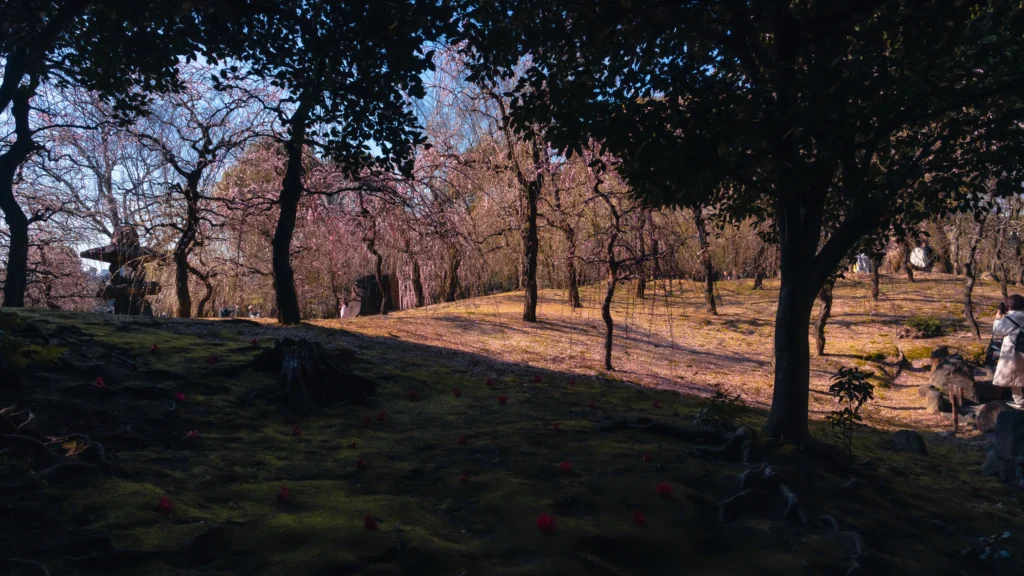 You’ve seen the photos on social media: a breathtaking canopy of pink weeping plum blossoms, so dense it looks like a floral sky. This is the magic of Jonangu Shrine… Read more: Jonangu Shrine’s Weeping Plums: A Guide to Perfect Timing
cherry blossom cherry blossoms day trip from tokyo flower festival fuji five lakes fujiyoshida Fukuoka fushimi hanami hiking japan japanese culture japanese food japanese garden japan travel kamakura kawagoe kawaguchiko Kumamoto kyoto local food Mount Fuji mt fuji Nagano nature Nikko Oku-Nikko Onsen Ramen Saga saitama sakura Shizuoka shrine sightseeing snow spring in japan Tochigi Tokyo travel travel guide travel planning winter winter travel Yamanashi
![Kitain Temple Kawagoe 2026: Edo Castle Rooms & 538 Rakan [With Map]](https://hiddenjapan-gems.com/wp-content/uploads/2026/04/DSC4602-768x432.webp)