

If you're a seafood lover looking for an authentic Japanese market experience near Tokyo, the Nakaminato Fish Market in Ibaraki Prefecture is an absolute must-visit.

Especially vibrant in winter, this bustling portside market offers some of the freshest seafood you can find, straight from the boat to your plate.

From giant, creamy oysters to lively market stalls, this guide covers the seven best reasons why a trip to Nakaminato Fish Market is an unforgettable culinary adventure.
Contents
- Quick Facts
- An Authentic, Bustling Japanese Fish Market
- Best Time to Visit
- How to Get to Nakaminato Fish Market
- 7 Must-Do Experiences
- Practical Tips for Your Visit
- Where to Stay Nearby
- Where to Eat Nearby
- Suggested Mini-Itinerary
- Frequently Asked Questions
- Sources
- Final Thoughts
Quick Facts
| Feature | Details |
| Best Time to Visit | Winter (November-March) for fresh oysters and monkfish. |
| Time Needed | 2-3 hours |
| Nearest Station | Nakaminato Station (Hitachinaka Seaside Railway) |
| Price Range | Varies; fresh oysters from ¥500, meals from ¥1,500 |
| Payment | Cash is recommended, especially for smaller stalls. |
| Crowd Level | High, especially on weekends and holidays. |
| Accessibility | The first-floor market can be crowded and narrow. Restaurants are on the second floor. |
An Authentic, Bustling Japanese Fish Market
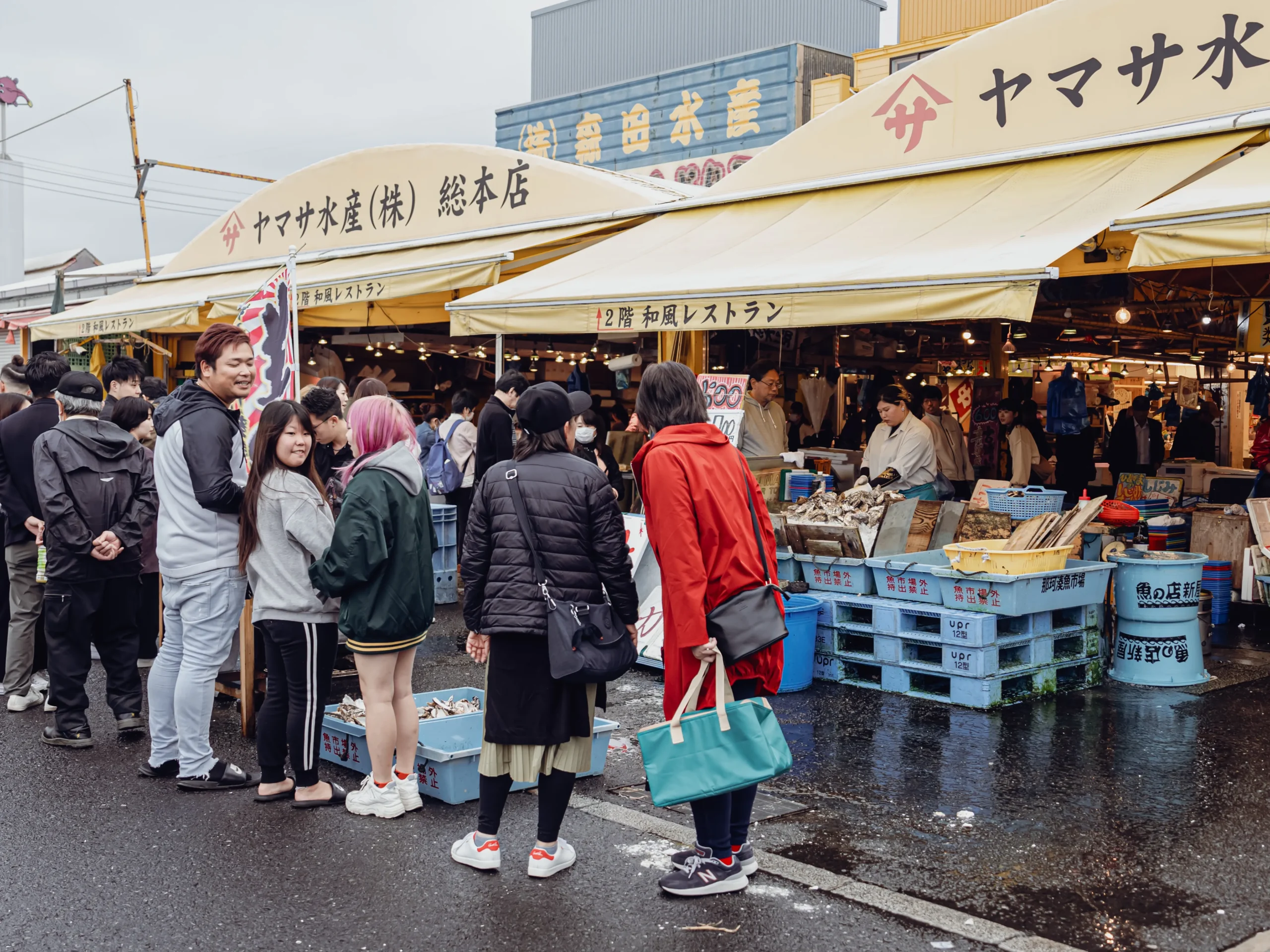
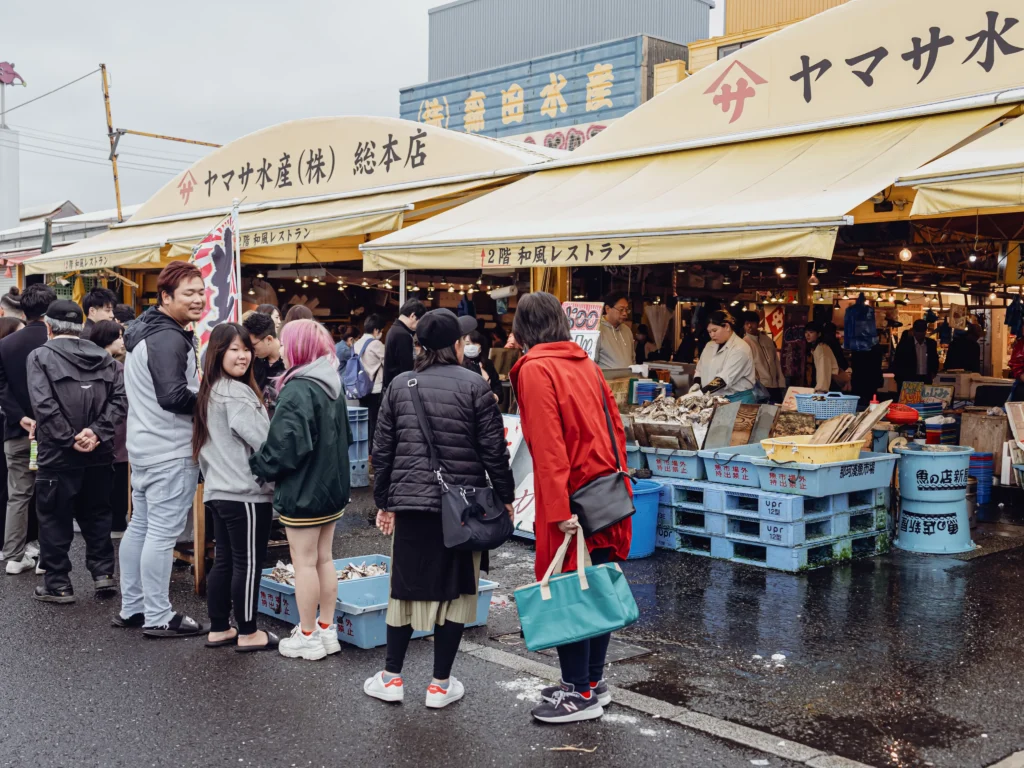
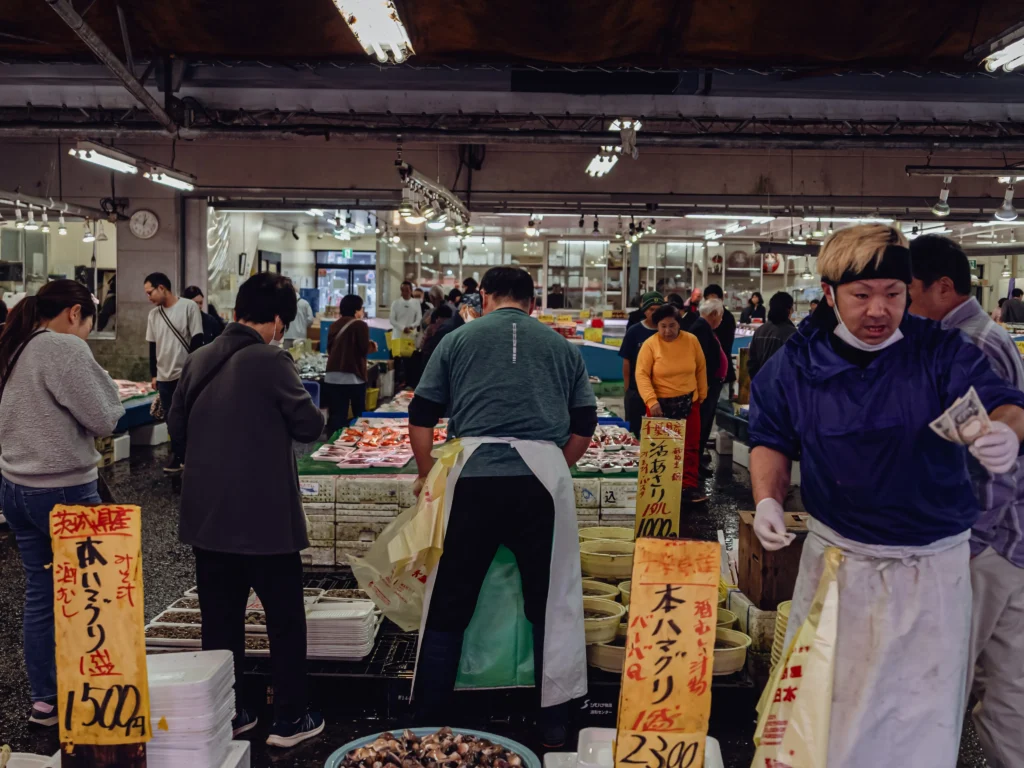
As soon as you step into the Nakaminato Fish Market, you’re hit with a wave of energy. The first floor is a lively, traditional Japanese market filled with the calls of vendors and the sight of freshly caught seafood glistening on ice. It’s a truly atmospheric experience, offering a glimpse into the local culture that you won’t find in a supermarket. The market is directly supplied by the Nakaminato port, one of the largest in the Kanto region, where the nutrient-rich Kuroshio and Oyashio currents meet, ensuring an incredible variety and quality of fish all year round.
Best Time to Visit
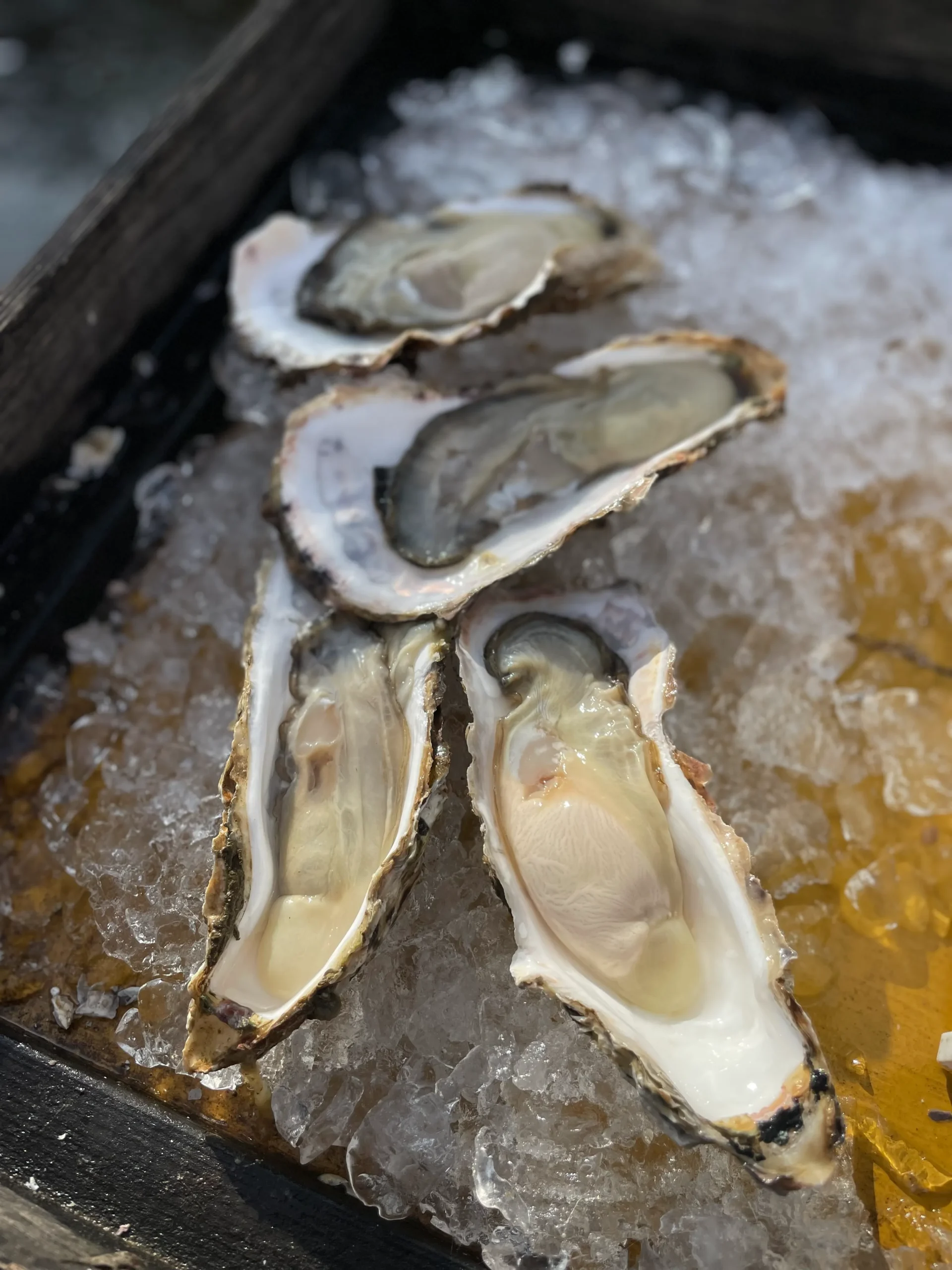
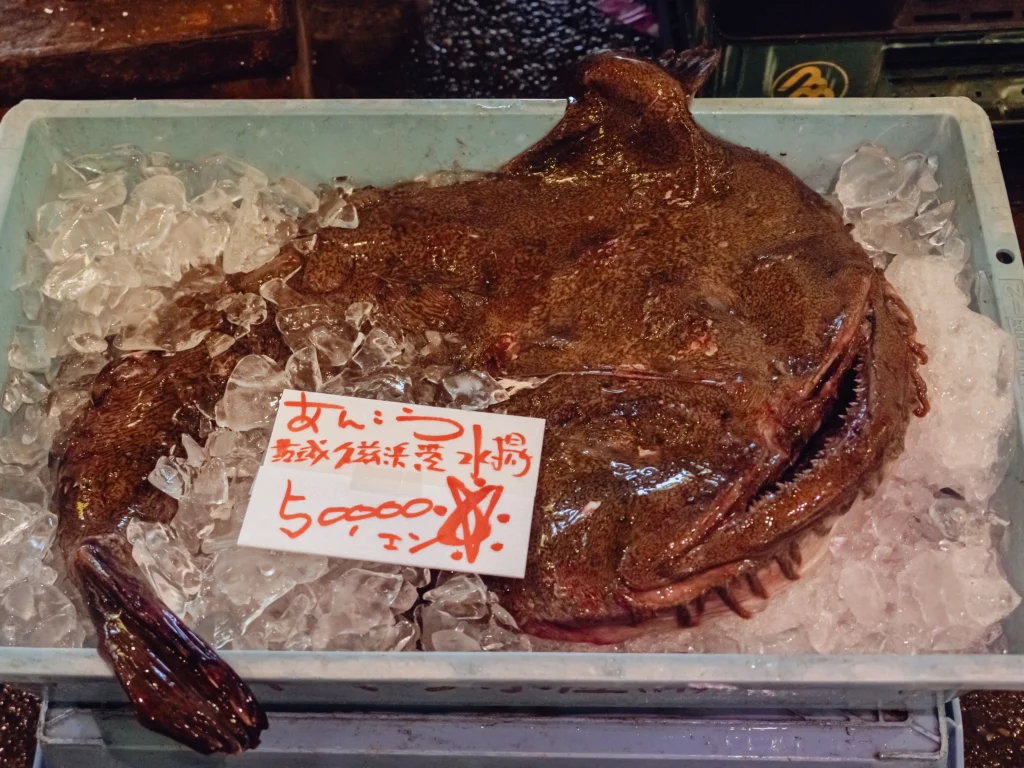
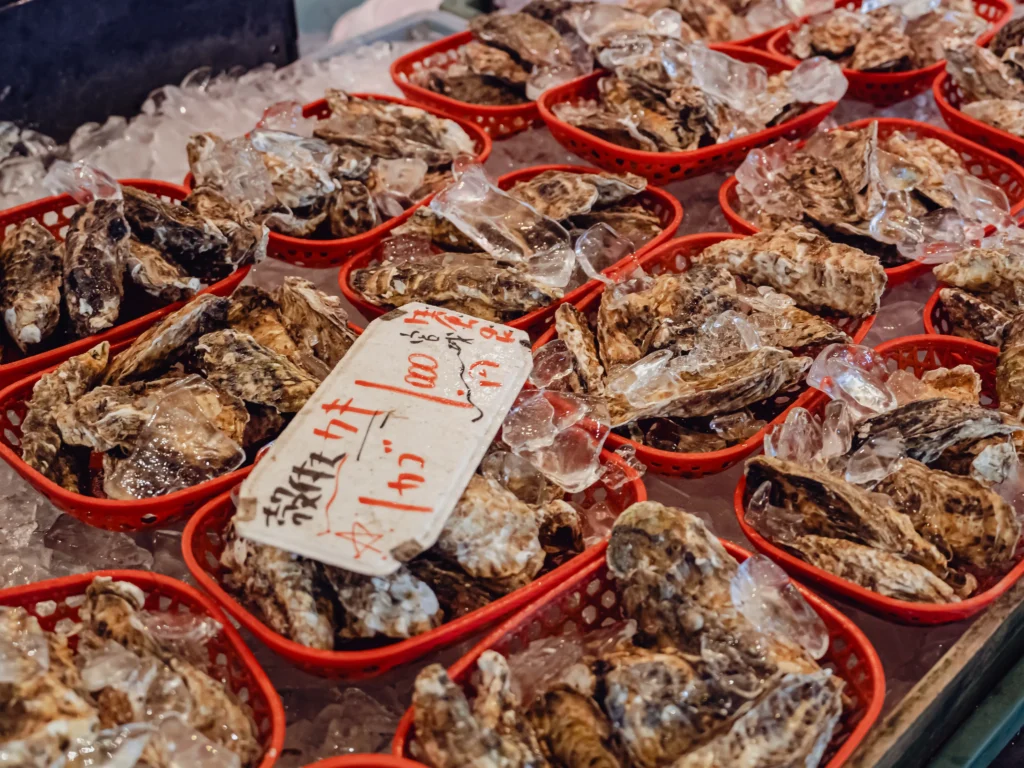
While the market is fantastic year-round, winter is highly recommended. This is the peak season for some of Japan’s most sought-after seafood delicacies. You can savor rich, creamy winter oysters (Magaki) and the local specialty, monkfish (Anko), which is often served in a hearty hot pot. Visiting on a weekday morning is your best bet to avoid the largest crowds that flock here on weekends.
How to Get to Nakaminato Fish Market
Nakaminato is easily accessible as a day trip from Tokyo.
By Train:
1.Take the JR Joban Line Limited Express from Tokyo or Ueno Station to Katsuta Station (approx. 1 hour 15 minutes).
2.At Katsuta Station, transfer to the charming local Hitachinaka Seaside Railway and ride to Nakaminato Station (approx. 15 minutes).
3.From Nakaminato Station, it’s a pleasant 10-minute walk to the fish market.
By Car:
•From the Tokyo area, take the Joban Expressway to the Hitachinaka IC. The market is about a 15-minute drive from the interchange.
7 Must-Do Experiences
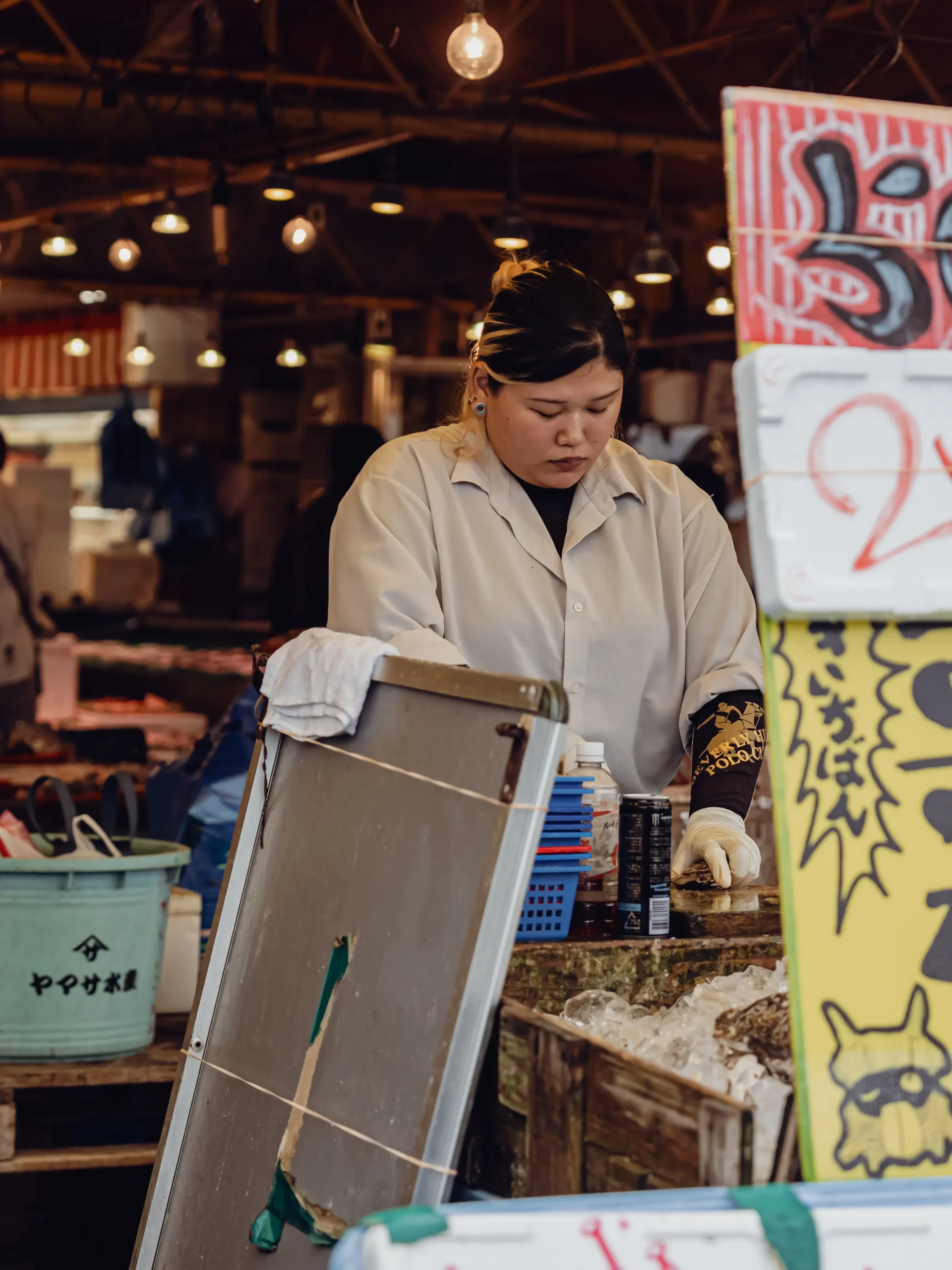
1.Eat Freshly Shucked Oysters at Yamasa Suisan: This is the ultimate experience. Head to Yamasa Suisan’s stall where fishermen shuck enormous, plump oysters right before your eyes. They are incredibly fresh, with a rich, creamy, and milky flavor that is simply divine.
2.Explore the First-Floor Market: Immerse yourself in the vibrant atmosphere. Browse the stalls packed with the day’s catch, from shimmering fish and live crabs to various shellfish. It’s a feast for the eyes and a great place to see local life.
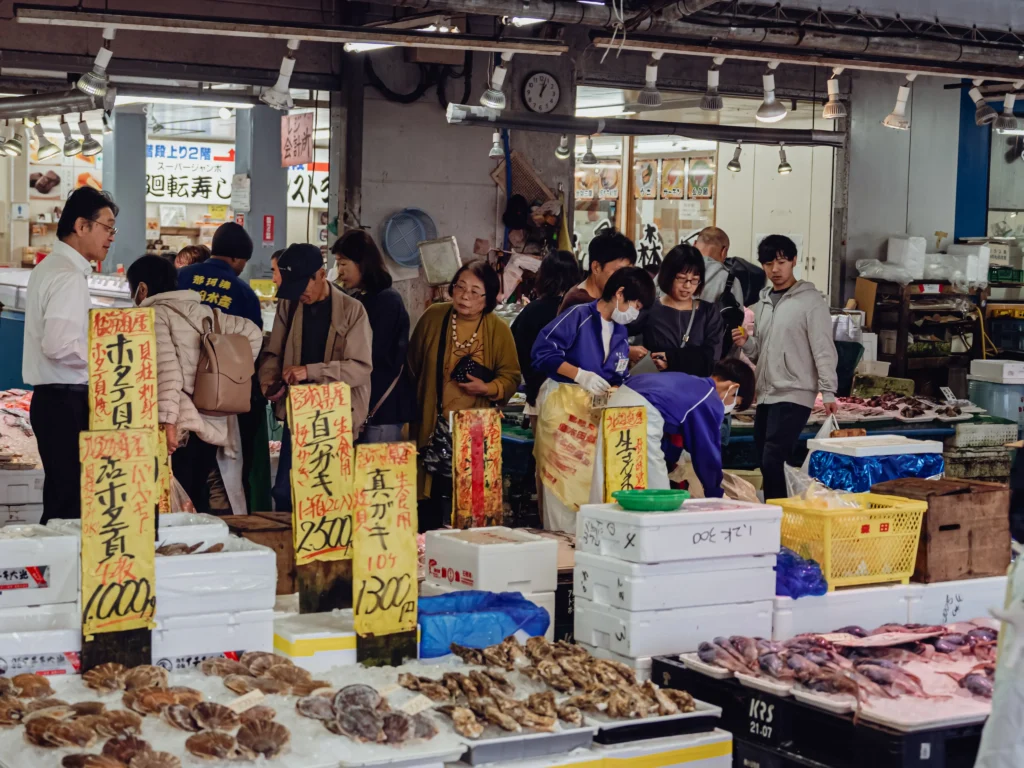
3.Enjoy a Seafood Meal at a Second-Floor Restaurant: After exploring the market, head upstairs to one of the many restaurants. These eateries, often run by the fishmongers from downstairs, serve incredibly fresh seafood bowls (Kaisendon), sushi, and grilled fish sets at reasonable prices.
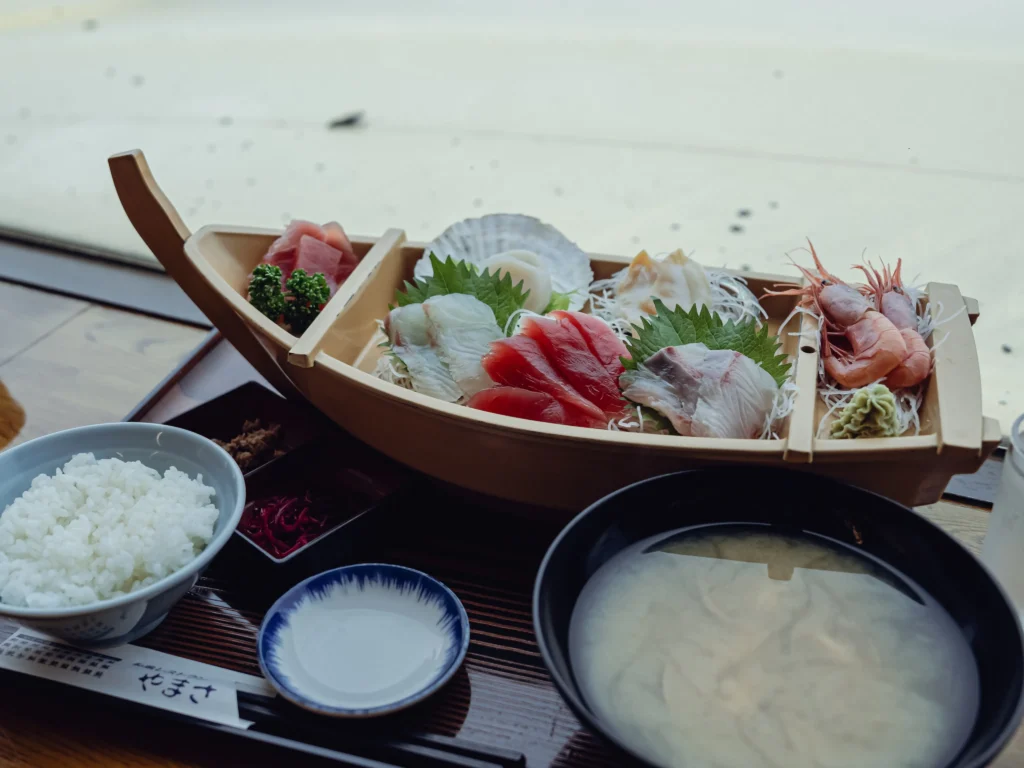
4.Try the Winter Specialty, Anko Nabe (Monkfish Hot Pot): If you visit in winter, don’t miss the chance to try this local delicacy. It’s a rich, savory hot pot that warms you from the inside out.
5.Watch a Maguro (Tuna) Cutting Show: On certain days, especially during the busy end-of-year season, you might catch a dynamic tuna cutting show at stores like Maruki Suisan. Check the market’s schedule for details.
6.Buy Unique Seafood Souvenirs: Pick up some delicious souvenirs, such as dried fish (himono), processed seafood, or local crackers. It’s a great way to take the taste of Nakaminato home with you.
7.Combine with a Trip to a Nearby Attraction: Make a full day of it by visiting nearby spots like the Hitachi Seaside Park (famous for nemophila in spring and kochia in autumn) or the Oarai Isosaki Shrine with its famous seaside torii gate.
Practical Tips for Your Visit
•Bring Cash: Many of the smaller stalls and vendors on the first floor are cash-only.
•Wear Comfortable Shoes: You’ll be doing a fair bit of walking, and the market floor can be wet.
•Arrive Early: For the best selection and to avoid the biggest crowds, aim to arrive in the morning.
•Check for Events: Look up the market’s official website for information on special events like the tuna cutting shows.
Where to Stay Nearby
While Nakaminato is an easy day trip, staying overnight allows you to explore more of the Ibaraki coast. The nearby cities of Mito and Oarai offer a range of hotels.
Find Hotels in the Mito/Hitachinaka Area
Check availability and book your stay on Trivago
Where to Eat Nearby
The market itself is the best place to eat! The second-floor restaurants offer fantastic value and freshness. Yamasa Suisan operates a popular restaurant and a sushi bar, both excellent choices for a seafood lunch.
Suggested Mini-Itinerary
Arrive at Nakaminato Station and walk to the market.
Explore the bustling first-floor market stalls.
Indulge in a freshly shucked raw oyster from Yamasa Suisan.
Head to a second-floor restaurant for a delicious seafood lunch.
Browse for seafood souvenirs to take home.
Walk back to Nakaminato Station for your return journey.
Frequently Asked Questions
Q: Is Nakaminato Fish Market open every day?
A: Most shops are open daily, but some may have irregular closing days. It’s always best to check the official website for the latest information, especially for specific restaurants.
Q: Can I buy fish and have it shipped home?
A: Yes, many shops offer a delivery service (takkyubin) so you can send your fresh purchases home without having to carry them.
Q: Is it a good place for people who don’t eat raw fish?
A: Absolutely! While raw fish is a highlight, you can find plenty of delicious grilled fish, seafood hot pots, and fried items.
Q: What is the best seafood to try in winter?
A: Winter is the best season for Magaki (true oysters) and Anko (monkfish). Don’t miss them!
Sources
•[1] Nakaminato Fish Market Official Website
•[2] Yamasa Suisan Official Website
Final Thoughts
A visit to the Nakaminato Fish Market is a journey into the heart of Japan’s vibrant seafood culture. The experience of eating a creamy, briny oyster just moments after it was shucked is unforgettable. With its lively atmosphere and incredibly fresh offerings, it’s a perfect, delicious escape from the city.
Sources Checked: Official Market Website, Yamasa Suisan Website

- Yakushima West Drive 2026: Ohko Falls, Yokogawa Valley, Seibu Rindo and Inakahama
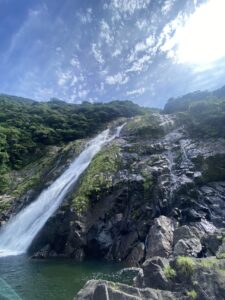 A 120 km west-coast loop that most Yakushima tourists skip — Ohko Falls, the Yokogawa swimming pools, the UNESCO Seibu Rindo wildlife corridor, and Nagata Inakahama beach. With 2026 driving practicalities and an honest hour-by-hour day plan.
 - Shonan at 5 AM in June 2026: Koyurugi Crossing, the Beach with Mt. Fuji, and the Coast Most Visitors Walk Past
 A pre-tsuyu, pre-crowd morning walk along the Shonan coast — Enoden trains, the small Koyurugi crossing, and Mt. Fuji from a beach almost no foreigner has heard of.
 - THE HOTEL YAKUSHIMA Ocean and Forest Review: A Quiet Architectural Stay on the North Shore
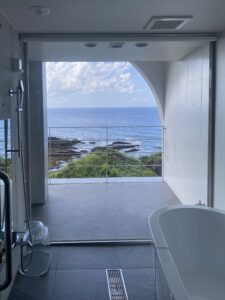 An architect-led 9-villa hotel on Yakushima north-west shore. Each room has an open-air bath that frames the Pacific through a concrete arch and a private balcony 25 meters above the rocks. What works, what does not, and who should book.
 - Shoji Ueda Museum 2026: The Concrete Building That Frames Mt. Daisen Like One of His Photographs
 A pilgrimage to photographer Shoji Ueda hometown museum in Tottori. Shin Takamatsu architecture, four black cubes, and the reflecting pool that frames Mt. Daisen.
 - Minamiza 2026: Kyoto’s 400-Year-Old Kabuki Theatre, Walked by a Kyoto-Born Local
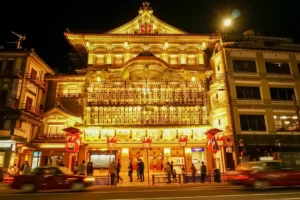 A Kyoto-born local walk through Minamiza, the Edo-period kabuki theatre on Shijo Bridge. 2026 schedule, ticket tiers, the English audio guide that opens it up.
Join 1,000+ travelers discovering Japan's hidden side
Weekly dispatches from off-the-beaten-path Japan — spots and stories you won't find in guidebooks.
No spam. Unsubscribe anytime.
Welcome aboard!
You're in. See you in your inbox soon.