

Current date: 2026-01-04 (JST)
What This Article Explains
Planning a spring trip to Japan is no longer about aiming for a vague early-April window. For 2026, official cherry blossom forecasts have been released significantly earlier than in past years, providing concrete data that changes how travelers should plan. This article breaks down the first official 2026 forecast from the Japan Meteorological Company . It explains what the predicted bloom dates mean in practice, why they are happening, and how to use this information to avoid the biggest crowds and make better decisions. We will move beyond generic advice and focus on the specific systems—meteorological and logistical—that will define travel in spring 2026.
Klook.comHow This Actually Works: The Science Behind the 2026 Forecast
Cherry trees determine their bloom time through a two-stage process. First, buds enter a state of dormancy during the autumn to survive the winter. They require a period of cold temperatures to “wake up,” a process called dormancy breaking. After this, the buds enter a growth phase, where development is driven by rising spring temperatures. Warmer spring weather accelerates this growth, leading to an earlier bloom .
For 2026, forecasters predict warmer-than-average spring temperatures across much of the country. This is expected to speed up the growth phase, resulting in an earlier-than-normal bloom, particularly in Eastern and Northern Japan. Western Japan is expected to have a bloom closer to its average dates due to regional temperature variations .
The 2026 Cherry Blossom Forecast: Key Dates
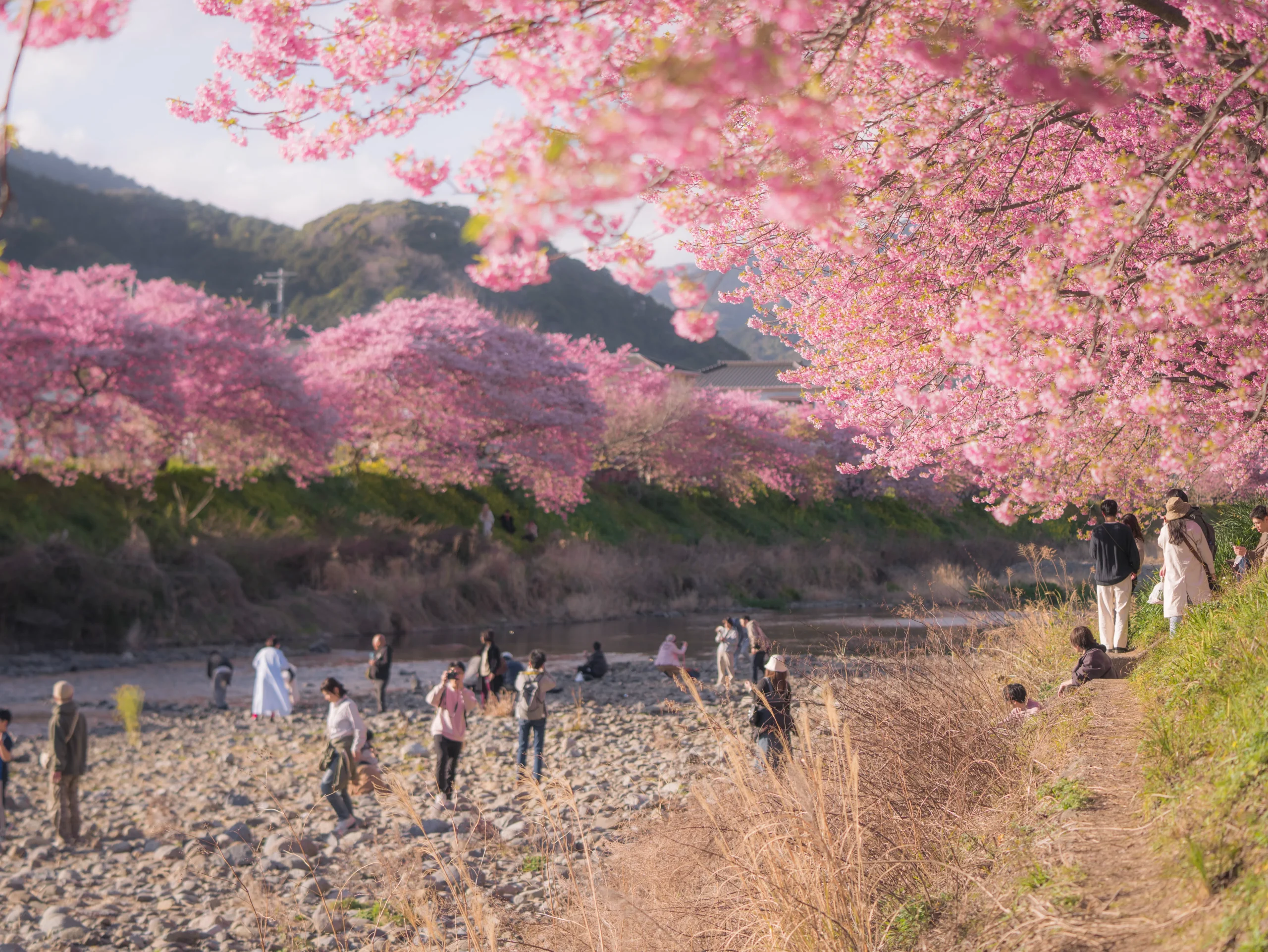
The first forecast for the 2026 season indicates a significant shift. Here are the predicted bloom and peak bloom dates for major cities. “Peak bloom” refers to the ideal viewing period and typically begins about a week after the first bloom.
| City | Predicted Bloom Date | Difference from Average | Predicted Peak Bloom |
| Tokyo | March 19 | 5 days early | March 26 |
| Kyoto | March 24 | 2 days early (normal) | March 31 |
| Osaka | March 24 | 3 days early | March 31 |
| Hiroshima | March 21 | 4 days early | March 30 |
| Fukuoka | March 20 | 2 days early (normal) | March 29 |
| Nagoya | March 19 | 5 days early | March 28 |
| Kanazawa | March 31 | 3 days early | April 6 |
| Sendai | April 5 | 3 days early | April 10 |
| Sapporo | April 28 | 3 days early | May 1 |
Source: Japan Meteorological Company, 1st Forecast (Dec 18, 2025)
This data shows that travelers aiming for Tokyo should now target the third and fourth weeks of March, not early April. A trip planned for the first week of April in Tokyo would likely miss the best of the blossoms.
Klook.comWhat Travelers Commonly Assume (and Why It’s Wrong for 2026)
•Assumption: “I should plan my trip for early April to see the blossoms.”
•Reality: The 2026 forecast invalidates this generic advice for major cities like Tokyo and Nagoya, where the bloom is predicted to start on March 19. Relying on old blog posts or past experiences will lead to disappointment.
•Assumption: “The timing is the same across all major cities.”
•Reality: There is a clear regional variation. While Tokyo is five days early, Kyoto and Fukuoka are predicted to be closer to their normal schedule. A one-week trip in late March could catch the peak in Tokyo but only the beginning of the bloom in Kyoto.
What You Should Decide Before You Travel
The 2026 forecast requires travelers to be more precise in their planning. Your most important decisions are now tied directly to this new data.
1.Which Cities Will You Prioritize? Your itinerary’s order is critical. For 2026, starting in a city with an earlier bloom like Tokyo and then moving to a city with a slightly later bloom like Kyoto makes logistical sense. Check the forecast for each specific city you plan to visit.
2.When Will You Book? The forecast was released in December 2025, much earlier than usual. This means experienced travelers and agencies are already booking accommodation and flights for mid-to-late March. Waiting until January or February to book for a March trip is now very risky.
Situations Where This Becomes a Problem
An earlier bloom compresses the peak travel season and creates new challenges.
•The Concentrated Crowd Peak: With the main bloom in Tokyo and other eastern cities shifting to mid-to-late March, the most intense crowds will be concentrated in this earlier period. This puts immense pressure on a smaller window for hotels and transportation.
•Golden Week Remains a Separate Issue: Do not confuse the cherry blossom peak with Golden Week. Golden Week is a fixed holiday period from late April to early May. It remains one of the busiest and most expensive times to travel, long after the blossoms have fallen in most of Japan .
•The Pollen Season: The hay fever season (kafunsho) will still be at its peak from February through April, regardless of the blossom forecast. Cedar and cypress pollen counts will be high, causing significant discomfort for those who are sensitive .
What Matters Less Than People Think
•Following a Rigid, Pre-Made Itinerary: The cherry blossom front moves, and forecasts are updated. Be prepared to be flexible. A day trip to a nearby area that is peaking might be a better experience than staying in a city where the blossoms are past their prime.
•Seeing Only the Most Famous Spots: During the compressed peak season, famous spots will be overwhelmed. Local parks, quiet residential streets, and university campuses often have beautiful trees without the crushing crowds.
Klook.comPractical Takeaways
•Trust the Latest Forecast: Use the official forecast from sources like the Japan Meteorological Company, not generic guides from previous years.
•Book for Mid-to-Late March: For Tokyo, Nagoya, and Hiroshima, this is the new target window for 2026. Book immediately.
•Plan Your Route Logically: Follow the bloom front. For example, start in Fukuoka or Hiroshima and travel east towards Tokyo.
•Prepare for Pollen: Bring allergy medication and consider wearing a mask, as pollen levels will be high.
•Separate Golden Week from Your Blossom Plans: These are two distinct travel events. Do not plan a blossom-viewing trip during Golden Week.
Summary
The 2026 spring travel season in Japan will be defined by an earlier-than-average cherry blossom bloom in many key regions. The traditional wisdom of targeting early April is no longer valid for cities like Tokyo. Success requires precise, data-driven planning based on the new forecasts. By booking for mid-to-late March and understanding the regional differences in bloom times, travelers can adapt to the new schedule and still have a successful trip. Flexibility and early booking are more critical than ever.
Sources / References
[1] Japan Meteorological Company. (2025, December 18). 2026年桜の開花・満開予想(第1回)を発表. Retrieved from
[3] Japan Dev. (2025, June 3 ). Surviving a Pollen Allergy in Japan – Our Best Tips. Retrieved from
Notes & Exceptions
•This article is based on the first forecast released in December 2025. Forecasts are updated periodically, and bloom times can change. Always check the latest information before finalizing plans.
•The bloom mechanism is a simplified explanation for travelers. The actual process is more complex.
•Crowd levels are an estimation based on bloom times and holidays.
Certainty Level
High
Join 1,000+ travelers discovering Japan's hidden side
Weekly dispatches from off-the-beaten-path Japan — spots and stories you won't find in guidebooks.
No spam. Unsubscribe anytime.
Welcome aboard!
You're in. See you in your inbox soon.