

As the founder of hiddenjapan-gems.com, I’ve walked countless temple paths and hiked ancient trails across Japan. While Kyoto’s golden pavilions and bamboo forests are undeniably captivating, I’ve always been drawn to the quieter, more profound spiritual energy found just beyond the well-trodden tourist routes. This 7-day Kansai itinerary is born from that passion. It’s a journey for the traveler who has seen the highlights and now craves a deeper connection—to the history, the nature, and the spiritual heart of Japan. We’ll trade crowds for ancient cedars, city noise for the sound of mountain streams, and discover that the true soul of Kansai often lies in its hidden corners.
Table of Contents
7-Day Kansai Itinerary at a Glance
| Day | Location | Main Activity | Vibe |
| 1 | Kyoto (North) | Hike from Kibune to Kurama-dera Temple | Mystical, Mountainous, Spiritual |
| 2 | Kyoto (Ohara) | Explore Sanzen-in Temple’s moss garden | Serene, Rural, Contemplative |
| 3 | Nara (Uda) | Visit Murou-ji, the “Women’s Koyasan” | Ancient, Powerful, Natural |
| 4 | Shiga | Visit Enryaku-ji on Mt. Hiei & Lake Biwa | Sacred, Historic, Panoramic |
| 5 | Wakayama | Hike the Daimon-zaka section of Kumano Kodo | Ancient, Forested, Pilgrim-focused |
| 6 | Wakayama | Visit Kumano Nachi Taisha & Nachi Falls | Powerful, Spiritual, Nature-worship |
| 7 | Osaka | Explore Shinsekai and eat Kushikatsu | Retro, Energetic, Delicious |
Day 1-2: Northern Kyoto’s Mystical Mountains
Forget the crowds of central Kyoto for a moment. Our journey begins in the city’s northern mountains, a realm of ancient cedar trees, mountain spirits (tengu), and profound spiritual history.
Day 1: The Sacred Hike from Kifune to Kurama
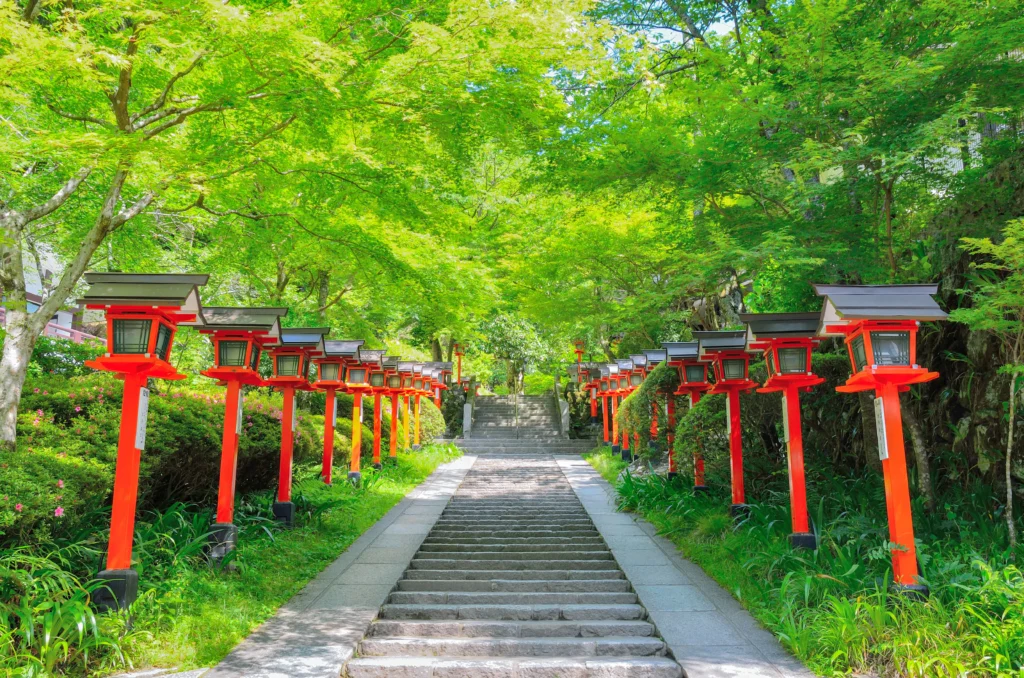
We start by taking the charming Eizan Railway to Kibune-guchi Station. From there, a short bus ride or a pleasant 30-minute walk takes us to Kifune Shrine, dedicated to the god of water. The iconic view of the stone staircase lined with red lanterns is just the beginning. After paying respects, we begin the hike over the mountain to Kurama-dera Temple. This isn’t just a walk; it’s a pilgrimage route filled with smaller shrines and ancient trees, including the impressive Kinone Sando (Path of Tree Roots).
Kurama-dera itself feels like a world apart. Perched on the mountainside, it offers stunning views and a unique, powerful atmosphere. This is the birthplace of Reiki and a place where mountain asceticism is still palpable. The main hall, dedicated to a trinity of deities, feels cosmic and powerful.
•Stay: A traditional ryokan in Kurama or Kibune. Experiencing an onsen after the hike is pure bliss.
•Eat: Nagashi-somen (flowing noodles) in Kibune during the summer months is a classic experience.
Day 2: Contemplation in the Moss Gardens of Ohara
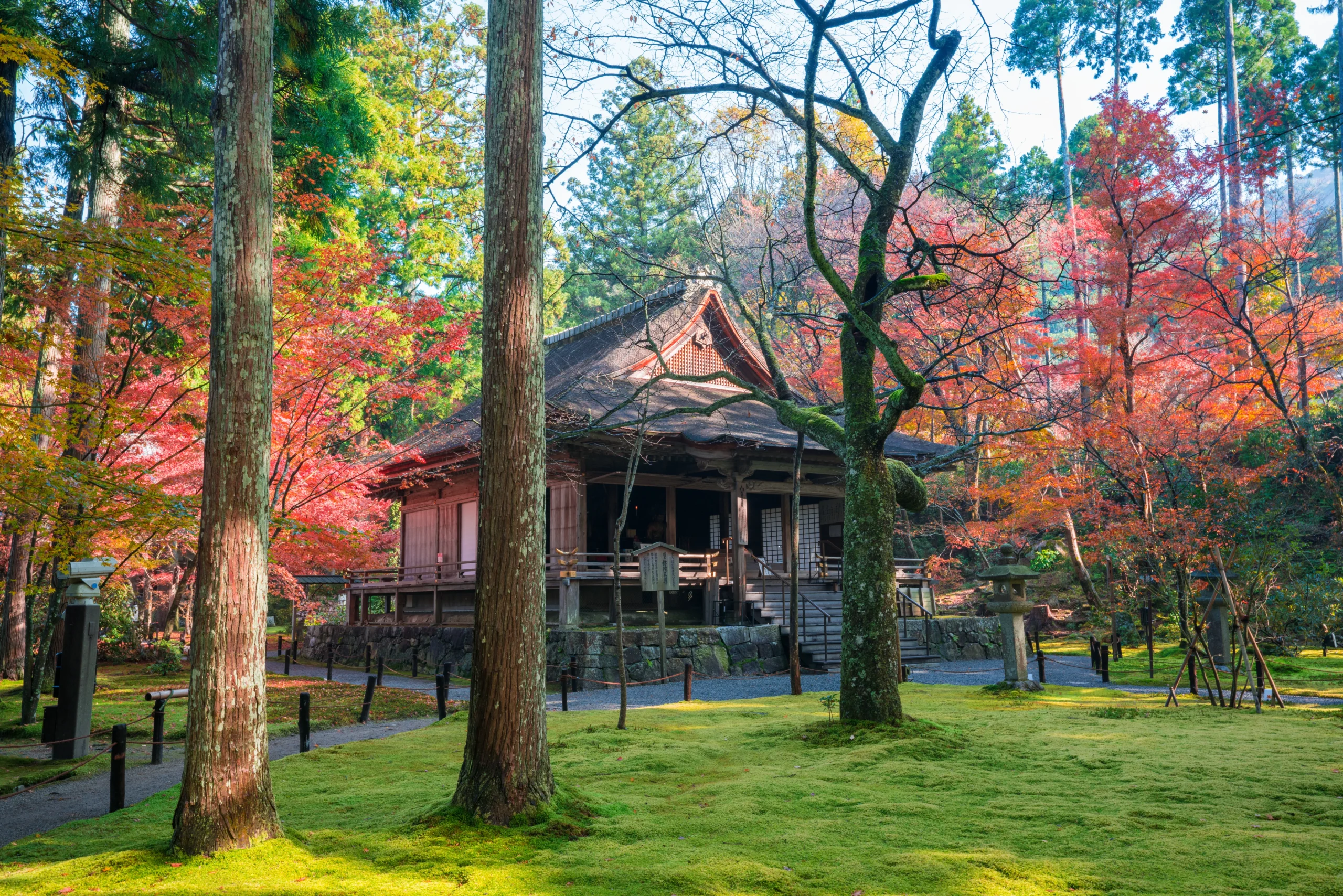
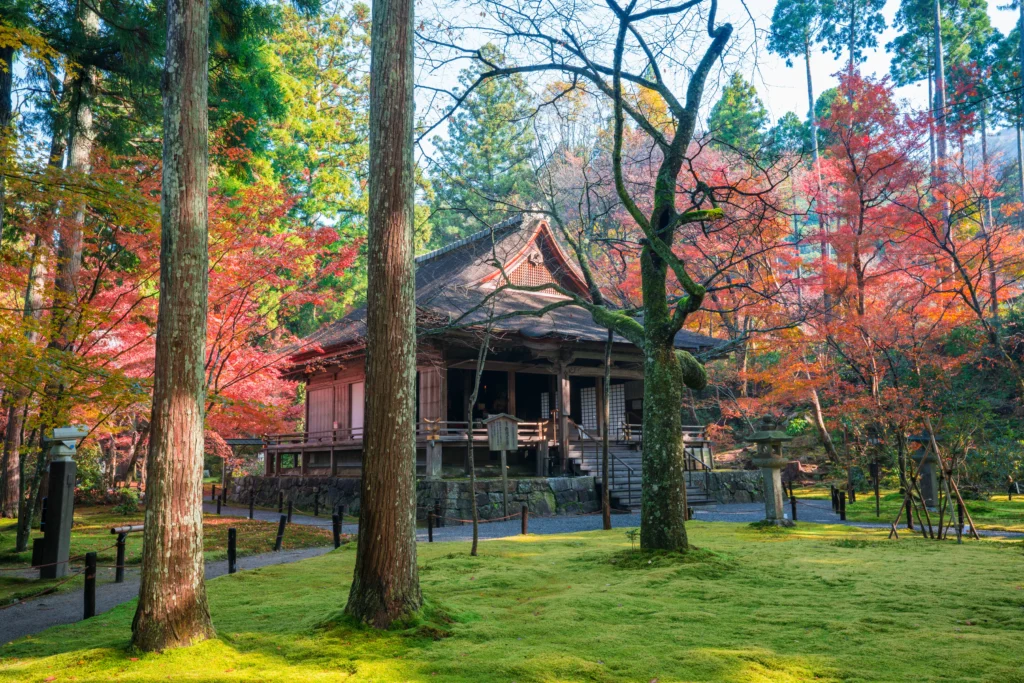
From Kurama, we head east to the rural valley of Ohara, a place that feels a world away from the city center. Our destination is Sanzen-in Temple, famous for its breathtaking moss garden. I remember sitting on the edge of the Ojo Gokuraku-in Hall, simply gazing at the sea of green, feeling the passage of time slow down. The small, adorable Warabe-Jizo statues peeking out from the moss add a touch of whimsy to the profound tranquility.
Ohara is also home to several other smaller temples, including the serene Jikko-in and the historic Jakko-in, all within walking distance. It’s a perfect place for a day of quiet walking and contemplation.
•Pro-Tip: Visit on a weekday morning to have the gardens almost to yourself. The atmosphere is completely different without the crowds.
Day 3: Nara’s Serene Mountain Sanctuary
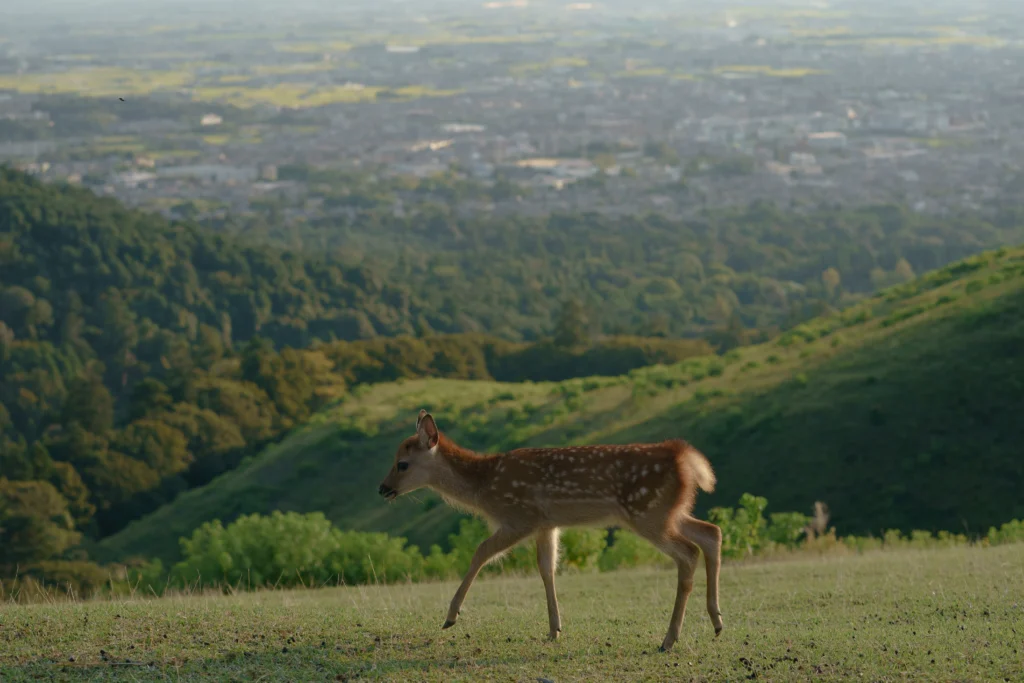
While most visitors to Nara head straight for the Great Buddha and the deer in Nara Park, there’s a quieter side to this ancient capital waiting to be discovered. If you arrive early, consider a detour to Mount Wakakusa (Wakakusayama), where wild deer roam freely on the open hillside with panoramic views of the Nara basin below—a scene that feels worlds apart from the crowded park.
From there, we venture deeper into the prefecture to Murou-ji Temple. Tucked away in the mountains of Uda, this temple is a true hidden gem. Known as the “Women’s Koyasan,” it welcomed female worshippers when the more famous Mount Koya was off-limits to them.
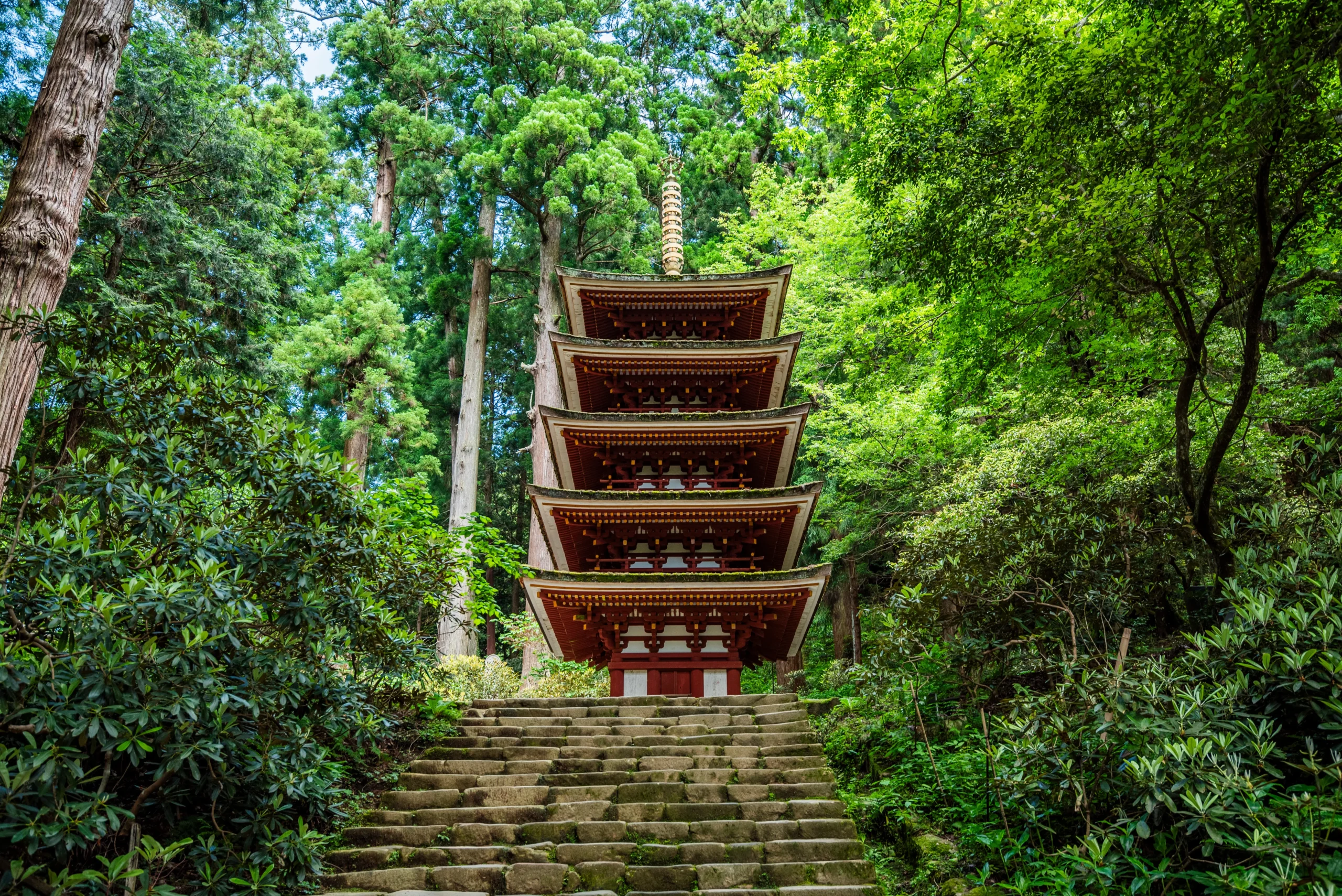
The temple is built on a mountainside, and its layout is a journey in itself. The highlight for me is the five-storied pagoda. It’s the smallest outdoor pagoda in Japan, and its elegant form, nestled amongst the tall trees, is a picture of perfect harmony between architecture and nature. The air here feels ancient and pure. The climb to the Okunoin (inner sanctuary) is steep, but the sense of accomplishment and the serene atmosphere at the top are well worth the effort.
•Getting There: Access is more challenging, which is part of its charm. From Kintetsu Murou-guchi-Ono Station, it’s a 15-minute bus ride.
•Don’t Miss: The main hall (Kondo) and the Miroku-do hall house stunning Buddhist statues, many of which are National Treasures.
Day 4: Lake Biwa & the Spiritual Heart of Shiga
Today, we head to Shiga Prefecture, home to Japan’s largest freshwater lake, Lake Biwa, and the sacred Mount Hiei. We’ll ascend Mount Hiei to visit Enryaku-ji, the headquarters of the Tendai sect of Japanese Buddhism and a UNESCO World Heritage site.
Enryaku-ji is not a single temple but a vast complex of halls and training centers spread across the mountain. The atmosphere is solemn and deeply historic. The main hall, Konpon Chudo, is currently undergoing a major renovation, but you can still feel the weight of its 1,200-year history. I was particularly moved by the Saitō (Western Pagoda) area, which feels more secluded and ancient.
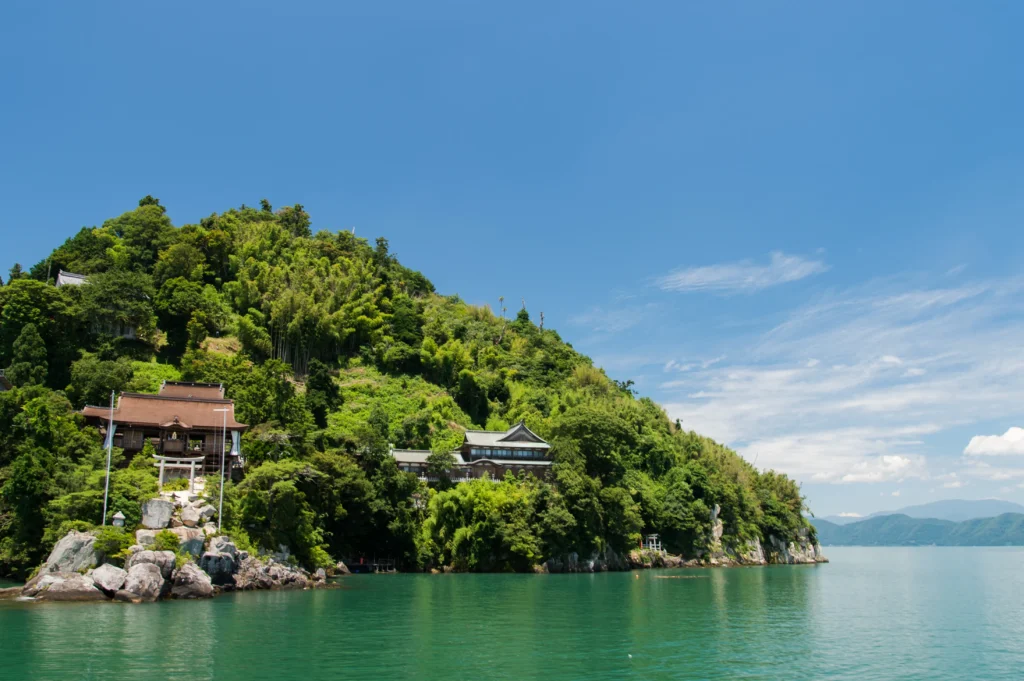
After exploring the mountain, we descend to the shores of Lake Biwa. The view of the vast lake from the mountain is breathtaking. A boat trip to Chikubu Island, a small, sacred island in the lake, is a fantastic way to experience the scale and beauty of Biwako.
•Stay: Consider staying at a hotel on the shores of Lake Biwa for stunning morning views.
•Alternative: For a more rural experience, head to the Metasequoia Namiki (Avenue of Metasequoias) in northern Shiga, especially beautiful in autumn.
Day 5-6: Walking the Ancient Kumano Kodo Trail
Now for the spiritual heart of our journey: the Kumano Kodo pilgrimage trails in Wakayama Prefecture. This network of ancient paths has been walked by emperors and commoners for over a thousand years. We’ll focus on a manageable yet deeply rewarding section.
Day 5: The Daimon-zaka Slope
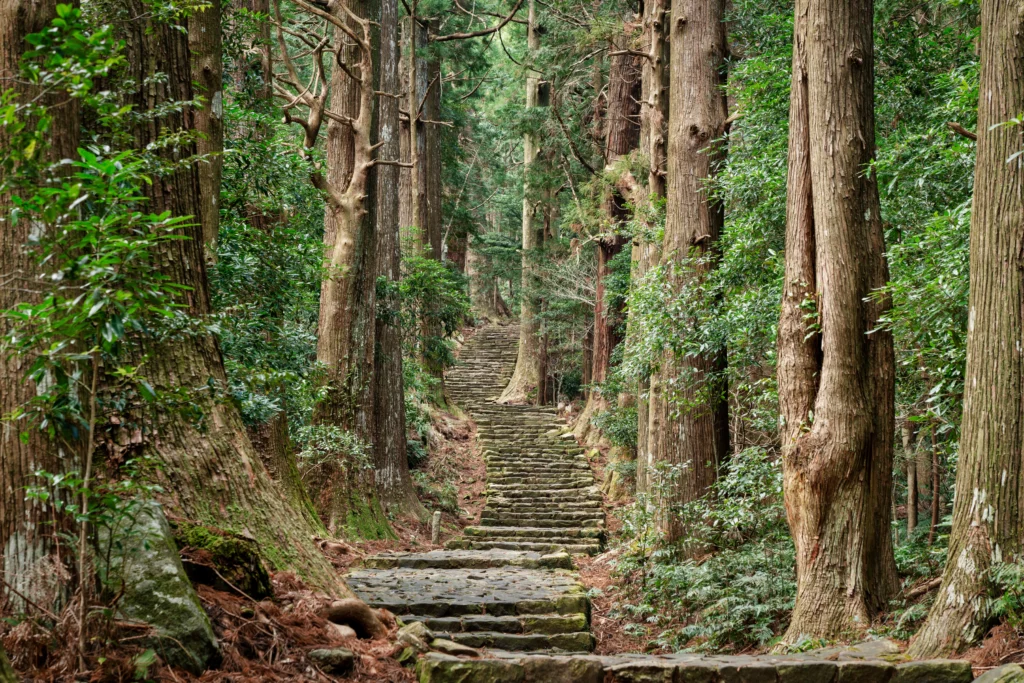
We travel south to the Kii Peninsula. Our base will be near Kii-Katsuura, a town with excellent onsen. Today, we tackle the Daimon-zaka, a beautiful 600-meter cobblestone staircase that leads up to the Kumano Nachi Taisha Grand Shrine. Lined with massive cedar trees, this short but steep walk is one of the most atmospheric parts of the entire Kumano Kodo. You can even rent Heian-period pilgrim costumes at the base of the slope for a truly immersive photo opportunity.
Day 6: The Grand Shrine and Japan’s Tallest Waterfall
Today we visit the three sacred sites at the heart of the Kumano faith: Kumano Nachi Taisha, one of the three great Kumano shrines; the adjacent Seiganto-ji Temple; and the magnificent Nachi Falls. The sight of the three-storied pagoda of Seiganto-ji with the 133-meter waterfall in the background is one of Japan’s most iconic views. The raw power of the waterfall, worshipped as a deity itself, is a humbling and unforgettable experience.
•Stay: A ryokan in Kii-Katsuura with a cave onsen overlooking the Pacific Ocean is a must-try.
•Eat: Fresh tuna! Katsuura is one of the largest tuna fishing ports in Japan.
Day 7: Osaka’s Deep, Delicious Soul
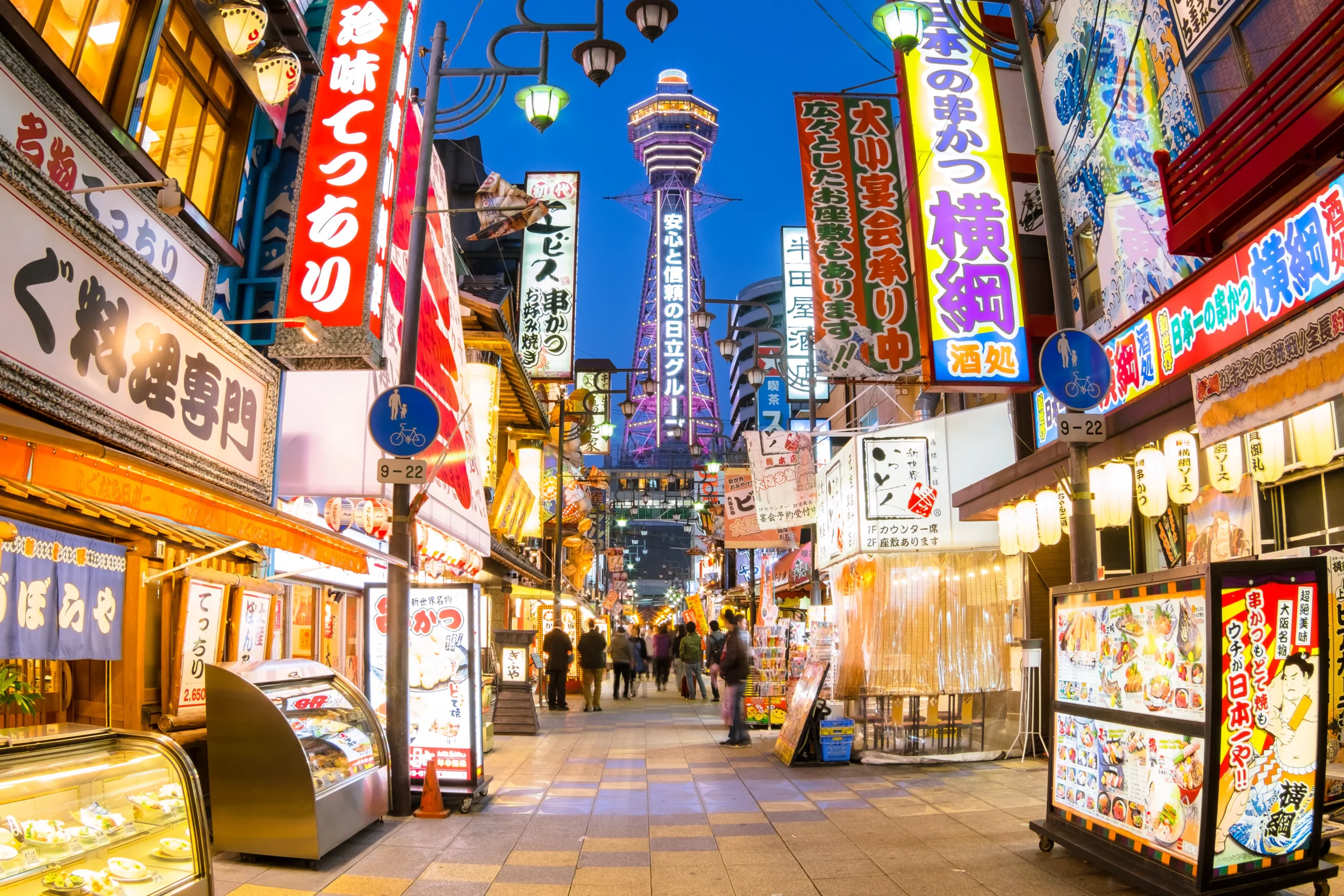
After days of spiritual immersion, we end our journey with a dive into the vibrant, unapologetically retro heart of Osaka: Shinsekai. This is a world away from the serene temples. Dominated by the Tsutenkaku Tower, a symbol of pre-war nostalgia, Shinsekai is a feast for the senses.
The main reason to come here is the food, specifically kushikatsu—deep-fried skewers of meat, vegetables, and even cheese. The rule is famous: no double-dipping in the communal sauce container! Hopping from one standing-only kushikatsu joint to another is the quintessential Shinsekai experience. The area is loud, colorful, and full of character. It’s the perfect, energetic end to our journey through Kansai’s diverse landscapes.
•Do: Play a game of shogi or go with the old men in the Janjan Yokocho alleyway.
•Go Deeper: For an even more local experience, explore the nearby Tobita Shinchi area (for historical architecture) or the Nishinari district, but be mindful and respectful of the local community.
Budget & Accommodation
•Budget: Expect to spend around ¥15,000 – ¥25,000 per person per day, depending on your choice of accommodation and dining. This itinerary involves significant travel, so transportation will be a major cost.
•Accommodation: A mix of city hotels (Kyoto, Osaka), traditional ryokan (Kurama, Kii-Katsuura), and possibly a temple lodging (shukubo) on Mount Hiei would provide a fantastic range of experiences.
Getting Around Kansai
This itinerary is best done using a combination of trains and buses. A Kansai Wide Area Pass could be cost-effective for the long-distance travel between Kyoto, Shiga, and Wakayama. However, it does not cover all the private railways and buses needed for this trip (like the Eizan Railway or the buses in Nara and Wakayama). Careful planning with tools like Google Maps or Jorudan is essential. For the more remote areas like Murou-ji and Kumano Kodo, renting a car for a day or two could be a convenient alternative.
Strategic FAQ Section
Q1: Is this itinerary suitable for a first-time visitor to Japan?
A1: While it’s possible, this itinerary is designed for those who have perhaps already seen the main sights of Kyoto and are looking for a deeper, more spiritual journey. It involves more travel and hiking than a typical first-timer’s itinerary.
Q2: How physically demanding is this trip?
A2: It has moderately demanding sections. The hike from Kifune to Kurama, the steps at Murou-ji, and the Daimon-zaka slope on the Kumano Kodo all require a decent level of fitness. However, none are expert-level treks.
Q3: What is the best time of year for this itinerary?
A3: Spring (April-May) and Autumn (October-November) are ideal for pleasant weather and beautiful scenery (cherry blossoms or autumn leaves). Summer can be hot and humid, while winter may see snow in the mountainous areas.
Q4: Can I do this itinerary using a Japan Rail Pass?
A4: A standard Japan Rail Pass would cover the JR train lines between the major cities, but a significant portion of this itinerary relies on private railways (Kintetsu, Eizan), buses, and cable cars that are not covered. A regional pass like the Kansai Wide Area Pass combined with individual tickets is a better approach.
Q5: What should I pack?
A5: Good, broken-in hiking shoes are essential. Also pack layers of clothing, as mountain weather can change quickly. Rain gear is a must, as is insect repellent in the warmer months.
Conclusion: The Soul of Kansai
This 7-day journey is more than just a tour; it’s an immersion into the spiritual landscape that has shaped Japanese culture for centuries. From the mountain asceticism of Kurama to the ancient pilgrimage routes of Kumano, you’ll discover a side of Kansai that is profound, powerful, and deeply beautiful. It’s a reminder that sometimes, the greatest treasures are found just a few steps off the beaten path.
Article Metadata
•Last updated: March 26, 2026
Sources checked
Kurama-dera Official Website, Sanzen-in Official Website, Murou-ji Official Website, Enryaku-ji Official Website, Kumano Travel Official Website, Osaka Info.

- 7 Days in Kansai: A Journey Beyond Kyoto to Hidden Temples & Sacred Trails
 As the founder of hiddenjapan-gems.com, I’ve walked countless temple paths and hiked ancient trails across Japan. While Kyoto’s golden pavilions and bamboo forests are undeniably captivating, I’ve always been drawn to… Read more: 7 Days in Kansai: A Journey Beyond Kyoto to Hidden Temples & Sacred Trails
 - A Journey Through Time: My Personal Walk Through Kyoto’s Daikakuji Temple
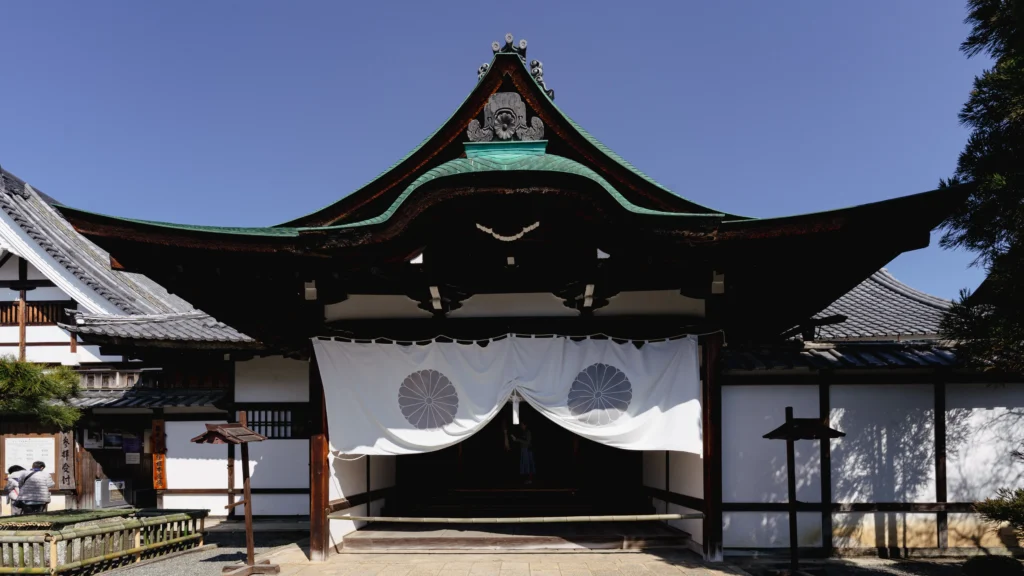 As the train pulled into Saga-Arashiyama, the familiar buzz of one of Kyoto‘s most famous districts filled the air. But I was heading for a different kind of experience. A short… Read more: A Journey Through Time: My Personal Walk Through Kyoto’s Daikakuji Temple
 - Umenomiya Taisha: Kyoto’s Hidden Gem for Sake, Cats, and Blessings
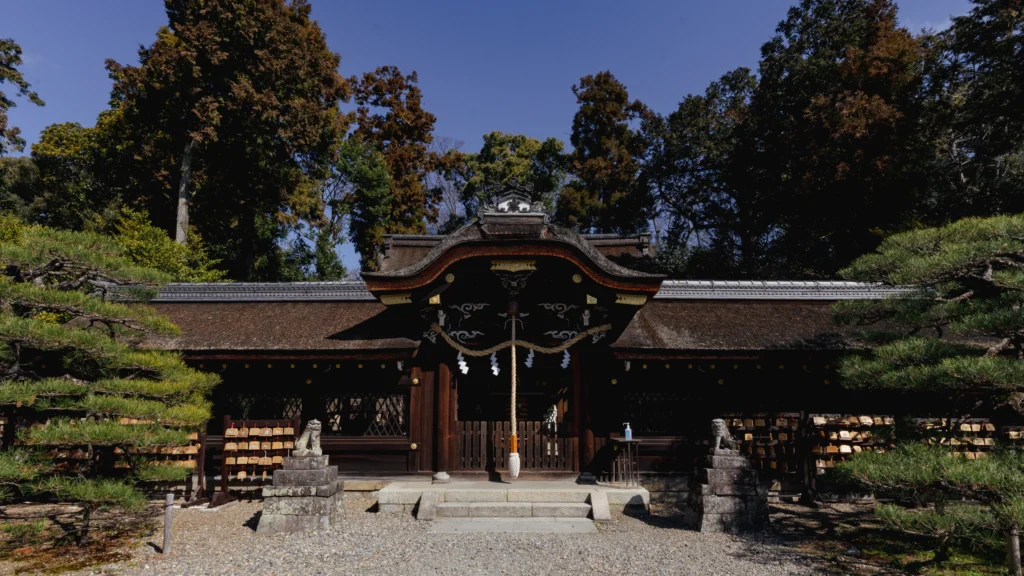 Imagine stepping off a quiet residential street in western Kyoto and finding yourself in a serene sanctuary, where the air is fragrant with plum blossoms and friendly cats lounge in the… Read more: Umenomiya Taisha: Kyoto’s Hidden Gem for Sake, Cats, and Blessings
 - Jonangu Shrine: Kyoto’s Guardian of Directions and Imperial History
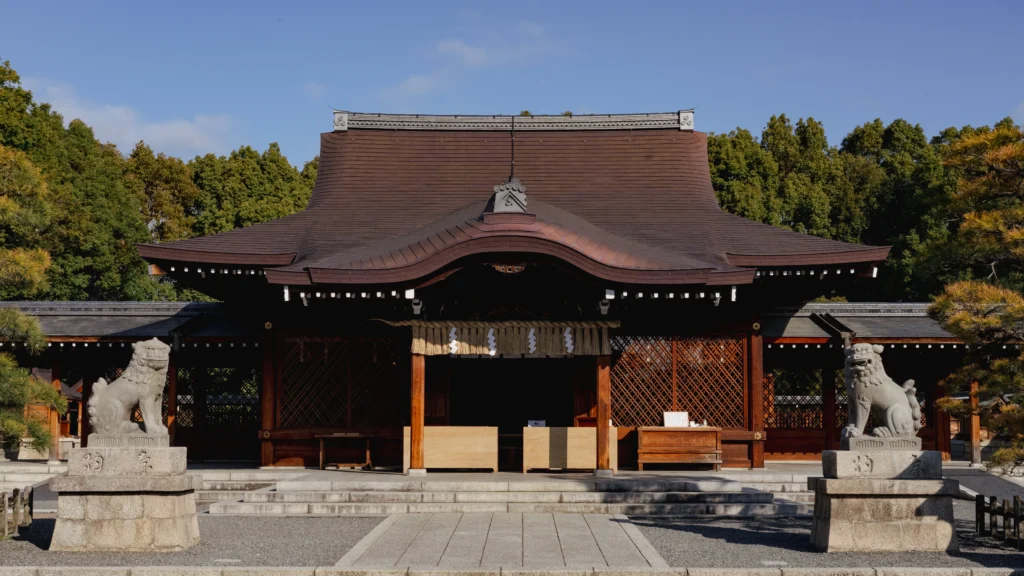 Imagine standing at a place that has not only guarded the southern gateway to Kyoto for over 1,200 years but has also been a pivotal stage for Japan’s most dramatic historical… Read more: Jonangu Shrine: Kyoto’s Guardian of Directions and Imperial History
 - Jonangu Shrine’s Weeping Plums: A Guide to Perfect Timing
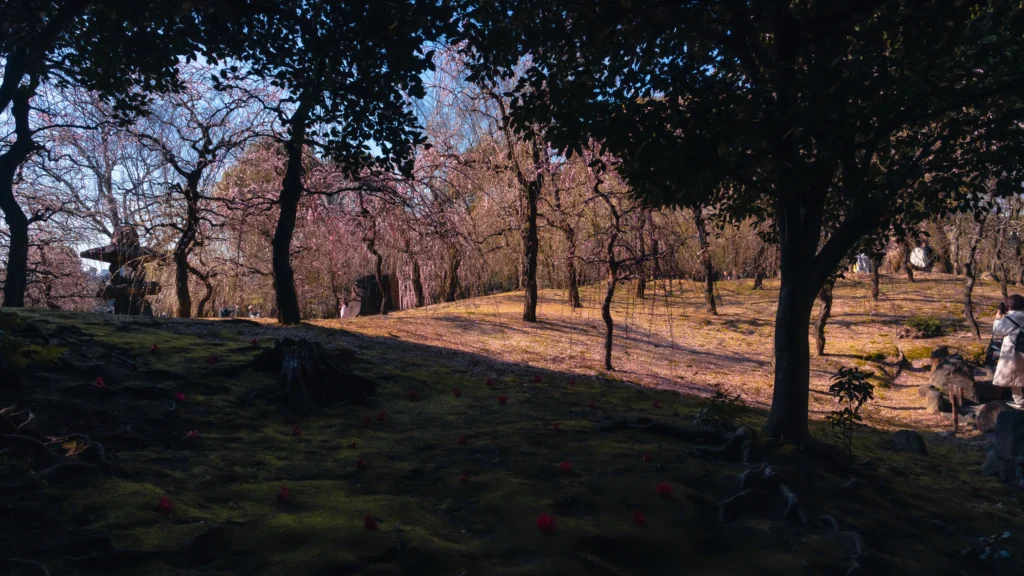 You’ve seen the photos on social media: a breathtaking canopy of pink weeping plum blossoms, so dense it looks like a floral sky. This is the magic of Jonangu Shrine in… Read more: Jonangu Shrine’s Weeping Plums: A Guide to Perfect Timing
cherry blossom cherry blossoms day trip from tokyo flower festival fuji five lakes fujiyoshida Fukuoka fushimi hanami hiking japan japanese culture japanese food japanese garden japan travel kamakura kawagoe kawaguchiko Kumamoto kyoto local food Mount Fuji mt fuji Nagano nature Nikko Oku-Nikko Onsen Ramen Saga saitama sakura Shizuoka shrine sightseeing snow spring in japan Tochigi Tokyo travel travel guide travel planning winter winter travel Yamanashi
![Kitain Temple Kawagoe 2026: Edo Castle Rooms & 538 Rakan [With Map]](https://hiddenjapan-gems.com/wp-content/uploads/2026/04/DSC4602-768x432.webp)