


Current date: 2025-12-28 (JST)
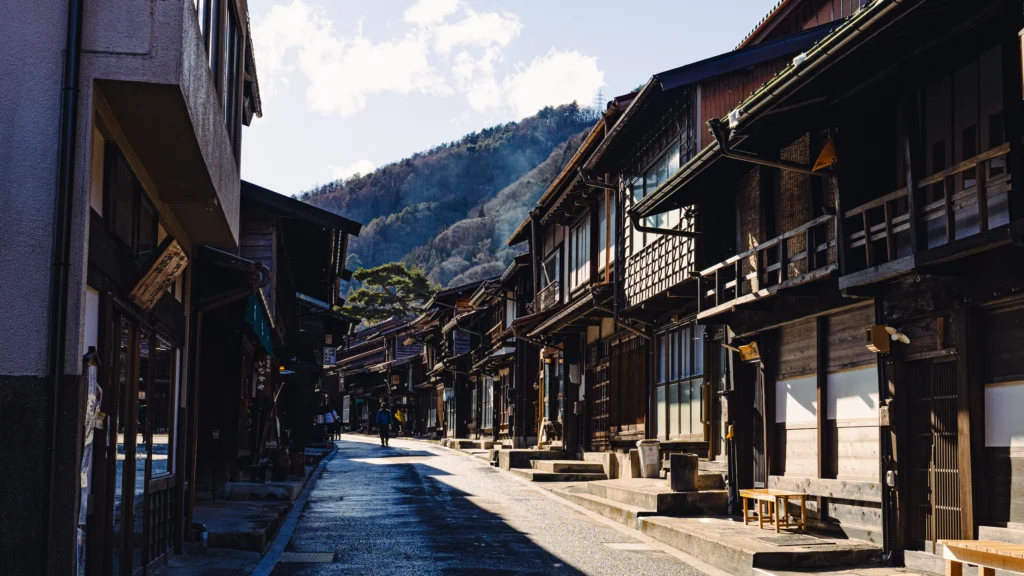
This guide is for travelers who want to slow down and truly experience a piece of traditional Japan. We’ll focus on the practical details of walking the town, how to get here, and what to expect from this remarkable journey back in time.
Who Should Visit Narai-juku?
Narai-juku is for the thoughtful traveler. If you appreciate history, traditional architecture, and the quiet beauty of rural Japan, this place will resonate with you. It’s not a town of thrilling attractions, but one of atmosphere and subtle detail. It is particularly rewarding for:
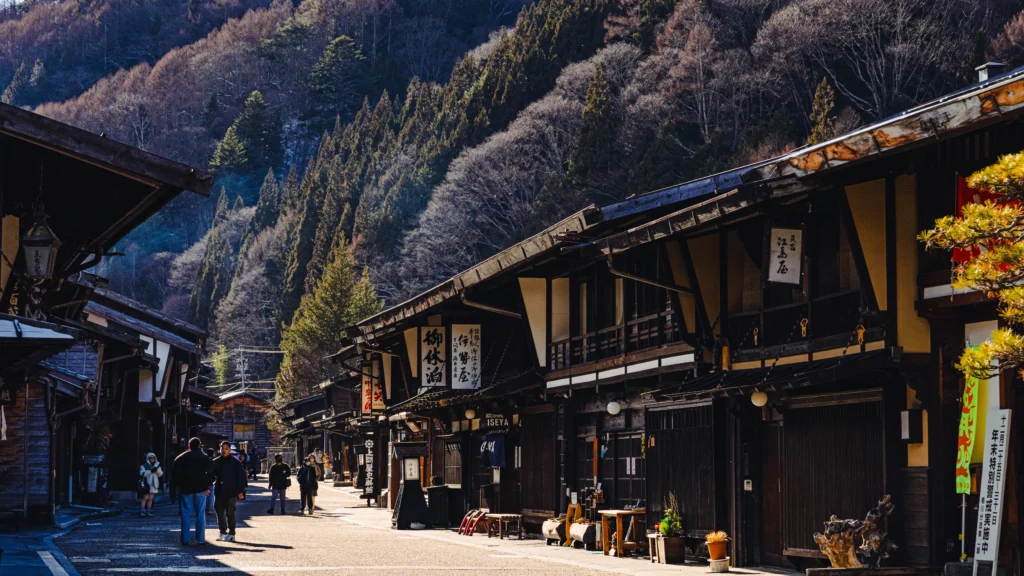
•History Buffs: Anyone interested in the Edo Period and the Nakasendo Trail will find Narai-juku to be an authentic, living museum.
•Hikers and Walkers: The town itself is a beautiful walk, and it serves as a starting or ending point for the scenic Torii Pass hike.
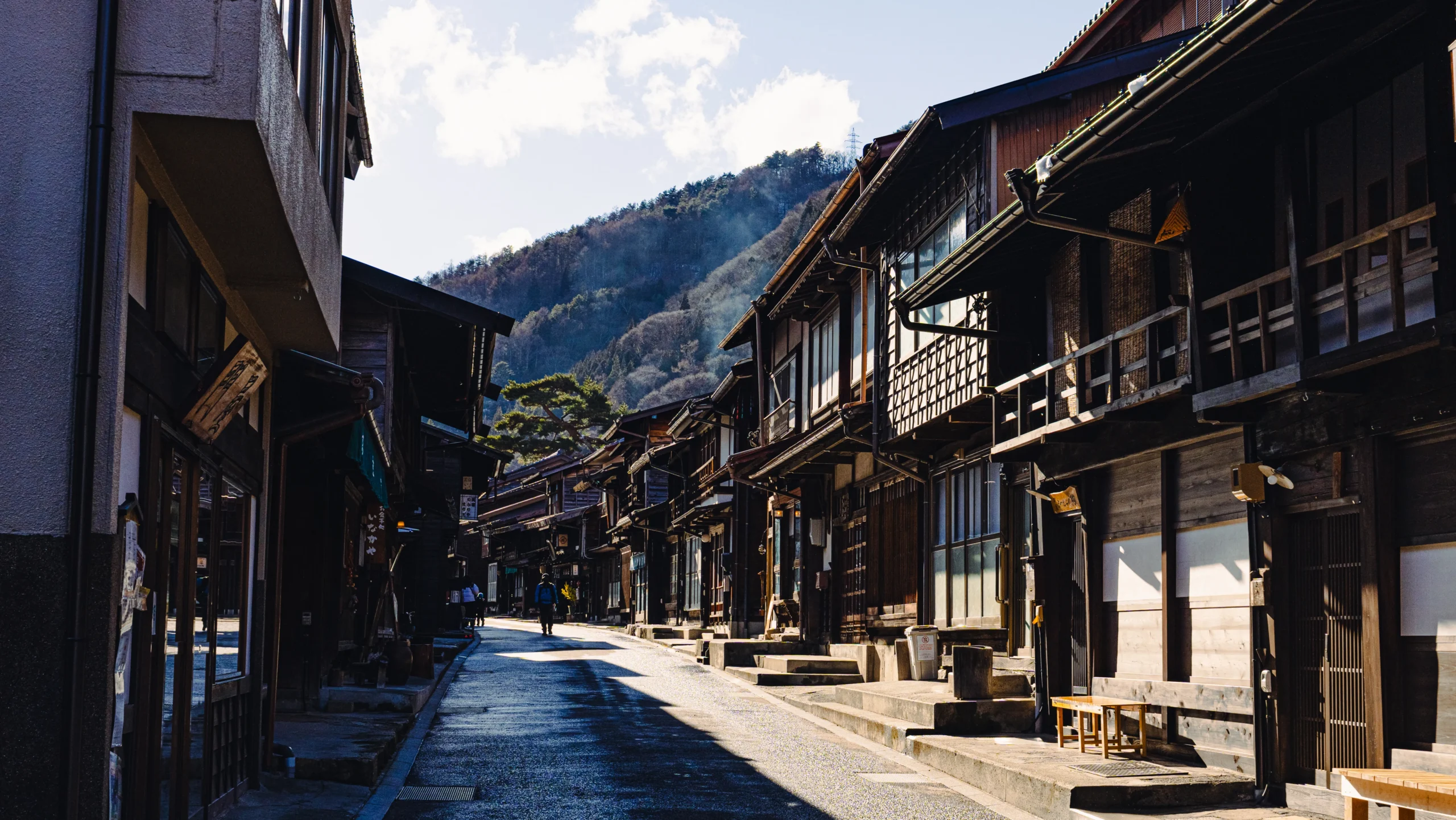
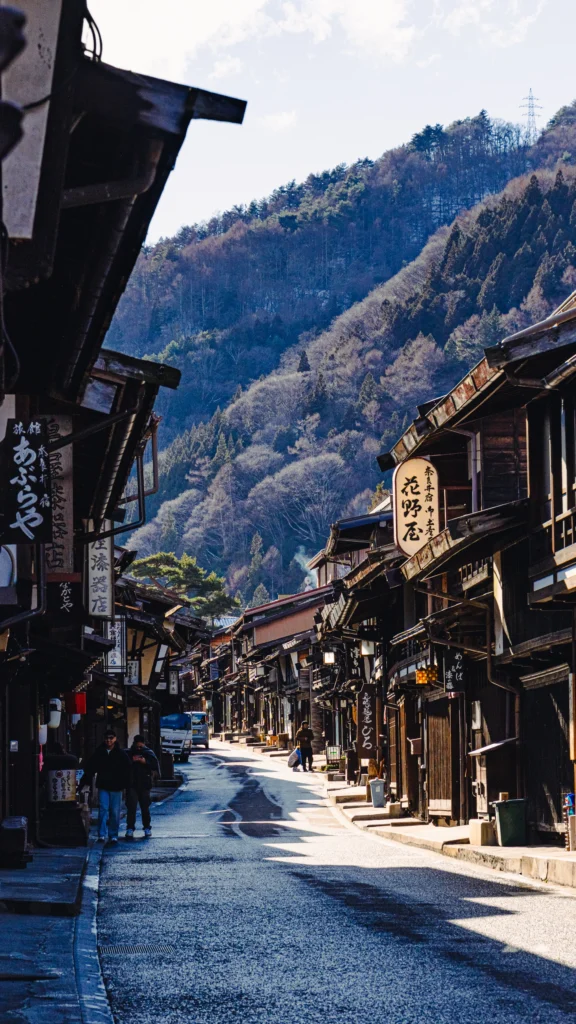
•Photographers: The preserved streetscape, with its dark wood buildings and mountain backdrop, is incredibly photogenic, especially in the soft light of early morning.
•Travelers Seeking Quiet: It offers a peaceful escape from the crowds of Tokyo and Kyoto.
Your Detailed Access Guide to Narai-juku
Getting to Narai-juku is part of the adventure. While it feels remote, it’s surprisingly accessible by train, making it an excellent day trip or overnight stay from major cities. Here’s a detailed breakdown of how to get there.
By Train (Recommended)
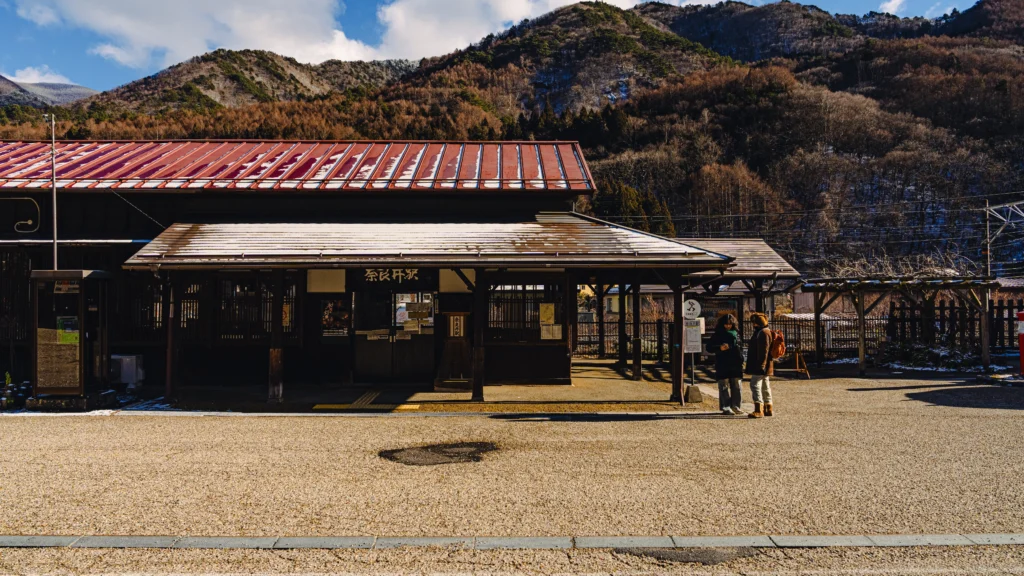
Narai-juku is conveniently located on the JR Chuo Main Line, with its own station just a few minutes’ walk from the historic main street.
| From | Route | Travel Time | Estimated Cost (One-Way) |
| Tokyo (Shinjuku) | Limited Express Azusa to Shiojiri, then transfer to the local JR Chuo Line to Narai. | ~2.5 – 3 hours | ~¥7,000 – ¥8,000 |
| Nagoya | Limited Express Shinano to Kiso-Fukushima or Shiojiri, then transfer to the local JR Chuo Line to Narai. | ~1.5 – 2 hours | ~¥5,000 – ¥6,000 |
| Matsumoto | Take the local JR Chuo Line directly to Narai. | ~50 minutes | ~¥770 |
| Nagano | Take the Limited Express Shinano to Shiojiri, then transfer to the local JR Chuo Line to Narai. | ~1.5 hours | ~¥2,500 – ¥3,500 |
Important Note: The Japan Rail Pass covers all the JR trains mentioned above, including the Limited Express services.
By Car
Driving offers flexibility, but be aware that the town itself is best explored on foot. There are several paid parking lots on the outskirts of the main street.
•From Tokyo: Approximately 4-5 hours via the Chuo Expressway.
•From Nagoya: Approximately 2 hours via the Chuo Expressway.
Parking costs around ¥500-¥1,000 for the day. Check the official parking information for real-time availability.
A Self-Guided Walking Route Through Narai-juku
The main street of Narai-juku stretches for about one kilometer and can be comfortably walked in 3-4 hours, allowing for stops at shops, cafes, and small museums.
1.Start at Narai Station: Exit the station and walk a few minutes to the southern end of the main street. You’ll immediately be struck by the uniform, dark-wood buildings with their latticed windows.
2.Walk the Main Street (Nakamise-dori): Wander north along the main street. The best time is early morning (around 8:00 AM) when the shops are just beginning to open and the streets are nearly empty. You can hear the sound of your own footsteps on the stone pavement.
3.Visit the Narakawa History and Folklore Museum: Located near the northern end of town, this small museum (¥300 entry) offers a glimpse into the daily life and tools of the people who lived here through the ages. Note: It is only open on weekends.
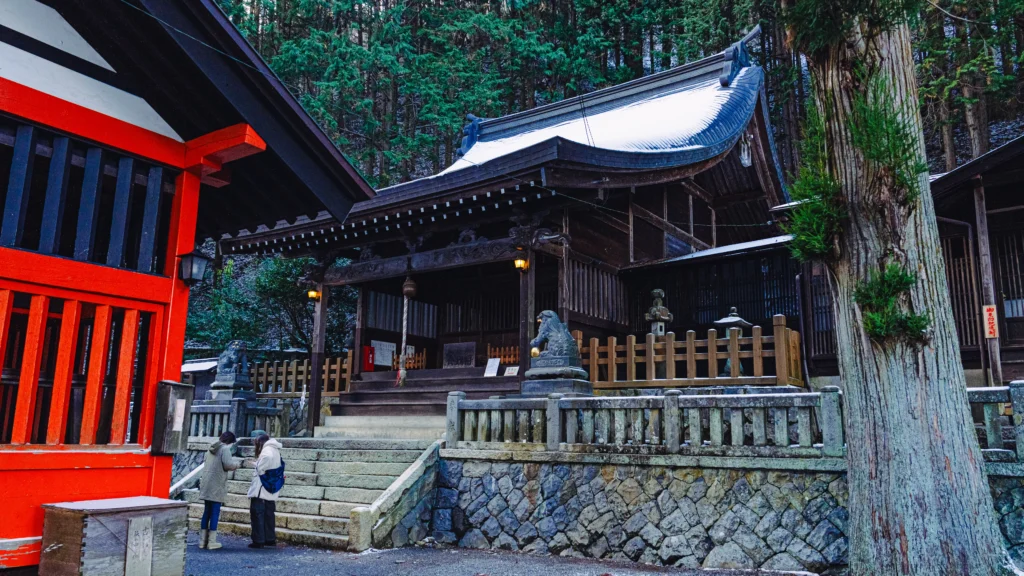
4.Explore Shizume-jinja Shrine: At the very northern end of the town lies this quiet shrine. It marks the entrance to the Torii Pass hiking trail and is a peaceful spot to reflect.
5.Cross the Kiso Bridge: After exploring the main street, head towards the Kiso River to see the beautiful Kiso no Oohashi, a large cypress bridge. The view of the town and mountains from here is worth the short detour.
6.Optional Hike: The Torii Pass: For those feeling more adventurous, the hike from Narai-juku to Yabuhara via the Torii Pass is a rewarding 2.5-3 hour journey through the forest. The trail is well-marked.
Costs & Fees
Visiting Narai-juku is very affordable. The town itself is free to walk through.
| Item | Cost (per person) | Notes |
| Town Entry | Free | |
| Narakawa History and Folklore Museum | ¥300 | Open weekends only |
| Parking | ¥500 – ¥1,000 | Per day |
| Lunch/Tea | ¥1,000 – ¥2,500 | Many small shops only accept cash |
Best Time to Visit
•Autumn (October-November): Widely considered the best season. The surrounding mountains are ablaze with autumn colors, and the crisp air is perfect for walking.
•Spring (April-May): Pleasant weather and the chance to see late-blooming cherry blossoms in the mountains.
•Time of Day: Arrive before 9:00 AM to experience the town at its most atmospheric and quiet. By midday, it can get busy with tour groups.
Things to Know Before You Go
•Footwear: The streets are paved, but comfortable walking shoes are essential, especially if you plan to hike the Torii Pass.
•Cash: While some larger shops and inns accept cards, many smaller cafes, food stalls, and souvenir shops are cash-only.
•Respectful Photography: This is a living town. Be mindful of residents and do not trespass on private property to get a photo.
•Quiet Atmosphere: The town’s charm is its tranquility. Speak softly and respect the peaceful environment.
Nearby Places Worth Adding
•Matsumoto: Just 50 minutes away by train, Matsumoto is home to one of Japan’s most beautiful original castles.
•Kiso-Hirasawa: A short, 2.2 km walk from Narai, this town is famous for its traditional lacquerware.
•Tsumago and Magome: Further south in the Kiso Valley, these are two other beautifully preserved post towns. They require more travel time to reach.
Where to Stay
While Narai-juku has a few traditional inns (ryokan and minshuku), options are limited and can be expensive. For more choice and flexibility, staying in the nearby city of Suwa is an excellent alternative. Suwa is located on the shores of Lake Suwa and is about a 30-40 minute train ride from Narai-juku.
Here are a couple of highly-rated options in Suwa:
•Hotel Route Inn Kami-Suwa: A reliable and comfortable business hotel with a 7.9/10 rating. It’s known for its clean rooms and good breakfast, making it a practical base for exploring the region.
•Hotel Route Inn Suwa Inter2: Another solid choice with a 7.9/10 rating, located conveniently in the city for access to dining and other amenities.
For a wider selection of hotels in the Suwa area, you can browse options on Agoda.
→ Search for hotels in Suwa on Agoda
Summary
Narai-juku is more than just a tourist spot; it’s a step back in time. A walk along its kilometer-long street reveals the story of the Nakasendo and the travelers who once walked it. With its stunning preservation, mountain scenery, and quiet atmosphere, it offers a deeply rewarding experience for anyone looking to connect with Japan’s rich history.
Sources / References
•[1] Narai-juku Official Tourism Association. (https://www.naraijuku.com/ )
•[2] Really Rural Japan – How to get to the Kiso Valley. (https://reallyruraljapan.com/kiso-valley-access )
•[3] Helena Bradbury – Visiting Narai-juku, Japan. (https://www.helenabradbury.com/blog-1/narai-juku-japan-things-to-do )
Notes & Exceptions
•The Narakawa History and Folklore Museum has limited opening hours (weekends only).
•Some smaller shops and restaurants in Narai-juku may be cash-only.
•Accommodation within Narai-juku itself is limited and should be booked well in advance.
Certainty Level
High

[…] in the heart of the Kiso Valley. Tsumago-juku, a remarkably preserved post town on the historic Nakasendo trail, offers a rare glimpse into the life of travelers during Japan’s Edo […]
[…] Nagoya, or another part of Japan, this comprehensive guide breaks down the best ways to reach Narai-juku by train and car. This article provides a detailed breakdown of all your travel options, including […]