

Current date: 2026-01-02 (JST)
What Happened
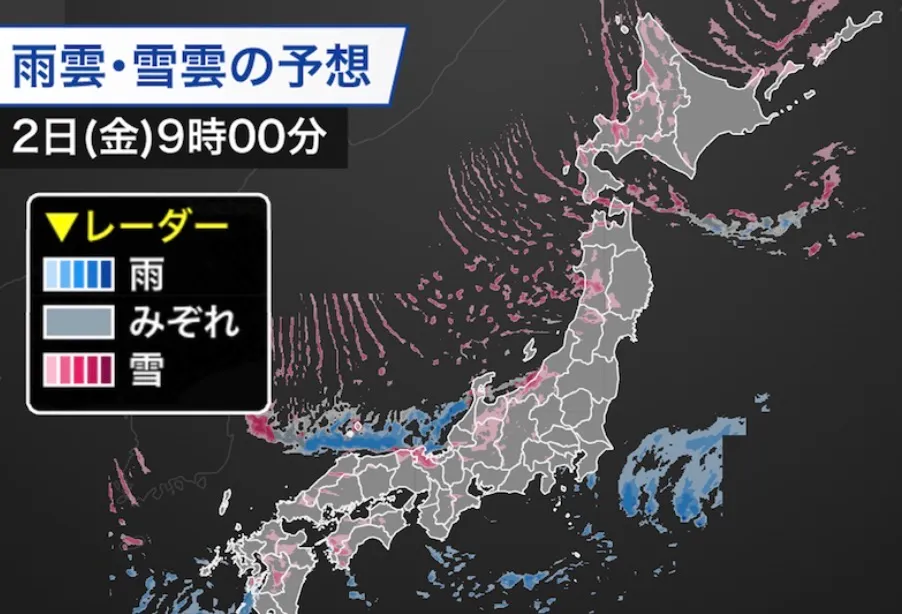
A strong cold air mass is moving over Japan, bringing heavy snowfall to the Sea of Japan coastline from January 1st through January 5th, 2026. According to weather reports, the snowfall is expected to be most intense on Friday, January 2nd, potentially causing significant travel disruptions during the peak New Year holiday return period.
Why This Matters for Travelers
This weather event coincides with the “U-turn rush,” when many people travel back to major cities after visiting their hometowns for the New Year holiday. Travelers, especially those on short-term visits, should anticipate potential delays and cancellations.
The conditions will likely affect:
•Transportation: Shinkansen, local trains, flights, and highway buses are all at risk of service disruptions.
•Regions: The most affected areas are along the Sea of Japan, including Hokkaido, Tohoku, Hokuriku, northern Kinki, and the San’in region.
•Road Travel: Even areas that rarely see snow, such as the Pacific side of Western Japan and parts of Kyushu, may experience frozen and icy roads.
Location & Context
•Primary Affected Zone: The entire Sea of Japan coast, from Hokkaido in the north down to the San’in region (Tottori and Shimane prefectures) in the west.
•Specific Areas of Concern: Mountainous areas in the Hokuriku region (Niigata, Toyama, Ishikawa, Fukui) and northern Kansai could see particularly heavy accumulations.
•Atmosphere: Travelers should be prepared for crowded stations and potential last-minute schedule changes.
Dates & Timing
•Main Period: Thursday, January 1, to Monday, January 5, 2026.
•Peak Snowfall: Expected all day on Friday, January 2.
•Lingering Effects: Snow and strong winds may continue on the Sea of Japan side from Hokuriku northward into Saturday, January 3. Snowfall is expected to continue increasing in mountain areas through January 5.
Access Information
Travelers planning to use trains, buses, or flights in the affected regions should check directly with their transport providers for the latest operational status. Key operators include JR companies (like JR East and JR West), airlines (ANA, JAL), and highway authorities.
Practical Notes
•Reservations: Be prepared for schedule changes, even with a reservation.
•Flexibility: It is wise to have a flexible itinerary and consider alternative travel plans.
•Driving: Driving is not recommended in the heavily affected areas. If you must drive, winter tires are essential. Be cautious of frozen road surfaces even in areas with only light snow.
•Language Support: Official transport websites usually have English information available.
Official Information
This information is based on a forecast from the Japanese weather service, Weathernews Inc. For the most current updates, please refer to official sources.
Summary
Heavy snow is forecast for Japan’s Sea of Japan coast for the first week of January, directly impacting the busy New Year holiday travel period. The most significant disruptions to trains, flights, and roads are expected on January 2nd. Travelers in these regions should check for service updates from transport operators and allow for extra travel time.
Sources / References
•https://weathernews.jp/news/202601/010196/
Notes & Limitations
•This is a forecast, and conditions can change. The intensity and location of snowfall may vary.
•Information on specific transport cancellations is not yet available and must be checked with operators.
Certainty Level
High