

Imagine a dining experience so exclusive it begins not at a door, but at a quiet fishing port.

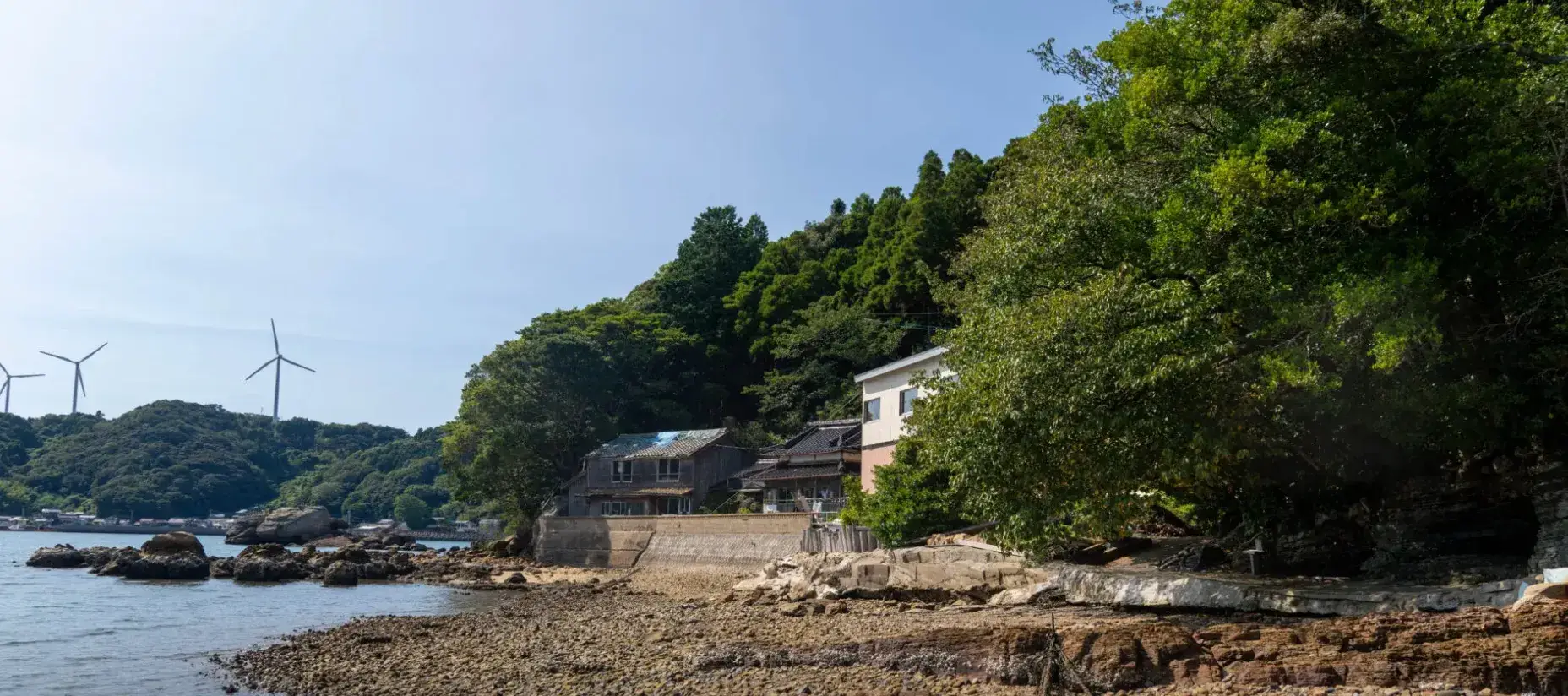
This is Gyosanjin, a one-of-a-kind seafood restaurant tucked away on a remote cape in Genkai, Saga Prefecture.
Accessible only by a private boat piloted by the chef himself, a meal here is more than just a dinner; it's a journey into the heart of Japan's rich maritime culture.

For the discerning traveler seeking an unforgettable culinary adventure, Gyosanjin offers a story to tell and a feast to remember.
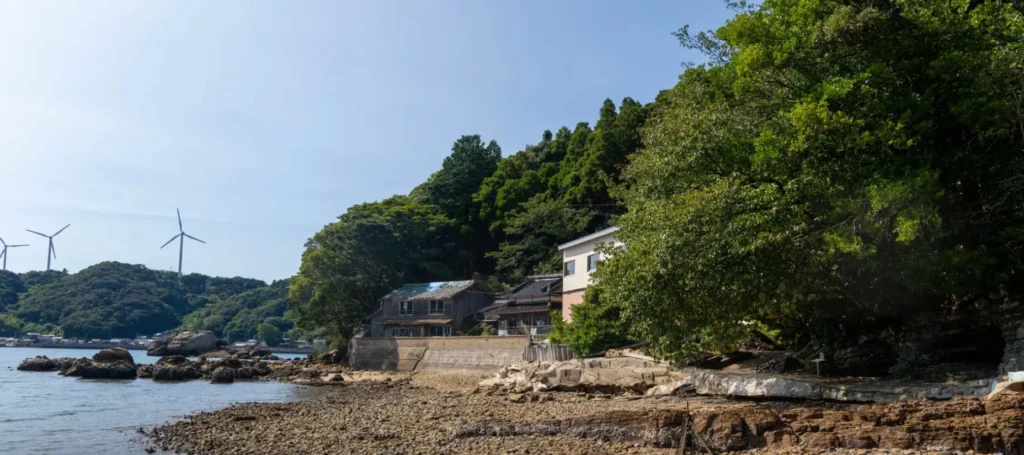
Table of Contents
Quick Facts
| Feature | Details |
| Best Time to Visit | Year-round, but check for closures on days with rough seas (shike). |
| Time Required | 3-4 hours (including boat travel and meal) |
| Departure Point | Kariya Fishing Port, Genkai, Saga Prefecture |
| Price Range | ¥6,000 – ¥20,000+ per person (Omakase course) |
| Payment | Cash only |
| Reservations | Absolutely essential; book months in advance. |
| Accessibility | Limited. Involves a boat trip and walking on a pier. Not suitable for wheelchairs. |
An Unforgettable Culinary Journey
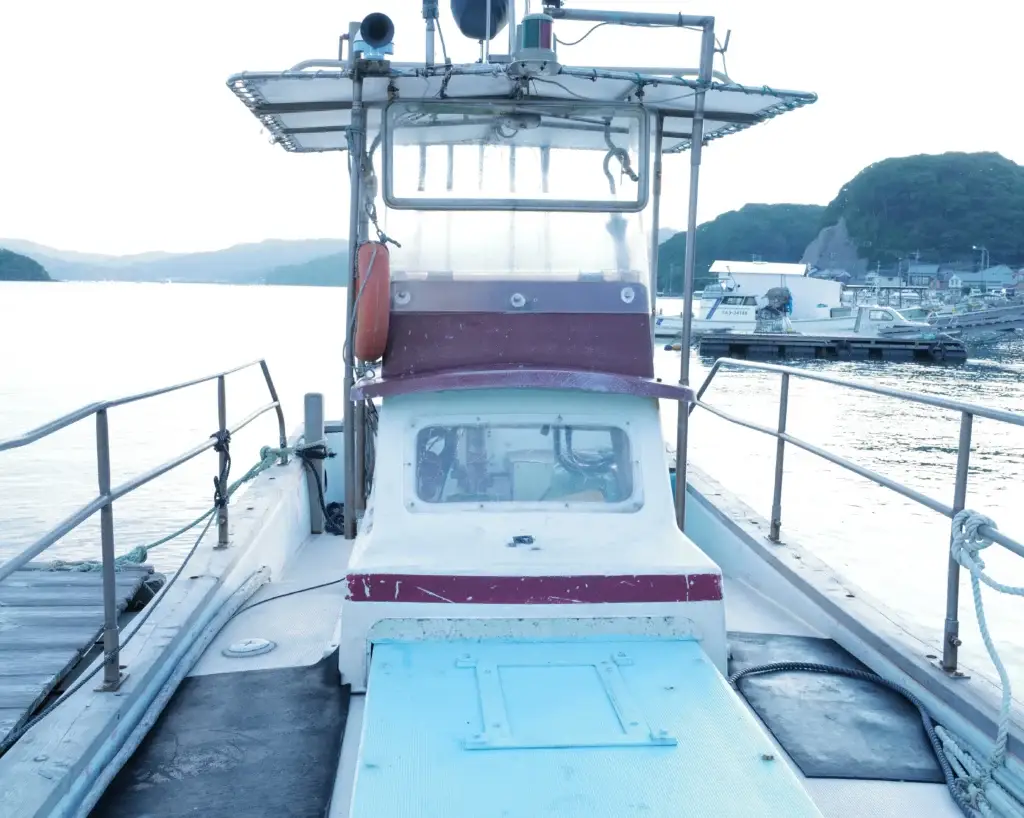
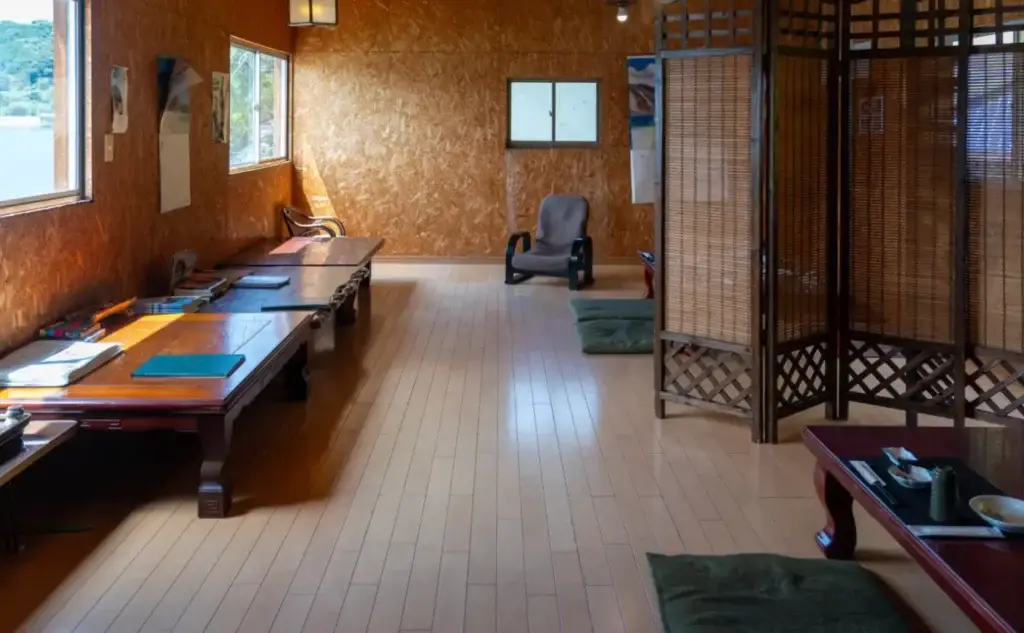
Gyosanjin is not merely a restaurant; it’s the life’s work of its owner and chef, Hiroshi Yoshida. Born into a family of set-net fishermen, Yoshida-san possesses an unparalleled understanding of the local waters of Kariya Bay . The restaurant, which hosts only one group for lunch and one for dinner each day, is an extension of his philosophy: to share the profound bounty of the sea with the world . The experience begins when Yoshida-san meets you at Kariya Port, personally escorting you on his fishing boat for the 10-minute journey to his secluded establishment. This prelude sets the stage for the intimate and deeply personal meal that awaits.
Best Time to Visit
Gyosanjin is open throughout the year, with the menu reflecting the best of each season. However, the most crucial factor is the weather. The restaurant closes on days of shike (rough seas), making a flexible travel schedule advisable. Reservations are notoriously difficult to secure, often booked out three months or more in advance, so planning far ahead is non-negotiable. To enjoy the scenic boat ride and the view from the restaurant in daylight, a lunch reservation is highly recommended.
How to Get to Gyosanjin
Reaching this hidden gem is an adventure in itself. The journey culminates at Kariya Fishing Port (仮屋漁港) in Genkai Town, where you will meet Chef Yoshida for the final leg of your trip.
Step-by-Step Guide:
1.From Fukuoka/Hakata: The most common starting point is Fukuoka. Take the JR Chikuhi Line from Hakata Station towards Nishi-Karatsu. The journey takes approximately 60-80 minutes.
2.From Nishi-Karatsu Station: From the station, you can take a taxi (approximately 30 minutes) to Kariya Fishing Port. This is the most straightforward option.
3.Arrival at Kariya Port: Upon arrival, contact the restaurant by phone (0955-52-2733). Chef Yoshida will then come to pick you up in his boat.
4.The Boat Ride: The final 10-minute boat ride across Kariya Bay offers stunning views and a true sense of arrival at a secret destination.
Map showing the meeting point at Kariya Fishing Port. The restaurant itself is not accessible by road.
The Omakase Experience: A Feast from the Sea
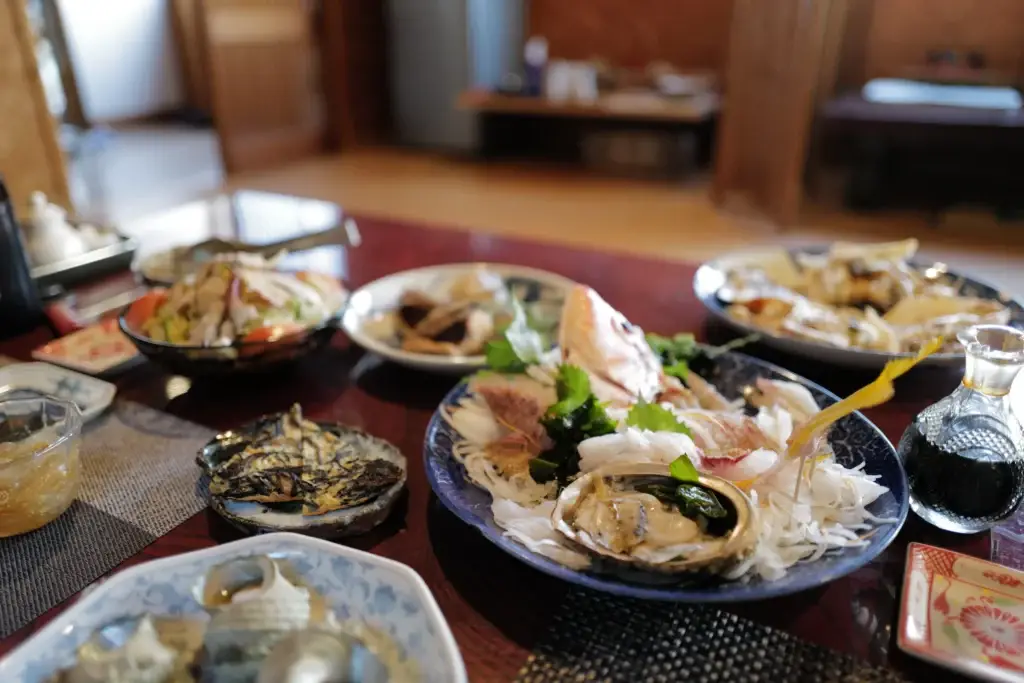
There is no à la carte menu at Gyosanjin. Guests are treated to a chef’s choice (omakase) course that showcases the day’s best catch. The meal is a relentless, joyful parade of the ocean’s treasures, served with rustic generosity. While the exact dishes change daily, the user’s experience included:
•Sashimi Platter: A stunning arrangement of freshly caught sea bream (tai), flounder (hirame), and squid (ika), served with homemade yuzu kosho instead of wasabi. The sheer volume is astonishing, easily enough for two or three people per serving .
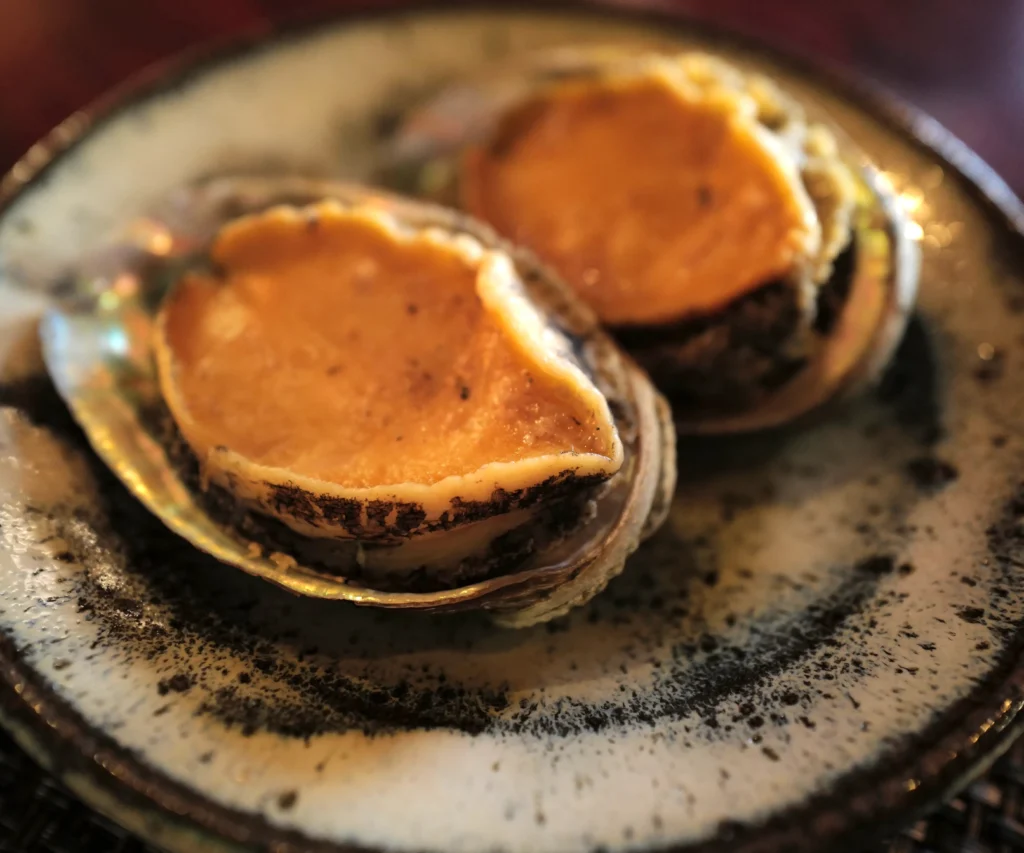
•Steamed Abalone (Mushi Awabi): Plump, tender abalone steamed in its own shell, showcasing its natural sweetness and umami.
•Simmered Dishes: A comforting dish of simmered squid with taro stems (zuiki), and a whole rockfish (kawahagi) simmered in a sweet and savory broth, complete with its rich liver.
•Chawanmushi: A special savory egg custard created in collaboration with the famedFrench chef, Hiroyuki Sakai. This version includes uni and scallop, offering a creamy, delicate flavor profile that bridges Japanese and French cuisine .
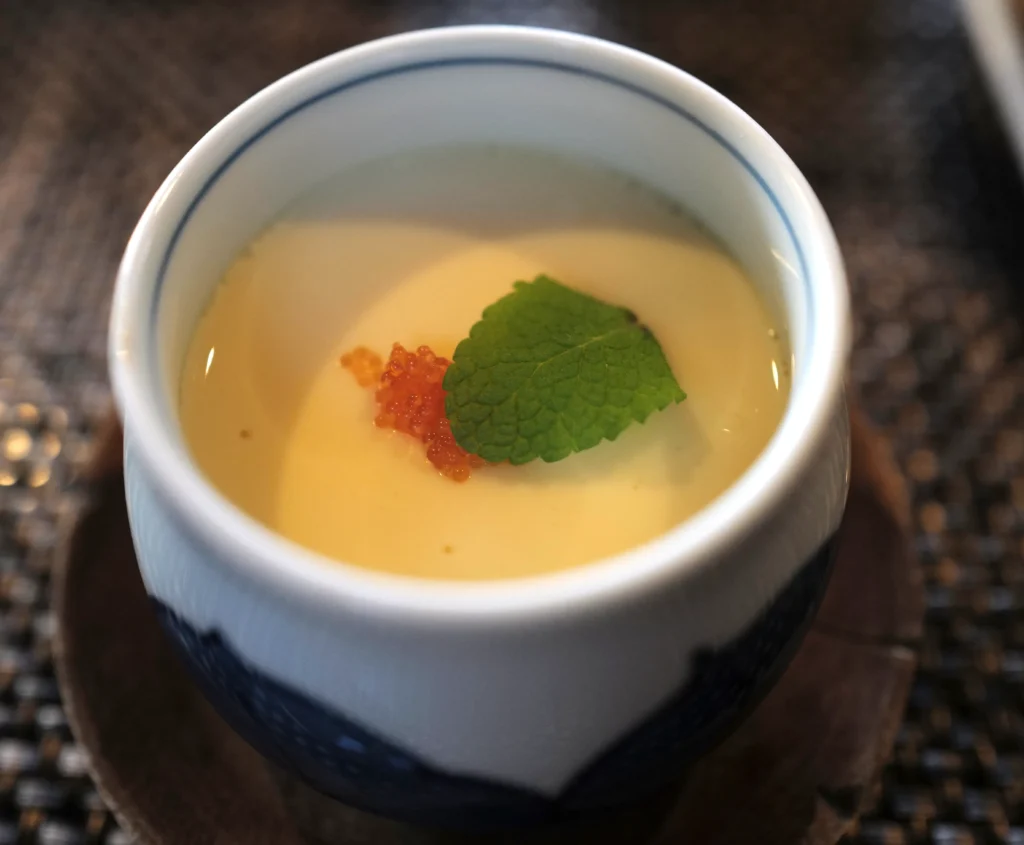
•The Grand Finale: Sushi & “Magic Soup”: The meal culminates with a generous wooden tub of sushi, featuring ancient red rice (kodaimai) which gives the shari a unique texture and flavor. This is served alongside what the chef calls “Magic Soup”—a clear, soul-warming broth made with an abundance of baby sardines (shirasu).
Practical Tips for Your Visit
•Booking is Paramount:
Reservations are essential and must be made by phone (in Japanese). It is highly recommended to have a Japanese-speaking friend or a hotel concierge assist you. Book as far in advance as possible.
•Cash is King:
The restaurant accepts cash only. Ensure you have enough to cover your course, which can range from ¥6,000 to over ¥20,000, plus drinks.
•Be Punctual:
Arrive at Kariya Port at the designated time. The chef operates on a tight schedule, and the boat departure is part of the reservation.
•Dress Comfortably:
You will be on a fishing boat and in a rustic, traditional setting. Casual and comfortable attire is appropriate. Be prepared for the sea breeze on the boat.
•Dietary Restrictions:
Inform the restaurant of any allergies or dietary restrictions when you book. The menu is entirely seafood-based.
Where to Stay Nearby
Given Gyosanjin’s remote location, staying in the nearby city of Karatsu is the most convenient option. Karatsu offers a range of accommodations and is a charming castle town worth exploring.
•Ryokan Yoyokaku: A beautiful, traditional Japanese inn known for its exquisite service, gardens, and cuisine. It provides an authentic and luxurious base for exploring the region.

•Karatsu Seaside Hotel: A modern hotel offering stunning ocean views, comfortable rooms, and easy access to Karatsu’s main attractions.

Find Hotels Near Karatsu Station
(Note: This article contains affiliate links. We may earn a commission if you make a purchase.)
Suggested Mini-Itinerary
A Perfect Day Trip from Fukuoka
•Morning (9:00 AM): Depart from Hakata Station in Fukuoka and enjoy the scenic train ride to Nishi-Karatsu Station.
•Late Morning (11:00 AM): Take a taxi from Nishi-Karatsu to Kariya Fishing Port. Arrive a little early to enjoy the peaceful harbor atmosphere.
•Lunch (12:00 PM – 3:00 PM): Meet Chef Yoshida and embark on your boat journey to Gyosanjin for an unforgettable seafood lunch.
•Afternoon (3:30 PM – 5:00 PM): Return to Karatsu and explore Karatsu Castle, which offers panoramic views of the city and Karatsu Bay.
•Evening: Enjoy a stroll through the old town before heading back to Fukuoka, or spend the night in Karatsu.
FAQs
1. Is it possible to go to Gyosanjin without a reservation?
No, reservations are absolutely mandatory. The restaurant is strictly limited to one group per service and is often booked months in advance.
2. How do I make a reservation if I don’t speak Japanese?
The best way is to ask a Japanese-speaking friend or your hotel’s concierge service to call on your behalf. Online booking is not available.
3. What is the price of a meal at Gyosanjin?
The price varies depending on the omakase course, typically ranging from ¥6,000 to over ¥20,000 per person. Confirm the price when you book.
4. Can they accommodate dietary restrictions like vegetarianism?
Gyosanjin specializes exclusively in seafood. It is not suitable for vegetarians or those with severe seafood allergies.
5. What happens if the weather is bad on the day of my reservation?
The restaurant will close if the sea is too rough (shike). They will contact you to cancel. It’s a risk inherent to this unique experience.
6. Is it difficult to get to Kariya Fishing Port?
While it requires a few steps (train and taxi/bus), it is a manageable journey. Taking a taxi from Nishi-Karatsu Station is the most direct and recommended method for foreign visitors.
Sources
[2] Genkai Town Tourism – Gyosanjin:
[3] BISHOKU QUEST – Gyosanjin Review:
A Final Word
A meal at Gyosanjin is a rare privilege. It is a testament to the beauty of simplicity, the richness of the local sea, and the profound connection between a chef and his environment. The journey by boat, the secluded setting, and the sheer abundance of the food create an experience that transcends dining and becomes a cherished memory. For those who make the journey, it is a powerful reminder of the hidden gems that await off the beaten path in Japan.

- Yakushima West Drive 2026: Ohko Falls, Yokogawa Valley, Seibu Rindo and Inakahama
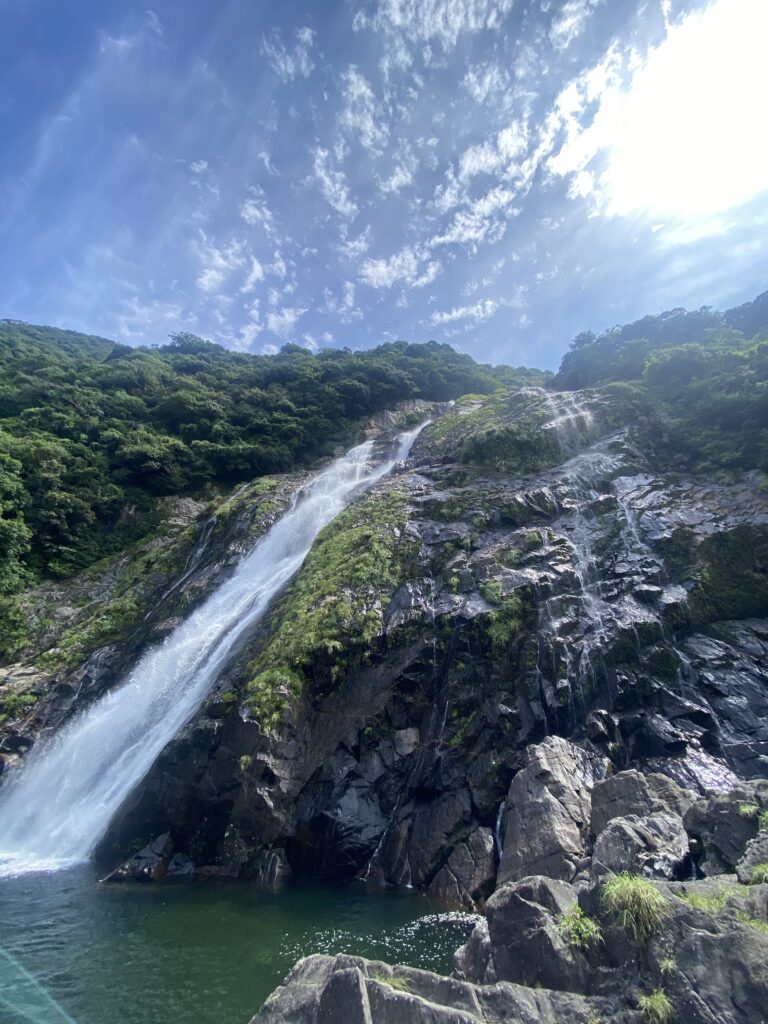 A 120 km west-coast loop that most Yakushima tourists skip — Ohko Falls, the Yokogawa swimming pools, the UNESCO Seibu Rindo wildlife corridor, and Nagata Inakahama beach. With 2026 driving practicalities and an honest hour-by-hour day plan.
 - Shonan at 5 AM in June 2026: Koyurugi Crossing, the Beach with Mt. Fuji, and the Coast Most Visitors Walk Past
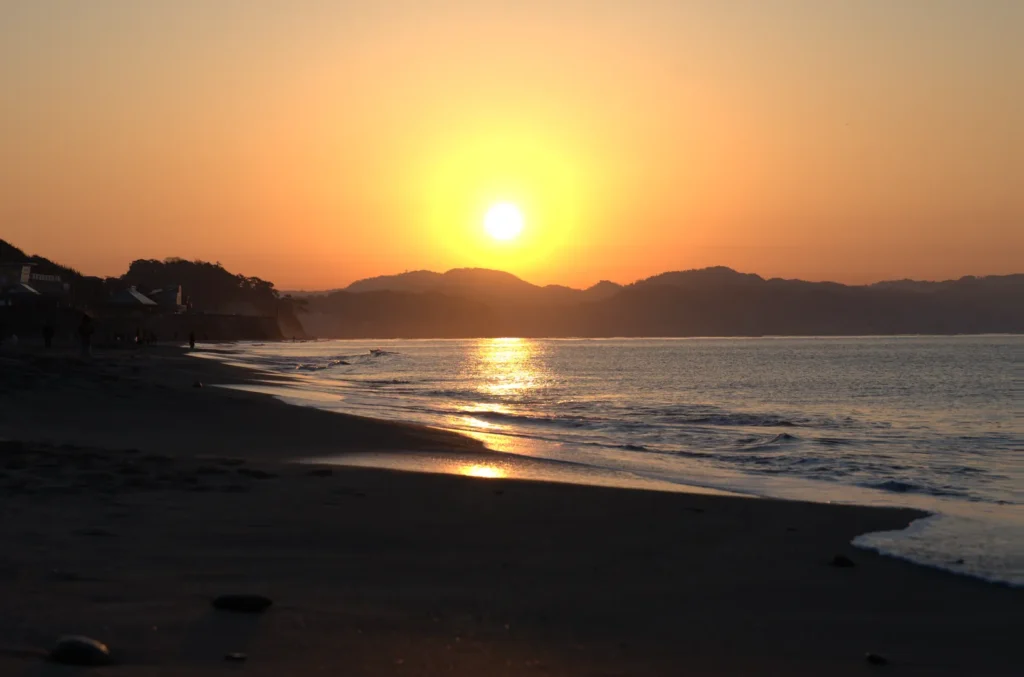 A pre-tsuyu, pre-crowd morning walk along the Shonan coast — Enoden trains, the small Koyurugi crossing, and Mt. Fuji from a beach almost no foreigner has heard of.
 - THE HOTEL YAKUSHIMA Ocean and Forest Review: A Quiet Architectural Stay on the North Shore
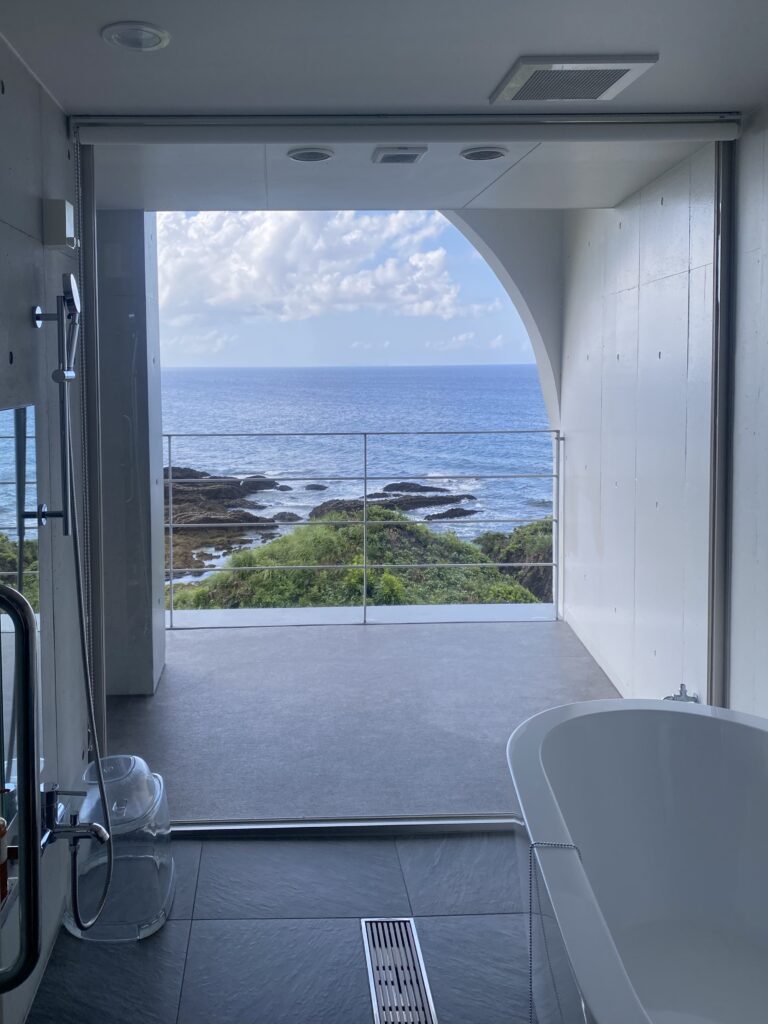 An architect-led 9-villa hotel on Yakushima north-west shore. Each room has an open-air bath that frames the Pacific through a concrete arch and a private balcony 25 meters above the rocks. What works, what does not, and who should book.
 - Shoji Ueda Museum 2026: The Concrete Building That Frames Mt. Daisen Like One of His Photographs
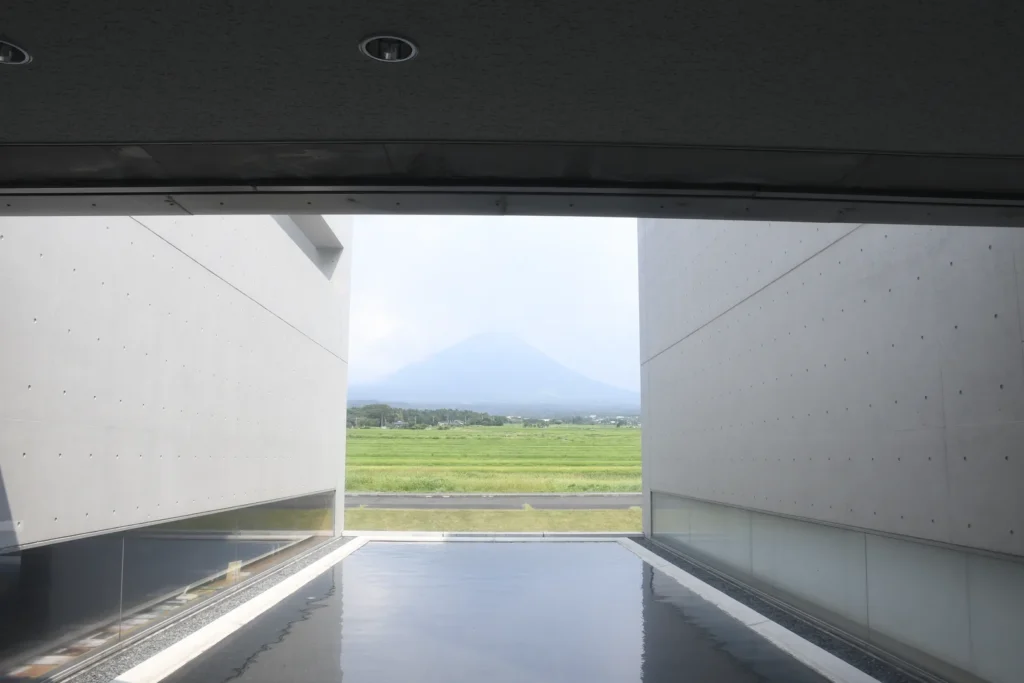 A pilgrimage to photographer Shoji Ueda hometown museum in Tottori. Shin Takamatsu architecture, four black cubes, and the reflecting pool that frames Mt. Daisen.
 - Minamiza 2026: Kyoto’s 400-Year-Old Kabuki Theatre, Walked by a Kyoto-Born Local
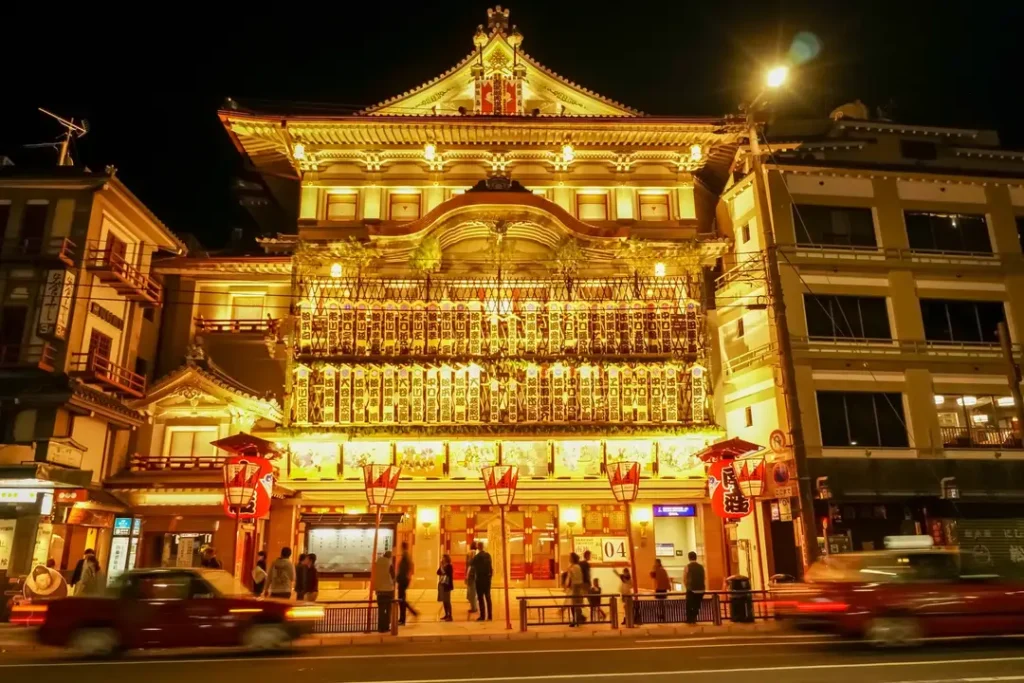 A Kyoto-born local walk through Minamiza, the Edo-period kabuki theatre on Shijo Bridge. 2026 schedule, ticket tiers, the English audio guide that opens it up.
Join 1,000+ travelers discovering Japan's hidden side
Weekly dispatches from off-the-beaten-path Japan — spots and stories you won't find in guidebooks.
No spam. Unsubscribe anytime.
Welcome aboard!
You're in. See you in your inbox soon.