

When exploring the culinary landscape of Kyushu, many travelers have Nagasaki-style chanpon on their list. But in the heart of Saga Prefecture, the city of Takeo is home to a beloved local institution that offers a distinctly different take on this classic noodle dish: Ide Chanpon. For anyone traveling through Saga or looking for an authentic, satisfying meal, a visit to the Ide Chanpon Main Store (Honten) is a must. This guide is for those deciding on their next stop, offering a look into what makes this vegetable-piled noodle bowl a regional treasure.
Contents
- Quick Facts
- A Saga Institution Since 1949
- Ide Chanpon vs. Nagasaki Chanpon: What’s the Difference?
- The Ide Chanpon Experience: A Mountain of Vegetables and a Rich Broth
- How to Get to the Main Store in Takeo
- Practical Tips for Your Visit
- Where to Stay Nearby
- Suggested Mini-Itinerary
- Frequently Asked Questions
- Sources
Quick Facts
| Feature | Details |
| Best Time to Visit | Weekday lunch to avoid the biggest crowds |
| Time Needed | 30-45 minutes |
| Nearest Station | JR Sasebo Line, Kōhoku Station (car/taxi recommended from station) |
| Cost Range | ¥800 – ¥1,500 per person |
| Payment | Cash, some electronic payments (verification needed) |
| Crowd Level | High, especially on weekends and during lunch hours |
| Accessibility | Standard restaurant seating; generally accessible |
A Saga Institution Since 1949
Founded in 1949 in Kitagata, Takeo City, Ide Chanpon has been serving its signature dish for over 70 years. What began as the Chidori Shokudo diner has grown into a multi-prefecture chain, but the heart and soul of the operation remain at its main store in Saga. The founder, inspired by a chanpon he ate in Nagasaki, developed his own unique style, which has since become a beloved soul food for the people of Saga.
Ide Chanpon vs. Nagasaki Chanpon: What’s the Difference?
While both are hearty noodle soups, there are key distinctions that give Ide Chanpon its unique character. Your prompt noted this perfectly, and it’s the most important thing for visitors to understand.
The main differences between Ide Chanpon and Nagasaki Chanpon are in the cooking method, the soup, and the ingredients. While Nagasaki Chanpon involves simmering the noodles and ingredients together in the soup, Ide Chanpon boils the noodles separately and tops them with stir-fried ingredients. Its pork bone soup is richer, and it is characterized by a heaping mountain of vegetables.
This difference in preparation results in a distinct texture and flavor profile. The vegetables in Ide Chanpon retain more of their crispness, and the rich, emulsified tonkotsu (pork bone) soup coats every ingredient, delivering a powerful, savory punch.
The Ide Chanpon Experience: A Mountain of Vegetables and a Rich Broth
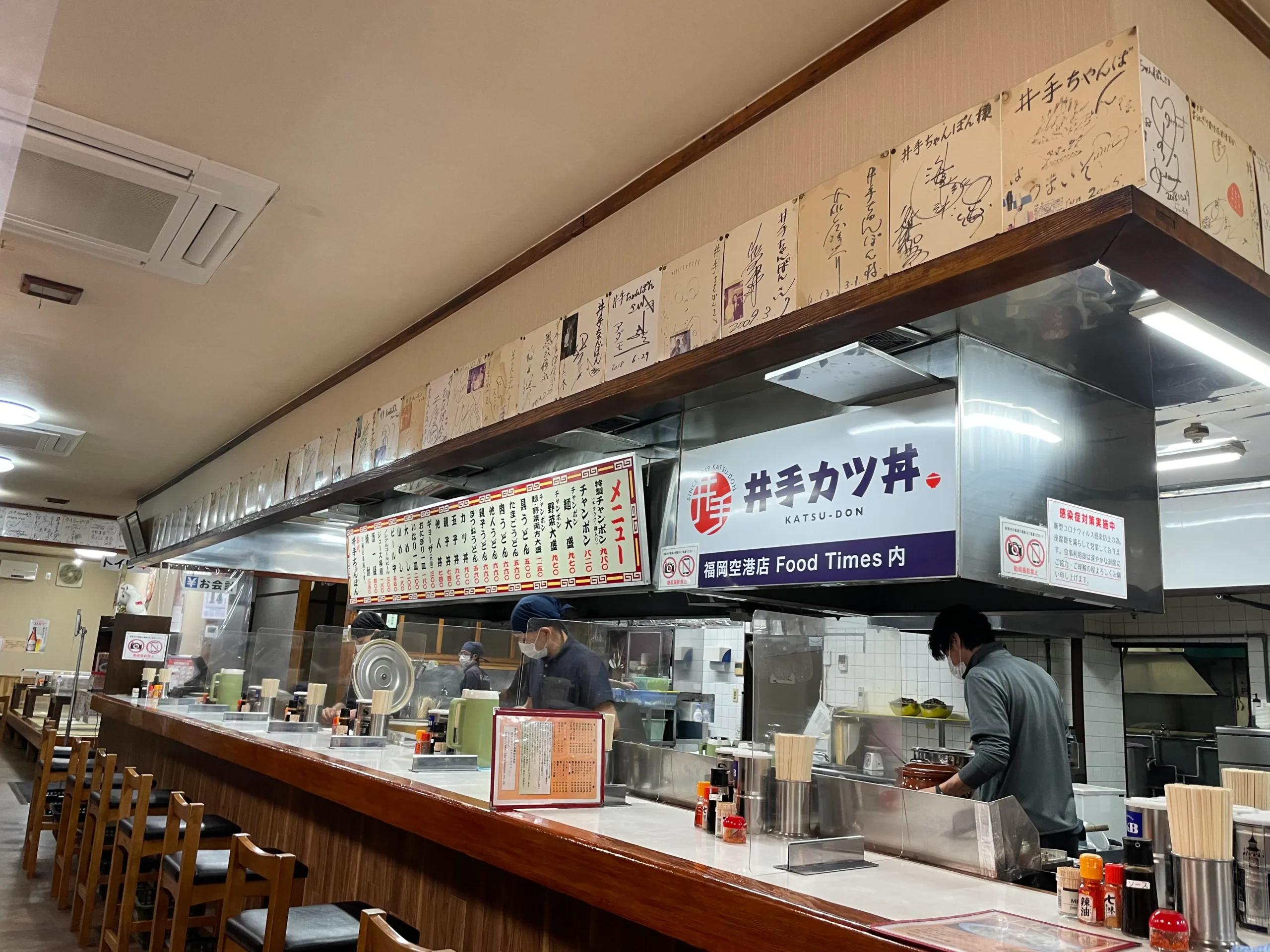
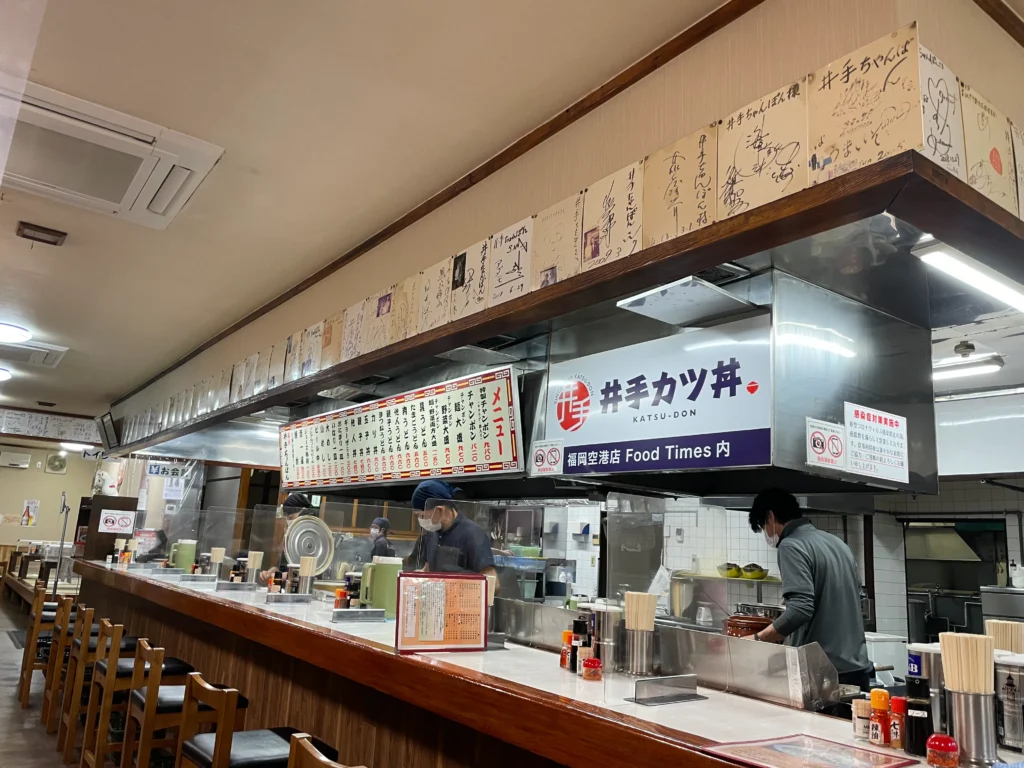
Walking into Ide Chanpon, you’re greeted by the bustling energy of a classic Japanese diner. The menu is straightforward, but the stars of the show are clear: the Chanpon and the Katsudon (pork cutlet rice bowl).
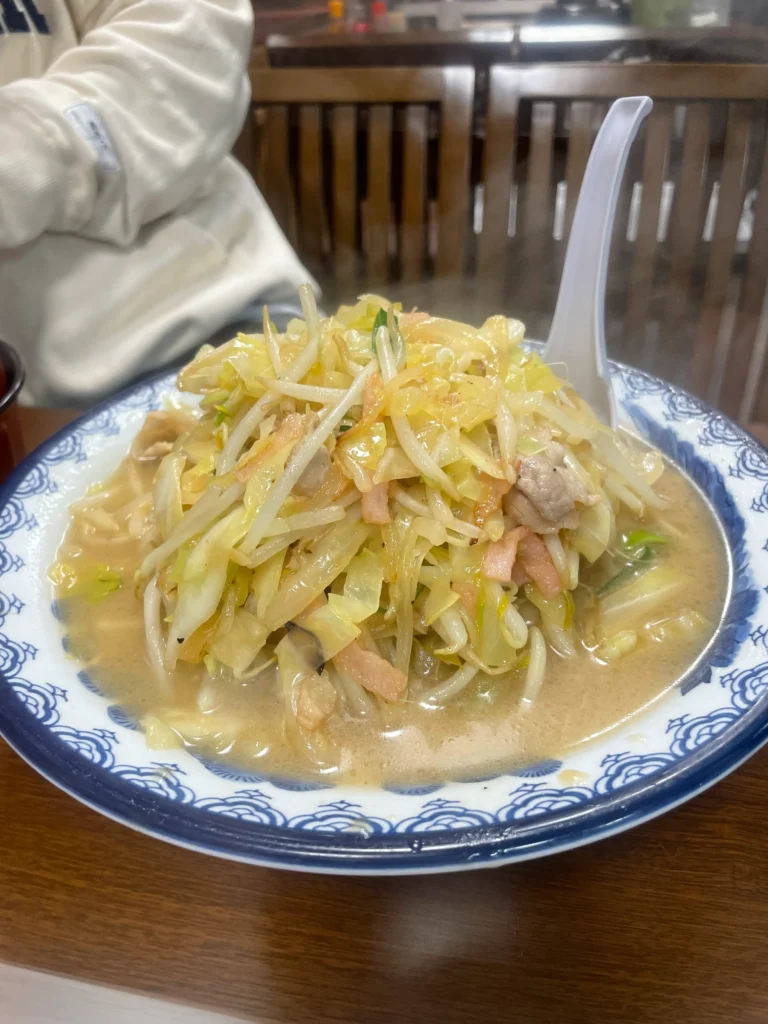
Based on your experience, ordering the Chanpon (Oomori – large size) is the classic move. What arrives is a sight to behold: a massive bowl crowned with a towering mound of stir-fried vegetables—mostly cabbage, bean sprouts, and onions—along with pork and slices of kamaboko (fish cake). The sheer volume of vegetables is the restaurant’s signature. Beneath this mountain lie the thick, chewy noodles, bathed in a deep, flavorful tonkotsu soup that is noticeably richer and more potent than its Nagasaki counterpart.
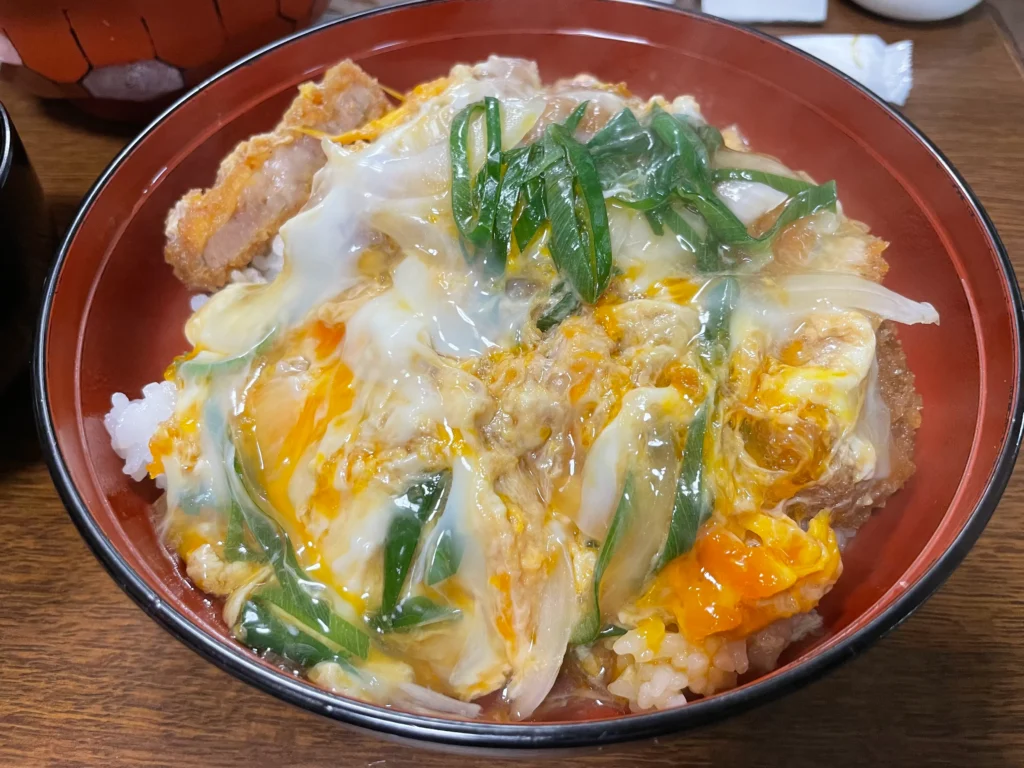
For those with a hearty appetite, pairing the chanpon with a Katsudon is a popular combination. The savory-sweet flavor of the pork cutlet and egg over rice provides a perfect contrast to the rich, vegetable-forward chanpon.
How to Get to the Main Store in Takeo
The Ide Chanpon Main Store is located in Kitagata-machi, Takeo City, Saga Prefecture. Access is most convenient by car.
•By Car: The restaurant is located along National Route 34. There is a large parking lot available for customers.
•By Train: The nearest station is Kōhoku Station on the JR Sasebo Line and Nagasaki Main Line. From the station, it is a considerable distance, so taking a taxi is the most practical option (approximately 10-15 minutes).
Practical Tips for Your Visit
•Expect a Wait: The main store is extremely popular, especially during peak lunch hours (12:00-13:00) and on weekends. Be prepared to wait in line.
•Payment: While the official site doesn’t specify all payment methods, it’s wise to have cash on hand, as is common in many long-standing local eateries in Japan.
•Large Portions: The standard chanpon is very generous. The oomori (large) is truly massive, so order according to your appetite.
Where to Stay Nearby
Since the restaurant is located in a suburban area of Takeo, most travelers will find it convenient to stay in a nearby city.
•Takeo Onsen: For a traditional Japanese experience, consider staying at a ryokan in the famous Takeo Onsen area, just a short drive away.
•Saga City: The prefectural capital offers a wide range of hotels and is a good base for exploring the wider region.
(This section may contain affiliate links. If you book through these links, we may earn a small commission at no extra cost to you.)
Klook.comSuggested Mini-Itinerary
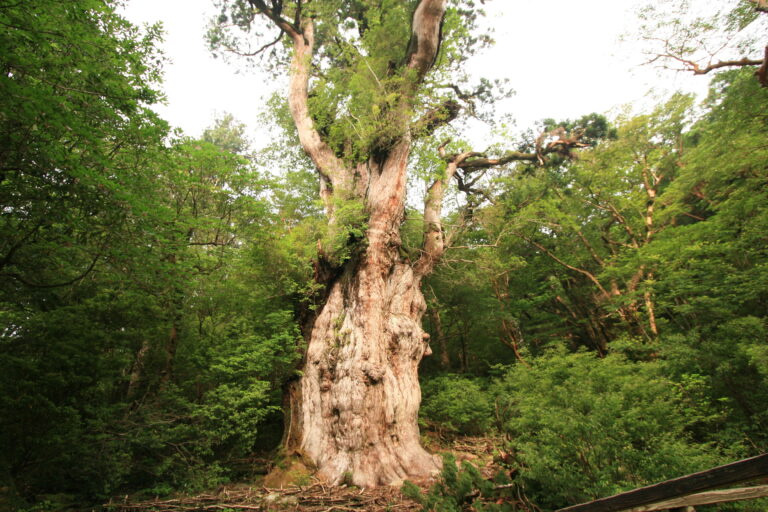
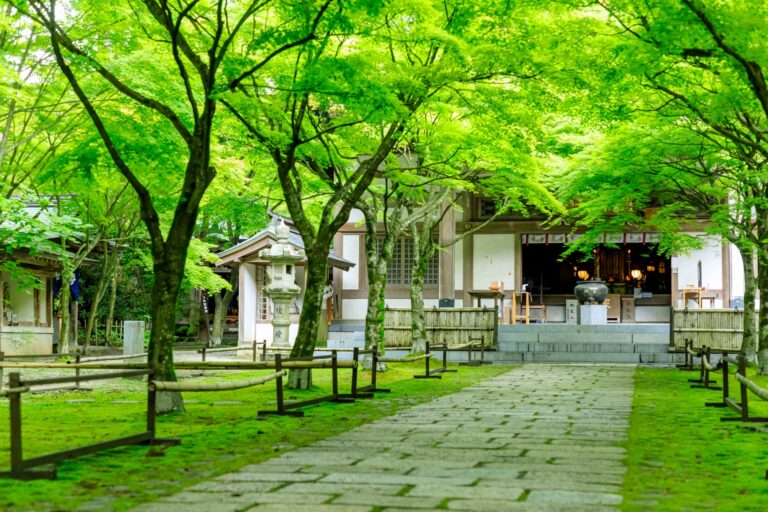
•Morning (10:00 AM): Visit Takeo Shrine and its stunning 3,000-year-old great camphor tree.
•Lunch (12:00 PM): Head to Ide Chanpon Main Store for a hearty lunch. Arrive slightly before noon to beat the peak rush.
•Afternoon (2:00 PM): Relax and unwind at Takeo Onsen, perhaps visiting the iconic Romon Gate and the public baths.
Frequently Asked Questions
Q: Is Ide Chanpon very different from Nagasaki Chanpon?
A: Yes. The key differences are the richer, pork-focused soup, the massive amount of stir-fried vegetables added on top (not stewed with the noodles), and the general absence of seafood.
Q: Is there an English menu?
A: Unknown. It is best to be prepared with photos or the Japanese names of what you want to order (Chanpon, Katsudon).
Q: Is the restaurant suitable for vegetarians?
A: No. The broth is pork-based, and the dish contains pork meat.
Q: How much does a bowl of chanpon cost?
A: Prices typically range from around ¥800 for a standard bowl to just over ¥1,000 for a large or special version. Prices are subject to change.
Q: Is parking available?
A: Yes, there is a dedicated parking lot for customers, but it can get full during peak hours.
- Yakushima West Drive 2026: Ohko Falls, Yokogawa Valley, Seibu Rindo and Inakahama
- Shonan at 5 AM in June 2026: Koyurugi Crossing, the Beach with Mt. Fuji, and the Coast Most Visitors Walk Past
- THE HOTEL YAKUSHIMA Ocean and Forest Review: A Quiet Architectural Stay on the North Shore
- Shoji Ueda Museum 2026: The Concrete Building That Frames Mt. Daisen Like One of His Photographs
- Minamiza 2026: Kyoto’s 400-Year-Old Kabuki Theatre, Walked by a Kyoto-Born Local
Sources
•[1] Ide Chanpon Official Website: https://ide-chanpon.co.jp/
•[2] Yahoo! Travel – Ide Chanpon Honten: https://travel.yahoo.co.jp/kanko/spot-00005240/
Last Updated: January 9, 2026. Sources checked.
Join 1,000+ travelers discovering Japan's hidden side
Weekly dispatches from off-the-beaten-path Japan — spots and stories you won't find in guidebooks.
No spam. Unsubscribe anytime.
Welcome aboard!
You're in. See you in your inbox soon.