

Current date: 2026-01-02 (JST)
Verdict First: Who Japan Is Better For
If you have only five days for your first international trip and want a predictable experience where plans are less likely to fall apart, Japan generally works better. The country’s infrastructure and systems create a stable framework for a short, tightly scheduled visit. This is not about culture or beauty; it is about logistics.
What This Comparison Is Really About
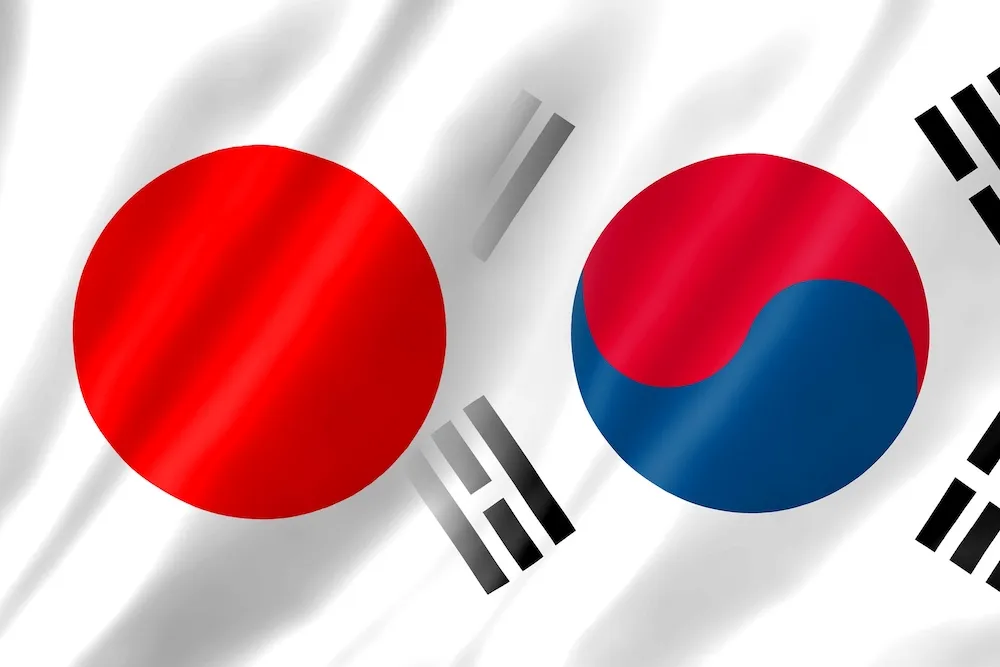
This is not a judgment about which country is culturally superior. It is a practical comparison for a specific situation: a 5-day trip where time is your most valuable asset. We are asking which destination allows a first-time traveler to pack in a satisfying experience with minimal friction. The focus is on logistics, not national character.
Klook.comSide-by-Side Reality Check: Five Axes That Matter
We will compare Japan and South Korea across five real-world travel constraints that directly affect a short trip.
| Axis | Japan (Tokyo-centric) | South Korea (Seoul-centric) | What This Means |
| Transportation Clarity | Subway maps look complex initially. Google Maps provides exact train numbers and platform details. Signage is consistent throughout stations. | The subway system is generally considered more straightforward and affordable. The T-money card is simple to use and works everywhere. | Japan requires more initial study but rewards you with extreme reliability. Korea is easier to jump into immediately. |
| Safety Stress | Extremely low. People sleep on trains with phones visible. Walking alone at night is safe in all major areas. | Also very safe, with low crime rates. Solo female travelers report feeling secure throughout the city. | Both countries rank at the top for safety. This is not a deciding factor. |
| Food Decision Fatigue | Food choices are often specialized. A ramen shop sells ramen; a tempura shop sells tempura. This specialization simplifies decisions. | Street food markets offer a huge variety of options in one place, which can be overwhelming. Finding vegetarian food is easier. | If you get overwhelmed by choice, Japan’s specialized restaurant culture is calming. If you love variety and spontaneity, Korea’s markets are better. |
| Language Friction | English signage is widespread in major cities and tourist spots. Staff in smaller shops or restaurants may not speak English. | English is also common in tourist areas, perhaps slightly less so than in Tokyo. Younger Koreans often have good English skills. | In both countries, translation apps and pointing work fine. The friction is minimal for a short trip focused on major cities. |
| Daily Logistics | Convenience stores are everywhere and offer high-quality meals, ATM access, and clean restrooms. Train schedules are famously punctual. | Convenience stores are also prevalent. The umbrella culture is a small but significant plus—many places offer them during rain. | Japan’s logistical fabric feels slightly more seamless and predictable. This is a major advantage on a short, packed schedule. |
When South Korea Actually Wins
South Korea is the better choice under several specific conditions.
If you prioritize vibrant, high-energy street life and shopping, Seoul is hard to beat. Districts like Myeongdong and Hongdae are dense, chaotic, and exciting. Japan’s shopping areas, while excellent, can feel more orderly and subdued in comparison. The sensory experience is fundamentally different.
If your budget is tight, South Korea is generally more affordable. Street food, public transportation, and entrance fees for attractions often cost less than their Japanese counterparts . A meal at a Seoul market costs significantly less than a comparable meal in Tokyo.
For travelers who love spicy food and a communal dining culture, Korean cuisine and its barbecue restaurants offer a more engaging experience than the often quieter, more individualized dining style in Japan. Sharing a meal at a Korean BBQ restaurant is a social event; eating ramen in Japan is often a solitary experience.
If you want to avoid crowds, Seoul in most seasons is less crowded than Tokyo. Japan’s peak seasons (cherry blossoms, autumn foliage) bring overwhelming numbers of tourists.

Sample Itinerary That Works in Japan (5 Days)
This itinerary is designed for a first-time visitor, assumes a base in Tokyo, and requires no car. It minimizes transfers to reduce fatigue and uses only the most reliable train connections.
Day 1: Arrival & Shinjuku Exploration. Arrive at Narita (NRT) or Haneda (HND). Take the train to your hotel in Shinjuku. Spend the afternoon exploring Shinjuku Gyoen National Garden and the evening at the Tokyo Metropolitan Government Building for free city views. This day is light to allow for jet lag recovery.
Day 2: Culture & Crowds. Visit Senso-ji Temple in Asakusa in the morning. In the afternoon, experience the Shibuya Crossing and explore the surrounding area. This contrast shows both old and new Tokyo within a single day.
Day 3: Day Trip to Hakone. Take an early train to Hakone for a day of nature and art. You can do the Hakone Loop (ropeway, boat cruise on Lake Ashi) and visit the Hakone Open-Air Museum. Return to Tokyo in the evening. This day trip is well-supported by tourist infrastructure and requires no hotel change.
Day 4: Modern Art & Shopping. Explore the museums in Ueno Park (e.g., Tokyo National Museum) or the trendy shops of Harajuku and Omotesando, depending on your interests. Both are easily accessible by train.
Day 5: Last-Minute Souvenirs & Departure. Spend the morning picking up souvenirs at Tokyo Station’s Character Street or a department store basement (depachika). Head to the airport for your flight.
This plan is manageable because it uses Tokyo’s efficient train system and focuses on one major day trip that is well-supported by tourist infrastructure. No day requires more than two train transfers.
Why Japan Feels More Predictable (or Not)
Japan’s predictability stems from its deeply ingrained systems and social behaviors. Train schedules are not just goals; they are commitments. This punctuality extends to many aspects of daily life, creating a reliable framework for travelers. You can plan a day down to the minute and have it unfold as expected.
The physical environment is also highly structured. Cities are dense, but zoning and clear signage in transportation hubs make navigation logical, even if the language is unfamiliar. The specialization of commerce—a shop for everything, and everything in its shop—reduces the mental load of decision-making. You are not choosing from a hundred items, but from a curated selection.
However, this predictability can sometimes feel rigid. Spontaneity can be more difficult. In contrast, the energy of a Seoul market, with its endless stalls and overlapping sounds and smells, offers a different kind of travel experience—one that is less about quiet observation and more about active participation.
Final Take: Why I’d Choose Japan In This Case
On a short trip, the smallest logistical failure can derail an entire day. I once missed a train in another country by two minutes and had to wait three hours for the next one. That kind of delay is almost unheard of in Japan. For a 5-day trip, that reliability is not just a convenience; it is the foundation of a successful itinerary. The ability to plan a day down to the minute and have it unfold as expected is a significant advantage when time is short.
Conclusion
For a 5-day trip, especially for a first-time international traveler, Japan offers a more predictable and less stressful experience due to its reliable infrastructure and organized systems. South Korea offers a more spontaneous and budget-friendly alternative, particularly for those interested in vibrant street culture and shopping. The choice depends on whether you prioritize predictability or spontaneity.
Sources / References
[1] JoinMyTrip. (2025, February 5). South Korea or Japan: Which One to Visit? Retrieved from
Notes & Exceptions
This comparison is based on travel experiences in major cities (Tokyo and Seoul ). Costs and experiences can vary significantly based on the season and travel style. The yen exchange rate at the time of travel can greatly impact the affordability of Japan. Peak seasons (cherry blossoms in late March to early April, autumn foliage in November) bring significantly higher prices and crowds in Japan.
Certainty Level
High
Join 1,000+ travelers discovering Japan's hidden side
Weekly dispatches from off-the-beaten-path Japan — spots and stories you won't find in guidebooks.
No spam. Unsubscribe anytime.
Welcome aboard!
You're in. See you in your inbox soon.