

What This Article Explains
Current date: 2026-01-02 (JST)
Spring in Japan is often marketed as a singular, perfect season of cherry blossoms and mild weather. However, the reality for a traveler on the ground is more complex. This article provides a practical breakdown of what to actually expect between March and May. We will cover the significant temperature variations, the two major crowd peaks that can overwhelm transportation and accommodation, and environmental factors like pollen that are rarely discussed in travel brochures. The goal is to help you understand the systems at play so you can make better decisions and avoid common frustrations.
How Weather and Clothing Actually Work in Practice
Spring weather in Japan is not a consistent, warm period. It is a season of transition, and temperatures can be unpredictable, varying significantly by month and even within a single day. Relying on a simple forecast can be misleading.
| Month | Tokyo Avg. Daytime High | Tokyo Avg. Nighttime Low | Practical Clothing Advice |
| March | 13°C (55°F) | 5°C (41°F) | Still feels like winter, especially at night. A warm coat is necessary. Mornings and evenings are cold. |
| April | 18°C (64°F) | 11°C (52°F) | Mild and pleasant during the day, but a significant temperature drop occurs after sunset. A medium-weight jacket or multiple layers are essential. |
| May | 23°C (73°F) | 15°C (59°F) | Generally warm and comfortable. A light jacket or sweater is usually sufficient for evenings. The rainy season begins in Okinawa in early May. |
Source: Japan Meteorological Agency
The most critical takeaway is the need for layers. A warm day can quickly turn into a cold evening, especially during March and April. A lightweight, packable down jacket or a fleece combined with a windbreaker is a practical choice. Rain is also a common feature of spring, so a waterproof outer layer or a compact umbrella is advisable.
What Travelers Commonly Assume (and Why It’s Wrong)
Many travel plans are based on popular assumptions that don’t hold up in practice. Understanding these misconceptions is key to a smoother trip.
•Assumption: Spring is only about cherry blossoms.
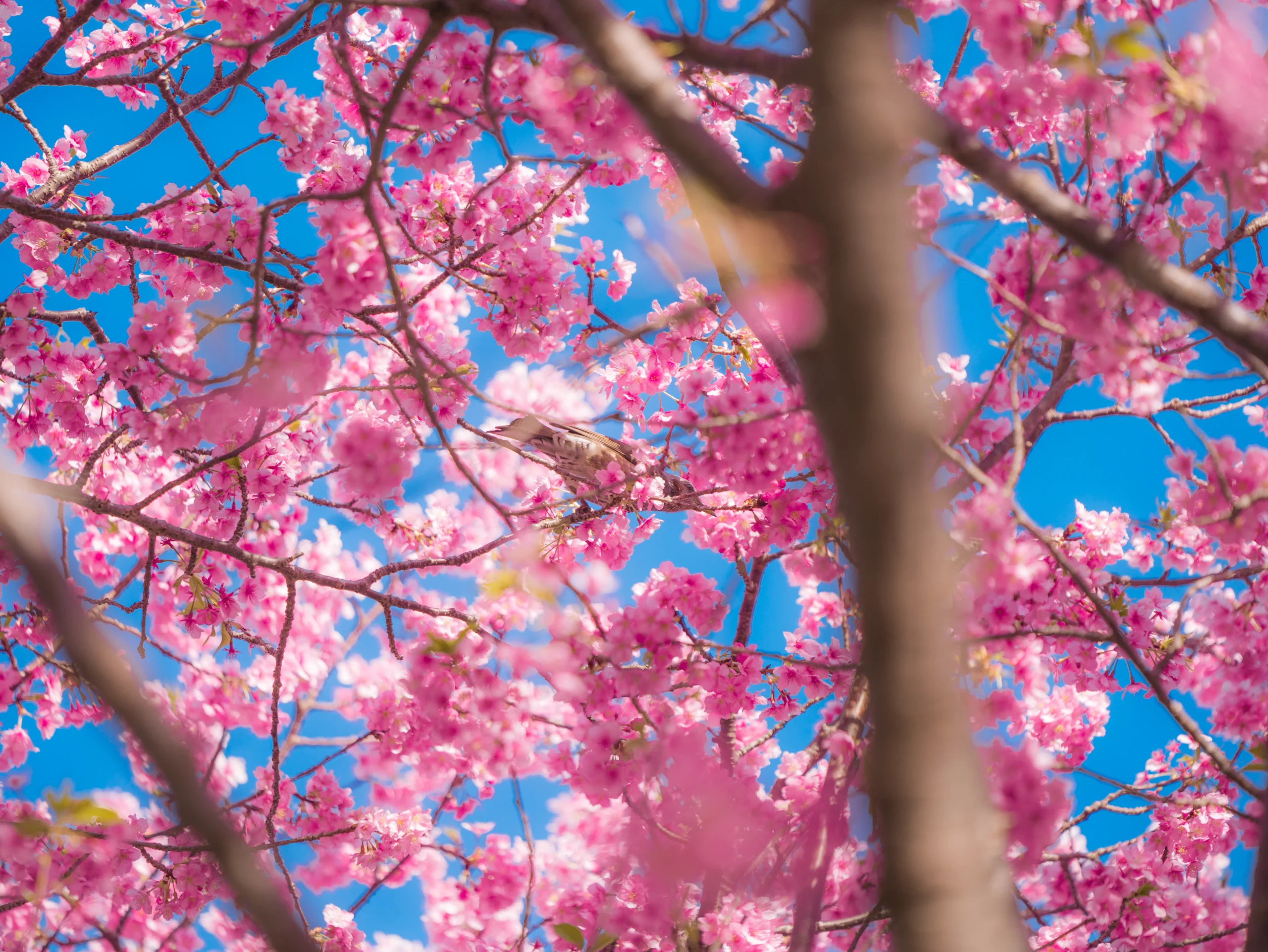
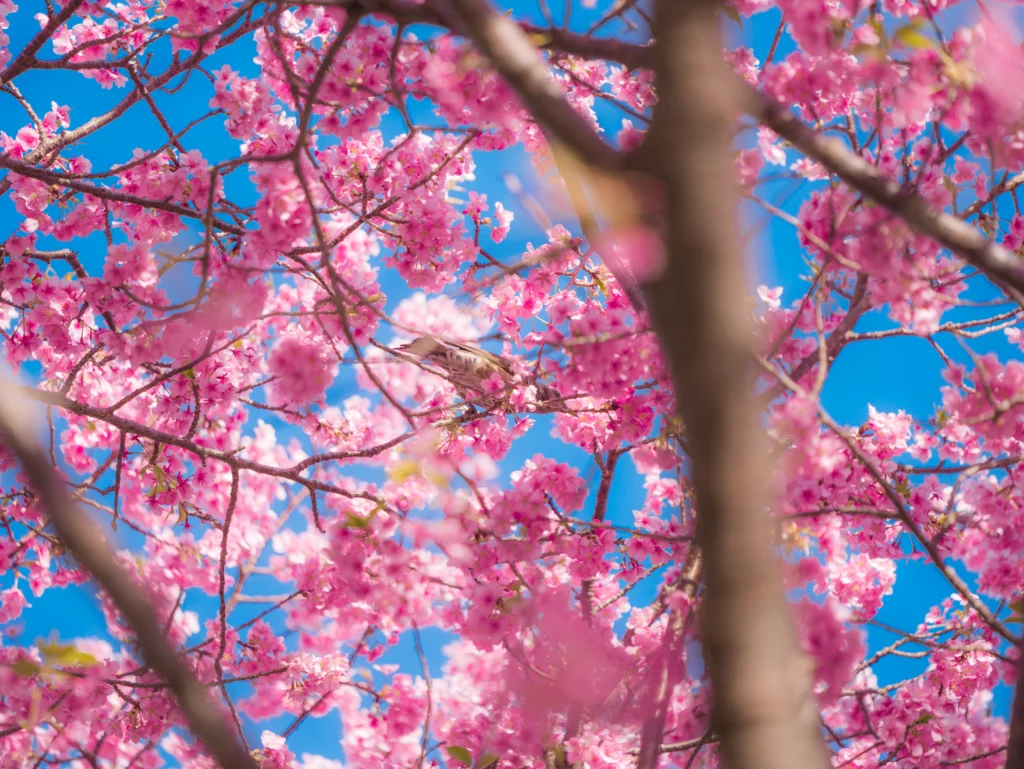
•Reality: Japan’s spring flower calendar is rich and varied. Plum blossoms (ume) often appear in February and March, serving as the first sign of spring. After the cherry blossoms, travelers can see wisteria (fuji), tulips, azaleas, and shibazakura (pink moss) from April into May . Focusing solely on cherry blossoms means missing out on equally spectacular, and often less crowded, floral displays.
•Assumption: I can book my trip a few weeks in advance.
•Reality: Spring, particularly from late March through early May, is one of Japan’s peak travel seasons. For popular destinations, it is standard practice to book accommodation and flights 3 to 6 months in advance . Train tickets for specific popular routes during this period can also sell out.
•Assumption: The weather will be consistently pleasant.
•Reality: As detailed above, weather is highly variable. Expecting warm, sunny days every day is unrealistic. Cold snaps, rain, and strong winds are all possible, especially in March and early April.
Klook.comSituations Where This Becomes a Problem
Two specific periods in spring create significant logistical challenges due to massive spikes in domestic and international travel. Additionally, an invisible environmental factor can cause physical discomfort.
The Two Crowd Peaks: Cherry Blossoms and Golden Week
The first peak occurs during the main cherry blossom season, typically from the last week of March to the first week of April in major cities like Tokyo and Kyoto. The second, and more intense, peak is Golden Week. This is a series of national holidays clustered from late April to early May (in 2026, from April 29 to May 6) .
During these times:
•Transportation is overwhelmed. Shinkansen (bullet train) reserved seats sell out, and queues at stations become extremely long.
•Accommodation prices soar, and availability plummets. Hotels in popular areas are often fully booked months ahead.
•Major attractions are packed. Famous temples, parks, and viewing spots can be uncomfortably crowded, diminishing the experience.
The Invisible Problem: Pollen and Yellow Dust
Japan’s spring is notorious for kafunsho (花粉症), or hay fever. This is not a minor inconvenience; it affects a large portion of the population. The primary culprits are massive amounts of airborne pollen from Japanese cedar (sugi) and cypress (hinoki) trees .
•Cedar Pollen Season: Peaks from late February through March.
•Cypress Pollen Season: Follows immediately, peaking in April.
Symptoms include intense sneezing, itchy and watery eyes, and a runny nose. Many foreigners who have never had allergies develop symptoms after arriving in Japan. On top of this, a phenomenon called kosa, or yellow dust blowing from the Asian continent, can exacerbate respiratory issues during the spring months.
What You Should Decide Before You Travel
Your travel dates are the most important decision you will make. You must choose between targeting specific events and prioritizing comfort and flexibility.
1.Do you want to see peak cherry blossoms at any cost? If yes, you must plan for late March to early April and accept the crowds and high prices. This requires booking everything far in advance.
2.Are you flexible on dates? Consider visiting in mid-to-late May. The weather is often at its best, the lush green landscapes are beautiful, and the crowds from Golden Week have dissipated. You will miss the main cherry blossom season but may catch other late-blooming flowers.
3.What is your budget? Traveling outside the two peak periods will be significantly cheaper for both flights and accommodation.
What Matters Less Than People Think
Travelers often worry about factors that, in practice, have a smaller impact on their trip.
•Missing the exact peak bloom date. The cherry blossom front moves across Japan over several weeks. Even if you miss the absolute peak in one city, you may be able to catch it in a nearby area by taking a short train ride. Furthermore, the period before and after peak bloom is still beautiful.
•Seeing every famous spot. During peak season, trying to visit every top-rated location is a recipe for stress. Often, a local park or a quiet neighborhood street offers a more pleasant and authentic flower-viewing experience without the crowds.
Practical Takeaways
•Book Early: For travel between late March and early May, book flights and accommodation at least 3-6 months in advance.
•Layer Your Clothing: Pack for multiple seasons. A warm layer and a waterproof jacket are not optional, especially in March and April.
•Understand the Crowd Calendar: Avoid the last week of March/first week of April and Golden Week (late April/early May) if you dislike crowds.
•Consider Late Spring: Mid-to-late May offers a great balance of pleasant weather, fewer crowds, and lush scenery.
•Prepare for Pollen: If you have seasonal allergies, bring medication. Even if you don’t, be aware that you may develop symptoms. Masks, which are widely available, can help.
•Look Beyond Sakura: Research other spring flowers like wisteria, azaleas, and tulips, which are stunning and often have dedicated festivals.
Summary
Traveling to Japan in spring requires more than just showing up for the cherry blossoms. A successful trip depends on understanding the distinct phases of the season. March is cool and less crowded until the cherry blossoms begin. April is dominated by peak bloom and peak crowds. Early May is defined by the Golden Week holiday rush, while late May offers a calmer, warmer, and often more pleasant travel experience. By planning around the two major crowd peaks and preparing for variable weather and pollen, travelers can navigate the season effectively.
Sources / References
[3] The Tokyo Chapter. (2025, November 25 ). JAPAN HOLIDAY: WHAT TO BOOK IN ADVANCE. Retrieved from
[5] Japan Dev. (2025, June 3 ). Surviving a Pollen Allergy in Japan – Our Best Tips. Retrieved from
Notes & Exceptions
•Weather patterns and bloom times can vary from year to year. Always check the latest forecasts before your trip.
•The information on crowds is a general guide. Specific levels of congestion can vary by city and attraction.
•This article focuses on mainland Japan (Honshu ). Hokkaido’s spring season is delayed by about a month, and Okinawa has a subtropical climate with different seasonal patterns.
Certainty Level
High
Join 1,000+ travelers discovering Japan's hidden side
Weekly dispatches from off-the-beaten-path Japan — spots and stories you won't find in guidebooks.
No spam. Unsubscribe anytime.
Welcome aboard!
You're in. See you in your inbox soon.
[…] This guide provides everything you need to plan your visit to the 2026 Miura Kaigan Cherry Blossom Festival, from access and timing to what to see and do. Get ready to experience one of the Kanto region’s most beloved early spring events. […]