

Current date: 2025-12-22 (JST)
This article explains the practical rules of photography etiquette in Japan. It is not a guide to finding photogenic spots, but a manual for understanding what you can and cannot photograph. We cover the unwritten rules for temples, people, shops, and residential areas to help you avoid causing offense or legal issues. The goal is to clarify the often-confusing boundaries so you can capture memories respectfully.
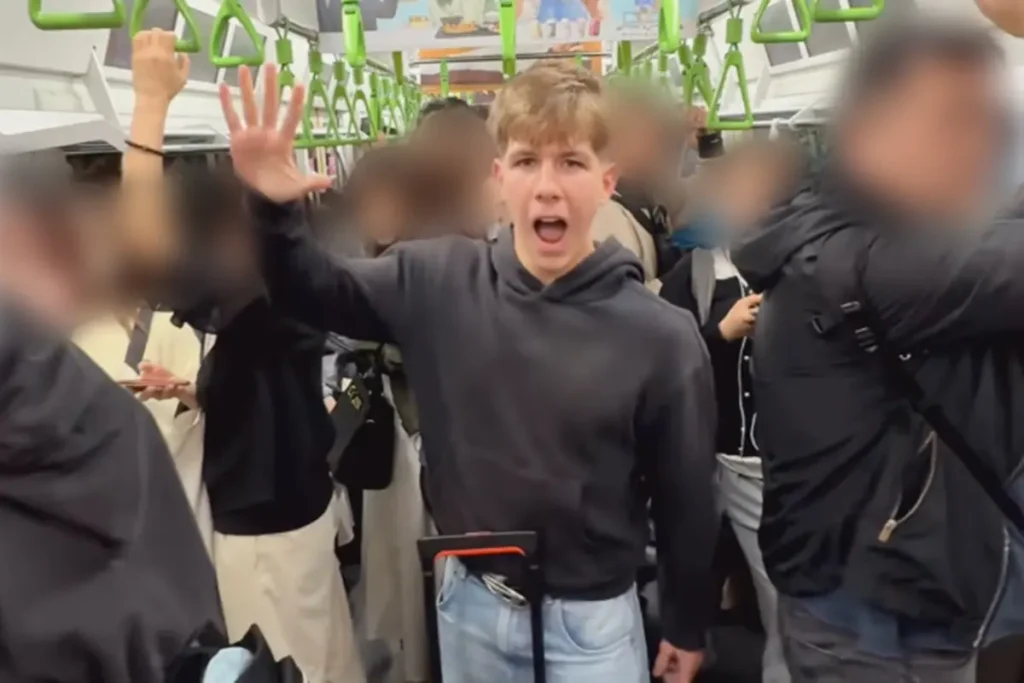
What This Article Explains
This guide clarifies the core confusion for travelers: the line between a public space and a private moment. In Japan, even in a public area, individuals have a right to privacy known as portrait rights (肖像権, shōzōken). This means photographing someone’s face without permission can be a civil offense, especially if you post it online. We will explain how this concept applies in different situations and provide clear, actionable rules to follow.
Typical Photography Scenarios: What’s OK and What’s Not
Understanding the boundaries is easiest when looking at specific situations. The rules change depending on where you are and what you are photographing. Here is a breakdown of common scenarios for travelers.
| Scenario | Generally OK to Photograph | Generally NOT OK to Photograph |
| Shrines & Temples | The exterior of buildings, general grounds, and scenery from a distance. | The inside of main halls, sacred objects (idols, altars), and during ceremonies or prayers. Look for “No Photography” signs (撮影禁止). |
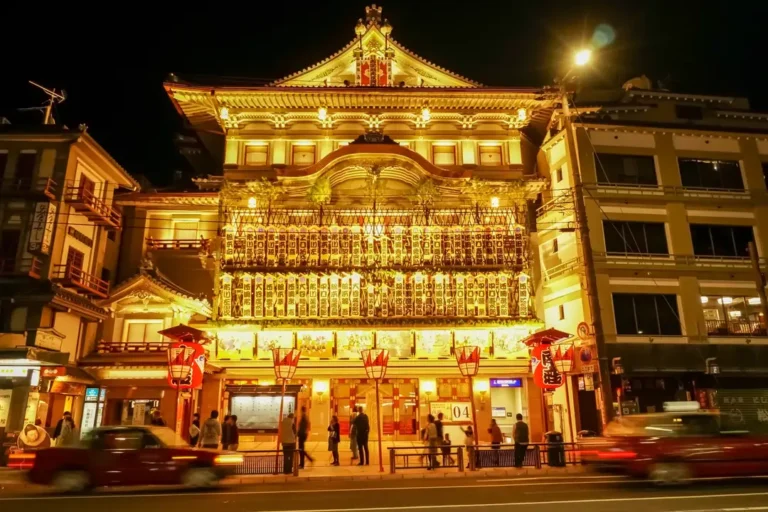
| People | Large, anonymous crowds where no single person is the focus. People who have given you explicit permission. | Individuals’ faces without asking. Children. Geisha and maiko in Kyoto’s Gion district (this is now prohibited by local ordinance) 1. |
| Shops & Restaurants | Your own food at a restaurant. The exterior of a shop from the street. | The inside of a store, especially small shops, without asking. Other diners or shop staff. Product designs in stores selling original goods. |
| Residential Areas | General street scenes and the outside of houses from a public road. | The inside of a private home, people in their gardens, or anything that feels like an invasion of someone’s personal space. |
How to Ask for Permission: Simple Phrases That Work
If you want to photograph a person, a shop interior, or anything that feels like a gray area, the simplest solution is to ask. A polite attempt is almost always appreciated, even if the answer is no. You do not need to be fluent in Japanese.
A smile and a gesture toward your camera are often enough to convey your intention. If you want to use words, here are a few phrases that work well.
Simple English Phrases:
•”May I take your photo?”
•”Is it okay if I take a picture?”
Useful Japanese Phrases:
•Shashin wo totte mo ii desu ka? (写真を撮ってもいいですか?) – “May I take a photo?”
•Satsuei shite mo ii desu ka? (撮影してもいいですか?) – “Is photography okay?”
If they agree, thank them with a nod and a quiet “Arigatou gozaimasu.” If they shake their head, wave their hand, or say “dame” (dah-meh), it means no. Respect their decision, smile, and move on.
Photography Habits That Locals Dislike
Certain photography behaviors are a source of significant frustration for local residents. These actions often stem from a lack of awareness, but they can feel intrusive and disrespectful. Understanding these points is key to practicing good Japan photography etiquette.
The most cited issue is the harassment of geisha and maiko in Kyoto. Tourists have been known to chase them, touch their kimono, and block their path just for a photo. This behavior led to a photography ban in the private alleys of the Gion district 2.
Other common complaints include:
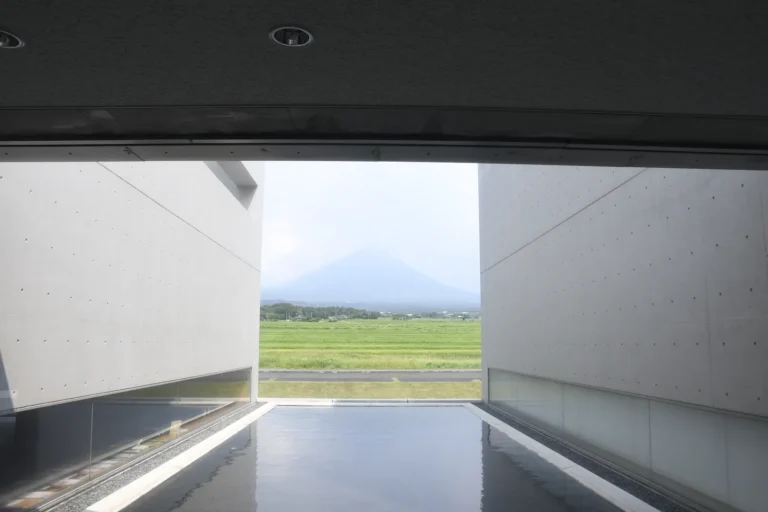
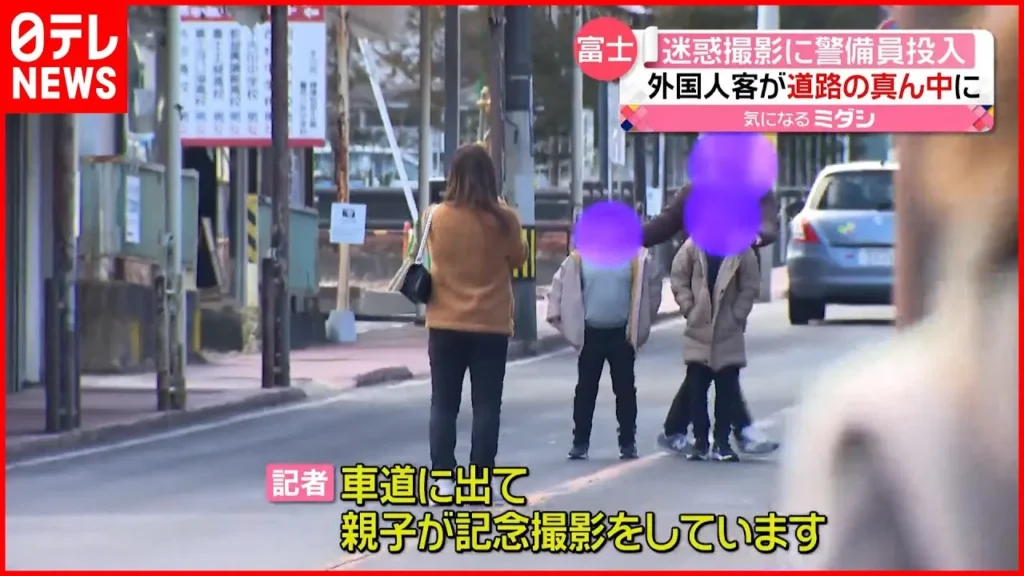
•Blocking traffic: Stepping into roads to get the perfect shot, especially at popular locations like the Mount Fuji view in Fujikawaguchiko.
•Trespassing: Entering private property, including gardens and fields, for a selfie.
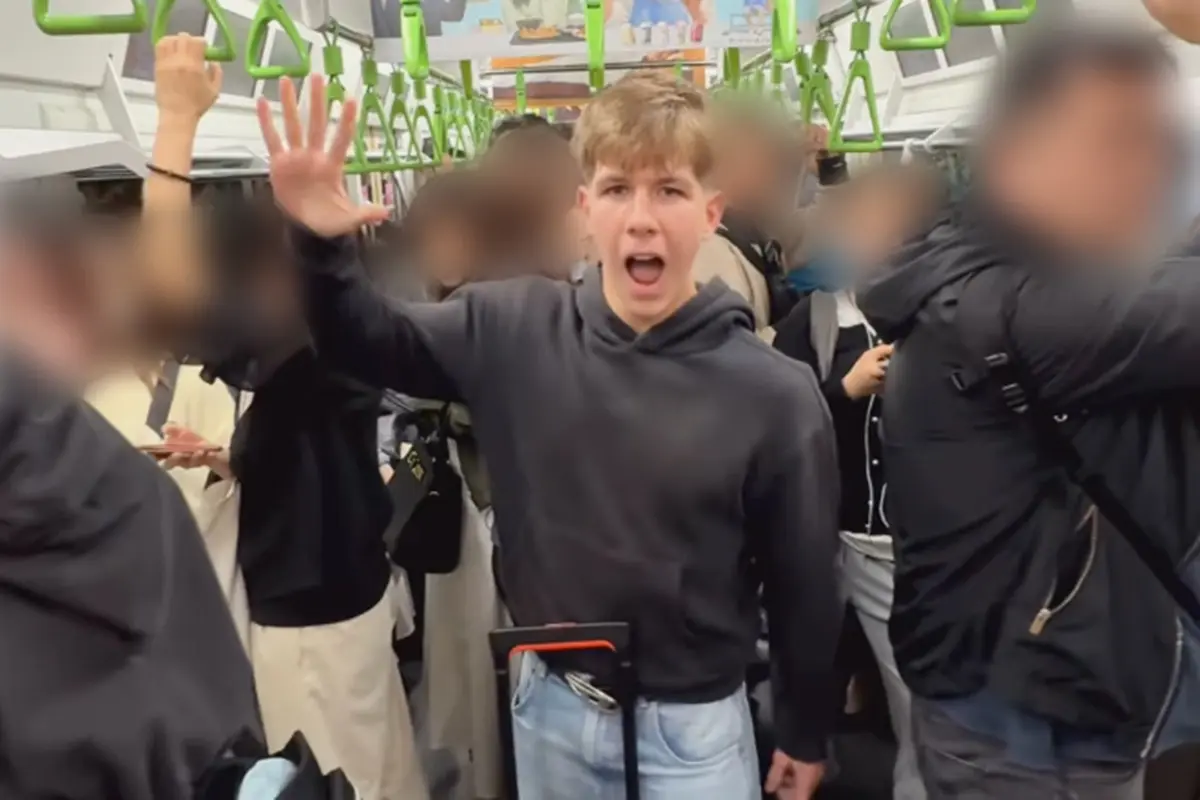
•Using selfie sticks carelessly: Posing a hazard in crowded areas like train platforms and busy streets.
•Ignoring signs: Disregarding “No Photography” signs in temples, museums, and shops.
How to Take Great Photos Without Being a Nuisance
You can still capture beautiful and unique images without causing trouble. The key is to shift your perspective from replicating popular shots to finding your own.
•Go early or late: Visit popular temples and shrines just after they open or just before they close. The light is softer, and the crowds are gone.
•Explore different angles: Instead of shooting everything from eye-level, try crouching low or finding a higher vantage point. This creates more original compositions.
•Focus on details: Capture the texture of a temple roof, the design of a manhole cover, or the arrangement of food at a market. These shots often tell a more interesting story.
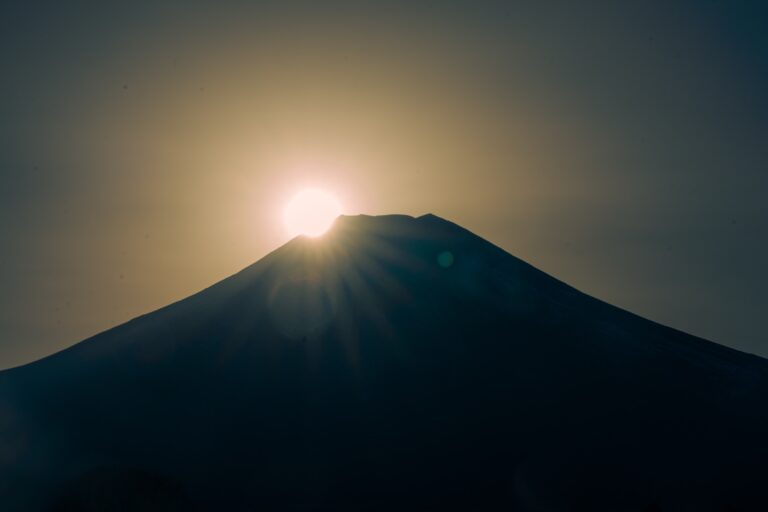
•Find alternatives to crowded spots: Instead of the one famous view of Mount Fuji, explore other locations like Mt. Iwaki in Aomori or Mt. Yotei in Hokkaido for stunning mountain landscapes without the crowds 3.
A 30-Second Checklist Before You Post
Before sharing your photos online, take a moment to review them. This quick check helps you avoid accidentally violating someone’s privacy or posting something inappropriate.
1.Is a stranger’s face clearly identifiable? If yes, and you did not get their permission, it is best not to post it. Consider blurring the face or choosing a different photo.
2.Does the photo reveal the inside of a private home or business? If you took a picture through a window or open door, do not share it.
3.Were you in a place where photography was forbidden? If you took a photo in an area with a “No Photography” sign, do not post it online. This respects the rules of the establishment.
4.Could the photo embarrass someone? Avoid posting pictures of people in awkward situations, even if they are in a public space.
Practical Takeaways
•Permission is mandatory for people. Always ask before taking a close-up photo of someone. A gesture is often enough.
•Look for signs. Temples, shrines, museums, and shops will have signs if photography is not allowed. Respect them.
•Interiors are usually private. Assume you cannot photograph the inside of shops, restaurants, or private homes without asking.
•Geisha are not a tourist attraction. Do not chase or block the path of geisha or maiko in Kyoto. Photography is prohibited in many areas of Gion.
•Be aware of your surroundings. Avoid blocking traffic, using selfie sticks in crowds, or trespassing for a photo.
Summary
Japan’s photography etiquette is based on respecting privacy and avoiding inconvenience to others. The concept of “portrait rights” means you need permission to photograph identifiable people, even in public. Rules are strictest for individuals, sacred interiors, and private property. Always look for signs, ask when in doubt, and prioritize the comfort of those around you over getting the perfect shot.
Sources / References
[1] CNN. (2024). ‘Geisha paparazzi’ are back in Kyoto – and the city is ready to take action.
[3] Japan National Tourism Organization. (n.d.). Responsible Photography in Japan.
Notes & Exceptions
•Rules can vary significantly between different temples, regions, and even individual shops. The information here is a general guide. Always look for local signage.
•The legal interpretation of “portrait rights” can be complex. This article provides practical advice for travelers, not formal legal counsel.
Certainty Level
•High: The requirement to ask for permission before photographing individuals is a well-documented legal and cultural norm in Japan.
•High: Photography is widely prohibited inside many temples, shrines, and museums, and in specific districts like Kyoto’s Gion.
•Medium: The specific response you will get when asking for permission can vary greatly. While asking is always correct, receiving a “yes” is not guaranteed.
Join 1,000+ travelers discovering Japan's hidden side
Weekly dispatches from off-the-beaten-path Japan — spots and stories you won't find in guidebooks.
No spam. Unsubscribe anytime.
Welcome aboard!
You're in. See you in your inbox soon.