


Current date: 2025-12-20 (JST)
Overview
When planning a trip to Japan, choosing where to stay is a significant decision. A modern hotel offers predictability and freedom. An Airbnb can provide a sense of living like a local. But a ryokan, a traditional Japanese inn, offers something entirely different: an immersive cultural experience. It operates on a set of customs and a schedule that can be surprising to first-time visitors.
This article is not a list of rules to memorize. Instead, it is a calm guide to the flow and etiquette of a ryokan stay. We will walk through the experience from the moment you arrive to the time you check out, highlighting the key differences from a hotel. Understanding these points will help you decide if the structured world of a ryokan is the right fit for your travel style, or if the unrestricted freedom of a hotel or Airbnb is more suitable. While a ryokan involves more structure, it is an experience worth considering for anyone visiting Japan.
The Ryokan Flow: A Structured Experience
A stay at a ryokan is less about just having a place to sleep and more about participating in a well-defined cultural routine. This structure is a core part of the experience.
1. The Genkan (Entrance) Ritual
Your journey begins at the entrance, or genkan. Here, you are expected to remove your outdoor shoes. Staff will often store them for you and provide indoor slippers. This act of changing footwear marks the transition from the outside world to the clean, calm interior of the inn.
2. The Welcome Tea in Your Room
After being guided to your tatami-mat room, a staff member (nakai-san) will often serve you welcome tea and a small Japanese sweet (wagashi). This is a moment to pause, relax, and settle into the environment.
3. The Yukata (and How to Wear It)
In your room, you will find a yukata, a cotton robe. This is your attire for the duration of your stay—you can wear it in your room, to the onsen, to dinner, and even for a short walk around the onsen town. The most critical rule is how you wear it: always wrap the left side over the right side. The reverse (right over left) is used for dressing the deceased for burial, so this is an important cultural point to remember.
4. The Set Dinner Time
If your stay includes dinner, it will be at a fixed time, usually between 6:00 PM and 7:00 PM. The meal is often a multi-course kaiseki dinner, a highlight of the stay. Punctuality is important, as the chef prepares the dishes to be served at their peak. If you are running late, contact the ryokan in advance.
5. The “Futon Fairy”
While you are at dinner, a staff member will enter your room to lay out your futon bedding on the tatami floor. You do not need to do this yourself. In the morning, the futon will be cleared away while you are at breakfast.
The Rules of Quiet and Space
Ryokans are designed to be tranquil retreats, and the physical structure of the buildings often reflects this.
6. The Thin Walls and the Importance of Quiet
Traditional ryokans are built with lightweight materials, including paper shoji screens and fusuma sliding doors. Sound travels easily. As a guest, you are expected to contribute to the quiet atmosphere. This means keeping conversations at a low volume, being mindful of your footsteps, and avoiding loud music or television, especially during the evening.
7. The Curfew
Many traditional ryokans, especially smaller, family-run establishments, have a curfew, often around 10:00 PM or 11:00 PM. The main doors may be locked after this time. This is a significant difference from a 24-hour hotel and is something to confirm before booking if you plan to be out late.
Onsen (Hot Spring) Etiquette
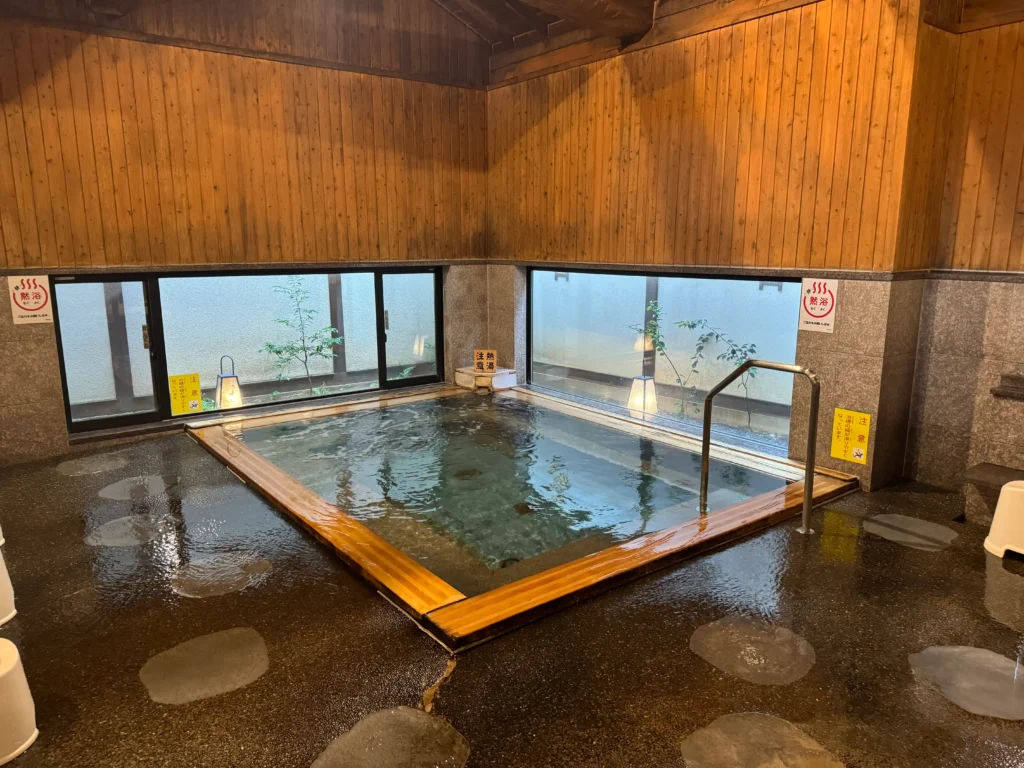
The communal bath is a central part of the ryokan experience, and it comes with its own set of non-negotiable rules.
8. The Pre-Bath Wash
This is the most important rule of onsen etiquette. Before you enter the communal bath, you must wash your body thoroughly at the provided shower stations. The bath itself is for soaking and relaxing, not for cleaning. You will be given a small towel, which should not be put into the bath water.
Common “Mistakes” and Cultural Points
These are small details that can help you navigate your stay more smoothly.
9. The Tipping Question
Japan is not a tipping culture. Service charges are included in your bill. Offering a tip can sometimes cause confusion or be considered awkward. It is not expected or required.
10. The Tatami Rule
The indoor slippers provided are for hallways and wooden floors. You must remove your slippers before stepping onto the tatami mats in your room. Tatami is a delicate material, and walking on it with slippers is considered poor manners.
Ryokan, Hotel, or Airbnb: Which Is Right for You?
Your choice of accommodation depends entirely on what you want from your trip. There is no single “best” option; it is a matter of personal preference.
| Feature | Ryokan | Hotel | Airbnb |
| Primary Purpose | Cultural Experience | Accommodation & Freedom | Independent Living |
| Structure | Scheduled (meals, curfew) | Unstructured (24/7 access) | Completely Unstructured |
| Meals | Included (often kaiseki) | Optional (restaurants) | Self-Catering (kitchen) |
| Sleeping | Futon on tatami floor | Western-style bed | Varies |
| Atmosphere | Quiet, traditional, communal | Private, modern | Varies by property |
| Staff Interaction | High (personal service) | Moderate to low | Varies (often minimal) |
| Price Range | Mid to High | Budget to Luxury | Budget to Mid |
A ryokan might be for you if you want to experience traditional Japanese culture, food, and hospitality. It is also a good fit if you enjoy hot springs and communal bathing, or if you appreciate a quiet, structured, and relaxing environment.
A hotel or Airbnb might be a better fit if you prefer to have a flexible schedule and stay out late. It is also more suitable if you want complete privacy and minimal interaction with staff, or if you are traveling on a tight budget or have specific dietary needs that make set meals difficult.
Summary
Staying in a ryokan is an invitation to step into a different pace of life, one that is more structured and communal than a typical hotel stay. The rules and etiquette are not meant to be restrictive but are part of a collective effort to maintain a tranquil and respectful atmosphere. While the freedom of a hotel or Airbnb has its own appeal, the cultural immersion offered by a ryokan is a unique and memorable part of traveling in Japan. For at least one night, it is an experience worth considering.
Conclusion
Choosing between a ryokan, hotel, or Airbnb is a choice between a structured cultural experience and independent flexibility. A ryokan stay comes with a set of customs, from removing your shoes at the entrance to washing before entering the onsen. While these may seem like limitations, they are integral to the unique, immersive experience that a traditional Japanese inn provides.
Sources / References
•Kashiwaya Ryokan: About Basic Etiquette, Rules, and Manners at Ryokan 1
•Japan Guide: How to Stay at a Ryokan 2
[1] https://www.kashiwaya.org/e/magazine/ryokan/rules.html
[2] https://www.japan-guide.com/e/e2029.html
Notes & Exceptions
Modern Ryokans: Some modern or city-based ryokans blend traditional elements with hotel-style conveniences, such as offering beds instead of futons or having more flexible dining options.
Tattoos in Onsen: Tattoos can be a sensitive issue at onsen due to their historical association with organized crime. Policies vary by ryokan; some may deny entry to the communal baths, while others may be more accepting or offer private onsen (kashikiri ) as an alternative. It is advisable to check the policy before booking.
Room Keys: Some traditional ryokans do not have locks on the guest room doors. Valuables can usually be stored at the front desk or in a safe.
Certainty Level
High



[…] meal—it provides a moment of serene indulgence. As the dedicated soba house of the esteemed luxury ryokan, Sansou Murata, Fushoan embodies a sophisticated dining experience that captures the essence of […]
Beautifully said. It truly feels like more than just a meal — a calm, refined moment that perfectly reflects the spirit of Sansou Murata.