

Current date: 2025-12-23 (JST)
This article explains how to use Japan’s highway toll system when you rent a car. It focuses on the three main payment methods: renting an ETC card, paying with cash or credit card, and using regional expressway passes. The goal is to clarify the process for foreign travelers and prevent common mistakes at toll booths.
What This Article Explains
Japan’s highway system is efficient but can be confusing for first-time visitors. The main source of confusion is the Electronic Toll Collection (ETC) system. Many travelers assume that if their rental car has an ETC device, they can use it automatically. However, the system requires a separate ETC card, which is not included with the car. This article breaks down how the system works, what your options are, and how to avoid getting stuck at a toll gate.
How This Actually Works in Practice: Three Ways to Pay
There are three primary ways to pay for highway tolls in Japan when using a rental car. The best option depends on how much you plan to drive on expressways.
Method 1: Rent an ETC Card (The Standard Method)
This is the most common and recommended method for foreign travelers. Most major rental car companies, including Toyota, Nippon, Orix, and Times, offer ETC card rentals for a small fee (typically around 330-550 JPY per rental). You rent the card at the same time as the car, and all your toll fees are calculated and paid when you return the vehicle.
How it works:
1.Reserve: Select the ETC card rental option when you book your car online.
2.Pick Up: The rental staff will give you the card and insert it into the car’s ETC device.
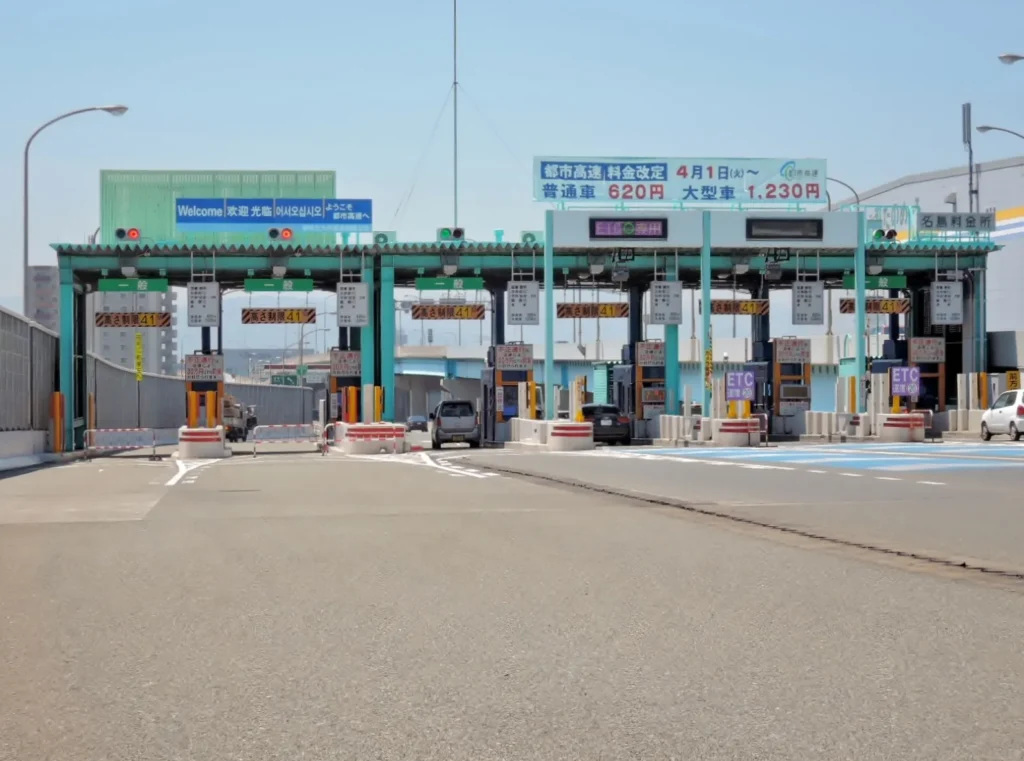
3.Drive: Pass through the purple “ETC” lanes at toll booths without stopping.
4.Return: Pay the total toll amount when you return the car.
Method 2: Pay at the “General” Lane (Cash/Credit Card)
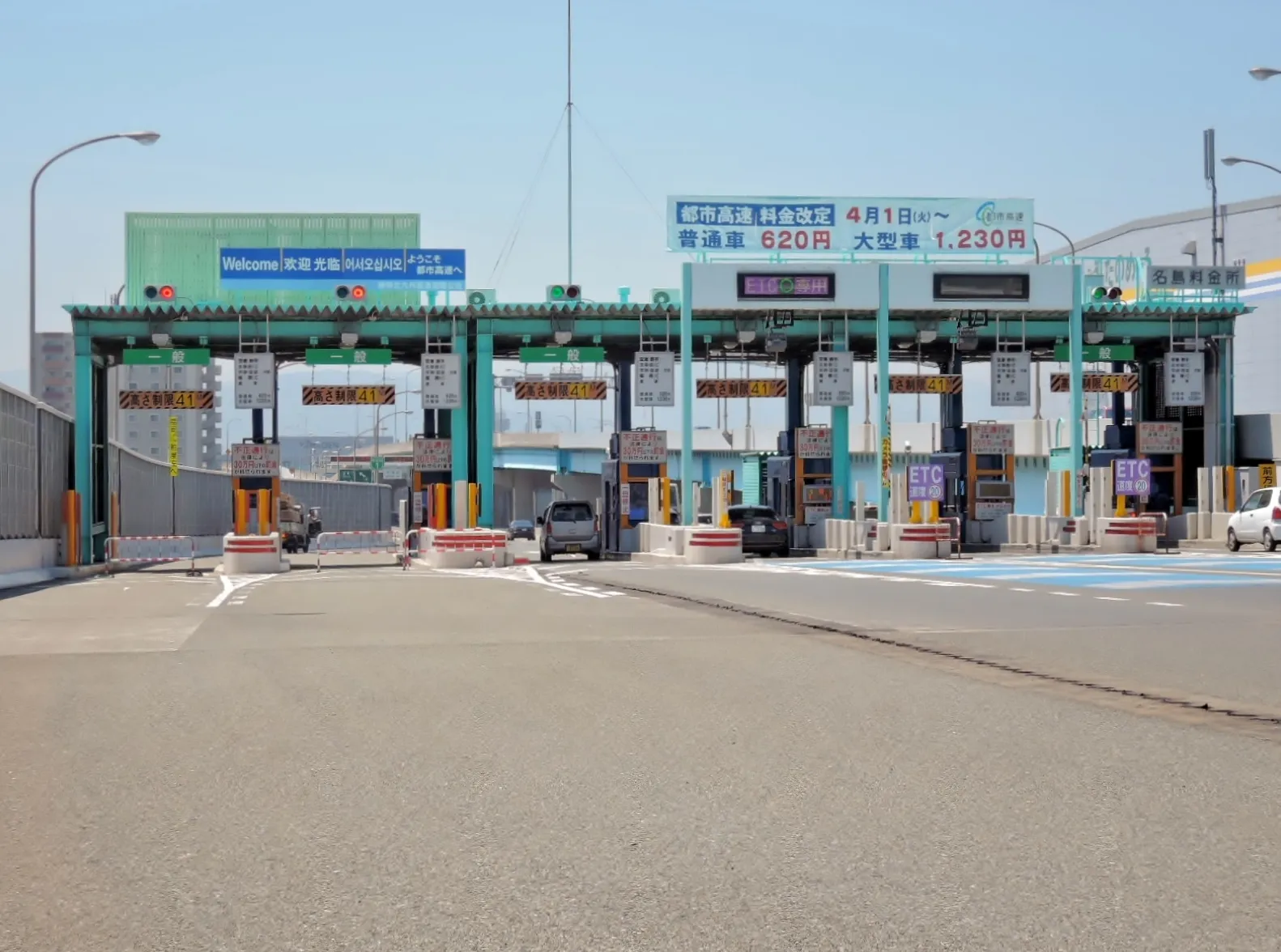
If you don’t have an ETC card, you must use the green “一般” (General) lanes. At the entrance toll gate, you take a ticket. At the exit gate, you hand the ticket to an attendant and pay the fee with cash or a credit card. This method is straightforward but can be slower, as you have to stop at every toll booth.
Important: Some toll gates are now “ETC only.” If you accidentally enter an ETC-only lane without a card, the gate will not open. You will have to use the intercom to call for assistance, which can cause delays.
Method 3: Use a Regional Expressway Pass (For Heavy Users)
For travelers planning extensive driving in a specific region, a regional expressway pass can offer significant savings. These passes provide unlimited travel on designated expressways for a fixed price. Popular passes include the Hokkaido Expressway Pass (HEP), Kyushu Expressway Pass (KEP), and Tohoku Expressway Pass (TEP).
Crucial Point: To use any of these passes, you must also rent an ETC card from your rental car company. The pass is linked to the ETC card, which records your travel. You cannot use an expressway pass without an ETC card.
What Travelers Commonly Assume (and Why It’s Wrong)
| Assumption | Reality |
| “My rental car has an ETC device, so I’m ready to go.” | The device is just the reader. You still need to rent a separate ETC card to insert into it. |
| “I can buy my own ETC card as a tourist.” | ETC cards are only issued to residents of Japan with a Japanese credit card. Renting is the only option for tourists. |
| “I can use my credit card in the ETC device.” | This will not work and may damage the machine. The ETC device only accepts a valid ETC card. |
| “Expressway passes work without an ETC card.” | All regional expressway passes require you to have a rental ETC card to function. |
The Critical Difference: ETC Device vs. ETC Card

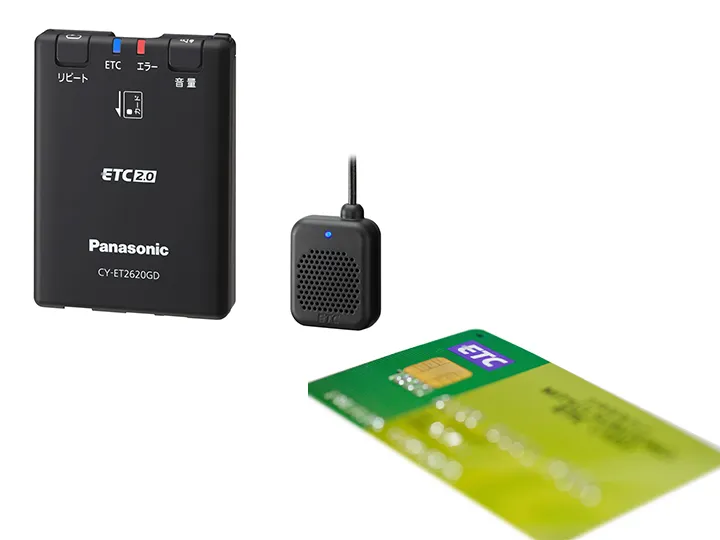
This is the single most important point to understand. The ETC device (車載器, shasaiki) is the small box mounted on the dashboard or windshield of your rental car. It is the hardware that communicates with the toll gate. Nearly all modern rental cars in Japan come with this device pre-installed.
The ETC card is a separate, credit-card-sized smart card that you must insert into the device. This card is what actually stores your toll information and facilitates payment. As a tourist, you cannot get your own ETC card; you must rent one from the car rental company.
Think of it like a DVD player and a DVD. The car comes with the player (the device), but you need to get the disc (the card) to make it work.
What You Should Decide Before You Travel
Before you book your rental car, you need to decide on your primary method for paying tolls. This will determine which rental company you choose and what you need to reserve.
1.Will you be doing a lot of highway driving in one region?
•If yes, a regional expressway pass is likely your best option. Check which rental companies offer the pass for your specific region (e.g., Toyota Rent a Car does not offer the KEP for Kyushu). You will need to reserve both the car and the pass, along with an ETC card.
2.Will you be using highways occasionally?
•If yes, simply renting an ETC card is the most convenient option. It saves you the hassle of stopping at toll booths and allows you to take advantage of potential ETC-only discounts.
3.Will you only be driving on local roads with maybe one short highway trip?
•If yes, you might be ableto get by with paying cash or credit card at the general lanes. However, for the small rental fee, an ETC card is still recommended for convenience and to avoid getting stuck at an ETC-only gate.
Situations Where This Becomes a Problem
•Arriving at an ETC-only toll gate without a card: This is the most common problem. The barrier will not lift, and you will have to press the intercom button and wait for an attendant to help you, holding up traffic behind you.
•Assuming your expressway pass works without an ETC card: You will be charged the full toll for every segment of your journey, negating any savings from the pass.
•Not reserving an ETC card in advance: During peak travel seasons, rental companies may run out of ETC cards. If you don’t reserve one, you may be forced to use the slower general lanes.
What Matters Less Than People Think
•The specific brand of rental car company: Most major companies (Toyota, Nippon, Orix, Times) have very similar ETC card rental systems. The key is to confirm they offer the service and any regional passes you may need.
•Minor ETC discounts: While ETC offers some discounts (e.g., late-night or weekend), for most tourists, the primary benefit is convenience, not massive savings on tolls.
Practical Takeaways
•Always rent an ETC card with your rental car if you plan to use highways.
•The ETC device in the car is useless without a rented ETC card.
•If you want to use a regional expressway pass (like HEP or KEP), you must also rent an ETC card.
•Reserve your ETC card online when you book your car to ensure availability.
•If you find yourself at a toll booth without an ETC card, look for the green “一般” (General) lane.
Summary
Using Japan’s highways with a rental car is straightforward if you understand the system. The key is to differentiate between the built-in ETC device and the rentable ETC card. For a smooth journey, always reserve an ETC card with your car rental. This allows you to use the fast and efficient ETC lanes and is a prerequisite for any money-saving regional expressway passes. Paying with cash is a backup option, but renting an ETC card is the standard, recommended practice for foreign travelers.
Sources / References
•[1] TOYOTA Rent a Car – Accessories and Options
•[2] Japan National Tourism Organization – Things to know when renting a car
•[3] Hokkaido Expressway Pass Official Site
•[4] Web-Rent-A-Car – ETC cards for rental cars in Japan
Notes & Exceptions
•ETC card rental fees and availability can vary by rental company and location. Always confirm when booking.
•Regional expressway pass availability may differ between rental companies. For example, as of late 2025, Toyota Rent a Car does not offer the Kyushu Expressway Pass (KEP).
•While most major highways are covered by ETC, some minor local toll roads may not be.
Certainty Level
•High: The fundamental difference between an ETC device and an ETC card, and the necessity for tourists to rent a card.
•High: The requirement of an ETC card for using any regional expressway pass.
•Medium: Specific rental fees and the list of companies offering each specific regional pass, as these can change.