

Current date: 2025-12-23 (JST)
This article is a practical guide to Japan’s prepaid IC cards, not a travelogue. It clarifies that these cards are for payment, not discounts, and addresses the common confusion travelers face regarding which card to buy, where to get it, and how to use it. We explain the three main cards—Suica, PASMO, and ICOCA—and detail their issuance procedures, regional coverage, and daily use. We also cover the app-based options available to foreign visitors, helping you navigate Japan’s public transport and retail systems with confidence.
What This Article Explains
This guide tackles the core confusion surrounding Japan’s IC cards: they are prepaid payment cards, not discount rail passes. Many travelers are unsure which card to choose, how to acquire one, and what their limitations are, especially with regional differences and app availability. This article explains the key differences between Suica, PASMO, and ICOCA, provides step-by-step instructions for obtaining a physical or digital card, and clarifies where they work. We also introduce the most useful apps for foreign travelers, ensuring you can make informed decisions for a smoother journey.
The Three Main IC Cards: Which One Do You Need?
While Japan has over a dozen types of IC cards, travelers will most likely encounter three major ones. These cards are functionally identical for most day-to-day use and are compatible with each other nationwide. The primary difference is the region where they are issued and where they can be refunded.
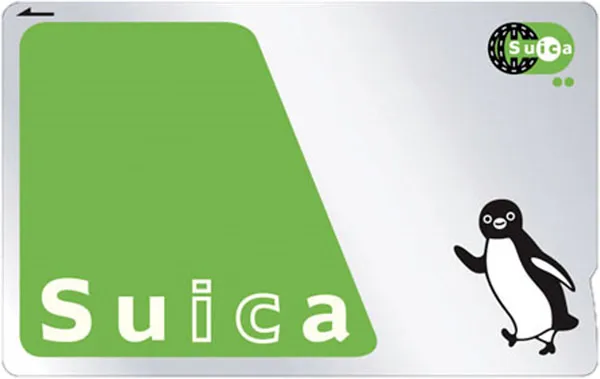
•Suica: Issued by JR East, this is the card for the greater Tokyo, Sendai, and Niigata regions.
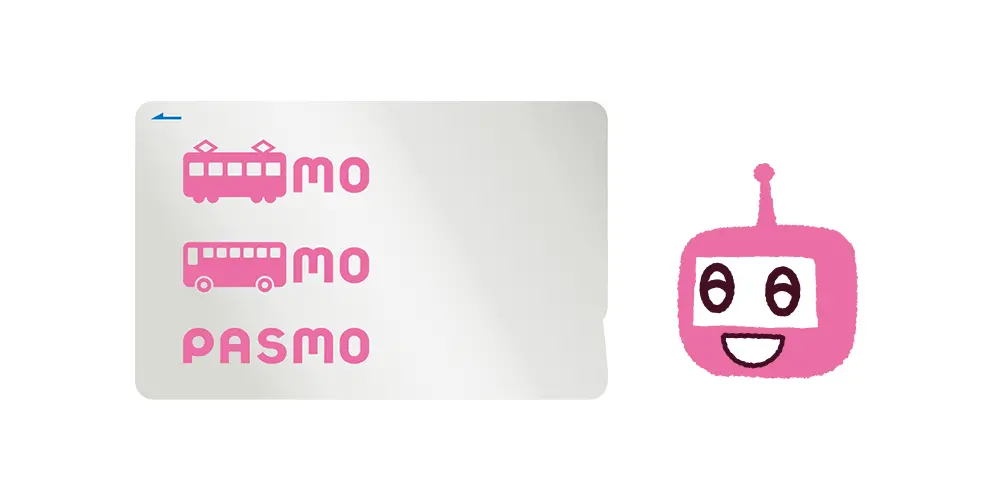
•PASMO: Issued by non-JR operators in Tokyo, including the Tokyo Metro and private railway lines.
•ICOCA: Issued by JR West, this is the card for the Kansai region, including Osaka, Kyoto, and Kobe.

| Feature | Suica | PASMO | ICOCA |
| Issuer | JR East | Tokyo Metro & Private Rails | JR West |
| Primary Region | Tokyo, Sendai, Niigata | Tokyo | Osaka, Kyoto, Kobe |
| Tourist Version | Welcome Suica (28 days) | PASMO Passport (3-5 days) | Available at Kansai Airports |
| Mobile App | Welcome Suica Mobile (iOS) | Apple Pay (iOS) | Apple Pay (iOS) |
| Refund Location | JR East Stations | Tokyo Metro Stations | JR West Stations |
Key Takeaway: You can use a Suica card in Osaka or an ICOCA card in Tokyo for trains, buses, and shopping. However, you can only get a refund for your card in its home region. For example, a Suica card must be returned at a JR East station in Tokyo.
How to Get an IC Card: Step-by-Step Procedure
Acquiring an IC card is a simple process that takes only a few minutes. You have three main options.
Option 1: Physical Card at a Station (Recommended)
This is the most straightforward method for first-time visitors. You can purchase a card at any major train station.
1.Locate a ticket vending machine. Look for machines with a touchscreen and an “English” language button.
2.Select “Purchase new IC card.” Follow the on-screen prompts.
3.Pay the initial fee. A new card costs 2,000 yen, which includes a 500 yen refundable deposit and 1,500 yen of usable credit.
4.Collect your card. The machine will dispense the card immediately, ready for use.
For tourists, special versions like the Welcome Suica (valid 28 days, no deposit) and PASMO Passport (a 3 or 5-day unlimited pass) are also available at airports and major stations.
Option 2: Digital Card via App (iOS Only)
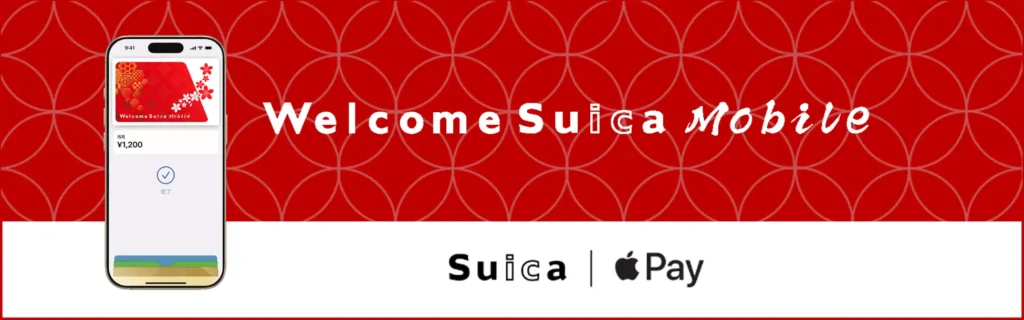
For iPhone users, the Welcome Suica Mobile app is an excellent alternative that lets you skip the station queues.
1.Download the app from the Apple App Store before your trip.
2.Follow the setup instructions. This includes agreeing to terms and setting a security keyword.
3.Add funds using Apple Pay. Your digital Suica is now ready to use and is valid for 180 days.
Important Note: Digital IC cards are currently not available for Android phones purchased outside of Japan. Android users must buy a physical card.
Option 3: Purchase Before Arrival
Some third-party travel agencies allow you to purchase a Suica or PASMO card online and have it mailed to your home address before your trip. While convenient, this service comes with a surcharge.
What IC Cards Can Be Used For (And What They Can’t)
IC cards are incredibly versatile and can be used for much more than just train fares. They function as a universal payment method for small transactions across Japan.
You can use your IC card for:
•Transportation: Nearly all local trains, subways, and buses accept IC cards. This includes the Tokyo Monorail to Haneda Airport.
•Shopping: All major convenience stores (7-Eleven, FamilyMart, Lawson), many supermarkets, and department stores accept IC card payments.
•Dining: A large number of restaurants, cafes, and fast-food chains have IC card readers.
•Vending Machines: Look for the IC card logo on drink and food vending machines.
•Other Services: Some taxis, coin lockers, and parking lots also accept IC card payments.
You cannot use your IC card for:
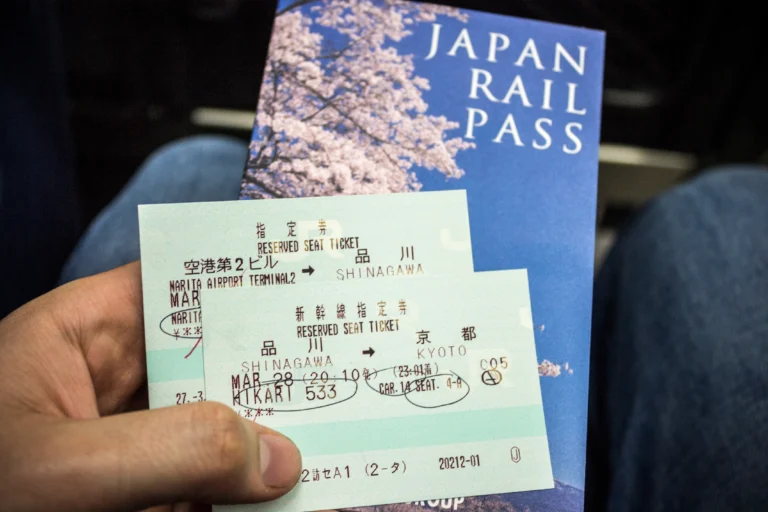
•Limited Express Surcharges: The card covers the base fare, but you must purchase a separate ticket for the limited express or reserved seat fee.
•Shinkansen (Bullet Train): Standard IC cards do not cover Shinkansen tickets. You must buy these separately, though some app-based services are changing this.
•Inter-regional Travel: You cannot use an IC card to travel between different IC card regions (e.g., from Tokyo to Osaka). You must exit the system and buy a separate ticket for the long-distance portion of your journey.
•Highway Buses: Most long-distance highway buses do not accept IC cards.
Daily Use, Regional Rules, and Topping Up
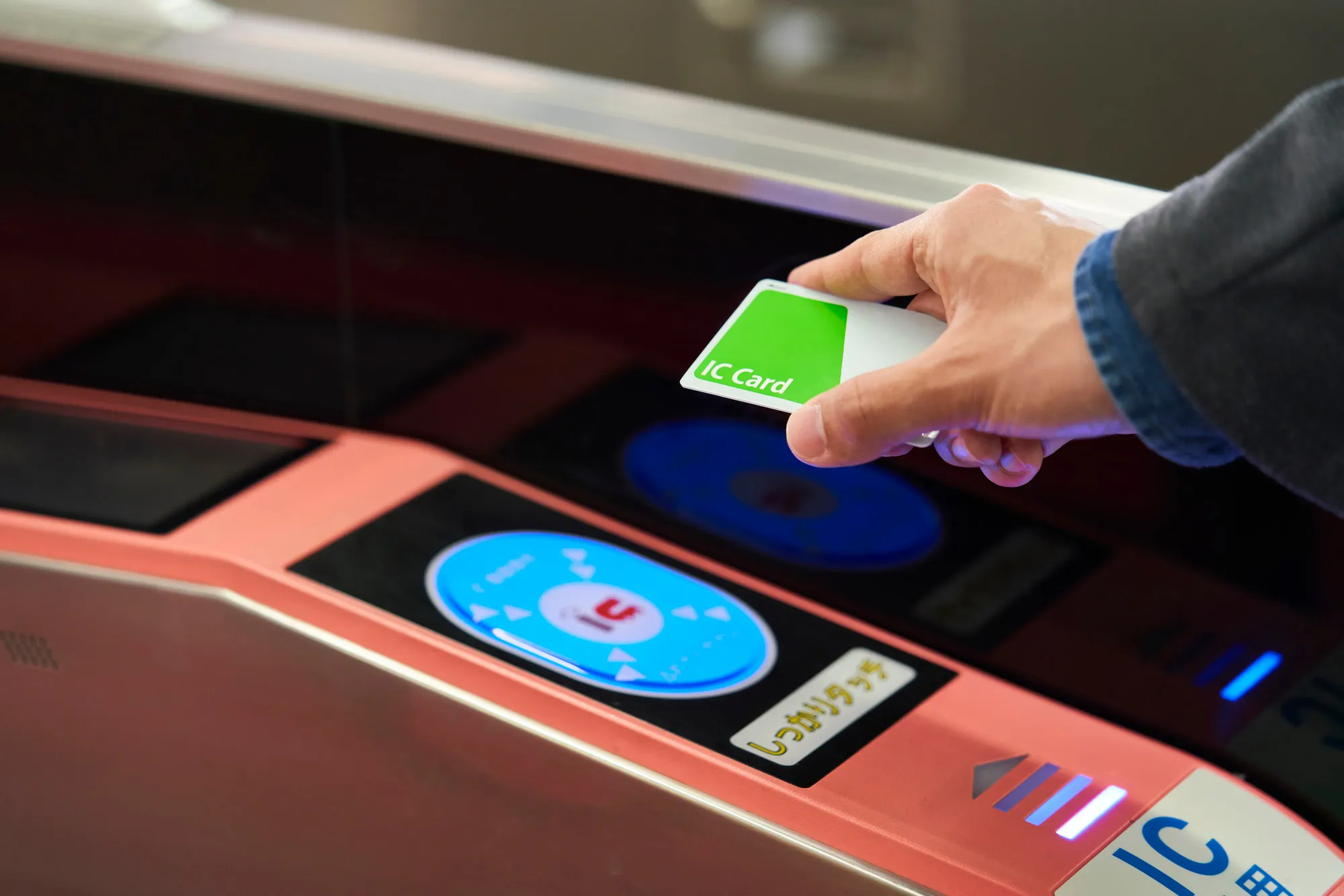
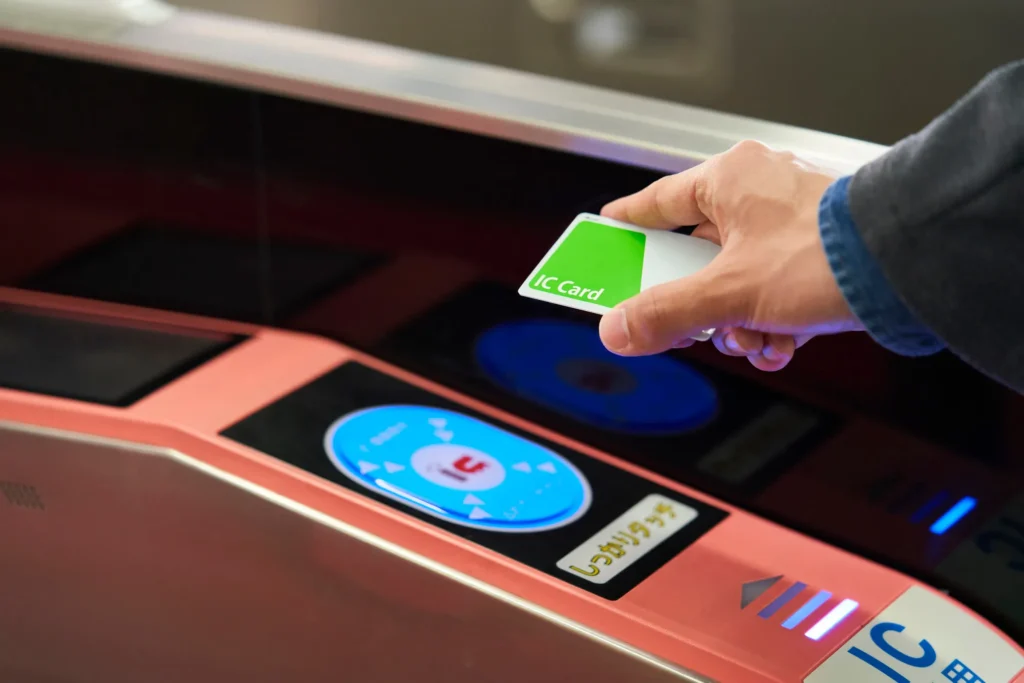
Using an IC card is simple. At the ticket gate, just tap your card on the illuminated reader for about a second. The gate will open, and the screen will display your remaining balance. Repeat the process at your destination, and the correct fare is automatically deducted. The same tap-to-pay system works at convenience stores and vending machines.
While the ten major IC cards are compatible nationwide for payments, you cannot use a single card for continuous travel between different regions. For instance, you cannot take a local train from Tokyo to Osaka using only a Suica card. You must exit the ticket gates at the edge of the Suica area and buy a separate ticket. For this reason, it is often simpler to buy a new IC card if you are spending significant time in a new region.
To add more money to your card (a process called “charging” or “topping up”), you can use the same ticket machines where you bought it. Simply insert your card, select the amount you wish to add, and insert cash. You can also top up at any convenience store counter by handing the cashier your card and cash, saying “Charge, please” (chāji, onegaishimasu).
Foreign-Friendly Apps for Your Trip
Several apps can make your travel in Japan smoother, especially when used with an IC card.
•Welcome Suica Mobile (iOS): This is the official app for tourists with an iPhone. It allows you to create a digital Suica card, add funds with Apple Pay, and even purchase some Shinkansen tickets. The digital card is valid for 180 days. You can download it from the Apple App Store.
•Japan Travel by NAVITIME (iOS & Android): This is a comprehensive transit app that provides train routes, schedules, and fare information. It is invaluable for planning journeys and understanding which train lines to take. It is available on the App Store and Google Play.

•Google Maps (iOS & Android): An essential tool for navigation, Google Maps provides excellent transit directions in Japan, including train times, platform numbers, and fare estimates for IC card users.

What Travelers Commonly Assume (and Why It’s Wrong)
| Assumption | Reality |
| “IC cards are discount passes.” | They are payment cards. The discount is minimal, usually just a few yen per trip. |
| “I can use my Android phone for a digital Suica.” | This only works for phones purchased in Japan. Foreign Android users must use a physical card. |
| “I can refund my card anywhere.” | You must return the card in its home region (e.g., Suica in Tokyo, ICOCA in Osaka). |
| “The card covers all train fees.” | It only covers the base fare. You must buy a separate ticket for limited express or reserved seat surcharges. |
Practical Takeaways
•An IC card is a payment tool for convenience, not a discount pass.
•Choose your card based on where you arrive: Suica/PASMO for Tokyo, ICOCA for Osaka/Kyoto.
•Buy a physical card from a station vending machine or use the Welcome Suica Mobile app if you have an iPhone.
•You cannot travel between major regions (e.g., Tokyo to Osaka) on a single IC card trip.
•Each traveler, including children over six, needs their own card.
Summary
Japan’s IC cards—Suica, PASMO, and ICOCA—are prepaid payment cards that simplify travel and small purchases. They are not discount passes and have regional limitations for refunds and inter-regional travel. The easiest way to get one is from a station vending machine upon arrival. For iPhone users, the Welcome Suica Mobile app provides a convenient digital alternative. Understanding that these cards are for convenience, not savings, is the key to using them effectively.
Sources / References
•[1] Prepaid IC Cards in Japan: Suica, Pasmo, Icoca
•[2] THE DIFFERENCE BETWEEN A SUICA, PASMO & ICOCA CARD?
•[3] Welcome Suica Mobile | JR-EAST
Notes & Exceptions
•Card availability and app features are subject to change. The information is current as of late 2025.
•While the 10 major cards are interoperable, some very local or regional bus and train lines may not accept them.
•The suspension of physical Suica and PASMO card sales has occurred in the past due to chip shortages. While sales have resumed, this could happen again.
Certainty Level
•High: Core functionality of Suica, PASMO, ICOCA and their interoperability.
•High: Inability to use a single card for travel between distinct regions.
•Medium: Availability of specific tourist-version cards and app features, which can change.