

Current date: 2026-01-02 (JST)
What Happened
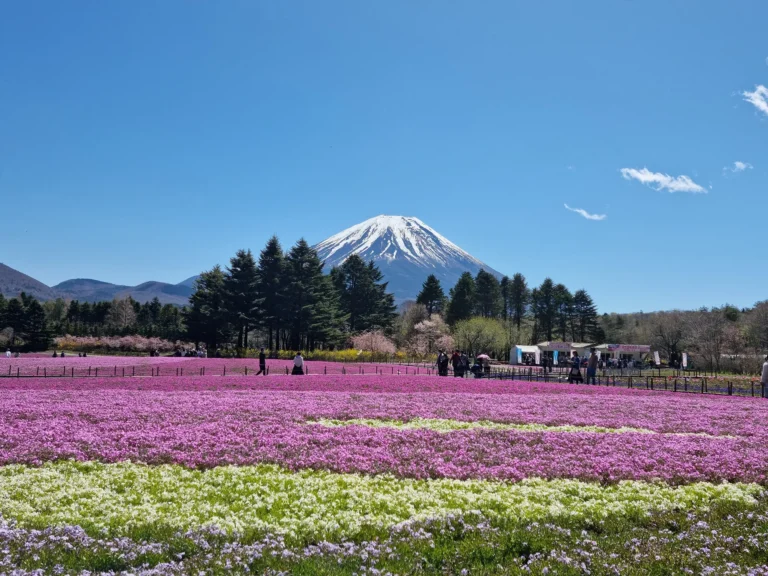
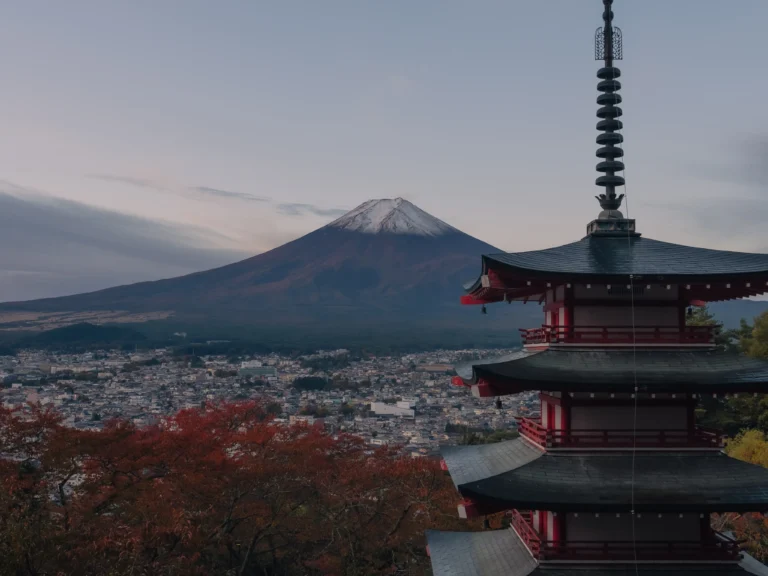
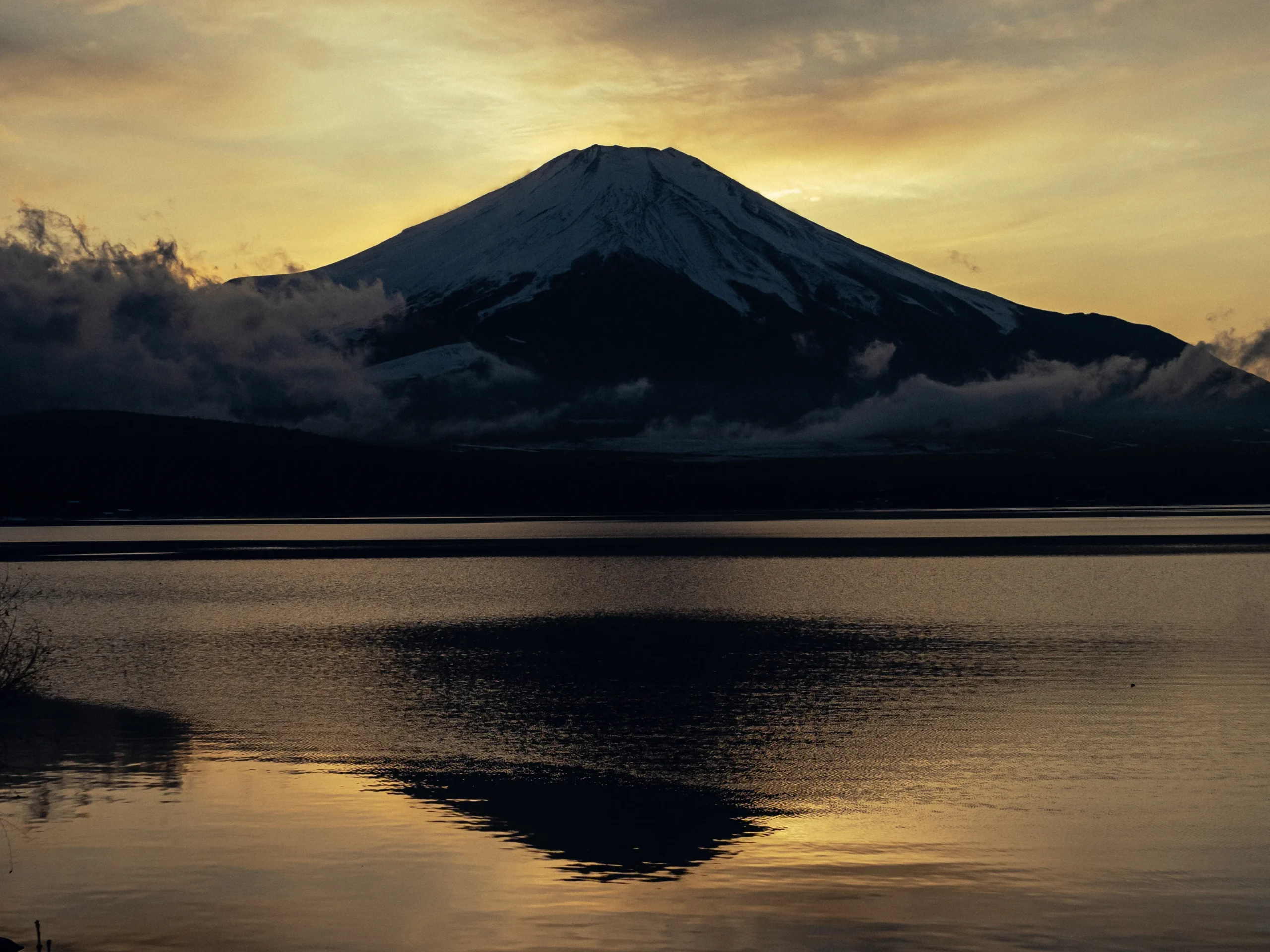
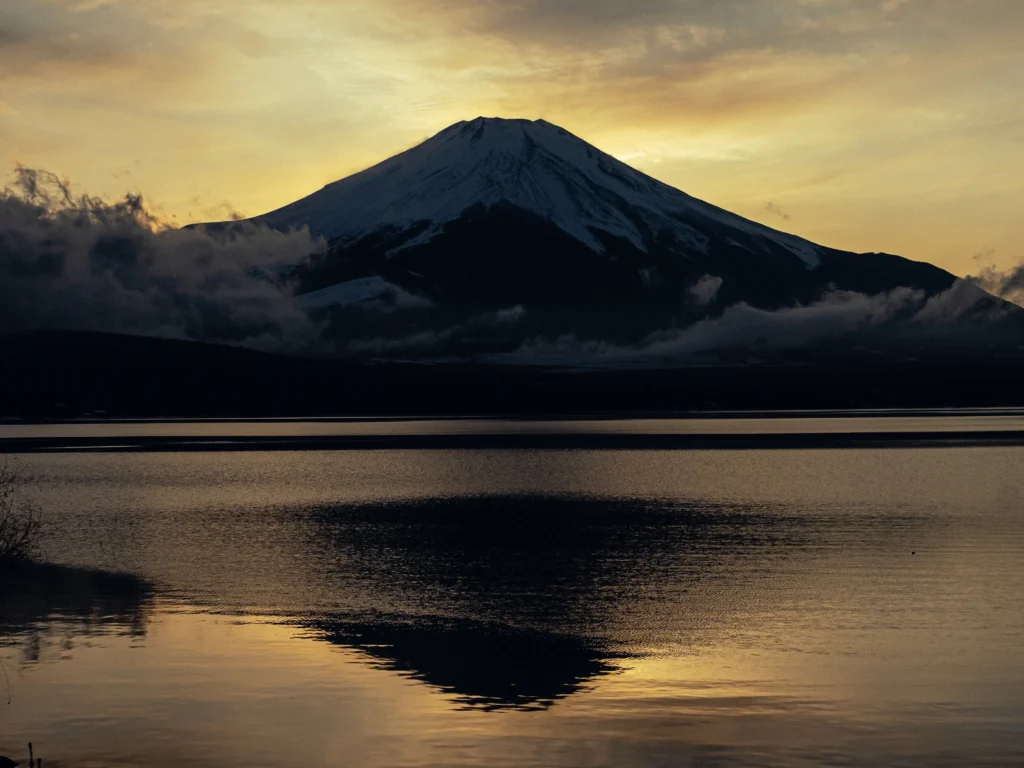
Japanese experts are reminding the public that Mount Fuji, which has not had a major eruption in over 300 years, remains an active volcano. While there is no immediate sign of an eruption, volcanologists state that one is statistically overdue and could happen at any time. Recent reports, including a segment from TV Asahi, highlight official government simulations showing how volcanic ash could significantly impact the Tokyo metropolitan area.
Why This Matters for Travelers
This information is not a cause for immediate alarm or a reason to change travel plans. Instead, it is a matter of awareness for anyone visiting or living in the Kanto region, including Tokyo and Kanagawa. The primary impact for travelers would not be from lava or pyroclastic flows, but from volcanic ash.
Even a relatively small amount of ash could cause widespread and prolonged disruption to critical infrastructure. This includes the transportation networks that millions of people rely on daily. Travelers could face grounded flights, suspended train services, and impassable roads, potentially for days or even weeks.
Location & Context
The source of the potential eruption is Mount Fuji, located on the border of Shizuoka and Yamanashi Prefectures. However, the focus of recent warnings is the effect of ash on the Tokyo metropolitan area, approximately 100 kilometers to the northeast. The exact areas affected would depend heavily on wind direction and the scale of the eruption.
Simulations show that central Tokyo (Shinjuku) could see up to 10 centimeters of ash, while areas closer to the volcano, like Sagamihara in Kanagawa Prefecture, could experience 30 centimeters or more.
Dates & Timing
Mount Fuji’s last eruption, the Hōei eruption, occurred in 1707 and lasted for about two weeks. The timing for a future eruption is Unknown. Experts at the Mount Fuji Science Research Institute clarify that it could be next month, next year, or a century from now. The key takeaway is that the volcano is considered active and is accumulating magma.
Access Information
In the event of significant ashfall, access and transportation would be severely limited.
| Transport | Impact of Ash |
| Trains | Can be halted by as little as 0.5 millimeters of ash on tracks. |
| Roads | A standard two-wheel-drive car can become immobile in 3cm (wet) to 10cm (dry) of ash. |
| Airports | Runways would close for clearing, and planes cannot fly through ash clouds. |
These disruptions would create a ripple effect, halting logistics for food, water, and other essential supplies.
Practical Notes
•Health: Volcanic ash is made of fine, sharp particles that can cause eye irritation and respiratory issues. If outside, high-quality masks (N95 or similar) and goggles would be necessary.
•Infrastructure: Power outages are possible, as wet ash can cause short circuits on power lines. Water purification plants may also be forced to stop operating, affecting tap water supplies.
•Preparedness: While travelers are not expected to carry extensive emergency kits, being aware of the situation is useful. Japanese authorities recommend households maintain a 7 to 10-day supply of emergency food and water.
•Cleaning: Ash does not melt and can clog drains if washed away with water.
Official Information
This information is based on reports from Japanese media outlets citing experts from the Mount Fuji Science Research Institute (富士山科学研究所) and simulations published by the Japanese Cabinet Office (内閣府). The Tokyo Metropolitan Government also operates a dedicated website with information on potential ashfall impacts.
Summary
While an eruption of Mount Fuji is not an immediate certainty, the potential for ash to disrupt life in Tokyo is a recognized risk that authorities are planning for. For travelers, this is not a daily concern but a reminder of the geological realities of Japan. The most significant consequence would be major, widespread transportation shutdowns. Awareness of this possibility is a practical part of traveling responsibly in the region.
Sources / References
[1] 富士山噴火「いつ起きてもおかしくない」その時、首都圏と私たちの生活はどうなる? (Yahoo! News / TV Asahi)
[2] 降灰による影響とは? (Tokyo Metropolitan Government)
Notes & Limitations
•The timing of any future eruption is completely unknown.
•The severity and location of ashfall are dependent on eruption scale and prevailing winds, which cannot be predicted in advance.
•The information is for preparedness and awareness, not to cause alarm.
Certainty Level
Medium