


Current date: 2025-12-28 (JST)
Enoshima is often seen as a quick day trip from Tokyo, a place of shrines and sea views. But to truly experience its layered history and rugged natural beauty, you need to walk it. This guide focuses on exploring Enoshima on foot, detailing the routes, the effort involved, and the rewards you’ll find along the way. It’s a journey that takes you from a bustling shopping street to sacred caves, all within a few hours of walking.
Who Should Walk Enoshima Island?
This walking guide is for travelers who want to do more than just see the highlights. It is for those who enjoy a mix of light hiking, cultural exploration, and coastal scenery. If you are comfortable with stairs and enjoy discovering hidden paths, Enoshima offers a fulfilling experience. It is not, however, a fully accessible destination for those with mobility issues, as stairs are a major feature of the island’s terrain.
How to Get to the Enoshima Trailhead
Accessing Enoshima is straightforward, with three train stations serving the area. The walk to the island itself is part of the experience.
| Train Line | Station | Walk to Island | Notes |
| Odakyu Line | Katase-Enoshima | ~15 minutes | The most direct route from Shinjuku, Tokyo. The station is designed to look like an undersea palace. |
| Enoshima Electric Railway (Enoden) | Enoshima | ~20 minutes | A scenic, charming train line connecting Kamakura and Fujisawa. |
| Shonan Monorail | Shonan-Enoshima | ~25 minutes | A unique suspended monorail from Ofuna Station. |
From any of these stations, you walk toward the coast and cross the Benten-bashi Bridge to reach the island. This walk offers fantastic views of the mainland and the sea, setting the tone for your exploration.
A Step-by-Step Enoshima Walking Route
This route covers the entire island from bottom to top and back down, taking approximately 3-4 hours at a relaxed pace. The island is essentially a single path upwards, so it’s difficult to get lost.
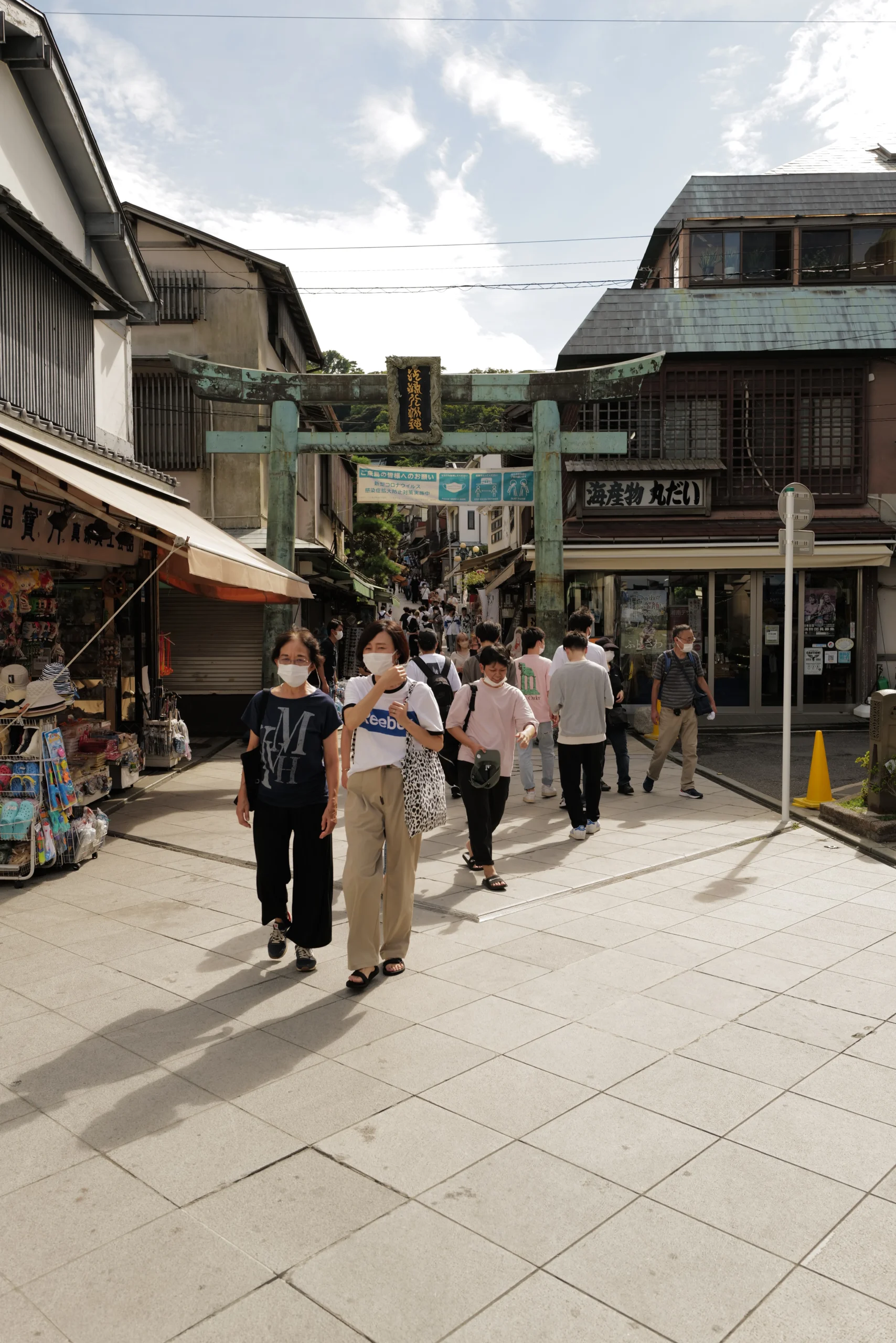
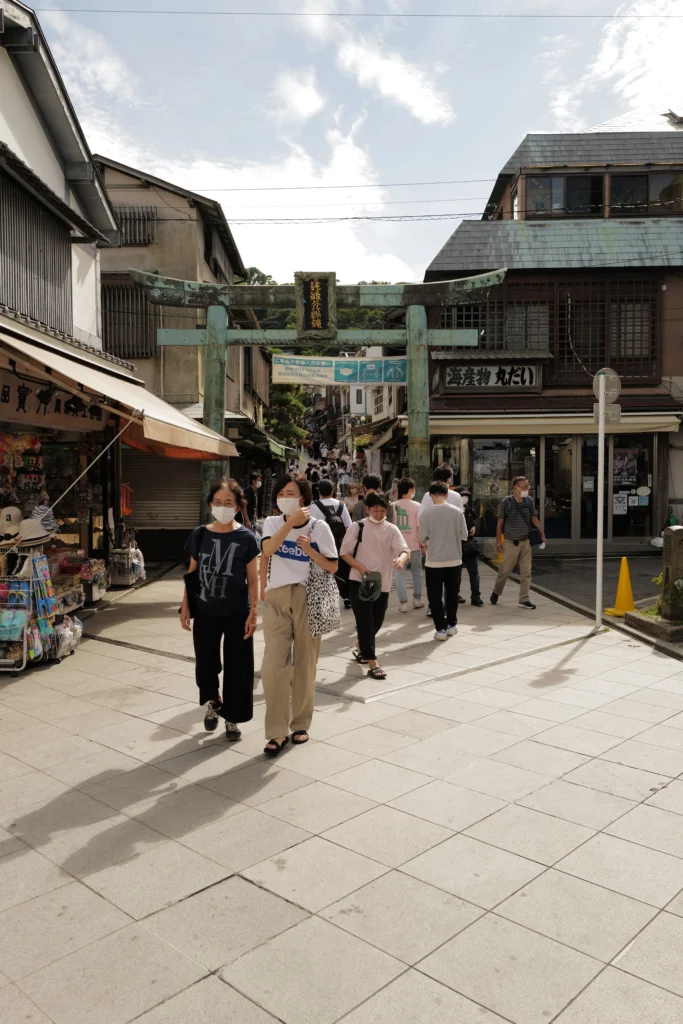
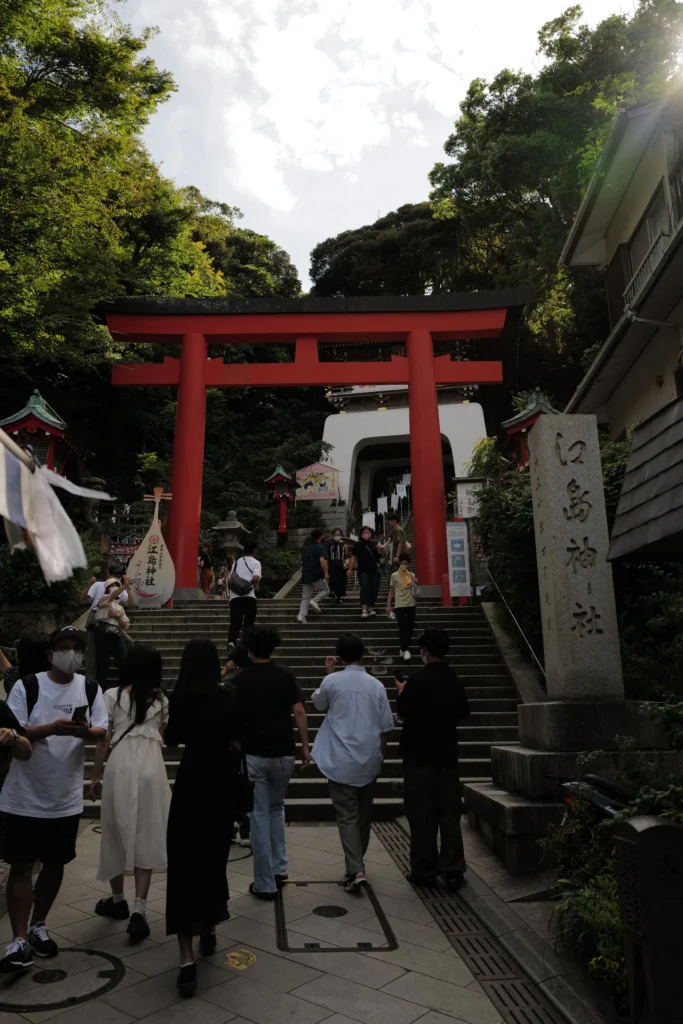
1.The Approach: Nakamise-dori Street After crossing the bridge, you’ll pass through a bronze torii gate and onto a lively street lined with shops and restaurants. This is your last chance to grab snacks and drinks. At the end of the street, you’ll see the large, red Zuishinmon Gate, the entrance to the shrine complex.
2.The Ascent: Stairs or Escalator? Here you have a choice. You can climb the series of steep staircases or use the Enoshima Escar, a series of three outdoor escalators that take you up the steepest parts of the island for a fee. Note: The Escar only goes up. You will have to walk down.
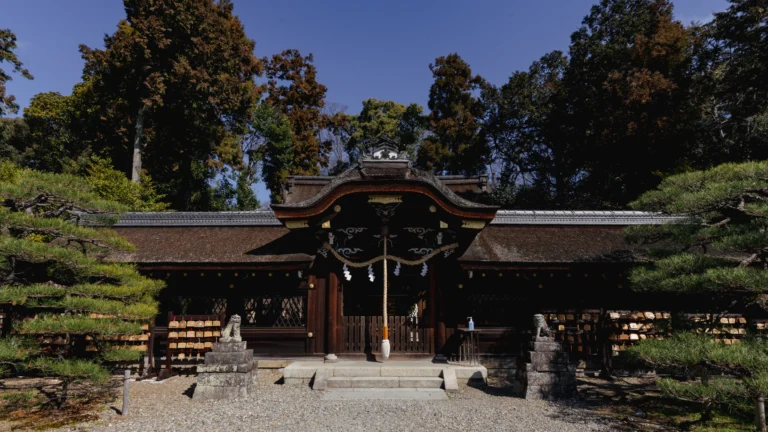
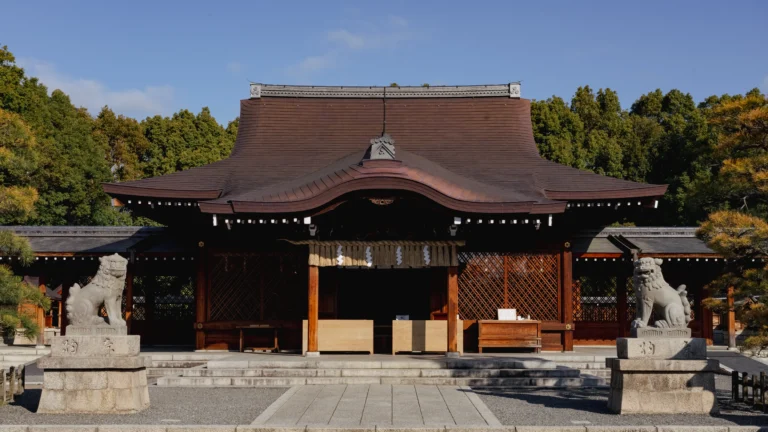
3.The Shrines: Hetsunomiya, Nakatsunomiya, and Okutsunomiya The path winds its way up through the three main shrines of Enoshima Shrine. The first, Hetsunomiya, is the main hall. Further up is Nakatsunomiya, and at the very top of the island, you’ll find Okutsunomiya. Each shrine has its own unique atmosphere and history.
4.The Summit: Samuel Cocking Garden & Sea Candle At the island’s peak is the Samuel Cocking Garden, a botanical garden with a mix of Japanese and European styles. Inside the garden stands the Enoshima Sea Candle, a lighthouse and observation tower offering panoramic views. There is a separate entrance fee for both the garden and the tower.
5.The Descent: Oiwaya-michi Path From the top, a path known as Oiwaya-michi leads down the western side of the island. This part of the walk is quieter and more atmospheric, with views of the rocky coastline. The path is steep and uneven in places.
6.The End of the Trail: Iwaya Caves At the bottom of the descent, you’ll find the Iwaya Caves, two sea-eroded caves that you can explore for a fee. This is the historic and spiritual heart of the island. After exploring the caves, you can either retrace your steps back up and over the island or take a short boat ride back to the Benten-bashi Bridge from the nearby Chigogafuchi Abyss.
Costs & Fees
While walking the island is free, several key attractions have entrance fees. It’s wise to carry cash, although some places may accept IC cards.
| Attraction | Fee (Adult) | Notes |
| Enoshima Escar (Escalator) | ¥360 (full route) | One-way (up) only. Tickets for sections are also available. |
| Samuel Cocking Garden | ¥200 | |
| Enoshima Sea Candle (Lighthouse) | ¥500 | |
| Iwaya Caves | ¥500 | |
| Combination Ticket | ¥800 | Includes Escar, Garden, and Sea Candle. A good value if you plan to visit all three. |
Best Time to Walk Enoshima
•Weekdays: Enoshima is extremely popular and can be very crowded on weekends and holidays. A weekday visit is far more peaceful.
•Morning: Start your walk early (around 9:00 AM) to avoid the biggest crowds that arrive late morning and afternoon.
•Spring & Autumn: The weather is most pleasant for walking. Spring offers flowers, while autumn provides clear air and comfortable temperatures.
•Summer: Can be hot and humid, but it’s the season for hydrangeas. Be sure to carry water.
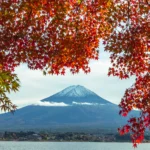
•Winter: Offers the best chances for clear views of Mount Fuji on the horizon.
Things to Know Before You Go
•Footwear: Wear comfortable, sturdy walking shoes. The paths are steep and the stairs can be uneven.
•Accessibility: The island is not wheelchair-friendly. The Enoshima Escar helps with the ascent, but the descent and many paths are stairs-only.
•Food & Water: Carry water, especially in summer. There are vending machines and cafes on the island, but they are concentrated at the bottom and top.
•One-Way Traffic: Remember the Escar only goes up. Be prepared for the walk down.
Nearby Places Worth Adding
•Enoshima Aquarium: Located on the mainland near the bridge, this is a modern aquarium and a great addition to your day, especially if you have children.
•Kamakura: Just a short ride away on the Enoden train, you can easily combine your Enoshima walk with a visit to the Great Buddha or Hasedera Temple in Kamakura.
Where to Stay
While there are a few ryokans on Enoshima island itself, they are limited and can be expensive. A more practical option is to stay in nearby Kamakura or Fujisawa, which offer a wider range of hotels and excellent transport links.
Here are two highly-rated options to consider:
1.Smile Hotel Shonan Fujisawa: With an excellent rating of 8.8/10 from over 4,200 reviews, this hotel is praised for being clean and comfortable. Located in Fujisawa, it provides a convenient base for exploring both Enoshima and the wider Shonan area.
2.Iplat Hostel Keikyu Kamakura Wave: This hostel boasts an 8.9/10 rating and is located in the heart of Kamakura. It’s a great choice for travelers who want to be close to Kamakura’s main sights while still having easy access to Enoshima via the Enoden line.
→ Search for more hotels in the Kamakura and Fujisawa area on Agoda
Summary
Walking Enoshima is a journey through nature, history, and spirituality. The main route takes you up through bustling shops and sacred shrines to a panoramic lighthouse, and then down a quiet, historic path to the mystical Iwaya Caves. It requires a moderate amount of effort due to the numerous stairs, but rewards you with stunning coastal views and a deeper appreciation for this unique island.
Conclusion
To make the most of your walk on Enoshima, plan to spend at least half a day. Wear your most comfortable shoes, bring cash for the various attractions, and start early to enjoy the island at its most peaceful. The walk itself is the main attraction, offering a perspective that you can only get on foot.
Sources / References
•[1] Fujisawa City Tourist Association – Enoshima
•[2] The Creative Adventurer – Self-Guided Tour of Enoshima Island
•[3] Voyapon – Walking route from Enoshima Shrine
Notes & Exceptions
•Information on fees and opening hours is subject to change. Always check official sources before your visit.
•The availability of the short boat ride from the Iwaya Caves back to the bridge is dependent on sea conditions.
Certainty Level
High

[…] the first golden light spills over Sagami Bay, the silhouette of Enoshima Island sharpens against an orange sky. Early morning surfers are already carving lines into the […]