

Current date: 2025-12-29 (JST)
What is Hatsumode?
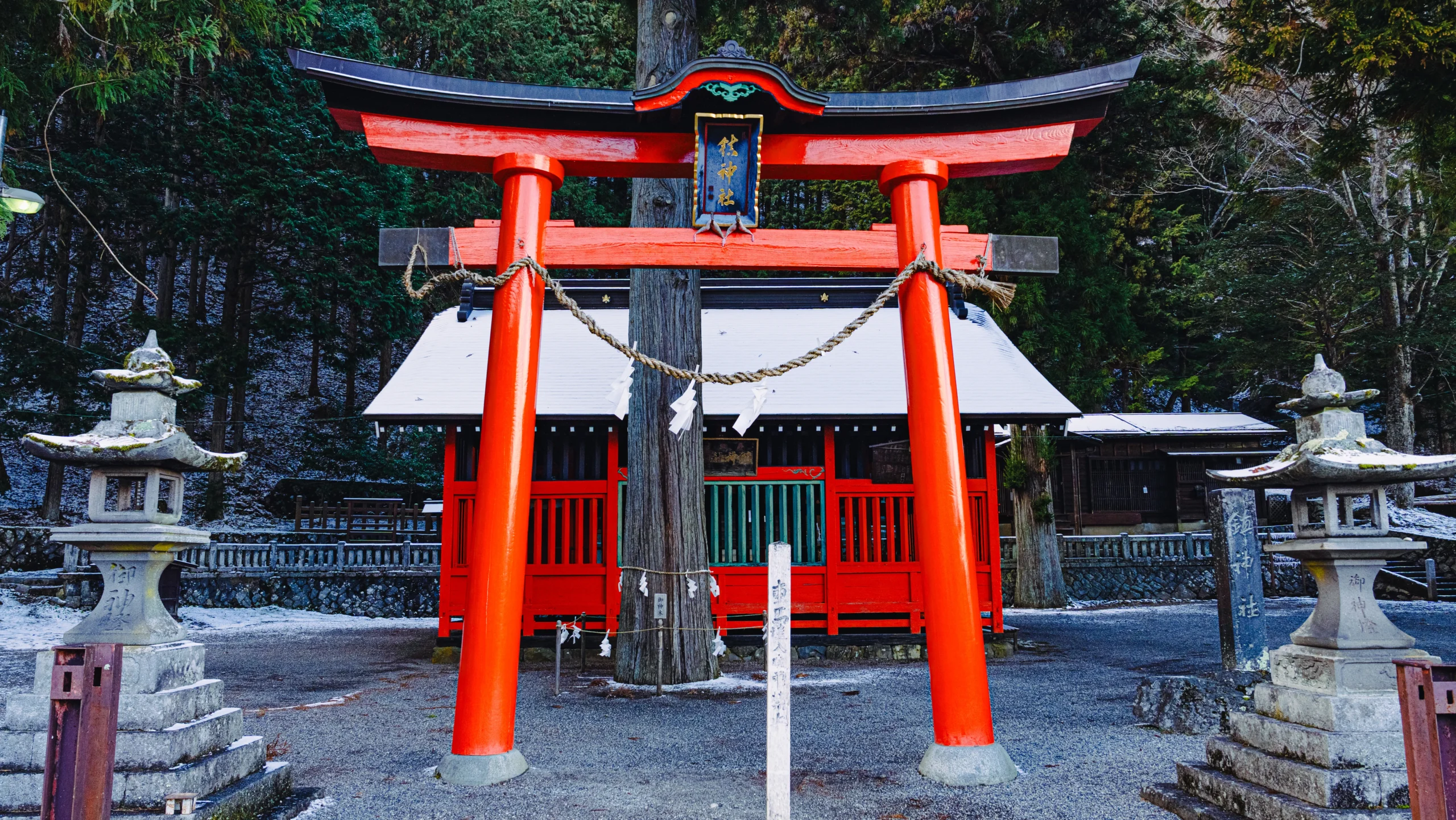
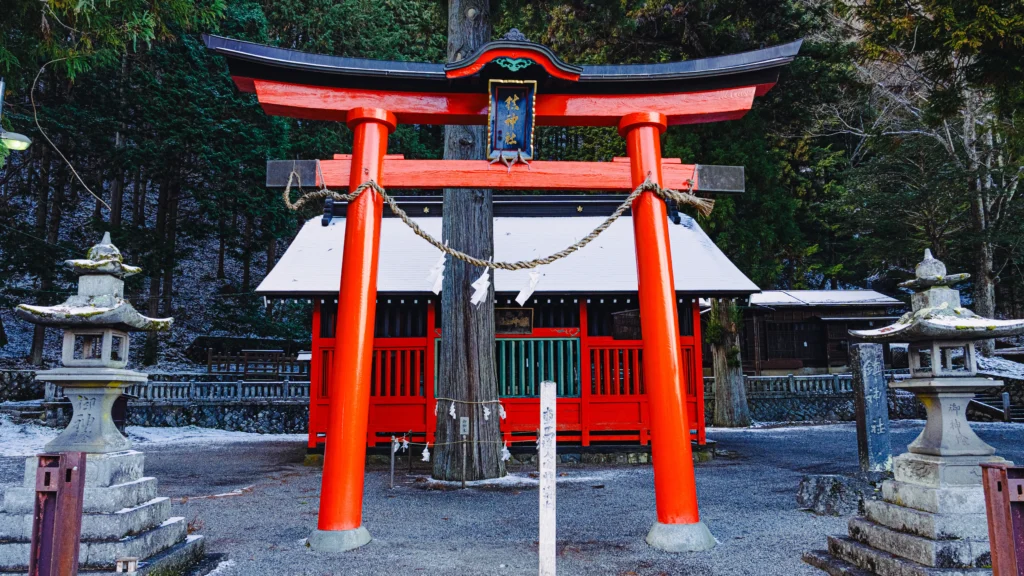
Hatsumode is the first visit to a Shinto shrine or Buddhist temple in the new year. It is one of Japan’s most important and widely practiced traditions. From New Year’s Eve through the first few days of January, millions of people visit these sacred sites to pray for health, happiness, and good fortune in the year ahead. It is a cultural experience, not just a religious one, marked by a festive and communal atmosphere.
Why This Matters for Travelers
For a foreign traveler, participating in hatsumode offers a deep and authentic look into Japanese culture during a major holiday. It’s a chance to witness a nationwide tradition firsthand. You will see families and friends dressed in both modern and traditional clothing, smell the incense, and hear the sounds of bells and prayers. It is a crowded, lively, and deeply memorable experience, but it requires some preparation, especially if you visit one of the major sites.
What to Expect at a Major Shrine
While almost every local shrine and temple participates, a few major sites draw enormous crowds. Visiting one of these famous locations is an event in itself. Here’s what you can generally expect, using some of the most popular destinations as examples.
| Location | Key Feature | What to Know |
| Meiji Jingu (Tokyo) | Japan’s most visited shrine for hatsumode. | Expect massive crowds and long waits, especially on New Year’s Eve and Day. |
| Fushimi Inari Taisha (Kyoto) | Famous for its thousands of red torii gates. | Open 24 hours, allowing for visits at off-peak times to avoid the worst crowds. |
| Ise Jingu (Mie) | Japan’s most sacred Shinto shrine. | A deeply spiritual atmosphere, though it also gets very busy. |
At these locations, you will find long, orderly lines of people waiting to approach the main prayer hall. Food stalls (yatai) sell traditional snacks like yakisoba and takoyaki. You can also buy good luck charms (omamori) for the new year or draw a fortune slip (omikuji).
Access & Timing
•When to Go: The main period for hatsumode is from January 1st to January 3rd. Some people visit on New Year’s Eve to hear the temple bells ring 108 times (joya no kane).
•Transportation: Public transport is the only practical option. Trains and subways run on special, extended schedules through the night of December 31st into January 1st. Check the latest train schedules before you go.
•Crowds: Be prepared for very large crowds. Follow the designated routes and the directions of police and shrine staff. It is not a place for rushing.
Practical Notes
•Dress Warmly: You will be standing outside for a long time. Wear warm layers, a hat, and gloves.
•Cash is Necessary: Food stalls and the purchase of charms or fortunes will require cash. Bring small denominations.
•Prayer Etiquette: You don’t have to pray, but if you wish to, the basic process is: bow before the offering box, toss in a coin (a 5-yen coin is considered lucky), ring the bell if there is one, bow twice, clap your hands twice, say your prayer silently, and bow one final time.
•Patience is Key: The experience is about being part of a shared cultural moment. The waiting is part of the event.
Summary
Hatsumode is more than just a visit; it’s a cultural immersion. While the large crowds at famous shrines can seem daunting, they are also part of the unique, festive atmosphere of the Japanese New Year. By dressing warmly, bringing cash, and having patience, travelers can participate respectfully in this beloved tradition and start their year with a truly memorable Japanese experience.
Sources / References
[1] Meiji Jingu Official Website (https://www.meijijingu.or.jp/ )
[2] Fushimi Inari Taisha Official Website (https://inari.jp/ )
[3] Ise Jingu Official Website (https://www.isejingu.or.jp/ )
Notes & Limitations
•Crowd levels can be extreme, especially at the most famous locations. This may not be suitable for those who are uncomfortable in tight spaces.
•Train schedules are subject to change. Always confirm the last train times if you plan a late-night visit.
Certainty Level
High