

Current date: 2025-12-18 (JST)
Shirakawa-go is one of those places that feels suspended in time. Seeing the iconic Gassho-style farmhouses with their steep, thatched roofs, you understand why it’s often described as a fairytale village. Nestled in a remote mountain valley in Gifu Prefecture, this UNESCO World Heritage site is a living museum, a community where people still reside in these architectural marvels, surrounded by rice paddies and the gentle flow of the Shō River.
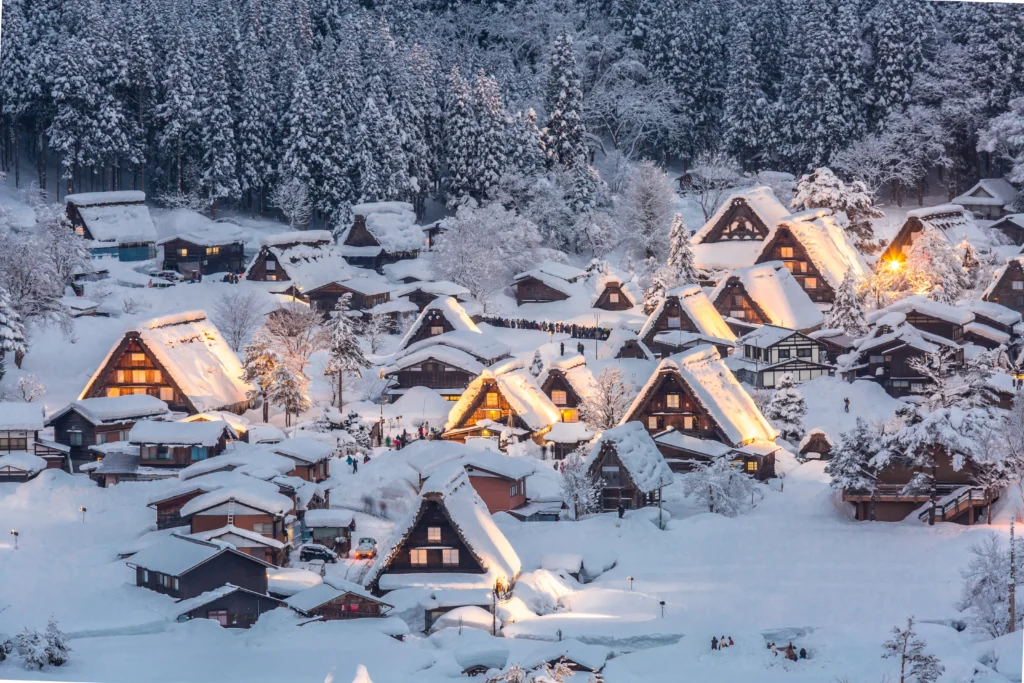
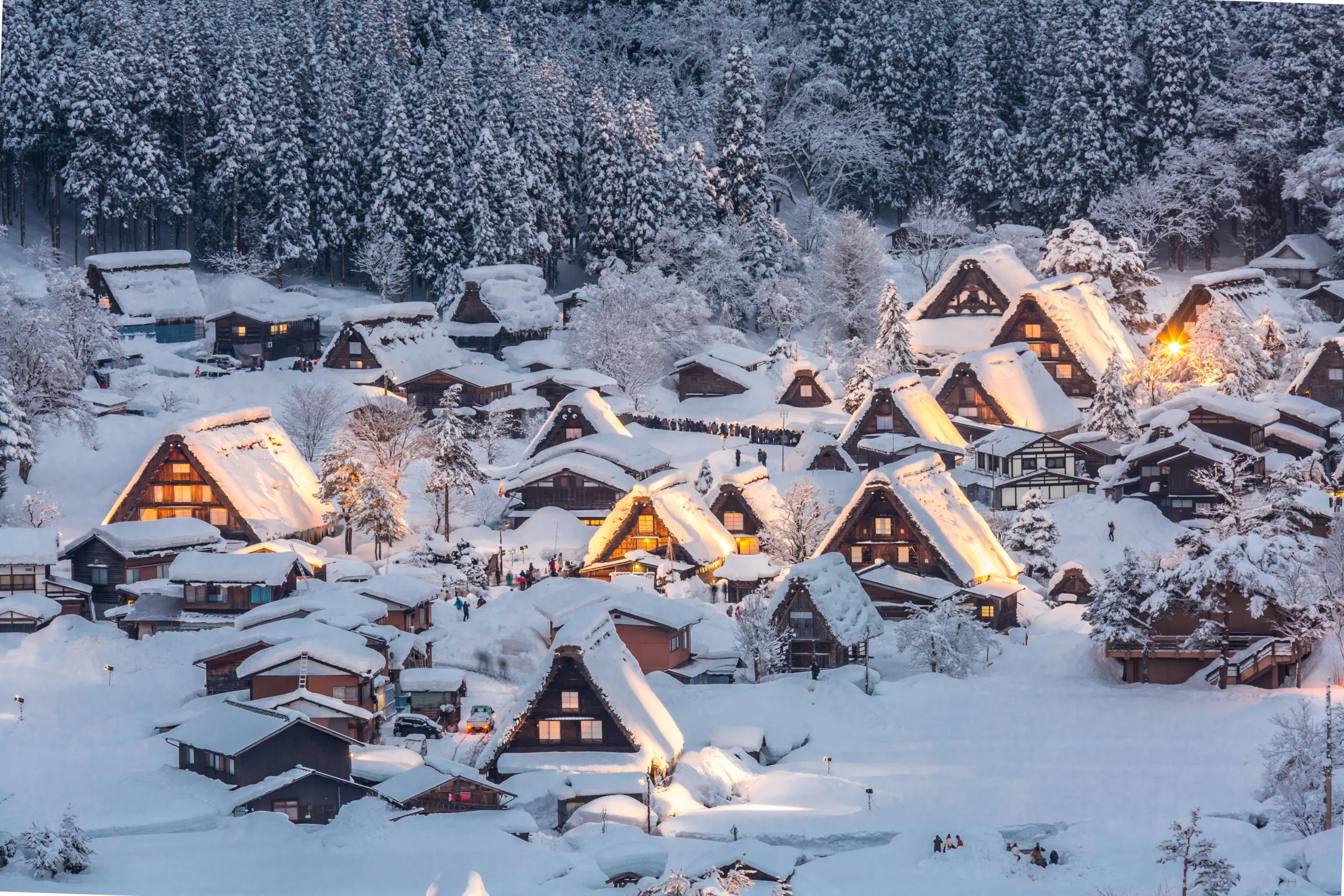
I had seen countless photos, especially of the village blanketed in winter snow. But standing at the Shiroyama Viewpoint, looking down at the cluster of farmhouses, the smoke curling from a few chimneys, you get a real sense of its isolation and resilience. This guide is for the independent traveler who wants to look beyond the postcard images and understand the practicalities of visiting this unique corner of Japan.
Overview
Shirakawa-go’s Ogimachi village is the main attraction, with over 100 Gassho-zukuri (meaning “constructed like hands in prayer”) farmhouses. These houses are architectural wonders, built without nails and designed to withstand heavy snowfall. While the entire village is a spectacle, several houses are open to the public as museums, including the Wada House and the Kanda House. There is also the Gassho-Zukuri Minka-en, an excellent open-air museum that has relocated and preserved 26 buildings from the area, offering a deeper look into the traditional way of life.
The village is compact and easily explored on foot. Stone paths wind between the houses, past small gardens, irrigation canals teeming with fish, and souvenir shops. It is a functioning village, so you will see locals going about their daily lives, a reminder that this is not just a tourist park.
Why This Place Is Worth Visiting
Shirakawa-go is for travelers who are captivated by folk history, unique architecture, and the beauty of rural Japan. If you want to step into a landscape that feels worlds away from the neon-lit energy of Tokyo, this is your place. It’s for those who appreciate the ingenuity of traditional craftsmanship and want to experience a community that has preserved its heritage against the odds.
However, it is not a destination for those seeking solitude, especially during the day. As a world-famous site, it gets extremely crowded. The main street can feel more like a bustling market than a tranquil village. It’s for visitors who can embrace the crowds to witness its beauty or are willing to plan their visit strategically—either by staying overnight or arriving very early—to experience its quieter moments.
How to Get There
Accessing Shirakawa-go requires a bus journey, as there are no train lines into the valley. The main hub is the Shirakawa-go Bus Terminal, located right at the entrance to the village.
From Major Cities:
•From Takayama: This is the most common route. The Nohi Bus runs frequently from the Takayama Bus Center, taking about 50 minutes. 1
•From Kanazawa: Another popular access point. The Hokutetsu Bus takes about 1 hour and 30 minutes from Kanazawa Station. 1
•From Nagoya: A direct bus from the Meitetsu Bus Center takes approximately 2 hours and 50 minutes. 1
•From Tokyo: The journey is longer. The most efficient route is taking the Hokuriku Shinkansen to Toyama (about 2 hours), then catching an express bus to Shirakawa-go (about 1 hour 20 minutes). 1
Once you arrive at the bus terminal, you are just a few steps from the village. The main parking area, Seseragi Park, is across a long suspension bridge, and the walk into the heart of the village is a perfect introduction to the scenery.
Costs & Fees
Walking around the village itself is free. However, you will need to pay for parking and to enter the individual houses and the open-air museum. It’s wise to carry sufficient cash, as not all smaller shops and food stalls accept credit cards.
| Item | Cost (Adult) | Cost (Child) | Notes |
| Parking (Standard Car) | ¥2,000 | – | Per entry, Seseragi Park Parking Lot 1 |
| Individual Gassho House | ¥300-¥400 | ¥150-¥200 | Per house (e.g., Wada House, Kanda House) 2 |
| Gassho-Zukuri Minka-en | ¥600 | ¥400 | Open-air museum 3 |
A portion of the parking fee contributes to the preservation of the World Heritage site. Prices are as of December 2025.
Best Time to Visit
Shirakawa-go’s character changes dramatically with the seasons, each offering a unique experience.
•Winter (December to February): This is the iconic image of Shirakawa-go, with the houses covered in deep snow. The winter light-up events (which require advance booking) are magical but also draw immense crowds. It is cold, and you will need proper winter clothing and waterproof boots.
•Autumn (October to November): The surrounding mountains erupt in color, creating a stunning contrast with the dark wood of the farmhouses. This is peak season, so expect it to be very busy.
•Spring (April to May): The snow melts, cherry blossoms appear, and the rice paddies are filled with water, reflecting the sky. The weather is pleasant for walking.
•Summer (June to August): The village is a vibrant green. It’s less crowded than autumn but can be hot and humid.
To avoid the thickest crowds, arrive before 9:00 AM. The tour buses start pouring in around 10:00 AM. The village is most peaceful in the early morning and late afternoon, after the day-trippers have departed.
Things to Know Before You Go
•Respect the Residents: This is a living village. Do not enter private property, peer into windows, or photograph residents without permission. Stick to the public paths.
•Footwear: You will be doing a lot of walking. Wear comfortable shoes. Inside the Gassho houses, you will need to take your shoes off, so wear socks you don’t mind showing.
•Accessibility: The village is mostly flat and walkable, but some paths are unpaved. The Gassho houses have steep, ladder-like stairs to the upper floors, which are not accessible for those with mobility issues.
•Luggage: Coin lockers are available at the bus terminal for storing luggage.
•Drones: Drone photography is strictly prohibited to protect the privacy of residents and the safety of visitors.
Nearby Places Worth Adding
1.Shiroyama Viewpoint: This is the classic vantage point for the postcard photo of the village. It’s a 20-minute uphill walk or a short shuttle bus ride (¥200 one way) from the village center.
2.Myozenji Temple: This complex includes a temple, the priest’s residence, and a bell tower, all with thatched roofs—a rare sight in Japan.
3.Takayama: Many visitors combine a trip to Shirakawa-go with a stay in this beautifully preserved historic town, known for its old merchant streets, sake breweries, and morning markets.
Where to Stay (Affiliate Section)
Staying overnight in Shirakawa-go is the best way to experience its magic. After the day-trippers leave, a quiet calm descends upon the village. However, accommodation options directly within the historic village are limited and book out months, sometimes even a year, in advance. Most are traditional Minshuku (family-run guesthouses) that offer a simple, authentic experience, often with a shared bathroom and a home-cooked meal.
For those seeking more conventional hotel or ryokan comforts, options are scarce. The most prominent luxury choice is the Shirakawago Onyado Yuinosho, a high-end ryokan with an exceptional 9.0/10 rating. It offers private onsen, forest views, and exquisite meals, but it comes with a premium price tag (around ¥48,000+ per night) and is often fully booked.
Given the limited availability, many travelers choose to stay in nearby Takayama, which has a much wider range of hotels and ryokan. From there, Shirakawa-go is an easy and scenic 50-minute bus ride, making for a perfect day trip.
→ Search for hotels and ryokan near Shirakawa-go on Agoda — Use this link to check availability for Onyado Yuinosho or browse the many excellent options in the neighboring Takayama area.
Summary
Shirakawa-go is more than just a pretty picture; it’s a lesson in cultural preservation and a testament to a way of life adapted to a harsh but beautiful environment. A visit requires planning, especially regarding transportation and accommodation. But the reward is a journey into a part of Japan that feels truly special. Walk across the Deai-bashi suspension bridge as the morning mist hangs over the river, and you’ll feel the magic of the place take hold.
Conclusion
To truly appreciate Shirakawa-go, look past the crowds and focus on the details: the texture of the thatched roofs, the dark, polished wood of the farmhouse interiors, and the sound of water flowing through the irrigation channels. Arrive early, stay late if you can, and respect the fact that you are a guest in someone’s home. It is a place that rewards a thoughtful and considerate visitor with a deeply memorable experience.
Sources / References
[1] Shirakawa-go Tourist Association – Access
[2] Shirakawa-go Tourist Association – FAQ
[3] Gassho-Zukuri Minka-en Official Website
[4] Shirakawa Village Official Website
Notes & Exceptions
•Information is current as of December 2025. Always check the official websites for the most up-to-date information on hours, fees, and bus schedules, as they can change.
•Accommodation within the Ogimachi village is extremely limited and requires booking far in advance. Staying in nearby Takayama is a practical and popular alternative.
•The winter light-up events have special access rules and require separate, advance reservations, which are often handled by lottery or through tour packages.
Certainty Level
High