

Current date: 2025-12-19 (JST)
What Happened
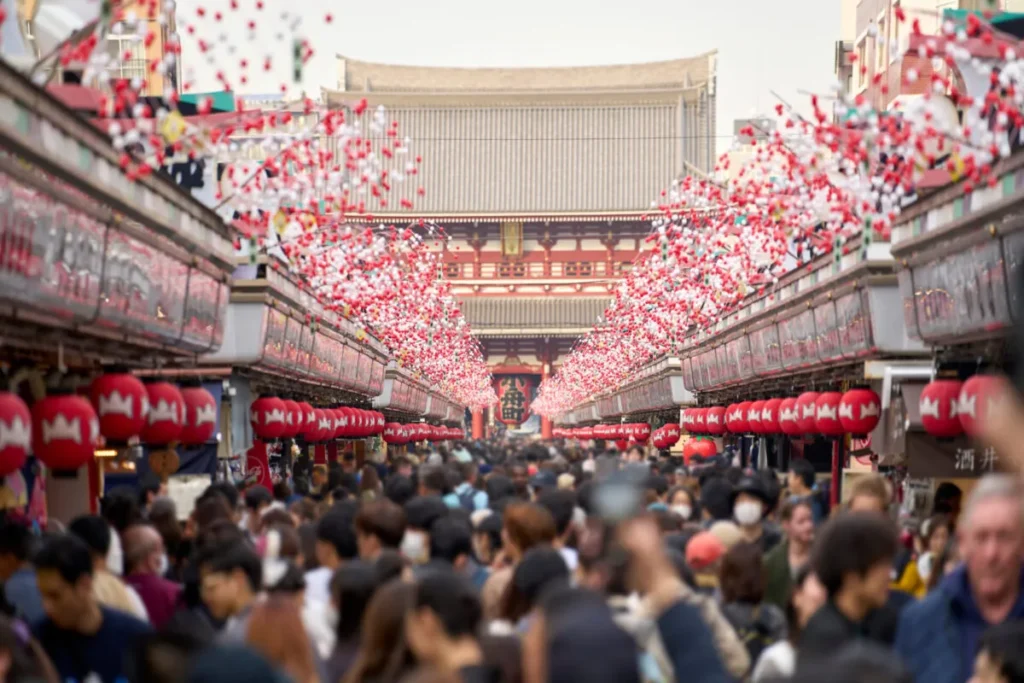
Across Japan, local municipalities are moving from requests to concrete actions to manage the effects of high tourist numbers. Instead of national-level policies, specific towns and districts are implementing their own rules, including fines, physical barriers, and access restrictions in heavily visited areas. This marks a shift toward direct, on-the-ground management of tourism-related issues.
Why This Matters for Travelers
For travelers, this means that access to popular sites is no longer guaranteed to be open or free of rules. Visitors may encounter new fees, time-based entry restrictions, or fines for certain behaviors that were previously tolerated. This trend requires travelers to research their destinations more carefully before visiting and be prepared for a more regulated environment. The changes primarily affect those visiting hyper-popular photo spots and historic districts.
Location & Context
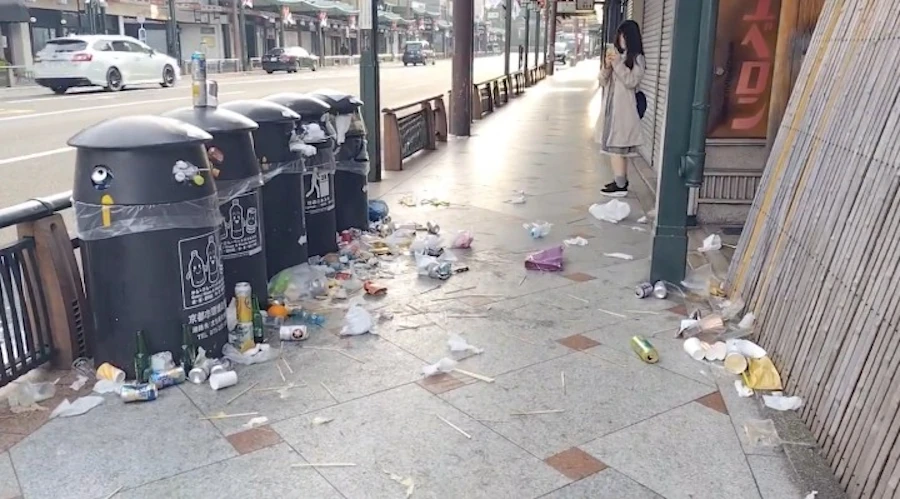
Several well-known tourist destinations have introduced specific measures. These are not nationwide rules but are enforced locally. The situation is different in each location.
| Location | Key Measure(s) | Details |
| Kyoto (Gion) | Access restriction & fines | Tourists are banned from entering designated private alleys. A fine of up to ¥10,000 can be issued for trespassing or for unauthorized photography of geiko/maiko. 1 |
| Mt. Fuji | Climbing fees & limits | A mandatory climbing fee of ¥4,000 per person is now in effect for all trails. A daily cap of 4,000 climbers and time-based access restrictions (2 PM to 3 AM) are enforced on the popular Yoshida Trail. 2 |
| Fujikawaguchiko | Physical barriers | A large black screen was erected to block the view of Mt. Fuji from behind a specific Lawson convenience store, a spot that became famous on social media and led to dangerous road crossing. 3 |
| Hakuba, Nagano | Fines for nuisance behavior | The ski resort town introduced fines of up to ¥50,000 for behaviors like late-night fireworks, littering, and drinking on the street. 4 |
| Kamakura | Security staff & crowdfunding | Near Kamakura-Koko-Mae Station (the “Slam Dunk” crossing), the city has increased security staff to manage crowds and launched a crowdfunding campaign to cover the costs. 5 |
| Tokyo (Tsukiji) | Seasonal access request | The Tsukiji Outer Market council has formally asked tour operators to avoid bringing groups during the busy year-end holiday season to ensure safety and access for local shoppers. 6 |
Dates & Timing
These measures have been progressively rolled out, with many taking effect between 2024 and 2025. For example, Kyoto’s Gion alley ban started in April 2024, and the stricter Mt. Fuji regulations began with the 2025 climbing season. These rules are expected to remain in place and may be adjusted or expanded based on local conditions.
Access Information
Information about specific local rules is often posted on signs in the immediate area, sometimes in multiple languages. However, finding this information online before a trip can be difficult. The best sources are often the official websites of the local city or town government, though these may only be in Japanese. Local tourist information centers are another reliable source upon arrival.
Practical Notes
•Check Before You Go: Before visiting a popular spot, search for recent news about access rules for that specific location.
•Expect Fines: Be aware that fines are now a tool used by some municipalities. These are not empty threats.
•Respect Local Life: Many of these measures are in place to protect residential areas or ensure local commercial activities can continue. The focus is on balancing tourism with daily life.
•It’s Not Everywhere: These strict measures are concentrated in a few dozen hyper-popular locations. Most of Japan remains unaffected by these specific types of restrictions.
Official Information
Official information comes directly from local government bodies and councils, such as the Gion South Side District Council in Kyoto, the Yamanashi Prefectural Government for the Mt. Fuji Yoshida Trail, and the Hakuba Village government. These local decisions are then reported by news media.
Summary
Japan’s approach to overtourism is becoming more localized and assertive. Communities are now actively implementing rules to manage crowds and protect residents’ quality of life. For travelers, this signals a change from the completely open access of the past. It is now more important than ever to be a responsible and informed visitor, respecting local rules and understanding that some popular sites require more planning to visit.
Sources / References
Notes & Limitations
•The information is based on news reports and official announcements as of December 2025. Rules can change, so checking for the latest information is recommended.
•The effectiveness and enforcement of these measures may vary by location.
Certainty Level
High
Join 1,000+ travelers discovering Japan's hidden side
Weekly dispatches from off-the-beaten-path Japan — spots and stories you won't find in guidebooks.
No spam. Unsubscribe anytime.
Welcome aboard!
You're in. See you in your inbox soon.