

Current date: 2025-12-18 (JST)
Overview
Visiting Mount Fuji is a highlight for many travelers in Japan, but navigating the area can seem challenging without a car. This guide focuses on practical accommodation bases around Mount Fuji that are well-suited for travelers relying on public transportation. It is not a list of every possible hotel, but a focused look at strategic locations that offer good access to trains and buses, allowing for a smooth and enjoyable trip.
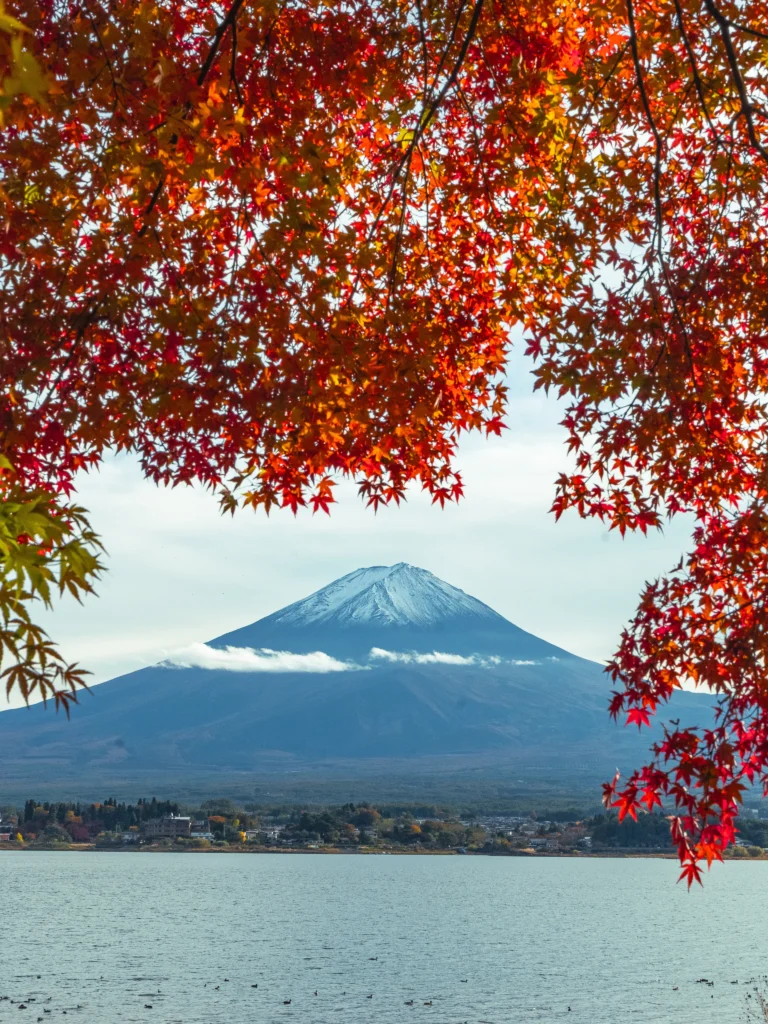
We will cover the most convenient hubs, such as Kawaguchiko and Fujiyoshida, and also discuss Hakone as a popular alternative. The goal is to provide a calm, factual overview to help you decide where to stay based on your travel style and itinerary.
Navigating the Fuji Area Without a Car
Traveling around Mount Fuji without a car is entirely possible, thanks to a network of trains and buses. The system is centered around a few key transportation hubs. Kawaguchiko Station is the primary hub for the Fuji Five Lakes region, with the Fujikyu Railway Line connecting it to Otsuki (and onward to Tokyo) and local sightseeing buses departing from its front plaza.
The main sightseeing buses for tourists are the Omni Bus lines (Red, Green, and Blue), which provide access to the shores of Lake Kawaguchiko, Lake Saiko, and further to Lake Shojiko and Motosuko. However, it is important to be aware of their frequency. While the Red Line around Lake Kawaguchiko runs every 15 minutes, the lines to more distant lakes can be as infrequent as once every one or two hours. Planning your day around these bus schedules is essential.
A practical tip is to look for accommodations that offer a shuttle service from the nearest major station. Many ryokans and hotels, even those not immediately next to a station, provide this convenience, which can make a significant difference.
| Bus Line | Route | Frequency |
| Red Line (Kawaguchiko) | Kawaguchiko Station → Eastern/Northern shores of Lake Kawaguchiko | Every 15 minutes |
| Green Line (Saiko) | Kawaguchiko Station → Southern shore of Lake Kawaguchiko → Lake Saiko | Every 30 minutes |
| Blue Line (Narusawa/Shojiko/Motosuko) | Kawaguchiko Station → Lake Shojiko → Lake Motosuko | Every 1-2 hours |
Recommended Accommodation Areas
Choosing the right base is the most important decision for a car-free trip. The following areas offer the best combination of accessibility, accommodation options, and nearby attractions.
Kawaguchiko Town
Kawaguchiko Town, centered around Kawaguchiko Station, is arguably the most convenient and practical base for exploring the Fuji Five Lakes region without a car.
It is the region’s primary transportation hub. All major sightseeing bus lines start here, and direct highway buses connect it to Tokyo. The area around the station has a concentration of restaurants and shops, which is a key advantage as dining options can be limited and close early elsewhere.
The Fujikyu Railway Line connects to the JR Chuo Line at Otsuki. Direct highway buses run frequently from Shinjuku (about 2 hours, ¥2,200), Tokyo Station (about 2 hours, ¥2,200), and Shibuya (about 2.5 hours, ¥2,200).
This area is well-suited for first-time visitors, travelers who prioritize convenience, and those who want a wide range of dining and lodging options. The area offers a full spectrum of lodging, from budget-friendly hostels like K’s House Mt. Fuji to luxury ryokan with private onsen, such as Fuji Onsenji Yumedono.
| Accommodation | Type | Price Range | Notes |
| K’s House Mt. Fuji | Hostel | $ | Near station, shared kitchen, dorm and private rooms |
| Hostel Fujisan YOU | Hostel | $ | Walking distance to station, free bike rental |
| Yamagishi Ryokan | Ryokan | $$ | Lakefront views, shared hot springs |
| Kawaguchiko Hotel | Hotel | $$$ | Historic hotel, onsen, Mt. Fuji views |
| Fuji Onsenji Yumedono | Ryokan | $$$$ | Luxury, private open-air baths |
Fujiyoshida City
Located just one train stop away from Kawaguchiko, Fujiyoshida offers a slightly different atmosphere. It is more of a local city and can be a strategic and sometimes more affordable base.
It provides excellent access to the iconic Chureito Pagoda (Arakura Sengen Shrine), which is a 10-minute walk from Shimoyoshida Station. It is also home to the Fuji-Q Highland amusement park. Accommodations here can offer better value than those directly on the lake.
The city is served by two key stations on the Fujikyu Railway Line: Fujisan Station and Shimoyoshida Station. This area is well-suited for budget-conscious travelers, photographers wanting to capture the Chureito Pagoda at sunrise or sunset, and visitors to Fuji-Q Highland.
The options lean towards business hotels, guesthouses, and hostels, such as Fujisan Station Hotel and Mt Fuji Hostel Michael’s.
| Accommodation | Type | Price Range | Notes |
| Fujisan Station Hotel | Business Hotel | $ | Near Fujisan Station, budget-friendly |
| Mt Fuji Hostel Michael’s | Hostel | $ | Good for solo travelers |
| Highland Resort Hotel & Spa | Resort Hotel | $$$$ | Direct access to Fuji-Q Highland, Mt. Fuji views |
Hakone
Hakone is not part of the Fuji Five Lakes region, but it is a major mountain resort area that offers potential views of Mount Fuji on clear days. It is known for its world-class art museums, hot springs, and its own extensive transportation network.
Hakone has a famously efficient public transport system, known as the Hakone Loop, which includes a mountain railway, cable car, ropeway, and even a sightseeing cruise on Lake Ashi. The Hakone Free Pass makes navigating this loop straightforward and cost-effective.
It is easily reached from Tokyo via the Odakyu Romancecar from Shinjuku to Hakone-Yumoto Station (about 85 minutes). This area is well-suited for travelers who want a classic onsen resort experience, art lovers, and those who appreciate a well-organized, easy-to-navigate tourist destination. The view of Mount Fuji is a bonus, not a guarantee.
Hakone is dominated by traditional ryokan and large resort hotels, many with their own onsen facilities.
Other Areas to Consider
Lake Yamanakako: The largest of the Fuji Five Lakes. It is accessible by bus from Kawaguchiko (about 25 minutes) or direct bus from Shinjuku. It has larger resort hotels and is popular with families.
Lake Saiko, Shojiko, and Motosuko: These lakes are more remote and bus services are less frequent. They are better suited for travelers with a car, or those who are willing to plan carefully around the bus schedule.
Things to Know Before Booking
Bus Timetables: Always check the latest bus schedules online or at the station. Services to more remote areas can be infrequent and may end early in the afternoon.
Hotel Shuttle Buses: This is a crucial factor. When looking at hotels that are not within walking distance of a station, check if they offer a free shuttle service. This can save considerable time and hassle.
Dining Options: Be aware that restaurants, especially in the quieter parts of the Fuji Five Lakes, often close early, sometimes by 7:00 or 8:00 PM. It is wise to have a plan for dinner, which might include dining at your hotel.
Luggage: Moving around with large suitcases on crowded sightseeing buses can be difficult. Consider using a luggage forwarding service (takkyubin) to send your main bags to your next destination.
Rental Bicycles: Many hotels and shops near Kawaguchiko Station offer bicycle rentals. This can be a pleasant way to explore the immediate lakeside area, though distances between the lakes are considerable.
Which Area Should You Choose?
This depends on your travel style. The following table provides a quick reference.
| Your Priority | Recommended Area |
| Maximum convenience and transport options | Kawaguchiko Town |
| Budget travel and access to Chureito Pagoda | Fujiyoshida |
| Polished onsen resort experience | Hakone |
| Larger resort hotels, family travel | Lake Yamanakako |
It is an assumption, but most first-time visitors to the region will find Kawaguchiko to be the most balanced and practical choice for a car-free trip.
Summary
Exploring the Mount Fuji area without a car is highly achievable with proper planning. Staying in a well-connected hub like Kawaguchiko Town is the most straightforward approach. Fujiyoshida offers a good alternative for budget travelers, while Hakone provides a different, more comprehensive resort experience. By understanding the public transport network and choosing your base strategically, you can enjoy the majestic scenery of the region with ease.
Conclusion
Choosing the right accommodation base is the key to a successful car-free trip to the Mount Fuji area. By positioning yourself in a transportation hub like Kawaguchiko, you can effectively explore the region’s natural beauty and attractions using the available network of buses and trains.
Sources / References
•japan-guide.com: Fuji Five Lakes: Getting there and around 1
•bucketlistbri.com: Where to Stay in Lake Kawaguchiko 2
[1] https://www.japan-guide.com/e/e6905.html
[2] https://bucketlistbri.com/where-to-stay-fujikawaguchiko/
Notes & Exceptions
Weather: Views of Mount Fuji are heavily dependent on the weather and are never guaranteed. Winter generally offers better visibility than the hazy summer months.
Crowds: The region is extremely popular. Expect crowds on public transport, especially during peak seasons like cherry blossom season and autumn.
Bus Passes: Several bus passes are available. The Kawaguchiko Saiko Motosuko Bus Pass (1-day: ¥1,500; 2-day: ¥2,000 ) can be useful if you plan to use the buses frequently.
Certainty Level
High
Join 1,000+ travelers discovering Japan's hidden side
Weekly dispatches from off-the-beaten-path Japan — spots and stories you won't find in guidebooks.
No spam. Unsubscribe anytime.
Welcome aboard!
You're in. See you in your inbox soon.
[…] a single, fleeting evening in February, the shores of Lake Yamanakako transform into a breathtaking world of light and ice. The Lake Yamanakako Ice Candle Festival, […]