

Current date: 2025-12-16 (JST)
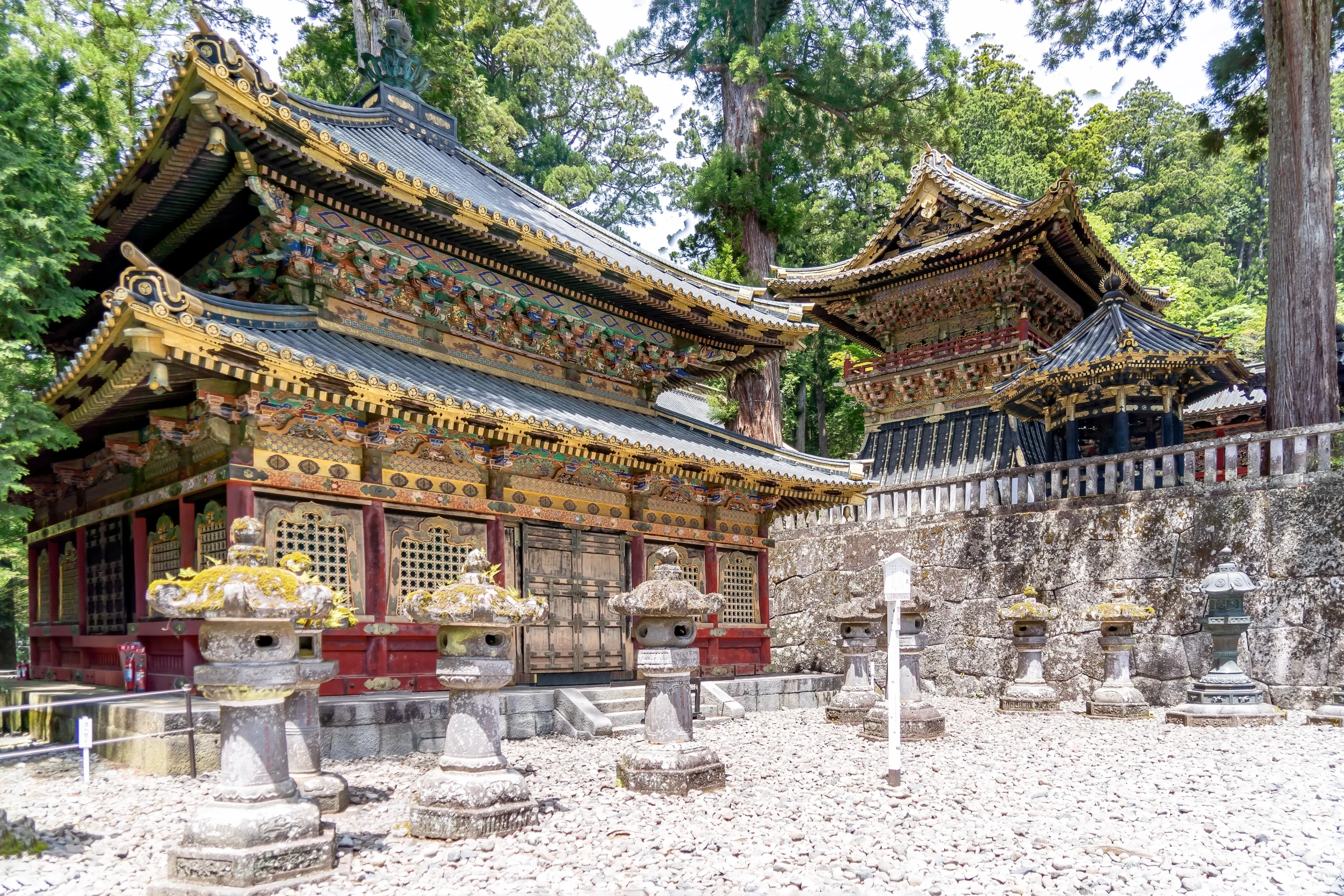
Nikko Toshogu is a place that almost defies description. Tucked away in the mountains of Tochigi Prefecture, it’s a sprawling complex of Shinto shrines and Buddhist temples dedicated to Tokugawa Ieyasu, the founder of the Tokugawa shogunate. But it’s more than just a historical site; it’s a dizzying display of artistry, power, and devotion, set against a backdrop of ancient cedar trees.
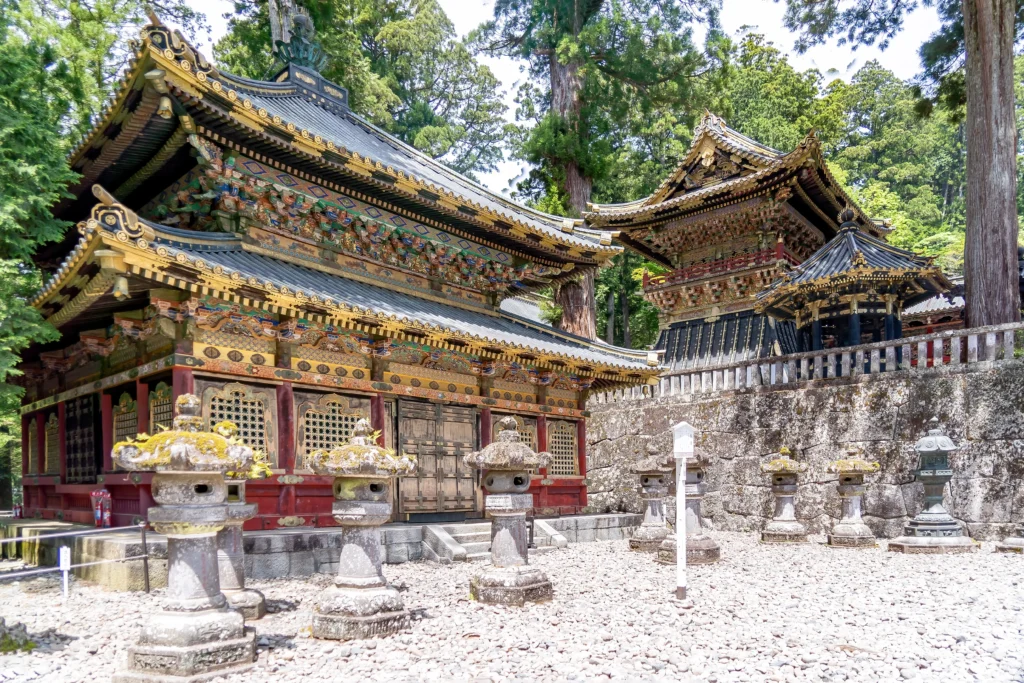
I’d seen the photos, of course. The brilliant colors, the intricate carvings, the sheer scale of it all. But nothing quite prepares you for the feeling of standing there, craning your neck to take in the details on the Yomeimon Gate, with the scent of old wood and damp earth in the air. This guide is for those who want to experience that for themselves, with a clear-eyed view of what to expect.
Overview
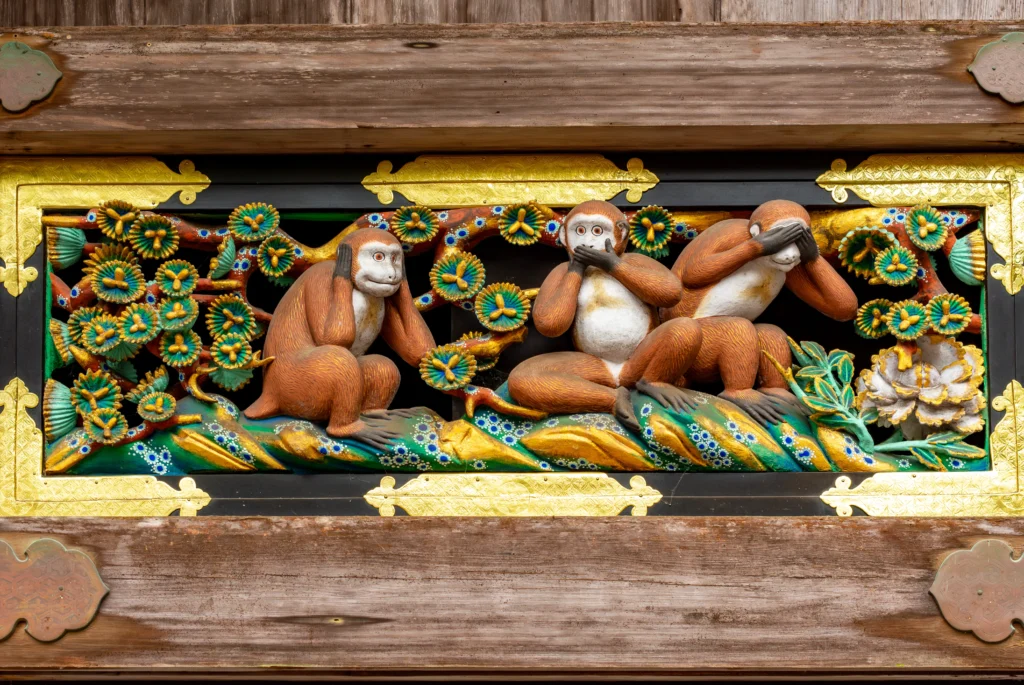
Nikko Toshogu is the mausoleum of Tokugawa Ieyasu. The complex consists of over a dozen buildings set on a forested mountainside. Key structures include the iconic five-story pagoda, the main gate (Yomeimon), the worship hall (Haiden), and Ieyasu’s tomb itself. The buildings are famous for their elaborate wood carvings and lavish use of gold leaf, which stand in stark contrast to the more minimalist style of many other Japanese shrines.
Beyond the main shrine, the area is part of a larger UNESCO World Heritage site that also includes Futarasan Shrine and Rinnoji Temple. The entire area is walkable, connected by stone paths and stairways under a canopy of towering cedar trees.
Why This Place Is Worth Visiting
This place is for travelers who appreciate history, craftsmanship, and the powerful presence of nature. If you are fascinated by the intricate details of traditional Japanese architecture, or if you want to understand the immense power and influence of the Tokugawa shogunate, Toshogu is a compelling destination.
It is not, however, a place for quiet contemplation, at least not during peak hours. The shrine is one of Japan’s most popular tourist destinations and can be very crowded. It’s for those who are willing to navigate the crowds to witness something truly unique. If you are looking for a more serene spiritual experience, the nearby Futarasan Shrine or a visit during the off-season might be more suitable.
How to Get There
Getting to Nikko is straightforward, with several options from major cities.
Nearest Station: The main access point is Tobu Nikko Station, with JR Nikko Station located just a short walk away.
From Tokyo:
•By Tobu Railway: The most direct route is the Limited Express Kegon from Asakusa Station, which takes about 1 hour and 50 minutes. 1
•By JR: From Shinjuku or Tokyo Station, you can take a JR train, though it often requires a transfer at Utsunomiya. The JR Pass is valid on this route. The journey takes about 2 hours. 1
From Tobu Nikko Station, the shrine complex is about 2 kilometers away. You can take a local bus from the station (about a 10-minute ride) or walk. The walk is a pleasant, albeit steady, uphill climb that takes around 30-40 minutes. The path takes you past the iconic Shinkyo Bridge, and the air grows cooler and smells of pine as you ascend.
Costs & Fees
Be prepared for entrance fees, and it’s a good idea to have cash on hand, although major ticket booths now accept cards.
| Ticket Type | Adult / High School | Elementary / Middle School |
| Toshogu Shrine Only | ¥1,600 | ¥550 |
| Set Ticket (Shrine + Museum) | ¥2,400 | ¥870 |
Prices are based on individual entry as of December 2025. Group discounts are available. 2
An audio guide is available for rent for ¥500, offering explanations in English, Chinese, and Japanese. I found it helpful for understanding the symbolism behind the intricate carvings.
Best Time to Visit
Your experience of Nikko will be shaped significantly by when you go.
Season:
•Autumn (mid-October to early November): This is the most popular time to visit. The autumn foliage is spectacular, with the mountainsides turning into a tapestry of red, orange, and gold. However, be prepared for significant crowds. 3
•Spring (April to May): A beautiful time to visit with pleasant weather and cherry blossoms, though it can also be busy.
•Summer (June to August): The rainy season (June to mid-July) sees fewer crowds. The elevation keeps Nikko cooler than Tokyo, making it a good escape from the city heat.
•Winter (December to February): The quietest season. A blanket of snow can add a serene beauty to the shrine complex, but be sure to dress warmly.
Time of Day: To avoid the worst of the crowds, arrive early. The shrine opens at 9:00 AM. If you can get there right at opening, you’ll have at least an hour before the tour buses start to arrive in force. The atmosphere in the early morning, with the low sun filtering through the cedar trees, is something special.
Things to Know Before You Go
•Footwear: Wear comfortable, sturdy walking shoes. The shrine complex is vast, with many stone staircases and uneven paths.
•Accessibility: Nikko Toshogu is not wheelchair accessible. The entire complex is built on a mountainside with numerous steep staircases. Visitors with mobility issues will find it very challenging. 4
•Etiquette: Remember that this is a sacred site. Dress modestly (covering shoulders and knees is a good rule of thumb), speak quietly, and be respectful of worshippers. At the entrance, you will find a water basin (temizuya) for ritual purification; observe others and follow their lead.
•Photography: Photography is generally permitted on the grounds, but there are restrictions inside some of the buildings. Look for signs and be mindful of others.
Nearby Places Worth Adding
1.Futarasan Shrine: Just a short walk from Toshogu, this shrine is much quieter and feels more connected to the surrounding nature. It’s a welcome contrast to the opulence of Toshogu.
2.Rinnoji Temple: Another part of the World Heritage complex, this Buddhist temple offers a different perspective on the religious history of the area.
3.Shinkyo Bridge: This beautiful red-lacquered bridge is one of Nikko’s most famous landmarks. You’ll likely pass it on your way to the shrine. While you can pay a small fee to walk across it, the best views are from the adjacent road.
4.Kanmangafuchi Abyss: A short bus ride or a pleasant walk from the main shrine area, this gorge features a row of Jizo statues lining the river. It’s a peaceful, slightly eerie spot that feels a world away from the crowds.
Where to Stay
Nikko offers a range of accommodation, from traditional ryokan to modern hotels. Staying overnight allows you to explore the area at a more relaxed pace and experience the temples in the quiet morning hours.
For those looking for a traditional Japanese experience, a stay at a ryokan with an onsen (hot spring) is highly recommended. If you’re looking for options, you can find a selection of hotels and ryokan in the Nikko area here. The area around Tobu Nikko Station offers convenience, while more secluded options can be found in the surrounding mountains or near Lake Chuzenji.
Summary
Nikko Toshogu is a place of overwhelming detail and historical weight. It’s a testament to the power of a shogunate that ruled Japan for over 250 years. While the crowds can be intense, a well-planned visit—arriving early, wearing the right shoes, and taking the time to explore the quieter corners of the complex—will reward you with an unforgettable experience. It’s a place that stays with you long after you’ve descended the stone steps and returned to the train station.
Conclusion
Nikko Toshogu is a destination that requires a bit of preparation. Understanding the transportation, costs, and crowd patterns will make your visit much more enjoyable. But more than that, it’s a place that asks for your attention. Look closely at the carvings, feel the cool air under the cedars, and listen to the quiet hum of history that permeates the entire mountain. It is a journey worth taking.
Sources / References
[1] Nikko Toshogu Official Website – Access
[2] Nikko Toshogu Official Website – Hours & Fees
[3] Visit Nikko Official Guide – First-Time Visitors
[4] Accessible Japan – Nikko Toshogu Shrine
Notes & Exceptions
•Information is current as of December 2025, but always check the official website for the latest updates on opening hours, fees, and any closures due to ceremonies or maintenance.
•Crowd levels are highly dependent on the season and time of day. The advice provided is based on general patterns.
•Accessibility is a significant challenge. This is an assumption, but it is unlikely to change given the historical nature of the site.
Certainty Level
High
![Kitain Temple Kawagoe 2026: Edo Castle Rooms & 538 Rakan [With Map]](https://hiddenjapan-gems.com/wp-content/uploads/2026/04/DSC4602-768x432.webp)
[…] hues of autumn give way to a serene world of white. At the heart of this transformation lies Lake Chuzenji (中禅寺湖, Chūzenjiko), Japan’s highest natural lake, which evolves into a breathtaking […]