

Current as of: 2025-12-14 JST
Conclusion
Ouchi-juku is an essential destination for travelers seeking an authentic glimpse into Japan’s Edo period (1603-1867) without the crowds and commercialization of more famous historical sites. It is ideal for history enthusiasts, photographers, cultural explorers, and anyone interested in experiencing traditional Japanese architecture and hospitality. Walking through Ouchi-juku feels like stepping into a time machine—the thatched-roof buildings, narrow streets, and mountain setting create an atmosphere of profound authenticity. This is one of Japan’s most underrated historical destinations, offering an experience that lingers long after your visit.
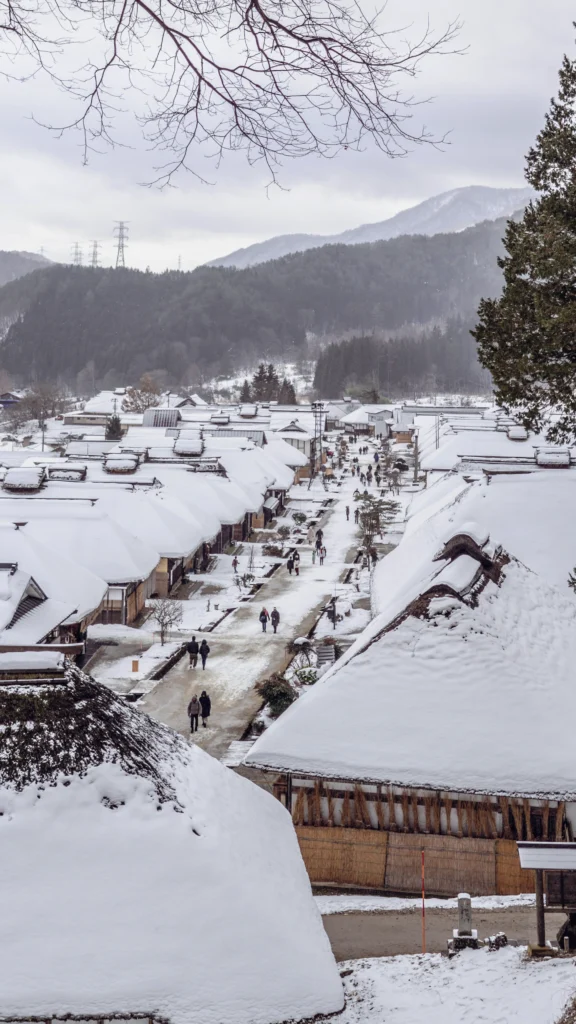
Location Overview
•Name: Ouchi-juku (大内宿)
•Location: Shimogo, Minamiaizu District, Fukushima Prefecture, Tohoku Region
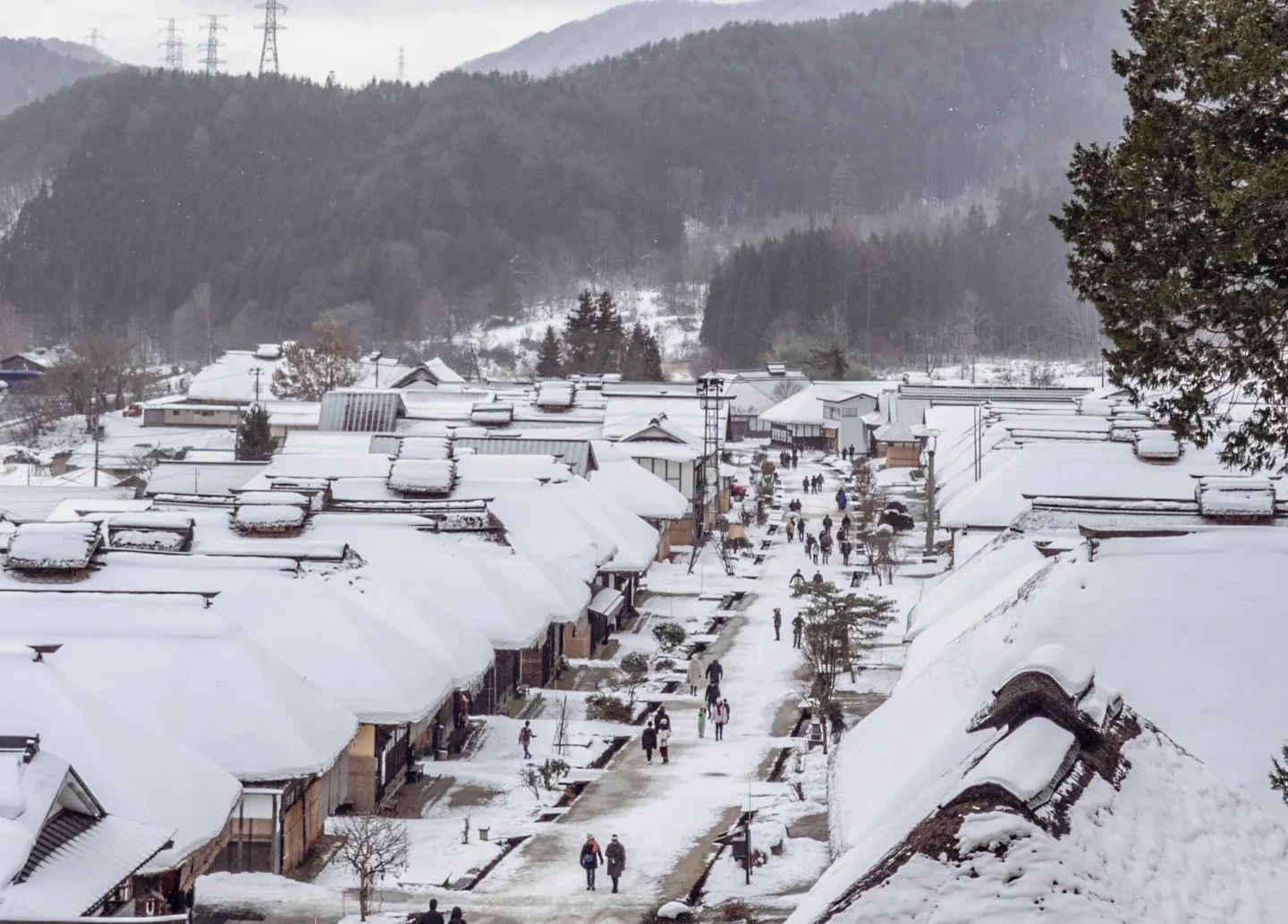
•Atmosphere: Ouchi-juku is a living museum of the Edo period. The village consists of a single main street lined with over 300-year-old thatched-roof buildings, many of which now serve as restaurants, souvenir shops, and traditional inns. The setting is nestled in a mountain valley, with a scenic backdrop that enhances the sense of stepping back in time. Unlike reconstructed historical villages, Ouchi-juku feels genuinely lived-in and authentic.
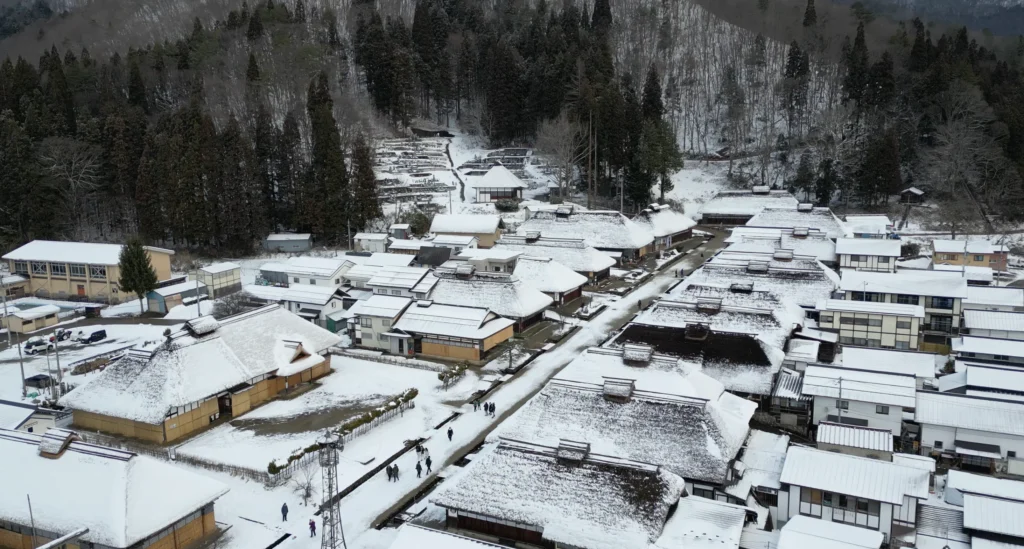
Access
Reaching Ouchi-juku requires a bit of planning, but the journey is straightforward and well-connected to Tokyo.
| Transportation | Details |
| From Tokyo | Recommended Route: Take the Tohoku Shinkansen from Tokyo Station to Koriyama Station (approximately 1 hour 30 minutes). From there, transfer to the Banetsu West Line bound for Aizu-Wakamatsu Station (approximately 1 hour). Then transfer to the Aizu Railway bound for Yunokami Onsen Station. Total journey time from Tokyo is approximately 3 hours. 1 |
| From Yunokami Onsen Station to Ouchi-juku | Bus: A shuttle bus connects Yunokami Onsen Station to Ouchi-juku. The schedule is aligned with train arrivals, but it is essential to check in advance. 1 Taxi: Taxis are available at the station for a more direct route (approximately 20-30 minutes). Rail + Bus Combo Pass: A combined pass is available for ¥2,200 covering both rail and bus transportation. |
| Alternative Route (Local Train) | Take the Joban Line from Tokyo to Kitasenju Station, then transfer to the Tobu Rail Express towards Aizu-Tajima Station. From there, proceed to Ouchi-juku by bus or taxi. |
| By Car | Ouchi-juku is accessible by car from Tokyo (approximately 4 hours via the Chuo Expressway). Parking is available for ¥500 per vehicle (cash only). |
Fees & Hours
Ouchi-juku is remarkably accessible, with free entry to the village and affordable amenities.
•Admission Fee: Free. The village is open to the public at all times, and visitors are welcome to explore the streets and buildings at no charge.
•Operating Hours: The village is accessible 24 hours, though most shops and restaurants open around 8:30 AM.
•Ouchi-juku Townscape Exhibition Hall: ¥250 for adults (admission fee varies for children). This museum displays Edo-period tools, authentic interiors, and historical artifacts.
•Parking: ¥500 for a standard car (cash only).
•Negi-Soba Restaurants: Prices vary, typically ranging from ¥1,000 to ¥1,500 per bowl.
Practical Information for Foreign Travelers
| Aspect | Details |
| English Support | Basic English signage is available at major locations and restaurants. The official Ouchi-juku website has English information. 2 However, detailed explanations in English may be limited at smaller establishments. A translation app is recommended. |
| Payment Methods | Cash is strongly recommended. While some larger restaurants may accept cards, most shops, traditional inns, and the parking facility operate on a cash-only basis. ATMs are available in nearby towns. |
| Photography | Photography is permitted and encouraged throughout the village. The thatched-roof buildings, observation deck, and mountain scenery are highly photogenic. Respect any signage indicating restricted areas within private buildings. |
| Crowdedness | Ouchi-juku can become crowded on weekends and holidays, particularly when tour buses arrive. Weekday visits offer a more peaceful and authentic experience. Early morning visits (before 9:00 AM) are ideal for fewer crowds and better photography light. |
| Footwear | Comfortable walking shoes are recommended. The village streets are uneven in places, and the observation deck requires climbing a steep set of stone stairs. |
| Etiquette | Respect the privacy of residents and the sacred nature of the shrine dedicated to Prince Mochihito. Do not photograph people without permission. Be mindful that some buildings are private residences. |
| Seasonal Considerations | Winter (December-February): Snow creates a picturesque landscape, especially during the Ouchi-juku Snow Festival (second weekend of February). Roads may be icy; check conditions before visiting. Spring (March-May): Cherry blossoms and fresh greenery enhance the village’s beauty. Summer (June-August): The Hange Mid-Summer Festival is held in July; the mountain setting keeps temperatures cool. Autumn (September-November): Clear skies and comfortable temperatures make this an ideal visiting season. |
The Unique Culinary Experience: Negi-Soba
One of Ouchi-juku’s most distinctive features is negi-soba (ねぎ蕎麦), a traditional soba noodle dish that dates back to the Edo period. Unlike typical soba served with chopsticks, negi-soba is eaten with a whole leek as your utensil. You hold the leek in one hand and use it to pick up the noodles, then eat both the noodles and the leek together. This unique method of eating is not merely a gimmick; it reflects the resourcefulness of Edo-period travelers who made use of local ingredients.
The soba is handmade in the village, and the leeks are sourced locally. Several restaurants along the main street serve negi-soba, typically between 10:00 AM and 4:00 PM. Prices range from ¥1,000 to ¥1,500 per bowl. Another local specialty is yakizakana (grilled fish), often served alongside the soba. The combination of fresh, handmade noodles and the interactive dining experience makes negi-soba a memorable highlight of any visit to Ouchi-juku.
Historical Significance
Ouchi-juku was established as a post town along the Aizu-Nishi Kaido (Aizu-West Road), a vital trade route that connected Aizu with Nikko during the Edo period. The town served as a crucial rest stop for feudal lords (daimyo) and their entourages who traveled regularly to Edo (present-day Tokyo) as part of the sankin-kotai system—a requirement that kept regional lords under the shogun’s control.
The town thrived until the Meiji period (1868-1912), when a new national highway was opened and the importance of the Aizu-Nishi Kaido diminished. However, unlike many post towns that were modernized or abandoned, Ouchi-juku has been carefully preserved, maintaining its original character and layout.
A Local Legend: According to local mythology, Prince Mochihito, a member of the imperial family, lived in hiding in Ouchi-juku during the Heian period (794-1185) after losing a battle. The town has a shrine dedicated to him, and this historical connection adds a layer of spiritual significance to the village.
Value of the Stay & Experience
Ouchi-juku is a perfect fit for the “Hidden Japan Gems” collection because it represents an authentic, unvarnished glimpse into Japan’s past. While many historical sites in Japan have been commercialized or reconstructed, Ouchi-juku retains genuine historical integrity. The buildings are original or carefully restored, the streets follow their original layout, and the atmosphere feels genuinely connected to the Edo period.
Why Ouchi-juku is worth visiting:
•Authenticity: This is not a theme park or museum recreation. It is a living village where people still reside and work.
•Photographic Beauty: The thatched-roof buildings, mountain backdrop, and traditional streetscape create stunning visual compositions, especially during sunrise, sunset, and winter.
•Culinary Experience: Negi-soba is a unique gastronomic experience found nowhere else in Japan.
•Solitude: Unlike Kyoto’s famous temples or Tokyo’s Senso-ji, Ouchi-juku offers a peaceful, contemplative experience, especially on weekdays.
•Time Efficiency: A visit to Ouchi-juku typically takes 1-2 hours, making it ideal for travelers with limited time.
Best times to visit:
•Early Morning (7:00-9:00 AM): Arrive before shops open for peaceful photography and fewer crowds.
•Late Afternoon (3:00-5:00 PM): Golden light illuminates the thatched roofs beautifully, and crowds have thinned.
•Winter (December-February): Snow transforms the village into a postcard-perfect scene. The Ouchi-juku Snow Festival (second weekend of February) is a particularly magical time.
•Autumn (September-November): Clear skies, comfortable temperatures, and occasional autumn colors make this the most popular season.
🎯 BOOK YOUR FUKUSHIMA ACCOMMODATION NOW 🎯
Make your Ouchi-juku visit unforgettable by staying in the region! Fukushima offers a range of accommodations, from traditional minshuku (family-run inns) in Ouchi-juku itself to modern hotels in nearby Aizu-Wakamatsu. To find the perfect place to rest and secure the best rates for your dates, click here to search accommodations on Agoda. Agoda offers competitive prices, free cancellation on many properties, and instant confirmation. Book early, especially if visiting during the Snow Festival or peak autumn season.
Cautions & Exceptions
•Winter Hazards: Snow and ice can make roads treacherous during winter. Check weather and road conditions before visiting, and ensure your vehicle (if driving) is equipped for winter driving.
•Bus Schedule Variability: The shuttle bus from Yunokami Onsen Station operates on a limited schedule aligned with train arrivals. Always verify the current schedule before your visit to avoid being stranded.
•Limited Facilities: Restrooms and dining options are concentrated along the main street. Plan accordingly, especially if visiting with children.
•Crowding on Weekends: Tour buses often arrive on weekends and holidays, significantly increasing visitor numbers. Weekday visits are strongly recommended for a more authentic experience.
•Cash-Only Payments: Most facilities operate on a cash-only basis. Bring sufficient Japanese yen, as ATMs may not be readily available in the village itself.
•Steep Stairs: The observation deck requires climbing a steep set of stone stairs. Those with mobility issues should be aware of this challenge.
Sources & References
[1] japan.travel (Ouchi-juku) –
[2] Ouchi-juku Official Website –
[3] Fukushima Travel (Getting to Ouchi-juku) –
[4] Google Maps (Ouchi-juku) –
[5] ANA Japan Travel Planner (Ouchi-juku) –
Certainty
Certainty: High
Reason: Information is sourced from official government tourism websites, the JNTO (Japan National Tourism Organization), and verified travel guides. Historical background is documented in multiple credible sources. Access, fee, and operational information has been cross-referenced with recent visitor reports and official websites.
Join 1,000+ travelers discovering Japan's hidden side
Weekly dispatches from off-the-beaten-path Japan — spots and stories you won't find in guidebooks.
No spam. Unsubscribe anytime.
Welcome aboard!
You're in. See you in your inbox soon.