

Current as of: 2025-12-14 JST
Conclusion
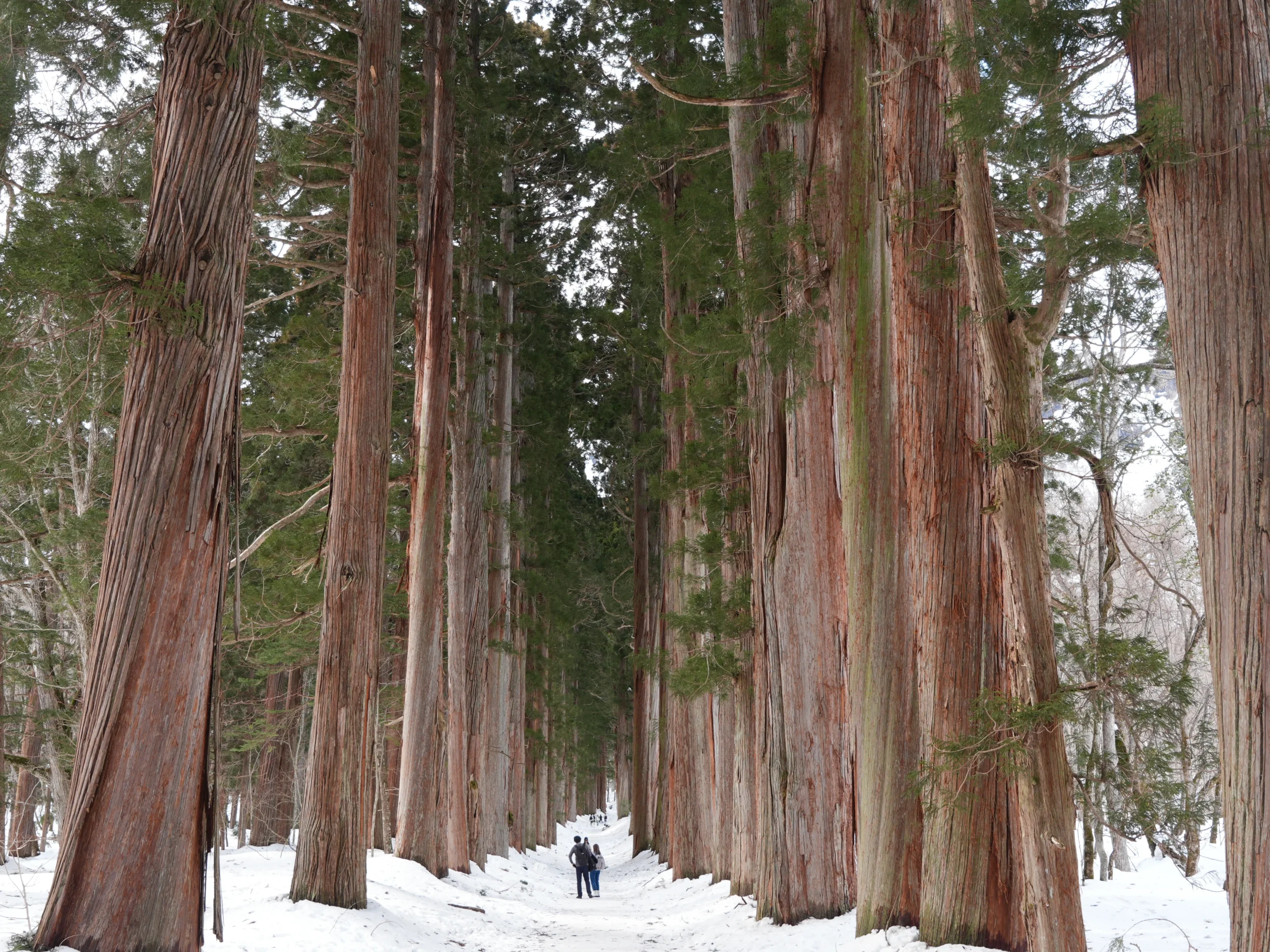
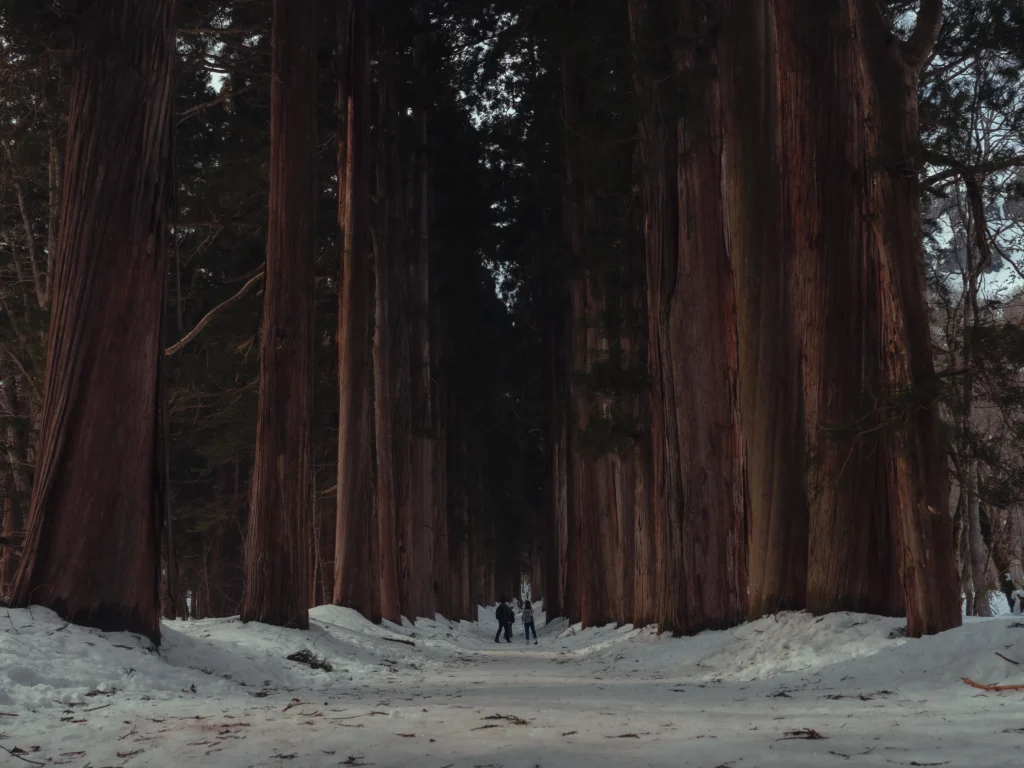
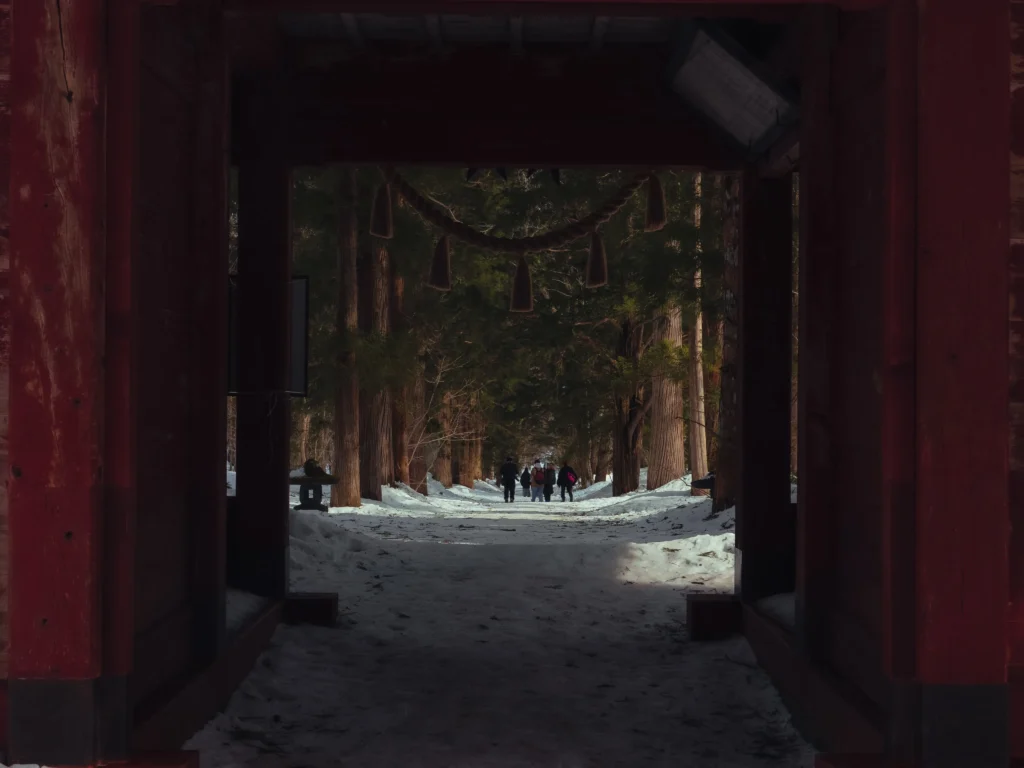
Togakushi Shrine is an essential destination for travelers seeking spiritual depth, natural beauty, and a connection to Japanese mythology. It is particularly suited for hikers, photographers, cultural enthusiasts, and anyone interested in experiencing Japan’s sacred mountain shrines away from the crowds. The towering cryptomeria (Japanese cedar) trees that line the approach to the upper shrine create an atmosphere of profound reverence and tranquility. Unlike the crowded temples of Kyoto or Tokyo, Togakushi offers an intimate encounter with nature and spirituality that resonates long after your visit.
Location Overview
•Name: Togakushi Shrine (戸隠神社, Togakushi Jinja)
•Location: Northwest of Nagano City, Nagano Prefecture, Chubu Region
•Composition: The shrine consists of three separate sanctuaries: the Lower Shrine (下社), Middle Shrine (中社), and Upper Shrine (奥社)
•Atmosphere: Togakushi is a place where ancient mythology meets pristine nature. The forested mountainside, the solemn presence of centuries-old cedar trees, and the spiritual significance of the shrines combine to create an environment that feels removed from the modern world. The experience is meditative and deeply respectful.
Access
Reaching Togakushi requires a journey into the mountains, but the route is straightforward and well-served by public transportation.
| Transportation | Details |
| From Tokyo | Option 1 (Fastest): Take the Hokuriku Shinkansen from Tokyo Station to Nagano Station (approximately 1 hour 20 minutes to 1 hour 40 minutes). 1 Option 2 (Alternative): Take the Chuo Expressway by car (approximately 4 hours). |
| From Nagano Station to Togakushi Shrines | Express Tourist Bus: Alpico Bus operates express buses every hour between Nagano Station and the three Togakushi shrines. The journey takes just under 1 hour and costs ¥2,000 one way. Seat reservations should be made in advance online or at the Alpico Bus ticket office at Nagano Station, though boarding without reservation is possible if seats are available. 1 Bus between the three shrines: A separate bus operates hourly between the Lower, Middle, and Upper shrines for ¥400 per ride. |
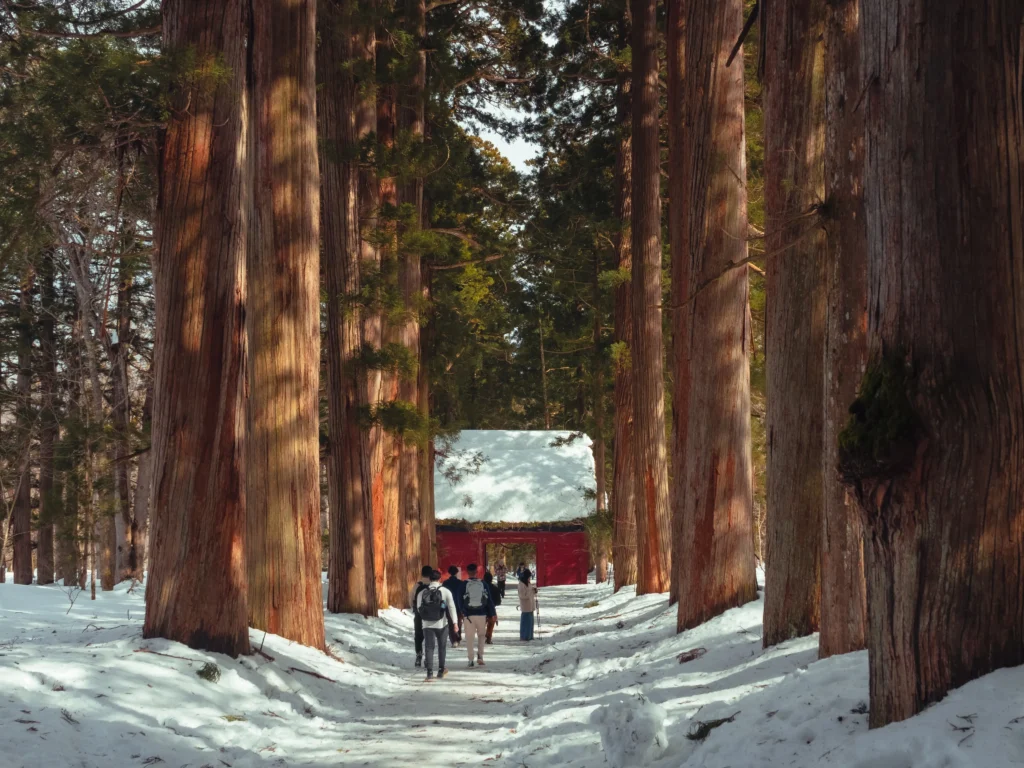
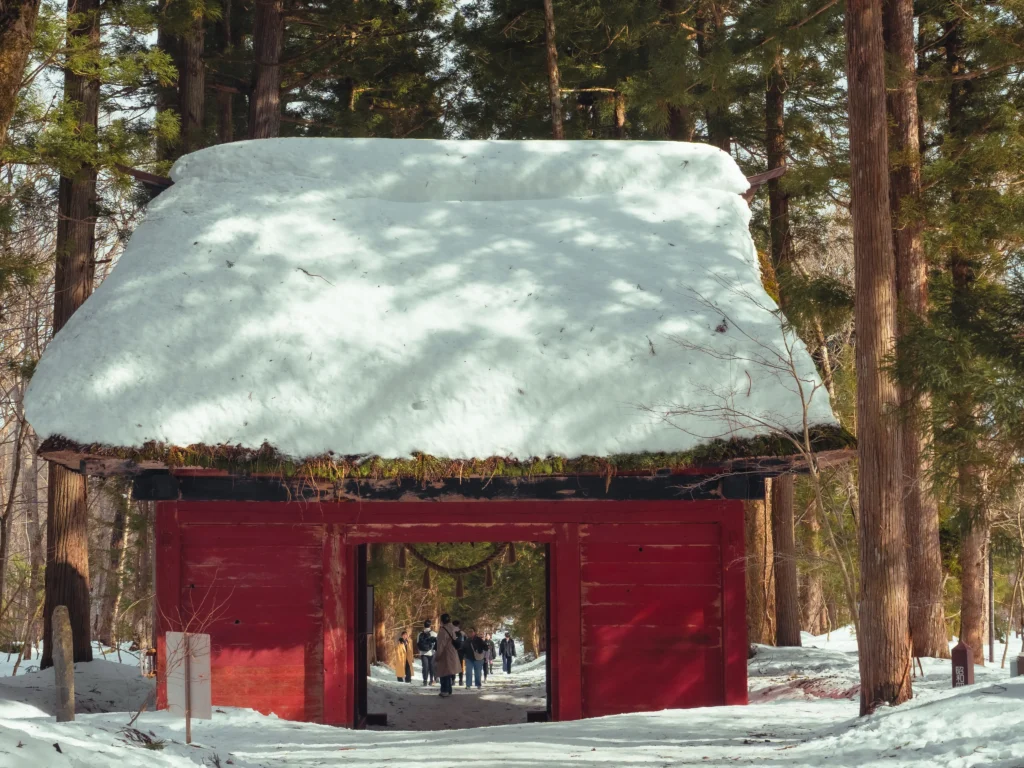
| From Bus Stop to Upper Shrine (Okusha) | Walking: From the Togakushi Okusha bus stop, the approach to the upper shrine is approximately 2 kilometers (1.2 miles) on foot. The path is lined by over 300 towering cryptomeria trees and includes the historic Zuishinmon Gate. The walk typically takes 30 to 60 minutes depending on fitness level and pace. 2 |
| Hiking Alternatives | From Middle Shrine (Chusha) to Upper Shrine: Approximately 2 kilometers, 30-60 minutes. From Lower Shrine (Hokosha) to Upper Shrine: Approximately 5.5 kilometers, 2.5 hours (moderately challenging). Via Kagamiike (Mirror Pond): A scenic alternative route offering beautiful reflections of the surrounding mountains. |
Fees & Hours
One of Togakushi’s greatest appeals is its accessibility and lack of commercial barriers.
•Admission Fee: Free. All three shrines are open to the public at no charge.
•Operating Hours: Always open. The shrines have no closing days or restricted hours, allowing visitors to experience them at any time, including sunrise and sunset.
•Bus Fare: ¥2,000 one way from Nagano Station to Togakushi shrines (express tourist bus). 1
•Inter-shrine Bus: ¥400 per ride between the three shrines.
•Related Attractions: The Togakure Ninpo Museum (near the upper shrine entrance) and Kids Ninja Village (near the middle shrine) are nearby but operate on separate schedules and may have admission fees.
Practical Information for Foreign Travelers
| Aspect | Details |
| English Support | Basic English signage is available at major locations. The official Togakushi Shrine website has English information. 3 However, detailed explanations in English may be limited at smaller facilities. A translation app is recommended. |
| Payment Methods | Cash is recommended. While the express bus from Nagano Station may accept cards, most facilities and shops in the shrine area operate on a cash-only basis. ATMs are available at Nagano Station and in the town of Togakushi. |
| Photography | Photography is permitted and encouraged throughout the shrine grounds. The cryptomeria-lined approach and the Zuishinmon Gate are particularly photogenic. Respect any signage indicating restricted areas. |
| Footwear & Clothing | Proper hiking boots or sturdy shoes are essential. Multiple reviews emphasize the importance of appropriate footwear, as the stone steps and forest paths can be uneven and slippery, especially in wet or icy conditions. Bring layers, as mountain weather can change rapidly. |
| Crowdedness | Togakushi is significantly less crowded than major tourist shrines. Early morning visits (sunrise) and weekday visits offer the most peaceful experience. Late afternoon visits provide beautiful golden light for photography. |
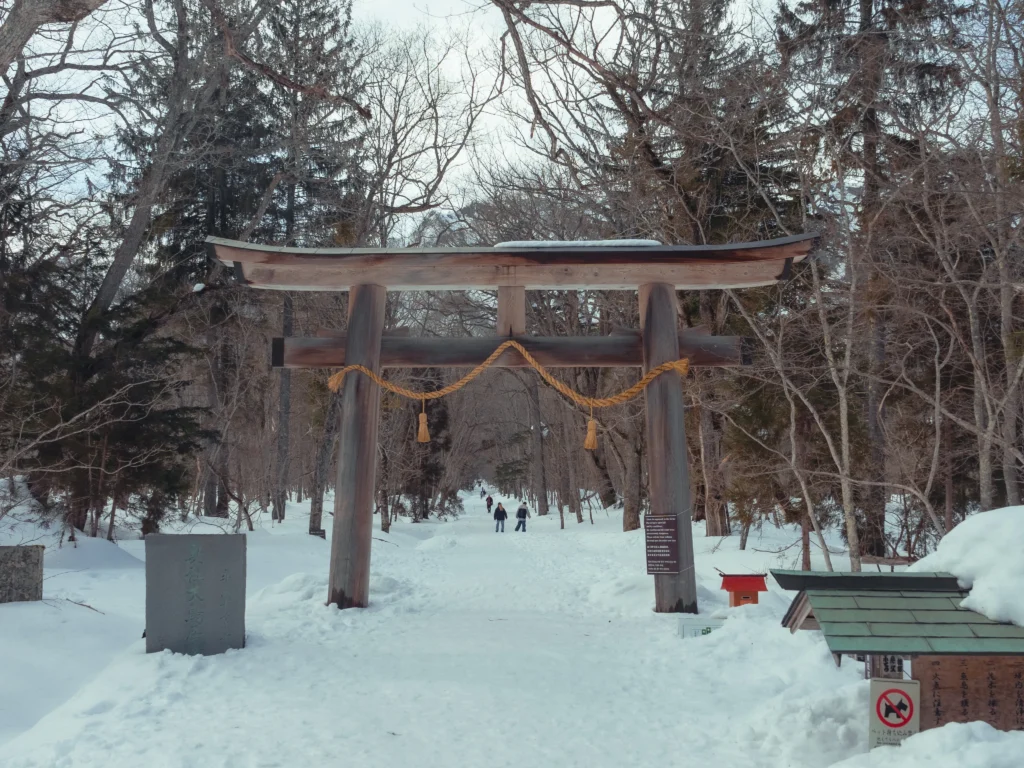
| Etiquette | Respect the sacred nature of the shrine. Bow before passing through torii gates. Do not touch or lean against the ancient cedar trees. Stay on designated paths. Observe silence and mindfulness as you walk through the forest. |
| Seasonal Considerations | Spring (March-May): Fresh green foliage, mild weather. Summer (June-August): Cool mountain air, lush forest. Autumn (September-November): Clear skies, comfortable temperatures, occasional autumn colors. Winter (December-February): Snow and ice may make paths hazardous; check conditions before visiting. Rime frost on the cedars creates a magical frozen landscape. |
The Mythology Behind Togakushi
Understanding the legend enriches your visit. According to Japanese mythology, the Sun Goddess (Amaterasu) hid herself in a cave after her brother misbehaved, plunging the world into darkness. The other deities performed spectacular dance performances to lure her out. As she peeked from the cave, one deity grabbed the stone door and threw it away to prevent her from hiding again. That stone door flew all the way to Togakushi in Nagano Prefecture, which is how the area got its name—”Togakushi” literally means “hiding door.”
The upper shrine (Okusha) worships the deity who threw the stone door, while the middle shrine (Chusha) enshrines the deity who organized the dance performances. This mythological connection gives spiritual significance to every step of your journey through the shrine.
Value of the Stay & Experience
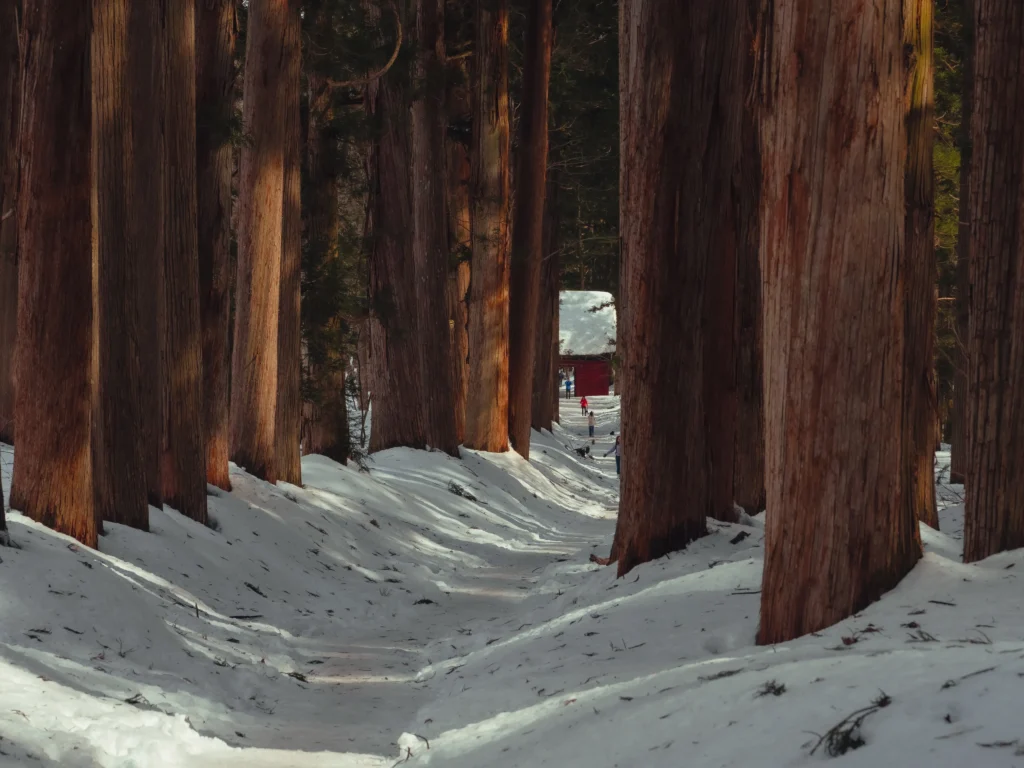
Togakushi Shrine is a perfect fit for the “Hidden Japan Gems” collection because it represents the spiritual heart of Japan—a place where ancient tradition, natural beauty, and mythology converge. The cryptomeria-lined approach is not merely a path; it is a passage through time and consciousness. Each of the 300+ towering trees has stood for centuries, witnessing countless pilgrims and seasons.
Why Togakushi is worth visiting:
•Spiritual Depth: Unlike many tourist-oriented shrines, Togakushi maintains an authentic spiritual atmosphere. You are not simply visiting a historical site; you are participating in a 2,000-year-old tradition.
•Natural Beauty: The cryptomeria forest is a masterpiece of nature. The towering trees create a cathedral-like canopy, filtering sunlight into a soft, ethereal glow.
•Solitude: The shrine is far less crowded than Kyoto’s Fushimi Inari or Tokyo’s Meiji Shrine, allowing for genuine contemplation.
•Mythological Connection: Walking the path with knowledge of the legend deepens the experience immeasurably.
Best times to visit:
•Sunrise: Arrive early to experience the shrine as the first light touches the cedars. The atmosphere is transcendent.
•Late afternoon (4:00-6:00 PM): Golden light filters through the trees, creating dramatic shadows and warm tones ideal for photography.
•Autumn (September-November): Clear skies, comfortable temperatures, and the occasional autumn colors make this the most popular season.
•Winter: If snow and ice do not deter you, the rime frost clinging to the cedars creates an otherworldly landscape.
🎯 BOOK YOUR NAGANO ACCOMMODATION NOW 🎯
Make the most of your Togakushi visit by staying nearby! Nagano offers a range of accommodations, from traditional ryokans with mountain views to budget-friendly hostels. To find the perfect place to rest after your shrine visit and secure the best rates for your dates, click here to search accommodations on Agoda. Agoda offers competitive prices, free cancellation on many properties, and instant confirmation. Book early, especially if visiting during peak seasons (autumn and New Year).
Cautions & Exceptions
•Winter Hazards: Snow and ice can make the paths treacherous. Check weather and trail conditions before visiting in winter. Proper footwear is essential year-round.
•Physical Fitness: While the walk to the upper shrine is not extremely strenuous, it does involve uphill walking and stone steps. Those with mobility issues should consider the shorter routes or the bus option between shrines.
•Limited Facilities: Facilities such as restrooms and restaurants are concentrated at the middle shrine. Plan accordingly if visiting the upper shrine.
•Bus Schedule: Express buses run hourly, but schedules may change seasonally. Verify current schedules before your visit.
•Mythological Sensitivity: Togakushi is a sacred place. Approach with respect and mindfulness, not merely as a tourist attraction.
Sources & References
[1] japan-guide.com (Togakushi Shrine) –
[2] Helena Bradbury (Togakushi Hike: A guide to the Togakushi shrine walk) –
[3] Togakushi Shrine Official Website –
[4] Google Maps (Upper Togakushi Shrine) –
[5] AllTrails (Togakushi Shrine: Okusha – Chusha) –
Certainty
Certainty: High
Reason: Information is sourced from official shrine websites, verified travel guides, and current operational data. The mythological background is documented in multiple credible sources. Access and fee information has been cross-referenced with recent visitor reports.
Join 1,000+ travelers discovering Japan's hidden side
Weekly dispatches from off-the-beaten-path Japan — spots and stories you won't find in guidebooks.
No spam. Unsubscribe anytime.
Welcome aboard!
You're in. See you in your inbox soon.