

New Year’s Greeting
明けましておめでとうございます。
In Japan, we say:
“Akemashite omedetō” = Happy New Year
“Kotoshi mo yoroshiku onegaishimasu” = Let’s have a good year together
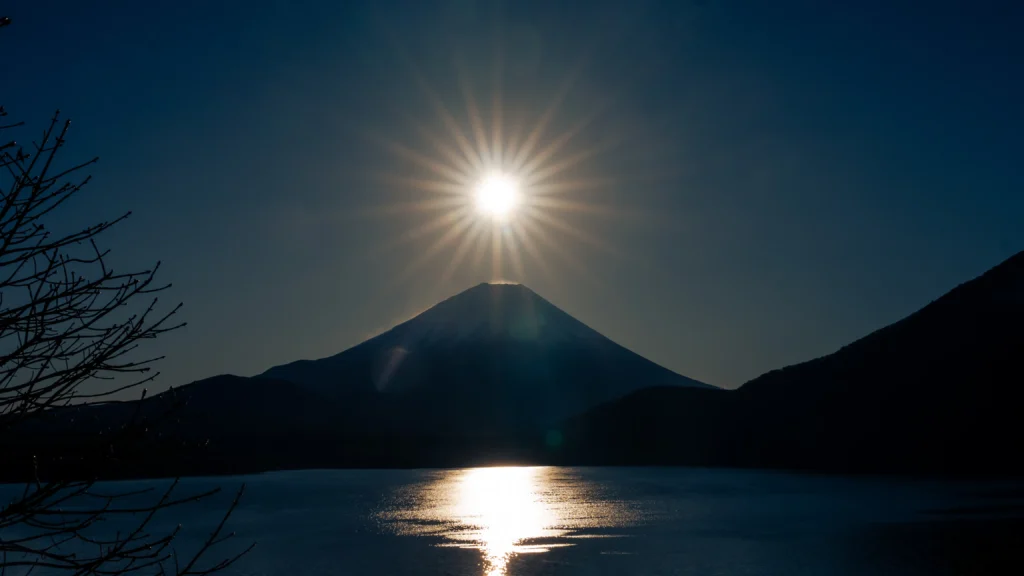
This year, I made a quiet resolution. Not to chase something new, but to reconnect with what has always been here.
The tradition of hatsumode—the first shrine visit of the year—felt like the right place to start. I wanted to be part of something older than myself, something that my grandparents did, and their grandparents before them. So on the morning of January 1st, I made my way to Ookunitama Shrine in Fuchu.
What Is Ookunitama Shrine?
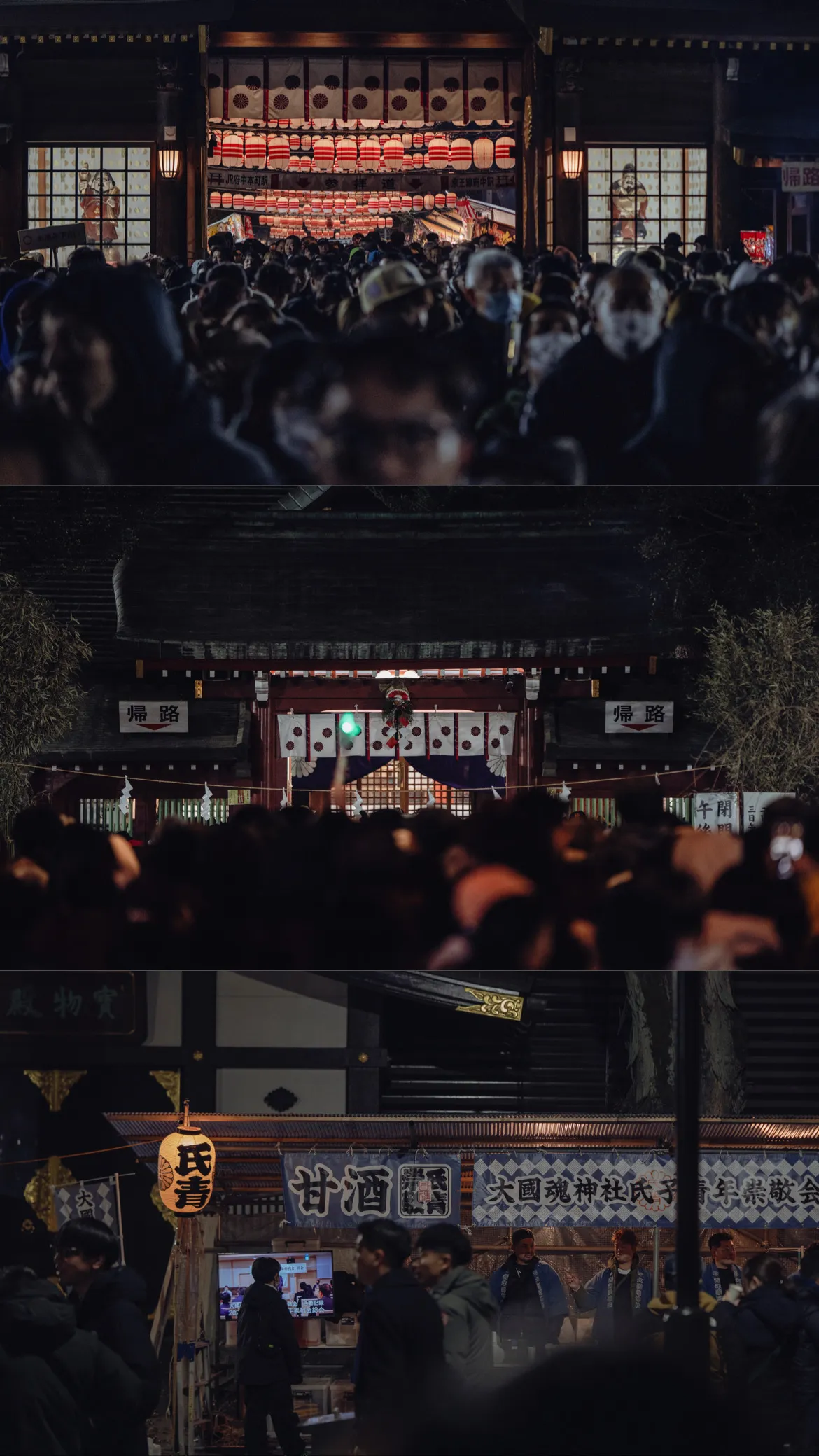
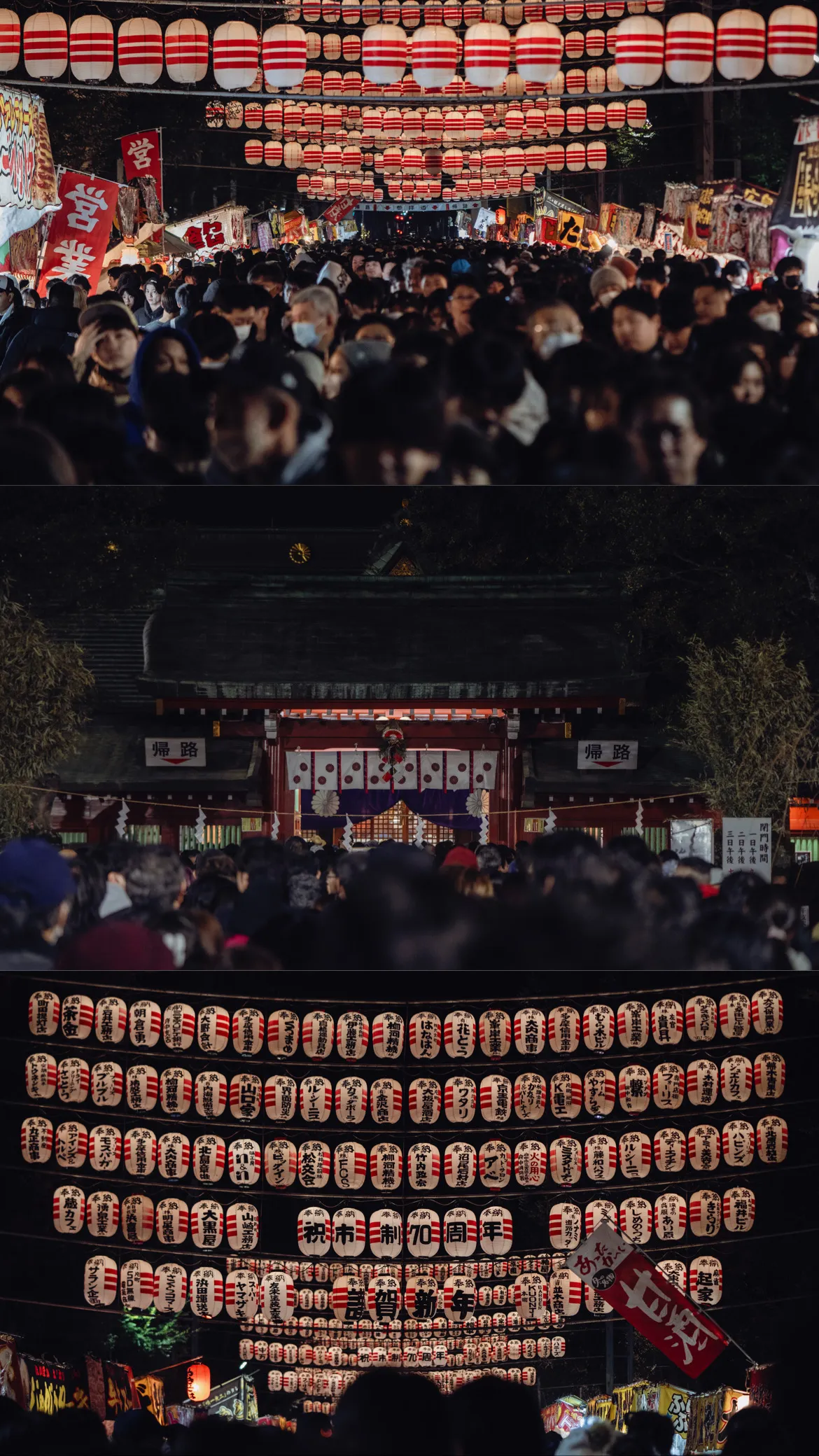
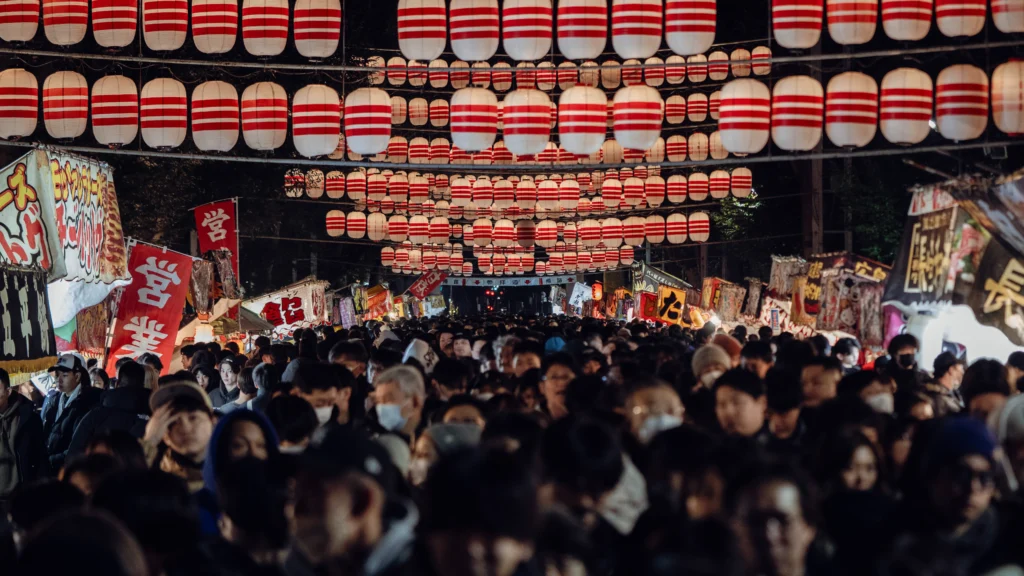
Ookunitama Shrine sits in Fuchu, a city that many Tokyo residents pass through without really seeing. The shrine itself is not flashy. It is a large, quiet complex with a history stretching back nearly two thousand years. The main deity, Ookunitama-no-Okami, is the guardian god of the old Musashi Province—the region that became Tokyo, Saitama, and parts of Kanagawa. On ordinary days, it is a place for locals to pray for small, practical things: good health, safe travel, steady work. On New Year’s Eve and New Year’s Day, it becomes something else entirely.
Why I Went at 12:30 AM
I arrived at the shrine at 12:30 AM on January 1st. This is not the time most people think of for hatsumode. The crowds are smaller, but the energy is different. There is a quietness to it, a sense of intention. People are not there for the festival atmosphere or the food stalls. They are there because the calendar has turned, and something inside them feels the need to acknowledge it.
The walk from Fuchu Station at that hour was strange. The streets were nearly empty, but the direction was clear. Other people, moving in the same direction, made the path obvious. There was no need to ask for directions.
The Experience of Waiting
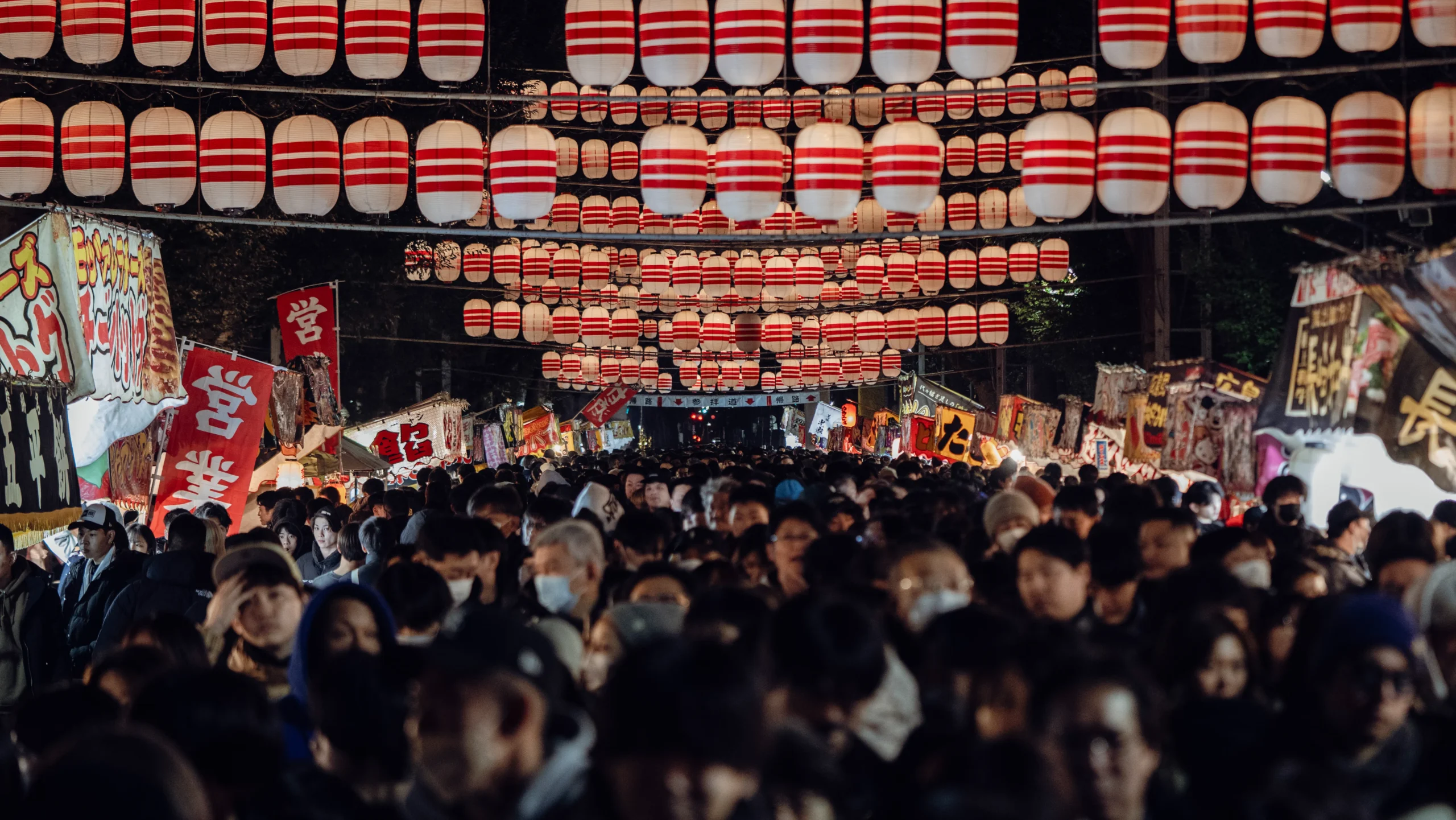
At 12:30 AM, the line to pray was already long. Not crowded in the sense of chaos, but long in the sense of patience. I stood for about forty minutes before reaching the main prayer hall. The cold was real—the kind of January cold that makes you understand why people wear layers. Around me, people were quiet. Some were praying silently. Some were thinking. No one was taking photographs.
When my turn came, the ritual was simple. Two bows, two claps of the hands, a moment to make a wish, and one final bow. The priest did not rush me. The people behind me did not rush me. There was time for this.
What Physically Exists Here
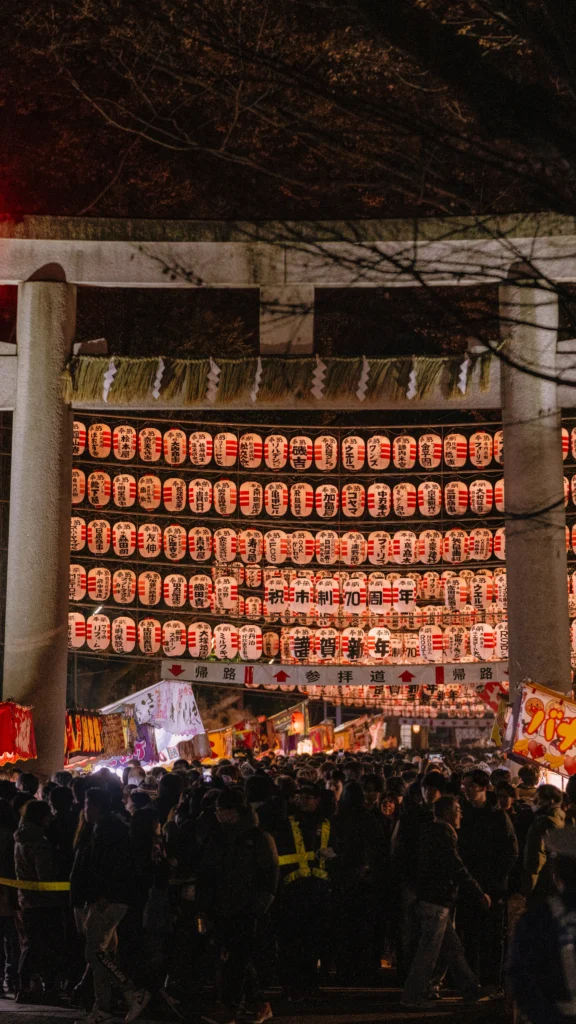
The shrine grounds are spacious. The main hall is traditional in design, with a steep roof and dark wood. There are smaller shrines scattered throughout the grounds—places dedicated to different aspects of protection and blessing. The torii gate at the entrance is substantial, made of wood, and marks a clear boundary between the street and the sacred space.
On New Year’s Eve and New Year’s Day, the grounds are lined with temporary stalls. These sell omamori (protective amulets), omikuji (fortune slips), and food. By 12:30 AM, most of the stalls were still open, though the crowds had not yet arrived. The smell of grilled squid and sweet sake filled the air.
How to Get There
The shrine is located between two train stations, both of which serve it equally well.
| Transportation | Station | Walking Time to Shrine |
| Keio Line | Fuchu Station | 5 minutes |
| JR Nambu Line | Fuchu-Honmachi Station | 5 minutes |
| JR Musashino Line | Fuchu-Honmachi Station | 5 minutes |
From Tokyo or Shinjuku, the Keio Line is direct and takes about 30 minutes. The walk from the station to the shrine is flat and straightforward. Even at midnight, the path is lit and safe.
Costs & Fees
•Shrine Entry: Free
•Prayer Offering (Saisen): Your choice. A 5-yen coin is considered lucky because the word for five (go) sounds like the word for luck (go-en).
•Omikuji (Fortune Slip): ¥100 – ¥200
•Omamori (Amulets): ¥500 – ¥2,000
•Food Stalls: ¥500 – ¥1,000 per item
Bring cash. The stalls and smaller shrines do not accept cards.
Best Time to Visit
The shrine is open 24 hours on New Year’s Eve and New Year’s Day. The experience changes depending on when you go.
•For a quieter, more meditative experience: Visit between midnight and 3:00 AM on January 1st. The crowds are smaller, and the atmosphere is more introspective.
•For the full festival atmosphere: Visit between 10:00 AM and 3:00 PM on January 1st. The stalls are fully open, the crowds are larger, and the energy is celebratory.
•To avoid the peak entirely: Come on January 2nd or 3rd. The crowds are much smaller, but the sense of occasion is still present.
Things to Know Before You Go
•The Ritual is Simple: If you have never done this before, do not worry. Watch the person in front of you. The pattern is always the same: bow, clap, pray, bow.
•Bring Cash: Not just for offerings, but for everything. The food stalls, the amulets, the fortune slips—all cash only.
•Dress Warmly: January is cold. Standing in line for thirty to sixty minutes means you will feel it. Layers are essential.
•The Crowd is Orderly: Even when there are thousands of people, the flow is calm and respectful. There is no pushing. Police and shrine staff manage the line gently.
•Bring a Coin: A 5-yen coin is ideal for the offering, but any coin works. The amount does not matter.
Nearby Places Worth Adding
The Keyaki Namiki (zelkova tree-lined avenue) connects Fuchu Station to the shrine and is pleasant to walk, especially in daylight. If you have time, the Fuchu City Museum is nearby and offers a quiet look at local history.
Where to Stay
Fuchu is a residential city, not a tourist destination. For a visitor, it makes sense to stay in a major hub and visit as a day trip. Shinjuku is the most convenient base, with direct access via the Keio Line. From Shinjuku, you can reach countless other Tokyo attractions.
Hotels in Shinjuku range from luxury high-rises to practical business hotels. For a New Year’s visit, booking ahead is essential—rooms fill quickly.
•Daiwa Roynet Hotel Tokyo-Shinjuku: A reliable choice with an 8.1/10 rating, located near the station and offering good value.
•Hotel Villa Fontaine Grand Haneda Airport: With an 8.9/10 rating, this is an excellent option if you are flying in or out of Haneda and want a high-quality stay.
→ Search for hotels in Shinjuku on Agoda
Summary
Visiting Ookunitama Shrine at 12:30 AM on New Year’s Day was quieter than I expected, but more meaningful because of it. The ritual itself is brief—perhaps five minutes at the altar. The waiting, the cold, the sense of joining something larger than myself—that is where the experience lives. It is not a tourist activity. It is a practice, something people do because they have always done it, and because it matters.
Conclusion
For those living in Tokyo or visiting during the New Year period, hatsumode at Ookunitama Shrine is worth experiencing. It requires patience and tolerance for cold, but it offers something that cannot be found in guidebooks: a direct encounter with a living Japanese tradition. The shrine is not famous among foreign travelers, but that is part of its value. It remains a place for locals, a place where the calendar turning is still treated as something sacred.
Sources / References
•[1] Ookunitama Shrine Official Website
Notes & Exceptions
•Crowd levels vary by time and year. Be prepared for waits of 30-60 minutes during peak hours.
•The shrine is open 24 hours on December 31st and January 1st only. On other dates, standard opening hours apply.
•Information about amulets and offerings is based on standard practices and may vary slightly.
Certainty Level
High.
Join 1,000+ travelers discovering Japan's hidden side
Weekly dispatches from off-the-beaten-path Japan — spots and stories you won't find in guidebooks.
No spam. Unsubscribe anytime.
Welcome aboard!
You're in. See you in your inbox soon.