
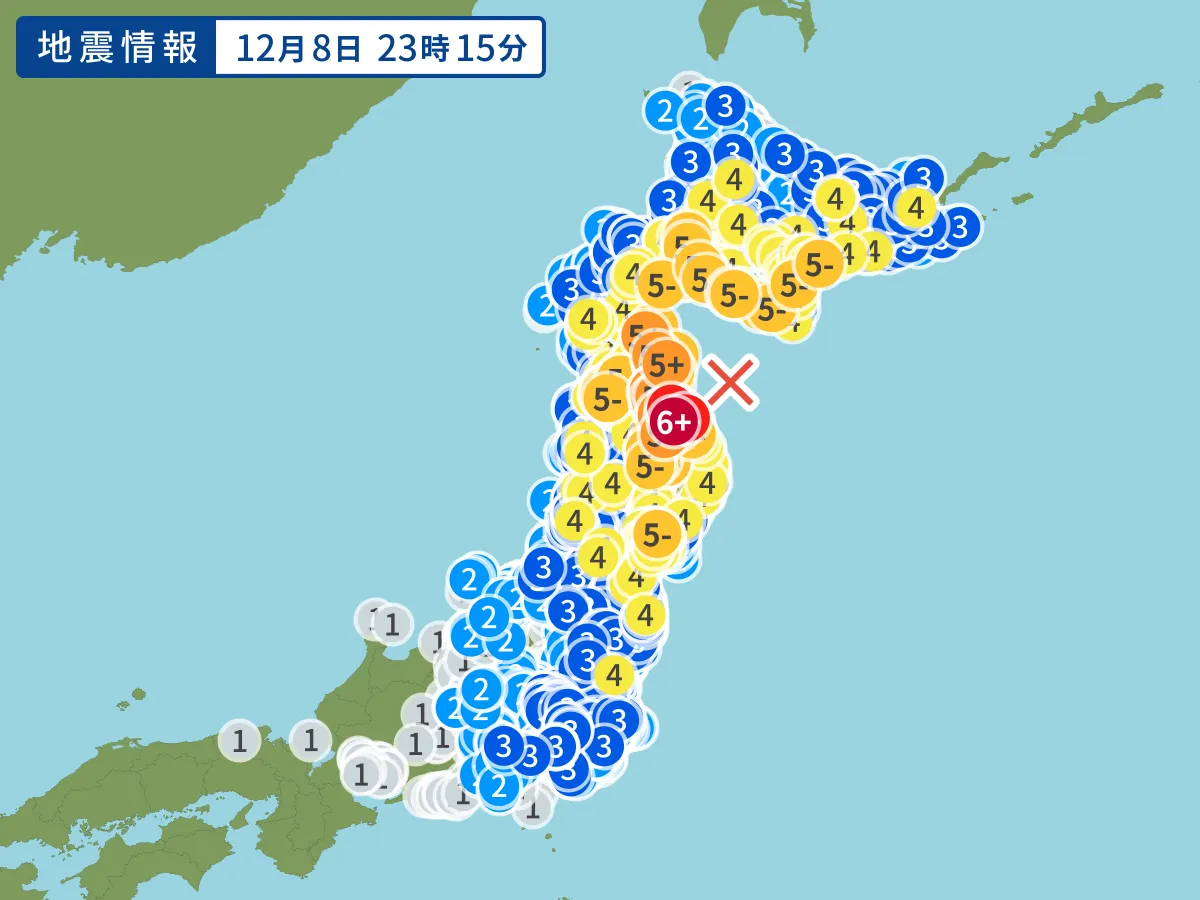

This article provides practical, essential actions for foreign travelers in Japan during an earthquake or typhoon. It is not a comprehensive local manual but a focused guide on immediate safety, information sources, and decision-making when your travel plans are disrupted. The goal is to help you stay safe and make informed choices during an emergency.
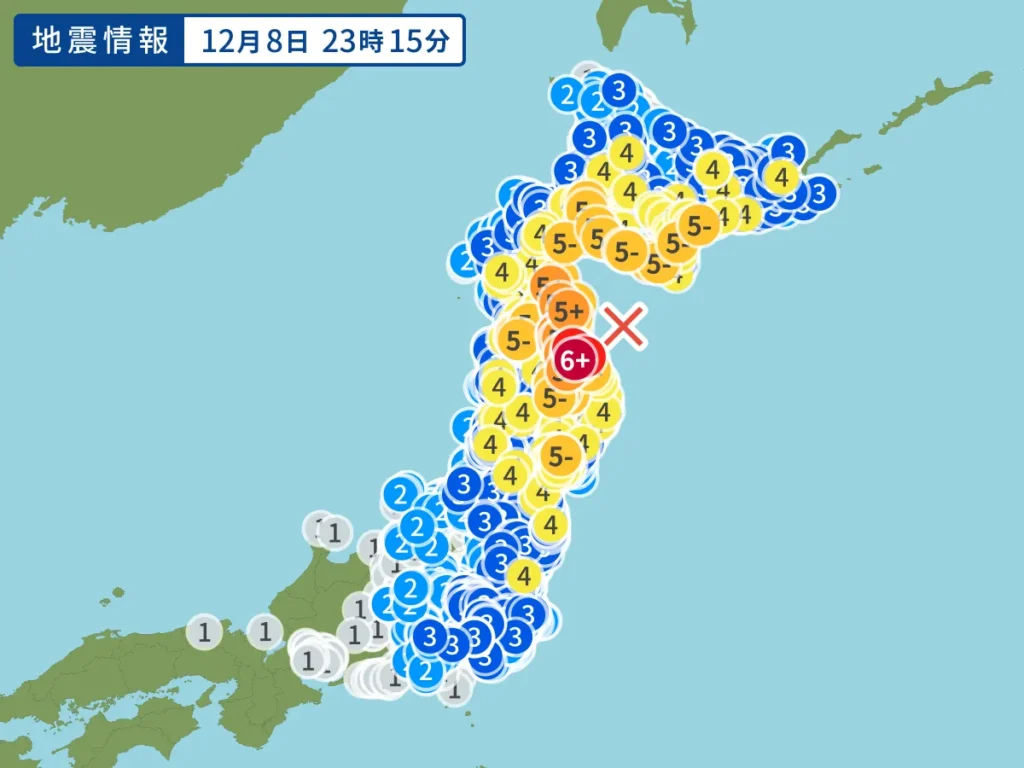
What This Article Explains
This guide explains the fundamental differences between preparing for an earthquake and a typhoon, and the specific actions you must take for each. We will cover the most reliable English-language information sources, what to do when transportation stops, and how to handle accommodation changes. This is a manual for what to do in the moment, focusing on the practical challenges a traveler faces.
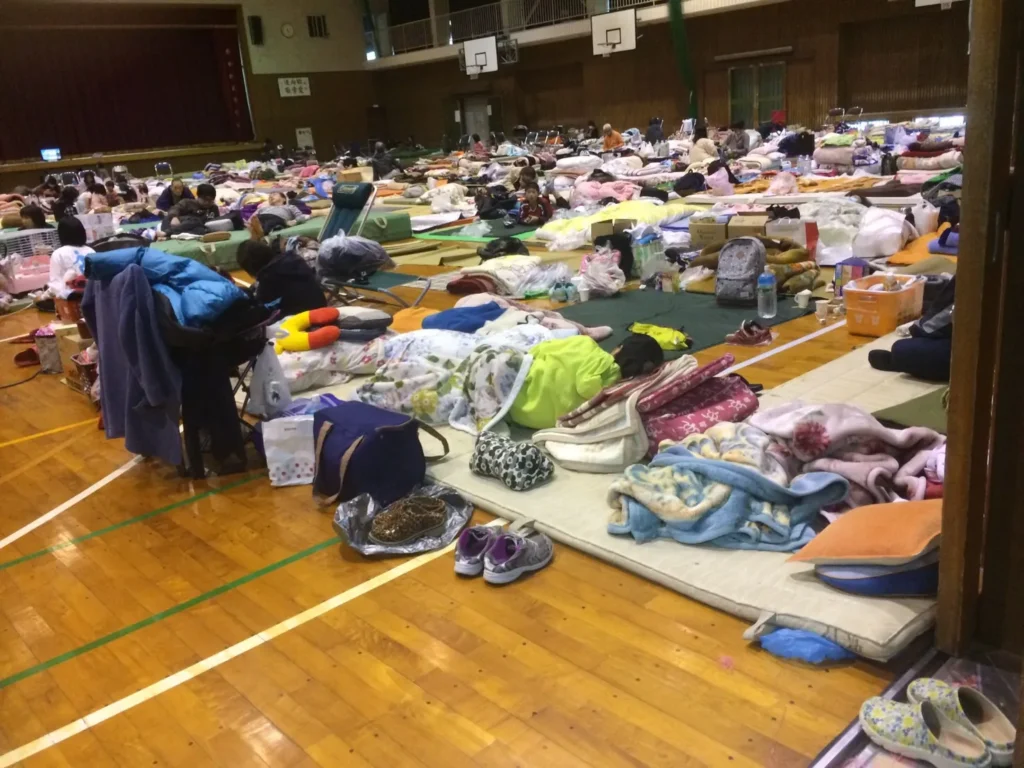
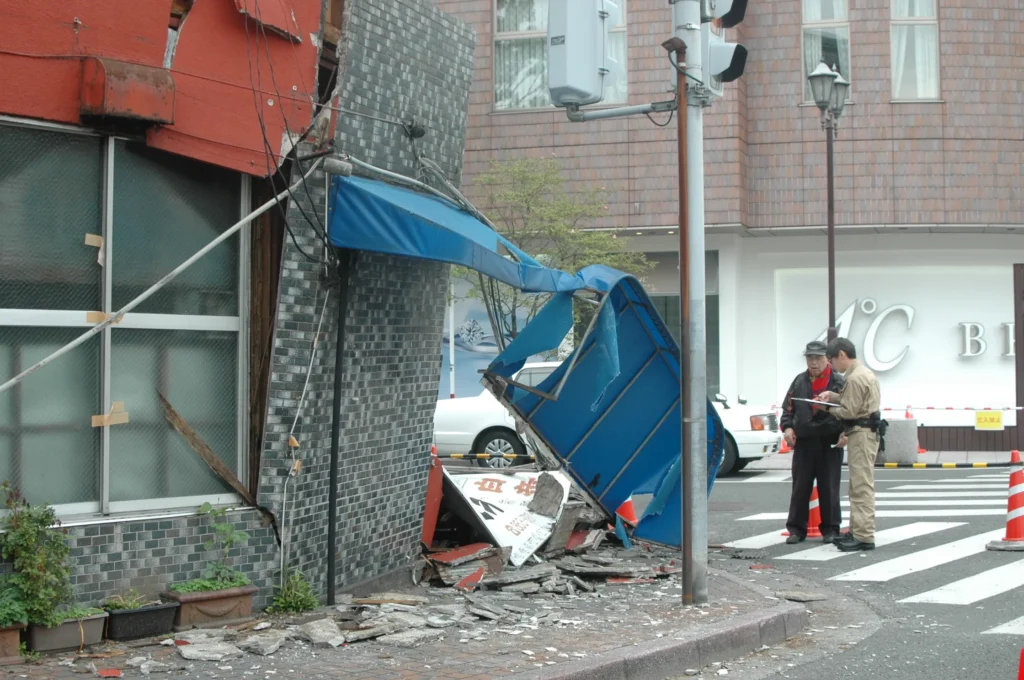
First Actions: What to Do Immediately for Safety
Your immediate response should differ depending on whether you are facing an earthquake or a typhoon. Earthquakes happen without warning, while typhoons are forecasted days in advance. Understanding this difference is critical to your safety.
| Disaster | Key Action & Location | Explanation |
| Earthquake | Indoors: Drop, Cover, Hold. | Stay inside. Drop to the ground, take cover under a sturdy table, and hold on. Modern Japanese buildings are earthquake-resistant; it is safer to stay inside than to run out into falling debris 1. |
| Outdoors: Move to an open space. | Move away from buildings, utility poles, and anything that could fall. Protect your head with your bag. | |
| Typhoon | Indoors: Stay away from windows. | Typhoons bring strong winds and heavy rain. Stay inside your hotel or a secure building. The main danger is from flying debris and flooding, not the building collapsing. |
| Outdoors: Seek shelter immediately. | Do not stay outside during a typhoon. Find a concrete building or a designated evacuation shelter. Do not go near rivers or the coast. |
Where to Find Reliable Information in English
During a disaster, accurate information is critical. Do not rely on social media rumors. Use official sources that provide information in English. Your first step should be to download a disaster alert app before or as soon as you arrive in Japan.
https://www3.nhk.or.jp/nhkworld
Here are the most important resources:
| Resource | Type | What It Provides |
| Safety tips App | Smartphone App | Push notifications for earthquakes, tsunamis, and weather warnings in multiple languages. Includes evacuation flowcharts and emergency phrases 2. This is the most essential tool for a traveler. |
| NHK WORLD-JAPAN | News Website / App | Japan’s public broadcaster. Provides reliable news, live updates, and detailed disaster information in English. The app can also receive J-Alert emergency broadcasts 3. |
| Japan Meteorological Agency (JMA) | Website | The official source for all weather warnings, typhoon tracking, and earthquake information. While highly detailed, it is more technical than NHK. |
It is a good practice to download the “Safety tips” and “NHK WORLD-JAPAN” apps to your phone before your trip begins.
When Transportation Stops: Your Priorities
During a major earthquake or typhoon, public transportation, including trains and flights, will stop. Your priority is to find a safe place to stay, not to try to continue your journey.
1.Do Not Go to the Station: Train stations will be extremely crowded and may be closed. Do not rush to the station hoping to catch a train. It is safer to stay where you are or find nearby lodging.
2.Confirm Your Current Location’s Safety: If you are in a hotel, it is likely the safest place to be. Modern hotels are built to high safety standards. Ask the staff for information and instructions.
3.Secure Accommodation: If you are not in a hotel, your next priority is to find one. Use a hotel booking app to find a nearby room. It is better to pay for an extra night than to be stranded.
4.Monitor Official Channels: Only when official sources confirm that transportation is resuming should you attempt to travel. Check the official websites of JR, airlines, and local transport operators for the latest status.
Hotel Cancellations and Extensions: What to Expect
Disasters disrupt accommodation plans. You may need to cancel a booking or extend your stay. In these situations, communication with the hotel is key.
Many hotels in Japan may waive cancellation fees if a natural disaster makes travel impossible, but this is not guaranteed 4. You must contact the hotel directly to explain the situation. Do not simply fail to show up, as you will likely be charged.
If you need to extend your stay because of canceled flights or trains, speak to the front desk immediately. They may offer a reduced rate for disaster-affected guests. They can also be a valuable source of information about local conditions.
What to Have in Your Bag: A Minimalist Emergency Kit
You do not need a full survival kit, but a few key items in your day bag can make a significant difference if you are stranded.
•Portable Battery Pack: Your smartphone is your most important tool for information. Keep it charged.
•Cash: ATMs and credit card systems may go down. Have enough cash for a taxi, a night’s accommodation, and food.
•Passport: Always carry your passport with you. It is your official identification.
•Snacks and Water: A bottle of water and some energy bars can be very helpful if you are stuck for several hours.
•Essential Medications: Keep any personal medications with you, not in your checked luggage.
Practical Takeaways
•Before Your Trip: Download the “Safety tips” and “NHK WORLD-JAPAN” apps.
•During an Earthquake: Stay indoors. Drop, Cover, and Hold.
•During a Typhoon: Stay indoors and away from windows.
•If Stranded: Prioritize safety over your travel schedule. Find a secure hotel and wait for official information.
•Communicate: Talk to your hotel staff. They are your best immediate resource.
Sources / References
[1] Japan Rail Pass, “What to Do in Case of an Earthquake in Japan”,
[2] Japan National Tourism Organization, “Safety tips for travelers”,
[4] Live Japan, “When Do Hotel Cancellation Fees Apply?”,
Notes & Exceptions
•This guide provides general advice. Always follow instructions from local authorities, police, or fire departments.
•In the event of a major disaster, embassy registration can help your home country’s government locate you and provide assistance.
•Evacuation shelters are available, but for most travelers, a modern hotel will be a more comfortable and equally safe option unless a specific evacuation order for your area is issued.
Certainty Level
•High: The advice on immediate safety actions (Drop, Cover, Hold ) and the reliability of the recommended apps and websites are based on official government and public broadcaster information.
•Medium: Hotel cancellation policies can vary. While many are flexible during major disasters, it is not a universal rule.
•High: The advice to prioritize safety over travel plans and to avoid rushing to stations is a standard and critical disaster response principle in Japan.
Join 1,000+ travelers discovering Japan's hidden side
Weekly dispatches from off-the-beaten-path Japan — spots and stories you won't find in guidebooks.
No spam. Unsubscribe anytime.
Welcome aboard!
You're in. See you in your inbox soon.