

Current date: 2025-12-19 (JST)
URL Slug Suggestion: satoyama-soba-experience-osaka-nose
Some meals require a journey. In Osaka, you can find soba anywhere, but to experience it as part of the landscape, you have to leave the city. Sobakiri Tsutaya, a celebrated restaurant in the rural town of Nose, offers just that. On a warm summer day, I made the drive out to its quiet, mountainous location, having reserved a spot by phone weeks in advance.
What is a Satoyama Soba Restaurant?
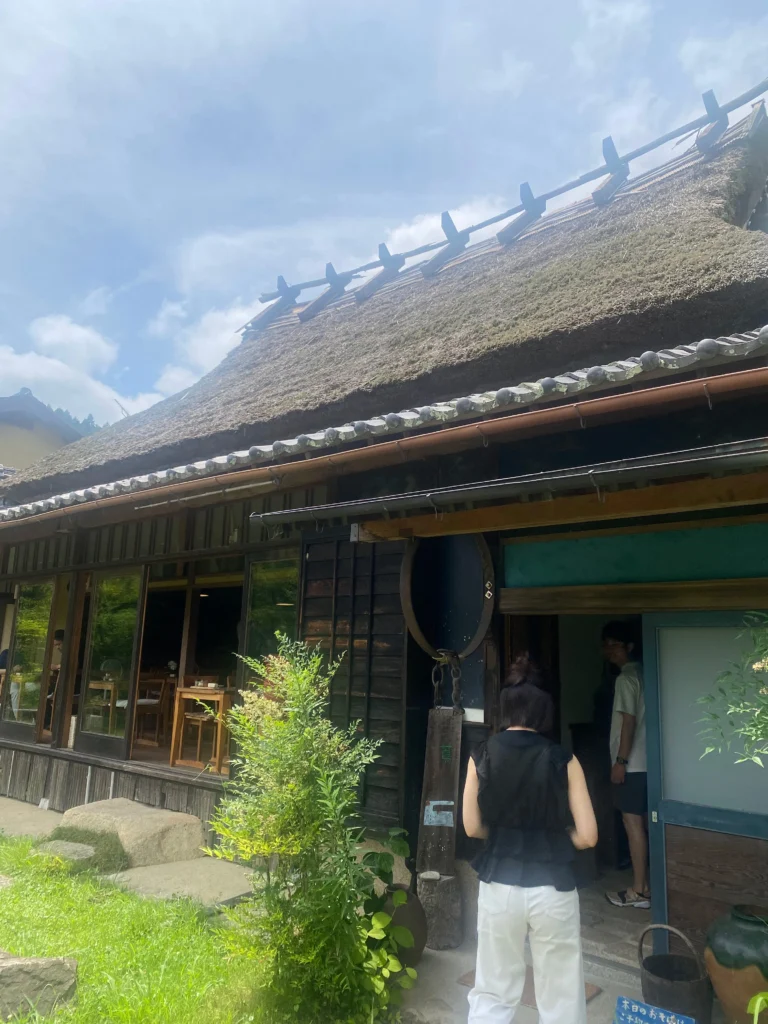
A satoyama soba restaurant is a dining experience deeply connected to its rural environment. Unlike city restaurants, it emphasizes ingredients sourced from the surrounding mountain villages. At Sobakiri Tsutaya, this means the meal is not just about the noodles; it includes a course of satoyama cuisine—small dishes made from local, seasonal vegetables and ingredients. The experience is slower, more intentional, and tied to the natural setting.
The Journey and Arrival at Sobakiri Tsutaya
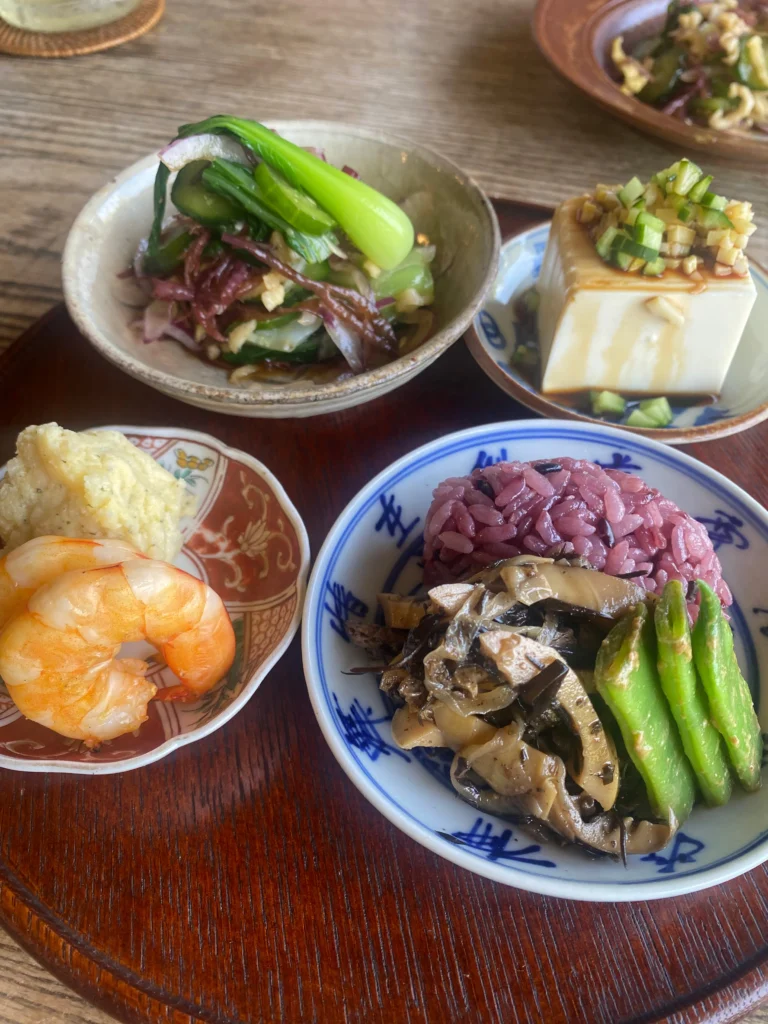
The drive from central Osaka takes about an hour, and the roads become progressively narrower as you enter Nose. The final approach is a small country lane. The restaurant itself is a beautifully renovated traditional farmhouse with a thatched roof. Stepping inside, the air is cool and still. The high, dark-beamed ceiling and the quiet hum of a few other diners create a sense of calm. It feels less like a restaurant and more like a private home you have been invited into.
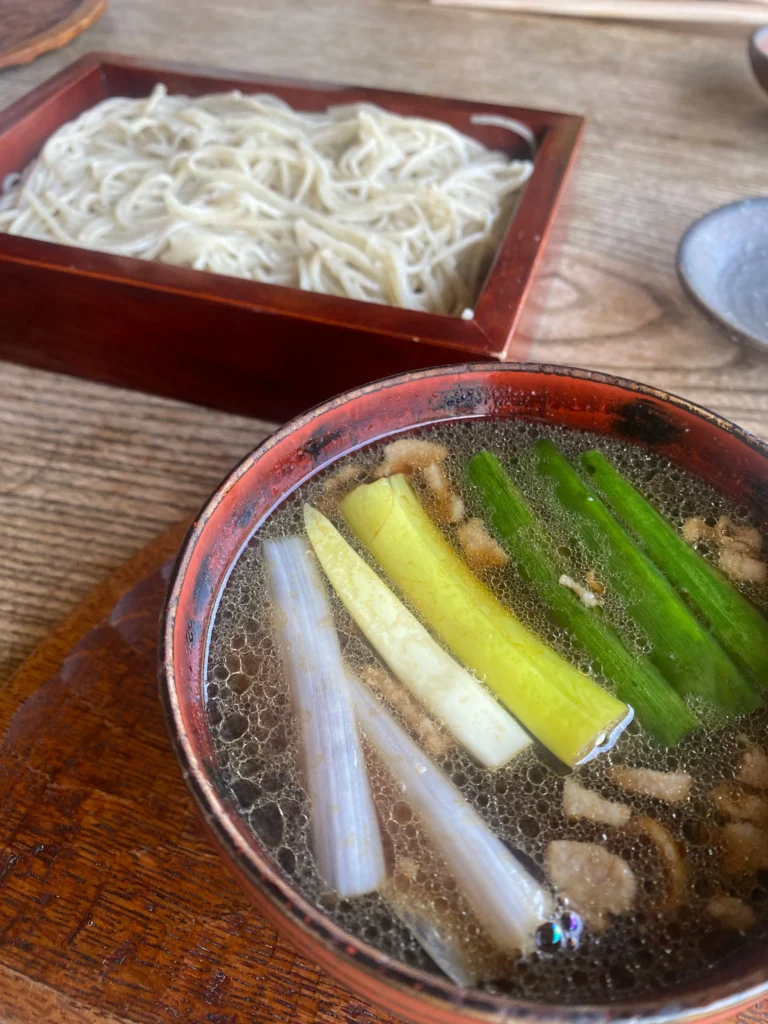
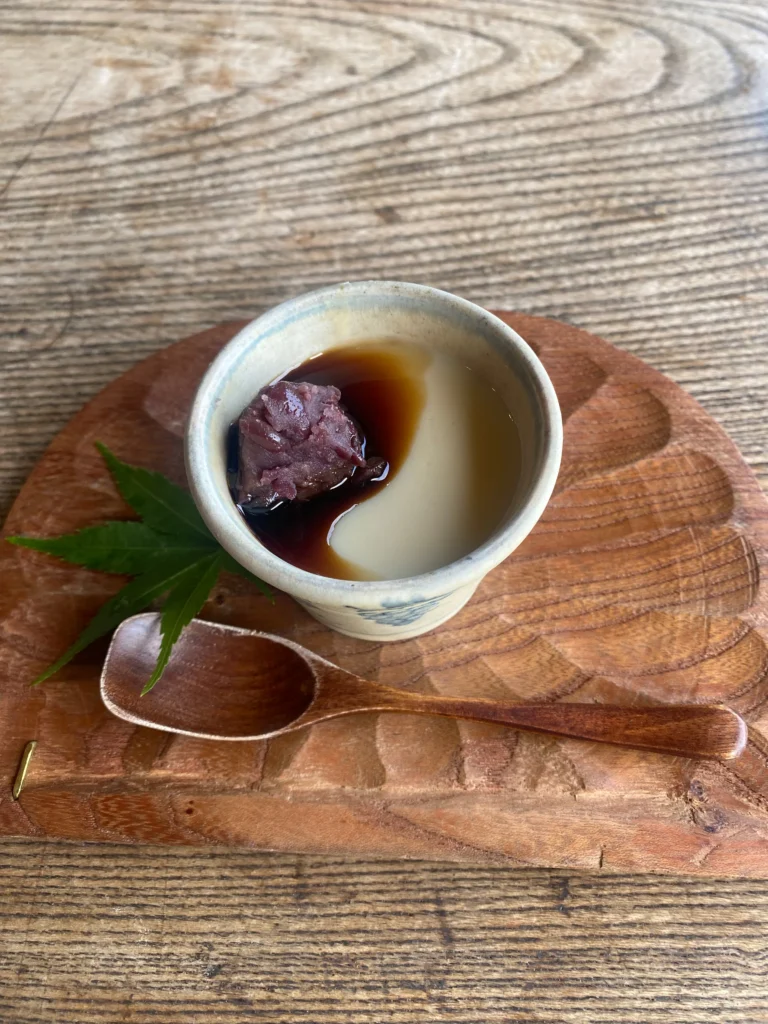
I was there for the soba and the satoyama course. The meal began not with noodles, but with a series of small, artfully arranged dishes. Each one highlighted a single ingredient: a simmered local vegetable, a piece of grilled fish, a small bite of tofu. The flavors were clean and direct. Nothing was heavily seasoned. It was clear the goal was to let the natural taste of the ingredients come through. It was a delicious, thoughtful progression that set the stage for the main event.
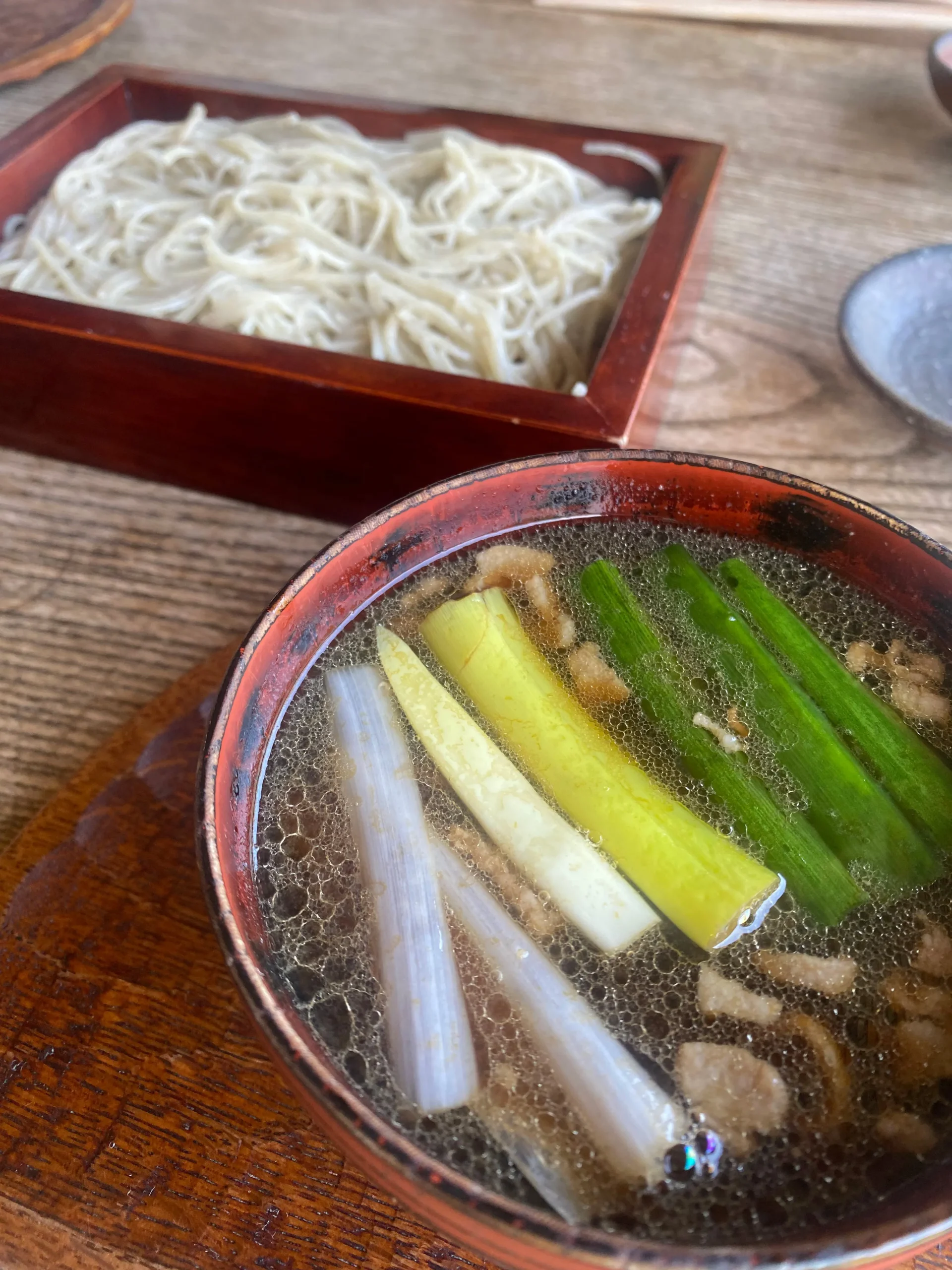
The soba arrived last. It was served cold, a testament to the summer season. The noodles had a rich, nutty aroma that was noticeable before the first bite. The texture was firm, with a pleasant roughness that you only find in 100% buckwheat noodles. The dipping sauce was light, designed not to overpower the soba’s delicate flavor. It was a simple, perfect dish, made more so by the quiet, focused environment.
Who Should (and Should Not) Visit?
This experience is for someone who wants to understand food in its context. It is for a patient traveler who sees a meal as more than just sustenance and is willing to make a journey for it. If you appreciate craftsmanship, quiet spaces, and the subtle flavors of Japanese cuisine, you will find the trip to Sobakiri Tsutaya worthwhile.
However, it is not for everyone. If you are looking for a quick, casual meal, this is not the place. The location is remote and requires a car or a costly taxi ride. The menu is fixed, and reservations are mandatory, often far in advance. It is a commitment. If you prefer a lively, bustling atmosphere, the deep quiet here might feel too sedate.
Practical Details for Your Visit
| Aspect | Details |
| Primary Keyword | Satoyama Soba Experience |
| Time Required | 2–3 hours, including travel from central Osaka. |
| Cost | Expect to pay around ¥3,000–¥4,000 per person for the course. |
| Reservations | Essential. Reservations are taken by phone only (072-734-2774) between 4 PM and 7 PM. Book well in advance. |
| Payment | Cash only. Credit cards and digital payments are not accepted. |
| Getting There | A car is the most practical option. By public transport, it requires a train to Nissei-chuo Station followed by a 30-minute taxi ride. |
Common Misunderstandings About Rural Dining
“I can just show up.” This is the most common mistake. Restaurants like Sobakiri Tsutaya are often run by a small team and prepare food based on the exact number of reservations. Walking in is not an option.
“The menu will have many choices.” Specialty restaurants in Japan often have a single set course (omakase). The chef decides the menu based on the best ingredients available that day. You are there to experience their vision.
Where to Stay Near Nose
While Nose is a rural area with limited accommodation, it is easily accessible from the northern parts of Osaka. The city of Toyonaka is a practical base, offering a balance between city conveniences and proximity to the countryside. From Toyonaka, the drive to Nose is straightforward. For a selection of hotels, you can browse places to stay in Toyonaka on Agoda, which provides various options to fit your travel plans.
A Final, Practical Takeaway
Sobakiri Tsutaya is more than a meal; it is a destination. The experience is a reminder of the deep connection between food and place in Japan. The soba is exceptional, but it is the entire journey—the drive, the quiet setting, the thoughtful progression of the satoyama dishes—that makes it memorable. It is a taste of a slower, more deliberate side of Osaka.
Join 1,000+ travelers discovering Japan's hidden side
Weekly dispatches from off-the-beaten-path Japan — spots and stories you won't find in guidebooks.
No spam. Unsubscribe anytime.
Welcome aboard!
You're in. See you in your inbox soon.