

Current date: 2025-12-21 (JST)
There are places in Japan that feel ancient, where the weight of history and faith is palpable in the air. The islands of Munakata, located off the coast of Fukuoka Prefecture, are one such place. Central to this is the island of Okinoshima, a UNESCO World Heritage site so sacred that it is not open to the public. The entire island is considered a god, a place of worship that has been protected for centuries. But you can get close.
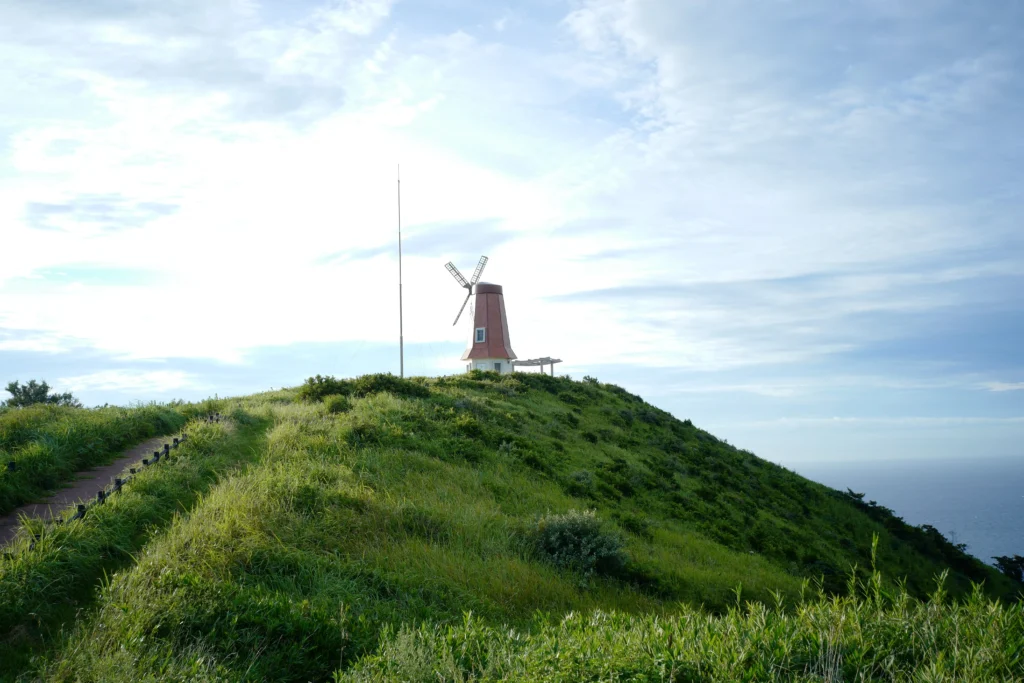
This guide is about making a journey to Oshima, the largest of the Munakata islands and the closest accessible point to the forbidden island of Okinoshima. It’s a journey that takes you to the heart of a unique maritime faith and offers a glimpse into a tradition that has shaped this region for over a thousand years. From the ferry ride across the Genkai Sea to the quiet trails and shrines of Oshima, this is a trip for the traveler seeking a deeper connection to Japan’s spiritual landscape.
Overview
The UNESCO World Heritage site, officially named the Sacred Island of Okinoshima and Associated Sites in the Munakata Region, is a collection of properties that tell the story of a unique tradition of worship. Okinoshima itself is the core of this heritage. For centuries, rituals were performed here to pray for the safety of sailors and the success of exchanges with the Asian continent. The island is home to the Okitsu-gu shrine, one of the three shrines that make up the grand Munakata Taisha.
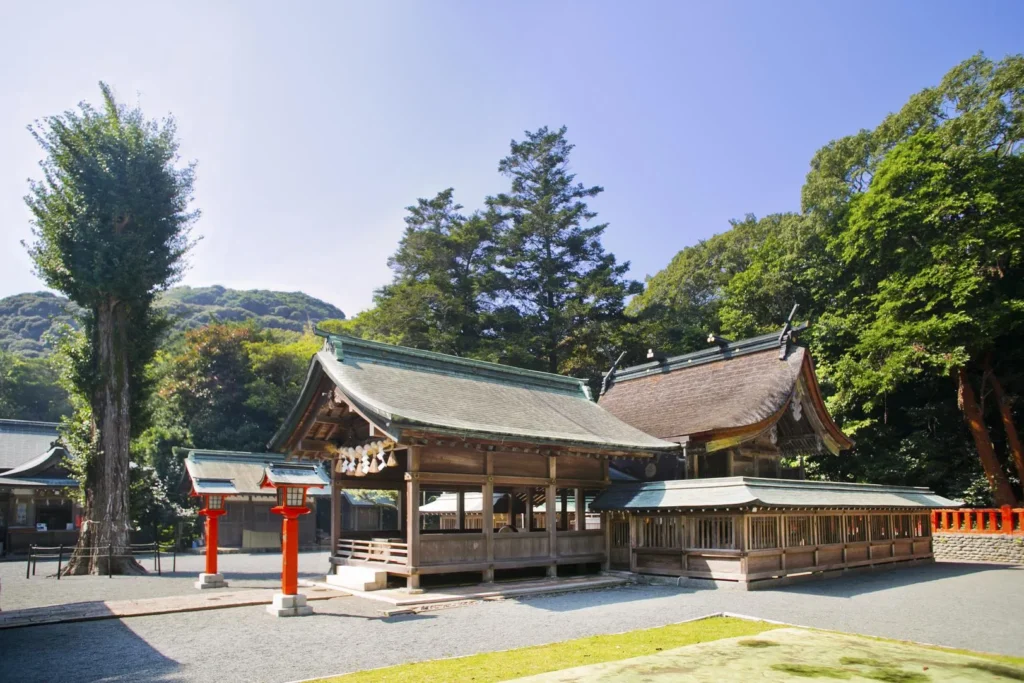
Since Okinoshima is off-limits, the island of Oshima serves as the primary destination for visitors. Here you will find:
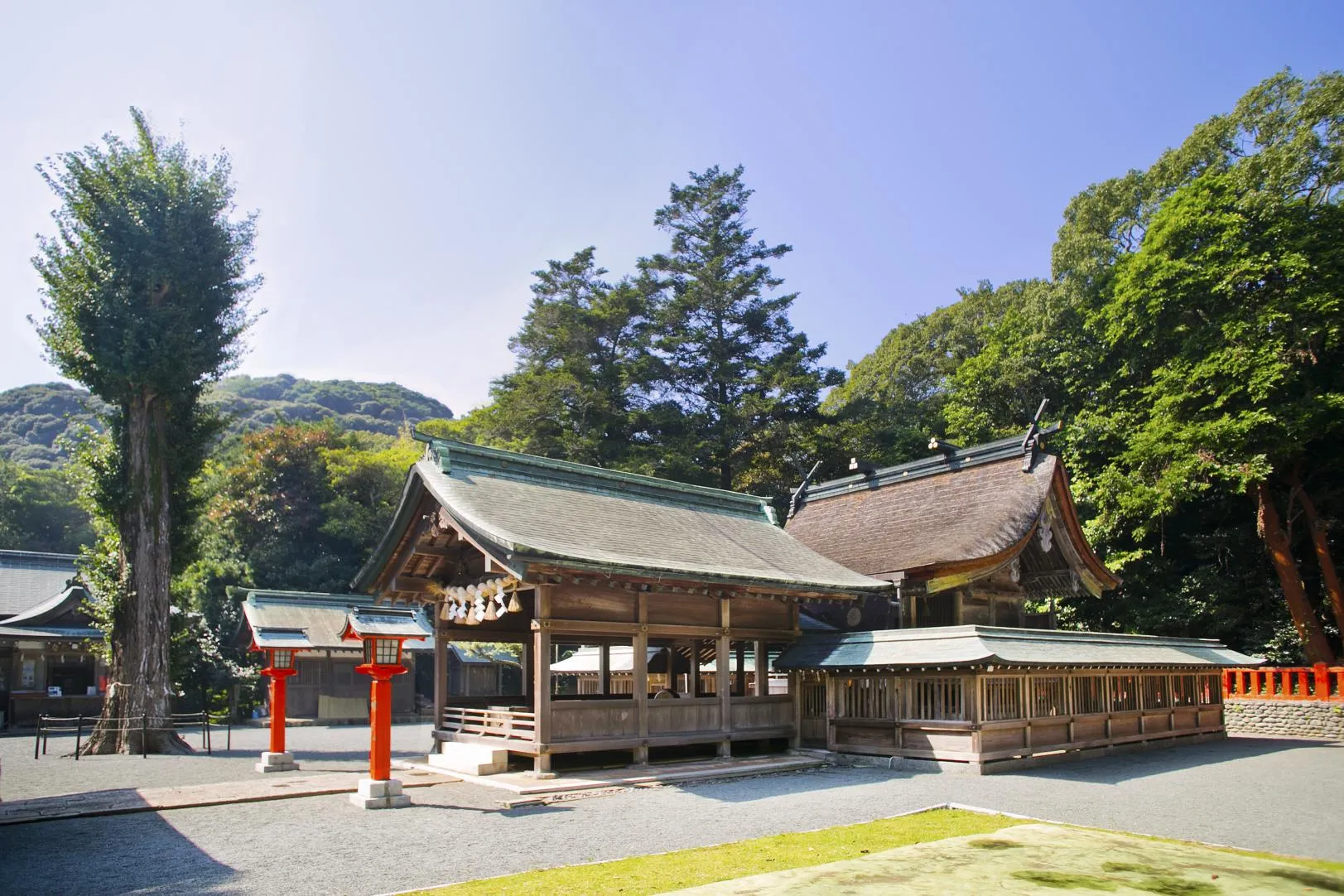
1.Munakata Taisha Nakatsu-gu Shrine: The second of the three Munakata shrines, located in the heart of Oshima.
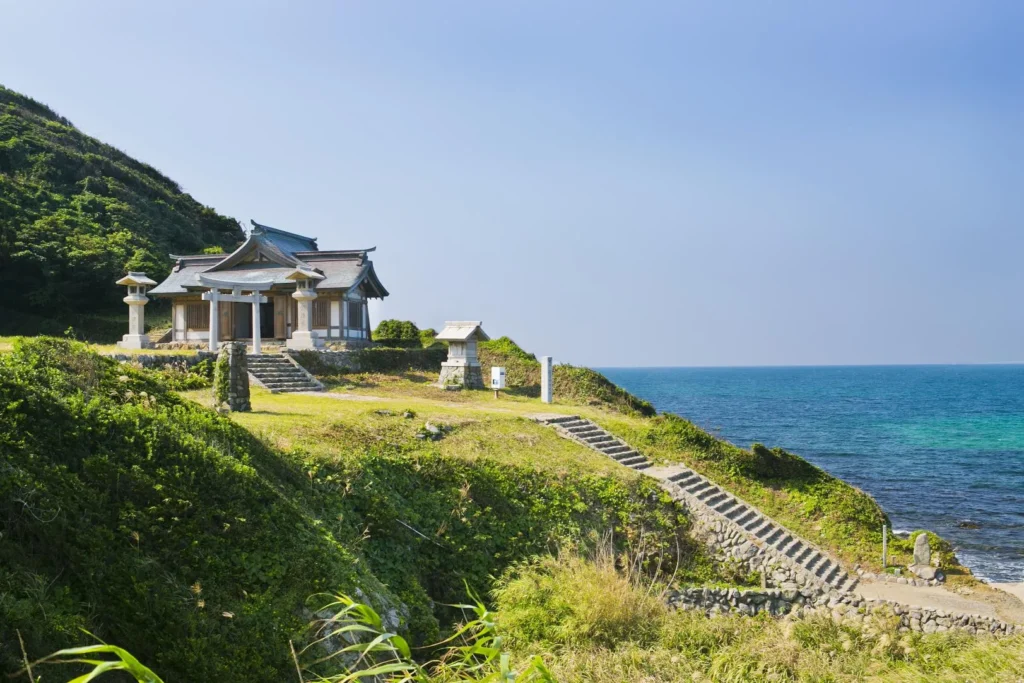
2.Okinoshima Yohaisho: A worship hall on the northern tip of Oshima, built specifically for people to pray to Okinoshima from afar. On a clear day, you can see the faint outline of the sacred island on the horizon.
3.Walking Trails and Natural Scenery: Oshima is a beautiful island with rolling hills, scenic coastlines, and the Kyushu Olle walking course that takes you to all the major sites.
Why This Place Is Worth Visiting
This journey is for the traveler interested in history, religion, and the unique cultural landscapes of Japan. It’s for someone who is intrigued by the idea of a place so sacred it remains untouched by tourism. The experience is less about seeing a single, spectacular sight and more about understanding a deep-rooted faith and its connection to the sea.
Oshima is also a wonderful destination for those who enjoy quiet, rural islands. The pace of life is slow, the scenery is beautiful, and the air is fresh. It’s a place to clear your mind, walk, and reflect. It is not a place for those seeking nightlife or extensive tourist facilities. It is a journey of quiet contemplation.
How to Get There
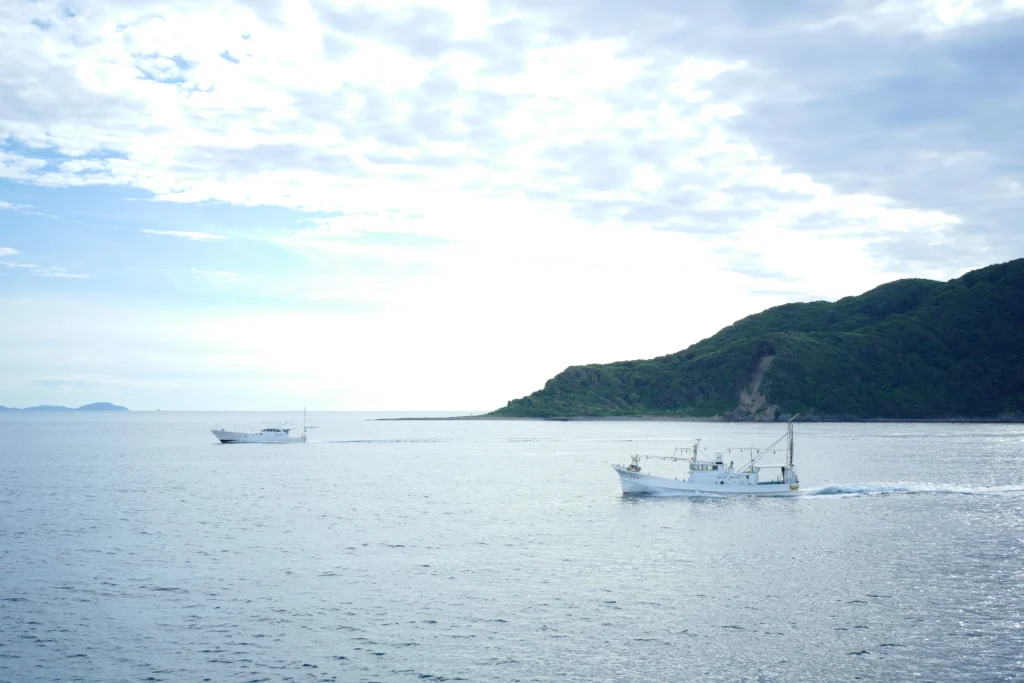
Getting to Oshima requires a ferry trip from the mainland. The journey starts at the Kono Ferry Port (神湊港) in Munakata City.
From Fukuoka City:
•Take a train from Hakata Station to Togo Station on the JR Kagoshima Main Line (about 30-40 minutes).
•From Togo Station, take a bus to the Kono Ferry Port (about 20 minutes).
Ferry to Oshima: There are two types of boats that run between Kono Port and Oshima Port:
| Ferry Type | Travel Time | Notes |
| Ferry “Oshima” | 25 minutes | Larger, more stable, runs 5 times a day |
| Passenger Ship “Shiokaze” | 15 minutes | Smaller, faster, runs 2 times a day |
It is highly recommended to check the ferry schedule in advance, as it can change. The first ferry from Kono Port is usually around 7:40 AM, and the last ferry back from Oshima is around 4:00 PM, making a day trip very feasible.
Costs & Fees
•Ferry Fare: The one-way fare for the ferry is approximately ¥570 for adults. (This is an estimate, please confirm the current price at the terminal).
•Island Transportation: Renting a bicycle is a popular and affordable way to get around the island. Prices are typically around ¥500 for a few hours.
•Shrine Entrance: Entrance to the shrines on Oshima is free.
Best Time to Visit
Spring (April-May) and Autumn (October-November) are the best times to visit Oshima. The weather is pleasant for walking, and the visibility is often good, increasing your chances of seeing Okinoshima from the Yohaisho.
•Summer: Can be hot and humid, but the green landscapes are beautiful.
•Winter: The weather can be cold and windy, and the sea can be rough, which may affect ferry services.
•Time of Day: An early start is recommended. Taking one of the first ferries of the day will give you plenty of time to explore the island at a relaxed pace and avoid the midday crowds, especially on weekends.
Things to Know Before You Go
•Respect the Sacredness: Remember that you are visiting a place of deep religious significance. Behave respectfully, especially around the shrines and the Yohaisho.
•Okinoshima is Off-Limits: Do not attempt to find a way to get to Okinoshima. The restrictions are absolute and are a core part of the island’s preservation.
•Limited Facilities: While there are some small shops and restaurants near the port on Oshima, facilities are limited. It’s a good idea to bring water and some snacks with you.
•Check Ferry Times Carefully: The biggest risk of a trip to Oshima is missing the last ferry back to the mainland. Be very aware of the schedule.
Nearby Places Worth Adding
1.Munakata Taisha Hetsu-gu Shrine: The third of the Munakata shrines, located on the mainland near the ferry port. It’s a beautiful and important shrine and a must-visit to complete the pilgrimage.
2.Fukuoka City: As the largest city in Kyushu, Fukuoka offers a vibrant contrast to the quiet of Oshima. Enjoy the famous food scene, shopping, and nightlife.
Where to Stay (Affiliate Section)
While there is some accommodation on Oshima, most visitors choose to stay in Fukuoka City and make a day trip to the island. Fukuoka offers a vast range of hotels and is a convenient base for exploring the wider region. The Hakata and Tenjin areas are the most popular, with excellent transport links.
Here are a couple of highly-rated options in Fukuoka:
1.Hotel Forza Hakataeki Chikushi: With an excellent 8.5/10 rating from over 9,000 reviews, this hotel is a top choice for its convenient location near Hakata Station and its clean, comfortable rooms. It’s a perfect base for travelers who want to be in the heart of the action.
2.Oriental Hotel Fukuoka Hakata Station: Another fantastic option with an 8.7/10 rating, this hotel is also located right by Hakata Station. It’s praised for its good customer service and clean facilities, making it a reliable and comfortable choice.
Staying in Fukuoka gives you the flexibility to explore not just Munakata, but also other attractions in the prefecture.
→ Search for hotels in Fukuoka on Agoda — Use this link to browse over 1,000 properties in Fukuoka, from luxury hotels to budget-friendly guesthouses.
Summary
A trip to Munakata Oshima is more than just a visit to another island; it’s a pilgrimage to the edge of a sacred world. It’s a journey that requires a bit of planning but rewards you with a sense of peace and a deeper understanding of Japan’s ancient connection to the sea. Standing at the Yohaisho, looking out over the water towards an island you can never visit, is a powerful and humbling experience. It’s a reminder that some places are best left to the gods.
Conclusion
For the traveler seeking a journey with meaning, Munakata Oshima offers a unique and profound experience. The inability to land on Okinoshima is not a limitation but the very essence of the journey. It teaches a lesson in reverence and respect. Combine this with the natural beauty of Oshima and the convenience of a base in Fukuoka, and you have a trip that is both spiritually enriching and practically enjoyable.
Sources / References
[2] Munakata City Official Website
[3] UNESCO World Heritage Centre
Notes & Exceptions
•Information is current as of December 2025. Always check official sources for the most up-to-date information on ferry schedules and prices.
•The visibility of Okinoshima from Oshima is entirely dependent on the weather. Do not be disappointed if you cannot see it.
•This article focuses on the accessible parts of the World Heritage site. Special tours to circumnavigate Okinoshima by boat may be available on rare occasions, but they are not part of a standard visit.
Certainty Level
High
Join 1,000+ travelers discovering Japan's hidden side
Weekly dispatches from off-the-beaten-path Japan — spots and stories you won't find in guidebooks.
No spam. Unsubscribe anytime.
Welcome aboard!
You're in. See you in your inbox soon.